




- Electric Bus Charging Upgraded: Fast & Flexible
- Shenzhen Kehua’s 40 kW High-Efficiency SiC Charging Module Achieves CE, CB, and UL Certifications
- Shenzhen Kehua Unveils High-Reliability All-in-One DC Charger for the ASEAN Market
- Shenzhen Kehua’s Scalable Megawatt Power Unit: Pioneering the Next Era of High-Power Charging for Green Mobility
- Growth Opportunities in the EV Charging Industry Amid the Global Transportation Electrification
- The Future of Fleet Charging: Building Efficient and Reliable Charging Infrastructure
What Is EV Fleet Charging?


Content Menu
● Why EV Fleet Charging Matters for Modern Fleets
● Core Components of an EV Fleet Charging Ecosystem
>> 1. Charging Hardware: AC, DC Fast, and High-Power Systems
● Strategic Planning for EV Fleet Charging Infrastructure
>> Assessing Fleet Needs and Future Growth
>> Site Selection and Depot Layout Optimization
>> Overcoming Installation and Grid Challenges
● Smart Charging Systems: Maximizing Efficiency and Uptime
>> Leveraging DC Fast Chargers for Quick Turnaround
● Energy Management and Charging Cost Optimization
>> Real-Time Monitoring with Energy Management Systems
>> Using Tariff Structures and Off-Peak Charging
>> Integrating Renewable Energy and On-Site Generation
● Tackling Range Anxiety and Ensuring Vehicle Availability
>> Choosing Long-Range EVs and Matching Duty Cycles
>> Fleet Management Tools and Real-Time Data
>> Integrating EVs into Existing Fleet Management Systems
● Sustainability, Compliance, and Incentives for EV Fleets
>> Environmental Impact and Circular Practices
>> Navigating Policy and Leveraging Financial Support
● Practical Step-by-Step Roadmap to Deploy EV Fleet Charging
● How Advanced Charging Technologies Enable Scalable EV Fleet Operations
● Conclusion: Building a Future-Proof, High-Performance EV Fleet
● Take the Next Step Toward Smarter EV Fleet Charging
● Frequently Asked Questions (FAQ)
>> 1. What is EV fleet charging and how is it different from regular EV charging?
>> 2. How many chargers does my fleet need?
>> 3. Is AC charging enough for a commercial EV fleet?
>> 4. How can I reduce the electricity cost of EV fleet charging?
>> 5. What incentives are available for EV fleet charging projects?
Electric vehicle (EV) fleet charging is the coordinated deployment and management of charging infrastructure that supports multiple electric vehicles in a commercial or institutional fleet, enabling them to charge efficiently, reliably, and at scale. It goes far beyond installing a few chargers; it involves strategic planning, energy management, software integration, and lifecycle optimization to keep vehicles on the road and operating profitably.
What Is EV Fleet Charging?
EV fleet charging refers to setting up a network of charging stations and supporting systems that allow multiple fleet vehicles to charge simultaneously or in sequence according to operational priorities. It is especially critical for logistics fleets, public transport, corporate vehicles, school buses, and service fleets transitioning from internal combustion engines to electric power.
Key characteristics include:
- Centralized infrastructure at depots, hubs, or destinations.
- Smart scheduling and load management to avoid grid overload and cost spikes.
- Integration with fleet management platforms for real-time visibility and control.
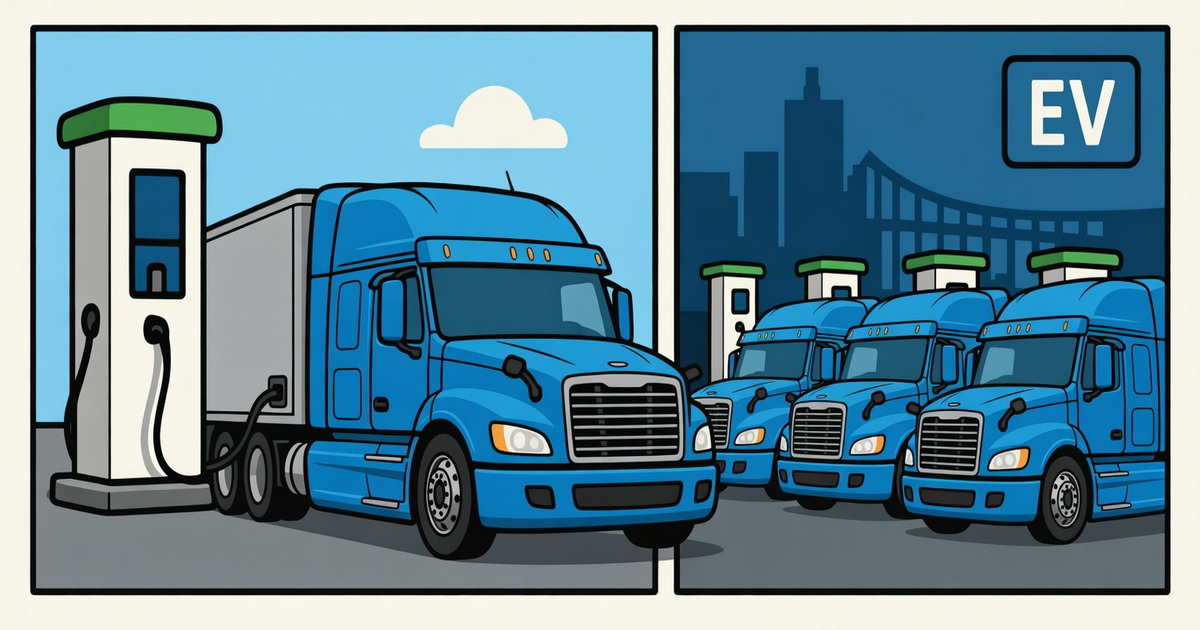
Why EV Fleet Charging Matters for Modern Fleets
Electrifying a fleet is not only a sustainability decision; it is a strategic operational and financial move.
Main benefits of EV fleet charging include:
- Lower operating costs through reduced fuel and maintenance expenses.
- Compliance with tightening emissions regulations and low-emission zones.
- Improved brand image and ESG performance for customers and investors.
- Better driver and community experience through quieter, cleaner vehicles.
Core Components of an EV Fleet Charging Ecosystem
Effective EV fleet charging requires coordination of hardware, software, and grid-side planning.
1. Charging Hardware: AC, DC Fast, and High-Power Systems
Different fleet duty cycles demand different charger types.
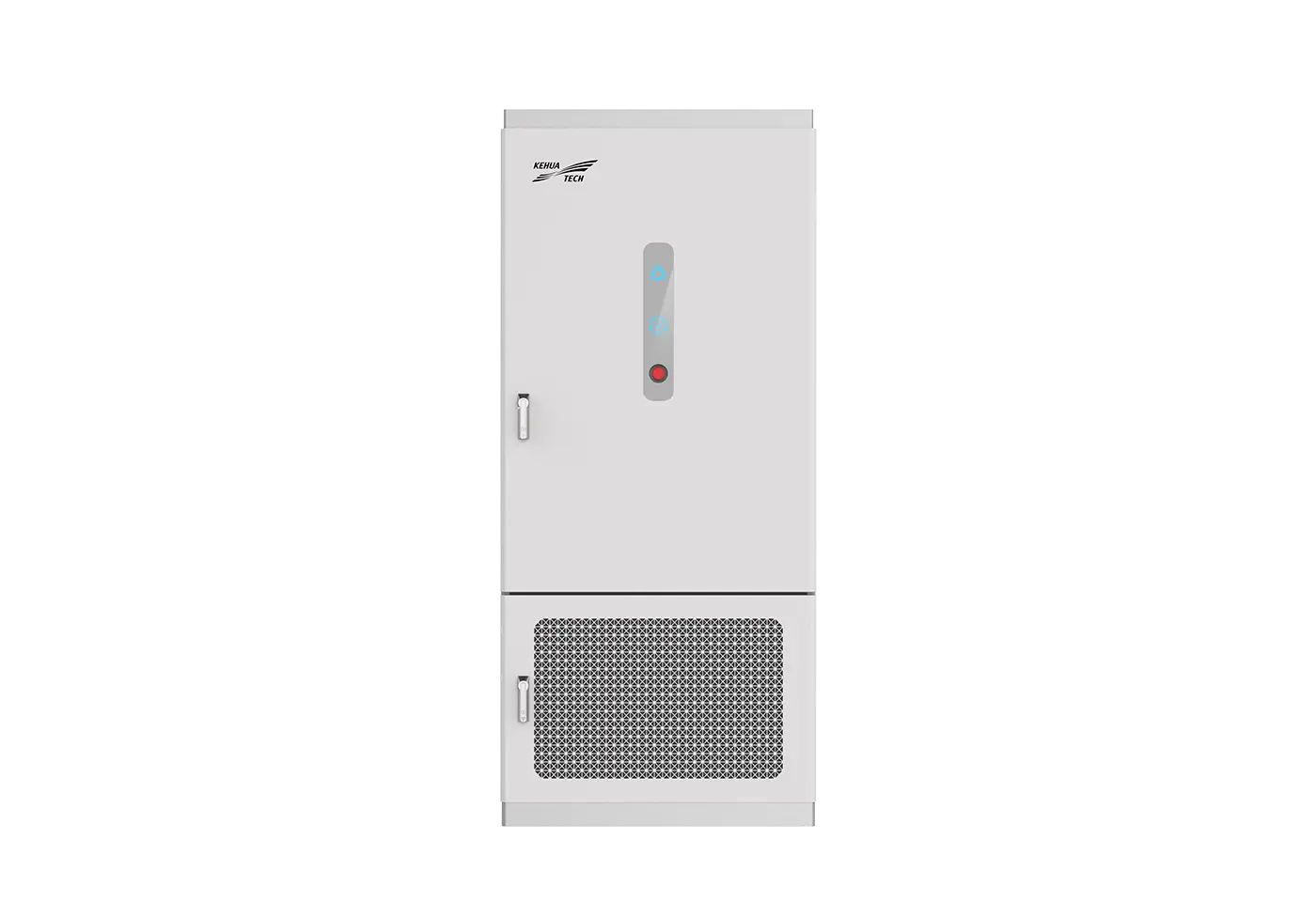
1- AC chargers
- Suited for overnight or long-dwell charging at depots, workplaces, or school bus yards.
- Lower infrastructure demands and installation costs.
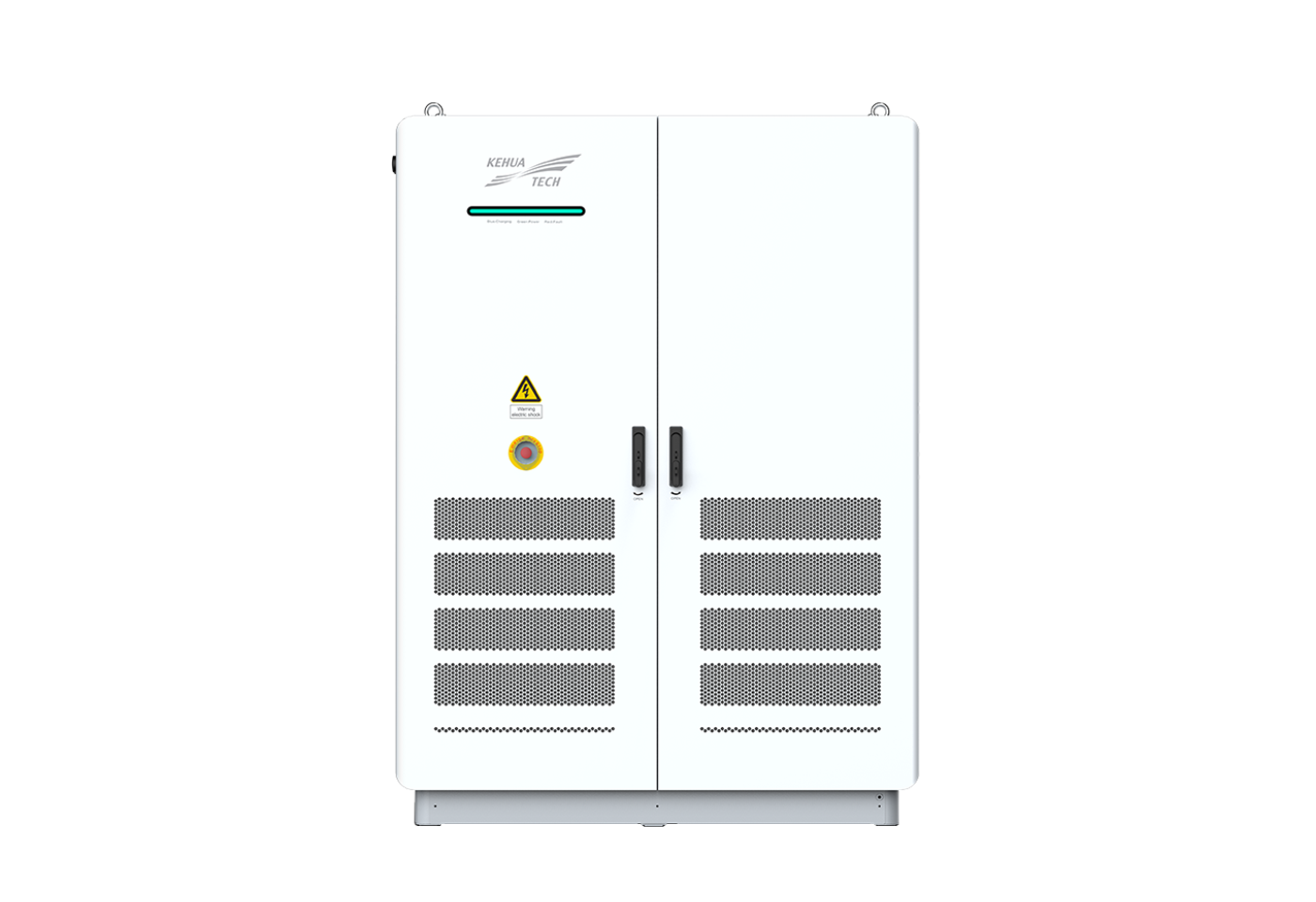
2- DC fast chargers
- Provide rapid charging, often bringing a vehicle to around 80 percent in 20 to 60 minutes depending on the model and battery size.
- Ideal for high-utilization fleets with short turnaround windows, such as delivery or ride-hailing.
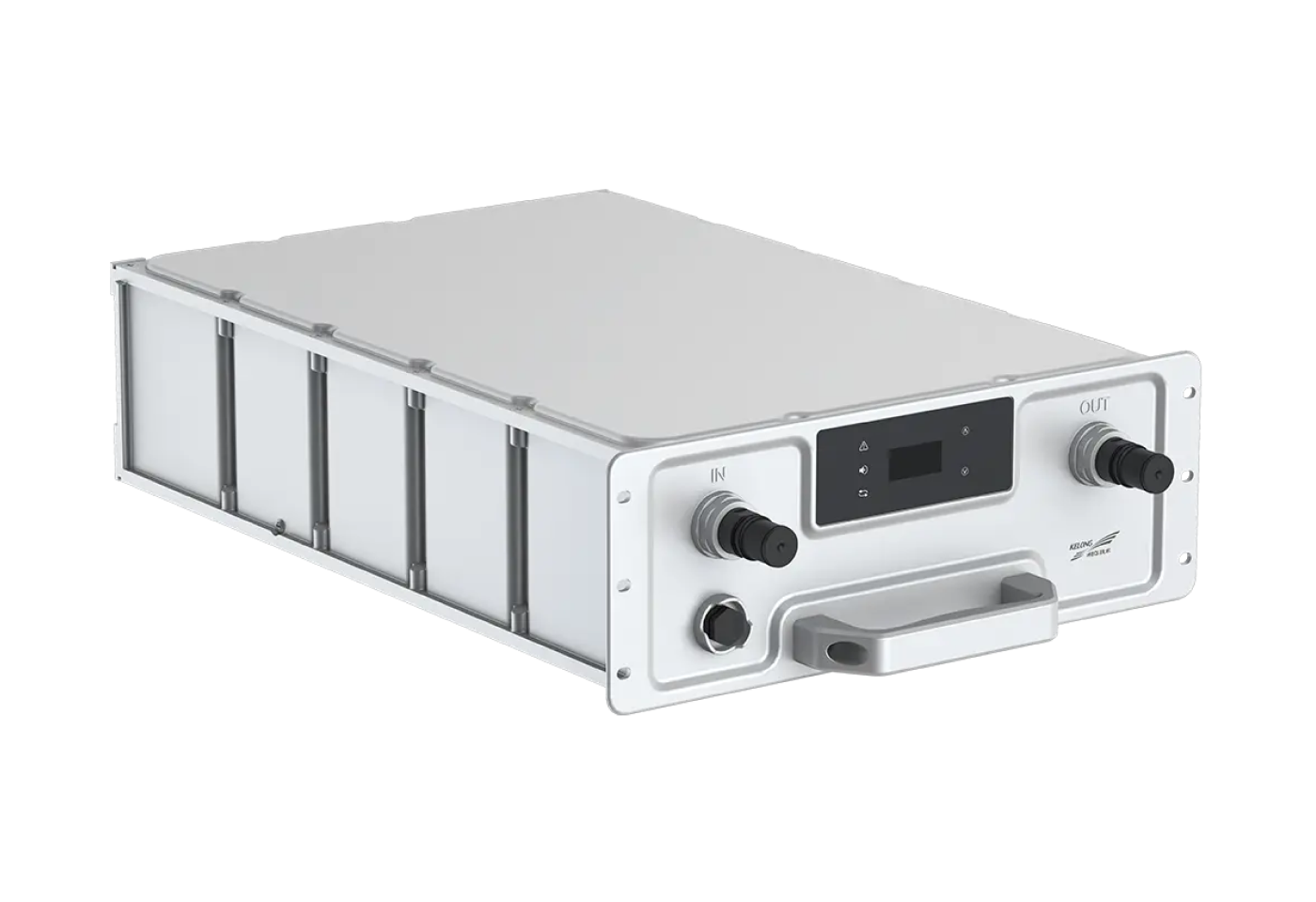
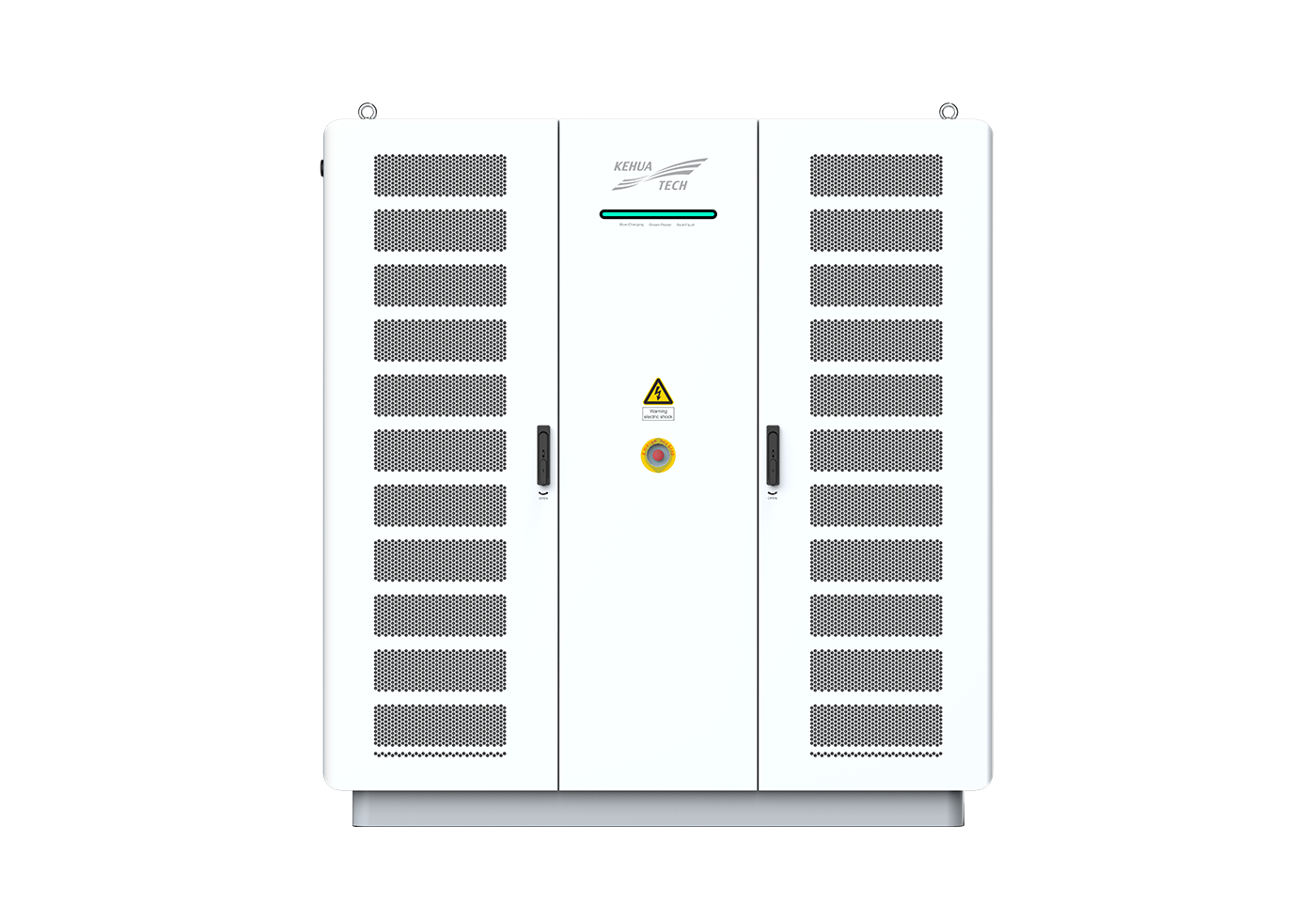
3- High-power or megawatt-level chargers
- Designed for heavy-duty trucks and buses with large battery packs and tight schedules.
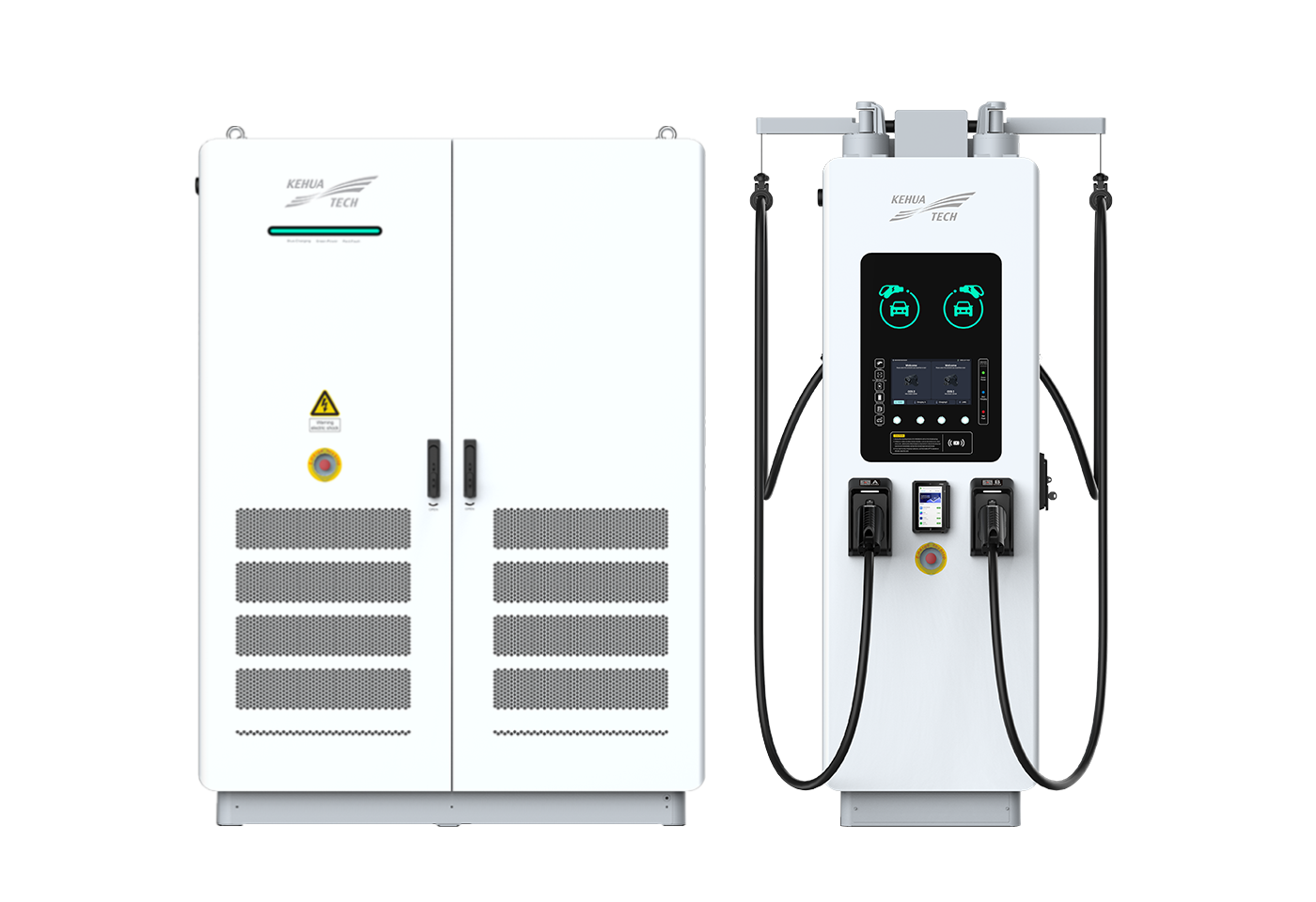
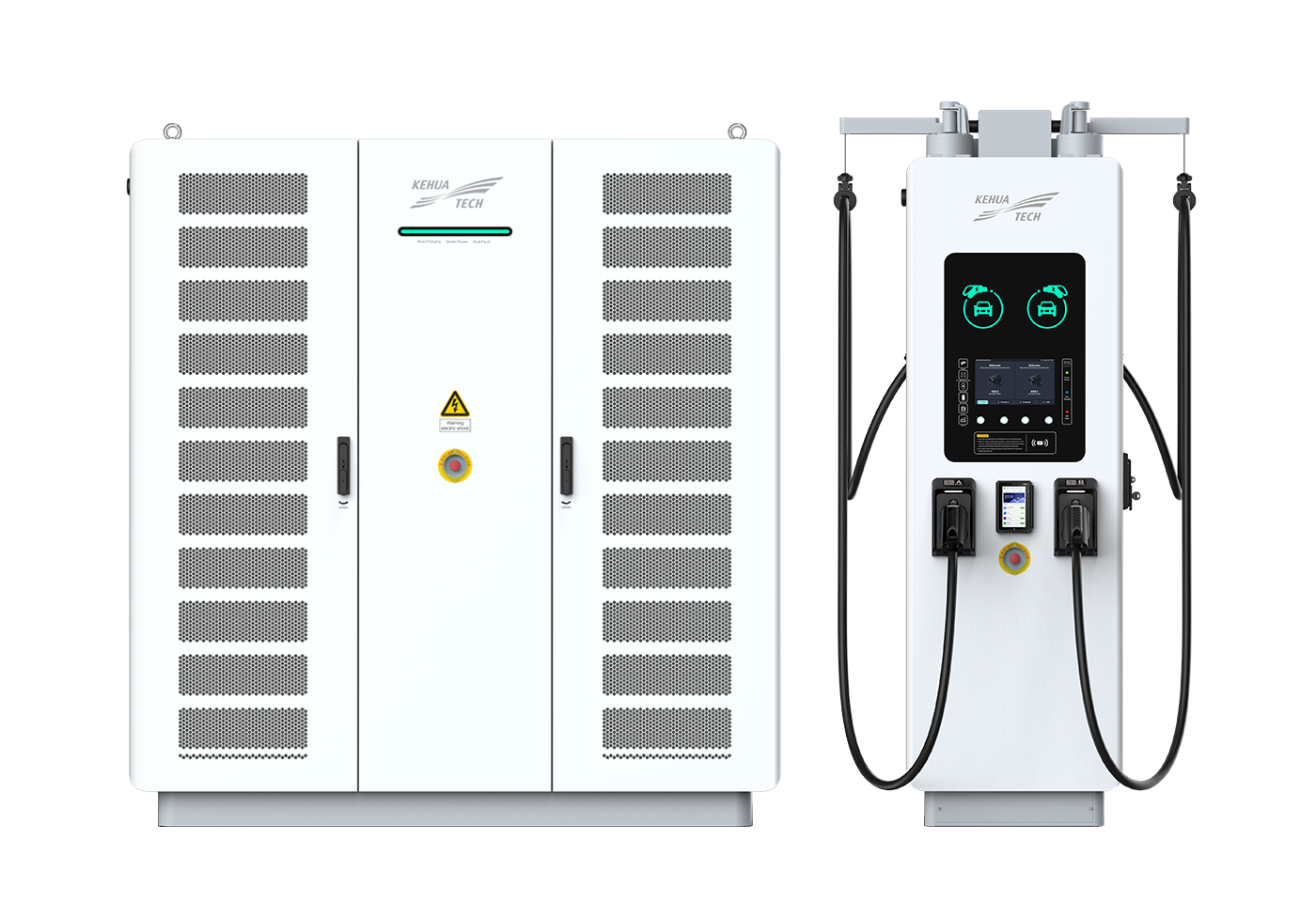
- Often deployed as part of a distributed high-power system to serve multiple bays efficiently.
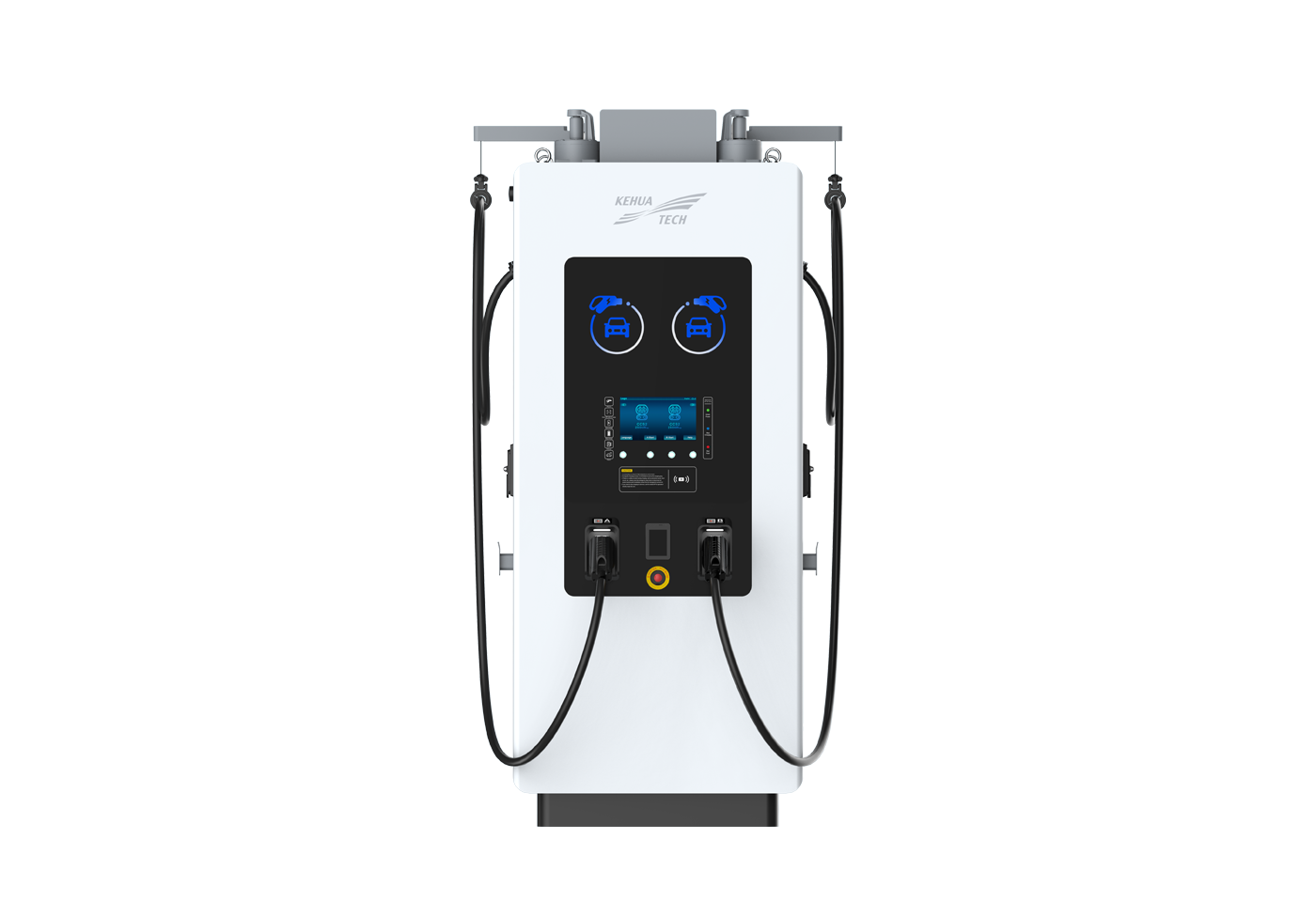
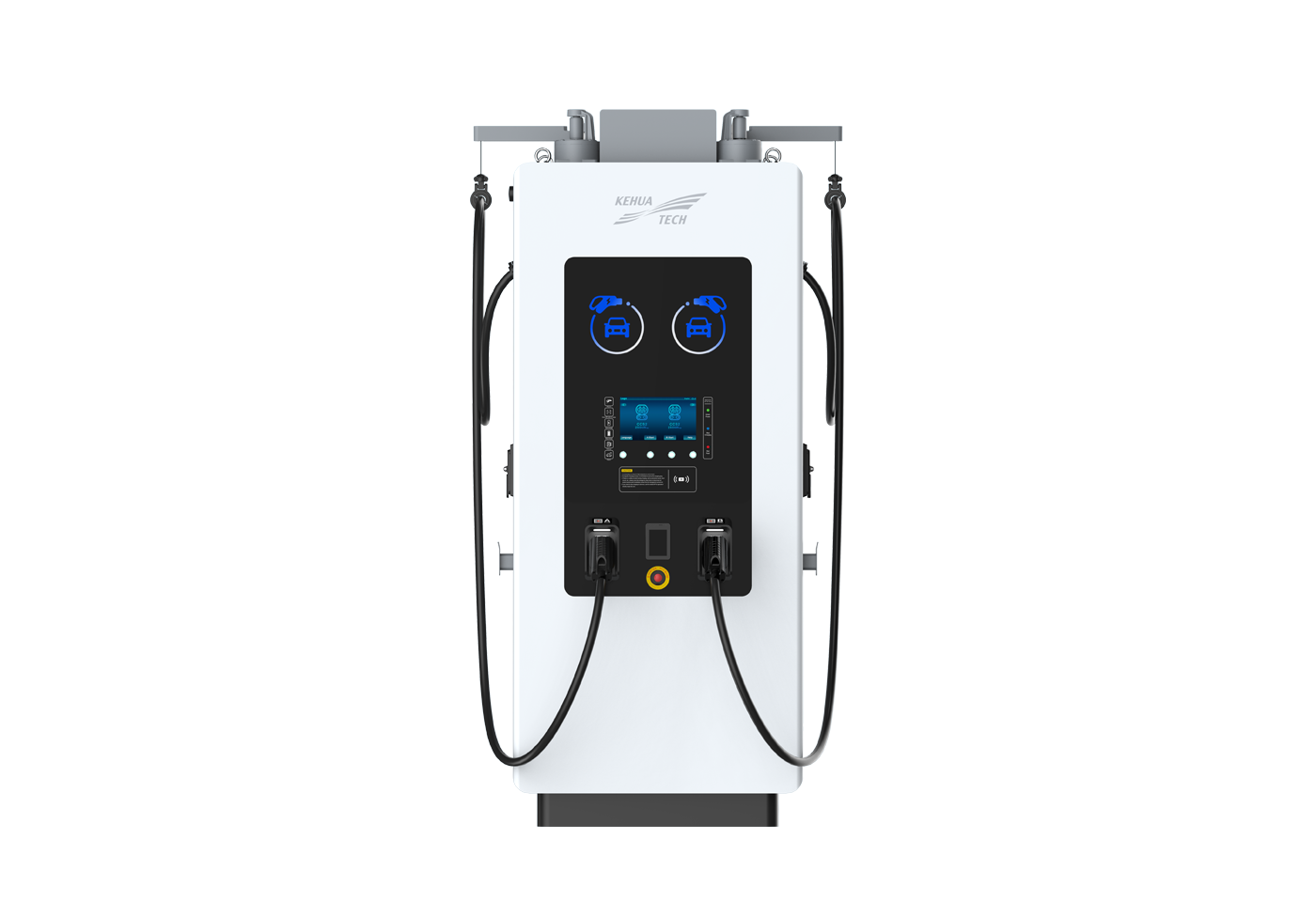
For example, a 240 kW DC fast charger can charge one or two vehicles simultaneously, significantly reducing fleet downtime.
Strategic Planning for EV Fleet Charging Infrastructure
Assessing Fleet Needs and Future Growth
A robust EV fleet charging plan starts with a clear understanding of current and future operational requirements.
Key factors to assess:
- Fleet size and vehicle types, such as vans, buses, trucks, and cars.
- Average and peak daily mileage by route.
- Typical dwell times, including overnight, mid-shift, and end-of-shift.
- Growth plans over the next three to ten years for vehicles and routes.
This assessment informs how many chargers you need, at what power levels, and where they should be located.
Site Selection and Depot Layout Optimization
Location is critical to minimizing deadhead miles and maximizing uptime.
Best practices:
- Place chargers near main operating depots, parking yards, or high-frequency destinations.
- Ensure adequate grid capacity or clear upgrade paths at the chosen sites.
- Plan traffic flow, parking layout, and cable reach to avoid bottlenecks and unsafe maneuvers.
Selecting sites along daily routes or at overnight depots helps operators reduce detours and charging-related downtime.
Overcoming Installation and Grid Challenges
Installation can be complex, particularly for large depots and high-power systems.
To streamline deployment:
- Engage the utility early to evaluate available capacity and potential reinforcement needs.
- Clarify permitting, safety, and building code requirements with local authorities.
- Phase installations so infrastructure can scale as the fleet grows, reducing upfront capital pressure.
Smart Charging Systems: Maximizing Efficiency and Uptime
Smart charging uses software and connectivity to control how and when vehicles charge in order to optimize cost, grid impact, and vehicle availability.
How Smart Charging Works
Smart charging platforms often use cloud-based algorithms to:
- Schedule charging during off-peak tariffs to reduce electricity bills.
- Balance load across chargers to avoid site capacity exceedance.
- Prioritize vehicles that are needed sooner or have critical routes the next day.
This approach allows fleets to charge many vehicles at once without overloading the site or paying premium peak rates.
Leveraging DC Fast Chargers for Quick Turnaround
DC fast chargers play a crucial role for high-utilization or time-sensitive operations.
Typical use cases:
- Mid-shift opportunity charging for last-mile delivery vans.
- Quick top-ups between trips for taxis and ride-hailing cars.
- Rapid turnaround for buses on intensive city routes.
By integrating DC fast chargers into the overall infrastructure, operators gain the flexibility to recover range quickly whenever schedules are tight.
Energy Management and Charging Cost Optimization
Electricity becomes a major operating cost once fleets electrify, so energy management is central to profitability.
Real-Time Monitoring with Energy Management Systems
Energy management systems give operators a real-time view of energy use across chargers and sites.
Key capabilities include:
- Monitoring charger status, energy consumption, and load in real time.
- Implementing dynamic load management to prevent grid or breaker overloads.
- Generating reports for energy use, cost, and emissions reductions.
With proper load management, businesses can integrate large numbers of chargers into existing electrical infrastructure with fewer expensive upgrades.
Using Tariff Structures and Off-Peak Charging
Aligning charging behavior with tariff structures significantly reduces energy costs.
Practical tactics:
- Schedule most charging during off-peak or super off-peak periods.
- Limit high-power charging during demand-charge windows.
- Use staggered or sequential charging to flatten load profiles at the site.
Integrating Renewable Energy and On-Site Generation
Combining EV chargers with solar PV, storage, or other distributed energy resources further enhances sustainability and resilience.
Benefits include:
- Lower net electricity cost over the system's lifetime.
- Reduced carbon footprint and improved ESG metrics.
- Backup power options during grid disruptions when coupled with storage.
Tackling Range Anxiety and Ensuring Vehicle Availability
Range anxiety is the fear that a vehicle will run out of charge before reaching its destination or a charger. For fleets, this translates to service interruptions and missed service-level agreements.
Choosing Long-Range EVs and Matching Duty Cycles
Selecting the right vehicle for the right route is fundamental.
Consider:
- Daily route length plus a contingency buffer for weather, traffic, and detours.
- Battery capacity and realistic real-world range instead of only lab ratings.
- Ability to access opportunity charging at depots, hubs, or destination sites.
Matching vehicle range to duty cycle avoids overspecification in some routes and under-range risk in others.
Fleet Management Tools and Real-Time Data
Modern fleet management software can integrate EV-specific metrics such as:
- State of charge and battery health for each vehicle.
- Vehicle location and planned route versus remaining range.
- Charger status, availability, and estimated time to completion.
This enables dispatchers to make data-driven decisions, reroute vehicles as needed, and schedule charging without guesswork.
Integrating EVs into Existing Fleet Management Systems
Upgrading or integrating existing fleet management platforms to support EV data creates a unified operational view. These systems provide real-time visibility into battery performance, charging schedules, and energy use, improving both efficiency and sustainability.
Sustainability, Compliance, and Incentives for EV Fleets
Electrifying fleets delivers measurable environmental benefits and aligns with evolving regulations.
Environmental Impact and Circular Practices
EV fleets reduce tailpipe emissions, lower local air pollution, and cut noise levels in urban environments. Over time, this improves public health outcomes and supports corporate sustainability commitments.
Organizations can further enhance impact by:
- Procuring renewable energy or using on-site solar where possible.
- Implementing battery reuse and recycling strategies as part of a circular economy approach.
- Reporting emissions reductions in sustainability and ESG disclosures.
Navigating Policy and Leveraging Financial Support
Many governments offer incentives to accelerate EV adoption, which can dramatically improve project economics.
These may include:
- Purchase rebates or tax credits for electric vehicles.
- Grants or subsidies for charging infrastructure.
- Reduced road taxes, toll discounts, or access to low-emission zones.
Staying informed about current and upcoming regulations helps fleets avoid penalties, tap into financial support, and future-proof their operations.
Practical Step-by-Step Roadmap to Deploy EV Fleet Charging
To translate strategy into execution, fleets can follow a structured rollout:
1. Define objectives
Clarify cost, sustainability, compliance, and service-level goals.
2. Audit your current fleet and sites
Map routes, dwell times, parking layouts, and available power at depots.
3. Select vehicle and charger mix
Match AC, DC fast, and high-power chargers to each use case and duty cycle.
4. Design phased infrastructure
Start with pilot sites, then scale based on data and performance.
5. Engage partners and utilities
Involve technology suppliers, installers, and utilities early to avoid delays.
6. Deploy smart charging and energy management
Implement software for load management, scheduling, and real-time monitoring.
7. Train drivers and operations teams
Ensure staff understand EV characteristics, charging procedures, and safety.
8. Monitor, optimize, and expand
Use analytics to refine charging strategies and plan the next wave of electrification.
How Advanced Charging Technologies Enable Scalable EV Fleet Operations
Modern EV fleet charging increasingly relies on modular, high-efficiency power electronics and intelligent control to support large-scale operations.
Key technology trends include:
- Modular DC systems that can dynamically allocate power across multiple connectors.
- High-efficiency power modules that reduce energy loss and heat.
- Megawatt-class charging solutions for heavy-duty trucks and buses.
- Cloud-connected chargers with remote diagnostics and firmware upgrades.
These innovations allow fleet operators to scale from a handful of vehicles to hundreds while maintaining reliability, safety, and cost control.
Conclusion: Building a Future-Proof, High-Performance EV Fleet
A successful EV fleet charging strategy combines strategic planning, the right mix of AC and DC infrastructure, intelligent software, and proactive energy management to keep vehicles charged and operations running smoothly. By aligning technology, grid capacity, incentives, and fleet operations, organizations can build a resilient, low-emission, and cost-efficient fleet that is ready for the future of transportation.
Take the Next Step Toward Smarter EV Fleet Charging
If you are planning to electrify your fleet or upgrade existing charging infrastructure, now is the ideal moment to evaluate your charging architecture, software stack, and expansion roadmap. Partner with an experienced EV charging technology provider to design a scalable, high-reliability solution that integrates DC fast chargers, depot systems, megawatt-level charging, and intelligent management, so your fleet can charge faster, operate more efficiently, and grow with confidence.
Frequently Asked Questions (FAQ)
1. What is EV fleet charging and how is it different from regular EV charging?
EV fleet charging focuses on charging multiple commercial or institutional vehicles in a coordinated way using shared infrastructure, smart scheduling, and centralized management, rather than individual drivers using standalone public or home chargers.
2. How many chargers does my fleet need?
The number depends on fleet size, daily mileage, dwell times, and charger power. Depot fleets with long overnight windows may use fewer AC chargers per vehicle, whereas high-utilization fleets need more DC fast chargers to guarantee availability and meet service-level commitments.
3. Is AC charging enough for a commercial EV fleet?
For predictable routes and long overnight parking, such as buses, municipal fleets, or employee vehicles, AC charging can be sufficient. High-duty or time-sensitive operations usually require a mix of AC charging for base energy and DC fast charging for quick turnarounds.
4. How can I reduce the electricity cost of EV fleet charging?
You can reduce costs by shifting most charging to off-peak periods, limiting high-power charging during demand-charge windows, using dynamic load management to avoid capacity breaches, and where possible integrating renewable energy or on-site generation.
5. What incentives are available for EV fleet charging projects?
Many regions offer vehicle purchase incentives, infrastructure grants, and tax credits for EV fleets and charging projects. Checking national, regional, and utility programs early in the planning process can significantly improve project economics and shorten payback times.
Hot Tags: EV Fleets Charging, EV Fleet Charging Solutions, Electric Fleet Management, Commercial EV Infrastructure, Depot Charging Systems, Corporate EV Fleets, Smart Fleet Charging, Electric Logistics Vehicles, Fleet Electrification Strategy, Managed EV Charging, Transportation Decarbonization

