



- Electric Bus Charging Upgraded: Fast & Flexible
- Shenzhen Kehua’s 40 kW High-Efficiency SiC Charging Module Achieves CE, CB, and UL Certifications
- Shenzhen Kehua Unveils High-Reliability All-in-One DC Charger for the ASEAN Market
- Shenzhen Kehua’s Scalable Megawatt Power Unit: Pioneering the Next Era of High-Power Charging for Green Mobility
- Growth Opportunities in the EV Charging Industry Amid the Global Transportation Electrification
- The Future of Fleet Charging: Building Efficient and Reliable Charging Infrastructure
Water and Dust Protection: Why IP55 Matters for Integrated DC Chargers in Tropical Climates


Content Menu
● Why IP55 Matters in the Tropics
● What IP55 Means for EV Chargers
● Why Tropical Climates Are Harder
● Design Factors That Improve Reliability
● FAQ
In tropical climates, IP55 protection matters because it helps integrated DC chargers stay reliable under rain, humidity, dust, and frequent outdoor exposure . For EV charging operators, that combination is not a minor design detail; it is a core reliability and safety factor that directly affects uptime, maintenance effort, and user trust.
Why IP55 Matters in the Tropics
Tropical sites create a difficult operating environment for an EV charger. High humidity can accelerate corrosion, rain can drive moisture into weak enclosure points, and airborne dust can gradually affect internal components over time. That is why ingress protection is not just a product label; it is a practical decision about whether the equipment can keep performing in real-world conditions.
According to IEC 60529, the IP code measures protection against solid objects and liquids. For IP55, the first digit means limited dust ingress protection , and the second digit means protection against water jets . In plain language, an IP55 integrated DC charger is built to handle typical outdoor stress without being fully sealed like a submerged system.
What IP55 Means for EV Chargers
IP55 does not mean the enclosure is waterproof. It means the equipment is designed to resist limited dust ingress and low-pressure water jets from different directions. That makes it suitable for many outdoor and semi-outdoor charging locations where the charger may face rain splash, wind-driven moisture, and dust but not constant immersion or heavy washdown.
For EV charger procurement, this distinction matters. Operators often choose a rating based on where the charger will actually sit, not just on a datasheet. In covered parking bays, portico-style entrances, and semi-sheltered outdoor areas, IP55 is often a practical balance between protection, cost, and maintainability.
Why Tropical Climates Are Harder
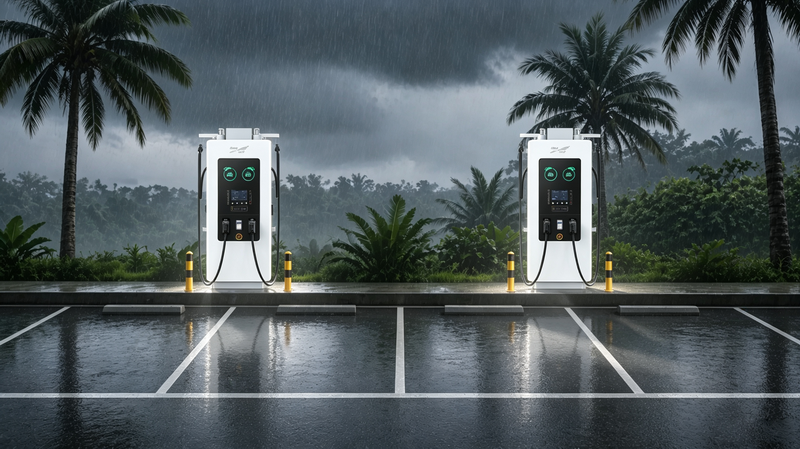
Tropical weather stresses charging equipment in several ways at once. Heat speeds up material aging, humidity increases corrosion risk, and rain raises the chance of water ingress around seals, cable entries, and joints . Dust from nearby roads, construction areas, or industrial zones can add another layer of wear.
This is especially important for integrated DC chargers installed outdoors over long periods. A charger may look fine on day one, but long-term exposure can affect connectors, boards, and enclosure surfaces if the site is not planned correctly. That is why good enclosure design, proper installation height, and routine inspection are just as important as the IP rating itself.
Kehua's IP55 Positioning
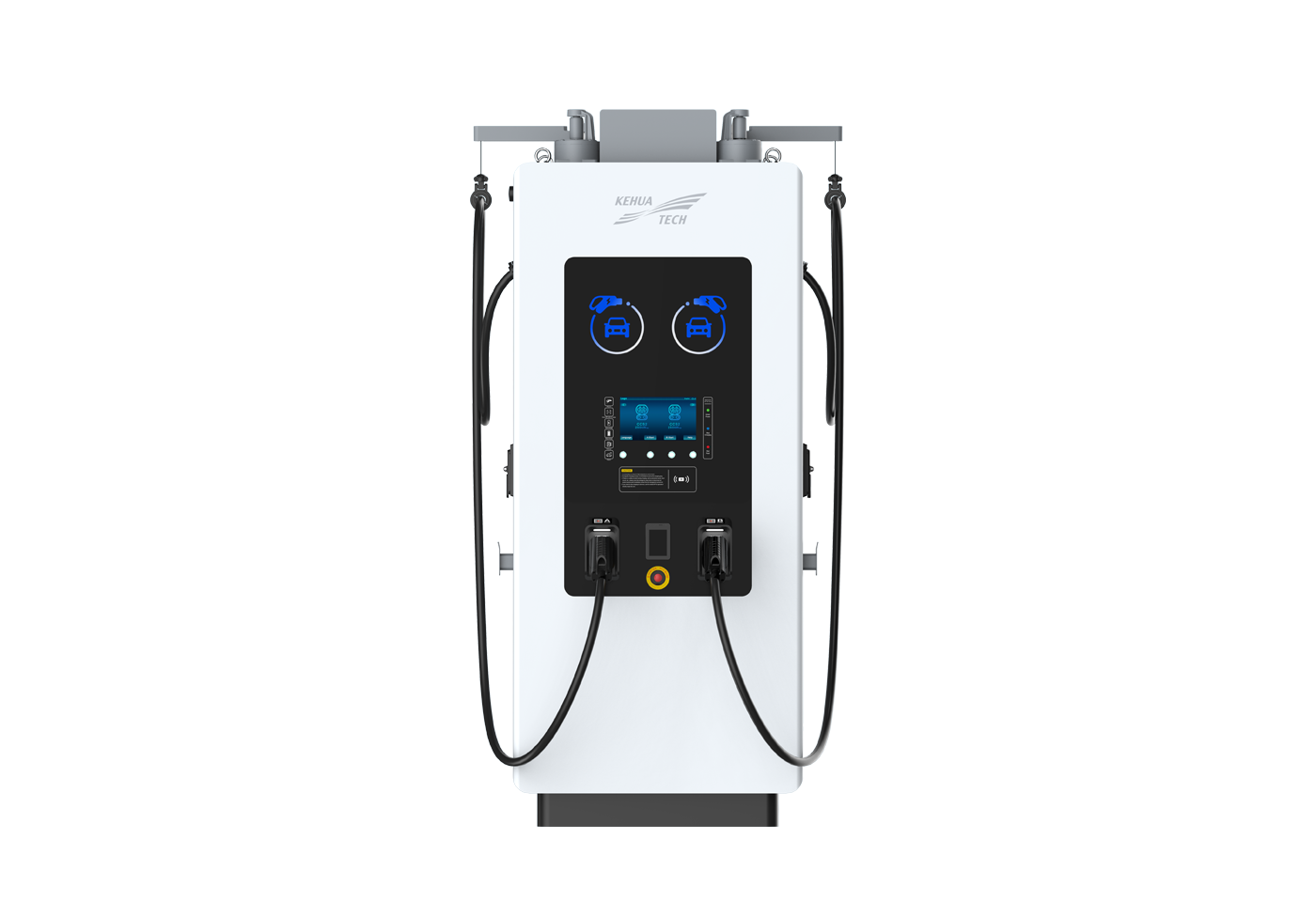
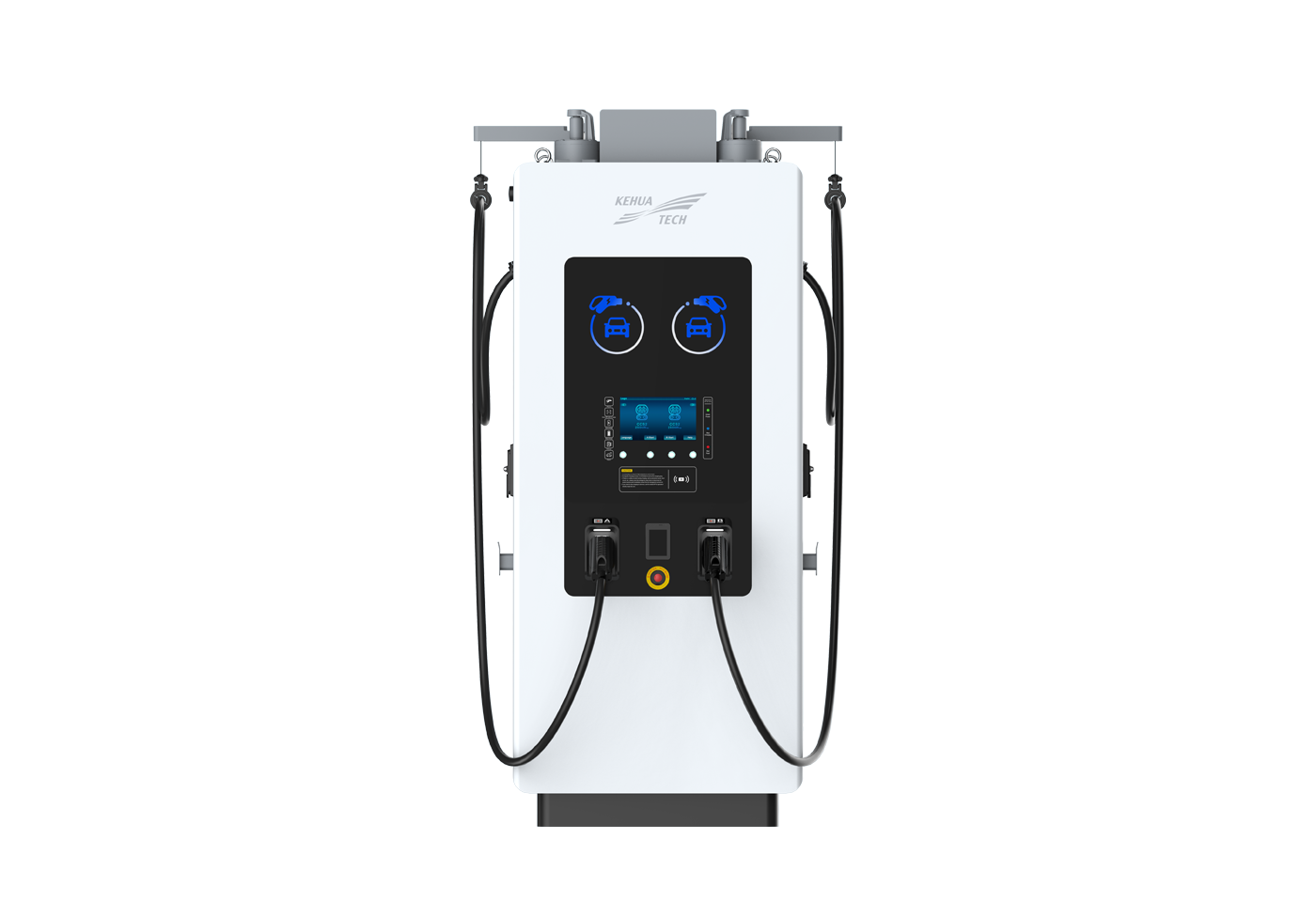
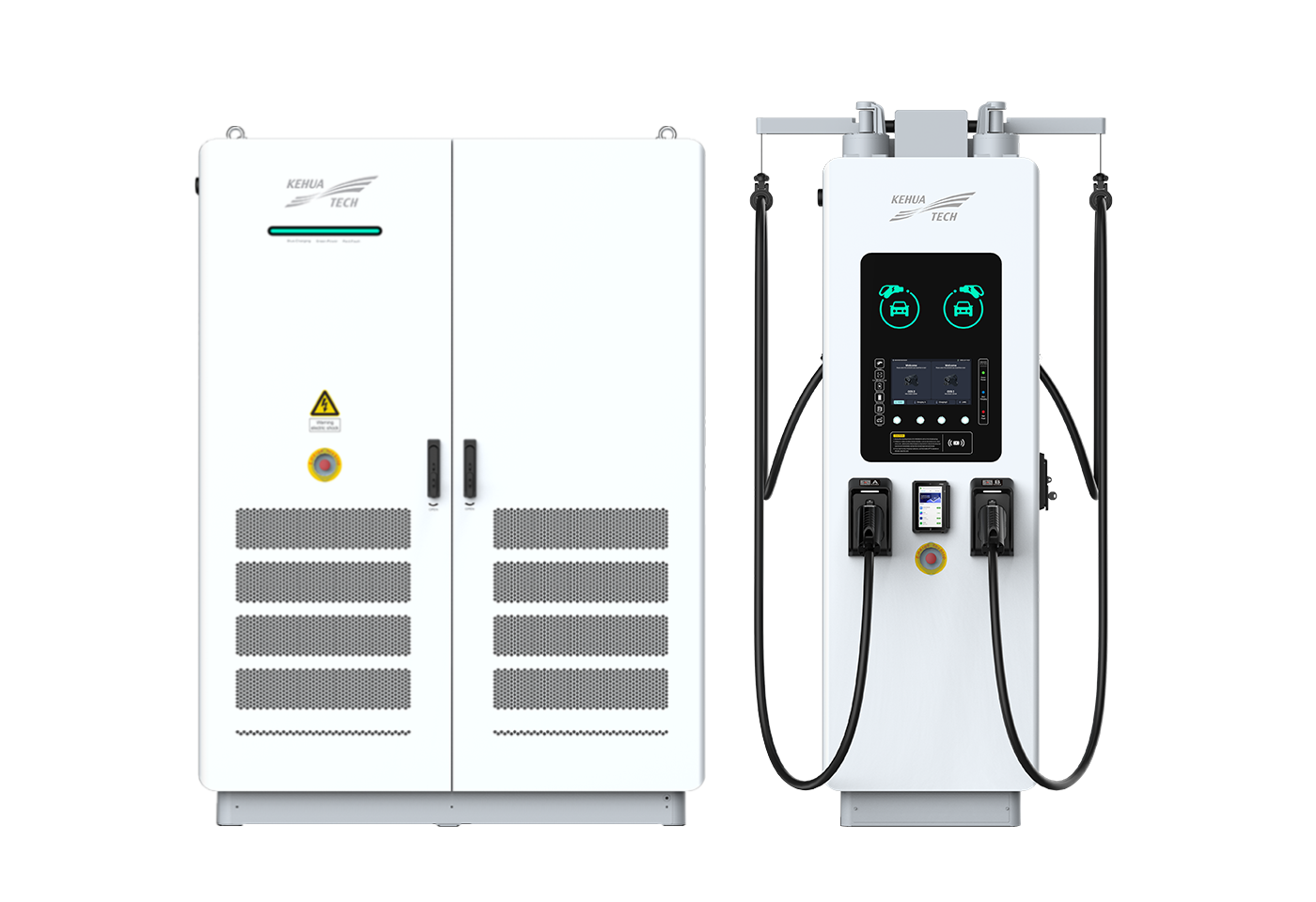
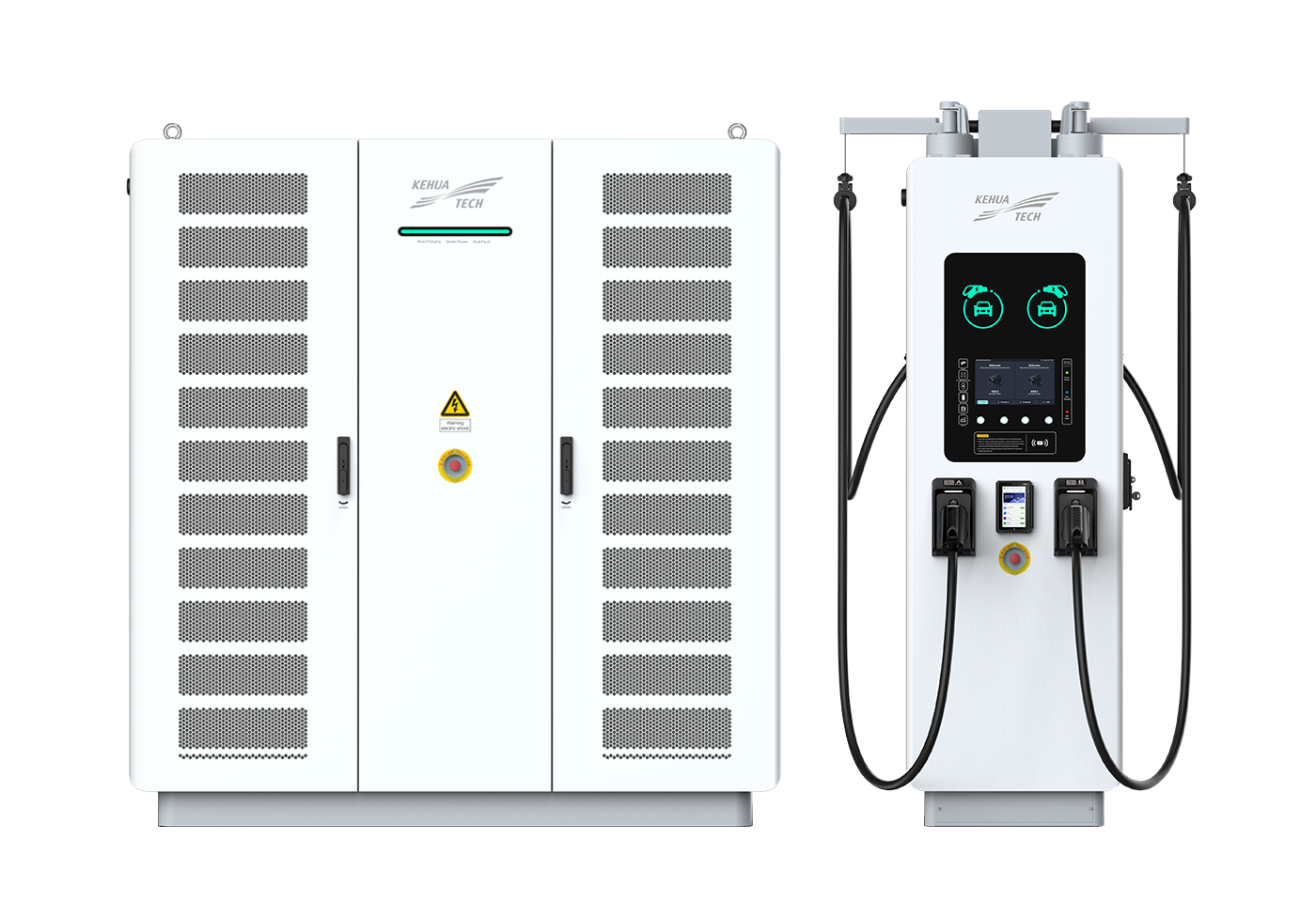
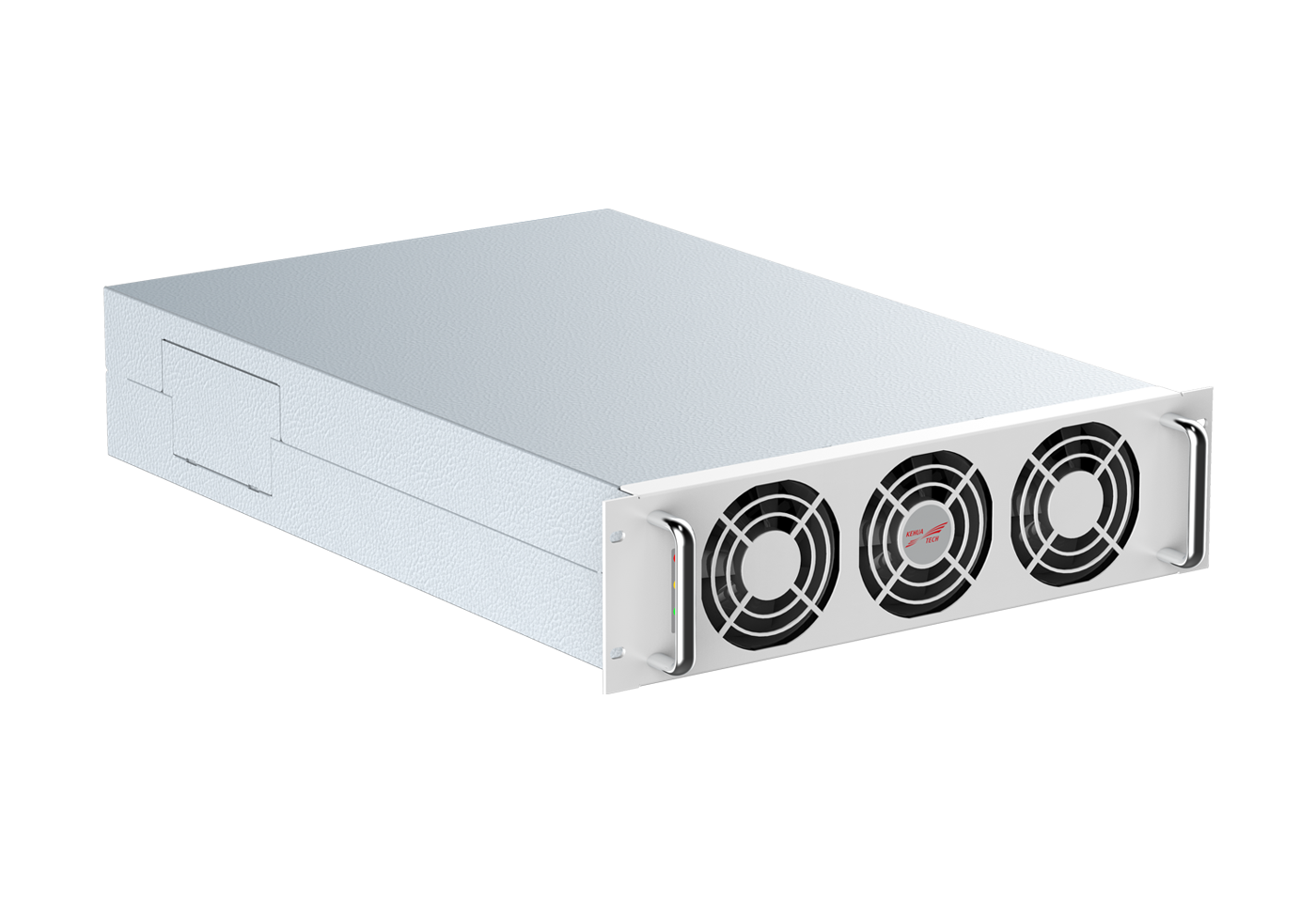
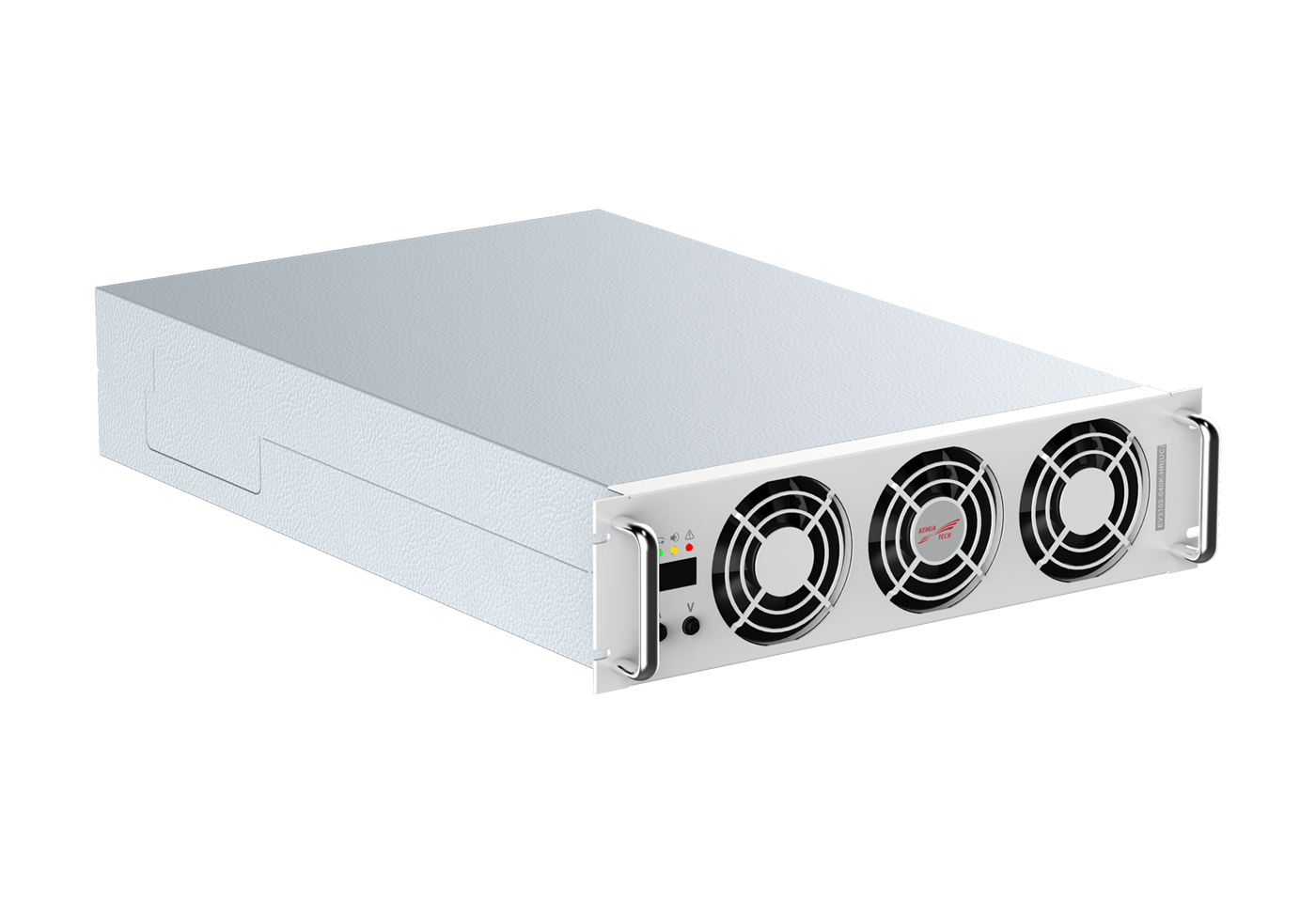
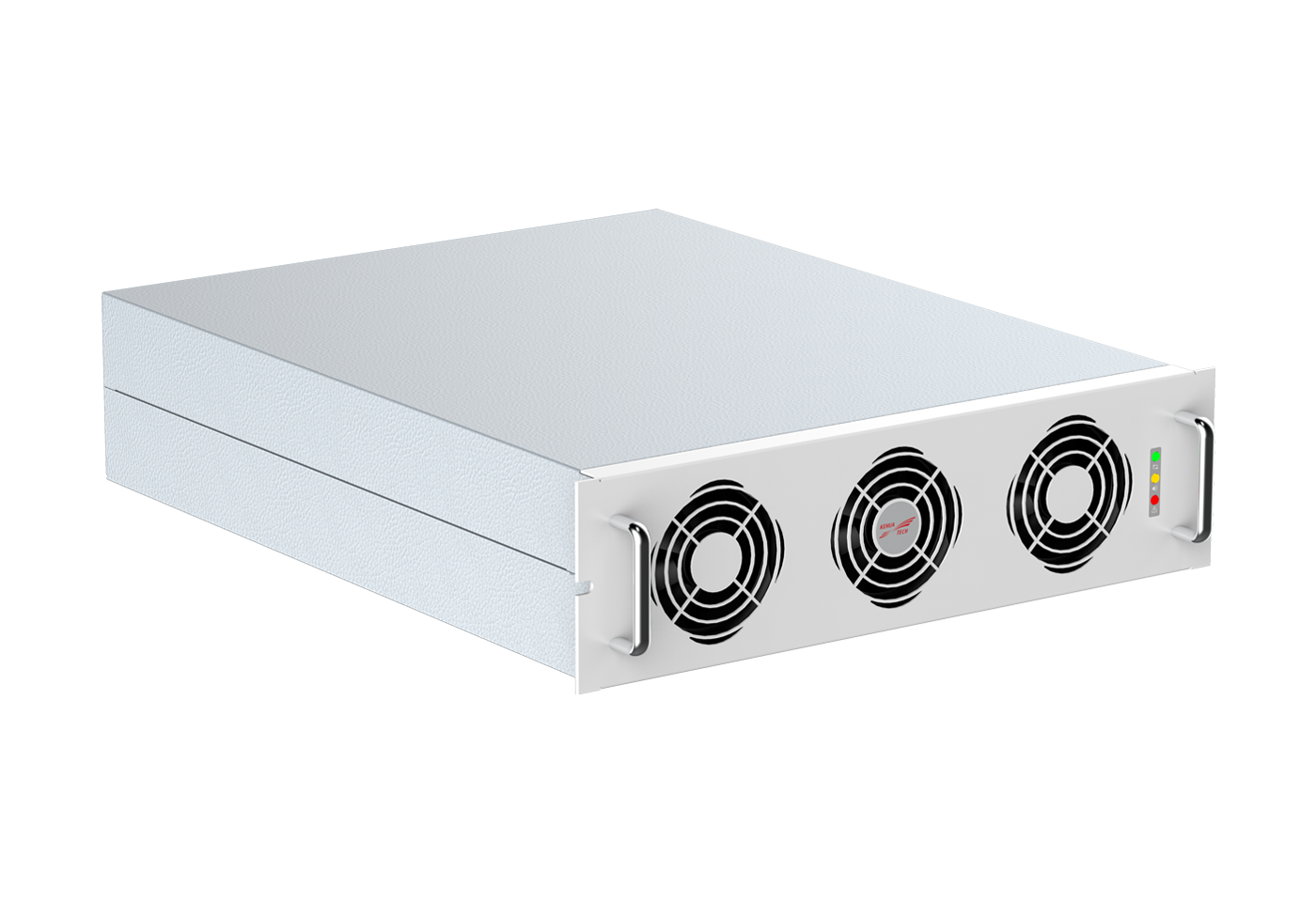
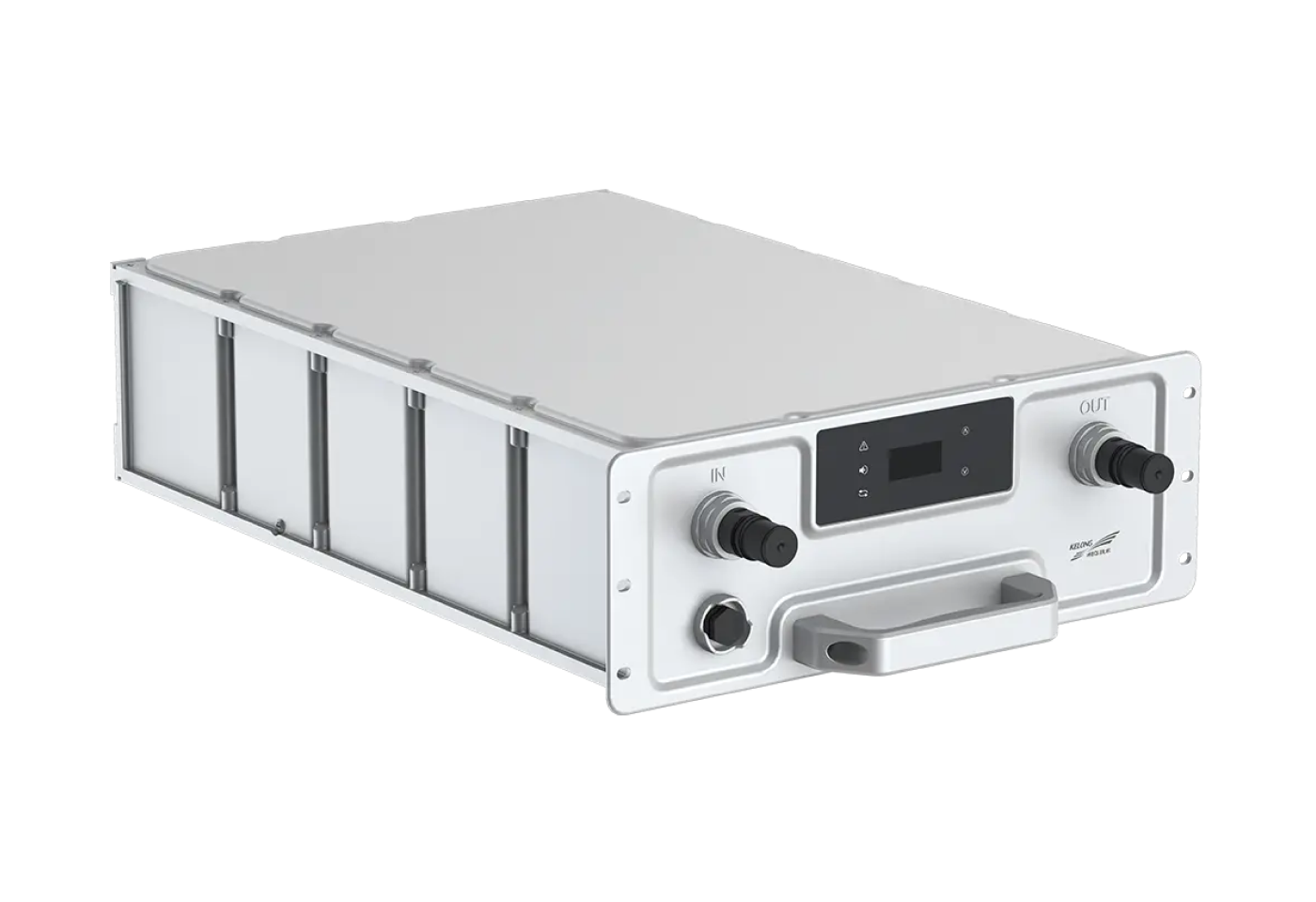
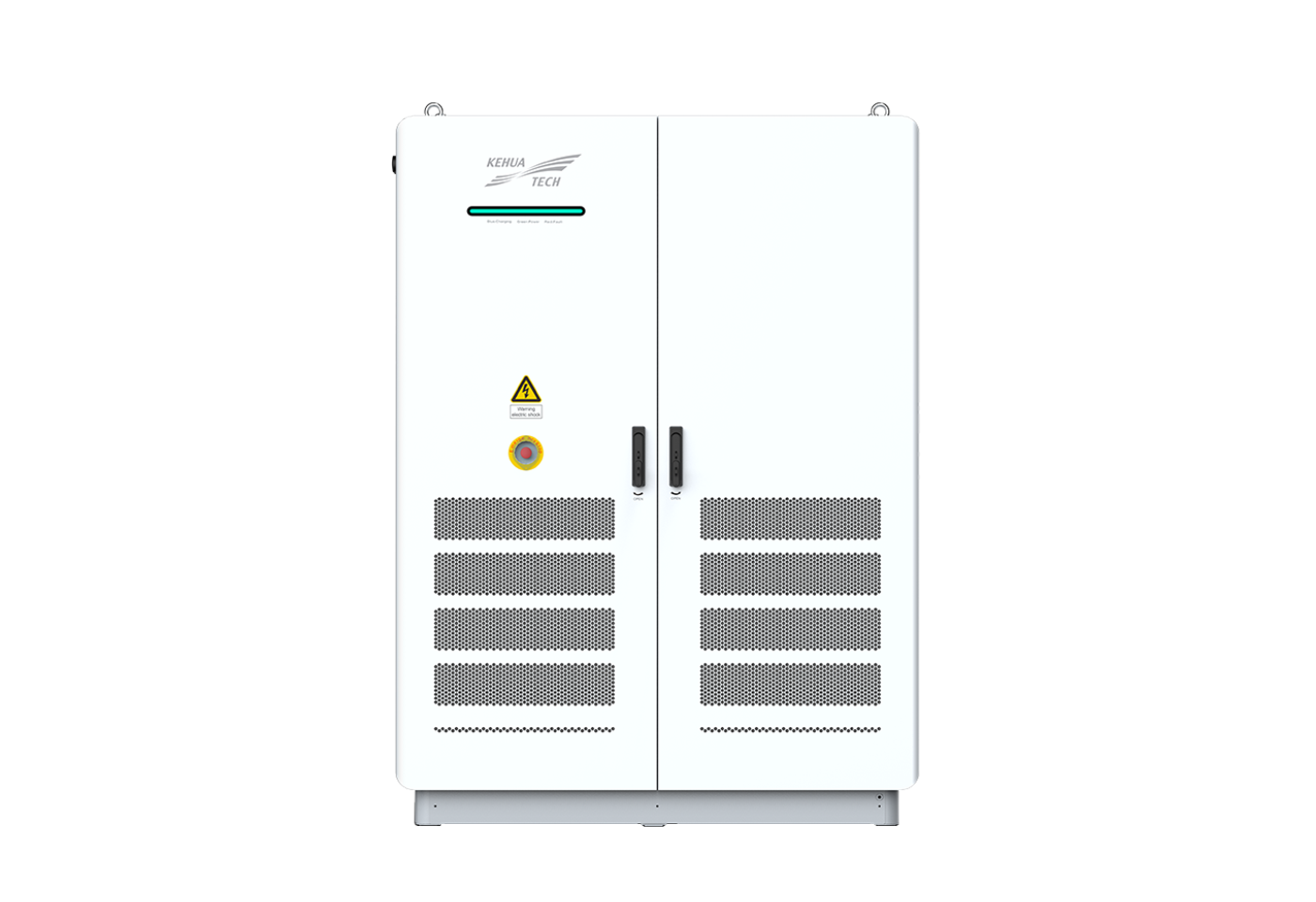
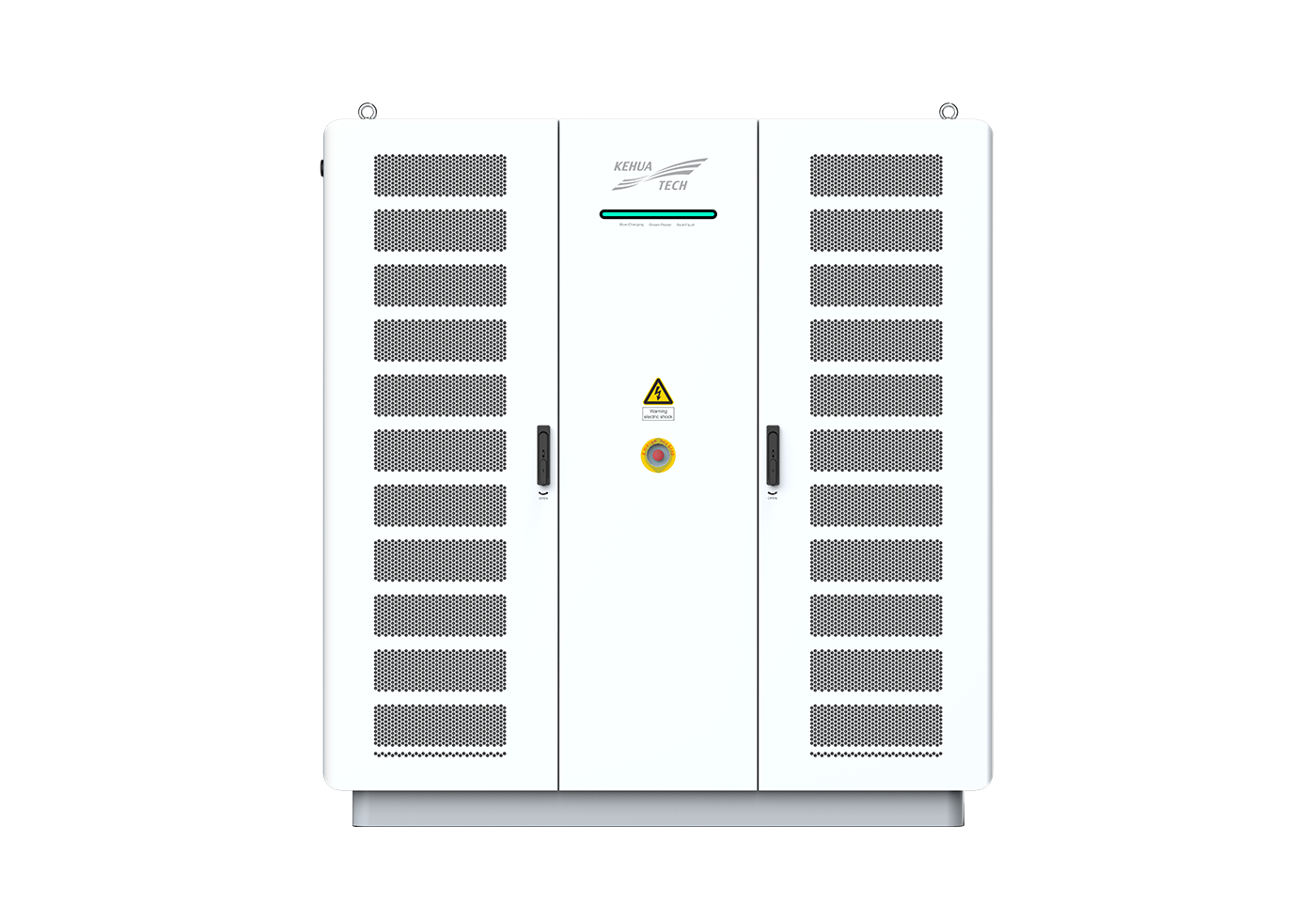
For Kehua, IP55 is a clear and relevant protection level for the product range you specified. This article should focus on the company's DC charging modules, integrated DC charger (60–180kW, 240–400kW), distributed charging system (480kW, 800kW), and megawatt level charging system (1.2MW, 1.6MW) , because those are the product categories that align with the topic and your global offering.
The key message is simple: IP55 helps these EV charger solutions remain dependable in tropical outdoor environments . It supports use in locations where rain and dust are routine, while still encouraging site planning, sealing discipline, and maintenance awareness. Your 40kW SiC module peak efficiency of 97% can also strengthen the reliability story when positioned as part of a high-performance charging architecture.
Design Factors That Improve Reliability
An IP rating is only part of the full story. The real-world performance of an integrated DC charger also depends on engineering details and installation quality. In tropical climates, the most effective designs usually combine enclosure protection with thermal management, sealing discipline, and careful component layout.
Key factors to watch include:
- Cable entry design , to reduce moisture paths.
- Door and panel sealing , to maintain consistent enclosure integrity.
- Corrosion-resistant hardware , especially in humid or coastal environments.
- Drainage and installation height , to reduce splash and standing water risk.
- Maintenance access , so cleaning and inspection are easy and consistent.
These details improve long-term stability and help the EV charger retain performance after months of weather exposure, not just during factory testing.
Practical Site Guidance
For operators planning an outdoor charging site, IP55 should be matched with sensible installation practices. Place the charger where direct rainfall is reduced when possible, avoid low-lying areas prone to water pooling, and ensure the surrounding space allows airflow and inspection access. These steps do not replace the IP rating, but they make the rating more effective.
A practical rule is to treat the IP55 integrated DC charger as a weather-resistant system, not a zero-maintenance system . That means periodic checks should be part of standard operations. Looking for dust buildup, seal wear, loose fittings, or signs of condensation helps prevent small issues from turning into downtime.
Maintenance Checklist
Use this simple checklist for tropical deployments:
1. Inspect enclosure seals and door edges regularly.
2. Check cable glands and connector points for moisture.
3. Remove dust and debris from ventilation paths and external surfaces.
4. Verify there is no standing water around the base of the EV charger.
5. Confirm that corrosion or discoloration has not started on exposed hardware.
This is especially useful for public or high-traffic charging sites where uptime matters. Preventive maintenance is usually far cheaper than emergency repair, and it extends the usable life of the charging equipment.
Where IP55 Fits Best
IP55 is a strong fit for many tropical applications, but it is most valuable in controlled outdoor conditions rather than extreme exposure. That includes commercial parking lots with some overhead shelter, fleet depots with partial roofing, and semi-open public charging areas. In those environments, the charger receives meaningful protection from daily weather while still serving an outdoor use case.
For Kehua's integrated DC charger and distributed charging system portfolio, this creates a useful market position. Customers can deploy high-power charging infrastructure where full indoor placement is impossible, yet still maintain a professional standard of environmental protection. That combination is often what buyers want most: robust performance without overengineering the site.
Real-World Value for Buyers
From a buyer's perspective, IP55 supports three business outcomes. First, it reduces weather-related failure risk. Second, it lowers unnecessary maintenance pressure. Third, it helps preserve a better user experience by keeping the EV charger operational in challenging weather conditions.
For EPC contractors, site owners, and fleet operators, that means fewer surprises after installation. For your sales and marketing team, it also provides a clear value story: Kehua's IP55 integrated DC charger is designed for reliable outdoor charging in tropical climates, where dust and water protection are essential, not optional .
FAQ
1. Is IP55 enough for tropical outdoor charging sites?
Yes, IP55 is often a practical choice for many tropical outdoor or semi-outdoor EV charger installations, especially when the site is planned correctly.
2. Does IP55 mean the charger is waterproof?
No. IP55 protects against limited dust ingress and water jets, but it is not the same as full waterproofing or immersion protection.
3. Why is humidity such a big issue for EV chargers?
Humidity can accelerate corrosion, weaken insulation, and increase condensation risk inside enclosures, especially in warm outdoor environments.
4. What matters more than the IP rating itself?
Installation quality, sealing details, cable entry design, drainage, and routine maintenance all affect long-term performance.
5. Which Kehua products are most relevant to this topic?
The most relevant products are Kehua's DC charging modules, integrated DC charger (60–180kW, 240–400kW), distributed charging system (480kW, 800kW), and megawatt level charging system (1.2MW, 1.6MW).
References
- IEC, Ingress Protection (IP) ratings: [ https://www.iec.ch/ip-ratings ] [ iec ]
- Kingston, IP ratings water and dust overview: [ https://www.kingston.com/cn/blog/mobile-lifestyle/ip-ratings-water-dust ] [ kingston ]
- Exicom, What Are IP55 and IP65 Ratings?: [ https://www.exicom.com/wiki/ip55-ip65-rating ] [ exicom ]
- AVSLD, IEC 60529 Ingress Protection (IP) Code: [ https://avsld.com.sg/ingress-protection-ip-code/ ] [ avsld.com ]
- Keystone Compliance, IP 55 Testing: [ https://keystonecompliance.com/ip-55-testing/ ] [ keystonecompliance ]
- IEC 61851 overview: [ https://monta.com/en/blog/iec-61851/ ] [ monta ]
- Florida EV charger humidity article: [ https://floridaevchargerauthority.com/heat-and-humidity-effects-on-ev-charger-electrical-systems-florida/ ] [ floridaevchargerauthority ]
Hot Tags: IP55 Integrated DC Charger, Integrated DC Charger, DC Fast Charger, EV Charger, Tropical Climate EV Charger, Outdoor EV Charging, Water And Dust Protection, Industrial EV Charging, Commercial EV Charging, High Power EV Charging

