



- Electric Bus Charging Upgraded: Fast & Flexible
- Shenzhen Kehua’s 40 kW High-Efficiency SiC Charging Module Achieves CE, CB, and UL Certifications
- Shenzhen Kehua Unveils High-Reliability All-in-One DC Charger for the ASEAN Market
- Shenzhen Kehua’s Scalable Megawatt Power Unit: Pioneering the Next Era of High-Power Charging for Green Mobility
- Growth Opportunities in the EV Charging Industry Amid the Global Transportation Electrification
- The Future of Fleet Charging: Building Efficient and Reliable Charging Infrastructure
Next-Generation Semiconductor: How SiC Is Transforming DC Charging Modules


Content Menu
● Why SiC Matters in DC Charging Modules
● How SiC Changes Charger Performance
● Where the Industry Is Moving
● Why This Matters for Operators
● Practical Deployment Checklist
● FAQ
>> 1. What is SiC in DC charging modules?
>> 2. Why is SiC better than traditional silicon for EV chargers?
>> 3. How does SiC help reduce charger size?
>> 4. Which Kehua products are relevant to SiC-based charging?
>> 5. What is Kehua's SiC module efficiency?
>> 6. Is Kehua's outdoor EV charger protection level IP55?
Silicon carbide, or SiC, is reshaping the performance ceiling of modern DC charging modules. For EV charger manufacturers and charging infrastructure operators, it is becoming one of the most important technologies behind higher efficiency, smaller footprints, and better thermal performance.
Why SiC Matters in DC Charging Modules
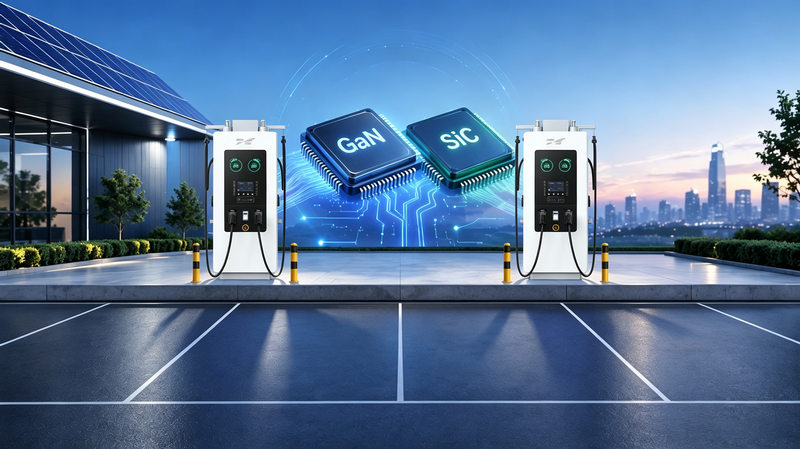
SiC is a wide-bandgap semiconductor that supports higher voltage, faster switching, and lower energy loss than conventional silicon in demanding power conversion environments. In DC charging modules, those characteristics directly improve efficiency, power density, and reliability under continuous high-load operation.
For manufacturers, that means a DC charging module can deliver more power in less space while generating less heat. For operators, it means better uptime, easier thermal design, and stronger long-term performance in integrated dc charger, distributed charging system, and megawatt level charging system deployments.
How SiC Changes Charger Performance
SiC influences charger design in several practical ways:
- Higher efficiency. Less energy is lost during conversion, which helps improve overall charging system performance.
- Greater power density. More power can be packed into a smaller module, which is valuable for compact power unit design.
- Lower thermal stress. Reduced heat generation makes cooling design simpler and improves reliability.
- Faster switching. Higher switching frequency supports more advanced power conversion topologies.
In real-world terms, these gains matter most where charging power is high, operating hours are long, and space inside the power unit is limited. That is why SiC has become closely associated with next-generation DC fast charging architecture.
Kehua Product Fit
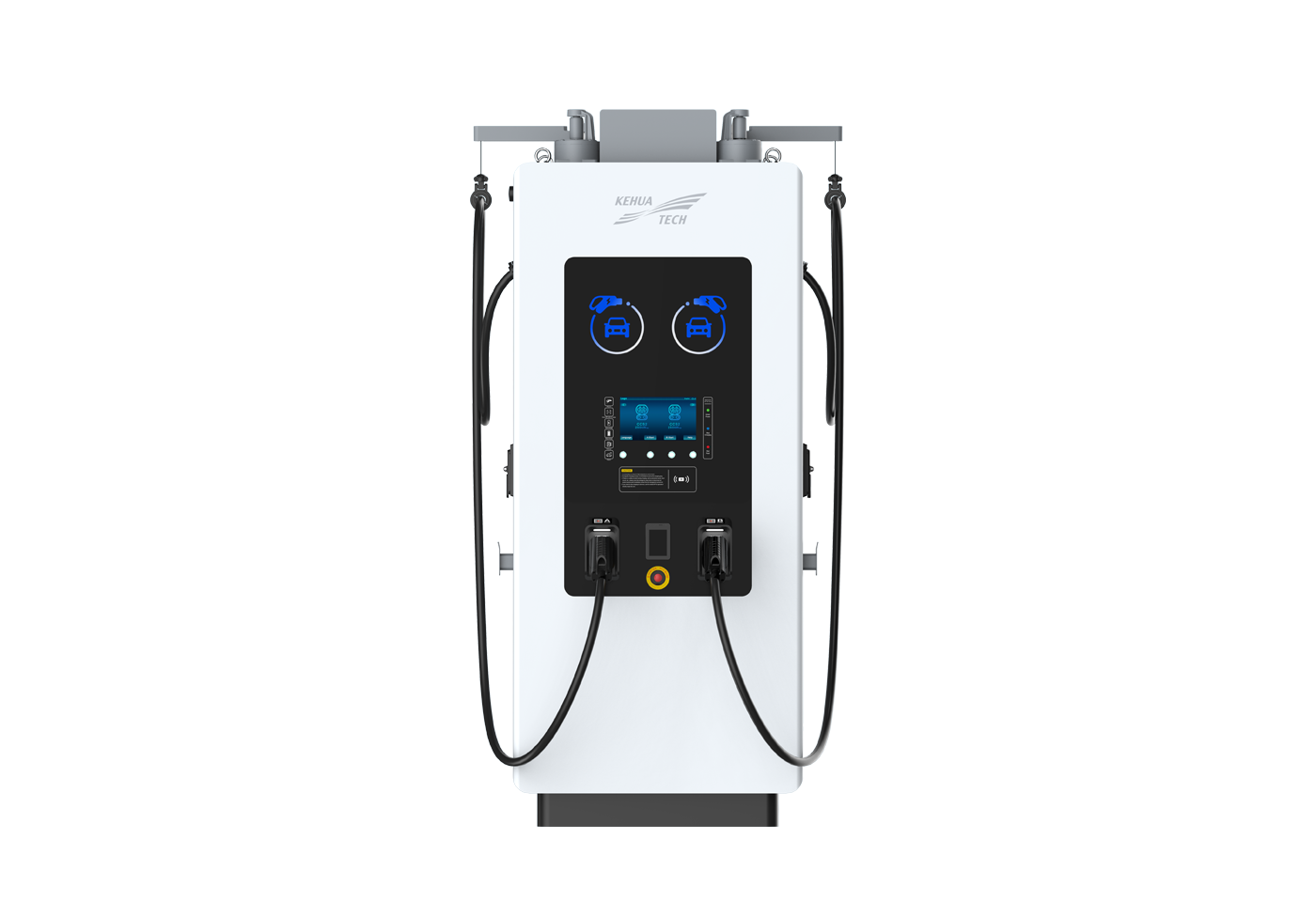
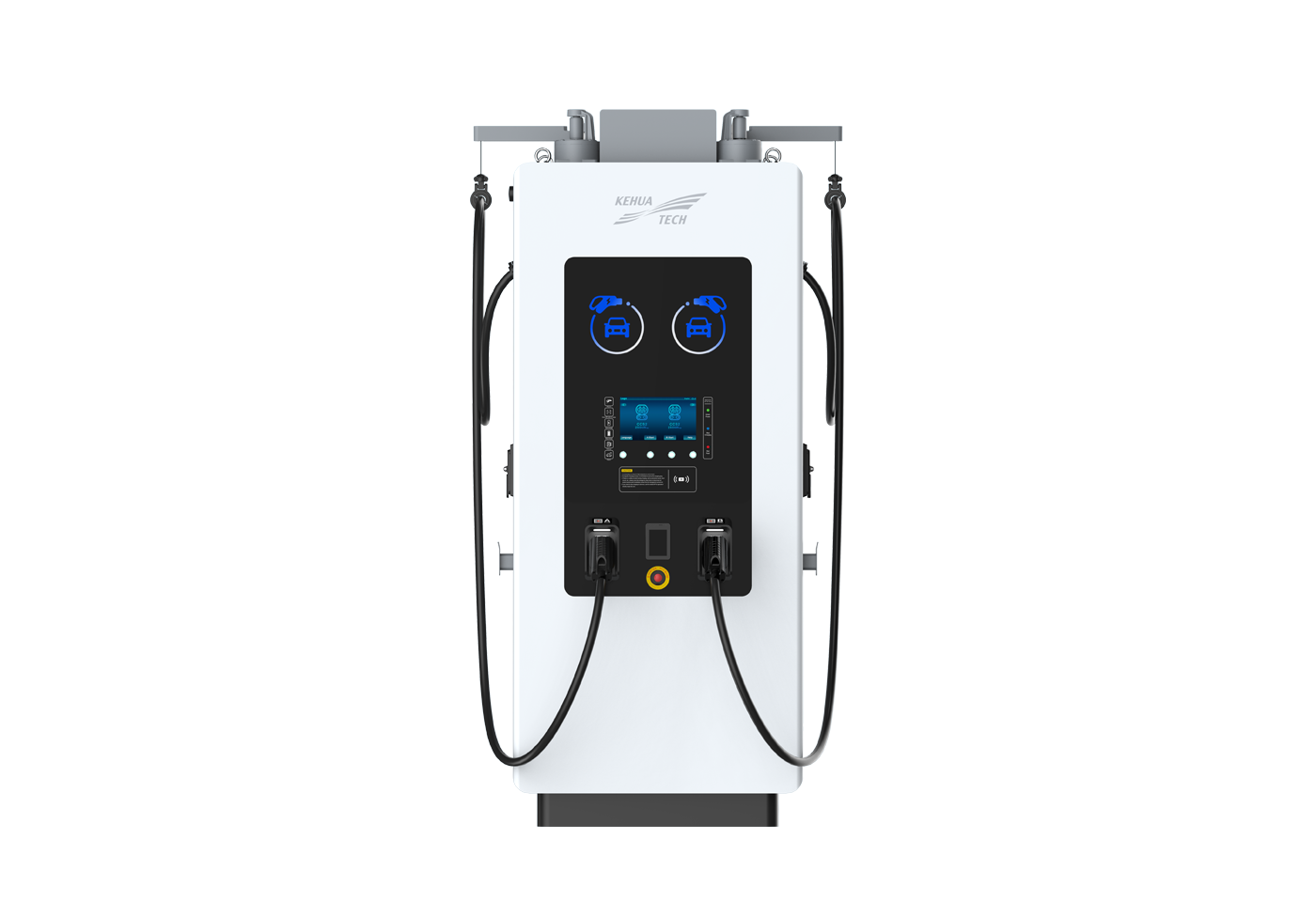
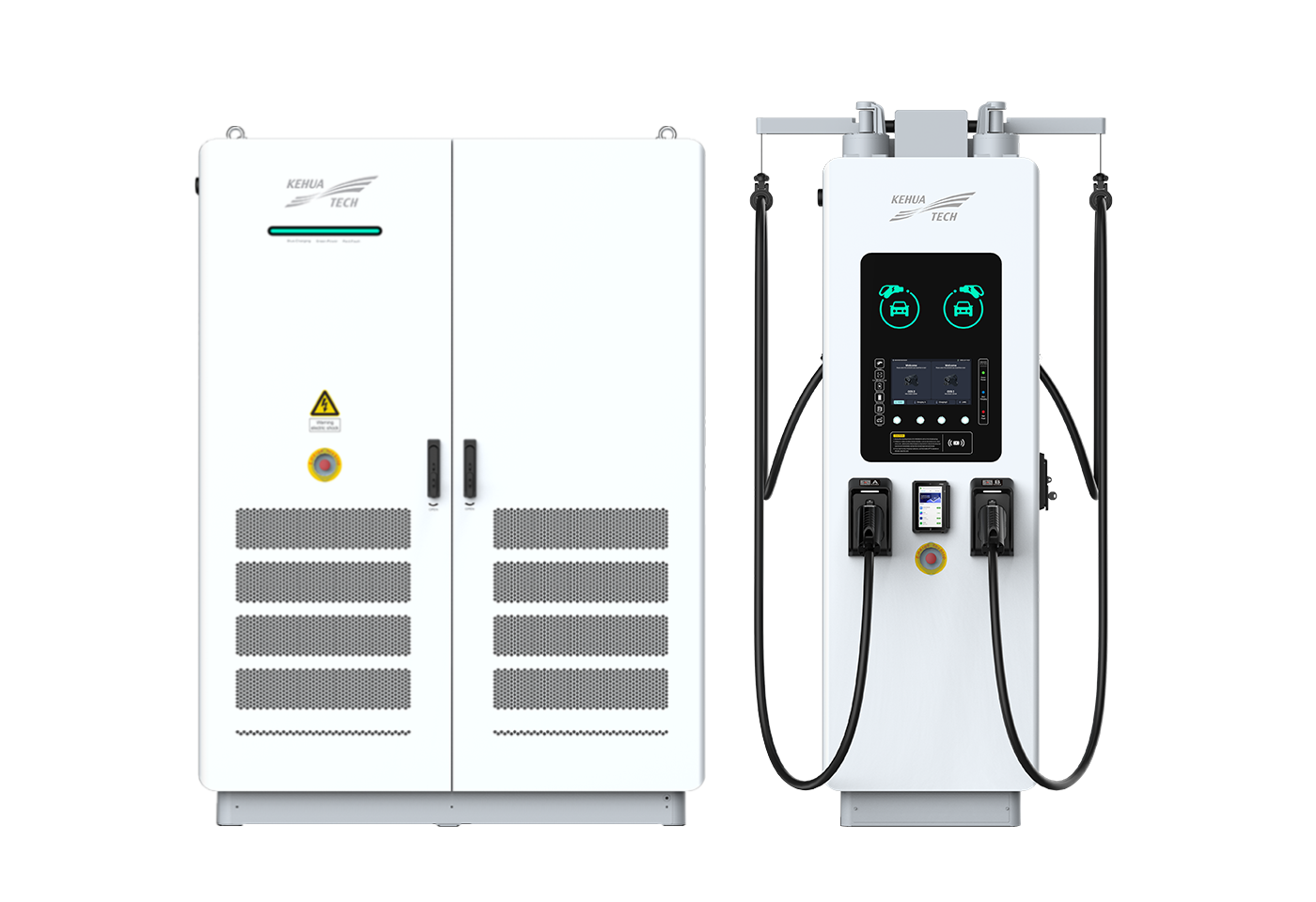
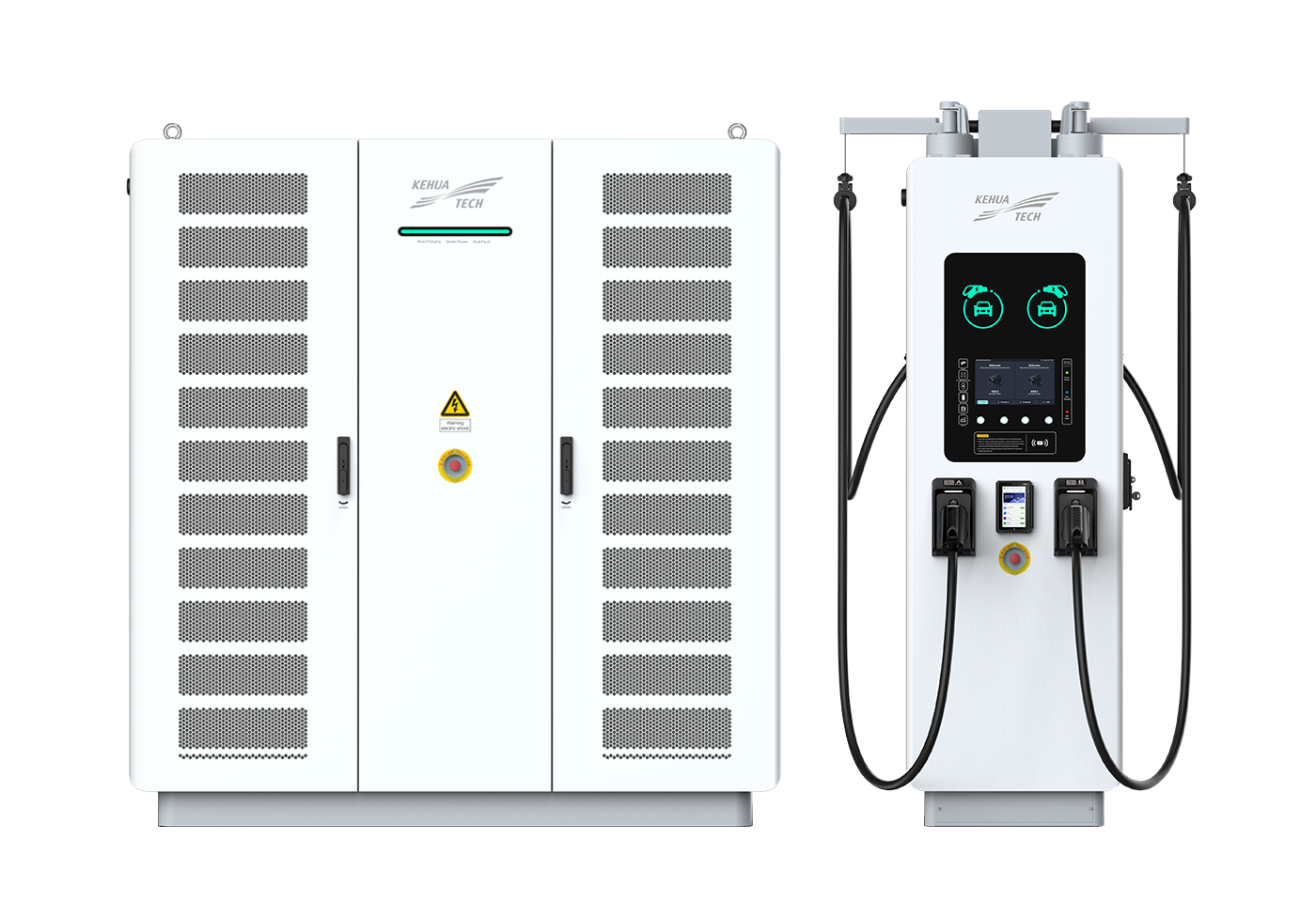
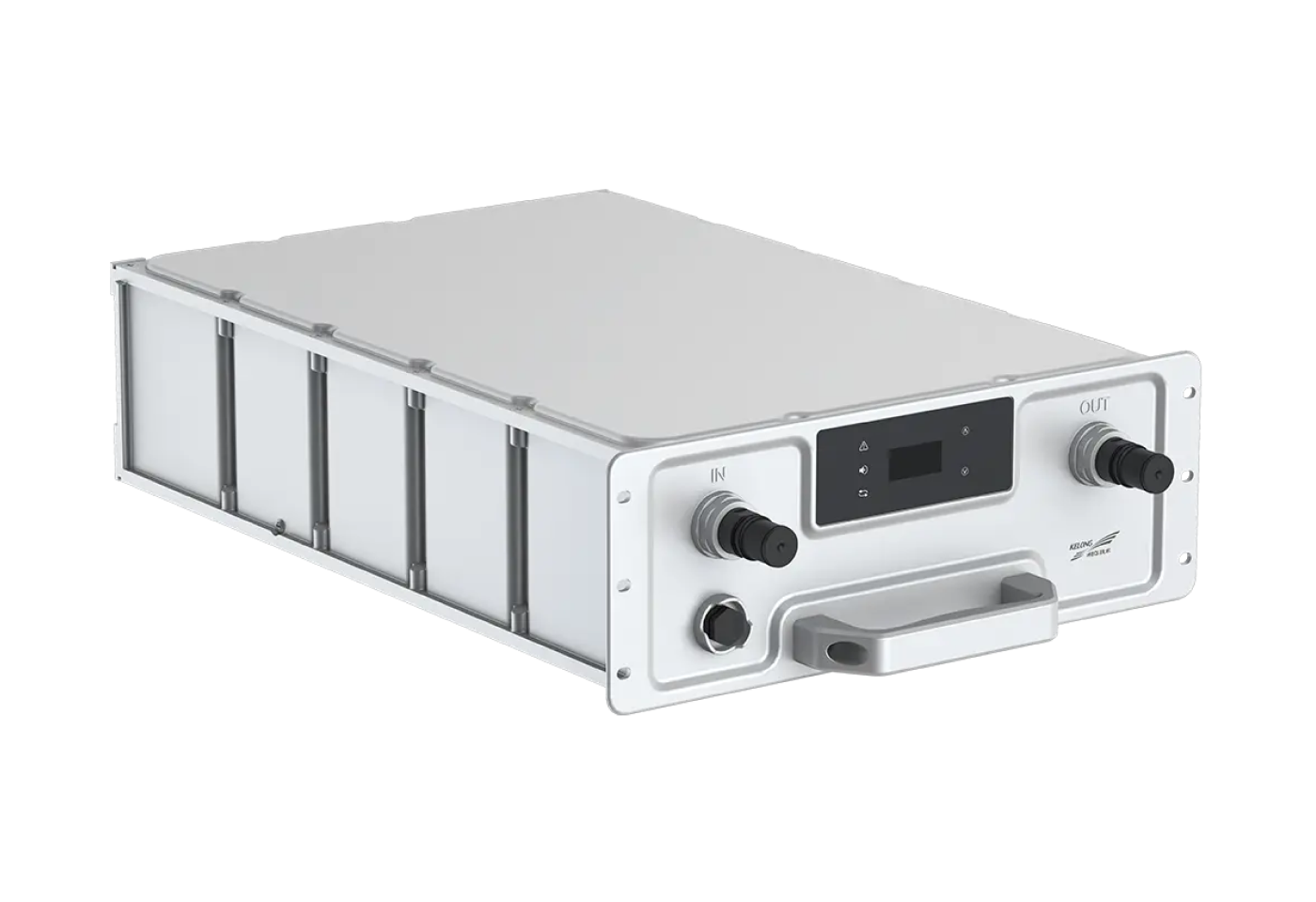
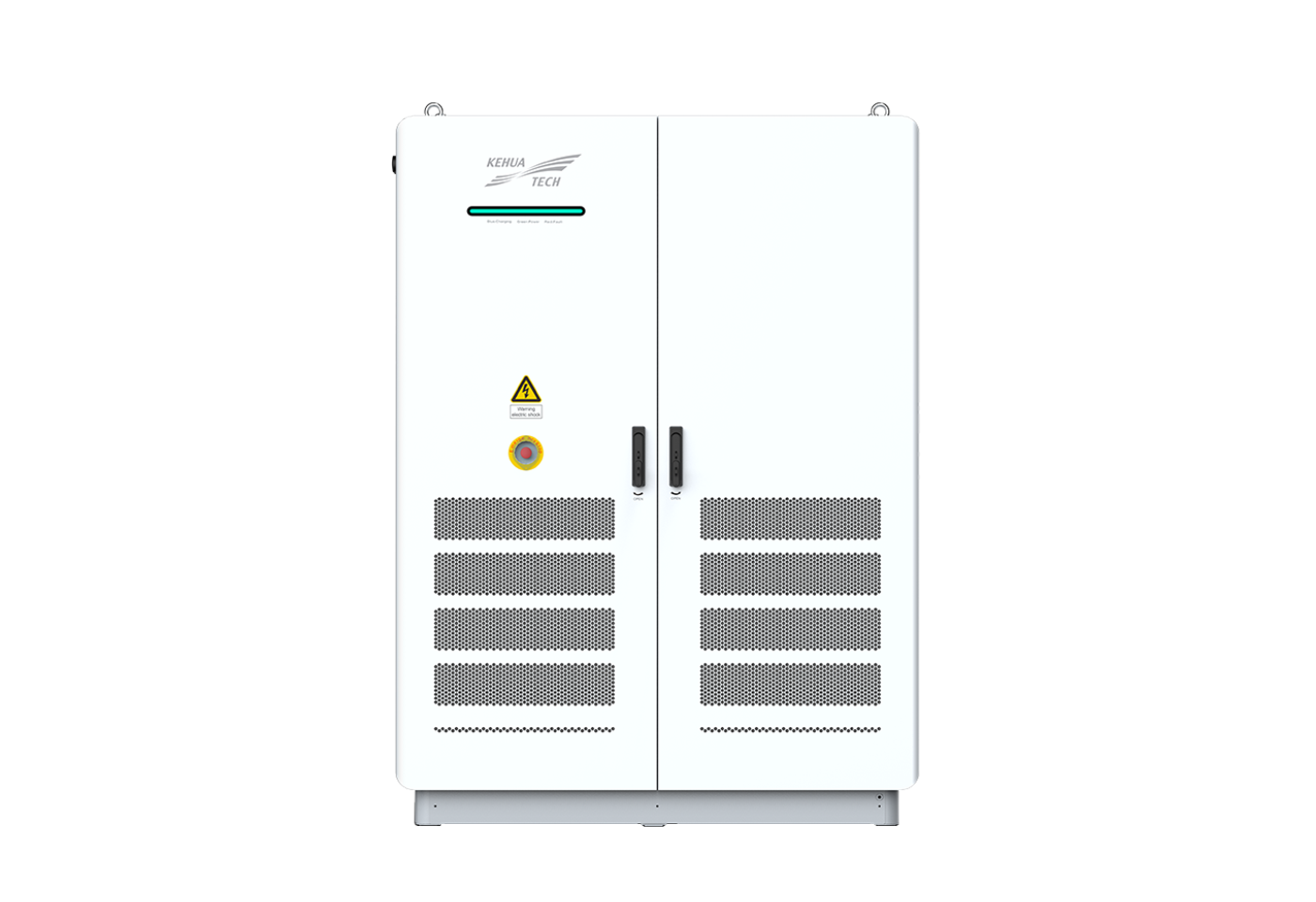
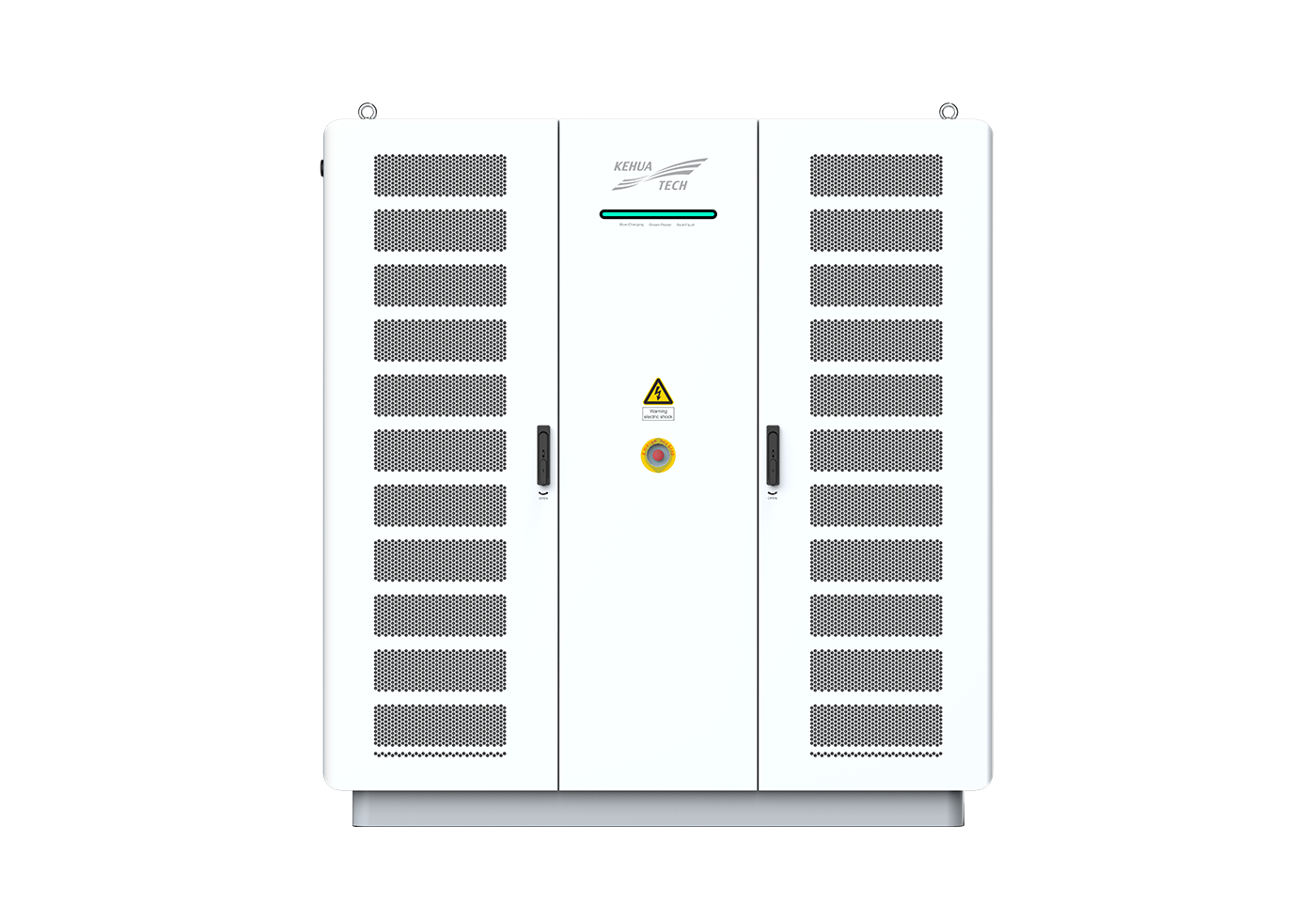
Kehua's DC charging portfolio is well positioned to benefit from SiC-driven design improvements. The company's current product categories include DC charging modules, integrated dc charger options at 60–180kW and 240–400kW, distributed charging system solutions at 480kW and 800kW, and megawatt level charging system platforms at 1.2MW and 1.6MW.
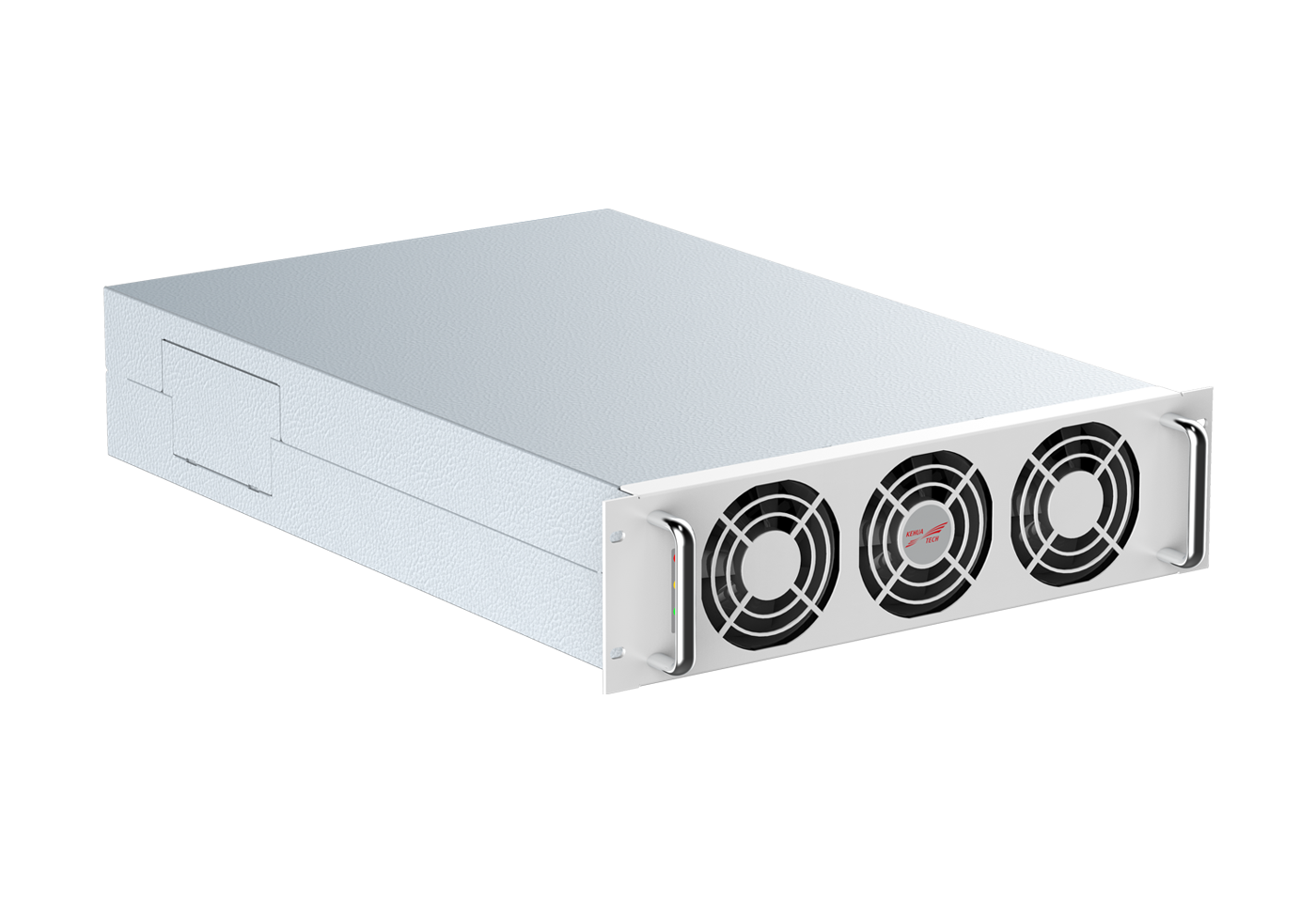
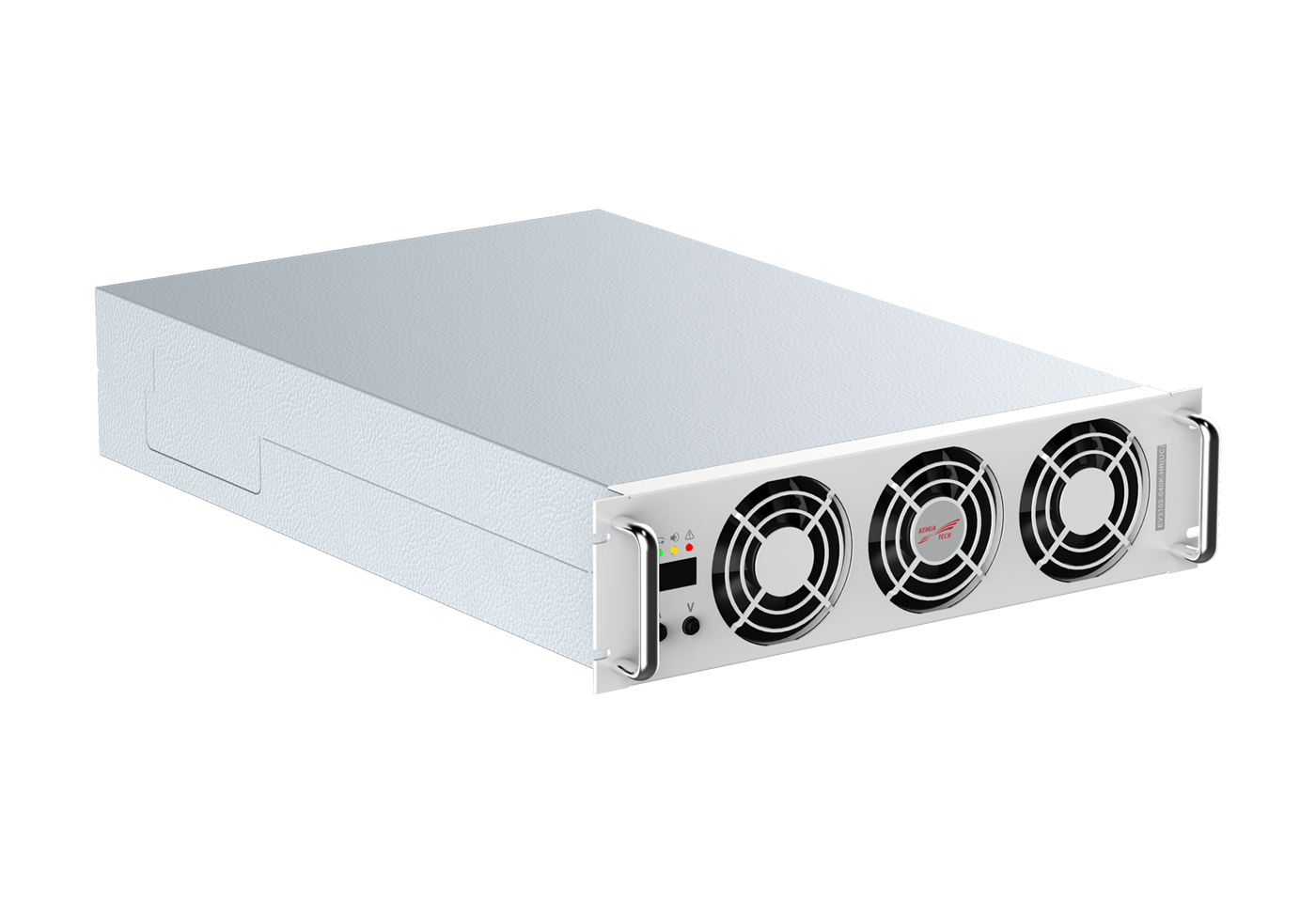
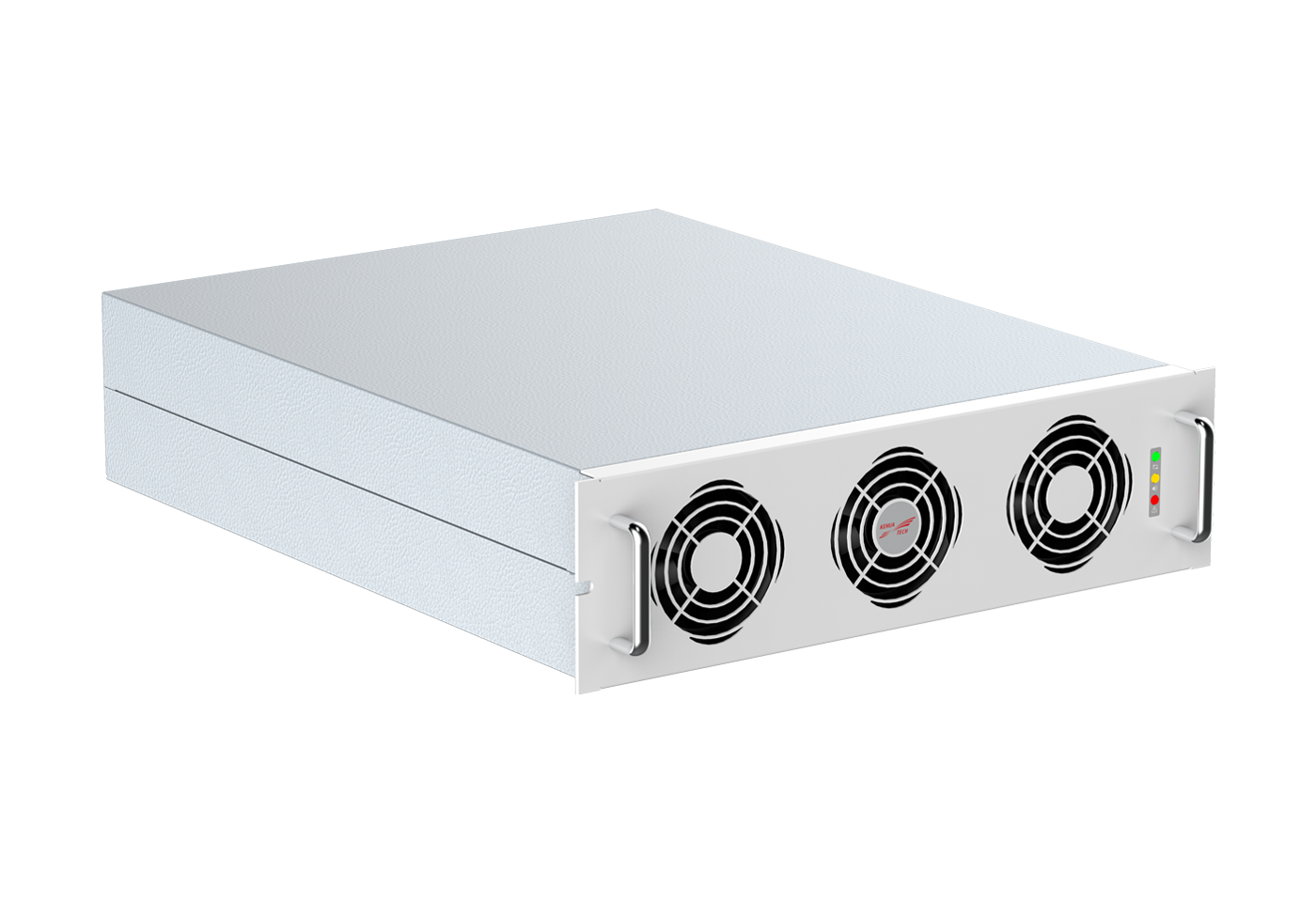
Across these product lines, SiC helps support compact system design, stronger efficiency targets, and more stable operation in demanding commercial charging environments. Kehua's 40kW SiC charging module reaches a peak efficiency of 97%, which is an important benchmark for operators seeking lower losses and better energy utilization.
Where the Industry Is Moving
The market direction is clear: charging infrastructure is moving toward higher power, higher efficiency, and better thermal management. Industry sources consistently point to SiC as a key enabler for DC fast charging because it supports compact design and improved conversion efficiency in high-power systems.
This trend is especially relevant for commercial fleets, public charging networks, and sites that need to maximize throughput without expanding the physical footprint. In those environments, SiC is not just a component choice; it is becoming a system-level advantage.
What Buyers Should Evaluate
If you are selecting a DC charging module or system based on SiC technology, focus on these decision points:
1. Efficiency at operating load, not only peak efficiency.
2. Thermal design quality, including heat dissipation and cooling stability.
3. Compatibility with target system power levels, such as 60–180kW, 240–400kW, 480kW, 800kW, 1.2MW, or 1.6MW.
4. Environmental protection, especially if the EV charger must operate outdoors; Kehua's IP rating is IP55.
5. Serviceability and modularity, which affect uptime and maintenance cost.
A strong SiC-based module should reduce total system losses without making the installation harder to maintain. That balance is what separates a good power stage from a commercially durable charging platform.
Engineering Trade-Offs
SiC delivers major gains, but it also raises the bar for engineering execution. Faster switching can increase design sensitivity, so layout quality, thermal paths, and control stability become more important. That means the best results come from combining SiC devices with careful system integration rather than treating semiconductor choice as the only performance lever.
For decision-makers, the key lesson is simple: the value of SiC is realized at the system level. A well-designed DC charging module can translate semiconductor performance into better uptime, smaller cabinets, and improved total cost of ownership.
Why This Matters for Operators
Charging operators care about more than technical specs. They care about installed capacity, maintenance workload, energy efficiency, and how many vehicles can be served per square meter of site area. SiC helps address all four by enabling smaller, cooler, and more efficient power conversion inside the EV charger.
That is especially relevant for high-traffic sites, logistics depots, and large-scale infrastructure projects where downtime is expensive and charging demand can rise quickly. In those settings, SiC-backed DC charging modules can support growth without forcing a complete redesign of the site.
Practical Deployment Checklist
Before adopting a SiC-based DC charging platform, use this checklist:
- Confirm the required output power and duty cycle.
- Match the module architecture to the site's available space.
- Verify thermal margins under local climate conditions.
- Check protection level and outdoor suitability.
- Evaluate whether the platform can scale across future charging demand.
This approach keeps the procurement process focused on real operational needs instead of isolated component specs. It also helps teams compare solutions more objectively across different EV charger configurations.
Conclusion
SiC is becoming a foundational technology for the next wave of DC charging modules because it improves efficiency, power density, and thermal behavior at the same time. For buyers and project owners, that translates into more compact EV charger systems, stronger uptime, and better long-term infrastructure economics.
If you are planning a new DC charging project, use a SiC-based platform to align power output, thermal performance, and site scalability from the start.
FAQ
1. What is SiC in DC charging modules?
SiC, or silicon carbide, is a semiconductor material used to improve efficiency, switching speed, and power density in DC charging modules.
2. Why is SiC better than traditional silicon for EV chargers?
SiC supports higher voltage operation, lower switching loss, and better thermal performance, which makes it well suited for high-power EV charger systems.
3. How does SiC help reduce charger size?
Because SiC can handle more power with less heat loss, engineers can design more compact power unit architectures with smaller cooling requirements.
4. Which Kehua products are relevant to SiC-based charging?
Kehua's DC charging modules, integrated dc charger products, distributed charging system solutions, and megawatt level charging system platforms are the most relevant product categories.
5. What is Kehua's SiC module efficiency?
Kehua's 40kW SiC charging module has a peak efficiency of 97%.
6. Is Kehua's outdoor EV charger protection level IP55?
Yes, Kehua's product protection level is IP55.
References
- [Microchip, "SiC and EV Charging—A Catalyst for Innovation"] [microchip]
- [onsemi, "DC Fast EV Charging"] [onsemi]
- [Bosch Semiconductors, "At the heart of electric vehicles: silicon carbide…"] [bosch-semiconductors]
- [Wolfspeed, "Compact SiC Module for High Power Density On-Board Chargers"] [eepower]
- [UUGreenPower, "40kW SiC high efficiency charging module"] [uugreenpower]
- [Fortune Business Insights, "Automotive Grade Silicon Carbide (SiC) Components Market"] [fortunebusinessinsights]
- [Microchip, "SiC and EV Charging—A Catalyst for Innovation"] [microchip]
- [onsemi, "DC Fast EV Charging"] [onsemi]
Hot Tags: SiC Charging Module, DC Charging Module, EV Charger, DC Fast Charging, Power Unit, Integrated DC Charger, Distributed Charging System, Megawatt Level Charging System, Silicon Carbide, High Power EV Charging

