

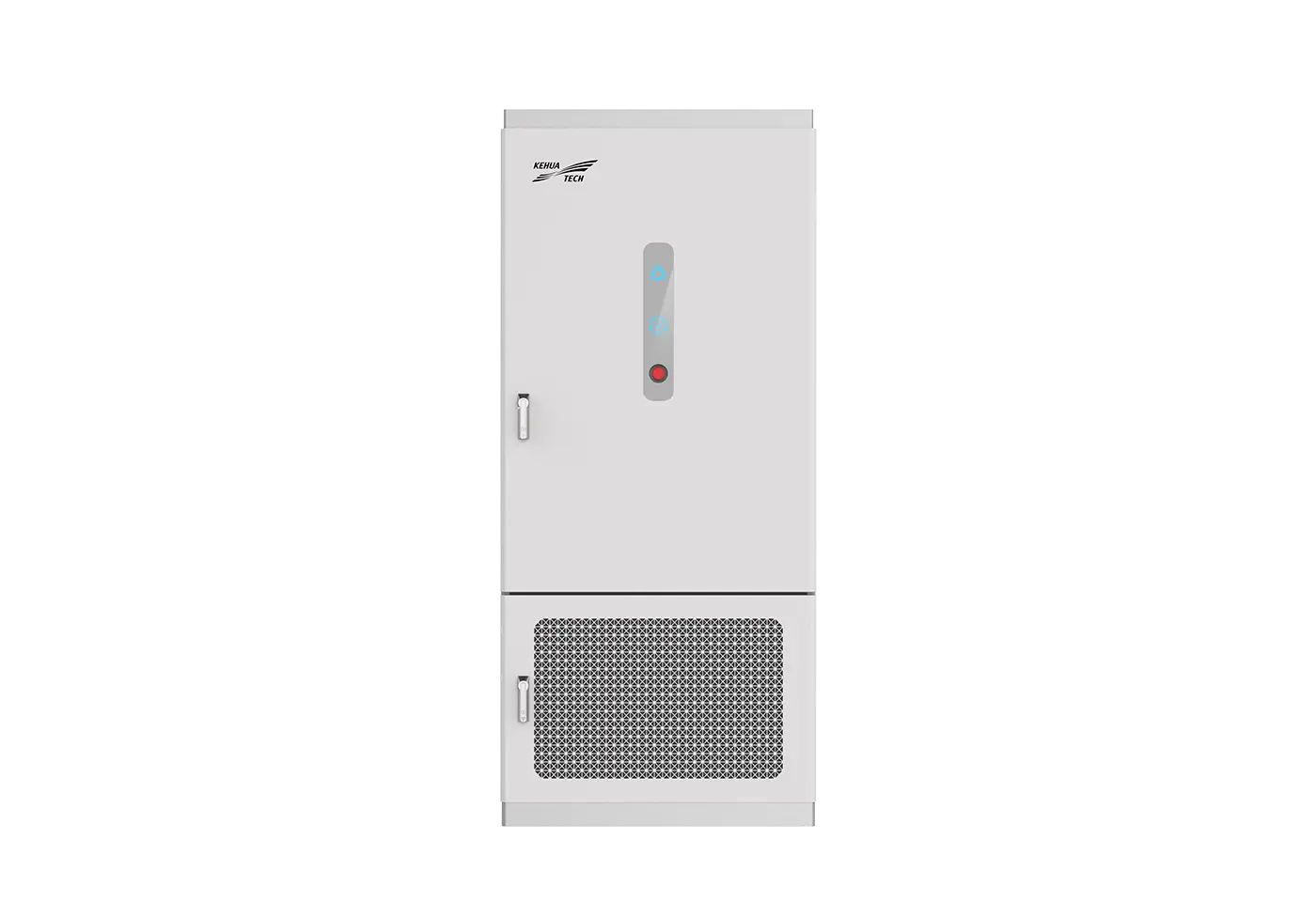


- Electric Bus Charging Upgraded: Fast & Flexible
- Shenzhen Kehua’s 40 kW High-Efficiency SiC Charging Module Achieves CE, CB, and UL Certifications
- Shenzhen Kehua Unveils High-Reliability All-in-One DC Charger for the ASEAN Market
- Shenzhen Kehua’s Scalable Megawatt Power Unit: Pioneering the Next Era of High-Power Charging for Green Mobility
- Growth Opportunities in the EV Charging Industry Amid the Global Transportation Electrification
- The Future of Fleet Charging: Building Efficient and Reliable Charging Infrastructure
Circular Economy: End-of-Life Strategies for Integrated DC Chargers and Battery Storage


Content Menu
● Understanding Circular Economy in EV Charging
● Why End-of-Life Strategies Matter for DC Chargers
● Shenzhen Kehua Hengsheng's Role in Sustainable E-Mobility
● Integrated DC Chargers vs Distributed Charging Systems
>> Architecture and Components
● Design for Longevity and Modular Replacement
● Battery Storage: Second Life and End-of-Life Options
● Practical End-of-Life Strategy for Charging Sites (User Perspective)
● Case Insight: High-Efficiency DC Modules in Circular Design
● Environmental and Regulatory Considerations
● User-Centric Considerations: UX of End-of-Life Planning
● How Shenzhen Kehua Supports End-of-Life Strategy
● Actionable Checklist for Operators
● Table: Circular End-of-Life Focus Areas
● Call to Action: Plan Your Circular Charging Strategy
● FAQs
Integrated DC chargers and battery storage systems sit at the heart of the global transition to cleaner, smarter, and more sustainable mobility, but their *end-of-life* strategy is what truly determines whether e‑mobility can claim to be part of a real circular economy. As an EV charging equipment provider, Shenzhen Kehua Hengsheng Technology Co., Ltd. is increasingly focused not only on ultra‑efficient DC charging modules and megawatt‑level systems, but also on how these assets are designed, operated, and retired to maximize reuse, recovery, and long‑term value. [charin]
Understanding Circular Economy in EV Charging
A circular economy for EV charging goes beyond recycling cables and metal housings; it aims to keep high‑value components like power electronics, SiC charging modules, and battery packs in productive use for as long as possible. In practice, this means designing integrated dc chargers, distributed charging systems, and megawatt level charging systems for durability, modular replacement, and eventual material recovery rather than linear "use and discard" cycles. [directindustry]
For operators, a circular approach reduces lifecycle costs and supply‑chain risk while supporting regulatory and ESG commitments around waste reduction and decarbonization. It also aligns with evolving customer expectations: fleet operators, charge‑point operators (CPOs), and energy companies increasingly evaluate vendors not just on uptime and efficiency, but on responsible end‑of‑life management. [ethercat]
Why End-of-Life Strategies Matter for DC Chargers
High‑power EV chargers and battery energy storage systems (BESS) are complex assets integrating power electronics, control systems, mechanical structures, and safety components. Without a clear end‑of‑life plan, these systems can turn into stranded, hard‑to‑dispose infrastructure that erodes ROI and creates environmental liabilities. [xing]
From an operator's perspective, poorly planned decommissioning can result in higher dismantling costs, lost residual value, and non‑compliance with local waste‑electronics regulations. From a technology provider's perspective, end‑of‑life strategies are a critical feedback loop for future product design, informing decisions around module standardization, material choices, and maintainability. [thesmartere-award]
Shenzhen Kehua Hengsheng's Role in Sustainable E-Mobility
Shenzhen Kehua Hengsheng Technology Co., Ltd. has over three decades of experience in power electronics and critical power solutions, and has evolved into a global provider of EV charging and renewable energy systems. The company's portfolio includes DC charging modules, integrated dc chargers (60–180 kW, 240–400 kW), distributed charging systems (480 kW, 800 kW) and megawatt level charging systems (1.2 MW, 1.6 MW), as well as PV+ESS solutions that support low‑carbon infrastructure. [charin]
Kehua has been recognized in e‑mobility awards for its high‑efficiency SiC charging modules, underscoring a design philosophy that emphasizes energy efficiency, reliability, and long‑term system performance. This same philosophy informs how integrated dc chargers and battery storage systems can be planned, maintained, and eventually retired in line with circular‑economy principles. [thesmartere-award]
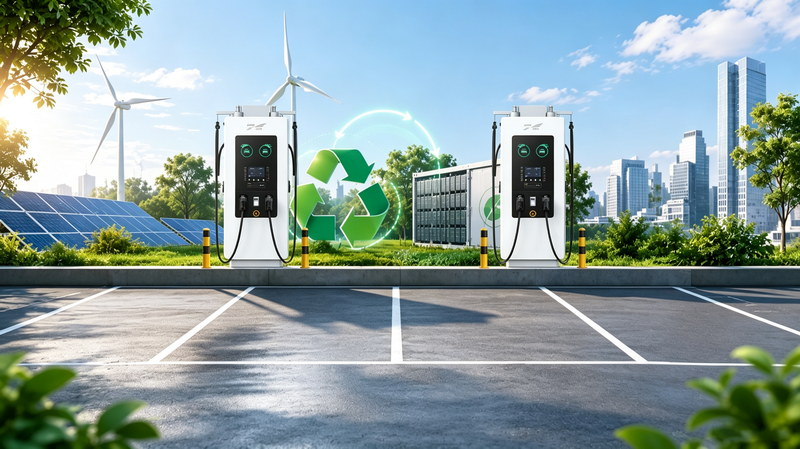
Integrated DC Chargers vs Distributed Charging Systems
A key structural decision for end‑of‑life planning is whether to deploy integrated dc chargers (standalone dc chargers) or distributed charging systems with centralized power units and remote dispensers. Each architecture has distinct implications for maintenance, upgrades, and component reuse. [directindustry]
Architecture and Components
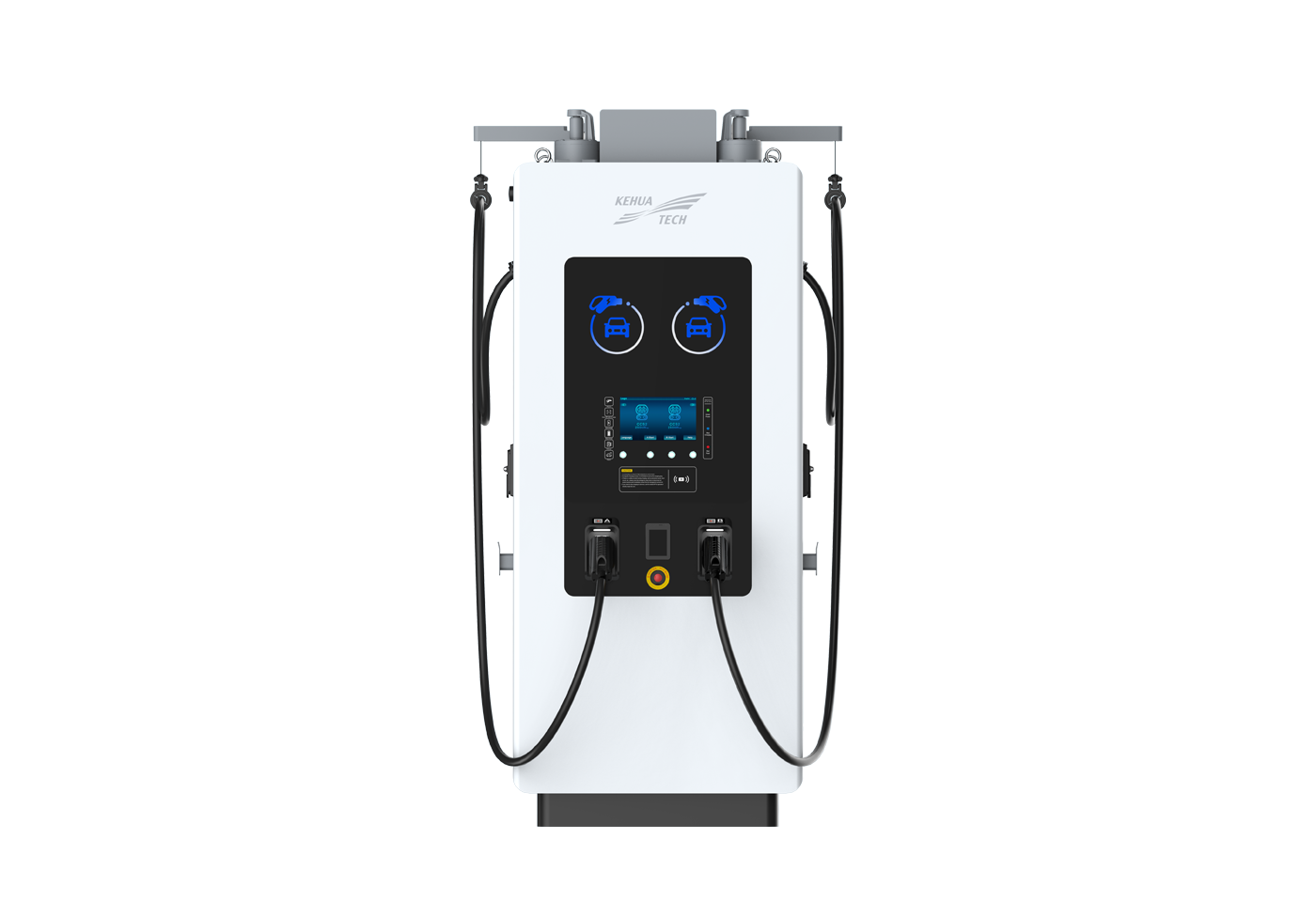
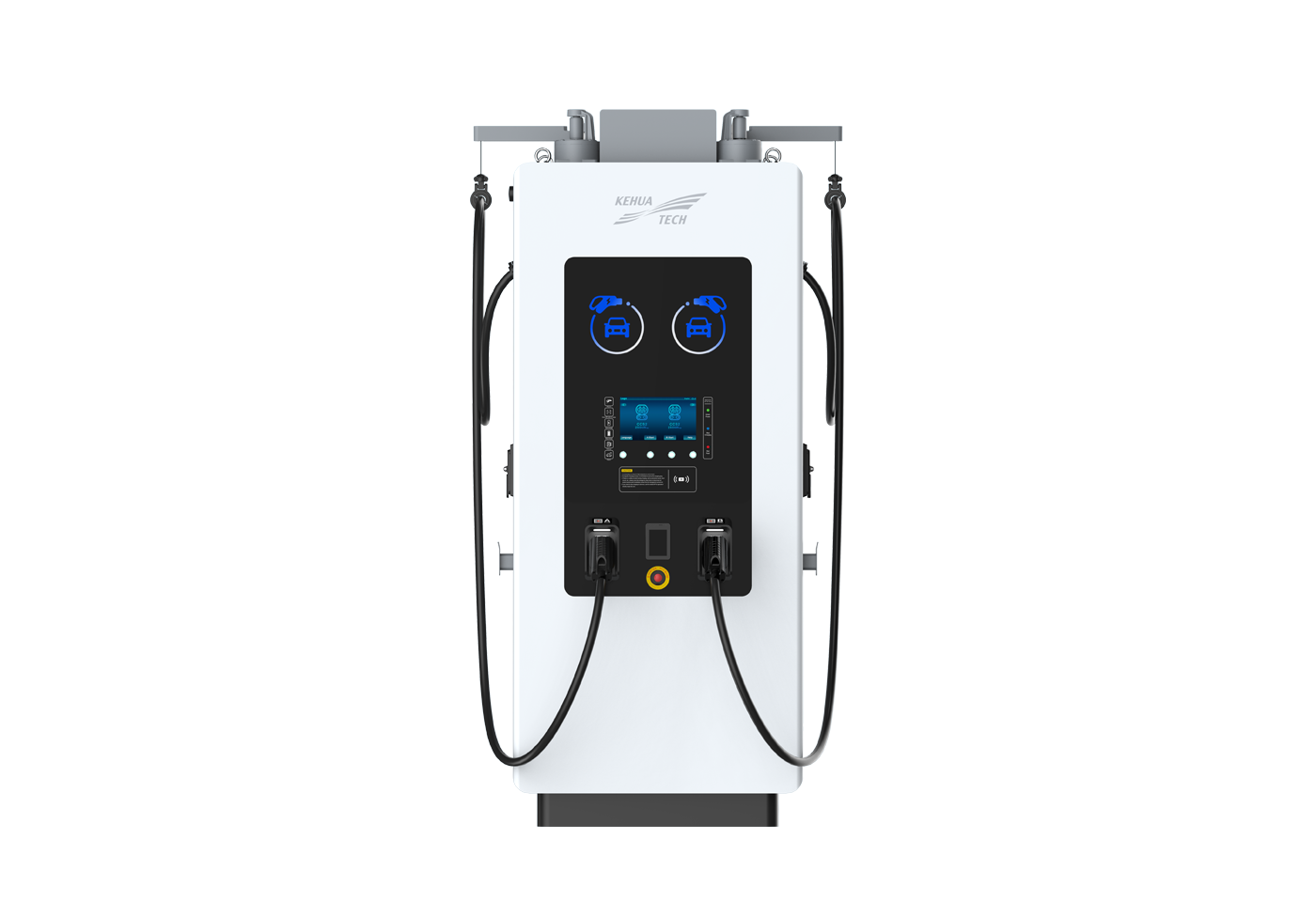
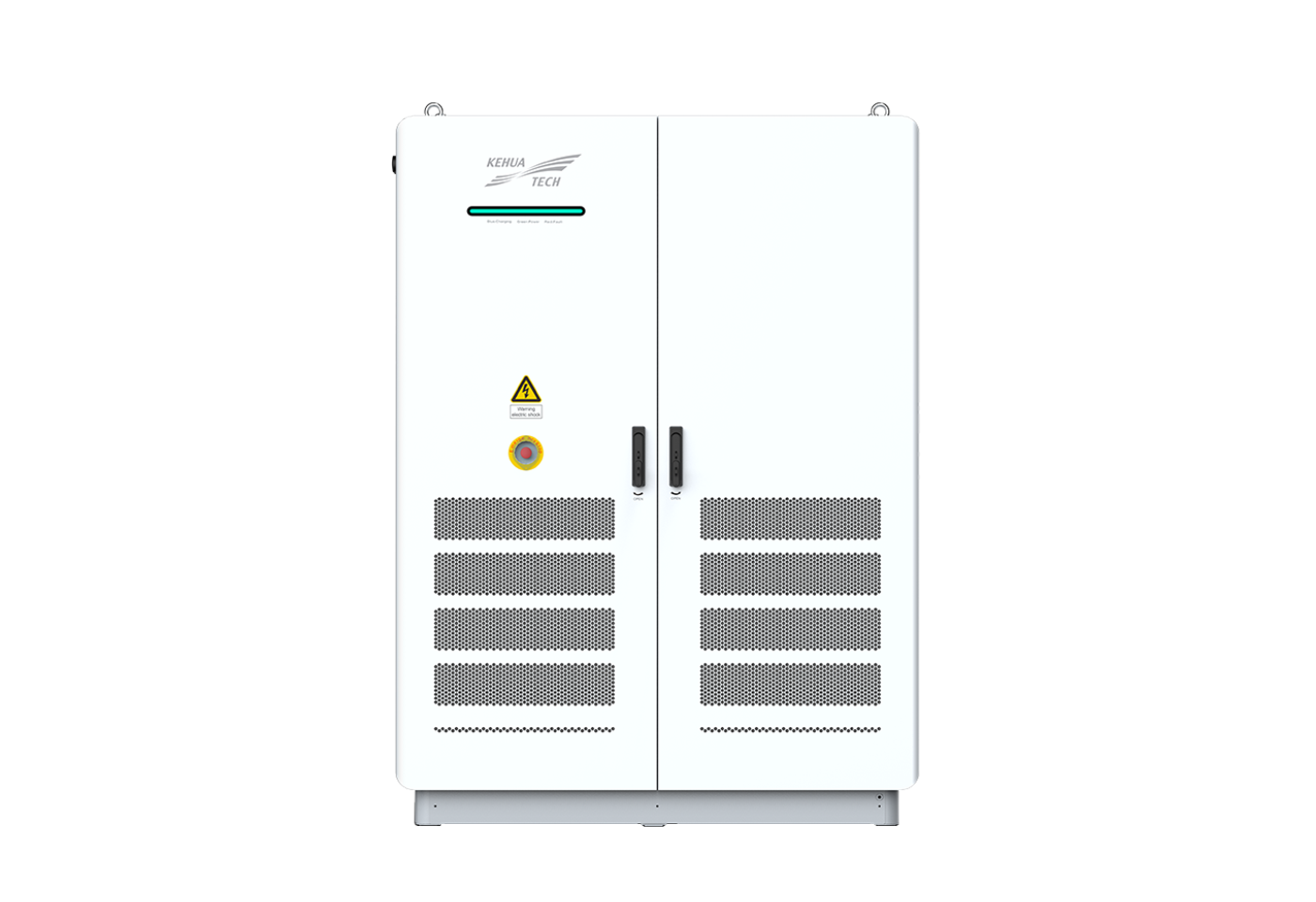
- Integrated dc charger (standalone dc charger): All power conversion, control, and user interface components are consolidated in one charging cabinet, typically in the 60–180 kW or 240–400 kW range. At end of life, this cabinet is decommissioned as a single unit, although key modules (like DC charging modules) can be removed for refurbishment or recycling. [directindustry]
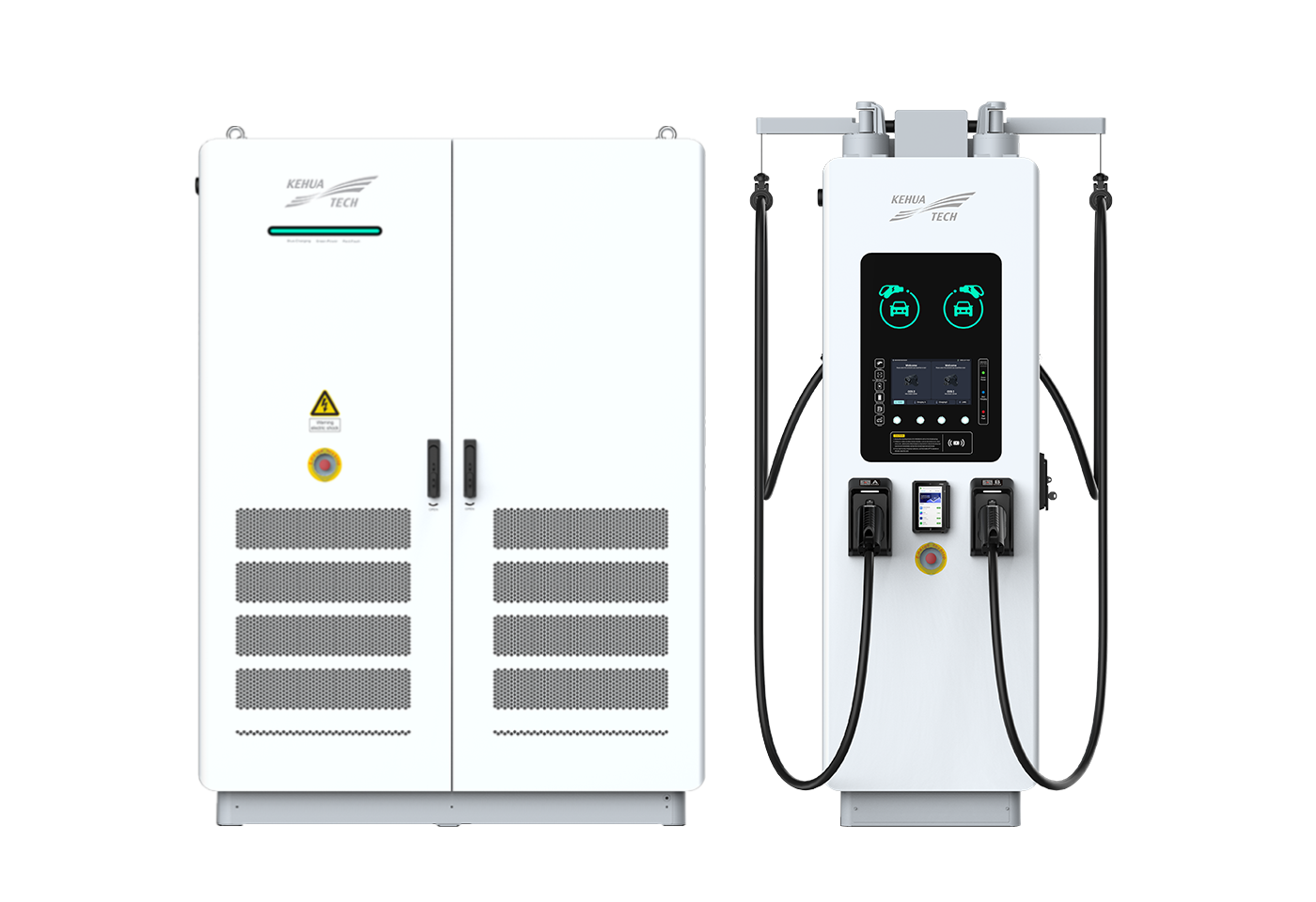
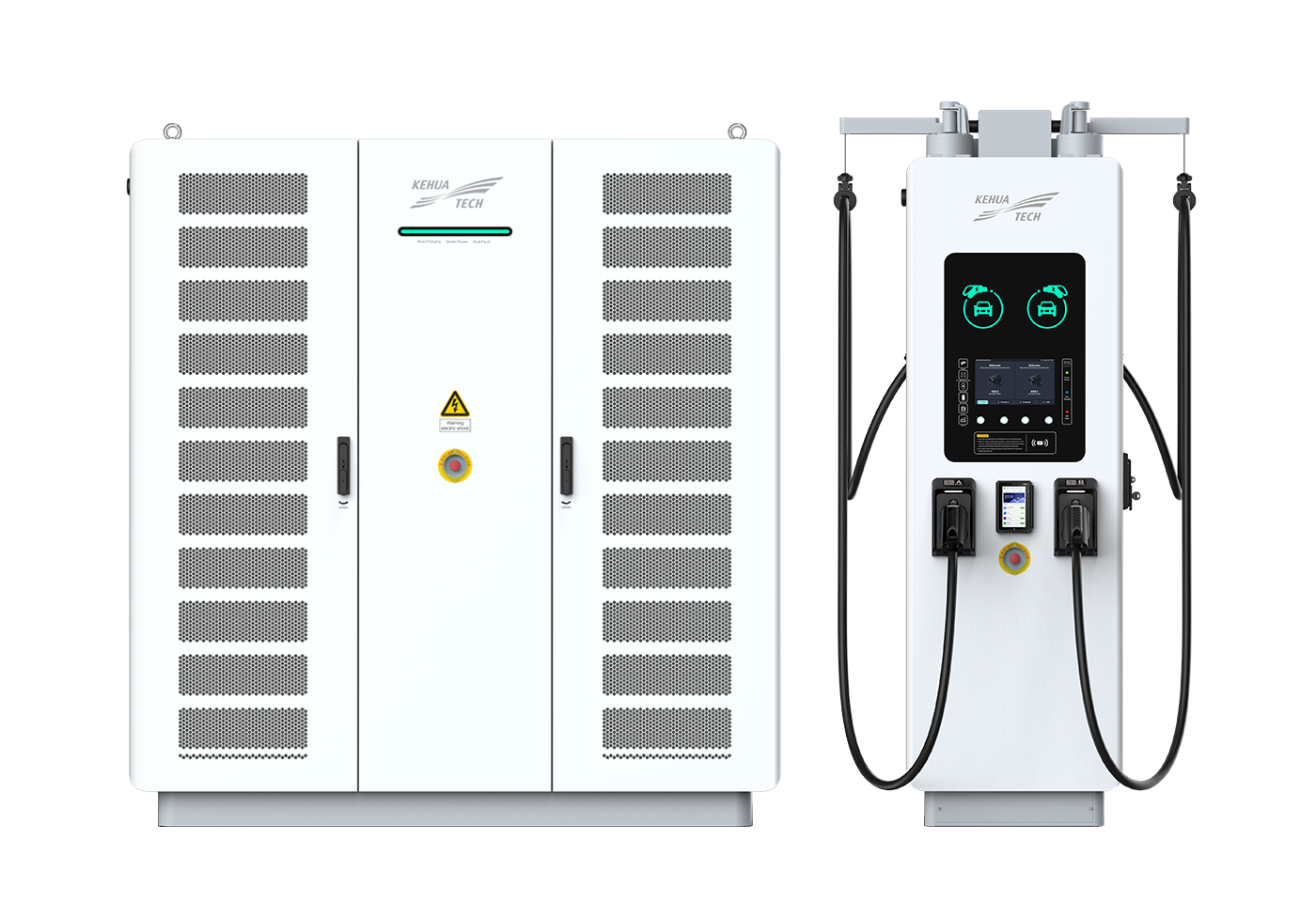
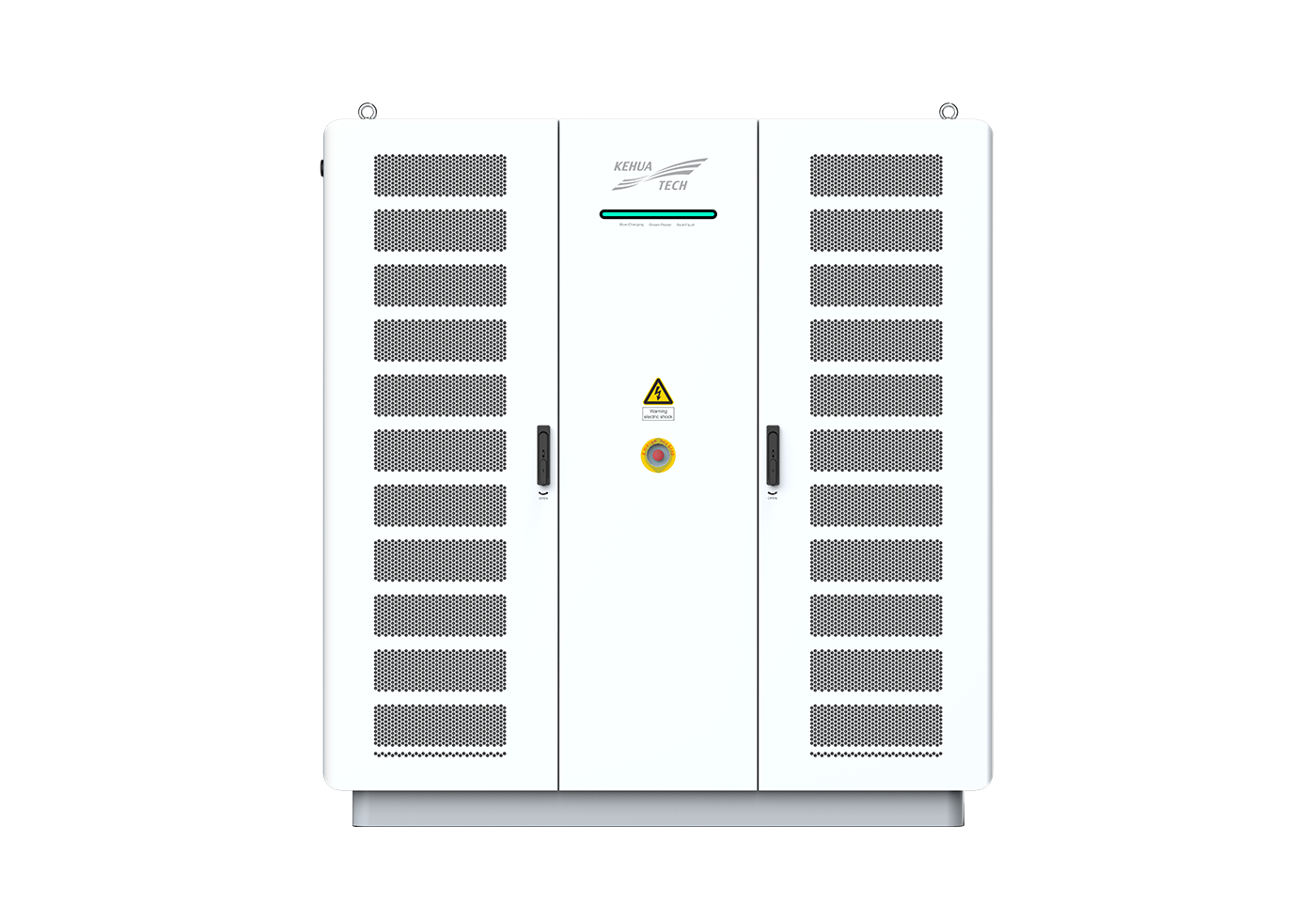
- Distributed charging system: A high‑power power unit (for example 480 kW or 800 kW) feeds multiple dispenser, allowing more flexible allocation of charging power. Here, the power unit and each dispenser can follow different end‑of‑life timelines, enabling phased replacement and more efficient reuse of subcomponents. [ethercat]
From a circular‑economy perspective, distributed systems offer more granularity in upgrades and retirement, while integrated dc chargers can be simpler to track and manage as complete assets. [directindustry]
Design for Longevity and Modular Replacement
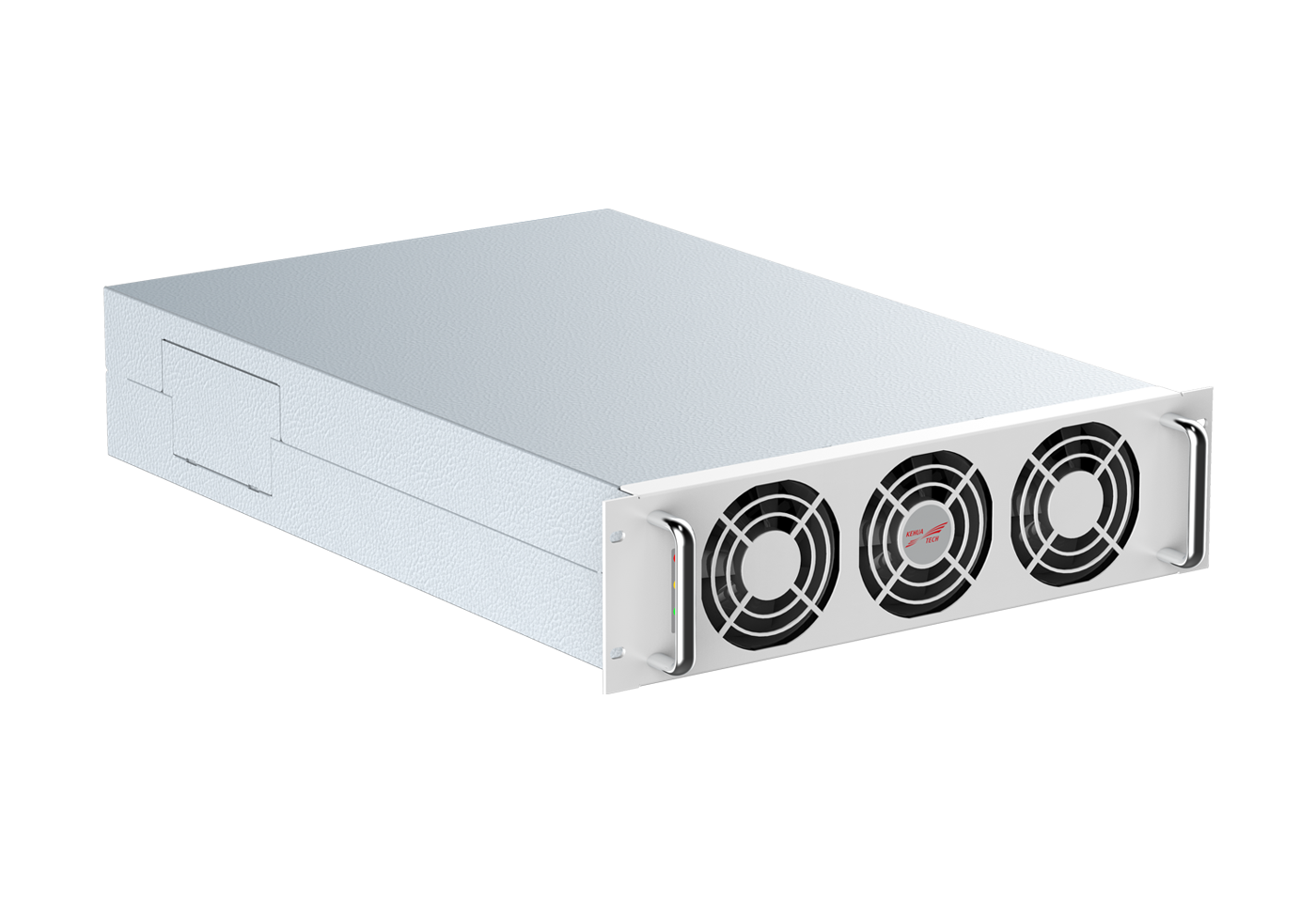
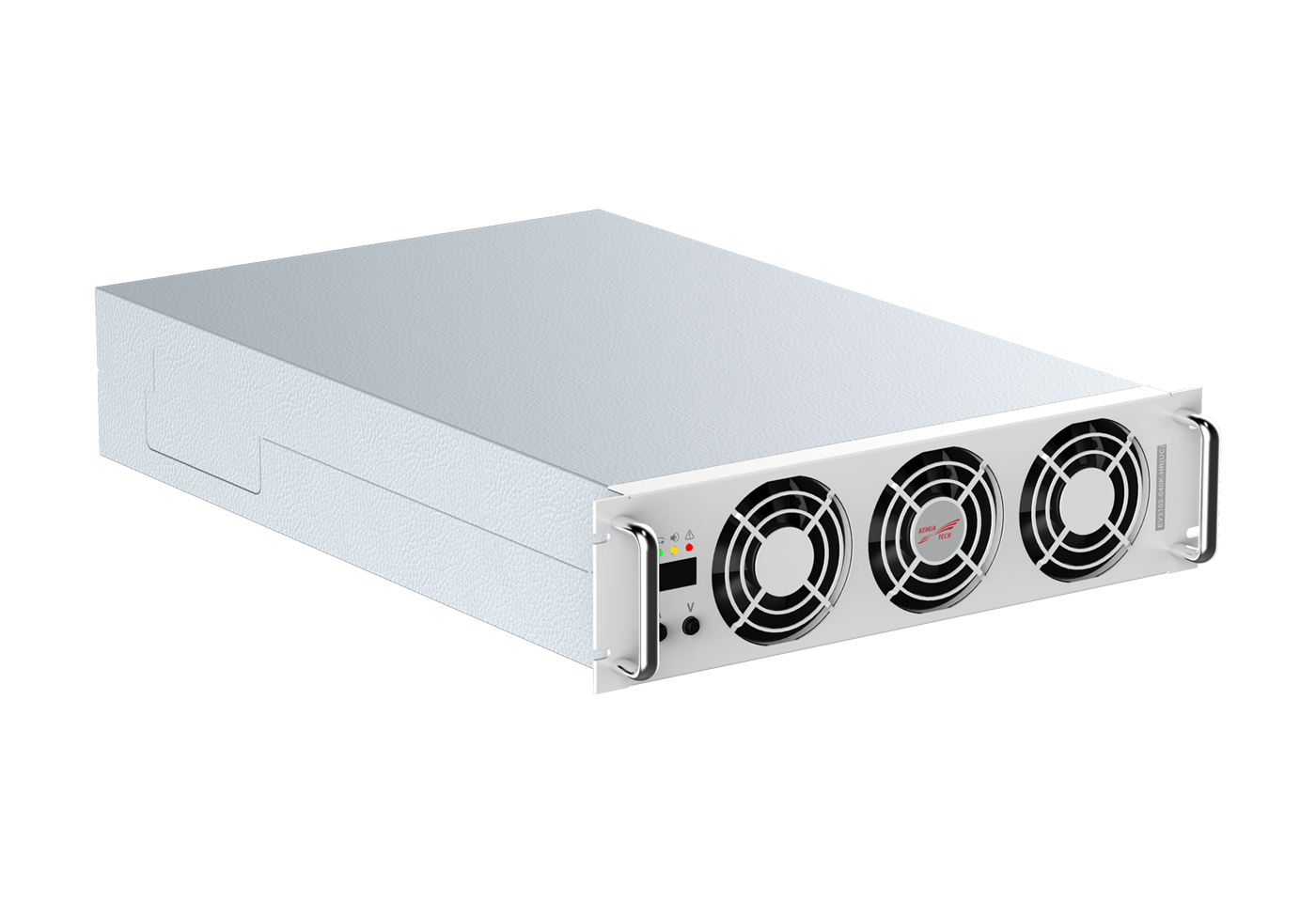
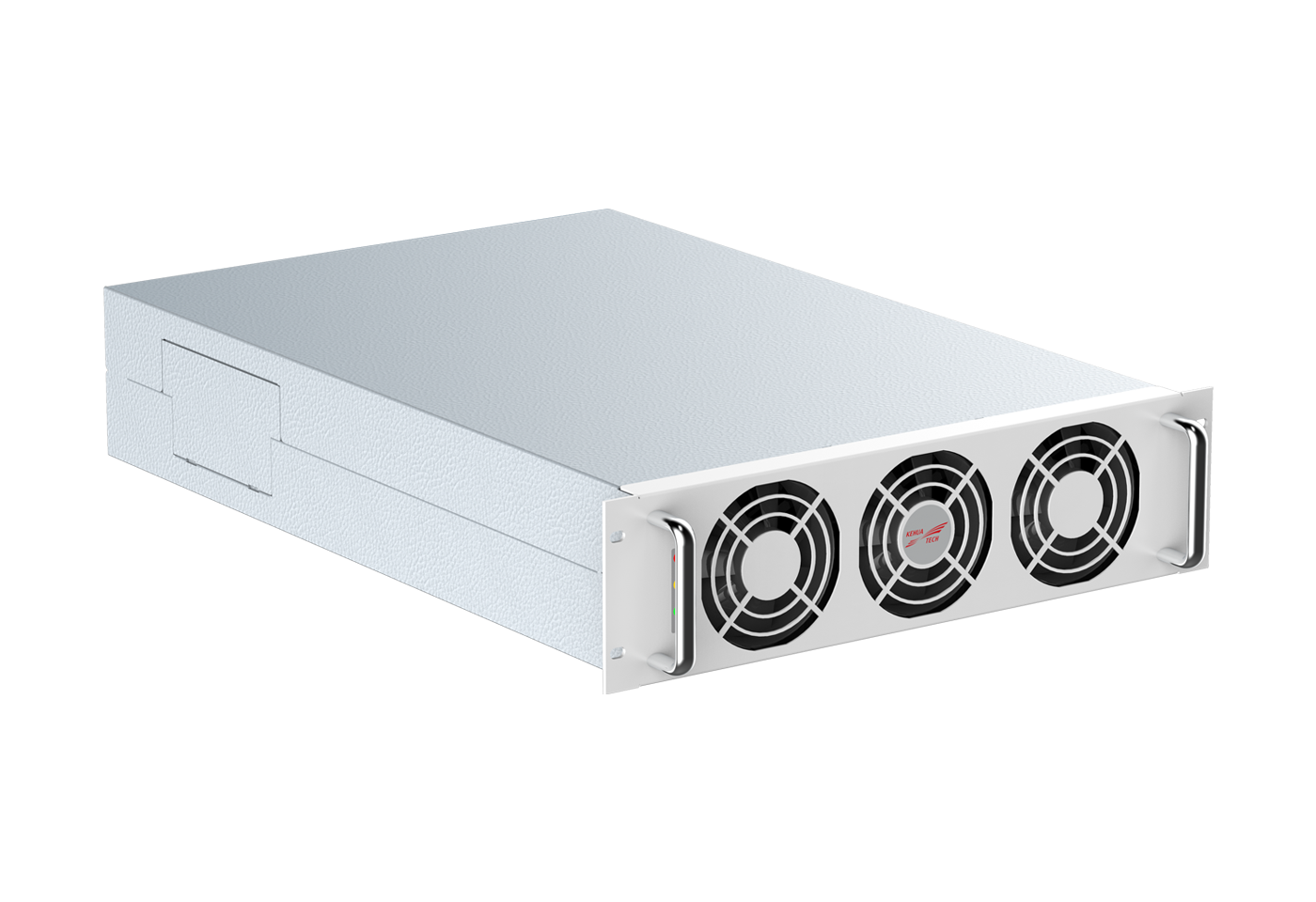
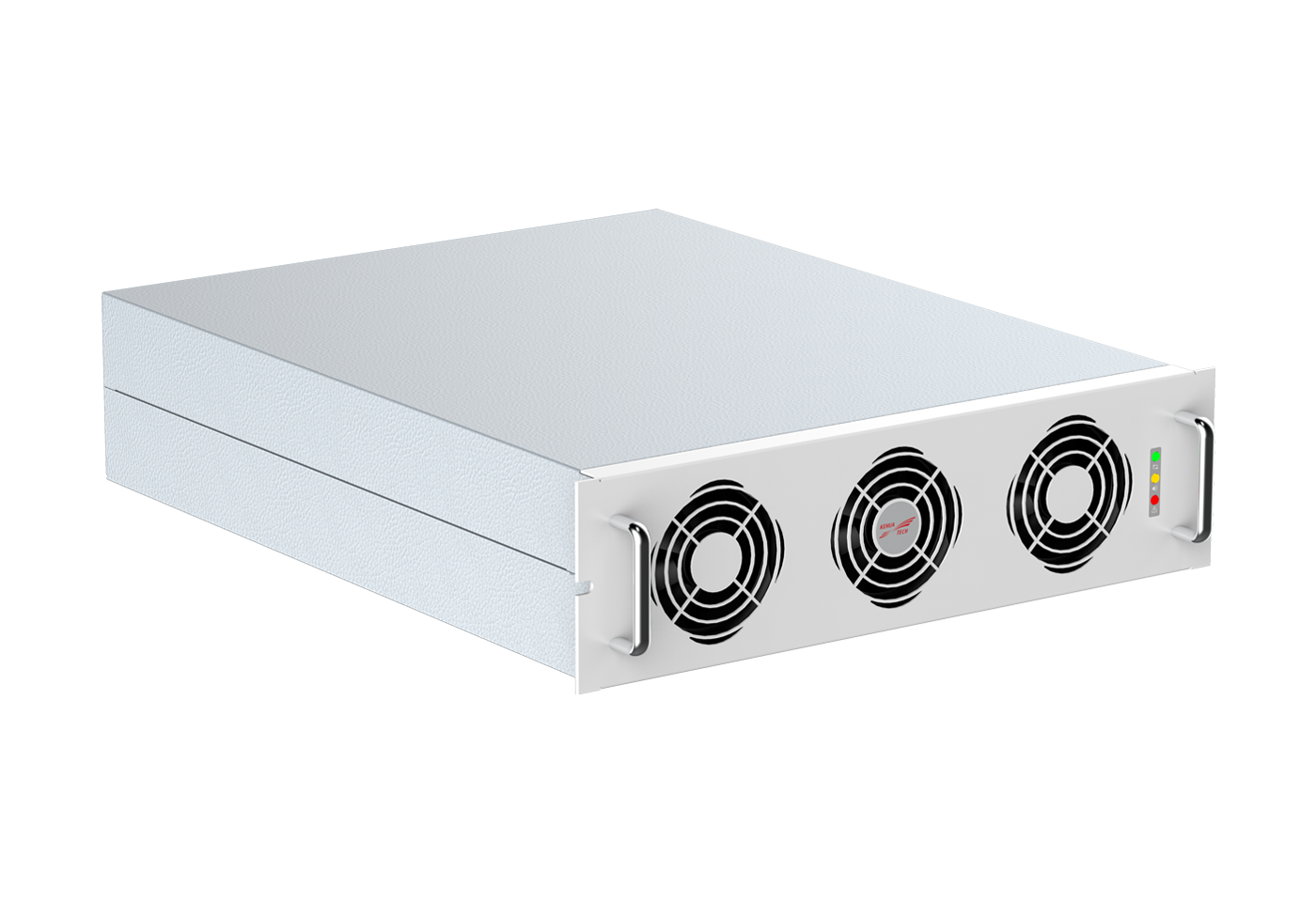
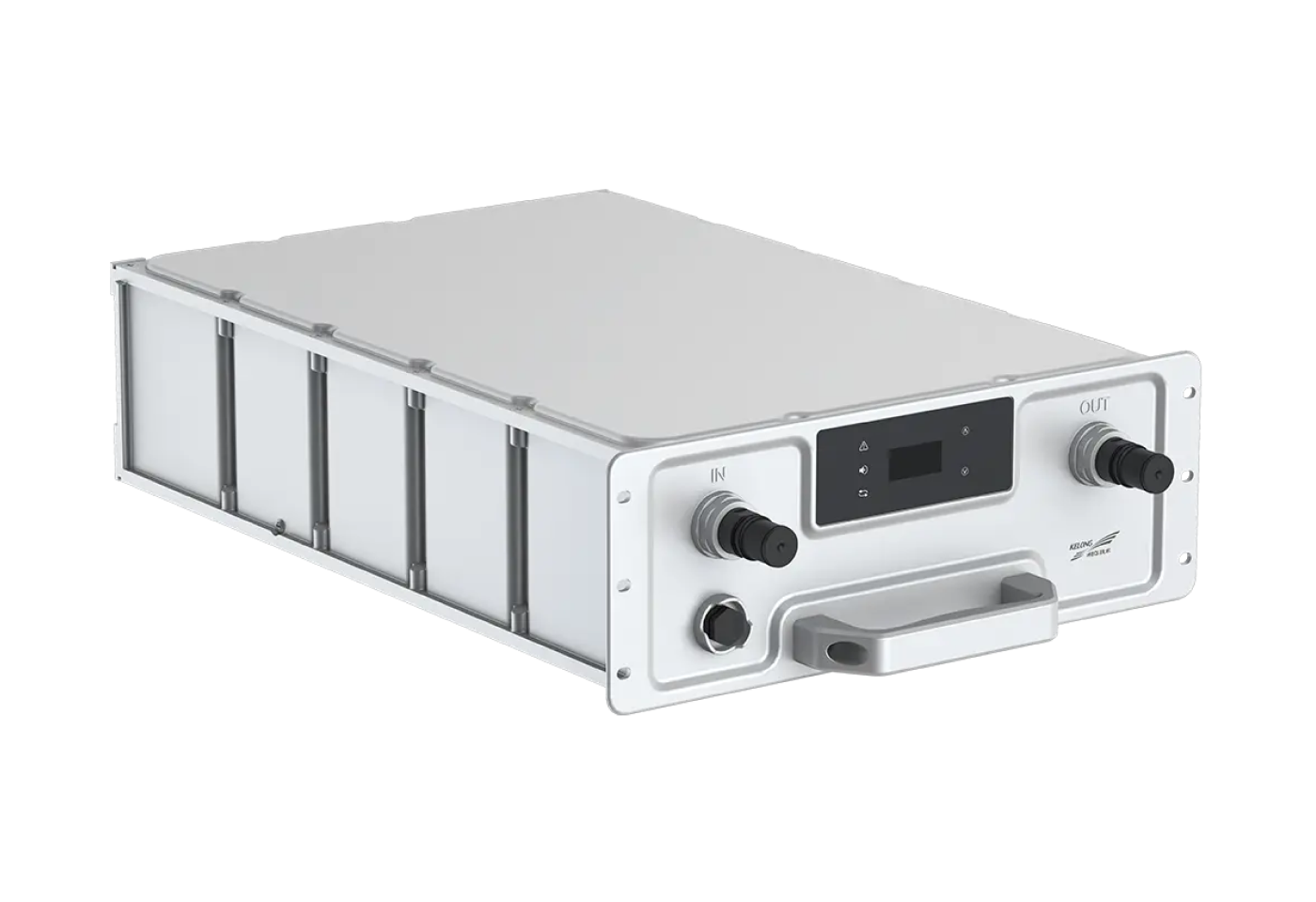
Designing for durability is the first pillar of end‑of‑life strategy. Kehua's DC charging modules, for example, are engineered for high efficiency and low loss, with wide constant‑power voltage ranges and standby consumption below typical thresholds, which extends useful life and reduces stress on components. [directindustry]
Beyond basic robustness, modular design is crucial: by standardizing DC modules, control boards, and user‑interface elements, operators can replace aging parts rather than decommissioning entire chargers. This modularity supports: [directindustry]
- Easier field maintenance and upgrades.
- Recovery of valuable modules for secondary use.
- Streamlined disassembly at end of life.
From an industry‑expert standpoint, modular DC architectures are one of the most practical enablers of circularity in high‑power EV charging infrastructure. [thesmartere-award]
Battery Storage: Second Life and End-of-Life Options
When EV charging infrastructure is paired with battery storage, the circular‑economy equation becomes even more nuanced. Battery systems can smooth peak loads, enable higher utilization of megawatt level charging systems, and improve site economics—but they also introduce questions about second‑life use and eventual recycling. [researchinchina]
Typical battery end‑of‑life pathways include:
- Second‑life applications: Reusing battery packs or modules for lower‑demand stationary applications once capacity falls below fast‑charging requirements.
- Component harvesting: Salvaging BMS electronics, enclosure materials, and cabling for reuse in new systems.
- Material recycling: Recovering critical minerals from battery cells through specialized processes.
A robust circular strategy combines predictive maintenance, performance data tracking, and clear thresholds for when a battery should move from first life to second life or recycling. [researchinchina]
Practical End-of-Life Strategy for Charging Sites (User Perspective)
From the perspective of a charge‑point operator or fleet manager, implementing circular end‑of‑life strategies for integrated dc chargers and battery storage involves a structured, repeatable process. Below is a practical 6‑step framework that blends operational best practice with circular‑economy goals: [xing]
1. Asset inventory and data collection
Maintain a detailed register of each integrated dc charger, distributed charging system, and associated battery storage with serial numbers, installation date, firmware version, and maintenance history. [ethercat]
2. Performance monitoring and threshold definition
Use operational data (availability, efficiency, charging session history) to define objective thresholds for end‑of‑life or major refurbishment decisions. [xing]
3. Modular refurbishment and upgrade
Replace aging DC modules, power units, or HMI components where feasible instead of retiring entire systems, focusing first on high‑value modules with strong secondary‑use potential. [directindustry]
4. Site‑level repowering strategy
When power demand increases or standards evolve, implement repowering plans that reuse existing foundations, cabling, and enclosures where possible, reducing material waste versus full replacement. [ethercat]
5. Decommissioning and material recovery
Partner with certified recyclers and logistics providers to dismantle equipment responsibly, maximize recovery of metals, semiconductors, and wiring, and ensure regulatory compliance. [researchinchina]
6. Feedback into procurement and design
Use lessons from decommissioned assets—failure modes, recyclability, refurbishment success—to refine future procurement criteria and vendor selection. [xing]
Case Insight: High-Efficiency DC Modules in Circular Design
Kehua's 40 kW SiC high‑efficiency charging module—recognized in an international e‑mobility award—illustrates how component‑level innovation supports circular end‑of‑life strategies. With peak efficiencies up to around 97% and wide constant‑power voltage ranges, such modules reduce thermal stress and extend operational life, delaying the point at which replacement or recycling is needed. [thesmartere-award]
From an industry‑expert perspective, high‑efficiency modules also make second‑life use more attractive, since devices retired from fast‑charging duties may still deliver solid performance in less demanding roles. By designing modules for both performance and ease of removal, Kehua enables operators to harvest and re‑deploy these components instead of treating them as single‑use assets. [directindustry]
Environmental and Regulatory Considerations
EV charging and battery storage hardware fall under evolving regulatory frameworks related to e‑waste, WEEE, and hazardous materials management, especially in mature markets such as the EU and North America. Operators face obligations around documentation, traceability, and certified disposal, which makes end‑of‑life planning a compliance issue as much as a sustainability one. [researchinchina]
Circular‑economy strategies help reduce exposure to regulatory risk by:
- Minimizing the volume of non‑recoverable waste.
- Improving documentation of component flows and material recovery.
- Demonstrating responsible stewardship to local authorities and customers.
For cross‑border operations, it is especially important to harmonize end‑of‑life procedures with local regulations and to work with partners familiar with regional standards. [ethercat]
User-Centric Considerations: UX of End-of-Life Planning
End‑of‑life strategy might sound like a purely technical or regulatory topic, but it directly affects user experience (UX) at charging sites. Poorly maintained or prematurely degraded equipment leads to downtime, inconsistent charging speeds, and frustration for EV drivers. [xing]
A circular approach enhances UX by:
- Keeping chargers in service longer through proactive modular replacement.
- Enabling capacity upgrades without long construction periods or full site closures.
- Supporting predictable performance over the asset's lifespan.
From a driver's point of view, the most "sustainable" charger is often the one that simply works reliably whenever they arrive—circular strategies support that reliability over many years. [ethercat]
How Shenzhen Kehua Supports End-of-Life Strategy
Building on its experience in critical power and renewable energy, Kehua supports customers with solutions that are inherently aligned with circular‑economy principles. Key aspects include: [charin]
- High‑efficiency DC charging modules designed for long service life and easy integration into multiple charger architectures. [thesmartere-award]
- Integrated dc chargers (60–180 kW, 240–400 kW) and distributed charging systems (480 kW, 800 kW) that support modular maintenance and phased upgrades. [charin]
- Megawatt level charging systems (1.2 MW, 1.6 MW) engineered for large fleets and commercial applications, where lifecycle planning and circular‑economy benefits are especially significant. [charin]
- PV+ESS solutions that help operators optimize energy use and reduce emissions across the full life of the site. [xing]
With manufacturing bases and service centers across multiple regions, Kehua can support comprehensive lifecycle planning, from initial design to eventual decommissioning and replacement. [kehuasz]
Actionable Checklist for Operators
For readers responsible for EV charging sites, the following operator checklist can serve as a quick reference for implementing circular end‑of‑life strategies:
- Map all chargers and battery systems with detailed asset data.
- Define end‑of‑life thresholds based on utilization, efficiency, and faults.
- Prioritize modular refurbishment over complete replacement where feasible.
- Establish partnerships for certified material recovery and recycling.
- Integrate lifecycle insights into future procurement and design decisions.
Using this checklist as part of regular asset management can help ensure that integrated dc chargers and battery storage systems remain aligned with circular‑economy goals throughout their service life. [researchinchina]
Table: Circular End-of-Life Focus Areas
| Lifecycle Stage | Key Actions for DC Chargers and BESS |
|---|---|
| Design & Procurement | Choose modular, high‑efficiency DC modules, plan for easy disassembly and reuse. (directindustry) |
| Operation & Maintenance | Monitor performance, replace modules proactively, update firmware and controls. (ethercat) |
| Upgrade & Repowering | Reuse foundations, cabling, and enclosures, integrate higher‑power units where needed. (ethercat) |
| Decommissioning | Dismantle safely, separate high‑value components, coordinate certified recycling. (ethercat) |
| Second Life & Recycling | Redeploy modules and battery packs to lower‑demand roles before material recovery. (ethercat) |
Call to Action: Plan Your Circular Charging Strategy
If you are planning or operating EV charging sites with integrated dc chargers, distributed charging systems, or megawatt level charging systems, now is the time to embed circular‑economy thinking into your lifecycle strategy. By partnering with experienced providers like Shenzhen Kehua Hengsheng Technology Co., Ltd., you can design charging infrastructure that not only meets today's performance requirements but is also ready for responsible, value‑maximizing end‑of‑life management. [charin]
For detailed consulting on DC architecture choices, battery storage integration, and circular end‑of‑life planning, you can contact Kehua's team through its global service and sales channels. [kehuasz]
FAQs
Q1: What is the main difference between an integrated dc charger and a distributed charging system?
An integrated dc charger concentrates all power conversion and user interfaces in a single cabinet, while a distributed charging system uses a centralized power unit to feed multiple dispensers. [directindustry]
Q2: How does modular design support circular end‑of‑life strategies?
Standardized DC modules and replaceable components allow operators to refurbish or upgrade chargers instead of discarding entire units, enabling reuse and better material recovery. [directindustry]
Q3: Why is battery storage important in circular‑economy planning for charging sites?
Battery storage enhances site efficiency and grid interaction, but it also requires clear pathways for second‑life use and recycling to avoid waste and maximize long‑term value. [researchinchina]
Q4: What regulations affect end‑of‑life management of EV chargers and battery systems?
Operators must comply with e‑waste and hazardous‑materials regulations, which govern documentation, disposal, and recycling practices for electronic and electrochemical equipment. [researchinchina]
Q5: How can operators start implementing a circular end‑of‑life strategy today?
Begin by mapping assets, defining performance‑based end‑of‑life thresholds, prioritizing modular refurbishment, and establishing relationships with certified recyclers and experienced solution providers. [xing]
References
[charin]
[kehuasz]
[ethercat]
[xing]
Hot Tags: Circular Economy Ev Charging, Integrated Dc Charger Solutions, Battery Storage For Ev Charging, End Of Life Strategies Ev Infrastructure, Distributed Charging System B2b, Megawatt Level Charging System, Dc Charging Modules Manufacturer, Sustainable Ev Charging Infrastructure, Pv Ess Solutions For Fleets, Ev Charging Lifecycle Management

