



- Electric Bus Charging Upgraded: Fast & Flexible
- Shenzhen Kehua’s 40 kW High-Efficiency SiC Charging Module Achieves CE, CB, and UL Certifications
- Shenzhen Kehua Unveils High-Reliability All-in-One DC Charger for the ASEAN Market
- Shenzhen Kehua’s Scalable Megawatt Power Unit: Pioneering the Next Era of High-Power Charging for Green Mobility
- Growth Opportunities in the EV Charging Industry Amid the Global Transportation Electrification
- The Future of Fleet Charging: Building Efficient and Reliable Charging Infrastructure
Hydrogen vs Electric: Why Megawatt Charging Systems Are Winning the Heavy‑Duty Race


Content Menu
● Hydrogen vs Electric: Why Megawatt Charging Systems Are Winning the Heavy‑Duty Race
● What Really Matters for Heavy‑Duty Fleets?
● Why Megawatt Charging Systems Are a Game Changer
● Core Technologies Behind High‑Power EV Truck Charging
● Hydrogen vs Electric: Key Criteria Comparison
● From Pilot to Scale: What Fleet Operators Are Actually Doing
● Designing Future‑Proof Heavy‑Duty Charging Hubs
● Real‑World Use Cases: How Operators Are Applying MCS
● Why High‑Efficiency DC Charging Modules Matter
● How Shenzhen Kehua Hengsheng Supports the Transition
● Practical Roadmap: How Fleets Can Move from Diesel to Megawatt Charging
● Why Megawatt Charging Is Beating Hydrogen – Strategic Takeaways
● Call to Action: Plan Your Megawatt‑Ready Fleet Infrastructure
● Frequently Asked Questions (FAQ)
Hydrogen is losing ground to battery-electric heavy-duty trucks, and megawatt charging systems (MCS) are emerging as the critical backbone for this shift. For long-haul fleets under pressure to decarbonize while keeping total cost of ownership (TCO) under control, high‑power DC charging is no longer "nice to have" – it is a strategic necessity. [en.kehuasz]
Hydrogen vs Electric: Why Megawatt Charging Systems Are Winning the Heavy‑Duty Race
Over the past five years, the promise of hydrogen fuel cell trucks has collided with hard realities in infrastructure cost, energy efficiency, and scalability. In contrast, battery‑electric heavy‑duty vehicles (HDVs), supported by megawatt charging systems, have moved rapidly from pilot projects into serious fleet deployments in North America, Europe, and parts of Asia. [cccme]
As an EV charging solution provider deeply involved in DC fast charging and megawatt‑level systems, I have seen first‑hand how operators evaluate hydrogen vs electric at the level of grid connection, uptime, safety, and lifecycle economics. This article distills that on‑the‑ground perspective and the latest industry data into a practical guide for fleet decision‑makers. [thesmartere-award]
What Really Matters for Heavy‑Duty Fleets?
From a fleet operator's point of view, the hydrogen vs electric debate is not ideological. It is about:
- TCO over 8–12 years
- Energy efficiency from source to wheel
- Infrastructure cost and deployment timeline
- Operational flexibility and route planning
- Regulatory alignment and funding eligibility
Hydrogen fuel cell trucks offer fast refueling and long range, but they suffer from poor energy efficiency (often less than 30% well‑to‑wheel) and high fuel cost per kilometer due to complex production, storage, and distribution. Battery‑electric trucks powered via high‑power DC and megawatt chargers typically achieve far higher end‑to‑end energy efficiency and benefit from falling battery costs and maturing charging standards such as CCS and MCS. [en.kehuasz]
Why Megawatt Charging Systems Are a Game Changer
Megawatt charging systems fundamentally change the operational math for heavy‑duty BEVs. Instead of being limited to overnight depot charging or long dwell times, fleets can now: [thesmartere-award]
- Add hundreds of kilometers of range in well under an hour
- Integrate charging into existing driver breaks
- Operate long‑haul routes with planned "energy stops" similar to diesel
A modern megawatt level charging system typically delivers 1.2 MW or 1.6 MW per charging point, enabling rapid turnaround of trucks with large battery packs. For example, our own portfolio includes megawatt systems at 1.2 MW and 1.6 MW, which can be architected as distributed charging systems or paired with integrated DC chargers depending on the site concept. [en.kehuasz]
Core Technologies Behind High‑Power EV Truck Charging
From an engineering and operations perspective, the heavy‑duty charging ecosystem is built on three key building blocks. [directindustry]
- DC charging modules
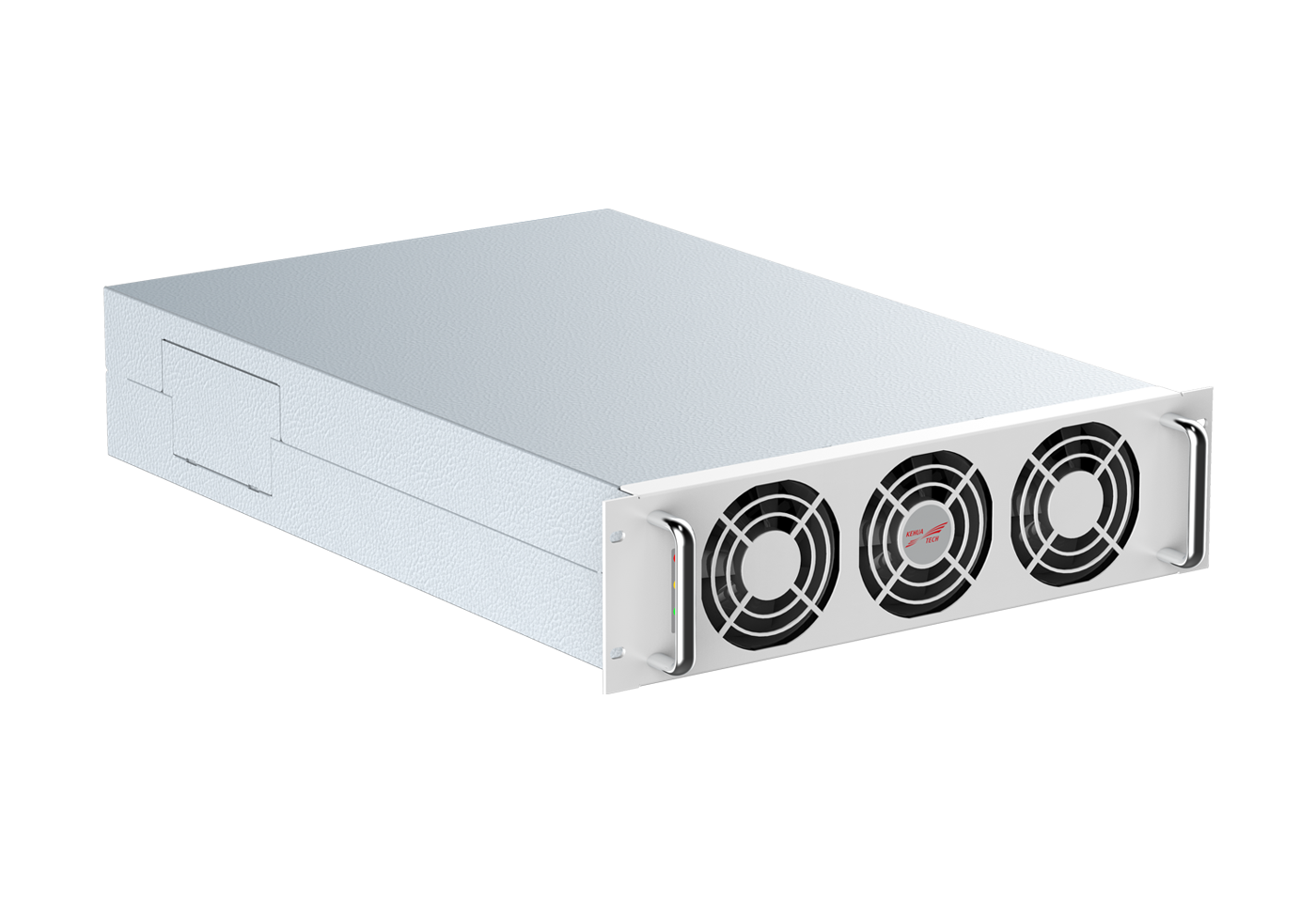
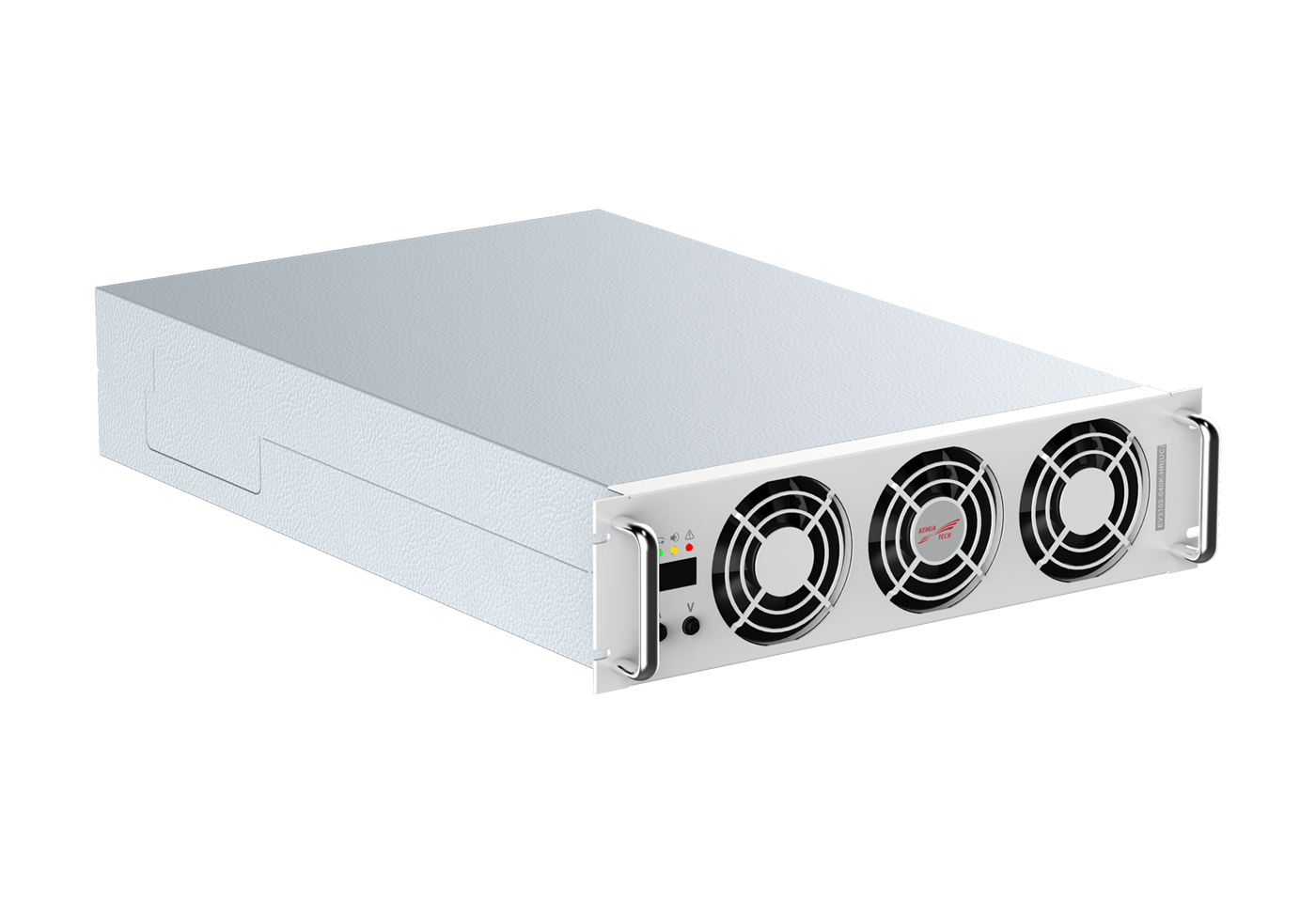
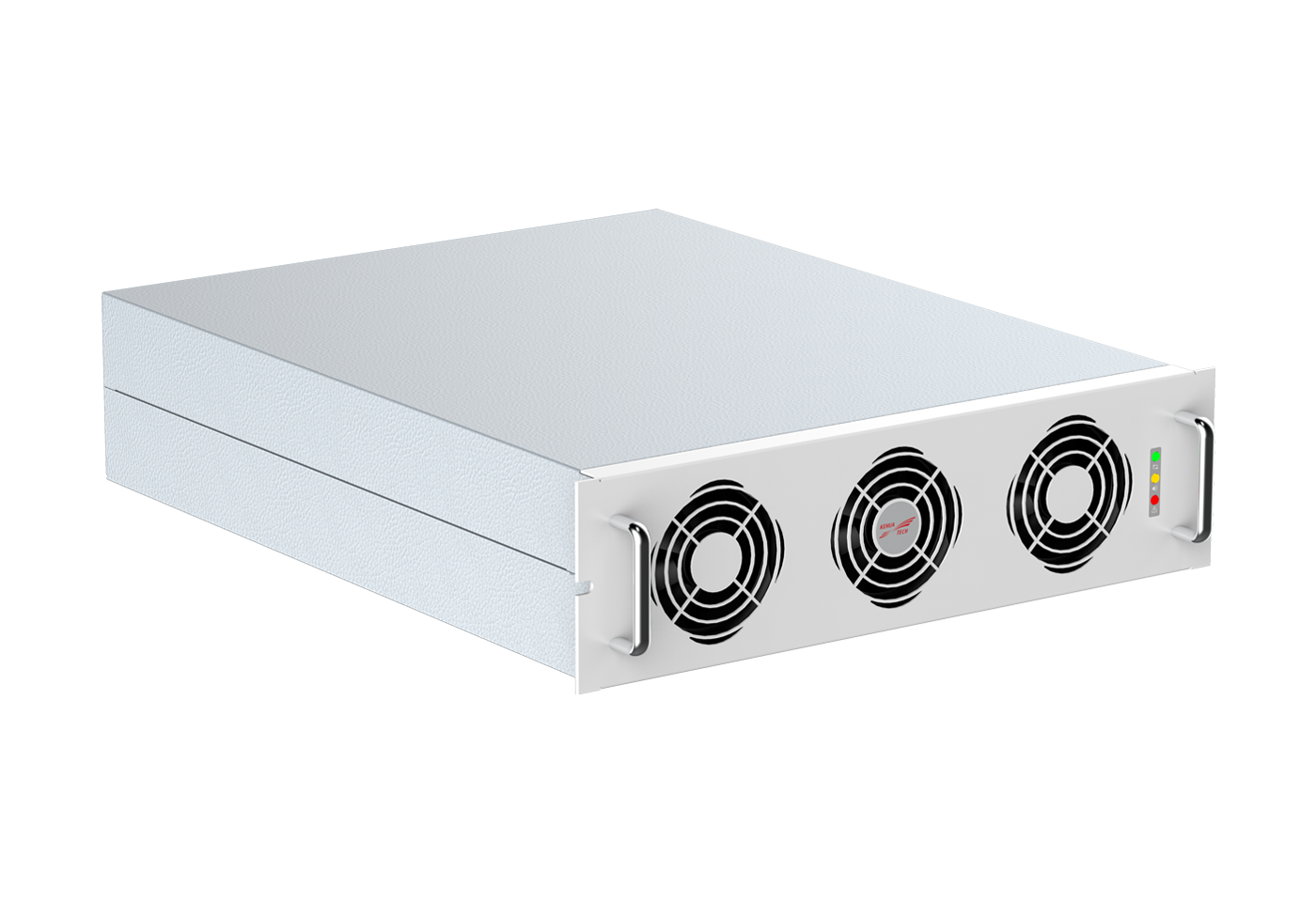
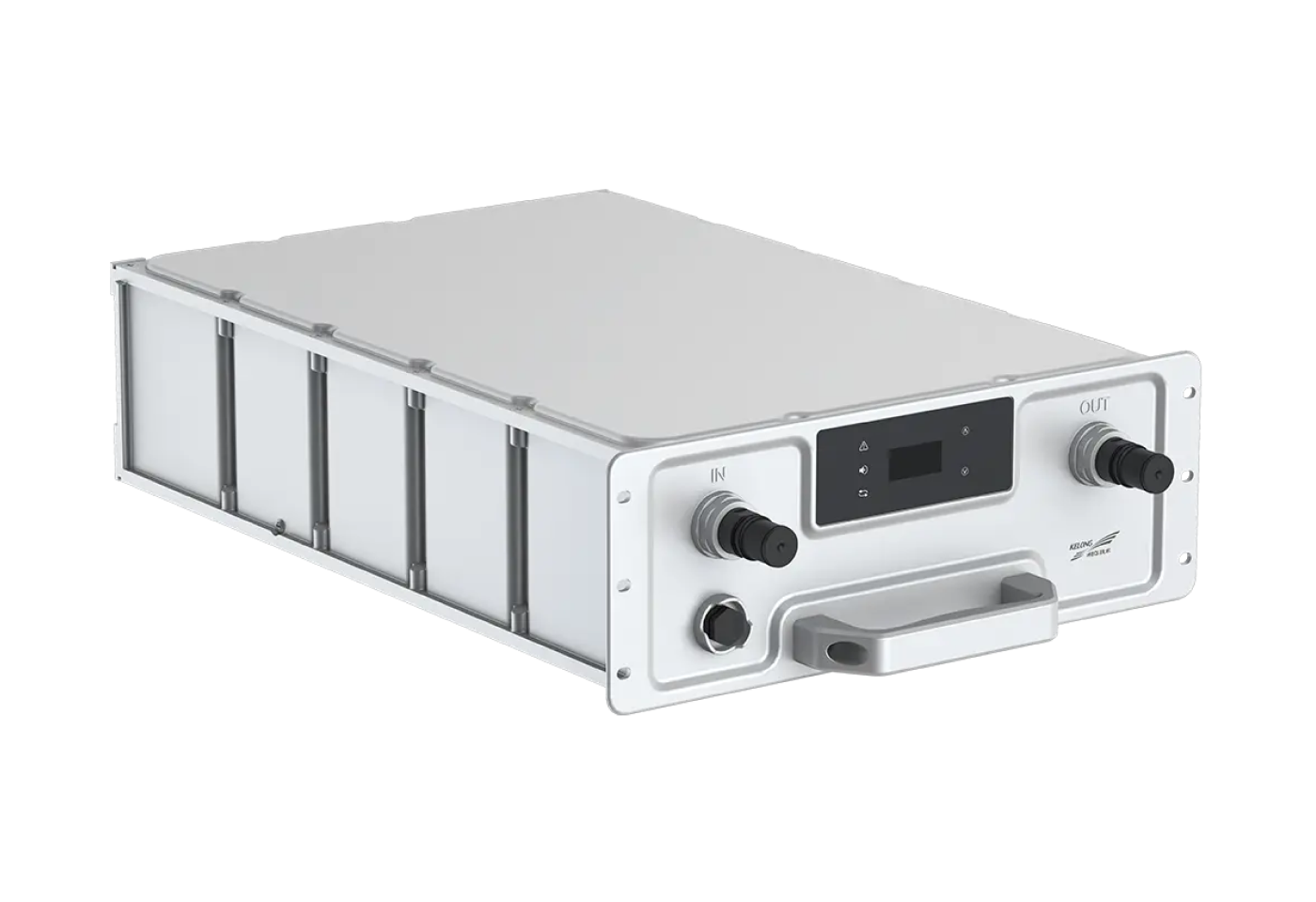
These are the power electronics "heart" of high‑power charging, converting AC grid input into stable, controllable DC output for EV batteries. Modern modules are highly efficient across a wide voltage range (for example 200–750 V), supporting diverse vehicle platforms and minimizing conversion losses. [directindustry]
- Integrated dc charger (standalone dc charger)
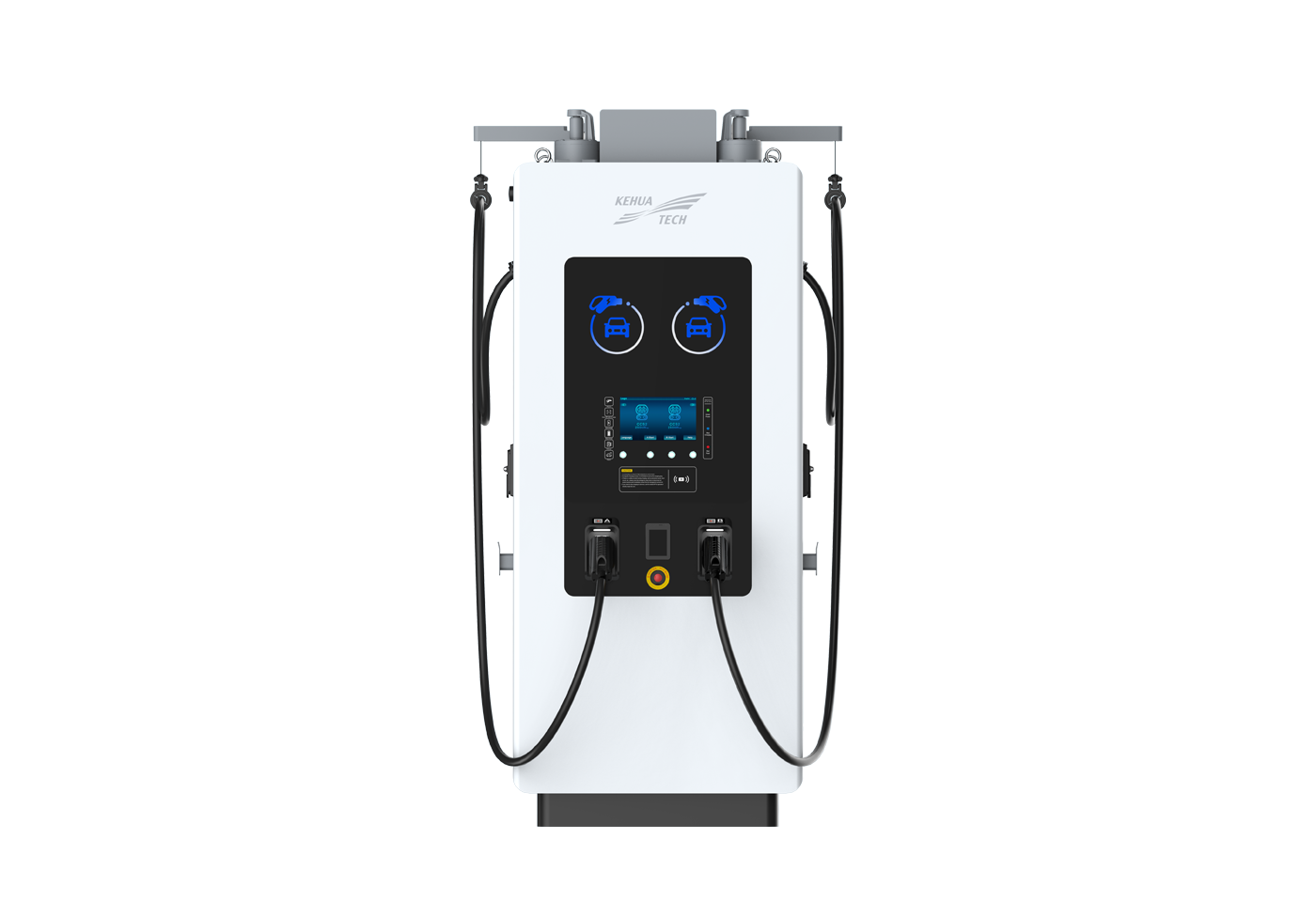
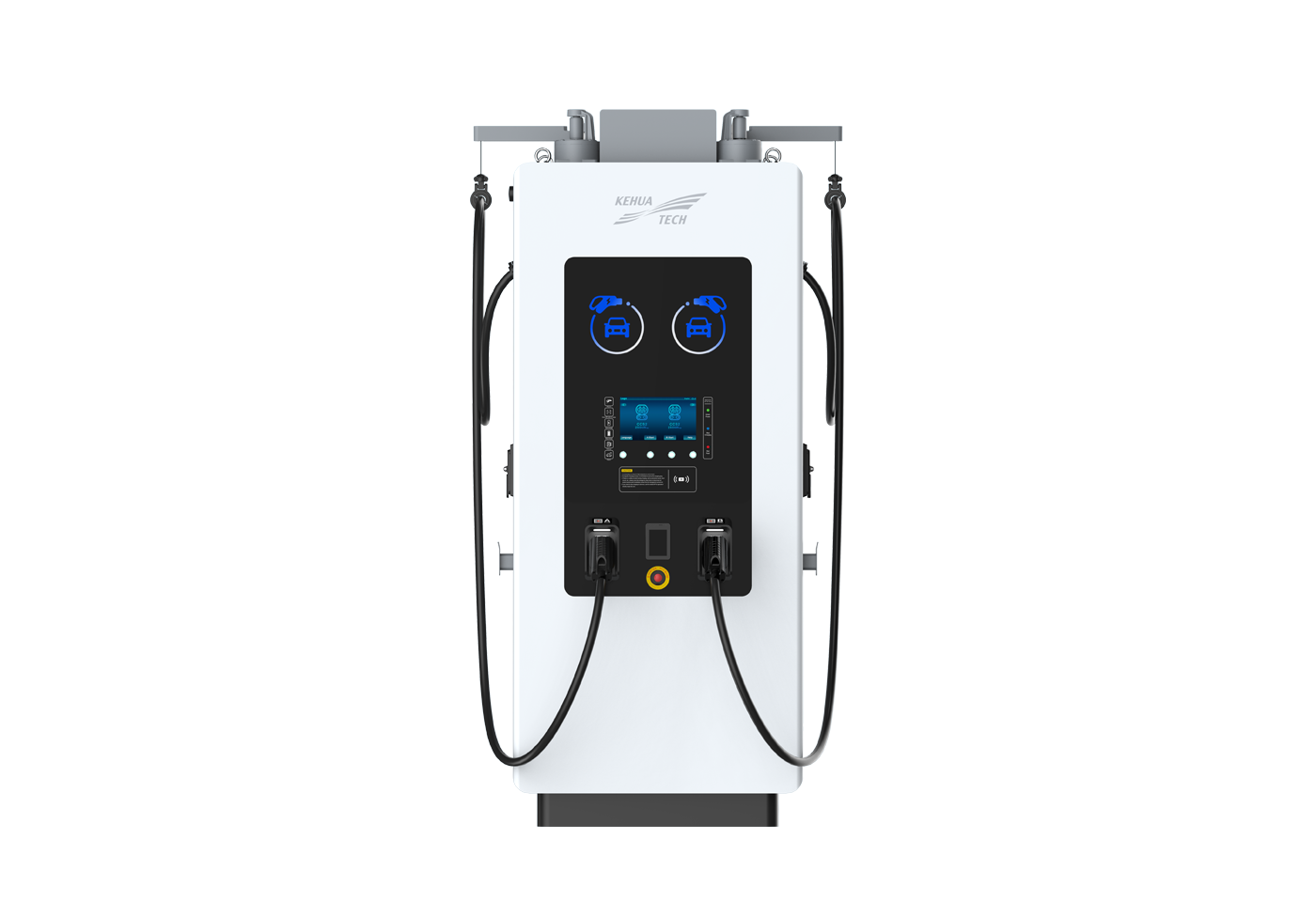
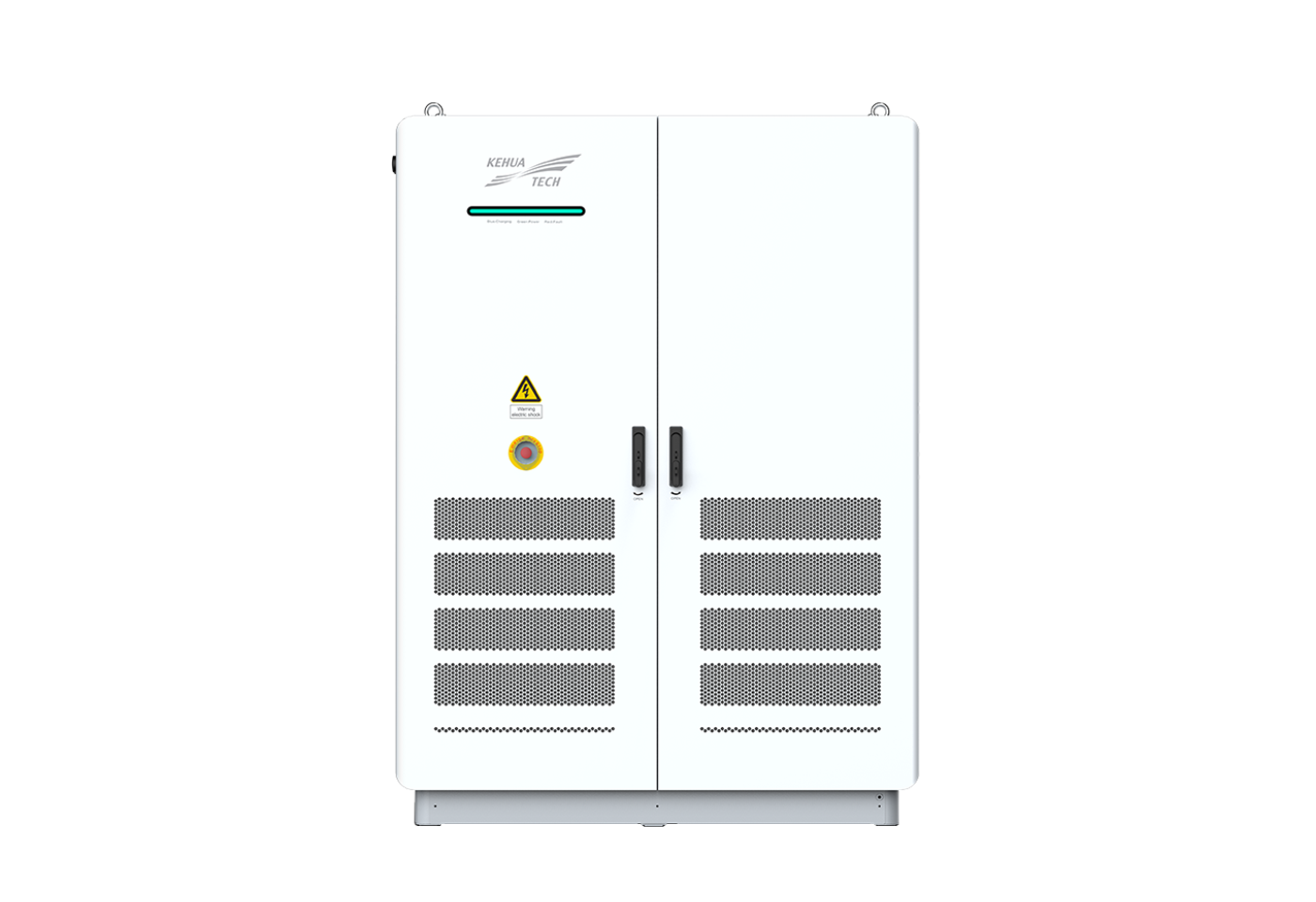
An integrated dc charger combines power units, control, and user interface into a single enclosure, ideal for smaller sites, depots, or highway locations with limited complexity. Typical power ratings in our lineup range from 60–180 kW and 240–400 kW, enabling flexible deployment across fleet depots and public corridors. [en.kehuasz]
- Distributed charging system
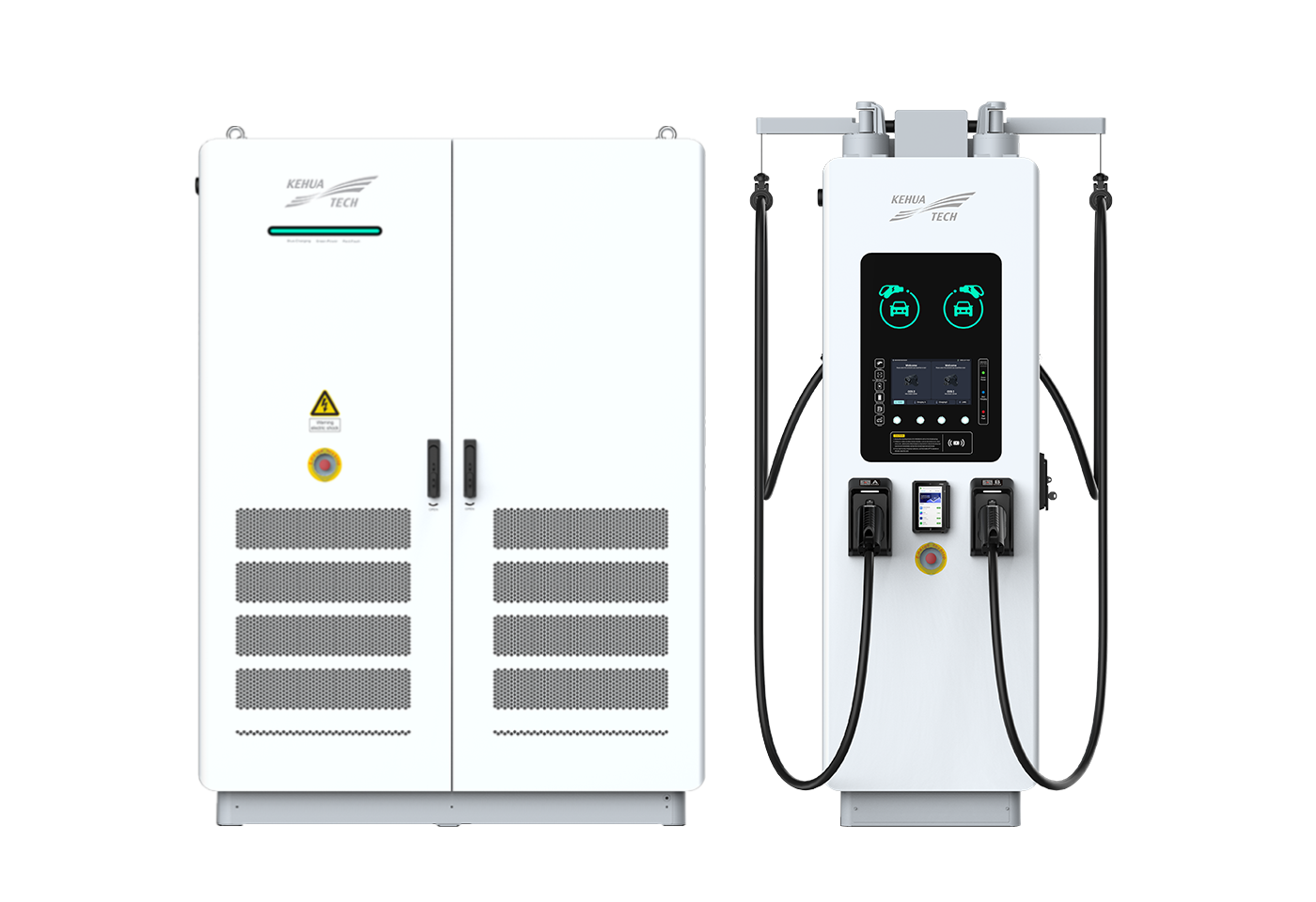
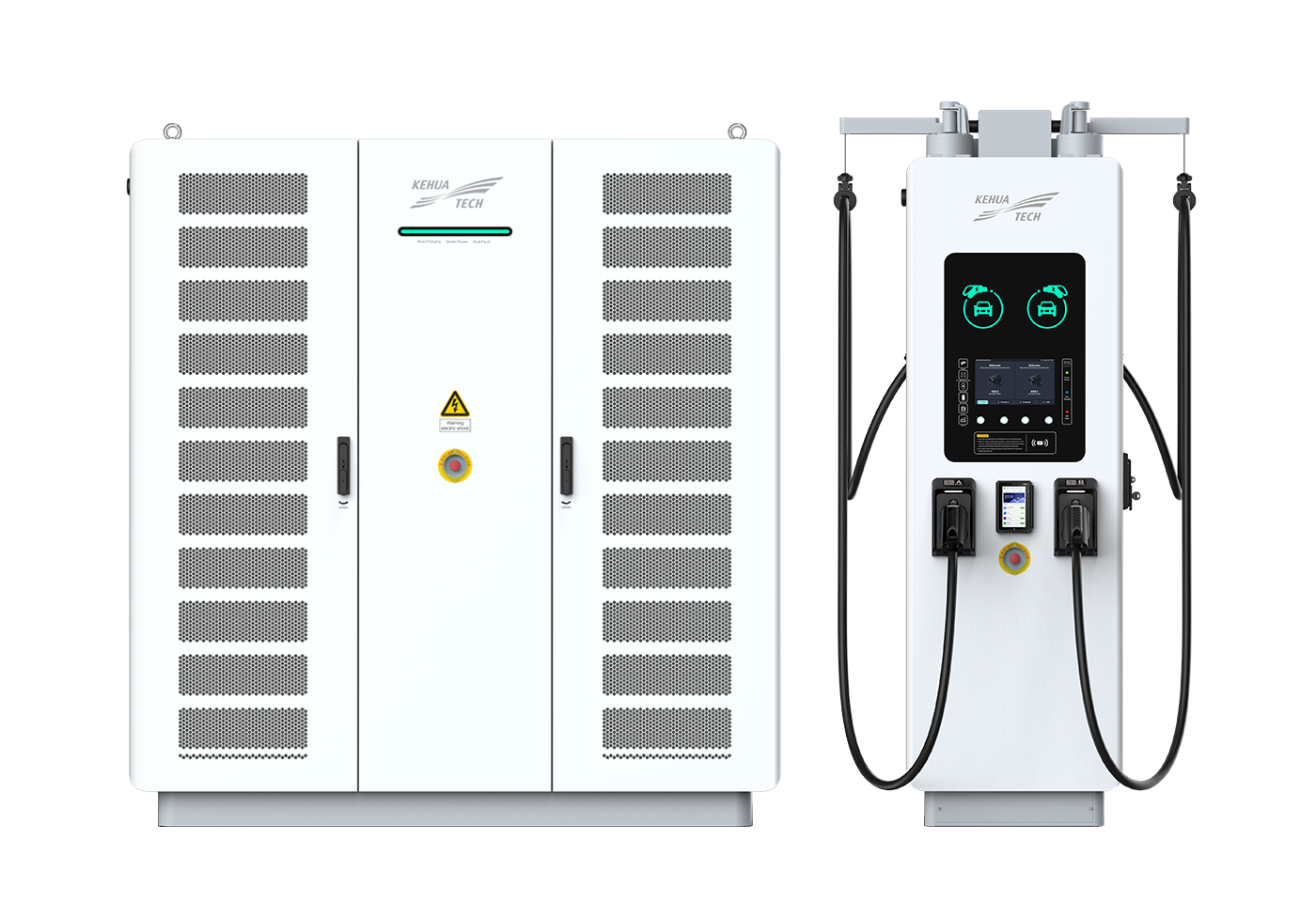
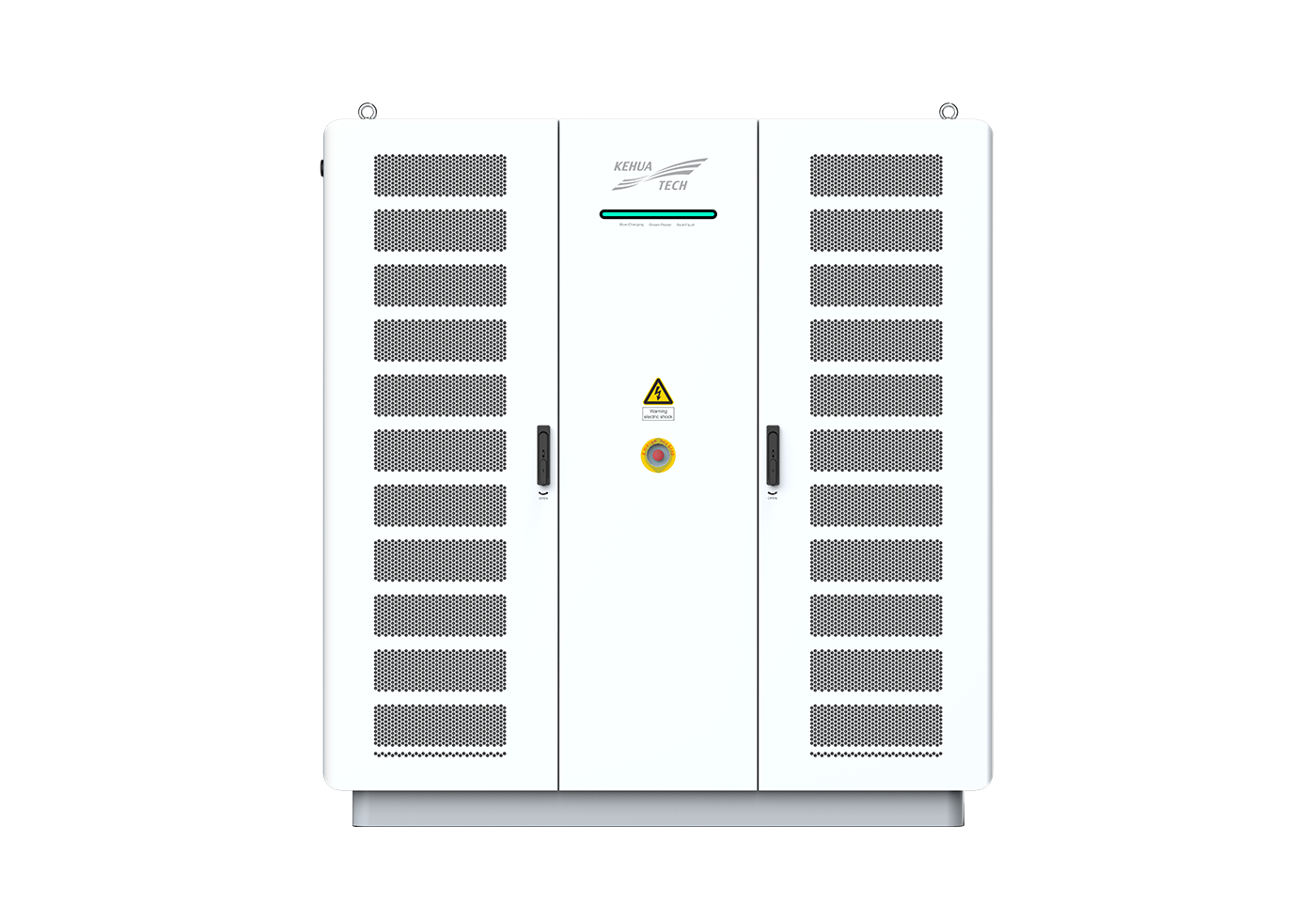
For larger hubs and heavy‑duty truck parks, a distributed charging system separates the centralized power unit (rectifier cabinets) from multiple satellite dispensers. With system power levels such as 480 kW and 800 kW, infrastructure owners can dynamically allocate power to several trucks based on load management strategies and duty cycles. [en.kehuasz]
Above these layers, the megawatt level charging system orchestrates extremely high currents safely with robust cooling, communication, and protection. [thesmartere-award]
Hydrogen vs Electric: Key Criteria Comparison
The table below summarizes what most fleet operators care about when comparing hydrogen and battery‑electric pathways for HDVs. [cccme]
| Evaluation factor | Hydrogen fuel cell trucks | Battery‑electric trucks with MCS |
|---|---|---|
| Energy efficiency (well‑to‑wheel) | Typically low due to multiple conversion steps and compression/liquefaction losses (cccme) | Significantly higher, with fewer conversion stages between grid and wheels (cccme) |
| Fuel / energy cost per km | High and volatile, dependent on hydrogen production and logistics (cccme) | Generally lower and more predictable, especially with favorable electricity contracts (cccme) |
| Infrastructure complexity | Requires high‑pressure storage, compression, and strict safety zones (cccme) | Requires grid connection and high‑power DC infrastructure; complexity manageable with modular design (en.kehuasz) |
| Refueling / charging time | Fast refueling, but station downtime can be difficult to mitigate (cccme) | Fast MCS charging fits into driver rest windows; redundancy via multiple chargers and modules (en.kehuasz) |
| Technology maturity | Commercial pilots and early deployments; supply chain still consolidating (cccme) | Rapidly scaling deployments, strong OEM pipeline and maturing standards (e.g. MCS) (thesmartere-award) |
| Emissions profile | Depends heavily on hydrogen source; green hydrogen availability is limited regionally (cccme) | Emissions depend on grid mix; easy to enhance with PV + storage integration at depots (en.kehuasz) |
For many long‑haul and regional fleets, the combination of high energy efficiency and improving charging speed is pushing the balance decisively toward battery‑electric with megawatt charging.
From Pilot to Scale: What Fleet Operators Are Actually Doing
In discussions with logistics operators, a clear pattern is emerging: hydrogen is often reserved for future‑proofing conversations, while real capex today flows into DC charging infrastructure for early BEV truck deployments. [cccme]
Typical fleet rollout pattern:
1. Start with depot‑based integrated dc chargers (60–180 kW) for early trucks. [en.kehuasz]
2. Add 240–400 kW integrated dc chargers as fleet size grows and route demands increase. [en.kehuasz]
3. Upgrade to distributed charging systems at high‑traffic hubs, aggregating 480–800 kW capacity with multiple dispensers. [en.kehuasz]
4. Plan or pilot megawatt level charging systems (1.2–1.6 MW) along strategic corridors for long‑haul BEV trucks. [thesmartere-award]
This staged approach reduces risk while ensuring infrastructure keeps pace with vehicle technology.
Designing Future‑Proof Heavy‑Duty Charging Hubs
From an infrastructure planning perspective, it is crucial to design charging hubs that can evolve from hundreds of kilowatts today to multi‑megawatt capacity in the next 5–10 years. Based on project experience and industry best practice, several design principles stand out. [cccme]
- Modular power architecture
Use DC charging modules that can be added or replaced without major civil works, preserving flexibility as vehicle mix changes. [directindustry]
- Distributed layouts for space‑constrained sites
Adopt a distributed charging system with centralized power units and satellite dispensers to optimize cable routing, parking geometry, and driver ergonomics. [en.kehuasz]
- Megawatt‑ready grid connection
Even if a site starts at 480–800 kW, design medium‑voltage connection, switchgear, and cabling with an upgrade path toward 1.2–1.6 MW per MCS bay. [thesmartere-award]
- Integrated PV + storage where feasible
Combining solar PV and energy storage with heavy‑duty charging can reduce peak demand charges and improve energy resilience, especially in industrial parks or logistics zones. [cccme]
Real‑World Use Cases: How Operators Are Applying MCS
Across different regions, fleet operators are using megawatt‑level and high‑power DC charging in several repeatable patterns. [cccme]
- Port drayage and container terminals
Trucks operate on predictable short loops with high daily utilization. High‑power DC and megawatt charging at centralized yards allow rapid turnarounds between shifts.
- Regional distribution hubs
Medium‑haul trucks serving supermarkets or retail chains can combine overnight charging via integrated dc chargers with daytime top‑ups via distributed charging systems. [en.kehuasz]
- Long‑haul corridor routes
For routes of several hundred kilometers, strategically placed megawatt charging sites along highways can replace traditional refueling stations as the primary energy source. [thesmartere-award]
In all three scenarios, a layered mix of DC power levels ensures both flexibility and cost optimization.
Why High‑Efficiency DC Charging Modules Matter
A point often underestimated in boardroom discussions is the importance of DC charging module efficiency in long‑term TCO. Each percentage point of efficiency gained in the conversion stage translates into measurable savings when delivering energy at megawatt scales. [directindustry]
- Advanced SiC‑based modules support wide output voltage ranges while maintaining high efficiency and power density, which is critical for compact megawatt charging cabinets. [directindustry]
- Robust thermal management and intelligent control improve reliability and reduce maintenance downtime, directly impacting charger availability KPIs that fleet operators monitor closely. [directindustry]
For a site delivering several gigawatt‑hours per year, choosing high‑efficiency modules can become a strategic advantage rather than a minor technical detail. [directindustry]
How Shenzhen Kehua Hengsheng Supports the Transition
Shenzhen Kehua Hengsheng Technology Co., Ltd. has grown from power electronics roots into a reliable EV charging equipment provider with a full DC‑centric portfolio for heavy‑duty and commercial applications. [cccme]
Key offerings relevant to the hydrogen vs electric decision:
- DC charging modules for high‑efficiency, wide‑voltage DC conversion. [directindustry]
- Integrated dc charger solutions from 60–180 kW and 240–400 kW for depots, logistics hubs, and public charging sites. [en.kehuasz]
- Distributed charging system platforms at 480 kW and 800 kW, supporting multiple dispensers and dynamic load allocation. [en.kehuasz]
- Megawatt level charging system at 1.2 MW and 1.6 MW for future‑oriented heavy‑duty corridors and high‑capacity truck parks. [thesmartere-award]
With decades of experience in power electronics and participation in global clean energy projects, Kehua brings not only hardware but also engineering expertise for grid connection design, system configuration, and long‑term operation. [cccme]
Practical Roadmap: How Fleets Can Move from Diesel to Megawatt Charging
For fleet managers planning the next decade, the most successful projects follow a structured roadmap rather than a one‑time "big bang" upgrade. [cccme]
1. Baseline your duty cycles
Map typical routes, daily kilometers, payloads, and dwell times to understand energy needs and realistic charging windows.
2. Start with right‑sized DC infrastructure
Deploy integrated dc chargers at 60–180 kW for early BEV trucks and pilot routes, avoiding over‑investment before usage patterns are proven. [en.kehuasz]
3. Layer in higher power and distributed systems
As BEV penetration rises, add 240–400 kW chargers and move to distributed charging systems at 480–800 kW for larger hubs. [en.kehuasz]
4. Introduce megawatt level charging systems for heavy‑duty use cases
For long‑haul or high‑payload trucks, plan one or more megawatt charging bays (1.2–1.6 MW) at key locations aligned with driver rest regulations and logistics flows. [thesmartere-award]
5. Optimize energy sourcing and peak management
Where possible, integrate PV and storage to mitigate peak demand and enhance resilience, particularly in locations with unstable grids or high demand charges. [cccme]
Why Megawatt Charging Is Beating Hydrogen – Strategic Takeaways
When we step back and look at both technology roadmaps and real‑world deployment, several strategic conclusions emerge. [thesmartere-award]
- Battery‑electric with MCS delivers superior energy efficiency vs hydrogen for most use cases, translating into lower long‑term operating cost. [cccme]
- Infrastructure for high‑power DC and megawatt charging can grow incrementally, reusing grid connections, modules, and site layouts, while hydrogen often demands large up‑front investment. [cccme]
- Standardization is advancing rapidly on the BEV side, giving fleets confidence in the longevity of their charging investments. [thesmartere-award]
- For logistics, retail, and industrial fleets, the transition path to megawatt charging is clear and actionable today, whereas hydrogen still faces uncertainty around fuel pricing, supply, and regulation. [cccme]
In this context, many operators see hydrogen as a potential niche solution for specific corridors or regulatory environments, while committing mainstream investments to battery‑electric platforms and megawatt charging.
Call to Action: Plan Your Megawatt‑Ready Fleet Infrastructure
If your organization is evaluating hydrogen versus battery‑electric for heavy‑duty operations, the most practical next step is to model your routes, loads, and dwell times against a megawatt‑ready DC charging architecture. [en.kehuasz]
Our team at Shenzhen Kehua Hengsheng can support you with:
- Technical consulting on DC charging architecture (integrated dc charger, distributed charging system, megawatt level charging system). [en.kehuasz]
- Engineering design for grid connection, protection, and power module configuration. [directindustry]
- Long‑term service and upgrades, ensuring your infrastructure stays aligned with evolving vehicle platforms. [cccme]
If you are planning your next charging site or corridor project, now is the time to define a roadmap that turns today's pilot projects into a scalable megawatt charging network.
Frequently Asked Questions (FAQ)
Q1: Is hydrogen completely out of the race for heavy‑duty trucks?
Hydrogen is not "dead," but its competitiveness depends heavily on local availability of low‑cost green hydrogen and supportive regulation, which remain uneven globally. In contrast, battery‑electric trucks can leverage existing grids and rapidly maturing high‑power DC standards. [cccme]
Q2: What charging power do I actually need for my fleet?
For smaller regional fleets, 60–180 kW integrated dc chargers are often enough to start, especially with overnight dwell times. As duty cycles become more intense, fleets typically add 240–400 kW chargers and eventually upgrade to distributed charging systems and megawatt level charging at key hubs. [en.kehuasz]
Q3: How can I avoid stranded infrastructure when technology changes?
A modular design using standardized DC charging modules and scalable distributed charging systems allows you to add or replace power units as vehicle requirements evolve, reducing stranded assets risk. Planning for future megawatt bays from day one also helps. [directindustry]
Q4: Are megawatt chargers safe to operate in busy truck yards?
Yes, when properly designed with certified components, advanced protection, and clear operating procedures, megawatt level charging systems can be safely integrated into high‑traffic logistics areas. Ergonomic connector design and driver‑friendly UX are critical. [thesmartere-award]
Q5: How does integrating PV and storage help my charging business case?
On‑site PV and energy storage can reduce peak demand charges, provide partial backup during outages, and lower the average cost of delivered energy over time. For high‑duty sites, these savings compound significantly over the asset lifetime. [en.kehuasz]
References
[https://en.kehuasz.com/eu/company-profile.html] [en.kehuasz]
[https://www.directindustry.com/prod/kehua-hengsheng-co-ltd/product-233238-2388174.html] [directindustry]
[https://www.cccme.cn/shop/cccme4532/introduction.aspx] [cccme]
[https://www.ethercat.org/en/members/members_050F9518BF2847C0A556D53FE244661E.htm] [ethercat]
[https://www.thesmartere-award.com/hall-of-fame/thesmartere-award-winners-2025/shenzhen-kehua-hengsheng] [thesmartere-award]
Hot Tags: Megawatt Charging Systems, Heavy Duty Electric Trucks, Hydrogen Vs Electric Trucks, DC Fast Charging Solutions, Distributed Charging System, Integrated DC Charger, Megawatt Level EV Charging, Fleet Electrification Strategy, Heavy Duty EV Charging Infrastructure, Commercial EV Charging Systems

