

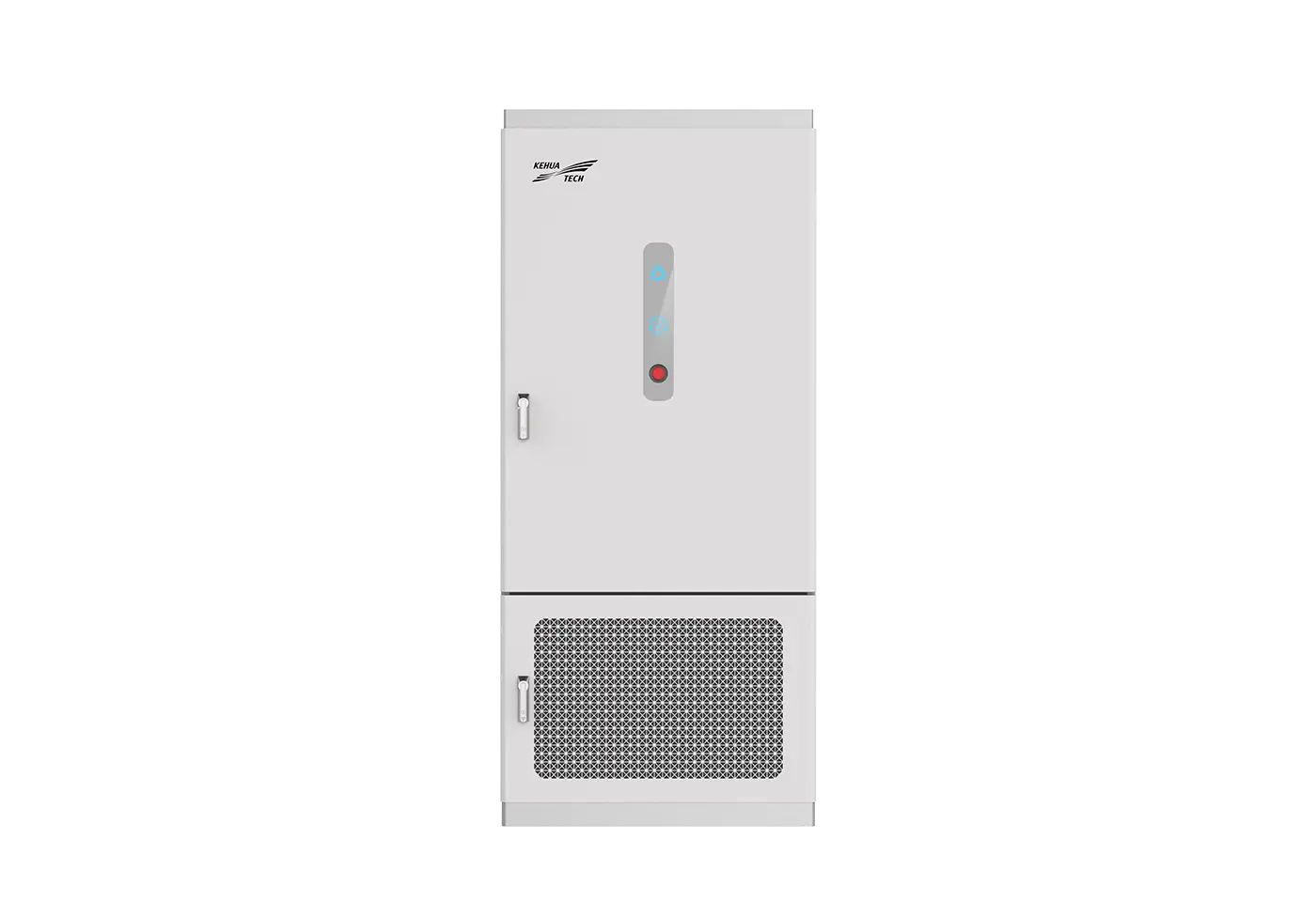


- Electric Bus Charging Upgraded: Fast & Flexible
- Shenzhen Kehua’s 40 kW High-Efficiency SiC Charging Module Achieves CE, CB, and UL Certifications
- Shenzhen Kehua Unveils High-Reliability All-in-One DC Charger for the ASEAN Market
- Shenzhen Kehua’s Scalable Megawatt Power Unit: Pioneering the Next Era of High-Power Charging for Green Mobility
- Growth Opportunities in the EV Charging Industry Amid the Global Transportation Electrification
- The Future of Fleet Charging: Building Efficient and Reliable Charging Infrastructure
Maximized Turnover: How DC Fast Chargers Increase Revenue Per Parking Spot for Retailers


Content Menu
● Introduction: Why Every Parking Spot Needs To Sell
● The New Economics Of A Retail Parking Spot
● Why DC Fast Chargers Outperform Slower Options For Retail
>> Time Is Money In Retail Car Parks
● Core Revenue Levers DC Fast Chargers Unlock
● How Hardware Architecture Shapes Turnover Per Spot
>> Integrated DC Chargers (Standalone DC Chargers)
>> Distributed Charging Systems For High‑Throughput Sites
>> Preparing For Megawatt‑Level Loads
● Real‑World Patterns From Retail And Fleet Sites
● Step‑By‑Step Framework To Maximize Revenue Per Bay
● How Shenzhen Kehua Supports High‑Turnover Retail Sites
● UX Best Practices That Directly Affect Turnover
● Simple Financial Model – From One Bay To A Network
● Future Trends Retailers Should Anticipate
● Strategic Call To Action For Retailers
● FAQs
Introduction: Why Every Parking Spot Needs To Sell
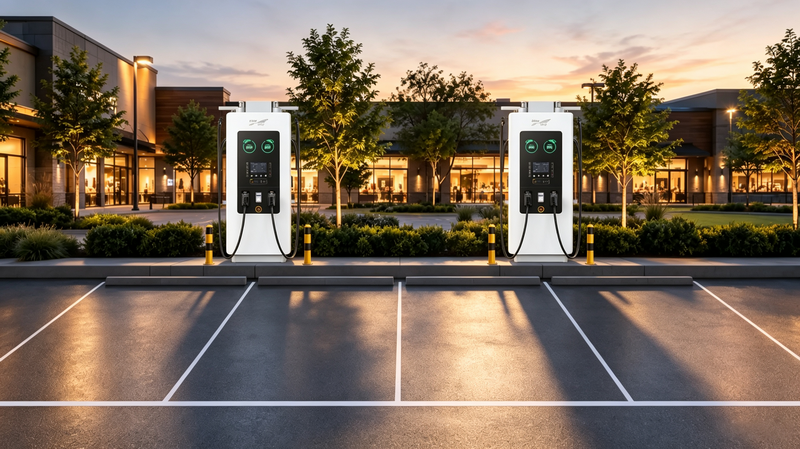
For retailers, every parking spot is a revenue asset, not just a convenience. When those bays host DC fast chargers instead of idle vehicles, they start generating measurable turnover through charging fees, higher in‑store spending, and longer customer lifetime value. As a power electronics specialist working with EV charging roll‑outs, I have seen that retailers who treat their parking lots as "energy retail space" consistently outperform those who see them as a pure cost center. [en.kehuasz]
From the perspective of an EV charging solution provider like Shenzhen Kehua Hengsheng Technology Co., Ltd. (Shenzhen Kehua), DC fast charging is no longer a future bet; it is a core lever for maximizing revenue per parking bay in both mature and emerging EV markets. [en.kehuasz]
The New Economics Of A Retail Parking Spot
A traditional parking bay generates indirect value: customers park, shop, and leave. With a DC fast charger installed, that same bay can produce three concurrent revenue streams. [charin]
- Direct charging revenue per kWh or per minute
- Incremental in‑store spending while customers wait
- Long‑term loyalty from EV drivers who prefer "charge‑and‑shop" destinations
In practice, site owners often see that EV drivers spend more time and more money in store than non‑EV visitors, especially when dwell time aligns with a 20–40 minute DC fast charge session. For mixed‑use retail sites, this shift in behavior is what makes revenue per parking spot surge, even after accounting for equipment and grid costs. [en.kehuasz]
Why DC Fast Chargers Outperform Slower Options For Retail
Time Is Money In Retail Car Parks
From an operator standpoint, charging speed directly influences turnover per bay. Faster sessions mean more unique vehicles can use the same parking spot in a day, and more drivers can combine shopping and charging within a reasonable visit window. [charin]
- Typical public DC fast charging sessions: 20–40 minutes for meaningful range top‑ups
- Typical AC charging sessions for the same energy: several hours
- Result: DC fast chargers can serve more cars per day and support more short, high‑value visits
Retailers rarely want vehicles parked for 6–8 hours blocking prime spaces. DC fast chargers align with retail rhythms: coffee stop, grocery run, fast‑casual dining, or quick fashion shopping. [charin]
Dwell Time And Basket Size
Industry studies and operator data show a consistent pattern: EV drivers charging on site often have higher basket values than non‑charging visitors. They have a "reason to stay" while their car charges—so they explore more aisles, test more products, or add food and beverage purchases. [en.kehuasz]
A typical journey:
1. Driver plugs into a 150–300 kW‑class charger.
2. App or screen shows an estimated 25–30 minutes to reach the desired SoC.
3. Driver spends that time shopping, getting food, or combining multiple errands.
This synchronized window between charging and shopping is precisely where DC fast chargers outperform slow alternatives for incremental retail revenue per visit. [charin]
Core Revenue Levers DC Fast Chargers Unlock
From both my consulting work with site owners and discussions with charging operators, the same four levers repeatedly determine how much revenue a DC fast charger adds to each bay. [en.kehuasz]
- Utilization rate: percentage of time a charger is occupied and delivering energy
- Energy sold per session: kWh delivered, which is influenced by power level and dwell time
- Retail uplift per session: additional in‑store revenue attributable to charging customers
- Network and brand effects: repeat visits, app‑driven traffic, and word‑of‑mouth
Retailers that integrate chargers into loyalty apps or co‑branded payment solutions can further increase visit frequency and capture a larger share of their customers' total monthly shopping spend. [charin]
How Hardware Architecture Shapes Turnover Per Spot
Not all DC fast charging hardware architectures drive the same business outcomes. As a provider of DC charging modules, integrated dc chargers, distributed charging systems, and megawatt level charging systems, Shenzhen Kehua sees three patterns in how retailers and fleets deploy power across bays. [en.kehuasz]
Integrated DC Chargers (Standalone DC Chargers)
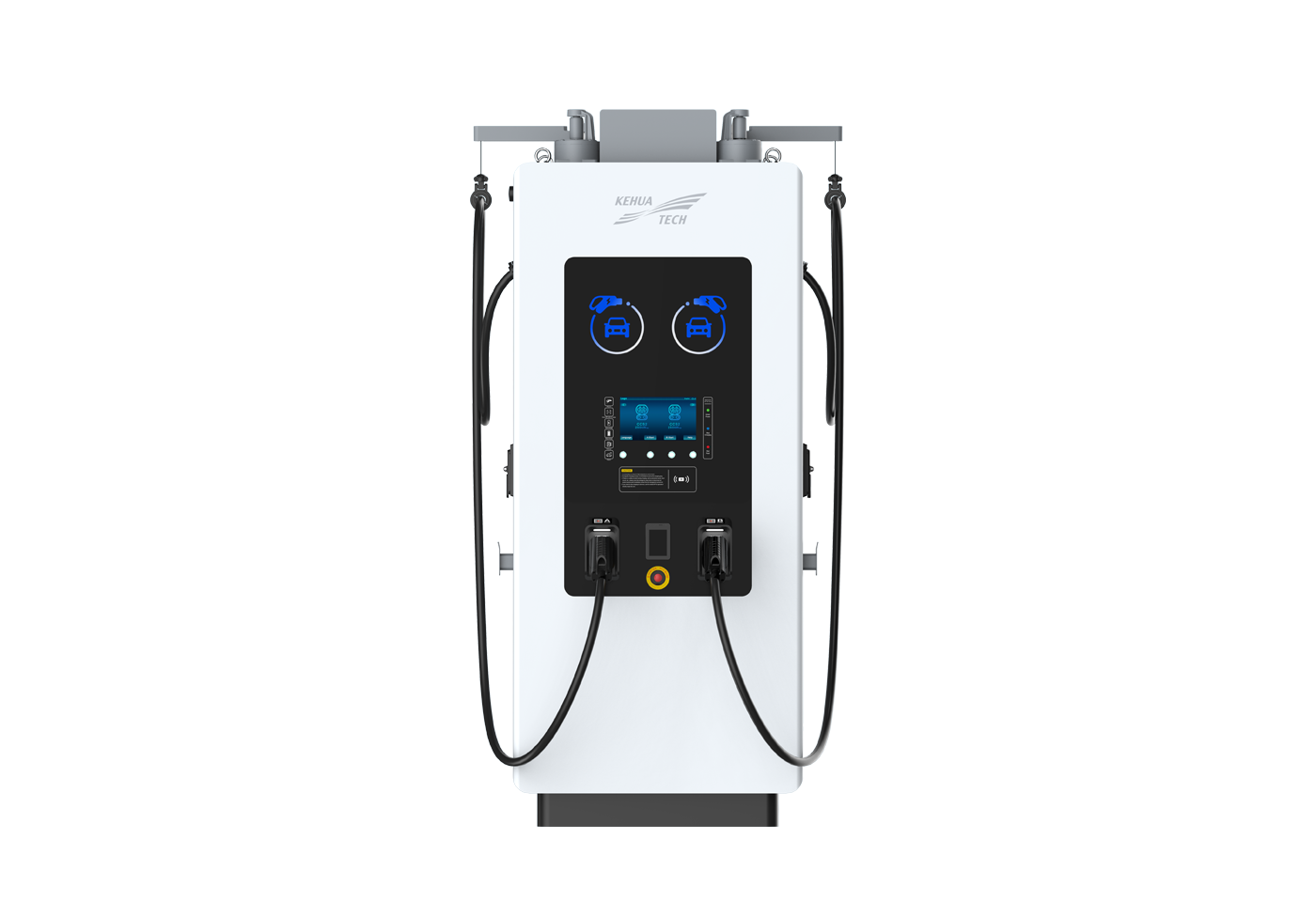
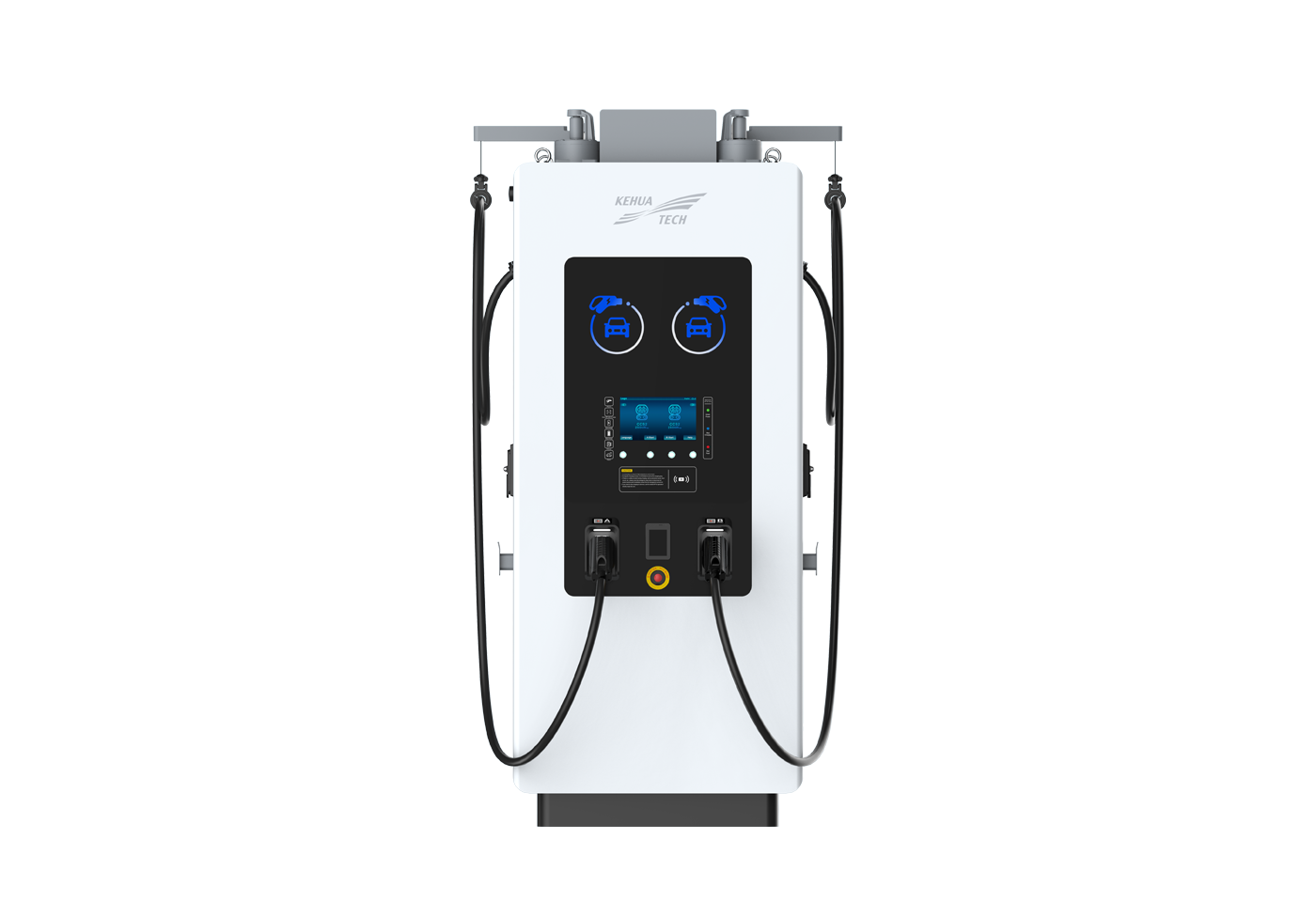
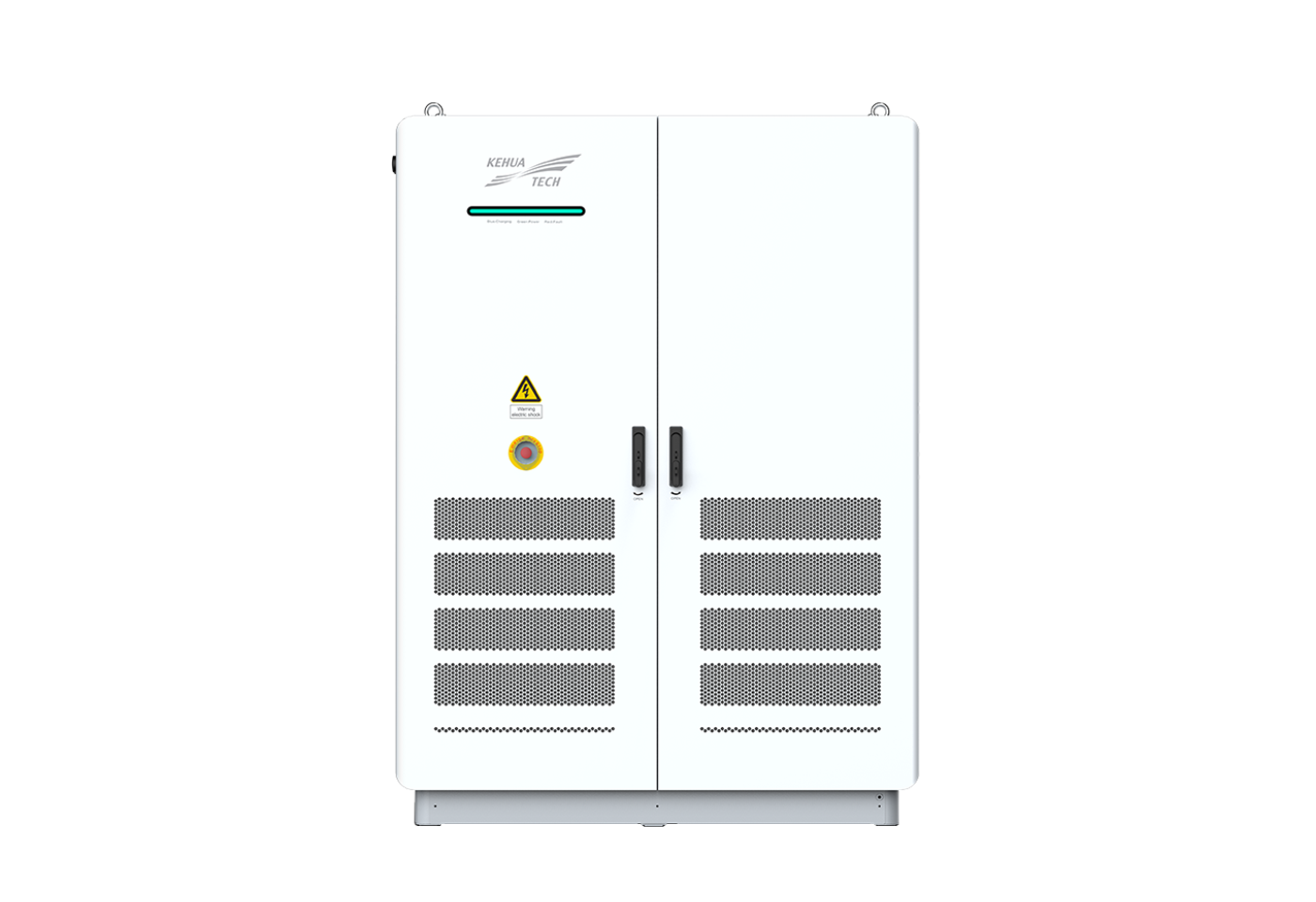
An integrated dc charger (also called a standalone dc charger) combines power conversion and dispenser in a single unit. For retailers, this format is ideal for visible, customer‑facing bays close to store entrances. [en.kehuasz]
Key business advantages:
- Compact footprint, easier siting in prime parking locations
- Simple user experience with clear screens and payment interfaces
- Straightforward deployment for 60–180 kW or 240–400 kW power classes, suiting typical retail dwell times
These chargers make each equipped bay individually productive, often serving as "anchor chargers" that attract traffic to the site. [en.kehuasz]
Distributed Charging Systems For High‑Throughput Sites
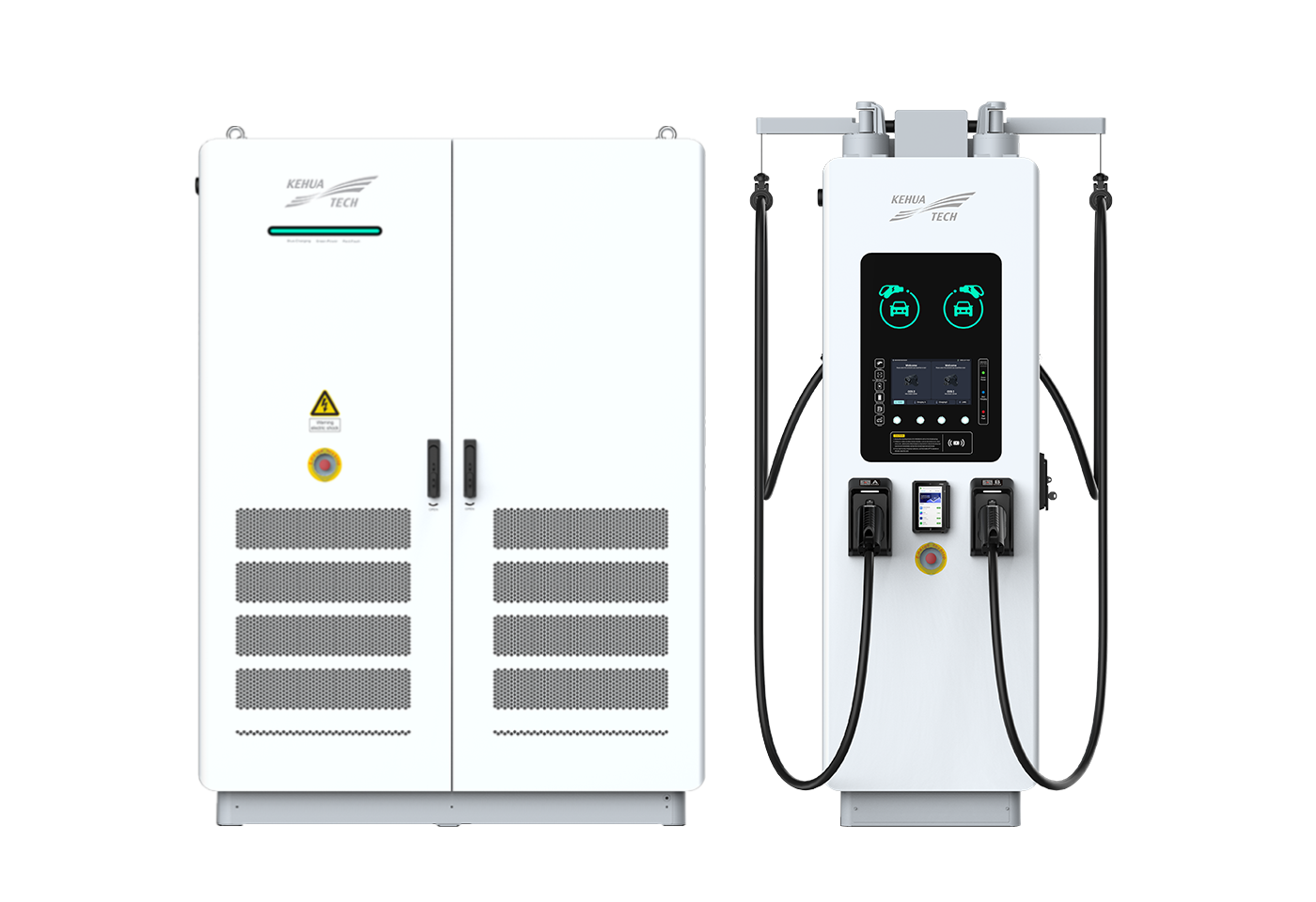
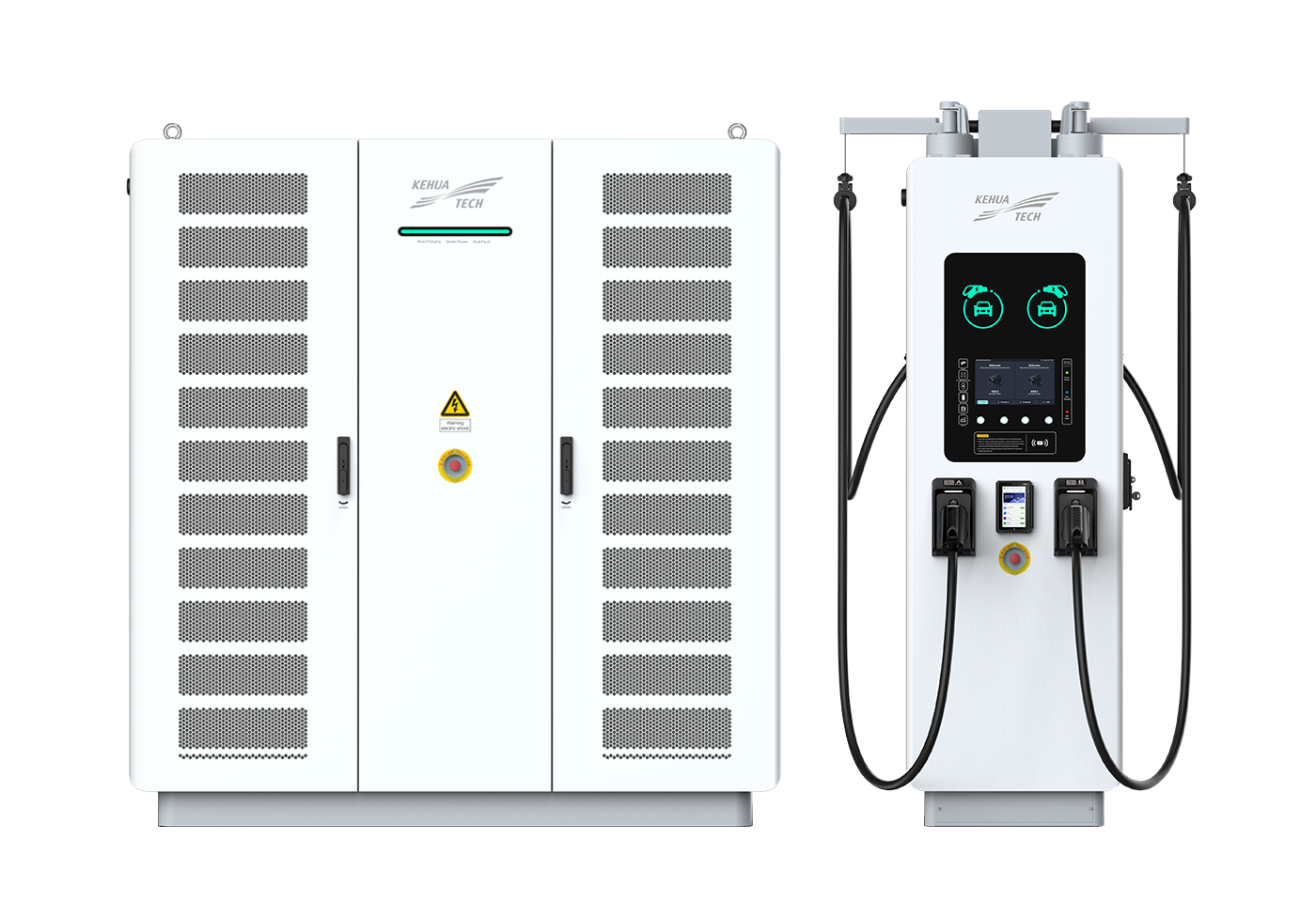
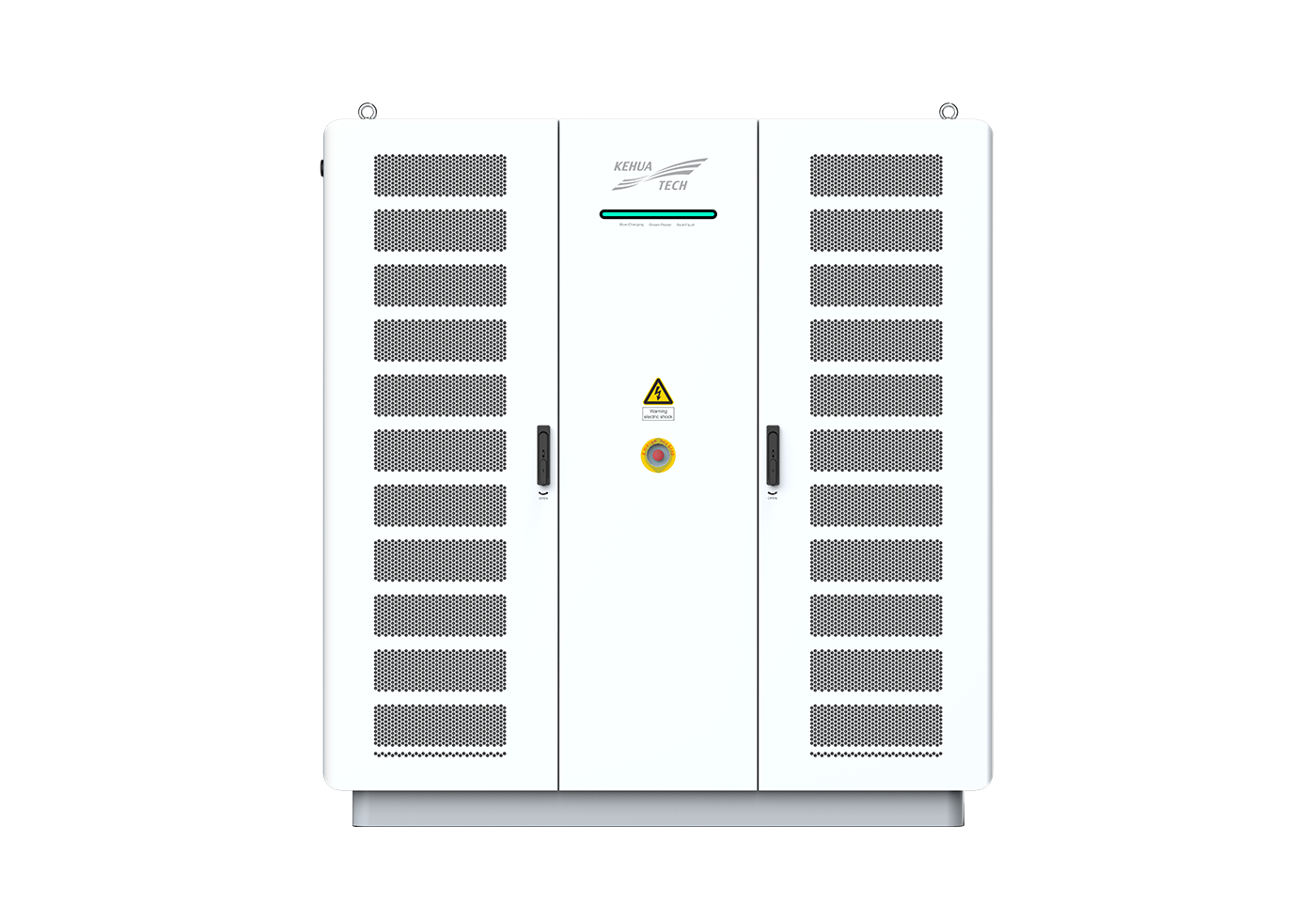
For larger complexes, logistics hubs adjacent to retail, or multi‑row parking areas, distributed charging systems offer a different economic profile. In this architecture, power units (rectifier cabinets) are centralized, while multiple terminal dispensers serve different parking bays. [charin]
Benefits for revenue per bay:
- Dynamic power allocation allows more chargers to share a high total capacity (e.g., 480 kW or 800 kW), increasing the number of "fast" bays without oversizing every individual unit
- Lower per‑bay hardware cost when many dispensers are connected to one power unit
- Easier scaling as EV traffic grows: add dispensers to new rows without fully duplicating all conversion equipment
In effect, a distributed charging system turns an entire row of parking bays into a flexible high‑turnover energy retail strip, especially when combined with clear wayfinding and pricing. [charin]
Preparing For Megawatt‑Level Loads
Heavy‑duty vehicles and high‑capacity battery platforms are pushing demand for megawatt level charging systems in certain corridors. Although these are more common in logistics, hub‑and‑spoke retail or large format destinations near highways increasingly consider 1.2 MW or 1.6 MW systems to future‑proof their sites. [en.kehuasz]
From a revenue per bay lens, these systems:
- Enable very high energy sales in short time windows
- Attract commercial and high‑value customers with predictable, time‑sensitive schedules
- Support premium pricing models for ultra‑fast charging and tailored services
Retailers that co‑locate megawatt level charging with amenities—food, rest areas, shopping—can build entirely new revenue layers around these high‑value bays. [en.kehuasz]
Real‑World Patterns From Retail And Fleet Sites
Drawing on deployments and industry case studies, several consistent patterns emerge about what makes DC fast chargers profitable in retail environments. [en.kehuasz]
- Visibility matters: Chargers placed at highly visible entrances or drive‑in approaches achieve higher utilization than those hidden at the back of the lot.
- Wayfinding reduces friction: Clear signage from the main road and within the car park lowers "search" time and increases spontaneous use.
- Pricing transparency builds trust: Retailers that display simple, predictable tariffs see better repeat usage compared to complex, variable pricing.
- Amenities convert waiting time into revenue: The richer and more convenient the on‑site offering (coffee, restrooms, shopping, Wi‑Fi), the higher the basket sizes.
From the operator's perspective, coordinated planning between store design, parking layout, and charger placement consistently outperforms ad‑hoc installations that treat chargers as afterthoughts. [charin]
Step‑By‑Step Framework To Maximize Revenue Per Bay
As a content strategist working with EV infrastructure stakeholders, I often recommend a structured, five‑step approach that retailers can follow with their technology partners. [en.kehuasz]
1. Assess demand and traffic patterns
- Analyze existing customer traffic, dwell times, and peak hours.
- Use EV penetration data and navigation app heatmaps to estimate charger utilization potential. [charin]
2. Choose the right power architecture
- For small to mid‑size sites: focus on integrated dc chargers in best‑visibility locations.
- For large sites: combine integrated dc chargers with distributed charging systems to cover more bays efficiently. [en.kehuasz]
3. Optimize pricing and loyalty integration
- Align tariffs with local market norms while rewarding repeat customers.
- Integrate charging into existing loyalty apps, digital coupons, or co‑branded credit cards. [en.kehuasz]
4. Design UX across the whole journey
- Ensure clear on‑site signage from entry to charger.
- Keep user interfaces intuitive, with clear steps and support for common payment methods.
- Synchronize "typical charge time" with average shopping missions promoted in‑store.
5. Measure, iterate, and scale
- Track occupancy, energy sold, average session length, and basket uplift.
- Test different promotions (e.g., "charge & coffee" bundles) and refine based on real data.
- Use insights to justify expanding integrated dc chargers or adding more dispensers to a distributed charging system.
How Shenzhen Kehua Supports High‑Turnover Retail Sites
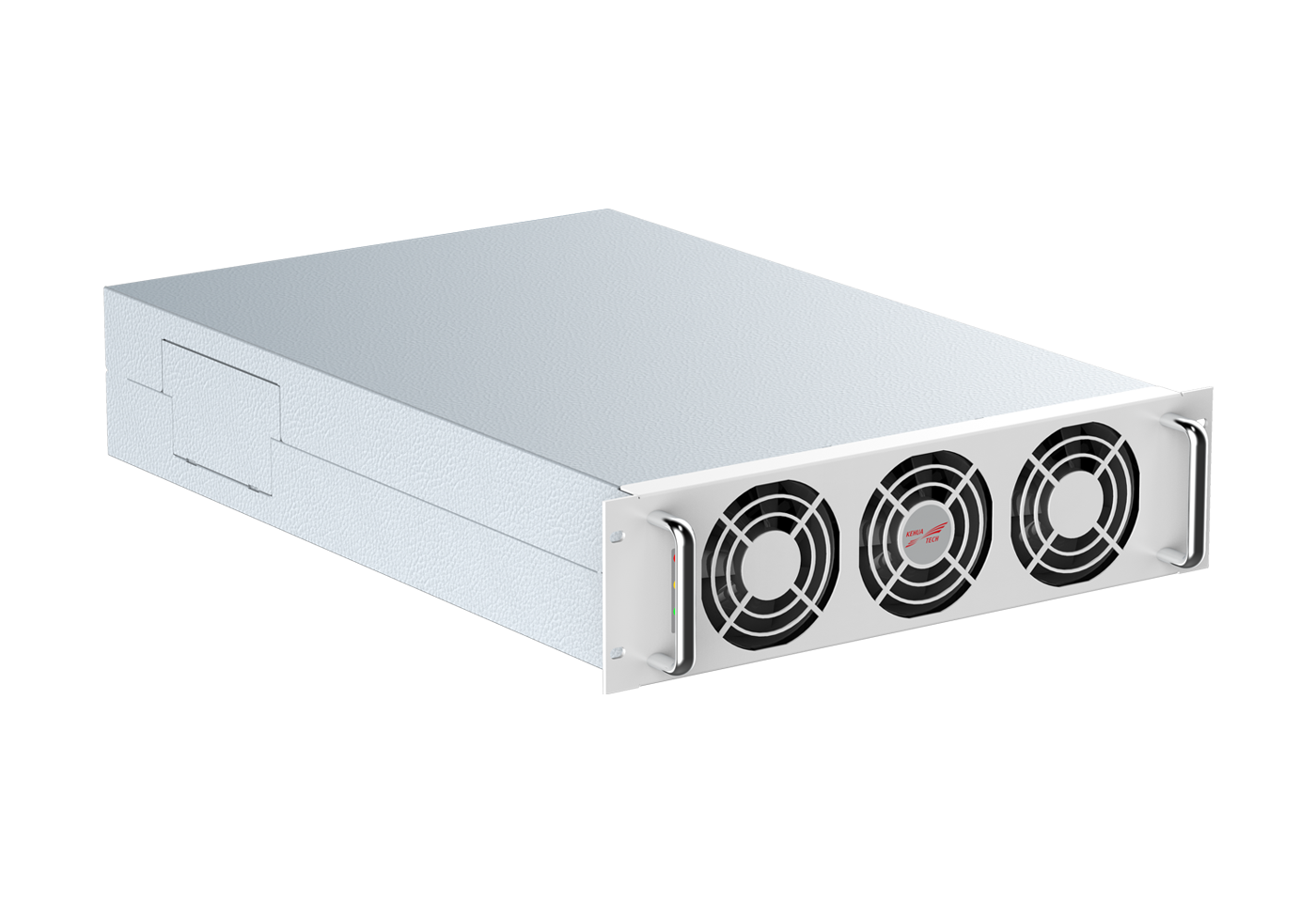
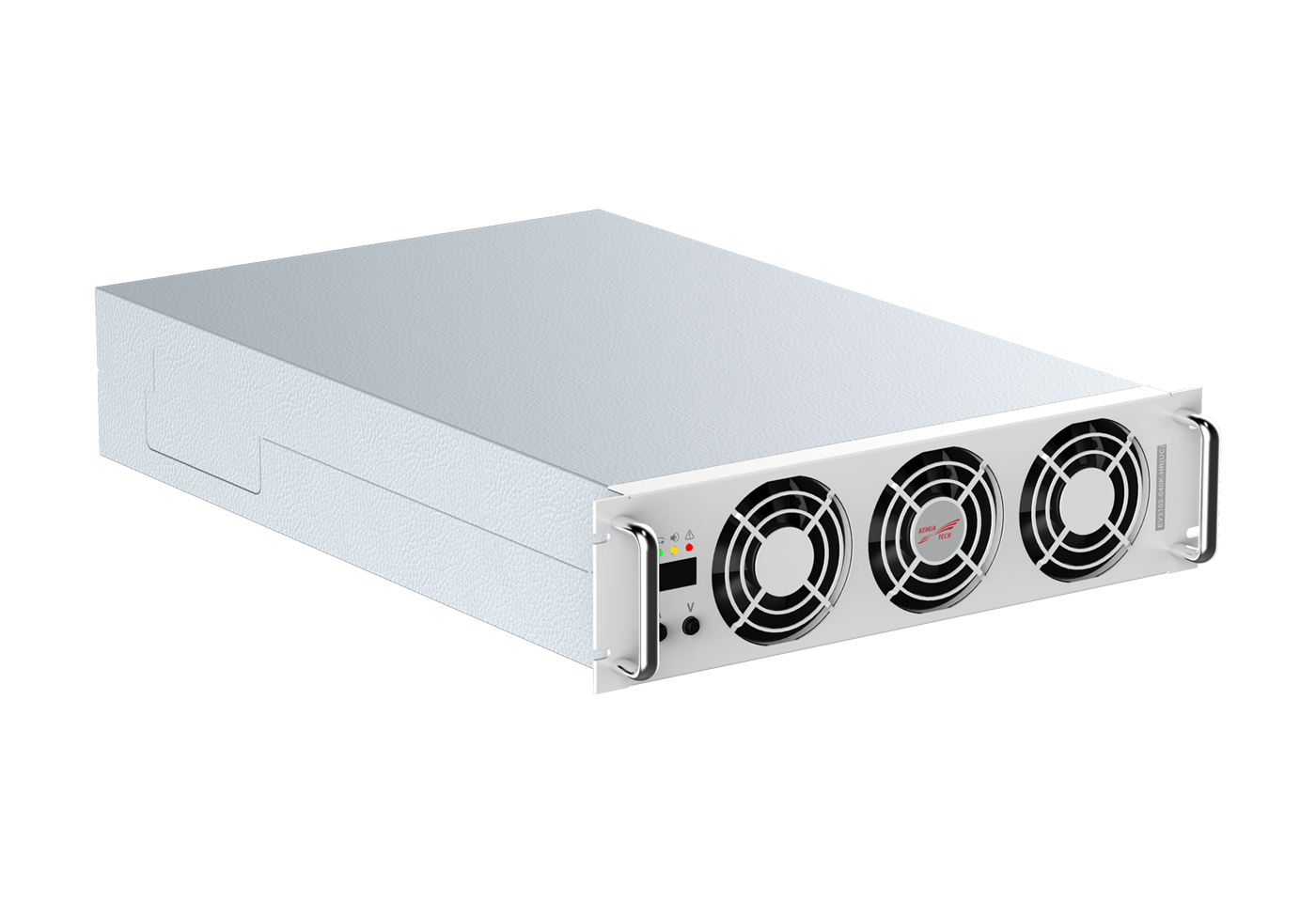
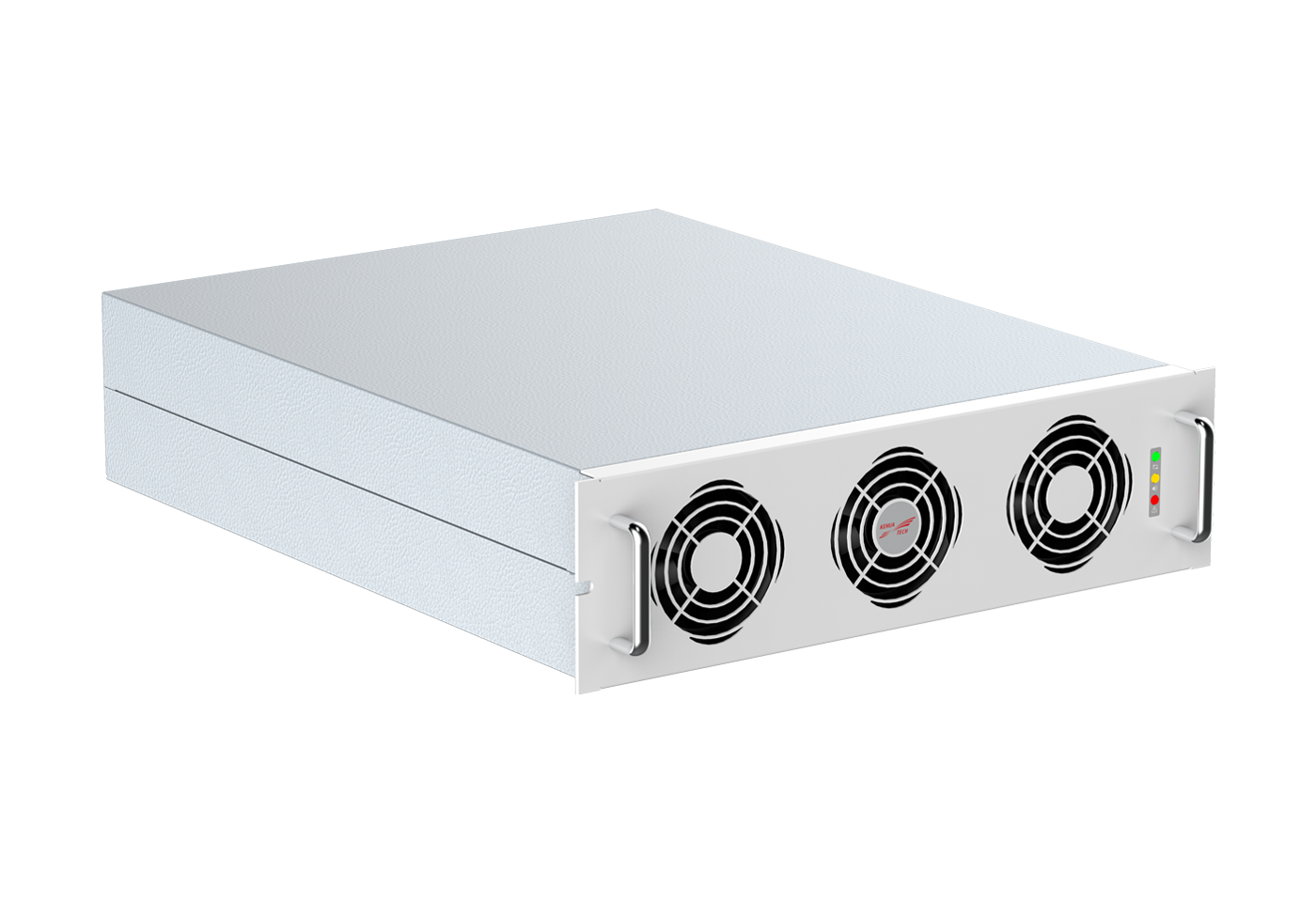
With decades of power electronics know‑how, Shenzhen Kehua delivers end‑to‑end DC charging solutions that are engineered for high utilization and demanding operating environments. Its portfolio includes: [en.kehuasz]
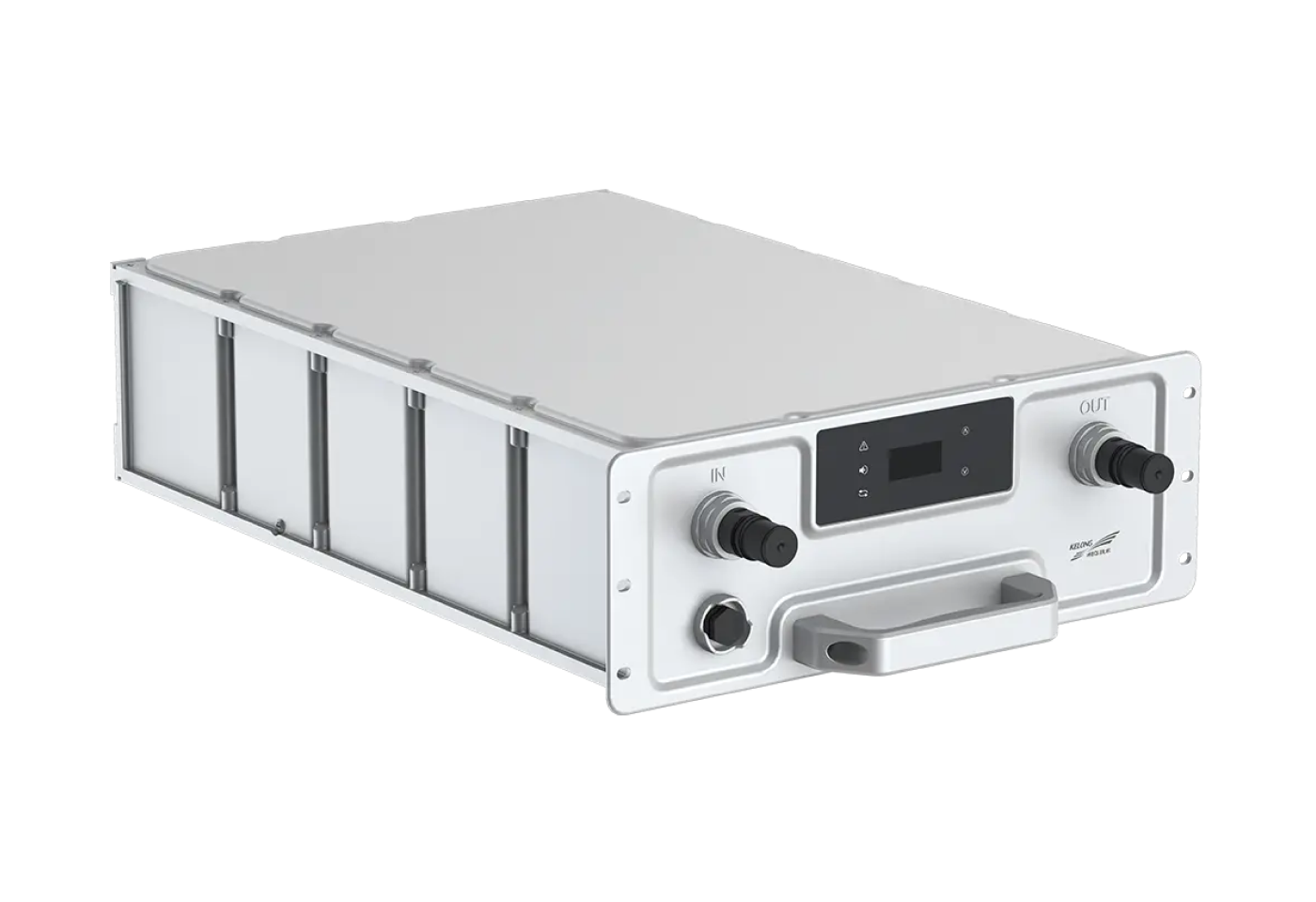
- DC charging modules designed for high efficiency, stability and long life in public, fleet, and corridor applications
- Integrated dc chargers in the 60–180 kW and 240–400 kW power ranges for public, fleet, and truck charging scenarios
- Distributed charging systems at 480 kW and 800 kW levels, enabling flexible, scalable power sharing across multiple bays
- Megawatt level charging systems at 1.2 MW and 1.6 MW for ultra‑fast charging needs in advanced EV applications
Field experience across urban stations, industrial parks, residential areas, and highway corridors shows that reliability and efficiency at the module level directly impact uptime, customer satisfaction, and ultimately revenue per parking spot. For retailers, partnering with a provider focused on robust hardware, intelligent thermal design, and adaptive power control is critical to sustaining high occupancy rates with minimal downtime. [linkedin]
UX Best Practices That Directly Affect Turnover
Beyond pure hardware, the charging user experience has a measurable effect on revenue. Poor signage, confusing screens, or unreliable payment flows can cut utilization and frustrate drivers who might otherwise become loyal customers. [en.kehuasz]
Key UX principles for retail DC charging:
- Make the journey obvious: From the moment drivers enter the site, they should see where to go, how to pay, and what to expect.
- Minimize cognitive load at the charger: Clear call‑to‑action steps like "1. Plug in 2. Authenticate 3. Start charging" reduce errors.
- Communicate time and cost clearly: Show estimated finish time and approximate session cost before charging begins.
- Highlight on‑site amenities: On‑screen prompts or app notifications can invite customers to coffee, dining, or shopping deals while they wait.
Retailers that design charging as part of a cohesive customer journey, not an isolated technical feature, see higher satisfaction and stronger incremental sales. [charin]
Simple Financial Model – From One Bay To A Network
While each site is unique, a simplified model helps illustrate how DC fast chargers increase revenue per parking spot. [en.kehuasz]
| Parameter | Example Value | Comment |
|---|---|---|
| Sessions per day per charger | 15 | Moderate utilization |
| Average energy per session (kWh) | 25 | Retail‑style top‑ups |
| Energy margin per kWh (after costs) | 0.10 | Local market‑dependent |
| Charging margin per day (per charger) | 37.5 | 15 × 25 × 0.10 |
| Incremental in‑store uplift per session | 8.0 | Extra retail spend while waiting |
| Retail uplift per day | 120 | 15 × 8 |
Even with conservative assumptions, the combined effect of direct charging margin and retail uplift can transform a previously neutral parking bay into a strong daily contributor to site profitability. At scale across dozens of bays and multiple sites, this becomes a significant new business line rather than a side project. [charin]
Future Trends Retailers Should Anticipate
As EV adoption accelerates and battery capacities grow, retailers planning now should consider three medium‑term trends. [en.kehuasz]
- Rising expectations for speed: What qualifies as "fast" today will be considered average tomorrow, making scalable architectures and megawatt level solutions increasingly important at certain hubs. [en.kehuasz]
- Deeper integration into digital ecosystems: Navigation apps, route planning tools, and payment wallets will direct more traffic; retailers with well‑integrated, reliable chargers will capture disproportionate share.
- Data‑driven operations: Real‑time analytics on charger usage, energy pricing, and retail purchases will guide everything from dynamic tariffs to store layout changes around charging bays. [charin]
Retailers who collaborate early with experienced DC charging providers can build future‑ready sites that sustain high revenue per parking spot even as technology and customer behavior evolve. [en.kehuasz]
Strategic Call To Action For Retailers
If you manage retail parking assets, now is the time to reframe each bay as an energy retail node instead of a static cost center. By combining the right DC fast charging architecture, user‑centric design, and data‑driven operations, you can: [en.kehuasz]
- Attract more EV traffic and extend dwell time
- Increase direct energy revenue per bay
- Grow in‑store sales tied to charge‑and‑shop missions
- Build long‑term loyalty with a fast‑growing EV customer base
Shenzhen Kehua's portfolio of DC charging modules, integrated dc chargers, distributed charging systems, and megawatt level charging systems is designed to support these goals across different scales and site types. To explore how a tailored DC fast charging deployment could maximize revenue per parking spot in your specific locations, consider engaging with a solution partner that brings both power electronics expertise and real‑world deployment experience across multiple markets. [en.kehuasz]
FAQs
Q1. Why are DC fast chargers more attractive to retailers than slower charging options?
DC fast chargers align with typical retail visit durations, enabling multiple sessions per bay per day and synchronizing charging time with shopping or dining, which boosts both energy revenue and in‑store sales. [en.kehuasz]
Q2. How many DC fast chargers should a mid‑sized retail site start with?
Most operators start with a small cluster of integrated dc chargers in high‑visibility bays, then use data on utilization and customer behavior to justify expansion or adoption of distributed charging systems as demand grows. [charin]
Q3. What kind of EV traffic data should retailers monitor?
Key metrics include charger occupancy, sessions per day, energy sold per session, dwell time, and associated retail basket size; these indicators show whether each parking spot is reaching its revenue potential. [en.kehuasz]
Q4. How does a distributed charging system help with peak periods?
A distributed charging system lets multiple dispensers share a large power pool, dynamically allocating power where needed to serve more vehicles quickly during peaks without over‑installing standalone hardware at each bay. [charin]
Q5. Are megawatt level charging systems relevant for all retailers?
Megawatt level charging systems primarily target high‑demand corridors and heavy‑duty or high‑capacity EVs, but large format destinations near logistics routes or highways may benefit from offering ultra‑fast charging with associated premium services. [en.kehuasz]
References
[https://en.kehuasz.com/global/company-profile.html] [en.kehuasz]
[https://www.charin.global/community/shenzhen-kehua-hengsheng-technology-co-ltd/] [charin]
[https://en.kehuasz.com/gywm/index_236.html] [en.kehuasz]
[https://www.thesmartere-award.com/hall-of-fame/thesmartere-award-winners-2025/shenzhen-kehua-hengsheng] [thesmartere-award]
[https://www.linkedin.com/posts/shenzhen-kehua-ev-charger_modules-charging-infrastructure-activity-7288805069704024064-UEq6] [linkedin]
Hot Tags: DC Fast Charging, Retail EV Charging, Integrated DC Charger, Distributed Charging System, Megawatt Level Charging System, EV Charging Infrastructure, Retail Parking Monetization, Fleet And Truck Charging, High Power DC Chargers, EV Charging Solutions For Retailers

