

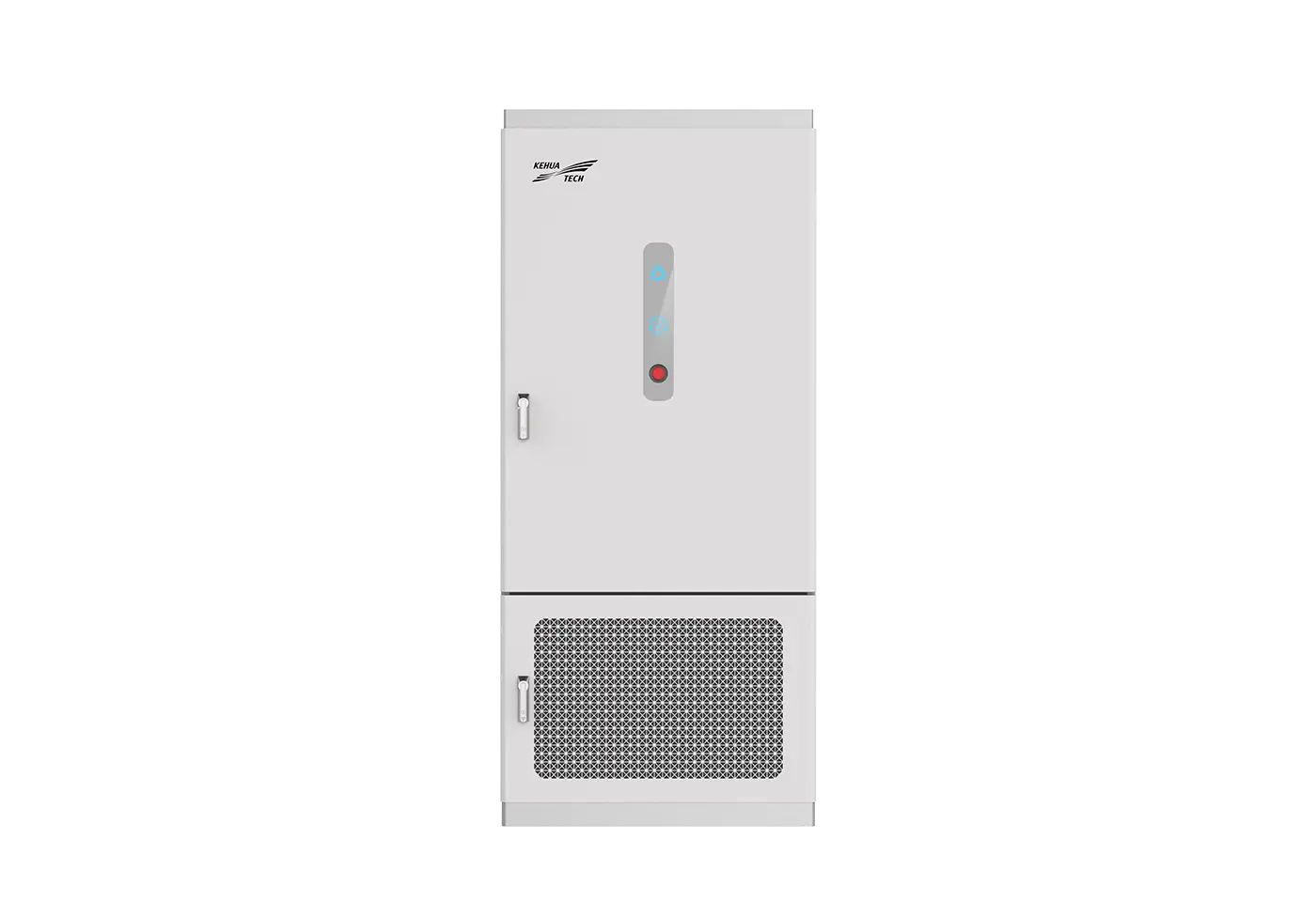


- Electric Bus Charging Upgraded: Fast & Flexible
- Shenzhen Kehua’s 40 kW High-Efficiency SiC Charging Module Achieves CE, CB, and UL Certifications
- Shenzhen Kehua Unveils High-Reliability All-in-One DC Charger for the ASEAN Market
- Shenzhen Kehua’s Scalable Megawatt Power Unit: Pioneering the Next Era of High-Power Charging for Green Mobility
- Growth Opportunities in the EV Charging Industry Amid the Global Transportation Electrification
- The Future of Fleet Charging: Building Efficient and Reliable Charging Infrastructure
Reducing Range Anxiety: Deploying 360kW+ Integrated DC Chargers on Major Global Expressways


Content Menu
● Why Range Anxiety Still Exists in 2026
● Why 360kW+ Integrated DC Chargers Change the Game
● From the Driver's Perspective: What a "Good" Highway Charging Stop Looks Like
● Integrated DC vs Distributed Systems on Expressways
>> Integrated DC Chargers (240–400 kW)
>> Distributed Charging Systems (480–800 kW)
>> Megawatt Level Charging for Heavy‑Duty Corridors
● Practical Design Principles for Expressway Charging Hubs
● Technical Backbone – DC Charging Modules and System Reliability
● Case‑Style Scenario – Upgrading a Busy Expressway Service Area
● Table: Expressway Charging Configurations and Use Cases
● How Kehua Positions Itself in Global Expressway Projects
● Implementation Checklist for Highway Operators and Fleets
● How Shenzhen Kehua Hengsheng Can Support Your Next Project
● Call to Action: Plan Your Next Expressway Charging Hub
● Frequently Asked Questions (FAQ)
As an EV charging practitioner working with highway operators and OEMs, I've seen firsthand that properly deployed 360kW+ integrated dc chargers can shift range anxiety from a daily worry to an edge case—but only when hardware, layout, software, and operations work together. This article shares that perspective, with a focus on real-world deployment on major global expressways and how high‑power DC infrastructure from providers like Shenzhen Kehua Hengsheng Technology Co., Ltd. (Kehua) helps fleets and drivers charge faster, safer, and more confidently. [en.kehuasz]
Why Range Anxiety Still Exists in 2026
Even as battery capacity grows, range anxiety remains one of the top barriers to EV adoption, especially for long‑distance and commercial drivers. On major expressways, I typically see three root causes: [charin]
- Unreliable charging experience: Stations are online on paper, but drivers arrive to see "out of service" messages or long queues.
- Insufficient charging power: 50–150 kW chargers become bottlenecks for modern high‑capacity packs, leading to long dwell times.
- Poor site design and signage: Drivers are unsure whether chargers support their vehicle, whether they are occupied, or how long they need to stay.
From my work with highway projects, I've learned that simply adding more chargers doesn't solve these issues; the configuration and power architecture matter just as much as the charger count. [en.kehuasz]
Why 360kW+ Integrated DC Chargers Change the Game
When we talk about 360kW+ highway charging, we are really talking about enabling true "stop, recharge, go" behavior that matches the rhythm of long‑distance driving. In practice, integrated dc chargers in the 240–400 kW class dramatically improve the user experience when: [en.kehuasz]
- Battery packs exceed 70–100 kWh, especially for premium passenger EVs and light commercial vehicles.
- Drivers expect 10–20 minute highway stops instead of 40–60 minutes.
- Operators need high throughput per parking bay, not just per site.
From an engineering perspective, these chargers support high voltage and current outputs compatible with modern CCS‑based vehicles on global expressways, helping secure both short charging sessions and scalable power distribution at the site level. With Kehua's portfolio, for example, integrated dc chargers can deliver 240–400 kW per unit, while distributed charging systems scale up to 800 kW and megawatt level charging systems reach 1.2–1.6 MW to support heavy‑duty use cases. [endata.kehuasz]
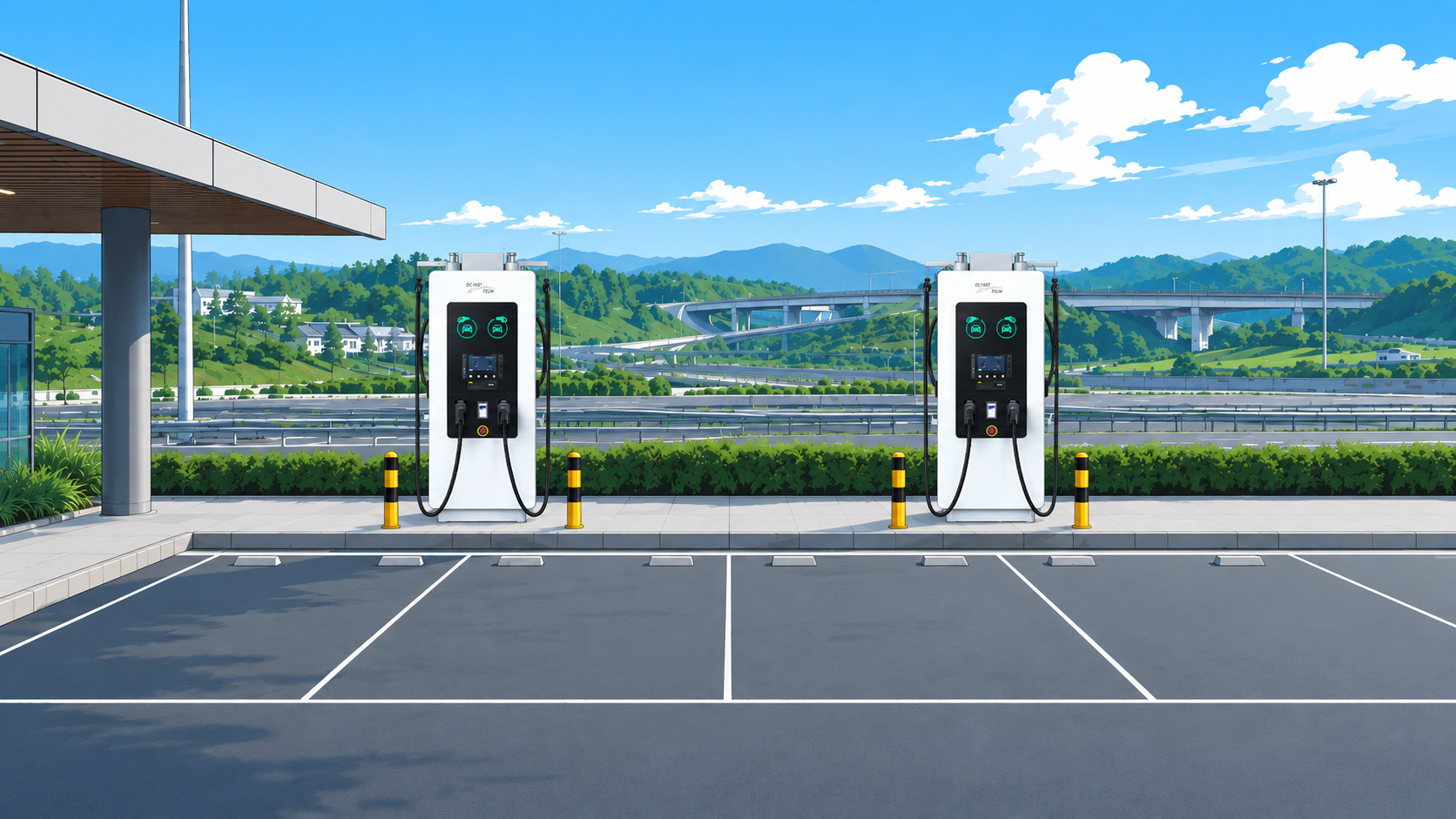
From the Driver's Perspective: What a "Good" Highway Charging Stop Looks Like
When I interview EV drivers and fleet managers, their description of a "good" highway charging experience is surprisingly consistent across regions:
- Charger discovery is simple (native in‑car navigation, popular apps, clear roadside signage).
- Power is guaranteed: if the station advertises 360 kW, they expect stable high‑power delivery across a wide SOC range.
- The stop feels predictable: they know in advance how long they'll stay and what to expect on site.
With 360kW+ integrated dc chargers correctly deployed, a typical driver scenario on a global expressway looks like this:
1. The driver's navigation system recommends a stop at a hub equipped with multiple 360kW+ chargers.
2. They arrive to clearly marked bays, pull in without tight maneuvering, and start charging with one tap or plug‑and‑charge.
3. During a 10–20 minute stop, they use restrooms, grab a drink, or check emails.
4. By the time they return, their vehicle has recovered a few hundred kilometers of range, enough to reach the next destination or charging hub.
This consistency is what actually reduces range anxiety in practice, far more than simply showing more icons on a map.
Integrated DC vs Distributed Systems on Expressways
From a deployment standpoint, I usually recommend evaluating integrated dc chargers versus distributed charging systems at the site design stage, not after equipment purchase. [endata.kehuasz]
Integrated DC Chargers (240–400 kW)
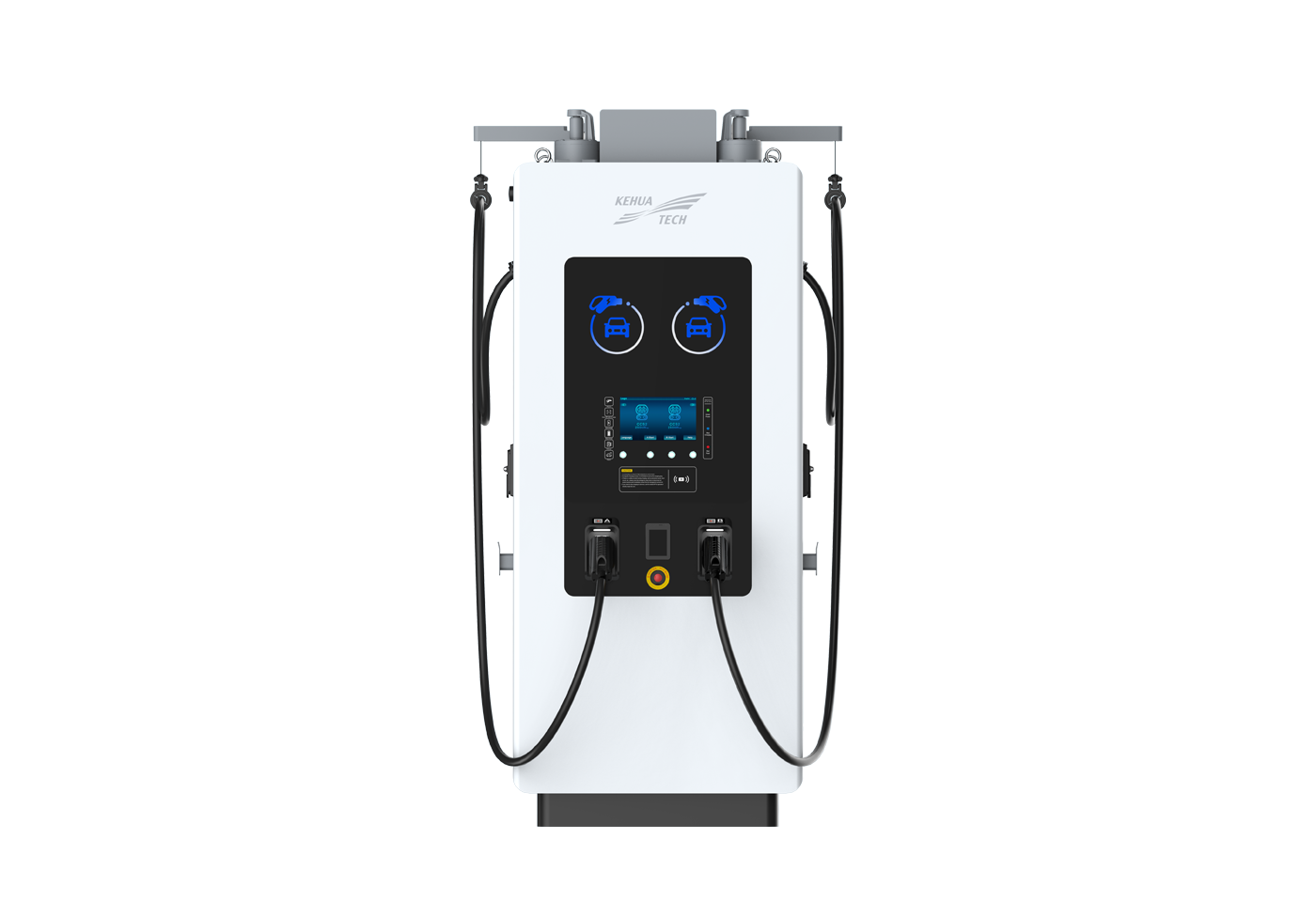
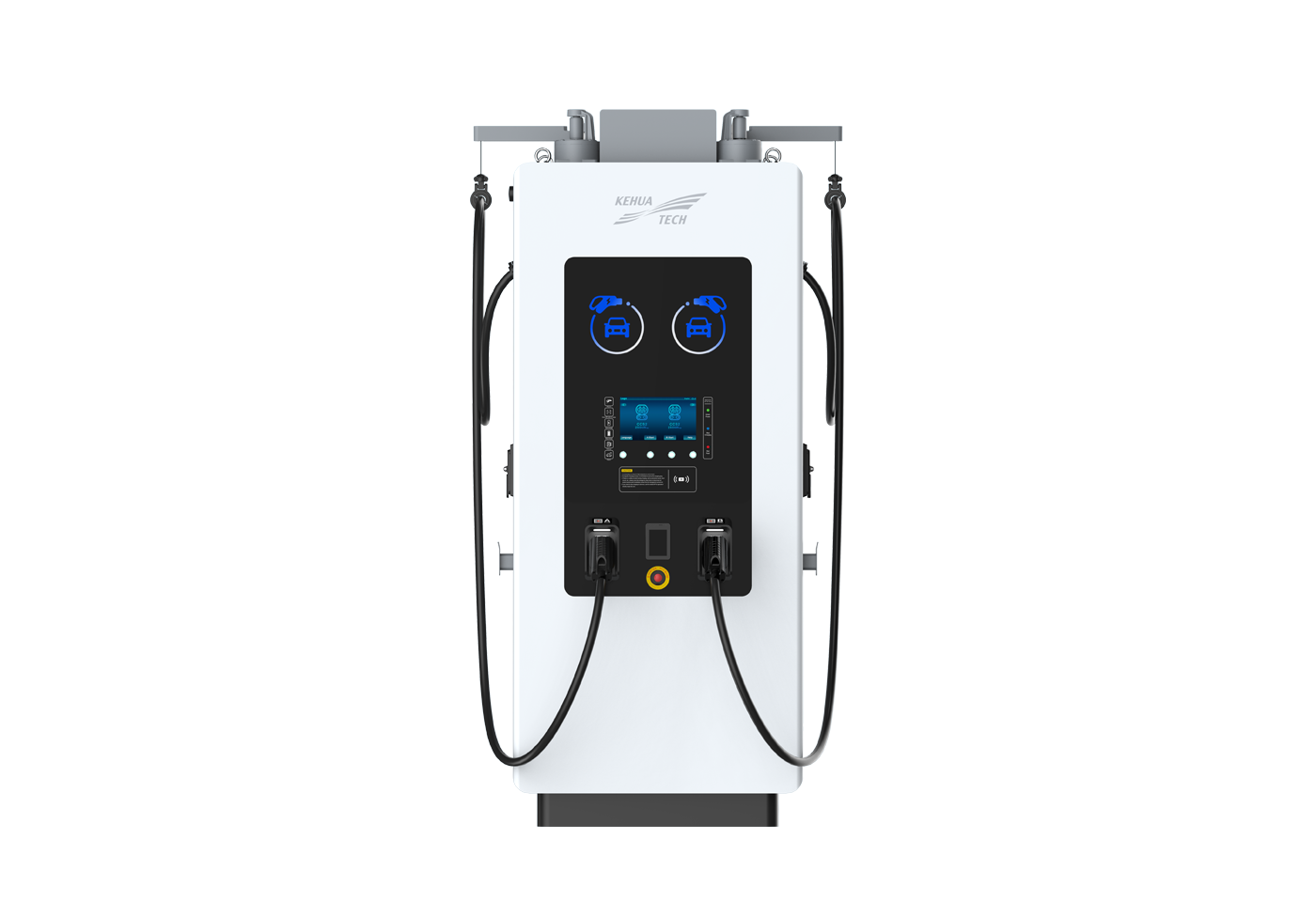
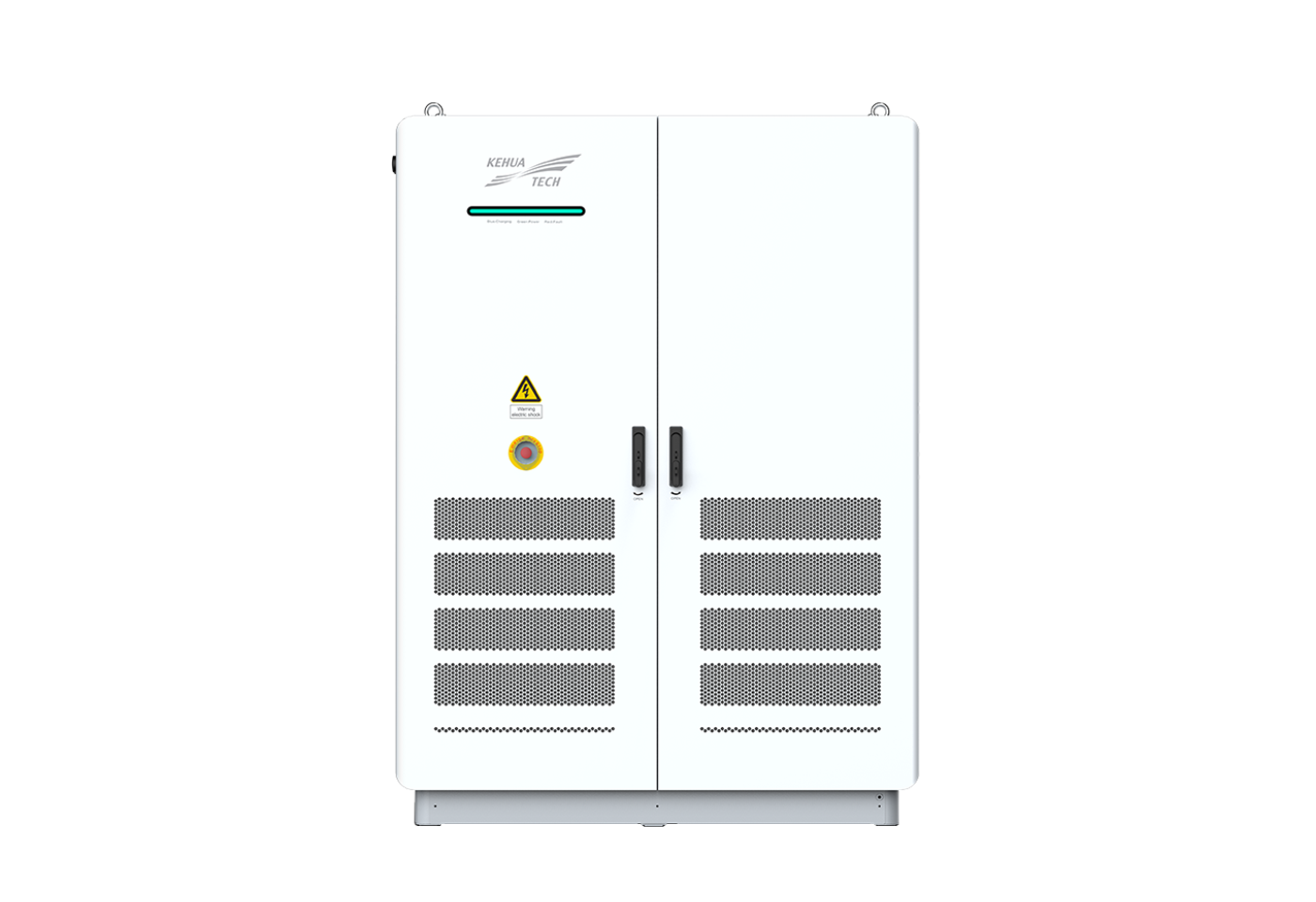
An integrated dc charger (sometimes called a standalone dc charger) concentrates rectification, power conversion, and control in a single cabinet that directly interfaces with one or more charging connectors. [directindustry]
Key benefits for expressway sites:
- Fast deployment: Pre‑integrated units simplify installation, commissioning, and early scaling.
- Compact footprint: Ideal for premium bays close to convenience stores or rest areas.
- High single‑bay performance: 240–400 kW support ultra‑fast charging for compatible passenger and light commercial vehicles. [en.kehuasz]
Kehua, for instance, offers integrated dc chargers in the 60–180 kW and 240–400 kW range, which are well suited for expressway service areas that want a mix of mid‑power and ultra‑fast bays. [endata.kehuasz]
Distributed Charging Systems (480–800 kW)
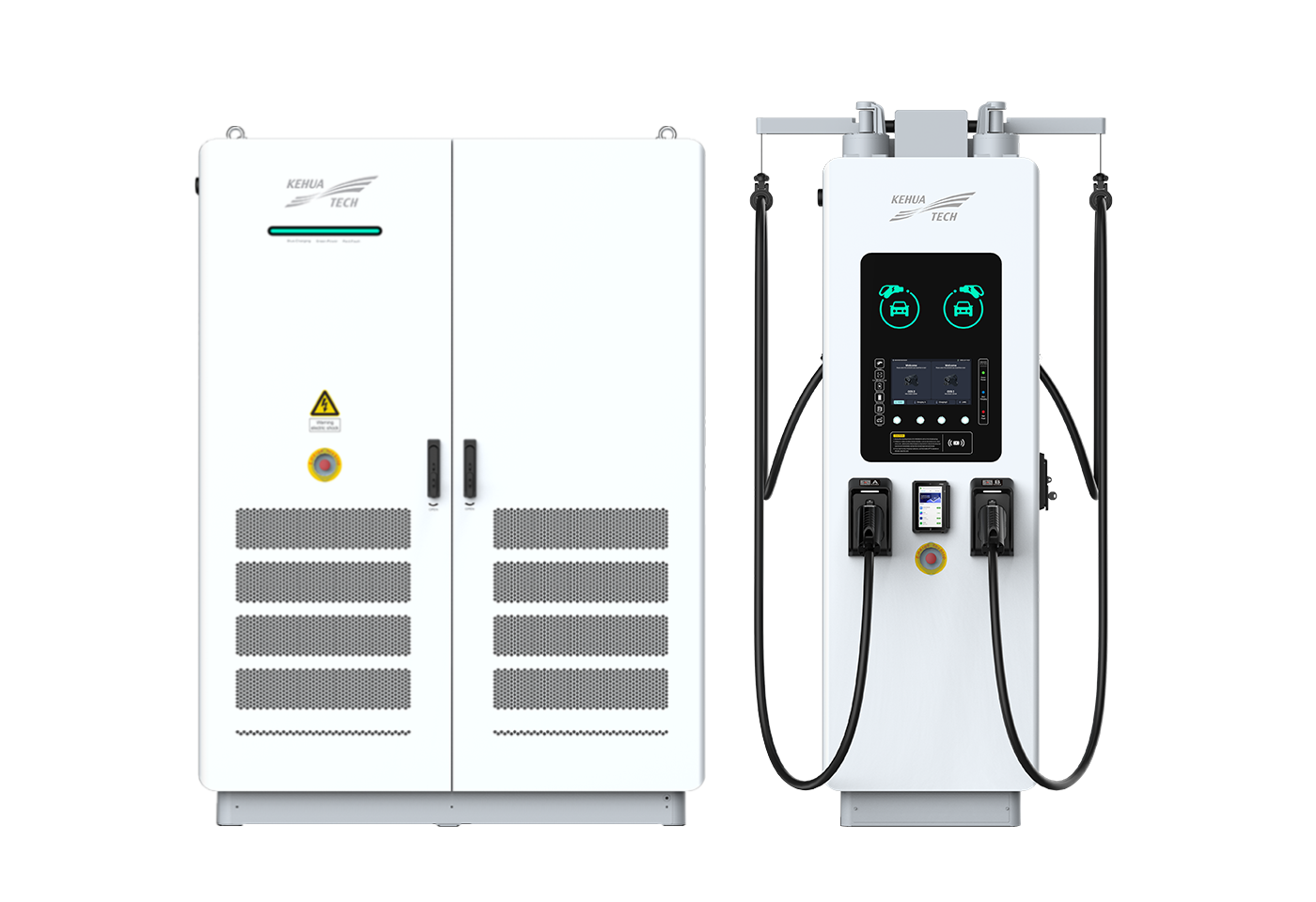
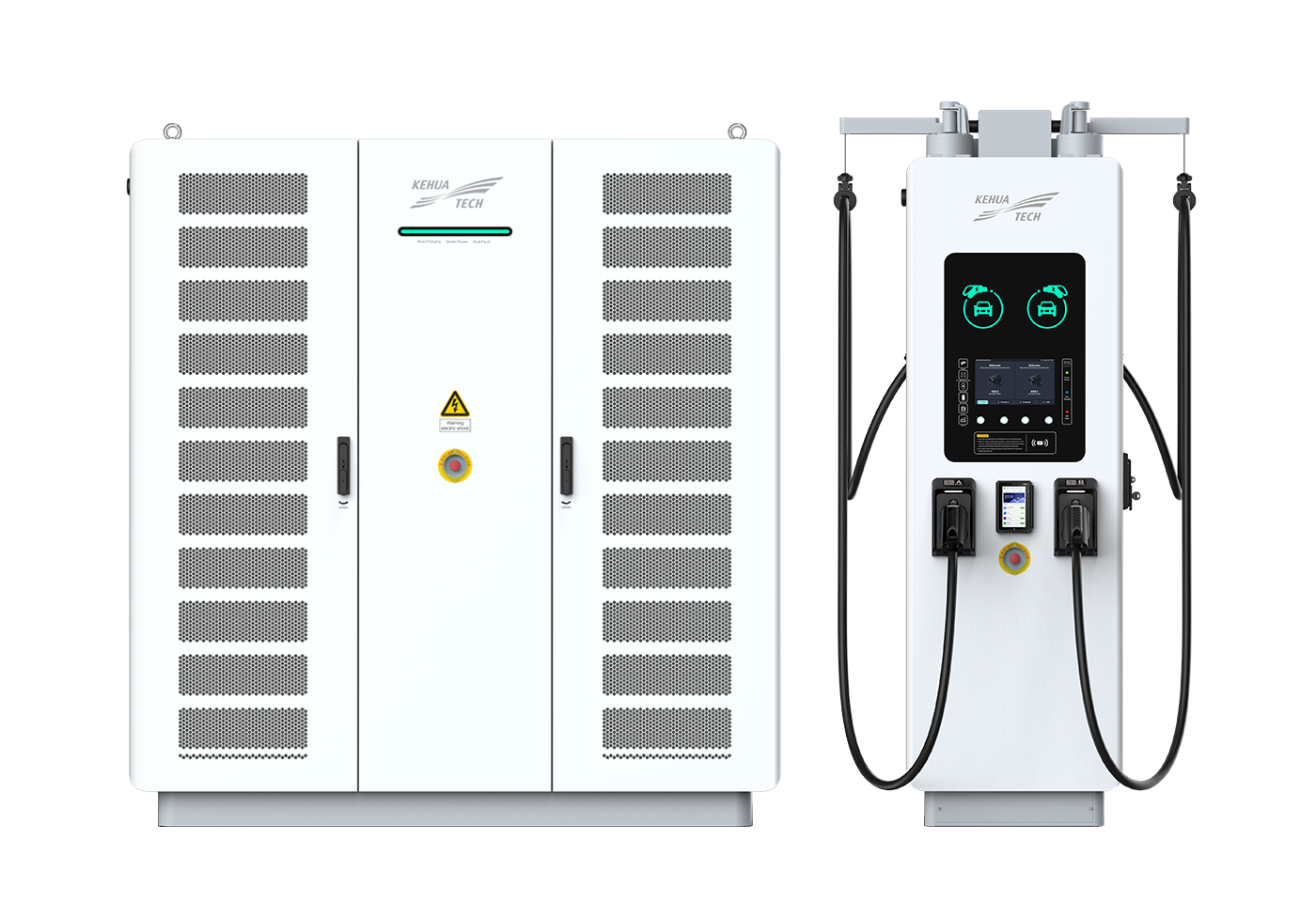
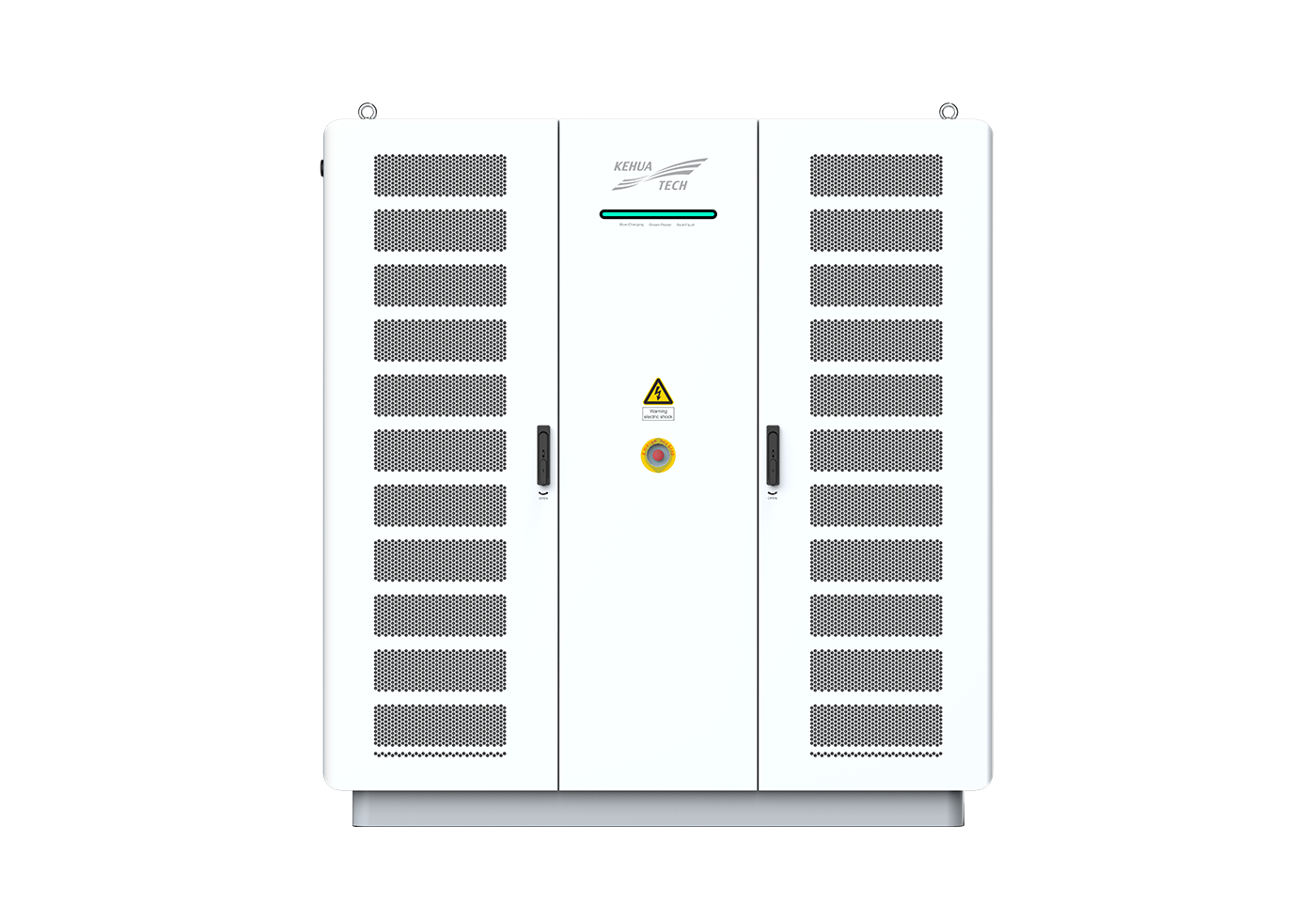
A distributed charging system uses centralized power units feeding multiple terminal dispensers. The architecture typically includes: [en.kehuasz]
- One or more power units (e.g., 480 kW or 800 kW).
- Several dispensers serving individual parking bays.
- Dynamic power allocation based on vehicle demand and prioritization logic.
Advantages on global expressways:
- Flexible power sharing: Operators can assign more power to vehicles with larger batteries or urgent needs.
- Higher site‑level utilization: Power is not stranded at under‑used bays.
- Easier capacity upgrades: Adding more power units expands total capacity without redesigning the full layout. [endata.kehuasz]
For busy corridors where fleet vehicles and private cars mix, I've seen distributed systems deliver significantly higher session throughput per megawatt installed compared with purely standalone chargers.
Megawatt Level Charging for Heavy‑Duty Corridors
As long‑haul trucks and coaches electrify, megawatt level charging systems become critical along freight and intercity bus routes. Kehua's portfolio extends to 1.2 MW and 1.6 MW systems, enabling: [charin]
- High‑power charging for large battery packs, supporting quick turnarounds for logistics fleets.
- Clustering into multi‑megawatt hubs at key logistics nodes along major expressways.
- Future‑proofing sites for heavier vehicles while still serving next‑generation passenger EVs via appropriate connectors and power allocation. [en.kehuasz]
Practical Design Principles for Expressway Charging Hubs
Based on projects I've supported and post‑deployment reviews, successful 360kW+ expressway sites almost always follow a similar checklist:
1. Design for traffic flow, not just parking count
- Ensure smooth entry/exit paths for different vehicle sizes.
- Separate heavy‑duty bays where possible to avoid blocking smaller vehicles.
2. Mix power levels strategically
- Use a small number of ultra‑fast integrated dc chargers (240–400 kW) for time‑sensitive users.
- Use distributed charging systems (480–800 kW) to serve more bays efficiently with shared power. [endata.kehuasz]
3. Prioritize reliability from day one
- Choose DC charging modules with a strong track record in demanding environments and international recognition for efficiency and performance. [thesmartere-award]
- Plan for remote monitoring, predictive maintenance, and rapid on‑site support.
4. Make information visible to drivers
- Publish real‑time availability and power capability in major navigation platforms.
- Provide clear signage at the highway exit and on‑site.
These principles are simple to state but surprisingly rare in practice—yet they are the core of a credible range‑anxiety reduction strategy.
Technical Backbone – DC Charging Modules and System Reliability
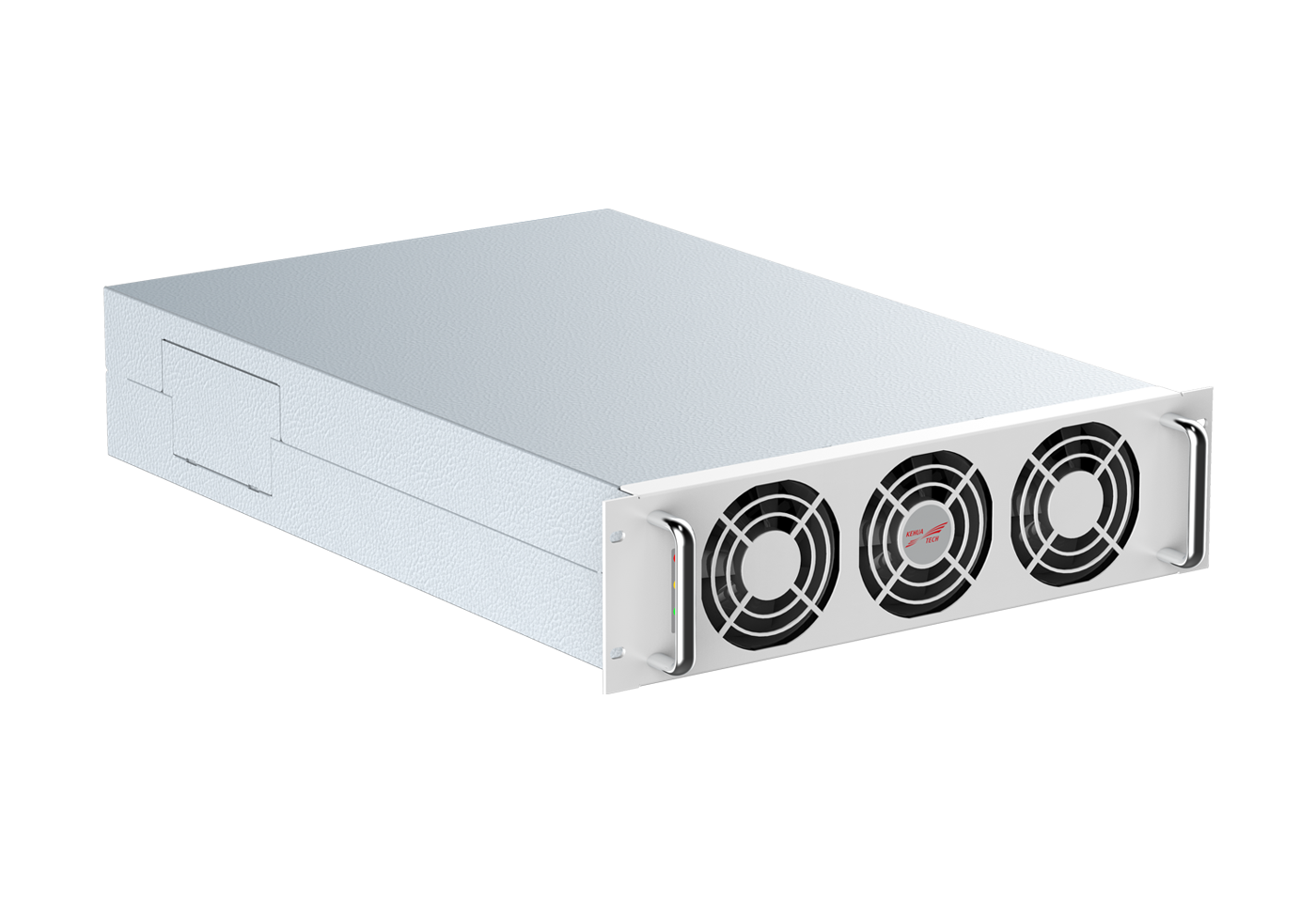
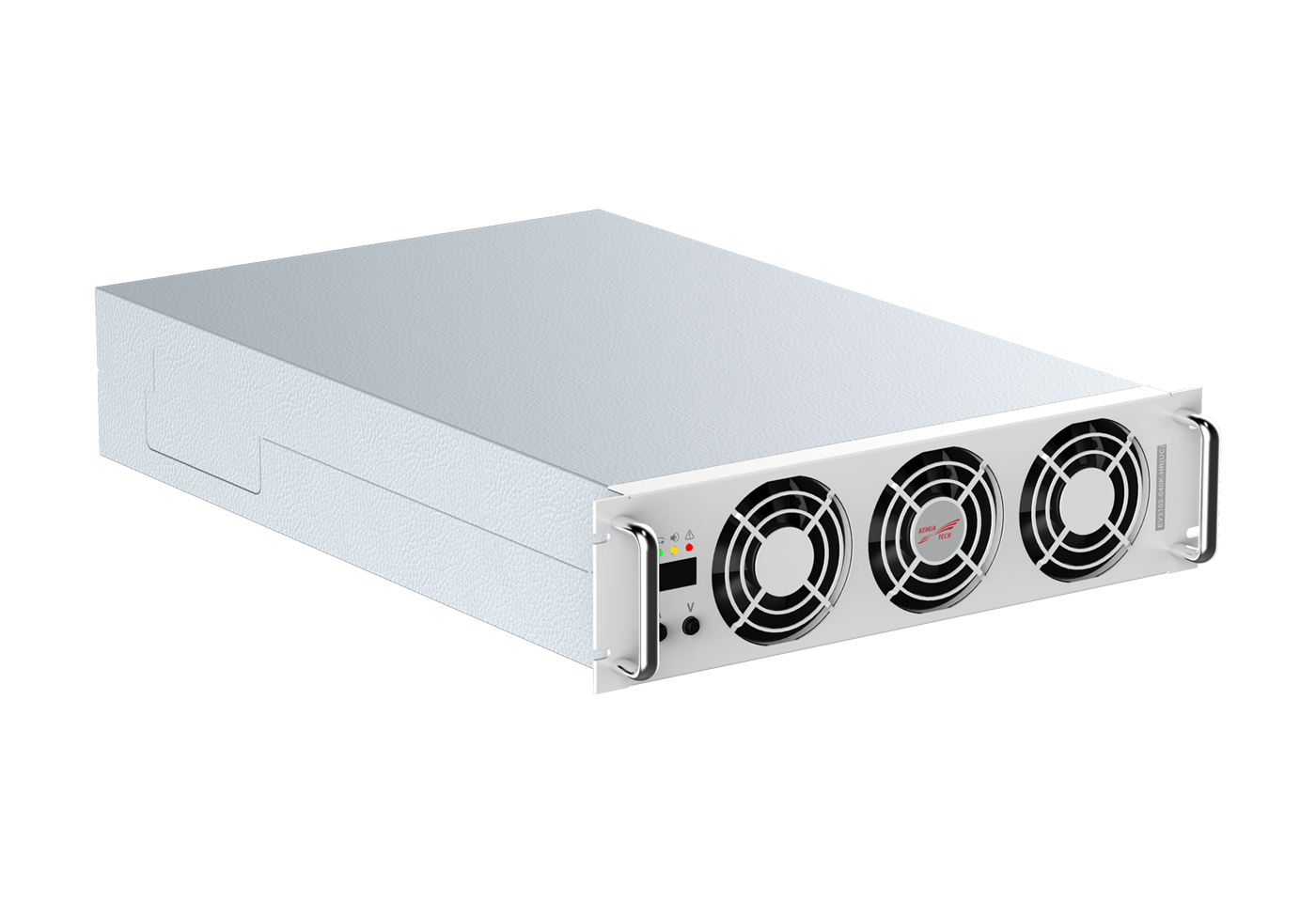
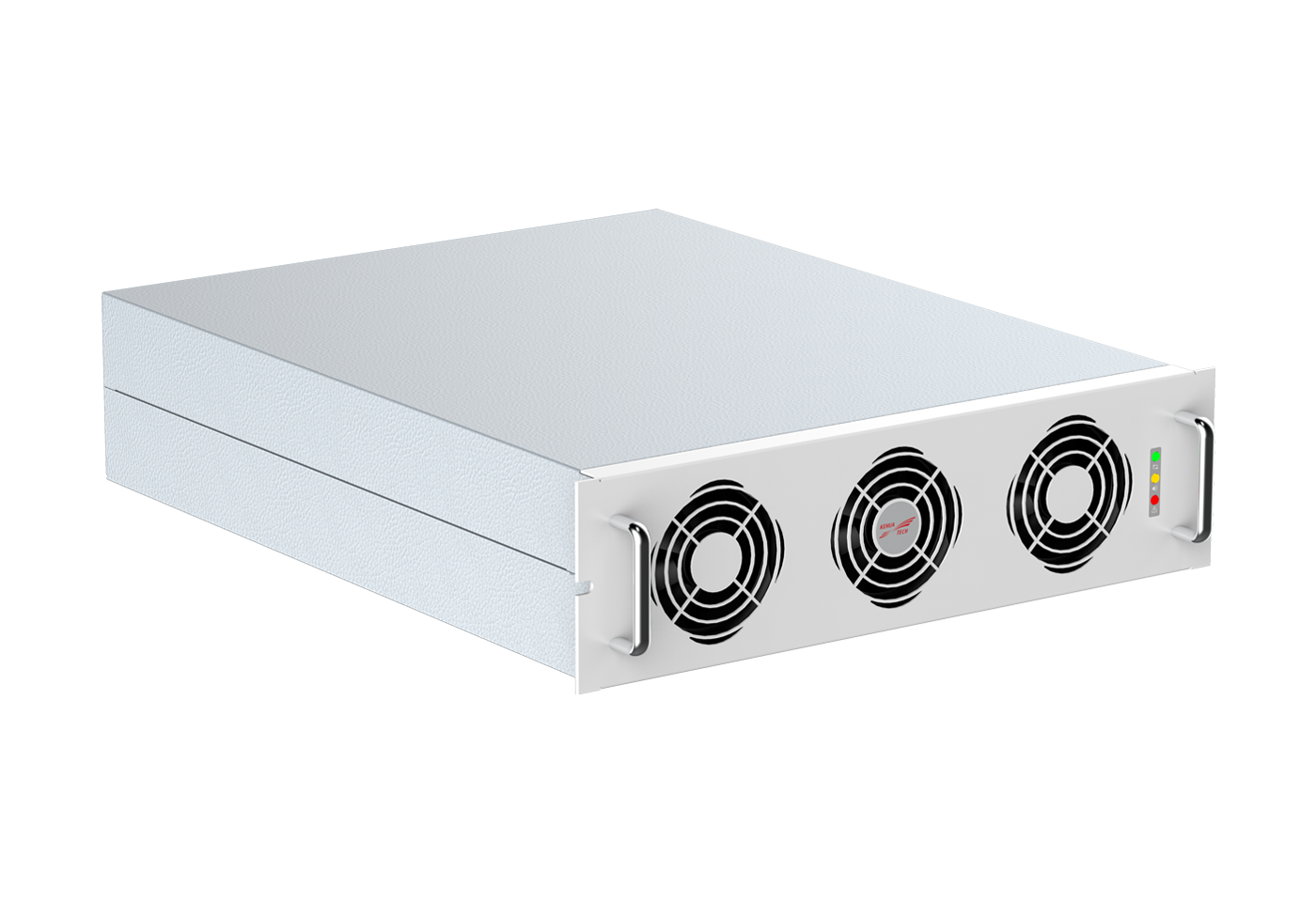
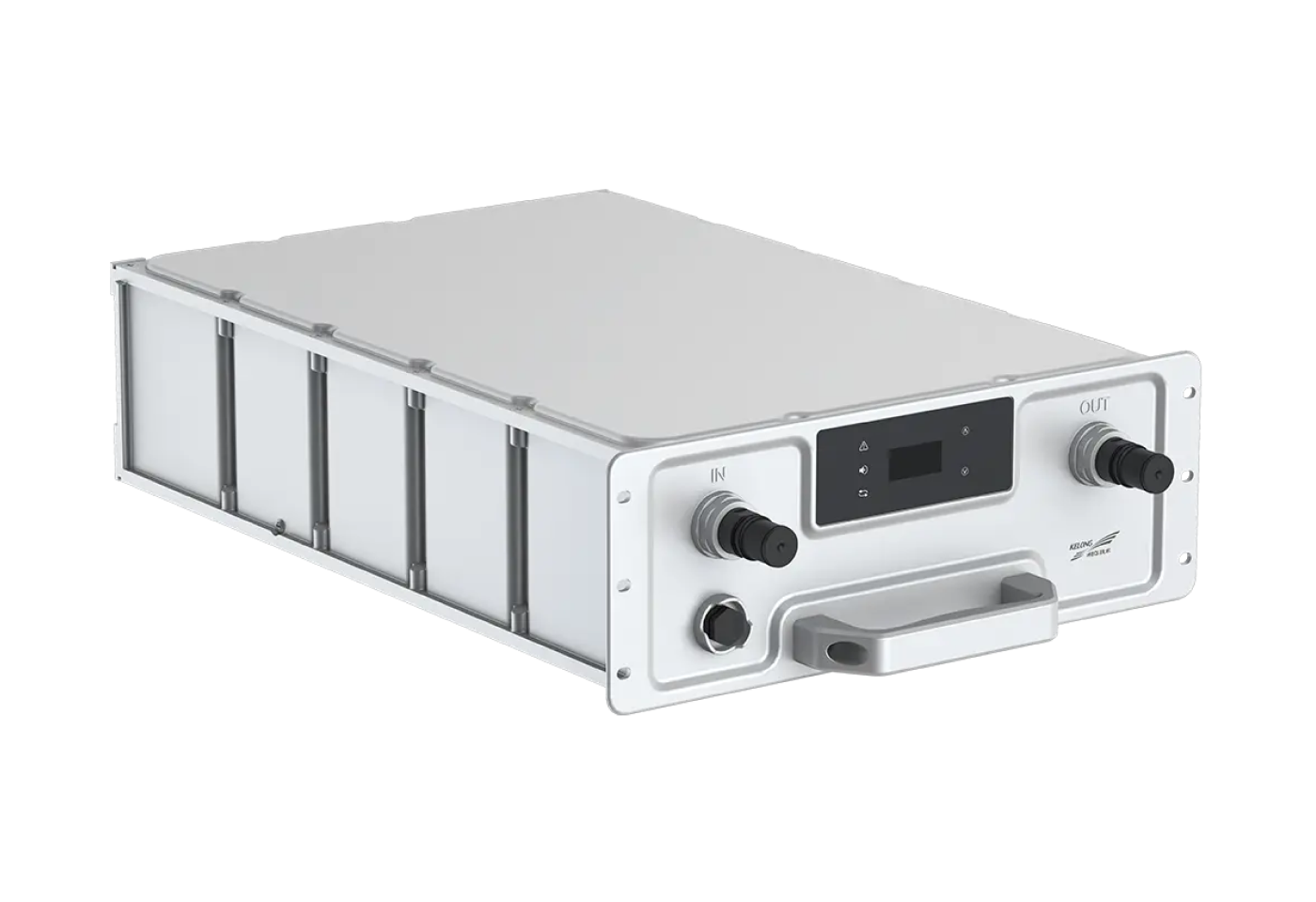
Behind every high‑power highway charger lies a DC charging module that determines efficiency, reliability, and thermal behavior. From an engineering and TCO standpoint, I look closely at: [directindustry]
- Wide output voltage range: Supporting common EV pack voltages while maintaining high efficiency. [directindustry]
- Constant power output characteristics: Allowing continuous high‑power delivery without frequent derating.
- SiC (silicon carbide) technologies: For improved conversion efficiency, reduced losses, and smaller footprints. [thesmartere-award]
Kehua's work in high‑efficiency, high‑power charging modules has been recognized in industry award programs, underscoring its capability as a power electronics specialist for EV infrastructure. At the site level, this translates into: [thesmartere-award]
- Higher uptime, as robust modules are less prone to thermal or component failures.
- Lower operating cost per kWh delivered, due to reduced conversion losses and better energy efficiency.
- Consistent user experience, because chargers can sustain high output even in demanding conditions.
Case‑Style Scenario – Upgrading a Busy Expressway Service Area
To illustrate how 360kW+ integrated dc chargers and distributed systems work together, consider a hypothetical but industry‑realistic scenario based on projects in markets adopting CCS on expressways. [charin]
Before the upgrade
- 6 parking bays with 60–120 kW chargers.
- Mixed passenger and light commercial EV traffic, causing queues at peak hours.
- Drivers report 30–60 minute average charging times and frequent anxiety about reaching the site with low SOC.
After the upgrade
The operator implements the following configuration:
- Two 240–400 kW integrated dc chargers for ultra‑fast charging in premium bays. [en.kehuasz]
- One 480 kW distributed charging system feeding four dispensers for general traffic. [endata.kehuasz]
- Optional planning for a future 800 kW system as volumes grow.
Results typically observed in similar deployments:
- Reduced average waiting time, as high‑power bays quickly clear urgent drivers.
- Higher total sessions per day, due to better power utilization and shorter dwell times.
- Improved user satisfaction scores, with drivers reporting more confidence in planning long trips.
Even without changing the total site area, optimizing the power architecture transforms the site from "barely adequate" to "reliably convenient" for long‑distance EV travel.
Table: Expressway Charging Configurations and Use Cases
| Configuration type | Typical power levels | Ideal use cases on expressways | Key benefits for range anxiety |
|---|---|---|---|
| Integrated dc charger | 60–180 kW, 240–400 kW (en.kehuasz) | Standard and premium passenger EV bays in service areas | Faster individual sessions, predictable stop duration |
| Distributed charging system | 480 kW, 800 kW (en.kehuasz) | Mixed-use hubs with multiple bays, fleets plus public access | Dynamic power sharing, higher throughput per site |
| Megawatt level charging system | 1.2 MW, 1.6 MW (en.kehuasz) | Heavy-duty freight corridors, bus terminals along expressways | Enables large battery vehicles to recharge quickly, stabilizing long-haul operations |
How Kehua Positions Itself in Global Expressway Projects
Kehua has built its EV charging business on decades of power electronics experience, evolving from power conversion into integrated EV infrastructure solutions. The company provides: [en.kehuasz]
- DC charging modules as the core building blocks for reliable and efficient systems. [directindustry]
- Integrated dc chargers in key power ranges to address highway and urban scenarios. [en.kehuasz]
- Distributed charging systems and megawatt level charging systems for scalable, high‑traffic hubs. [endata.kehuasz]
As a participant in international EV charging associations and ecosystems, Kehua contributes to the broader adoption of fast‑charging standards and interoperable solutions across markets. This ecosystem participation is increasingly important for highway operators who want to ensure compatibility, future‑proofing, and bankability of their charging assets. [cn.linkedin]
Implementation Checklist for Highway Operators and Fleets
For operators planning to deploy 360kW+ integrated dc chargers and supporting systems on major expressways, I often summarize the planning process in five steps:
1. Define target use cases
- Long‑distance private travel, commercial fleets, heavy‑duty logistics, or a mix.
- Map expected dwell times and peak periods.
2. Select suitable power architecture
- Use integrated dc chargers (240–400 kW) for high‑priority, time‑sensitive bays.
- Use distributed charging systems (480–800 kW) to efficiently serve multiple bays with shared capacity. [en.kehuasz]
3. Plan for megawatt level expansion
- Identify corridors where 1.2–1.6 MW megawatt level charging systems will be needed for trucks and buses in the medium term. [thesmartere-award]
4. Integrate monitoring and maintenance from day one
- Implement remote diagnostics, energy management, and performance dashboards.
- Establish clear SLAs for uptime and repair times.
5. Design the full user journey
- From online discovery to on‑site guidance and payment flows.
- Validate with pilot users and adjust based on feedback.
This checklist moves projects from "hardware‑only" thinking to a more holistic approach, resulting in measurable reductions in user‑reported range anxiety.
How Shenzhen Kehua Hengsheng Can Support Your Next Project
Drawing on its power electronics heritage and EV infrastructure experience, Kehua supports global partners across the project lifecycle—from product selection and site concept through to commissioning and long‑term operation. [en.kehuasz]
For expressway charging and long‑distance corridors, the company focuses on:
- High‑power integrated dc chargers to deliver ultra‑fast charging for compatible vehicles. [endata.kehuasz]
- Scalable distributed charging systems that can grow with traffic volume and mix. [en.kehuasz]
- Megawatt level charging systems engineered for the next wave of electric trucks and buses. [thesmartere-award]
By combining robust DC charging modules, modular system design, and industry‑recognized technologies, Kehua aims to help operators and fleets deploy fast‑charging infrastructure that genuinely reduces range anxiety and supports cleaner, smarter, and more sustainable mobility. [en.kehuasz]
Call to Action: Plan Your Next Expressway Charging Hub
If you are:
- A highway or service‑area operator planning to upgrade your charging infrastructure.
- An EV fleet manager exploring reliable fast‑charging hubs for long‑distance operations.
- An OEM or ecosystem partner seeking a technically credible DC charging supplier.
It is the right time to evaluate 360kW+ integrated dc chargers, distributed charging systems, and megawatt level charging solutions for your key corridors. You can explore Kehua's EV charging products and discuss how these systems fit into your expressway network via their official channels. [kehuasz]
Frequently Asked Questions (FAQ)
Q1: How much can a 360kW+ integrated dc charger reduce my charging time on expressways?
A: For compatible vehicles, 360kW‑class charging can deliver substantial range in 10–20 minutes under suitable conditions, compared with 30–60 minutes on lower power chargers, significantly improving long‑distance trip planning. [charin]
Q2: When should I choose an integrated dc charger versus a distributed charging system?
A: Integrated dc chargers (240–400 kW) are ideal for high‑priority bays where each vehicle needs maximum power, while distributed systems (480–800 kW) are better when you need to serve multiple bays efficiently with shared capacity. [endata.kehuasz]
Q3: Why are DC charging modules so important in highway fast‑charging projects?
A: DC charging modules determine efficiency, reliability, and thermal behavior; high‑efficiency modules with wide voltage ranges and advanced technologies like SiC help maximize uptime and reduce operating costs. [directindustry]
Q4: How do megawatt level charging systems fit into expressway planning?
A: Megawatt level charging systems (1.2 MW, 1.6 MW) are essential for electrifying long‑haul trucks and buses on major corridors, enabling short, high‑energy charging sessions that align with operational schedules. [charin]
Q5: What should I prioritize first if my current expressway site has only mid‑power chargers?
A: Start by adding a small number of high‑power integrated dc chargers for urgent use cases, then layer in distributed charging systems to optimize throughput and prepare for future megawatt level expansions. [en.kehuasz]
References
[Shenzhen Kehua – Company Profile] [en.kehuasz]
[CharIN – Shenzhen Kehua Hengsheng Technology Co., Ltd.] [charin]
[Shenzhen Kehua – About Us] [en.kehuasz]
[Shenzhen Kehua – EV Charging Products] [en.kehuasz]
[Shenzhen Kehua – EV Charging Solution Brochure] [endata.kehuasz]
[Shenzhen Kehua – Legal Notices] [kehuasz]
[Charger Module – EV3 Series – Kehua Hengsheng] [directindustry]
[Shenzhen Kehua EV Charger – LinkedIn] [cn.linkedin]
[Shenzhen Kehua – Contact Us] [kehuasz]
[The smarter E Award – 40kW SiC High‑Efficiency High‑Power Charging Module by Shenzhen Kehua Hengsheng] [thesmartere-award]
Hot Tags: Integrated DC Charger, 360kW DC Charger, Expressway EV Charging, Distributed Charging System, Megawatt Level Charging System, Highway Fast Charging Solutions, EV Charging Infrastructure, DC Charging Modules, Heavy Duty EV Charging, EV Fleet Charging Solutions

