

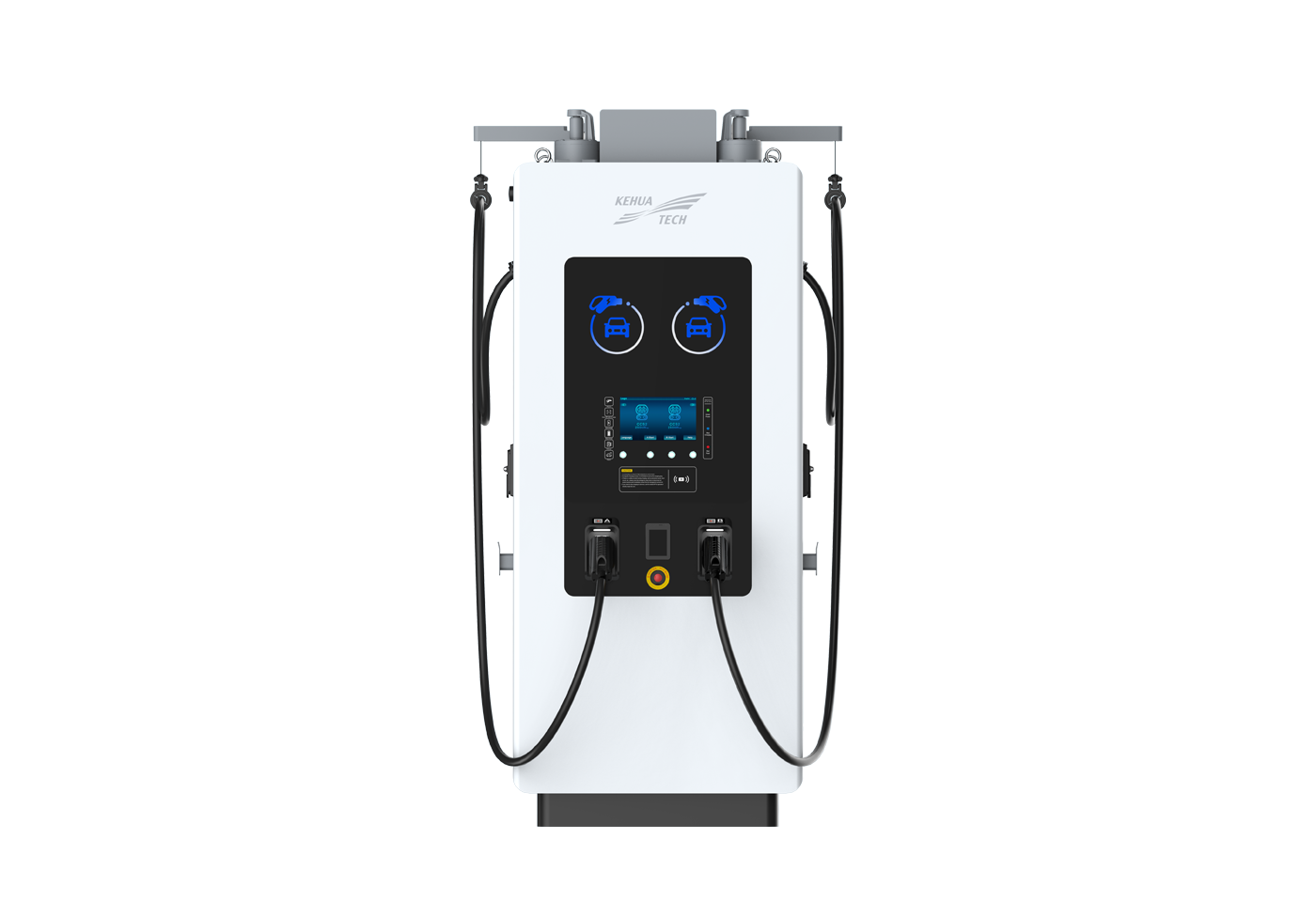
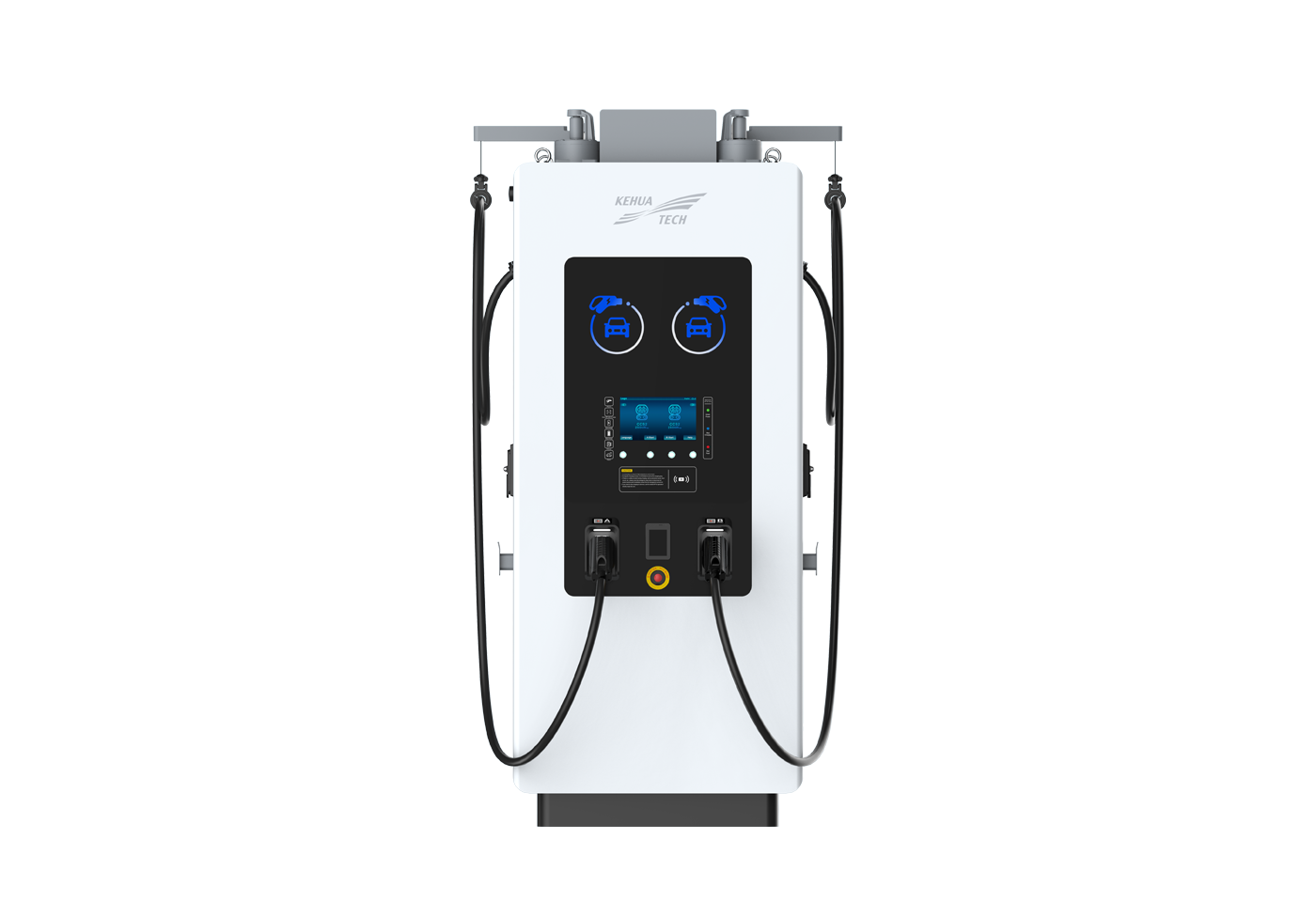



- Electric Bus Charging Upgraded: Fast & Flexible
- Shenzhen Kehua’s 40 kW High-Efficiency SiC Charging Module Achieves CE, CB, and UL Certifications
- Shenzhen Kehua Unveils High-Reliability All-in-One DC Charger for the ASEAN Market
- Shenzhen Kehua’s Scalable Megawatt Power Unit: Pioneering the Next Era of High-Power Charging for Green Mobility
- Growth Opportunities in the EV Charging Industry Amid the Global Transportation Electrification
- The Future of Fleet Charging: Building Efficient and Reliable Charging Infrastructure
Highway Service Areas: Why High-Power Distributed Systems Outperform Standalone DC Chargers


Content Menu
● Why Highway Service Areas Need a Different Charging Strategy
● What a Distributed Charging System Is
● Standalone DC Chargers: Where They Still Fit
● Why Distributed Systems Win on Highways
● Highway Use Cases That Benefit Most
● Site Design Factors Operators Should Evaluate
● FAQs
>> 1. What is the main difference between a distributed charging system and a standalone DC charger?
>> 2. Why are distributed systems better for highway service areas?
>> 3. Are standalone DC chargers obsolete?
>> 4. Which Kehua products are relevant for highway charging projects?
>> 5. What should operators check before choosing a charging architecture?
Highway service areas are becoming one of the most important battlegrounds for EV charging. For operators serving long-distance drivers, fleets, and commercial vehicles, a high-power distributed charging system often delivers better scalability, higher uptime, and a more efficient site layout than a standalone DC charger. [vbn.aau]
Why Highway Service Areas Need a Different Charging Strategy
Highway traffic is not like urban charging. Demand is concentrated, dwell time is short, and drivers expect fast, reliable charging with minimal queueing. Research on highway rest areas shows that charging infrastructure must be designed to handle peak congestion, diverse charging demand, and limited site space at the same time. [fsec.ucf]
A standalone DC charger can work well in smaller, lower-traffic sites. But on a highway corridor, it may not provide the flexibility needed when several vehicles arrive at once or when power needs shift throughout the day. In that environment, distributed architecture is often the stronger operational choice. [filecenter.deltaww]
What a Distributed Charging System Is
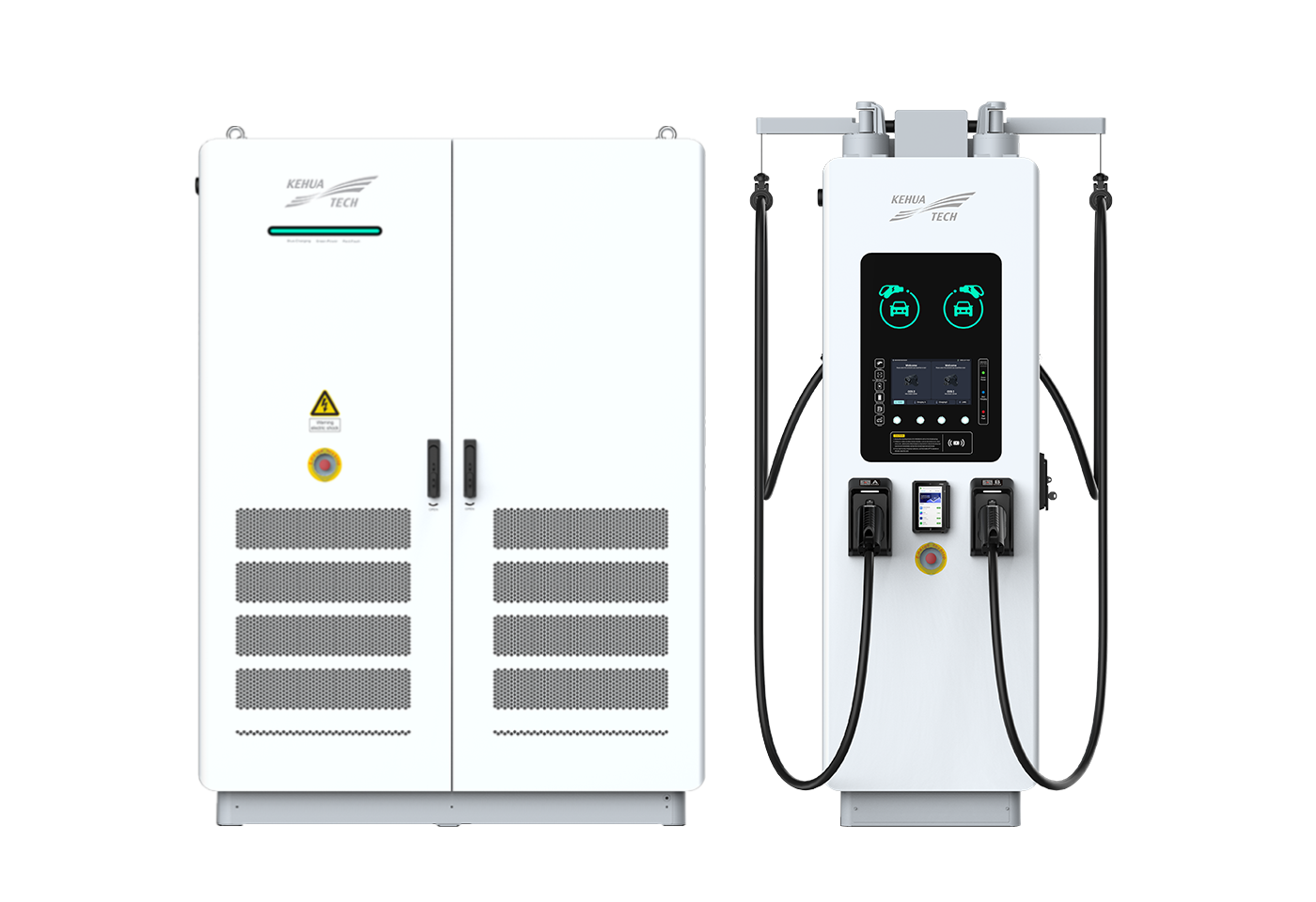
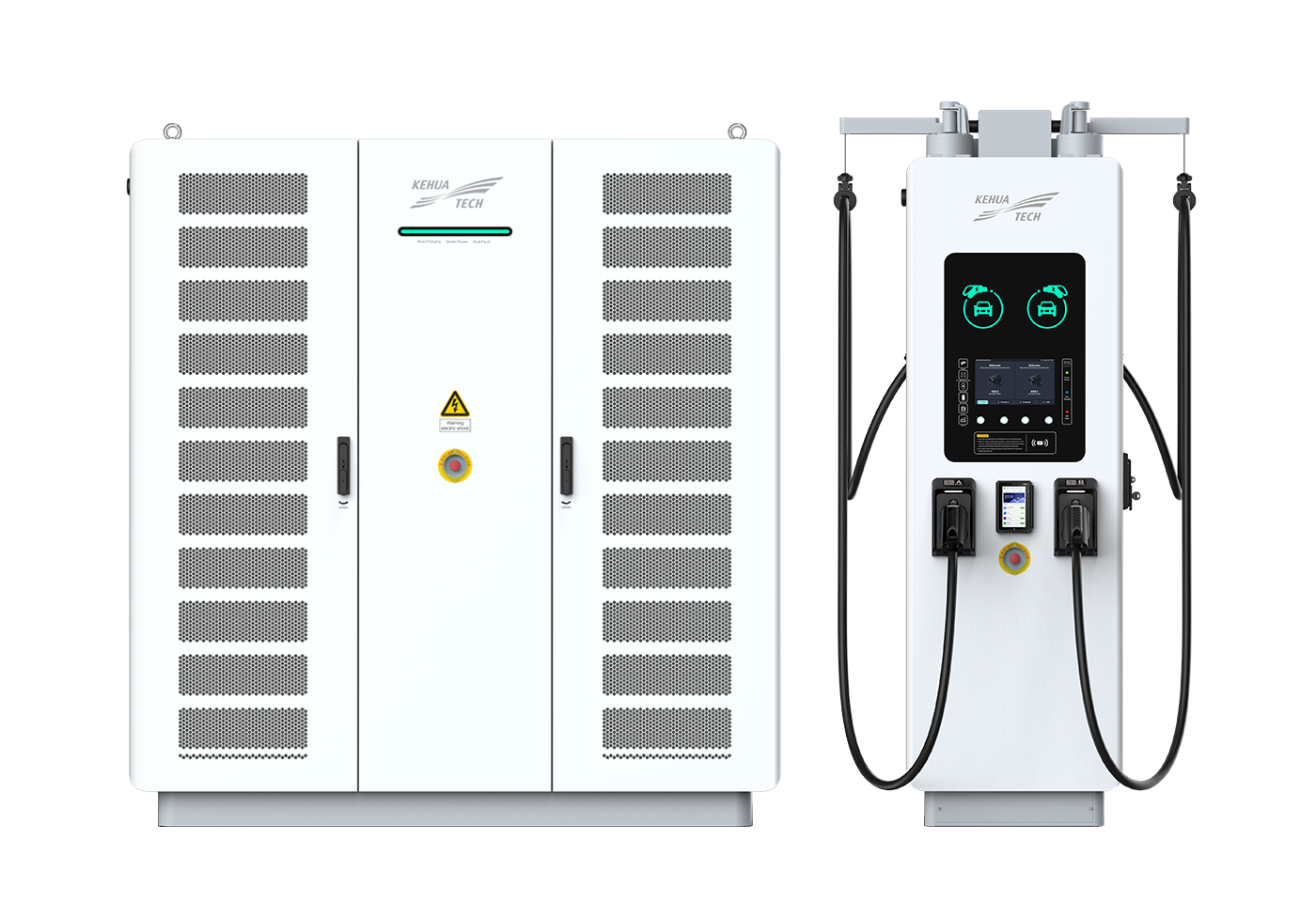
A distributed charging system separates the power unit from the dispenser. In practical terms, this means a centralized power cabinet supplies energy to multiple dispenser, allowing operators to allocate power more intelligently across the site. [siemens]
This architecture is especially useful in highway service areas because it helps operators:
- Serve more vehicles with the same electrical footprint.
- Reuse power more efficiently across dispenser.
- Reduce congestion during peak travel periods.
- Expand capacity without redesigning the entire site. [vbn.aau]
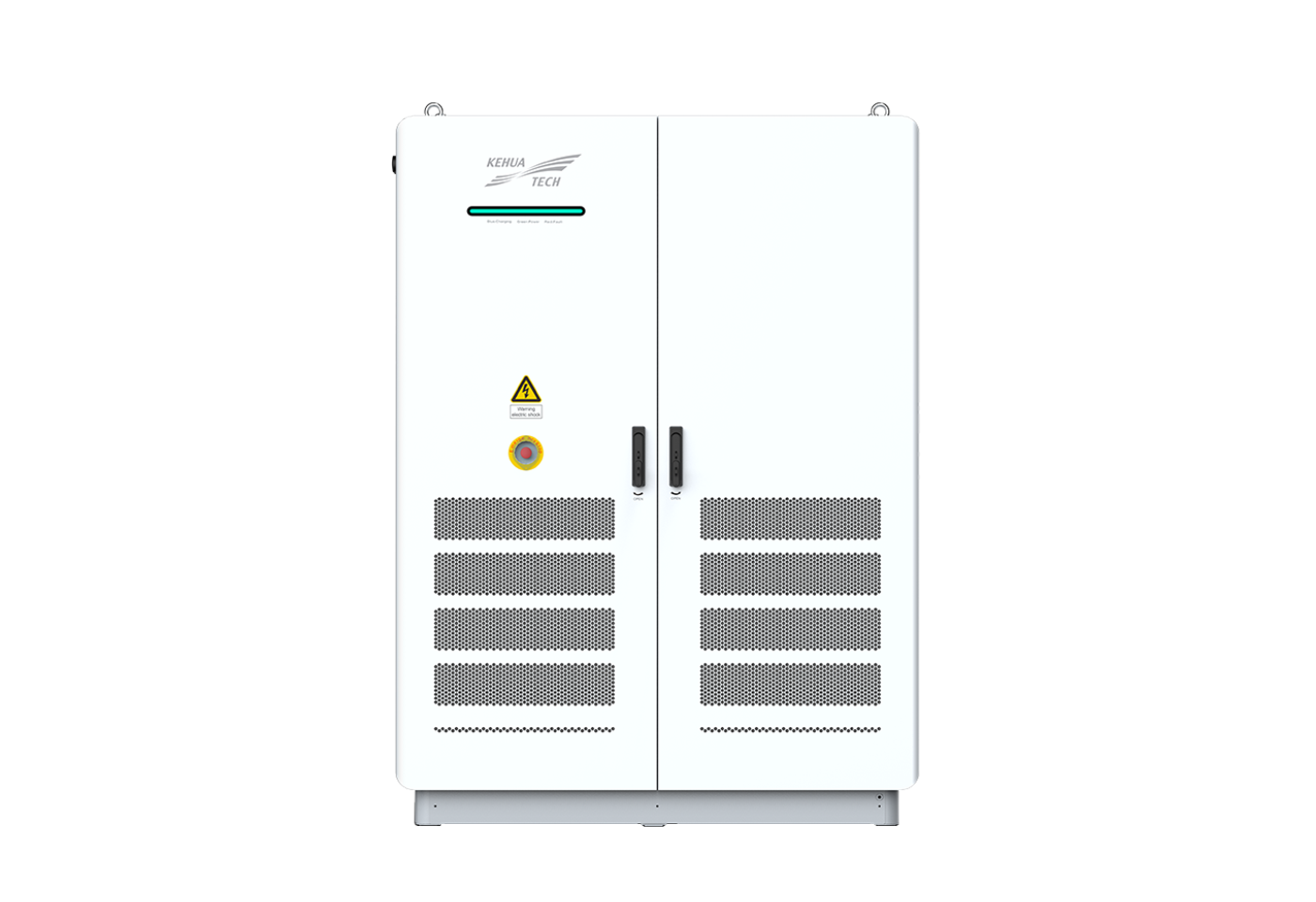
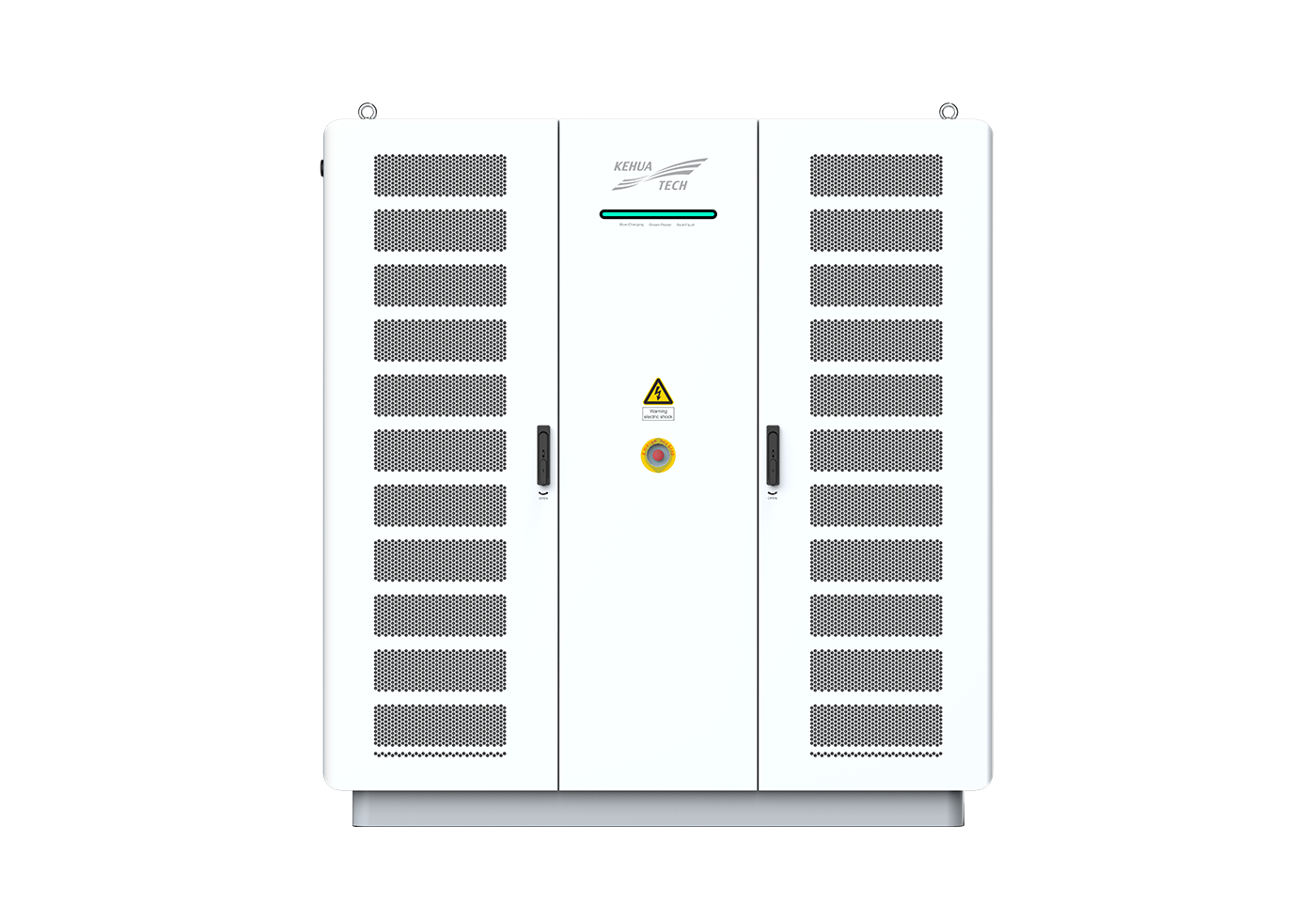
At Shenzhen Kehua Hengsheng Technology Co., Ltd., this approach aligns with our distributed charging system solutions in the 480kW and 800kW classes, as well as our megawatt level charging system in 1.2MW and 1.6MW configurations. [en.kehuasz]
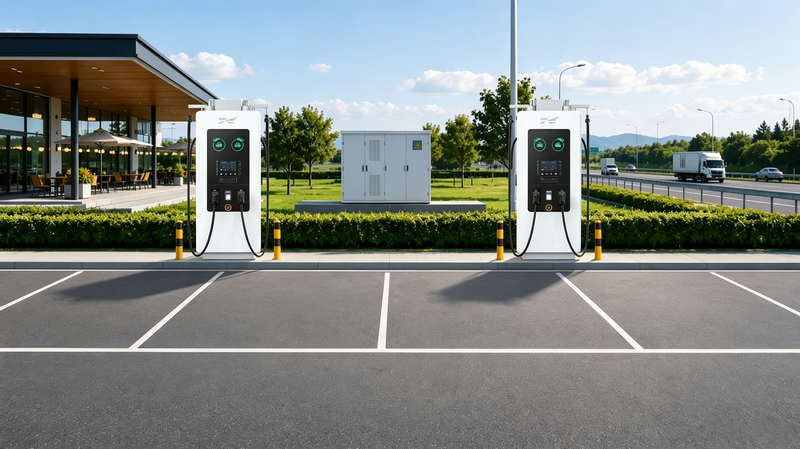
Standalone DC Chargers: Where They Still Fit
Standalone DC chargers remain useful in some scenarios. They can be easier to deploy in small sites, require less system planning, and offer straightforward one-to-one charging logic. For low-traffic locations, that simplicity can be a real advantage. [linkedin]
However, once the site must handle multiple simultaneous charging sessions, the limitations become clearer. More standalone units can mean more equipment, more occupied space, and less flexibility in balancing load across vehicles. That is why many highway operators now view standalone DC chargers as a baseline option, not the final optimization target. [filecenter.deltaww]
Why Distributed Systems Win on Highways
The main advantage of a distributed charging system is power flexibility. Instead of locking one charger to one vehicle, the system can allocate energy where it is needed most. This is especially valuable when a truck, a family SUV, and a fleet vehicle arrive with different charging states and different time pressures. [linkedin]
Distributed systems also support better site economics. By centralizing power conversion, operators can reduce redundant hardware at the dispenser side, use land more efficiently, and build a site that can grow in stages. That matters in highway service areas, where land use, construction complexity, and utility coordination are all major cost drivers. [newpower]
Another advantage is user experience. Drivers care less about the architecture and more about the outcome: short waits, stable charging, and fast turnaround. A well-designed distributed site is more likely to deliver that outcome during peak travel windows. [siemens]
Highway Use Cases That Benefit Most
Not every highway site needs the same configuration. The best-fit model depends on traffic pattern, vehicle mix, and utility capacity. But distributed systems are especially strong in the following cases: [newpower]
- Busy motorway rest areas with frequent queue pressure.
- Sites serving long-distance passenger EVs and commercial fleets.
- Locations where future expansion is expected.
- Corridors where utility power must be used more efficiently.
- Service areas that need to maximize throughput in limited land. [vbn.aau]
For these scenarios, a high-power distributed charging system is usually more future-ready than a set of isolated standalone DC chargers. [siemens]
Site Design Factors Operators Should Evaluate
Before selecting an architecture, operators should evaluate five practical factors:
1. Expected traffic volume during peak and off-peak hours.
2. Available grid capacity and upgrade timeline.
3. Space for equipment, cable routing, and vehicle maneuvering.
4. Target charging time for cars, vans, and trucks.
5. Expansion plans over the next three to five years. [filecenter.deltaww]
If the site is likely to grow, distributed architecture usually makes planning easier. If the site is small and traffic is light, standalone DC chargers may still be appropriate. The right answer is therefore not about technology trend alone, but about operational fit. [linkedin]
Product Fit for Kehua
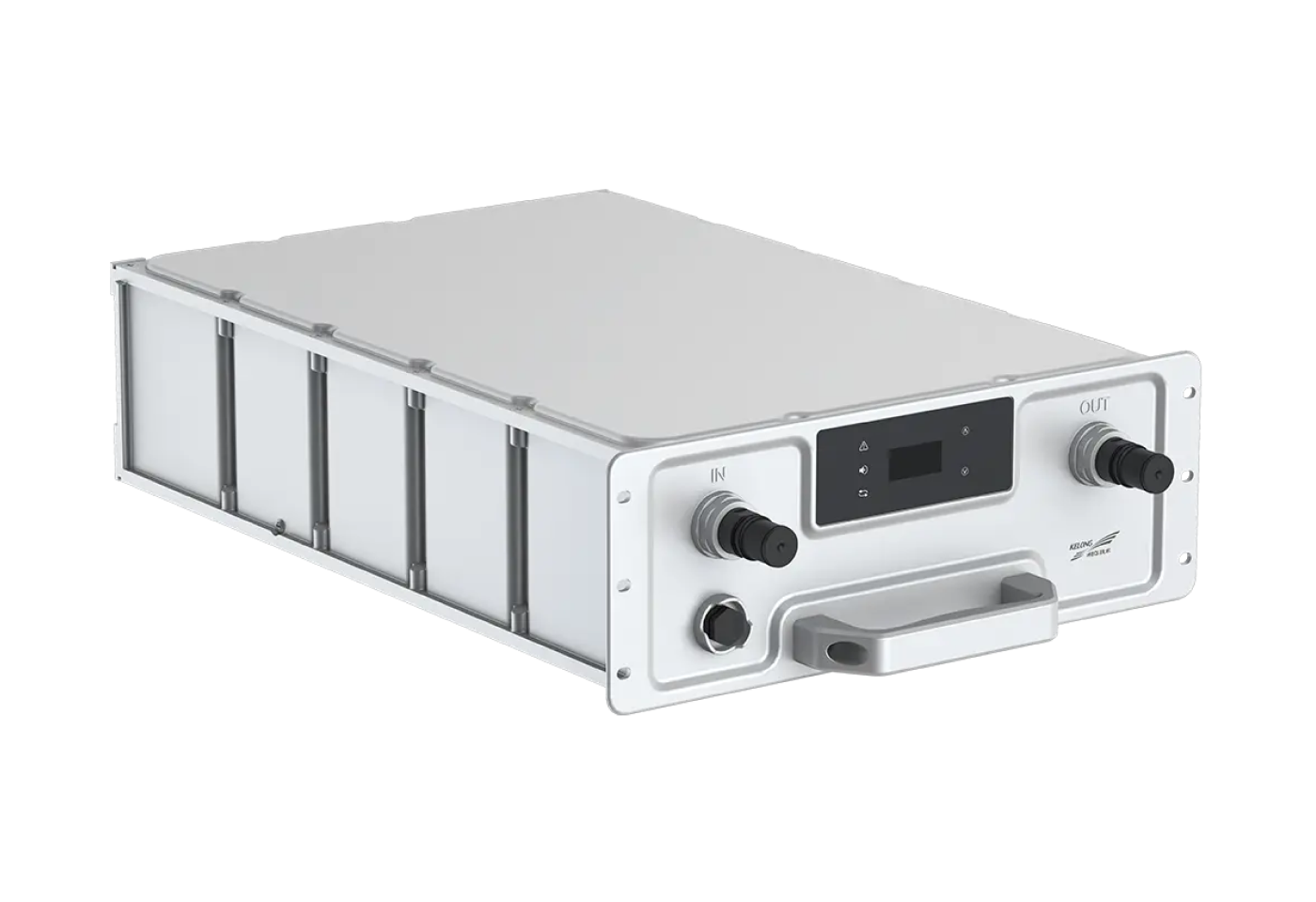
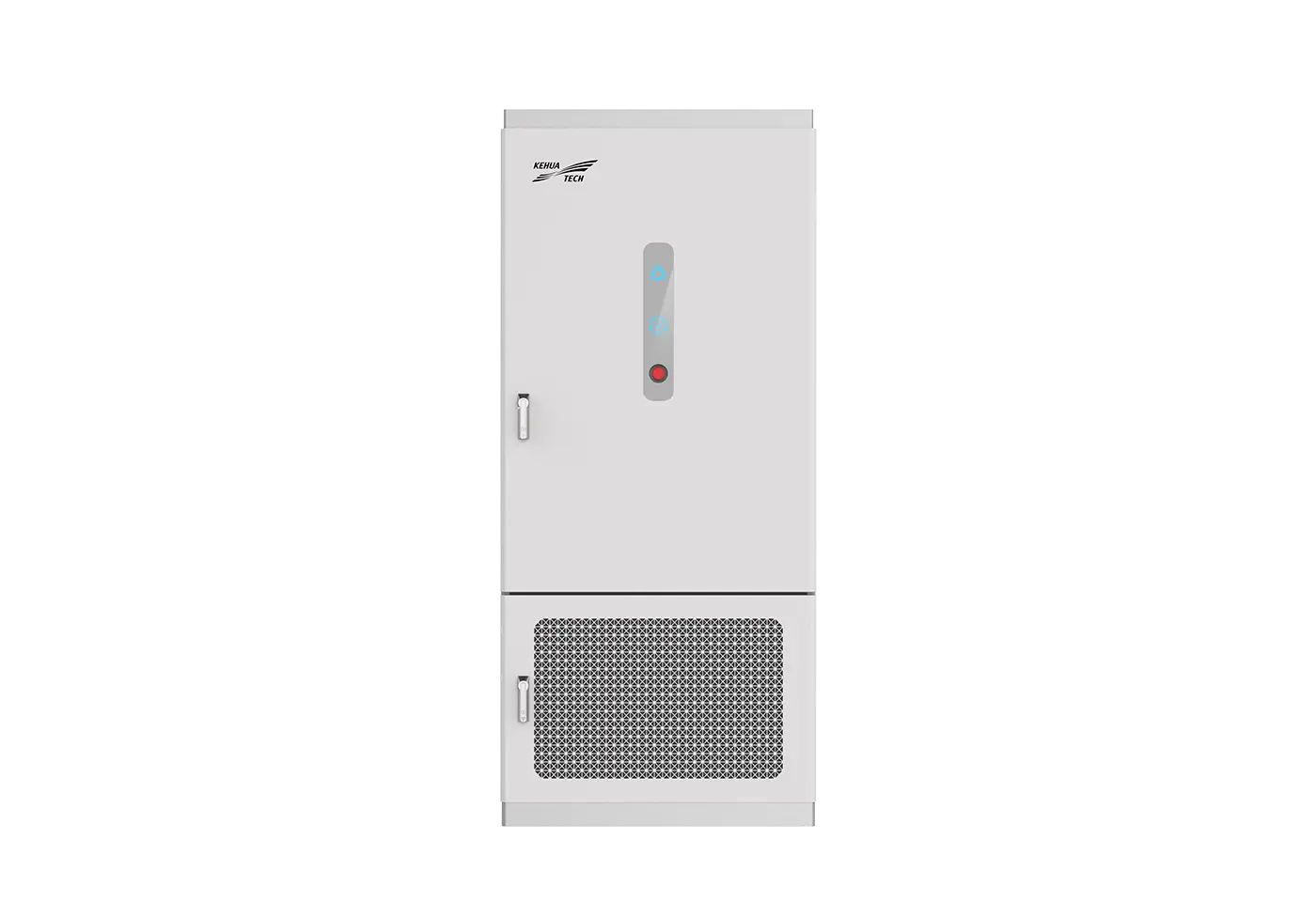
For highway service area projects, Shenzhen Kehua can support operators with DC charging modules, integrated DC chargers in the 60–180kW and 240–400kW ranges, distributed charging systems in the 480kW and 800kW ranges, and megawatt level charging systems at 1.2MW and 1.6MW. [en.kehuasz]
This product structure is important because it gives project owners more flexibility to match site scale with actual traffic demand. In other words, the architecture can start with the right size and grow without a complete redesign. [en.kehuasz]
Latest Industry Direction
Across the industry, highway charging is moving toward higher power density, better load allocation, and more modular deployment. Highway rest areas increasingly require solutions that can shorten queues while adapting to uncertain grid conditions and growing EV demand. [sciencedirect]
At the same time, projects that combine charging with photovoltaic generation and energy storage are becoming more common where grid supply is limited or expansion is constrained. Even when those elements are not part of every site, the broader trend is clear: operators want smarter infrastructure with better resilience and lower operational friction. [newpower]
Expert Takeaway
From both an engineering and user-experience perspective, highway service areas are rarely the best place for a rigid, one-charger-per-vehicle model. Distributed charging systems offer more resilience, better scalability, and stronger throughput under real-world traffic conditions. [vbn.aau]
Standalone DC chargers still have a role, but on high-traffic highway corridors, distributed architecture is usually the more strategic investment. It is not just about charging faster; it is about serving more drivers, reducing bottlenecks, and building infrastructure that can keep pace with the next wave of EV adoption. [linkedin]
Call to Action
If your highway project needs higher throughput, better land efficiency, and a more scalable charging roadmap, a distributed architecture deserves serious consideration. Contact Shenzhen Kehua Hengsheng Technology Co., Ltd. to discuss the right configuration for your site and traffic model. [en.kehuasz]
FAQs
1. What is the main difference between a distributed charging system and a standalone DC charger?
A distributed charging system separates the power unit from the dispenser, while a standalone DC charger combines the power and charging function in one unit. The distributed model is usually better for high-traffic highway sites. [siemens]
2. Why are distributed systems better for highway service areas?
They can share power more flexibly, support multiple vehicles more efficiently, and scale more easily when traffic grows. This makes them well suited to peak-heavy highway environments. [vbn.aau]
3. Are standalone DC chargers obsolete?
No. They still work well for smaller sites, lower traffic volumes, or projects with simpler deployment needs. Their value drops when the site must handle many simultaneous sessions. [linkedin]
4. Which Kehua products are relevant for highway charging projects?
Relevant products include DC charging modules, integrated DC chargers in 60–180kW and 240–400kW ranges, distributed charging systems in 480kW and 800kW ranges, and megawatt level charging systems in 1.2MW and 1.6MW ranges. [en.kehuasz]
5. What should operators check before choosing a charging architecture?
They should review traffic patterns, site space, available grid capacity, future expansion plans, and the mix of EV types expected to use the site. Those factors usually determine whether distributed or standalone architecture is the better fit. [filecenter.deltaww]
References
- [Shenzhen Kehua Hengsheng Technology Co., Ltd. Company Profile] [en.kehuasz]
- [Shenzhen Kehua EV Charging Products] [en.kehuasz]
- [Highway rest area integration study] [vbn.aau]
- [Highway service stations charging control study] [fsec.ucf]
- [Delta high power charger brochure] [filecenter.deltaww]
- [Siemens en-route charging solutions] [siemens]
- [Motorway service area battery support article] [newpower]
- [Hybrid PV-BESS-grid fast EV charging research] [sciencedirect]
Hot Tags: Highway EV Charging, High Power DC Charging, Distributed Charging System, Standalone DC Charger, Highway Service Area Charging, EV Charging Infrastructure, Megawatt Level Charging System, Fleet And Truck Charging, DC Fast Charging Solution, B2B EV Charging Projects

