

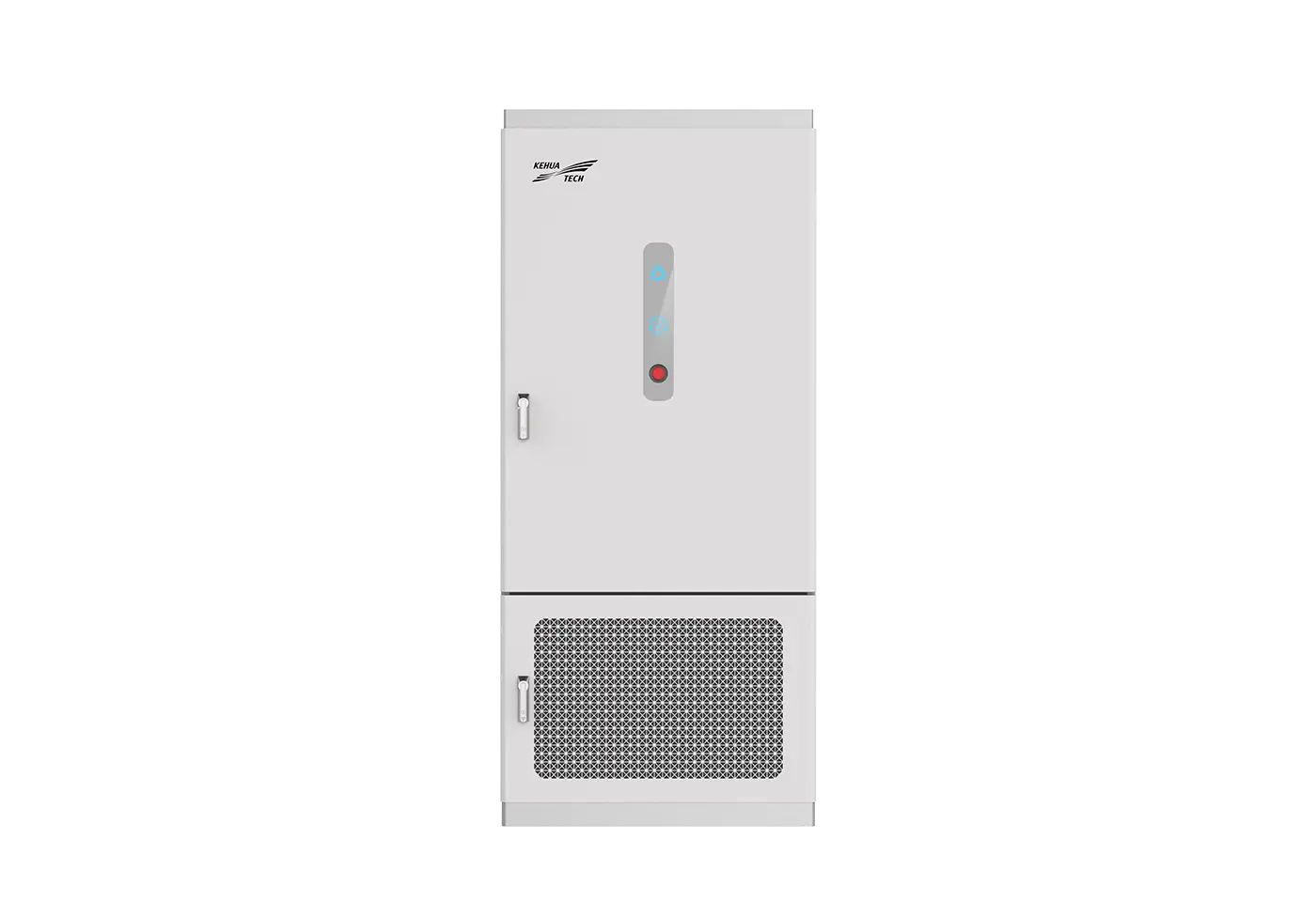


- Electric Bus Charging Upgraded: Fast & Flexible
- Shenzhen Kehua’s 40 kW High-Efficiency SiC Charging Module Achieves CE, CB, and UL Certifications
- Shenzhen Kehua Unveils High-Reliability All-in-One DC Charger for the ASEAN Market
- Shenzhen Kehua’s Scalable Megawatt Power Unit: Pioneering the Next Era of High-Power Charging for Green Mobility
- Growth Opportunities in the EV Charging Industry Amid the Global Transportation Electrification
- The Future of Fleet Charging: Building Efficient and Reliable Charging Infrastructure
Net-Zero Logistics: The Synergy of Rooftop Solar and High-Power Distributed Systems


Content Menu
● Net-Zero Logistics and Why Rooftop Solar Matters
● How High-Power Distributed Charging Transforms Depots
● The Role of Megawatt-Level Charging in Net-Zero Logistics
● Why Rooftop Solar and Distributed Systems Are Synergistic
● Shenzhen Kehua Hengsheng's Technology Foundation
● Practical Design Blueprint for a Net-Zero Logistics Depot
● Real-World Patterns from Fleet and Depot Projects
● TCO and ROI of Solar-Plus-High-Power Charging
● Safety, Reliability, and Compliance for High-Power Depots
● How to Start – A Practical Roadmap for Operators
● Actionable Takeaways for Decision-Makers
● Call to Action: Plan Your Net-Zero Depot
● FAQ
Net-zero logistics becomes achievable when rooftop solar and high‑power distributed EV charging systems are designed as one integrated energy and charging ecosystem, not as isolated projects. From my work with logistics operators and hardware manufacturers, the strongest business cases now come from sites that treat charging, solar, and storage as a single strategic asset for both decarbonization and cost optimization. [ kehuasz ]
Net-Zero Logistics and Why Rooftop Solar Matters
For logistics depots, net-zero is no longer just a CSR slogan; it directly impacts access to green contracts, investor expectations, and long‑term energy costs. Large logistics hubs typically have vast roof areas that remain underutilized from an energy perspective, even as electricity demand surges with fleet electrification. By turning these roofs into on‑site power plants, operators can offset a significant share of EV charging demand and reduce exposure to volatile grid tariffs. [ charin ]
From an emissions standpoint, every kilowatt-hour of solar electricity used directly for EV charging displaces grid power with a higher carbon intensity, accelerating progress towards science‑based net‑zero targets. Beyond emissions, on‑site solar paired with intelligent charging can flatten peak loads, enabling operators to avoid costly grid upgrades and demand charges. [ kehuasz ]
How High-Power Distributed Charging Transforms Depots
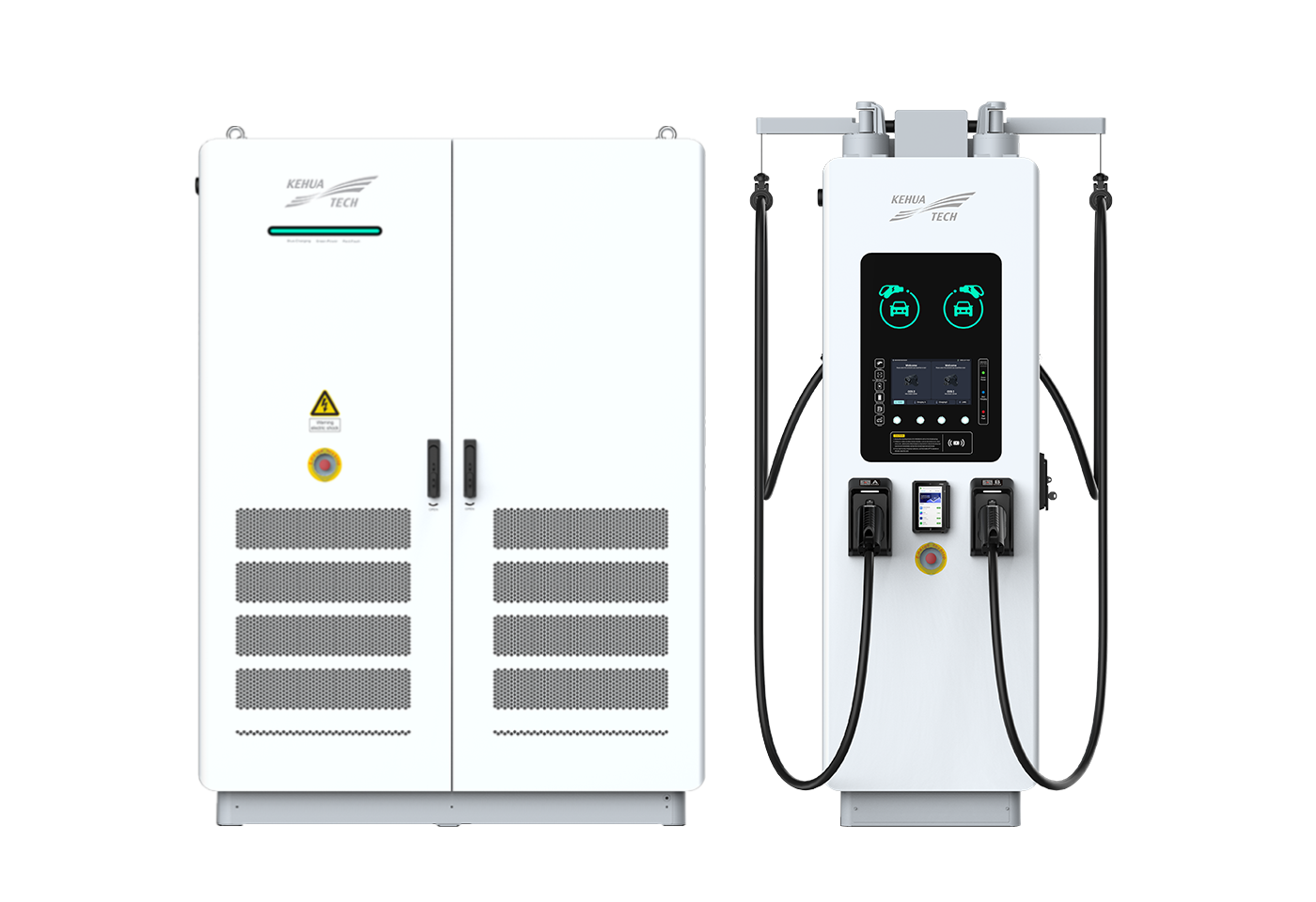
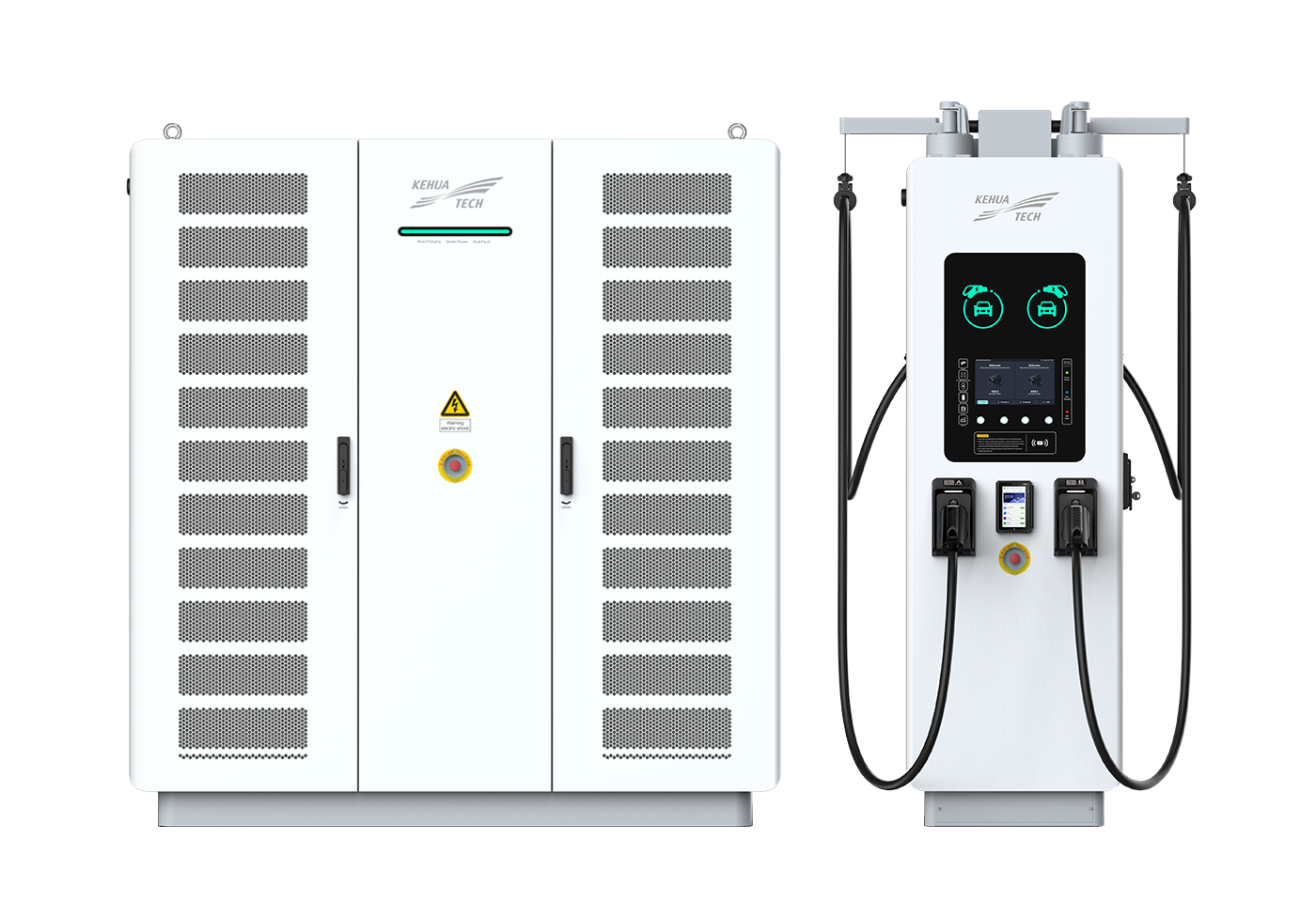
High‑power distributed charging systems are now central to large‑scale fleet electrification because they separate the power unit from the dispensers, allowing flexible deployment across parking bays. In practice, a single high‑capacity power unit can dynamically allocate power to multiple EV chargers, matching real‑world operations where not all vehicles need maximum power at the same time. [ en.kehuasz ]
From an infrastructure perspective, this approach allows operators to:
- Install fewer large power units instead of many standalone chargers.
- Shorten low‑voltage cable runs and simplify site layouts.
- Scale capacity by adding modules rather than redesigning the entire site.
For heavy‑duty fleets and regional trucking depots, distributed systems also create a clear upgrade path toward megawatt‑level charging as vehicle standards and use cases evolve. [ en.kehuasz ]
The Role of Megawatt-Level Charging in Net-Zero Logistics
As the industry moves from early‑stage pilot projects to full fleet conversions, power levels are shifting rapidly from tens of kilowatts to hundreds of kilowatts per vehicle. For long‑haul trucks and high‑utilization regional fleets, megawatt‑level charging systems become critical to keep vehicles productive while meeting CO₂ reduction commitments. [ charin ]
Megawatt charging offers logistics operators three strategic advantages:
1. Operational uptime: High‑capacity stations reduce dwell times, keeping more trucks on the road.
2. Route flexibility: Fast, high‑power roadside or hub‑based charging supports new net‑zero corridors.
3. Future readiness: Infrastructure can support the next generation of heavy‑duty EVs without constant rebuilds.
For depot operators, integrating megawatt‑capable infrastructure into the initial design—rather than retrofitting later—often proves more cost‑effective and less disruptive. [ charin ]
Why Rooftop Solar and Distributed Systems Are Synergistic
Rooftop solar generation is inherently variable, but depot charging demand can be shifted in time and location. High‑power distributed charging systems make it possible to align the two by orchestrating when and where power is delivered to each vehicle. [ en.kehuasz ]
Key synergies include:
- Midday solar matching: Scheduling charging for vehicles that are parked during the day to absorb peak solar output.
- Dynamic power allocation: Using a distributed system to prioritize solar energy for vehicles with imminent departures.
- Reduced feeder congestion: Spreading load across multiple dispensers and time windows to avoid local bottlenecks.
When combined with energy storage and intelligent charging strategies, the site can maximize solar self‑consumption and minimize both curtailment and grid imports. [ kehuasz ]
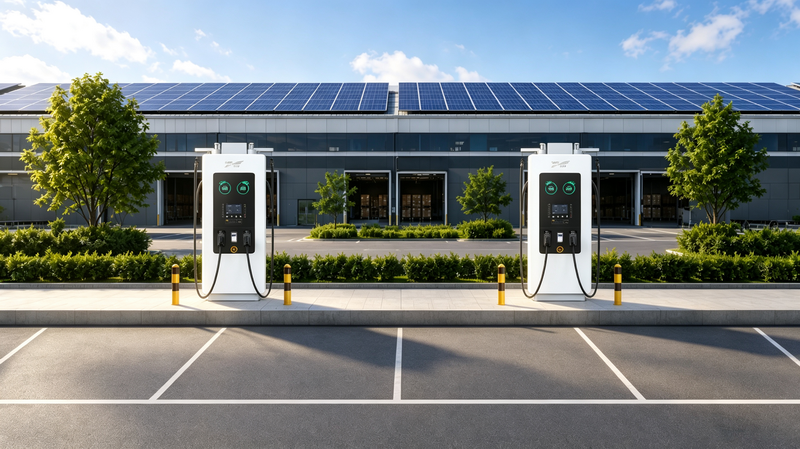
Shenzhen Kehua Hengsheng's Technology Foundation
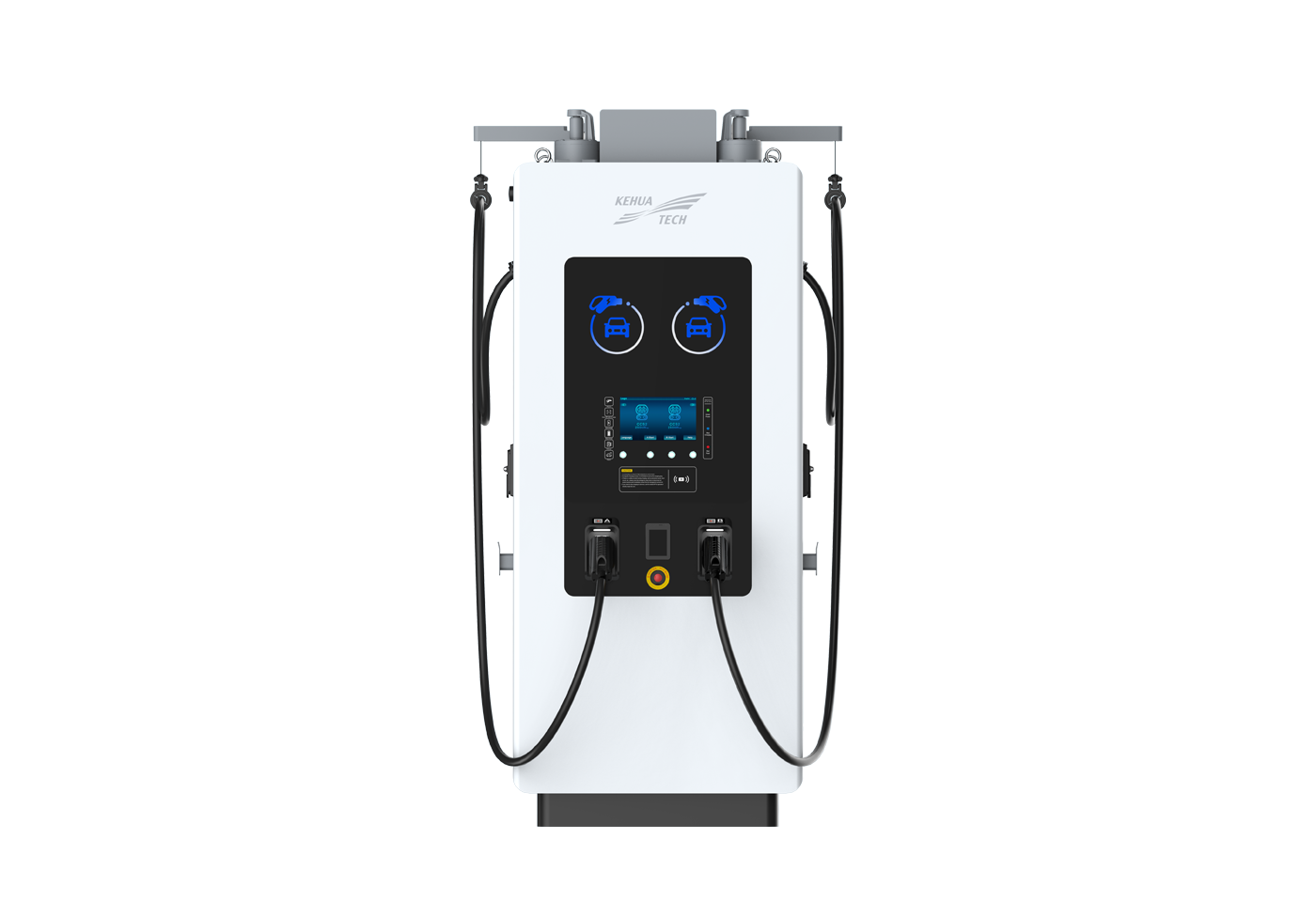
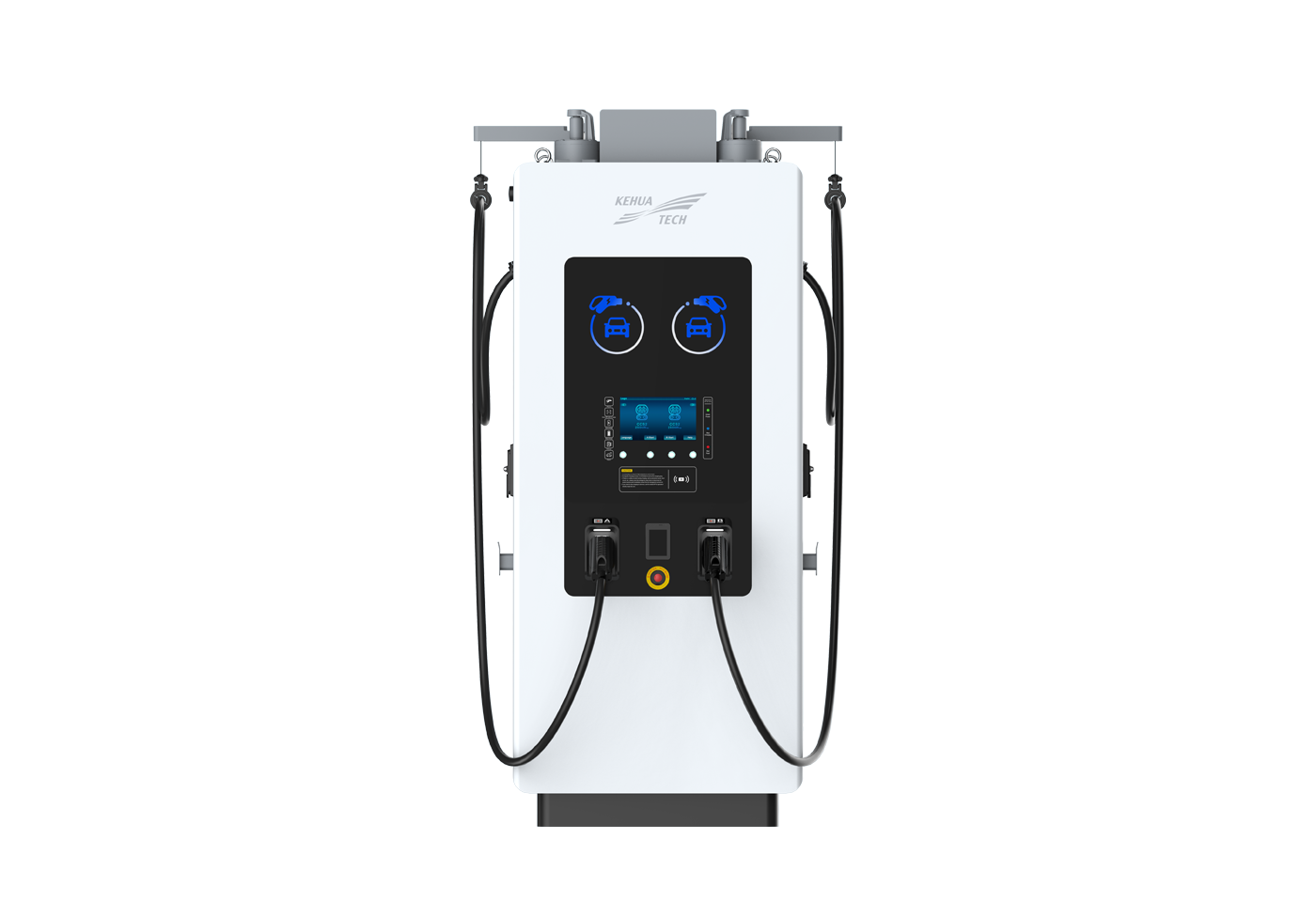
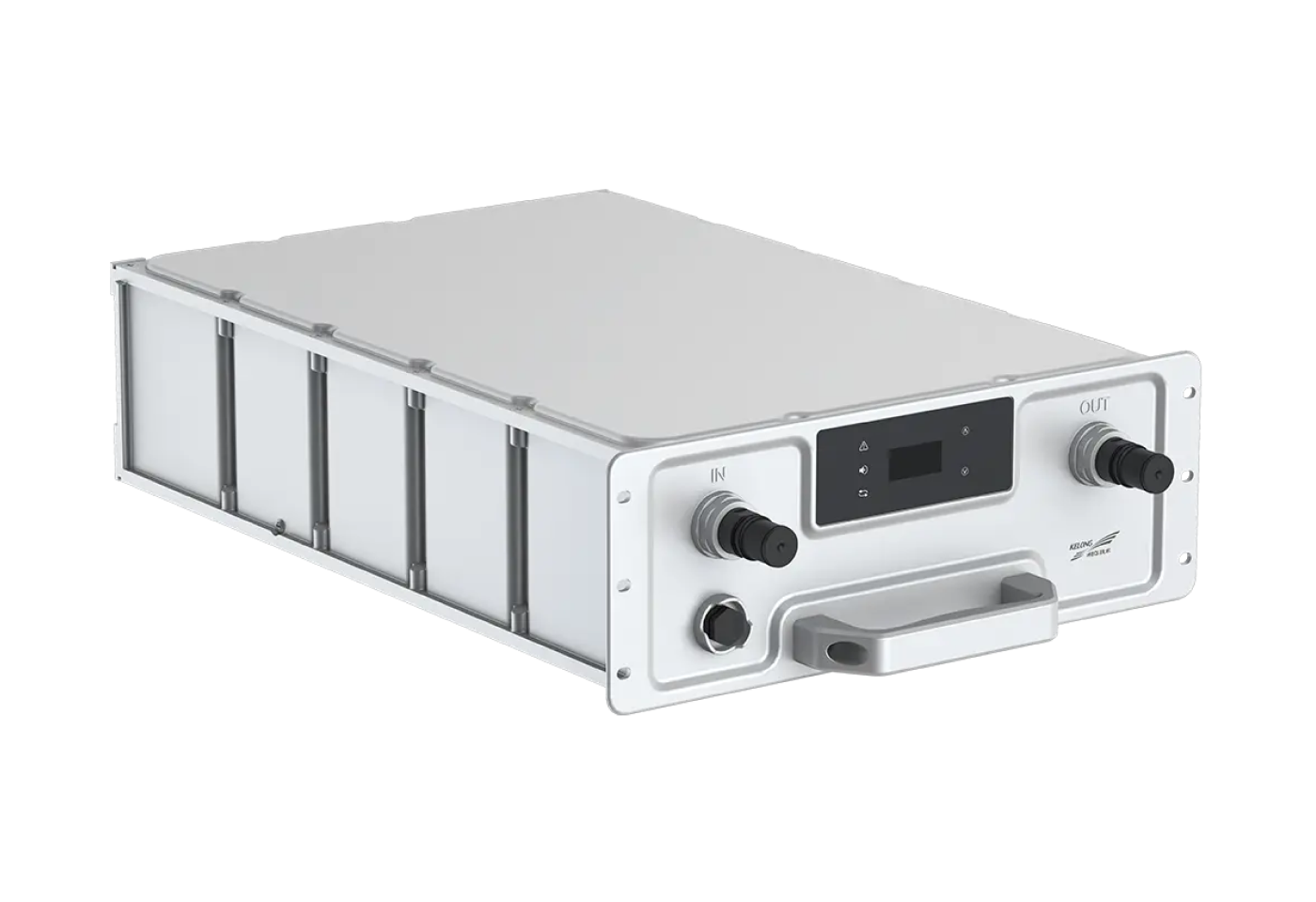
With decades of experience in power electronics, Shenzhen Kehua Hengsheng has developed a portfolio that addresses the high‑power, high‑reliability demands of net‑zero logistics hubs. The company's technology base covers DC charging modules , integrated dc chargers , distributed charging systems , megawatt‑level charging systems , and PV + energy storage integrated solutions , enabling end‑to‑end project delivery for complex logistics sites. [ cn.linkedin ]
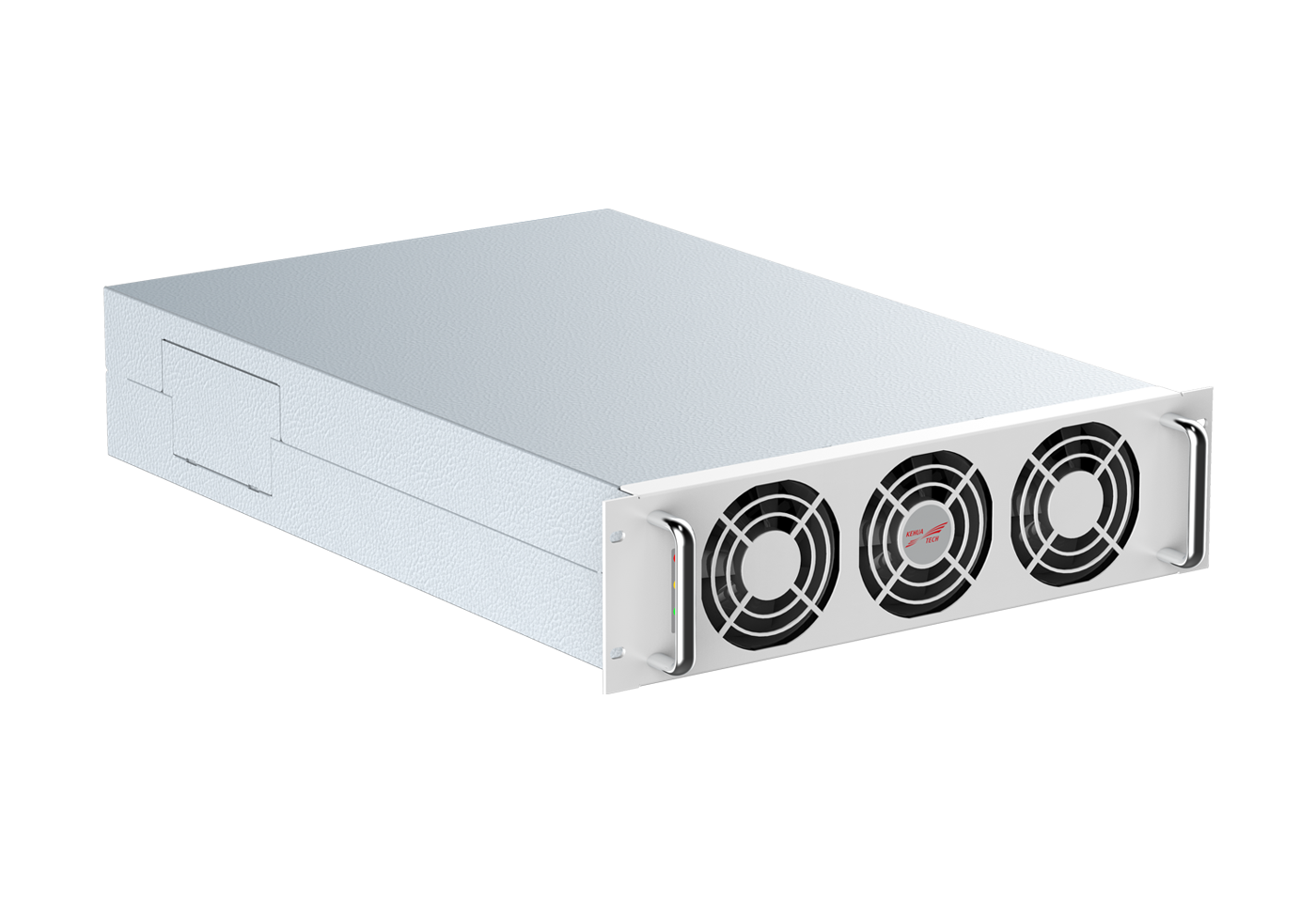
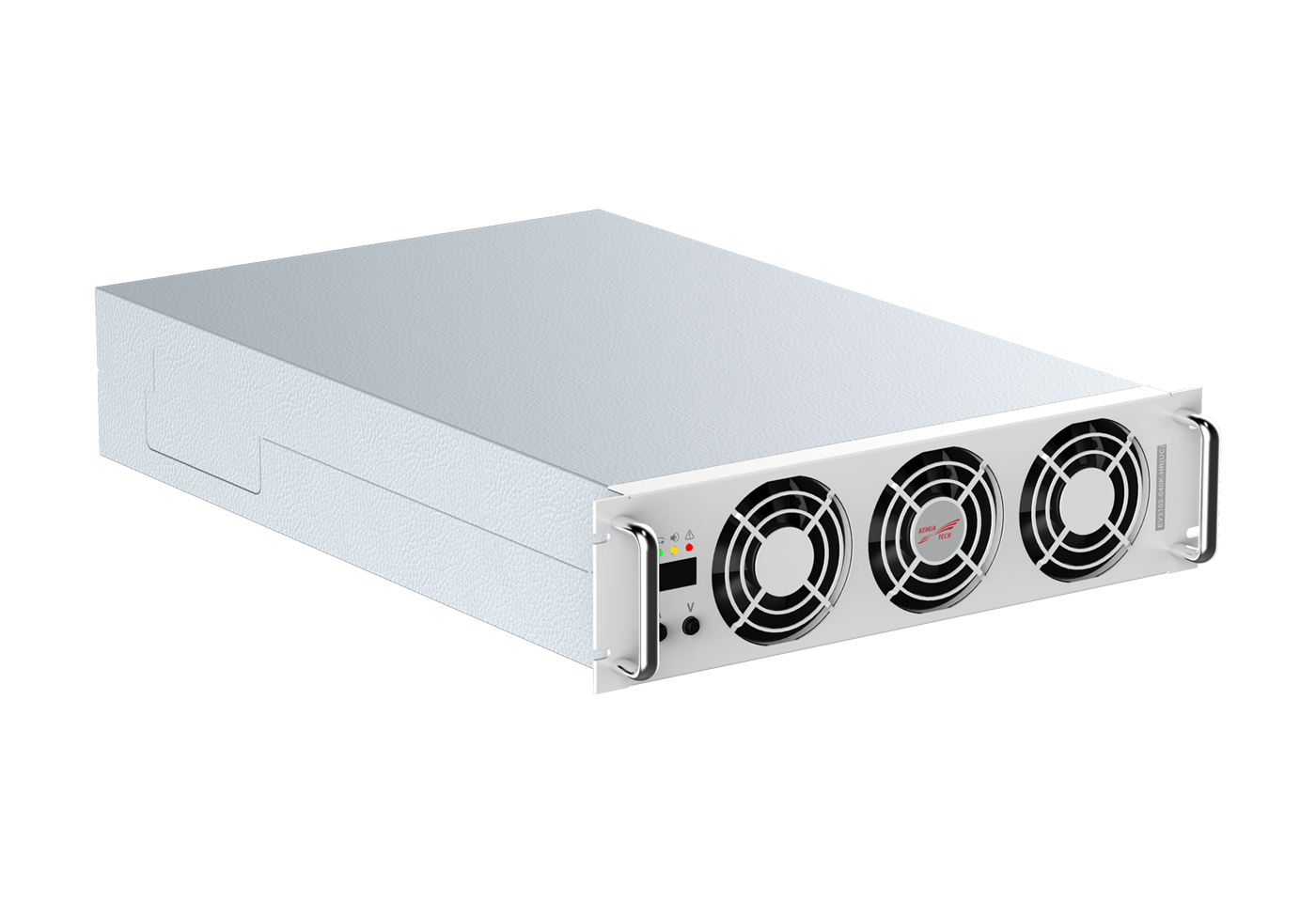
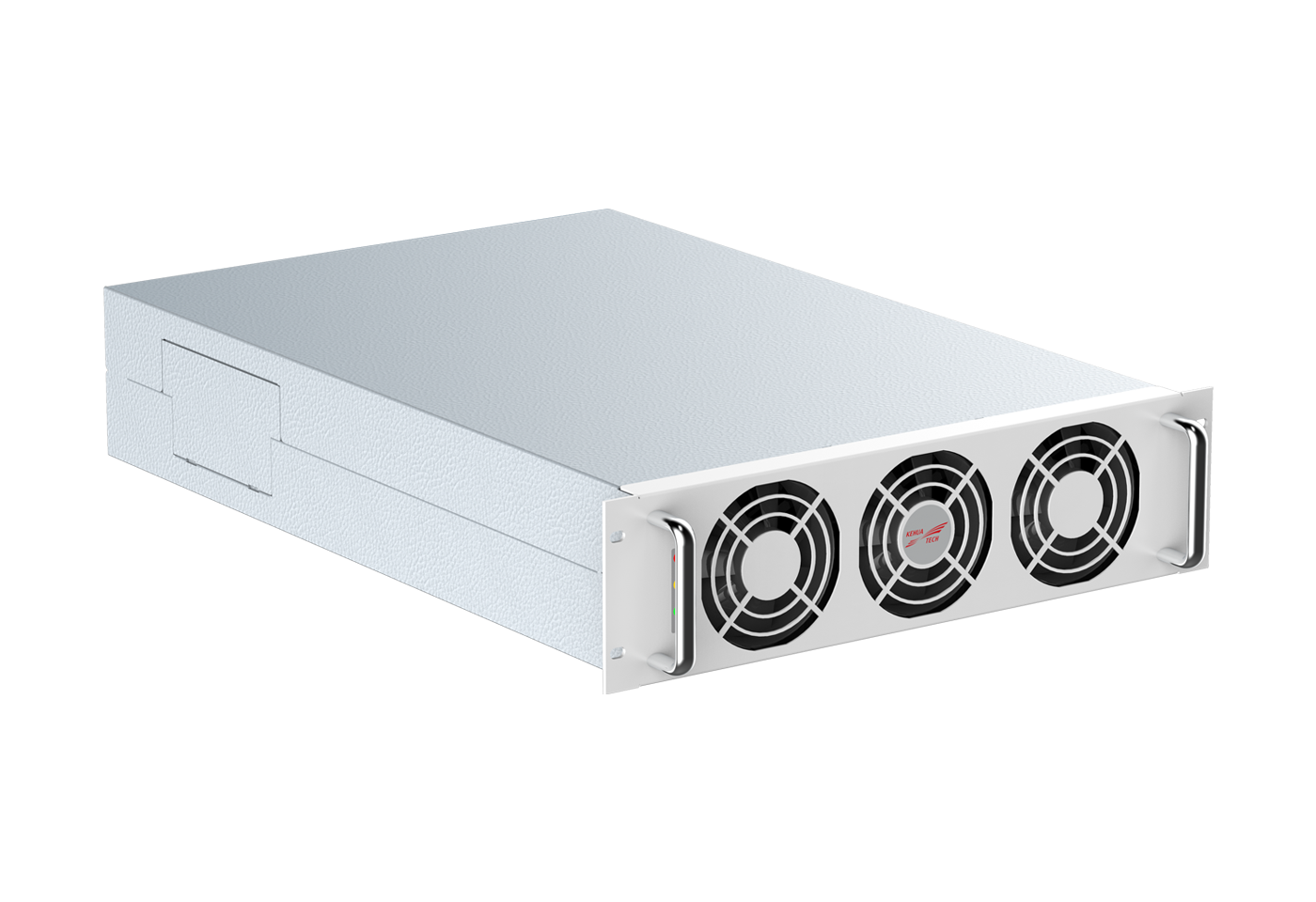
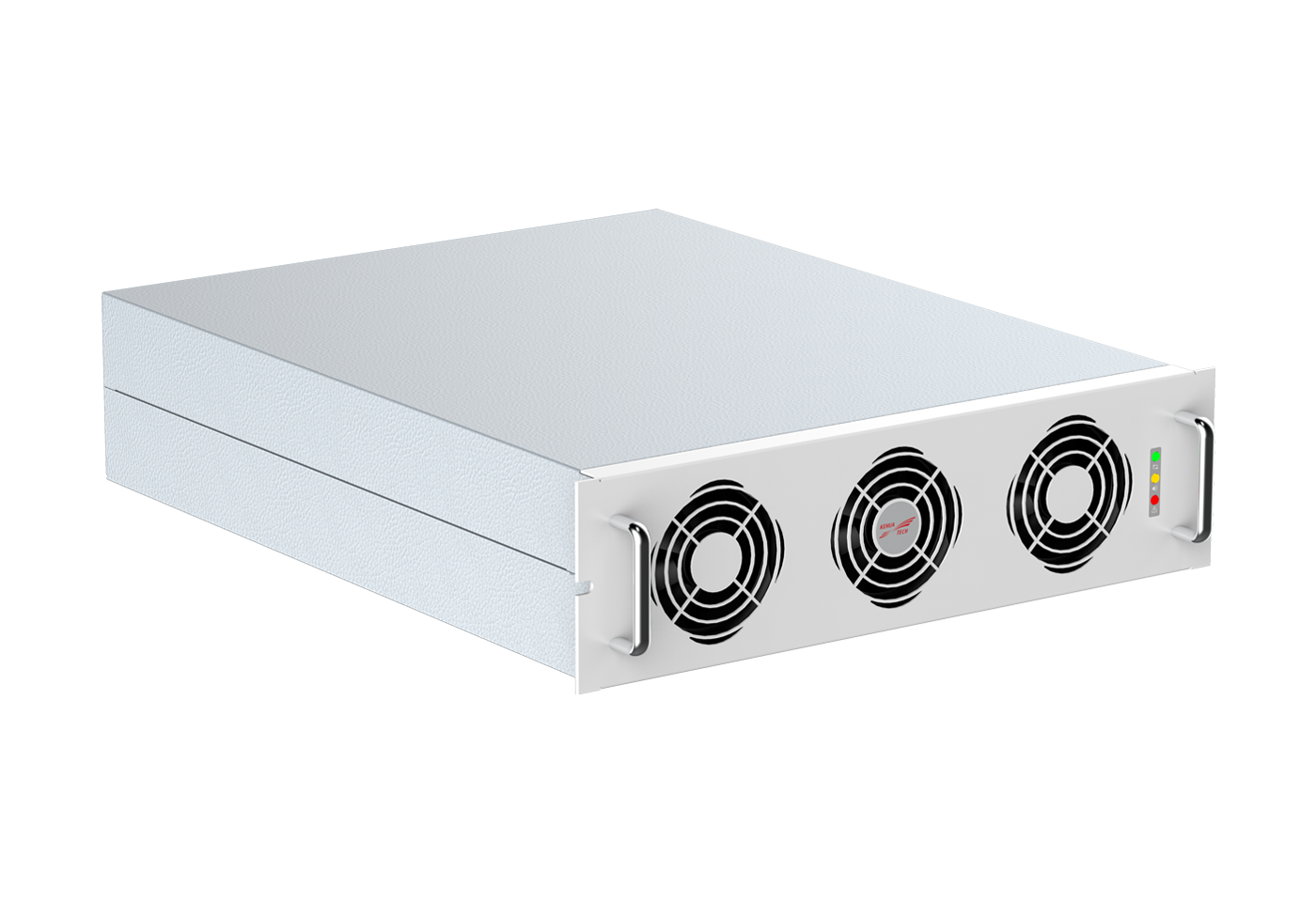
- DC charging modules: High‑efficiency power conversion building blocks that support modular scaling and easy maintenance in both integrated and distributed architectures. [ thesmartere-award ]
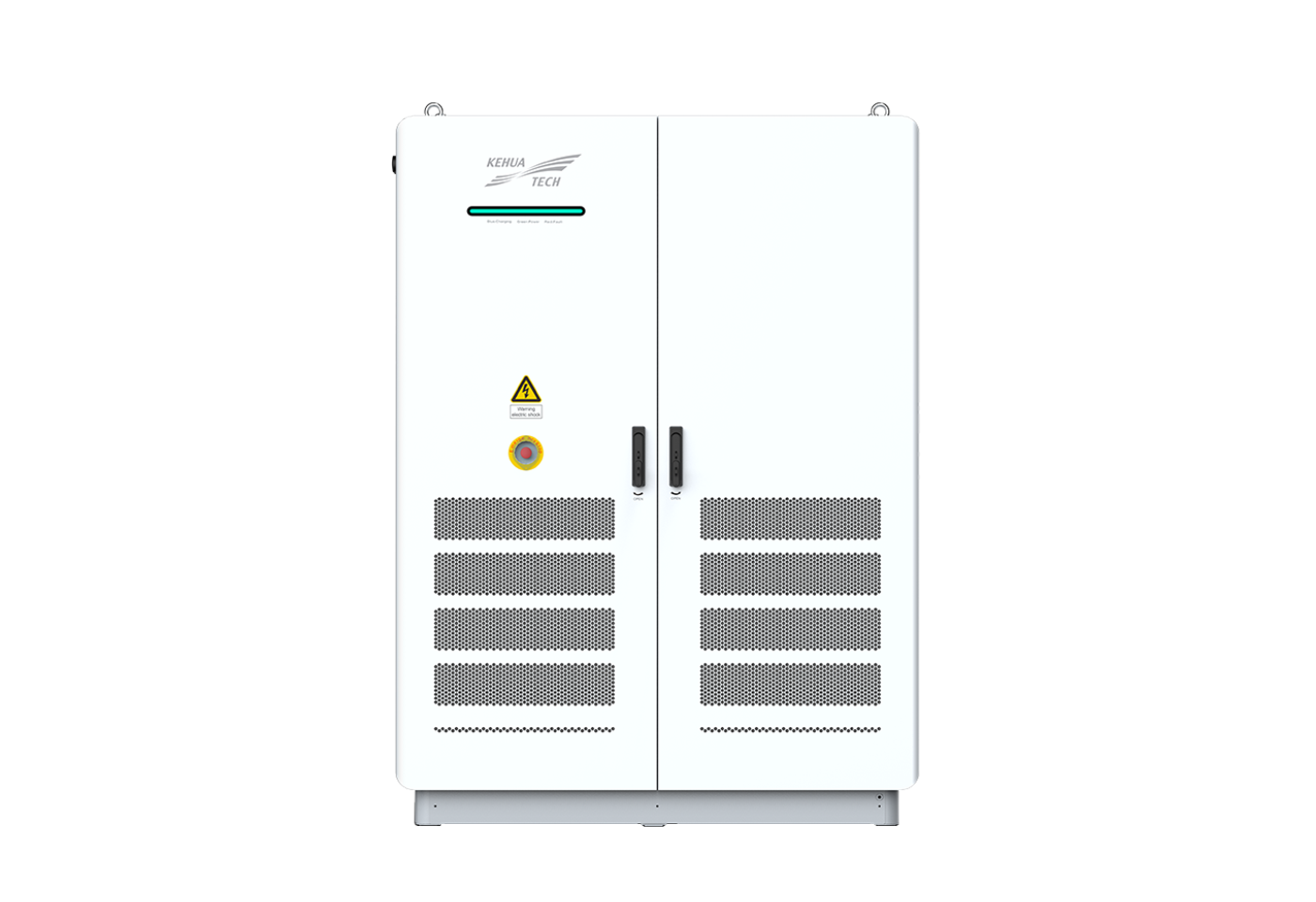
- Integrated dc chargers (approx. 60–180 kW and 240–400 kW classes): Compact solutions suitable for depots and public sites where space and simplicity are priorities. [ en.kehuasz ]
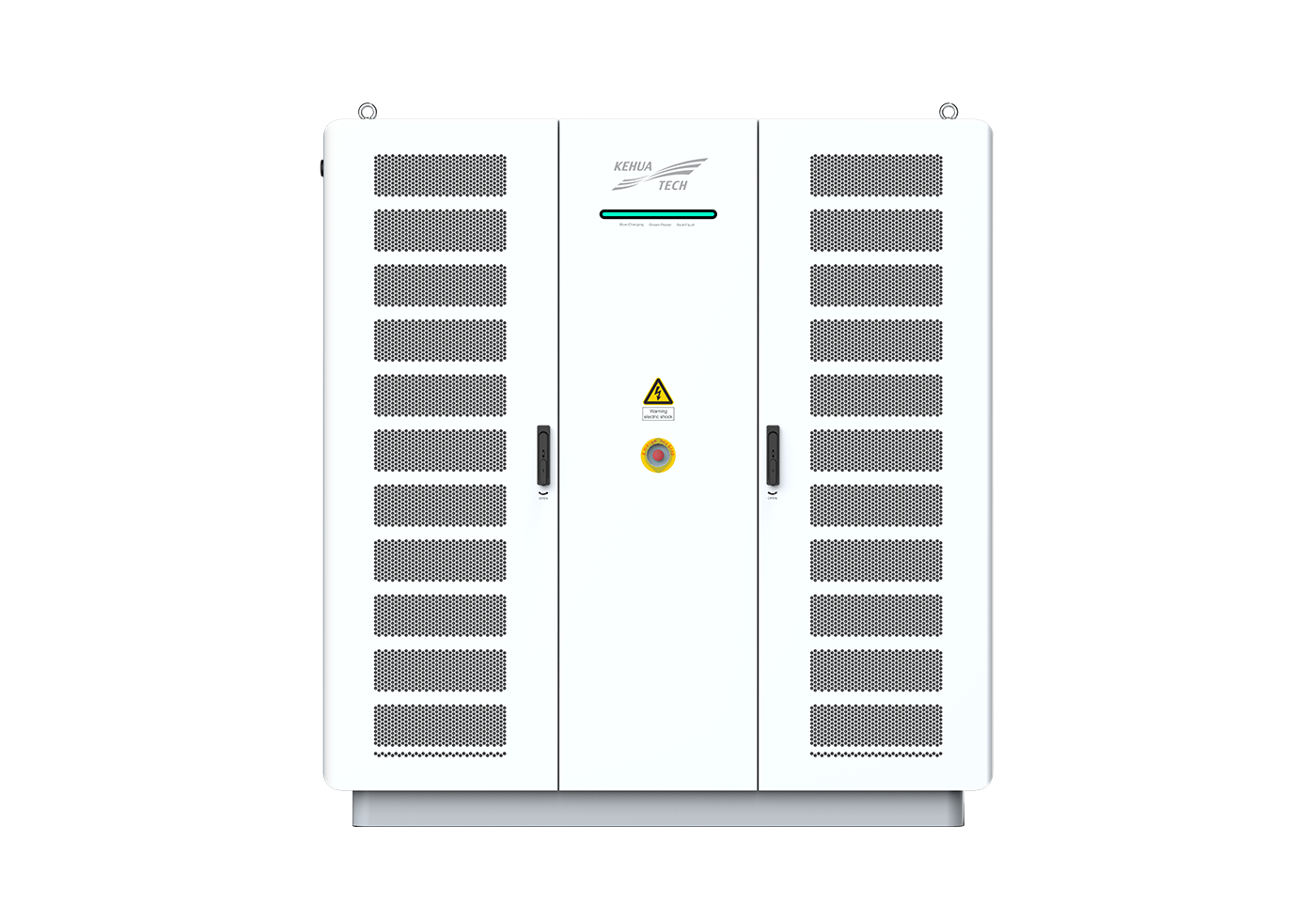
- Distributed charging systems (e.g., 480 kW, 800 kW configurations): Centralized power units feeding multiple dispensers, ideal for large bus or truck depots. [ en.kehuasz ]
- Megawatt‑level charging systems (around 1.2 MW and 1.6 MW): Designed for next‑generation heavy‑duty vehicles and future megawatt charging standards. [ en.kehuasz ]
- PV + energy storage integrated systems: Solutions that combine solar generation, batteries, and EV charging to reduce emissions and optimize energy costs. [ cccme ]
This combination gives logistics operators a unified technology stack rather than a patchwork of incompatible components from multiple vendors. [ kehuasz ]
Practical Design Blueprint for a Net-Zero Logistics Depot
From an industry practitioner's perspective, successful net‑zero logistics projects follow a repeatable design logic rather than a one‑off engineering exercise. A practical blueprint typically includes these steps: [ charin ]
1. Define carbon and energy targets.
- Set a clear timeline (for example, 2030 or 2035) and specify which emissions scopes (vehicle tailpipe, facility electricity, etc.) are in scope.
2. Assess site and load profiles.
- Analyze current and projected energy demand, including EV charging load by vehicle type, route, and dwell time.
3. Optimize rooftop solar potential.
- Evaluate available roof area, structural constraints, and local irradiance to estimate feasible solar capacity and annual generation.
4. Right‑size DC charging infrastructure.
- Match integrated dc chargers to smaller parking clusters and use distributed charging systems to support dense bays for trucks and buses.
5. Plan for megawatt charging.
- Reserve space and capacity for future megawatt‑level charging systems to avoid costly redesigns.
6. Add energy storage and control.
- Use batteries to smooth solar variability, shift loads, and manage peak demand, unlocking a higher share of self‑consumed on‑site generation. [ kehuasz ]
7. Implement phased deployment.
- Start with priority routes and vehicles, then expand capacity as the business case and fleet transition mature.
For operators, this structured approach reduces technical and financial risk while aligning the project with both sustainability and operational KPIs.
Real-World Patterns from Fleet and Depot Projects
Industry projects across Europe, Asia, and the Americas increasingly converge around similar design patterns for net‑zero‑oriented logistics hubs. While the regulatory and tariff environments differ, three recurring themes stand out from recent deployments and public case materials. [ cccme ]
- Hybrid infrastructure portfolios: Most successful depots combine integrated dc chargers for light commercial vehicles with high‑power distributed systems for buses and trucks, instead of relying on one charger type for all use cases. [ charin ]
- Energy‑aware scheduling: Operators that integrate route planning, charging windows, and solar generation forecasts tend to reach higher levels of renewable self‑consumption and lower per‑kilometer energy costs. [ charin ]
- Standardized hardware platforms: Projects built on modular DC charging modules and scalable power units typically achieve faster rollout and simplified maintenance compared to heterogeneous charger fleets. [ thesmartere-award ]
These patterns suggest that net‑zero logistics is not primarily a technology problem anymore; it is an integration and execution challenge that benefits from standardized, high‑power platforms.
TCO and ROI of Solar-Plus-High-Power Charging
Many logistics executives now ask a simple question: "What is the total cost of ownership if we combine rooftop solar with high‑power DC charging?" While the answer is site‑specific, there are common financial drivers that consistently influence ROI. [ charin ]
Key positive drivers:
- Energy cost avoidance: On‑site solar displaces purchased electricity, particularly during high‑tariff daytime periods.
- Demand charge mitigation: Smart control of distributed charging systems can shave peaks and reduce demand charges, which are often a major cost for depots with high‑power loads. [ charin ]
- Deferred grid upgrades: By leveraging solar and energy storage, some sites can delay or avoid costly transformer or feeder reinforcements. [ kehuasz ]
Key risk factors:
- Tariff structures that offer limited benefit for self‑consumption.
- Over‑sizing infrastructure too early relative to fleet electrification timelines.
- Under‑estimating maintenance and operations requirements for complex sites.
When modeled correctly, many projects show attractive payback periods once diesel costs, carbon pricing, and long‑term energy price trends are included in the analysis. [ charin ]
Safety, Reliability, and Compliance for High-Power Depots
As power levels reach hundreds of kilowatts per vehicle and into the megawatt range, safety and reliability become central to both engineering and ESG reporting. Standards for high‑power charging, electrical installation, and functional safety continue to evolve, and logistics operators must treat compliance as a core design criterion. [ charin ]
Best practices include:
- Selecting charging systems built on proven DC power module platforms with robust protections and certifications. [ cccme ]
- Designing clear traffic and parking flows around dispensers to reduce collision risk.
- Implementing remote monitoring and analytics for early fault detection and predictive maintenance.
- Training operational staff on high‑voltage safety, emergency shutdown procedures, and basic troubleshooting.
By prioritizing safety at the design stage, operators protect both personnel and assets while building trust with customers and regulators.
How to Start – A Practical Roadmap for Operators
From conversations with fleet and facility managers, one recurring pain point is knowing where to start in a complex transition to net‑zero logistics. An actionable roadmap can turn strategic intent into a manageable sequence of decisions and pilots. [ charin ]
A pragmatic starting roadmap might look like this:
1. Run a diagnostic workshop.
- Bring together fleet, facilities, sustainability, and finance teams to align on targets and constraints.
2. Commission a feasibility study.
- Evaluate solar potential, depot power capacity, charging requirements, and regulatory conditions.
3. Select a scalable technical platform.
- Choose a solution provider that offers DC charging modules, integrated dc chargers, distributed charging systems, megawatt‑level charging systems, and PV + storage integration under one umbrella. [ kehuasz ]
4. Pilot at one flagship site.
- Use this site to validate operational models, refine charging schedules, and generate internal case data.
5. Standardize and roll out.
- Turn the lessons learned into a standardized blueprint for other depots, accelerating deployment and controlling engineering costs.
This approach helps organizations move beyond isolated pilot projects toward a coherent, multi‑year transformation program.
Actionable Takeaways for Decision-Makers
For logistics and fleet leaders, the path to net‑zero logistics is clearer when framed as a set of concrete decisions rather than a technology wishlist. The combination of rooftop solar, energy storage, and high‑power DC charging—built on scalable modules and distributed architectures—offers a robust foundation for both decarbonization and long‑term cost control. [ en.kehuasz ]
When selecting partners, prioritize solution providers that:
- Offer a complete portfolio from DC charging modules to megawatt‑level systems and PV + storage integration.
- Demonstrate a track record in high‑power, mission‑critical power electronics.
- Provide long‑term service, monitoring, and upgrade paths as fleet requirements evolve. [ cn.linkedin ]
Call to Action: Plan Your Net-Zero Depot
If your logistics network is planning large‑scale fleet electrification, now is the time to architect an integrated roadmap for solar, storage, and high‑power DC charging. Engaging early with a technology partner that can deliver DC charging modules, integrated dc chargers, distributed charging systems, megawatt‑level charging systems, and PV + energy storage integrated solutions will help you accelerate deployment while minimizing long‑term risk. [ kehuasz ]
To explore how a rooftop‑solar‑plus‑high‑power‑charging architecture could work at your depots, consider initiating a feasibility and design discussion with a specialist engineering team focused on logistics and fleet applications. [ kehuasz ]
FAQ
1. How much rooftop solar do I need to support a net-zero logistics depot?
The required capacity depends on annual vehicle kilometers, energy consumption per kilometer, local solar irradiance, and roof area; feasibility studies typically model multiple scenarios before final sizing. [ charin ]
2. Are high-power distributed charging systems only suitable for large fleets?
No, distributed architectures can also benefit medium‑sized depots that expect growth, because they allow modular scaling and flexible parking configurations without redesigning the entire site. [ en.kehuasz ]
3. Can I start with integrated dc chargers and add distributed systems later?
Yes, many operators begin with integrated dc chargers for initial fleet transitions and introduce distributed systems as heavy‑duty vehicles and higher utilization arrive, provided the initial electrical design anticipates future expansions. [ en.kehuasz ]
4. How do megawatt-level charging systems affect my grid connection?
Megawatt systems significantly increase peak demand, which is why combining them with rooftop solar, energy storage, and intelligent load management is essential to keep grid upgrades and demand charges under control. [ kehuasz ]
5. What is the typical project timeline for a solar-plus-high-power charging depot?
Depending on permitting, grid approvals, and construction complexity, timelines can range from under a year for smaller sites to 18–24 months for large, multi‑megawatt hubs with substantial civil and electrical works. [ charin ]
References
[ https://www.kehuasz.com ] [ kehuasz ]
[ https://www.charin.global/community/shenzhen-kehua-hengsheng-technology-co-ltd/ ] [ charin ]
[ https://www.kehuasz.com/eu/contact-us.html ] [ kehuasz ]
[ https://en.kehuasz.com/eu/products.html ] [ en.kehuasz ]
[ https://cn.linkedin.com/company/shenzhen-kehua-ev-charger ] [ cn.linkedin ]
[ https://www.cccme.cn/shop/cccme4532/introduction.aspx ] [ cccme ]
[ https://www.thesmartere-award.com/hall-of-fame/thesmartere-award-winners-2025/shenzhen-kehua-hengsheng ] [ thesmartere-award ]
Hot Tags: Net-Zero Logistics, Rooftop Solar For Logistics, High-Power Distributed Charging, DC Charging System For Depots, Megawatt Charging For Trucks, PV ESS Fleet Solutions, Logistics Depot Electrification, Heavy Duty EV Charging, Distributed Charging System, Megawatt Level Charging System

