

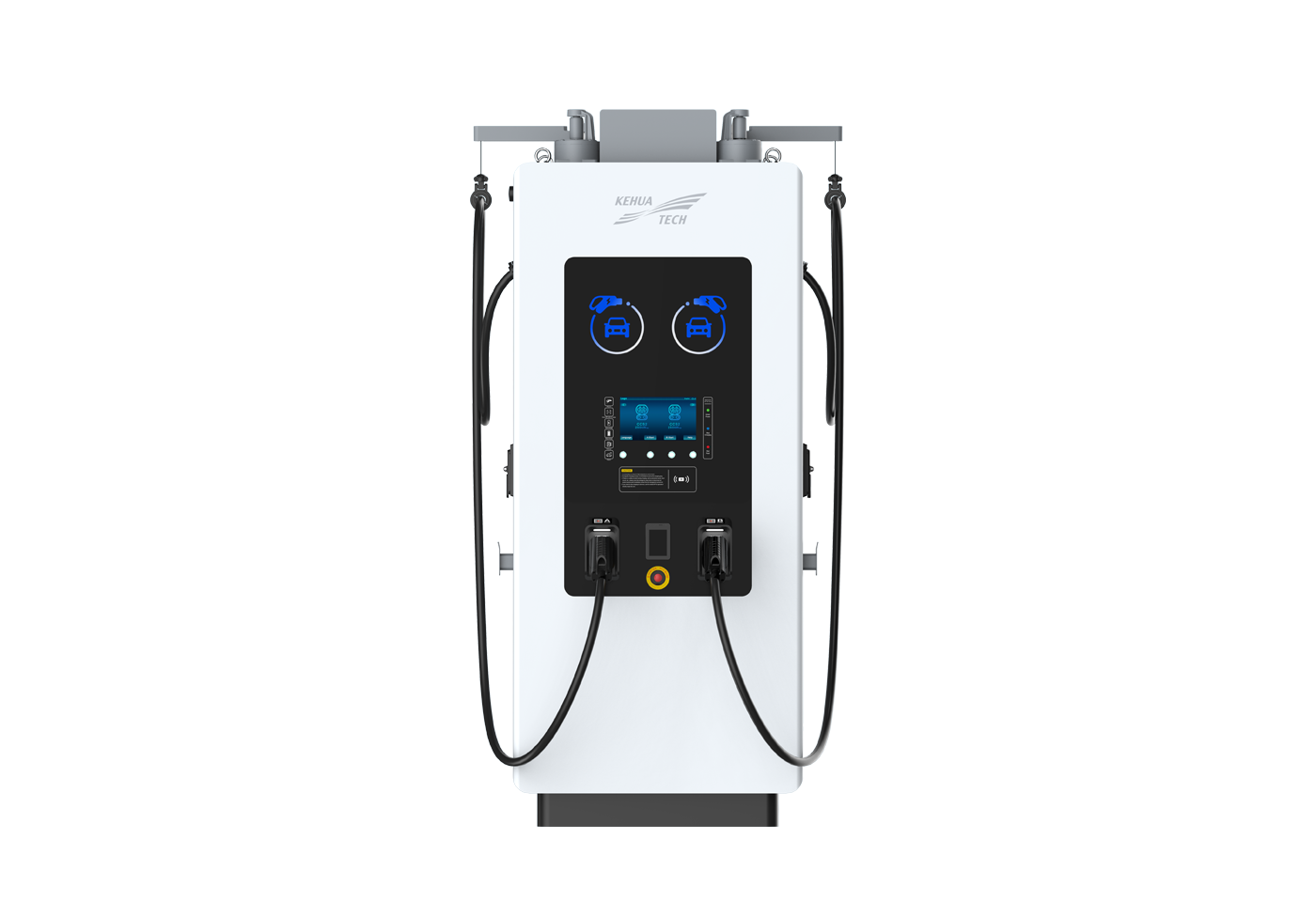
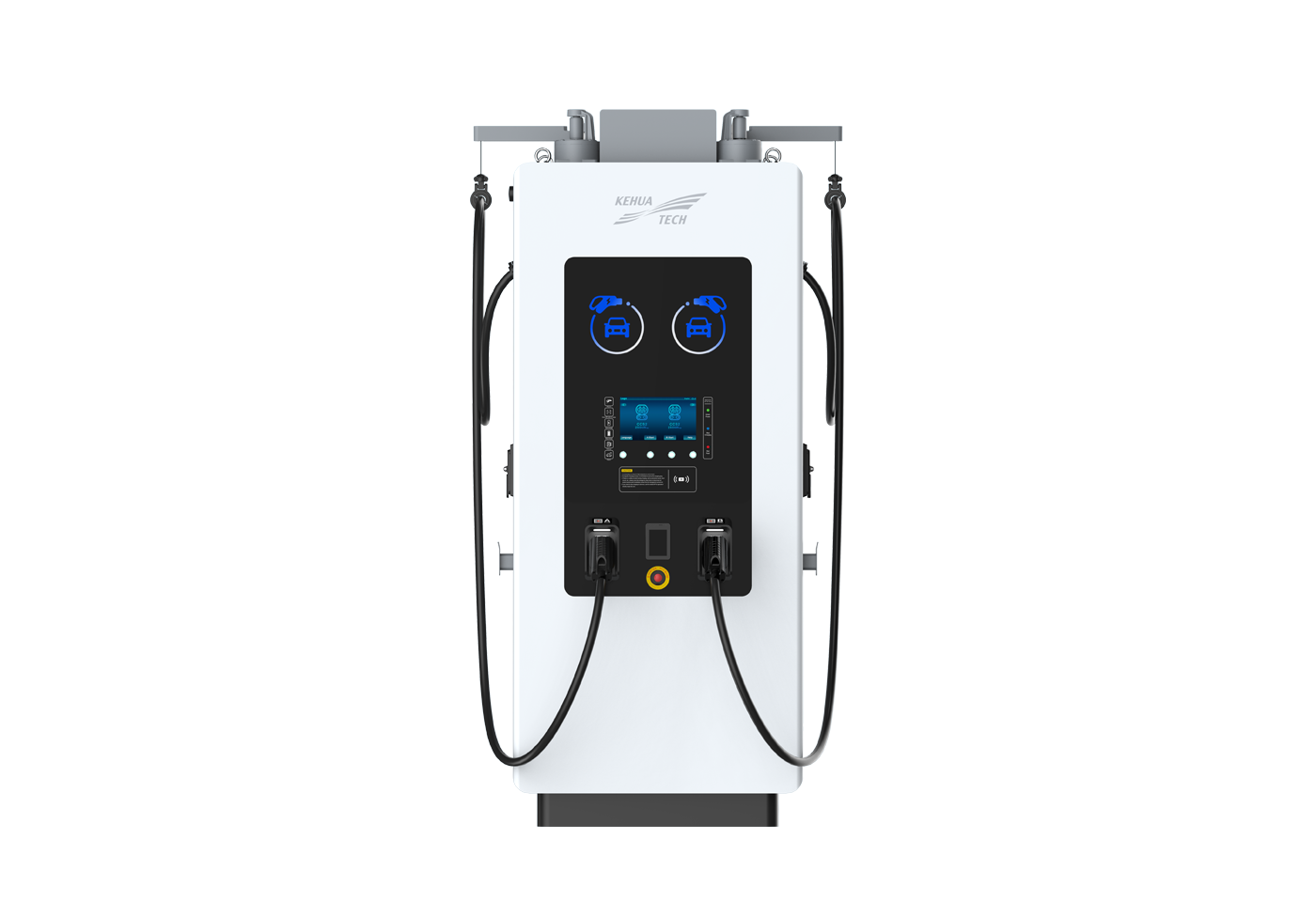
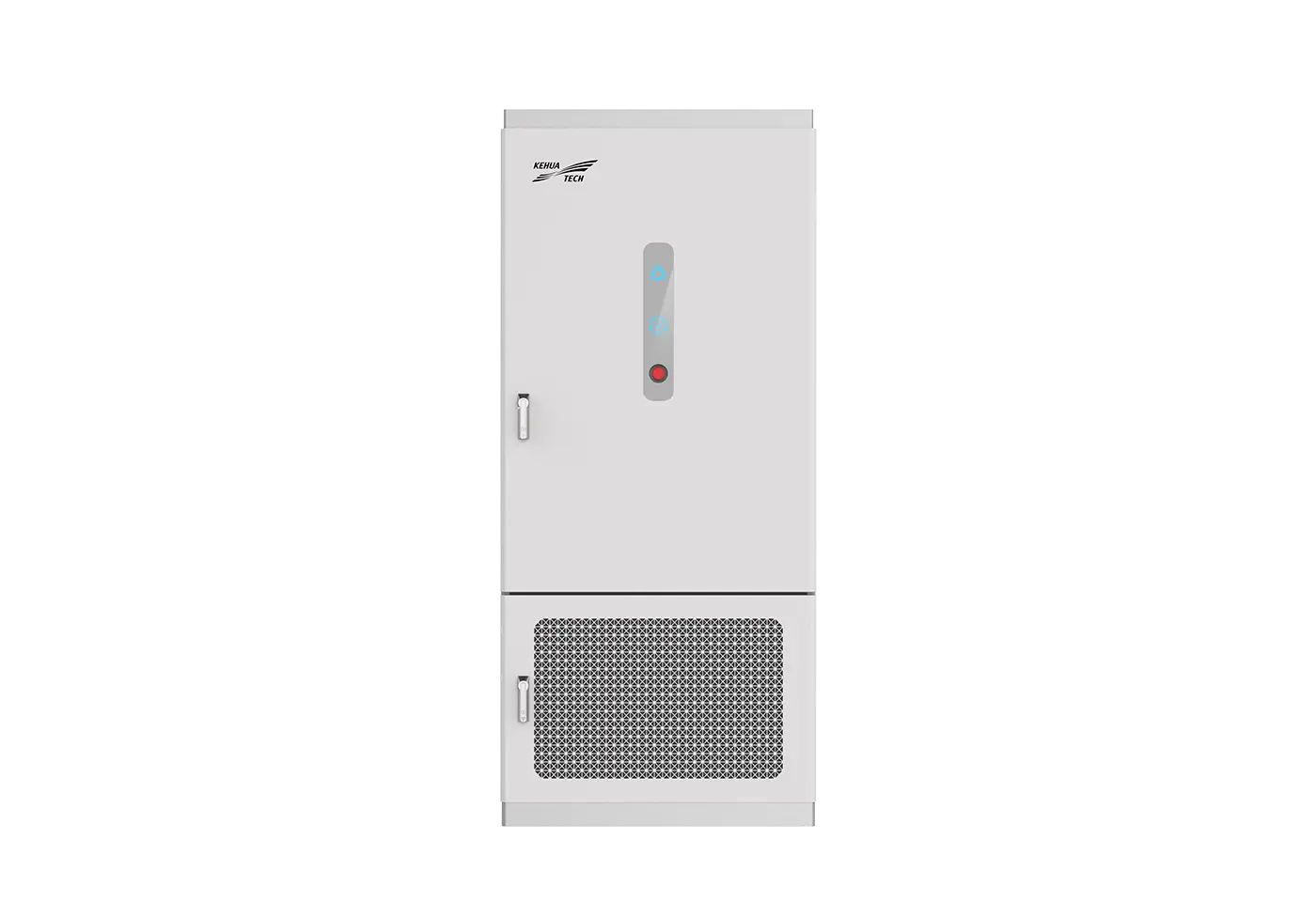


- Electric Bus Charging Upgraded: Fast & Flexible
- Shenzhen Kehua’s 40 kW High-Efficiency SiC Charging Module Achieves CE, CB, and UL Certifications
- Shenzhen Kehua Unveils High-Reliability All-in-One DC Charger for the ASEAN Market
- Shenzhen Kehua’s Scalable Megawatt Power Unit: Pioneering the Next Era of High-Power Charging for Green Mobility
- Growth Opportunities in the EV Charging Industry Amid the Global Transportation Electrification
- The Future of Fleet Charging: Building Efficient and Reliable Charging Infrastructure
Industrial Decarbonization: Switching Forklift Fleets to Integrated DC Charger Solutions


Content Menu
● What Industrial Decarbonization Really Means for Forklift Fleets
● Why Forklift Electrification Is Accelerating
● From AC Islands to Integrated DC Charger Solutions
● The Business Case: Costs, Downtime, and Emissions
>> Emissions and Corporate Targets
● Why DC Matters More Than Ever
● How Integrated DC Charger Systems Work on Site
● Shenzhen Kehua Hengsheng's Role in Forklift Fleet Decarbonization
● Step‑by‑Step Roadmap: Switching to Integrated DC Chargers
>> 2. Charging strategy and design
● Common Pitfalls and How to Avoid Them
● Real‑World Lessons from Fleet Case Studies
● Diesel vs. Integrated DC Electric Fleets at a Glance
● Next Steps for Fleet and Operations Leaders
● Call to Action: Build Your Integrated DC Roadmap
● Frequently Asked Questions (FAQ)
An integrated DC charging ecosystem is becoming one of the fastest, most cost‑effective levers for industrial decarbonization, especially for warehouses and factories switching from diesel or LPG forklifts to electric fleets. By redesigning charging around high‑efficiency DC chargers, modular power units, and smart load management, operators can cut emissions, stabilize operations, and future‑proof their logistics infrastructure. [hoppecke]
What Industrial Decarbonization Really Means for Forklift Fleets
Industrial decarbonization is no longer a sustainability slogan; it is a concrete operational roadmap for how factories, warehouses, ports, and logistics hubs remove fossil fuels from their day‑to‑day operations. For forklift fleets, this typically means phasing out diesel and LPG trucks in favor of electric forklifts supported by reliable, scalable charging infrastructure. [nexcapenergy]
From my perspective as a practitioner working with logistics and manufacturing clients, the bottleneck is rarely the forklift itself—it is almost always the charging system. If charging is slow, fragmented, or poorly planned, electrification stalls and business leaders lose confidence in their decarbonization targets. [nationalgridus]
Why Forklift Electrification Is Accelerating
Several converging forces are pushing material handling toward electric fleets:
- Stricter emissions targets from governments and large customers, especially in Europe and North America. [hoppecke]
- Rising diesel costs and volatility that complicate long‑term cost planning. [hoppecke]
- Health and safety concerns around emissions and noise inside warehouses and production facilities. [hoppecke]
- Proven performance of lithium‑ion forklifts and fast‑charging systems in multi‑site deployments. [vision-batt]
A flagship case is Travis Perkins in the UK, which began replacing up to 1,100 diesel forklifts across 440 locations as part of its decarbonization strategy, targeting a significant reduction in CO₂ emissions by 2027. Their experience highlights a pattern I see across the industry: once the first sites demonstrate stable uptime and predictable costs, management confidence rises and fleet‑wide rollout accelerates. [hoppecke]
From AC Islands to Integrated DC Charger Solutions
Many early forklift electrification projects started with scattered AC chargers, added site by site and brand by brand. Over time, this creates:
- Fragmented maintenance and spare parts
- Non‑standard user experiences for operators
- Poor visibility on energy use and charging performance
Industrial operators are now moving toward integrated DC charger solutions centered on:
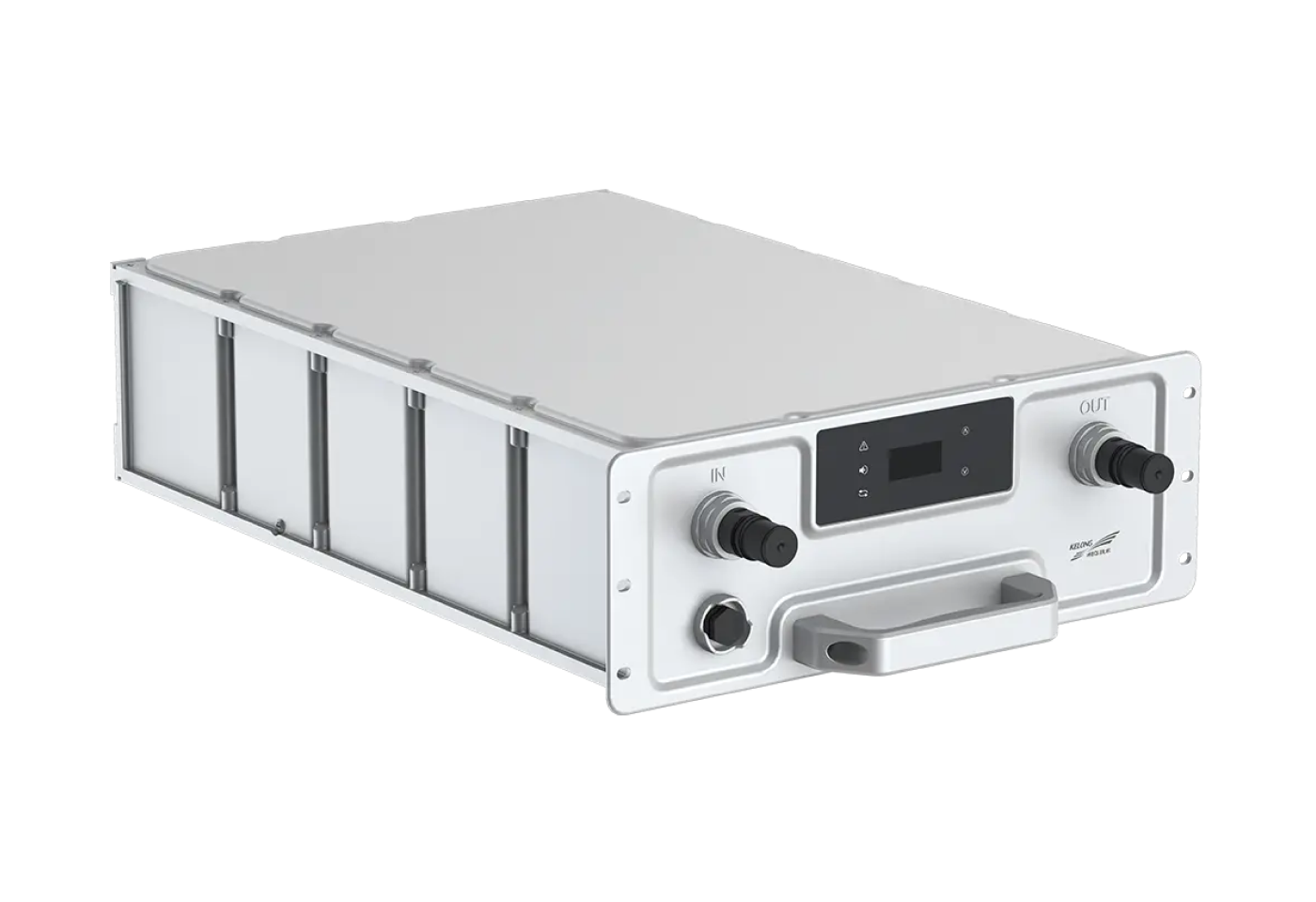
- High‑efficiency charging modules that can flex from low‑power to ultra‑fast charging. [kehuasz]
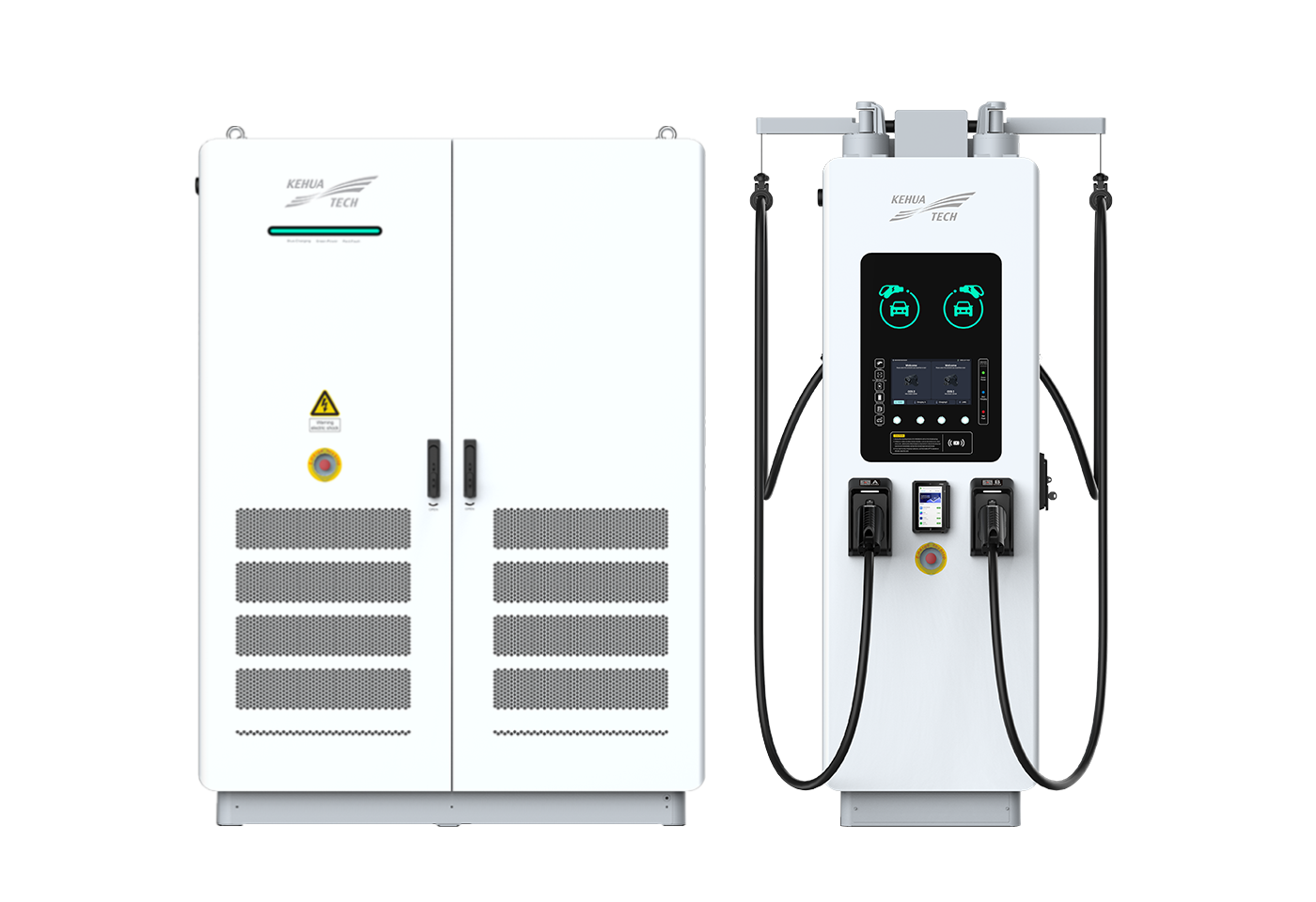
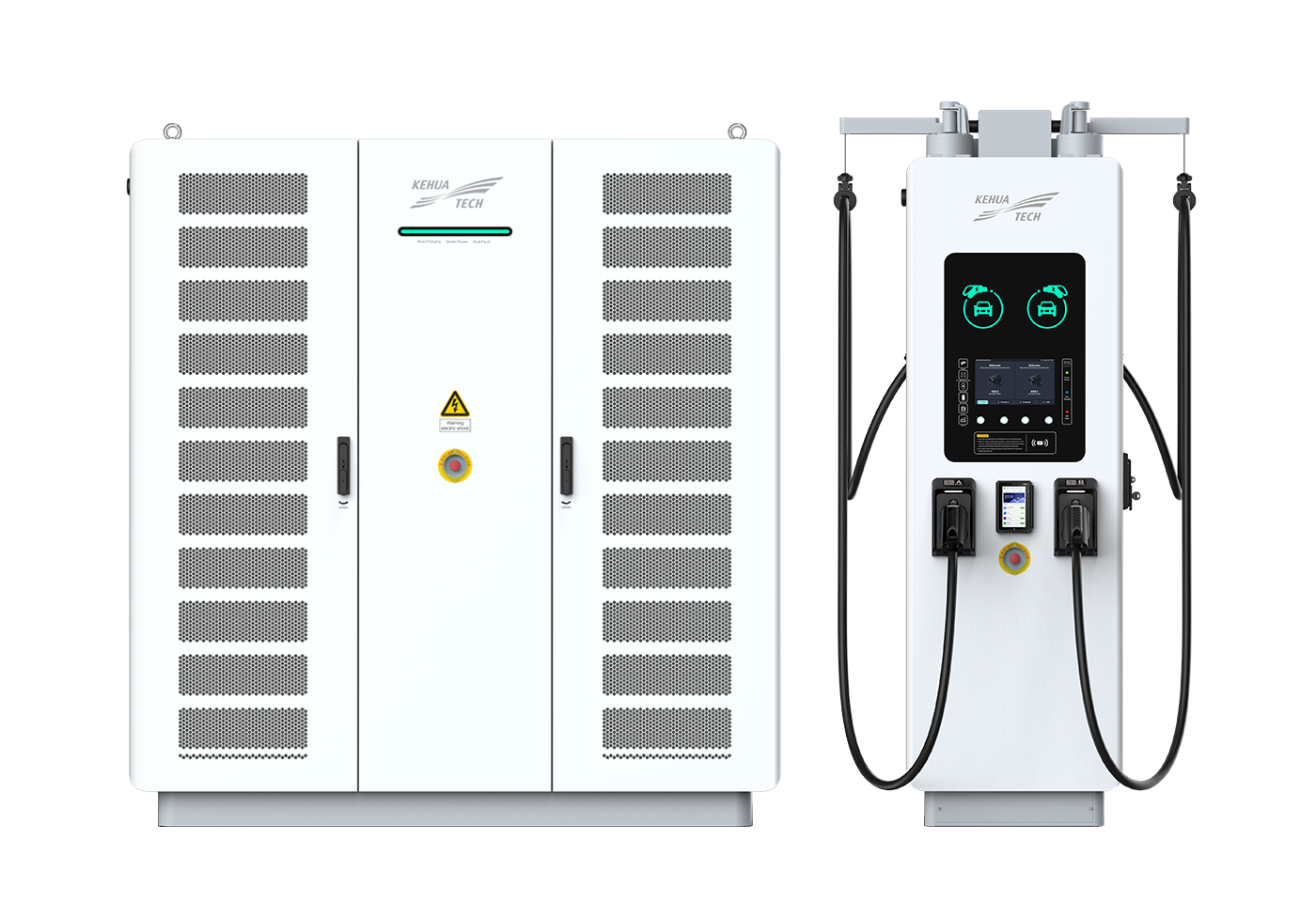
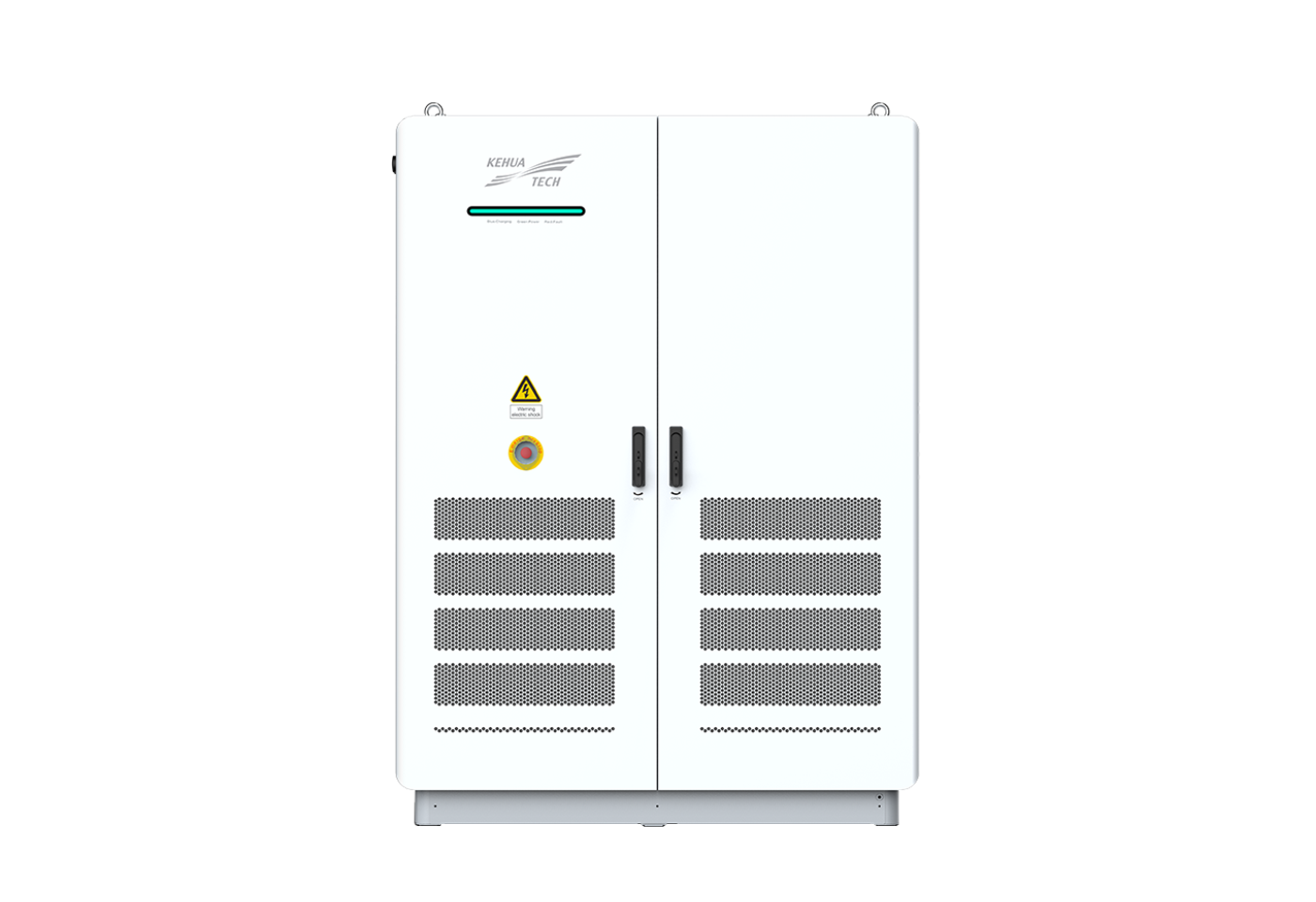
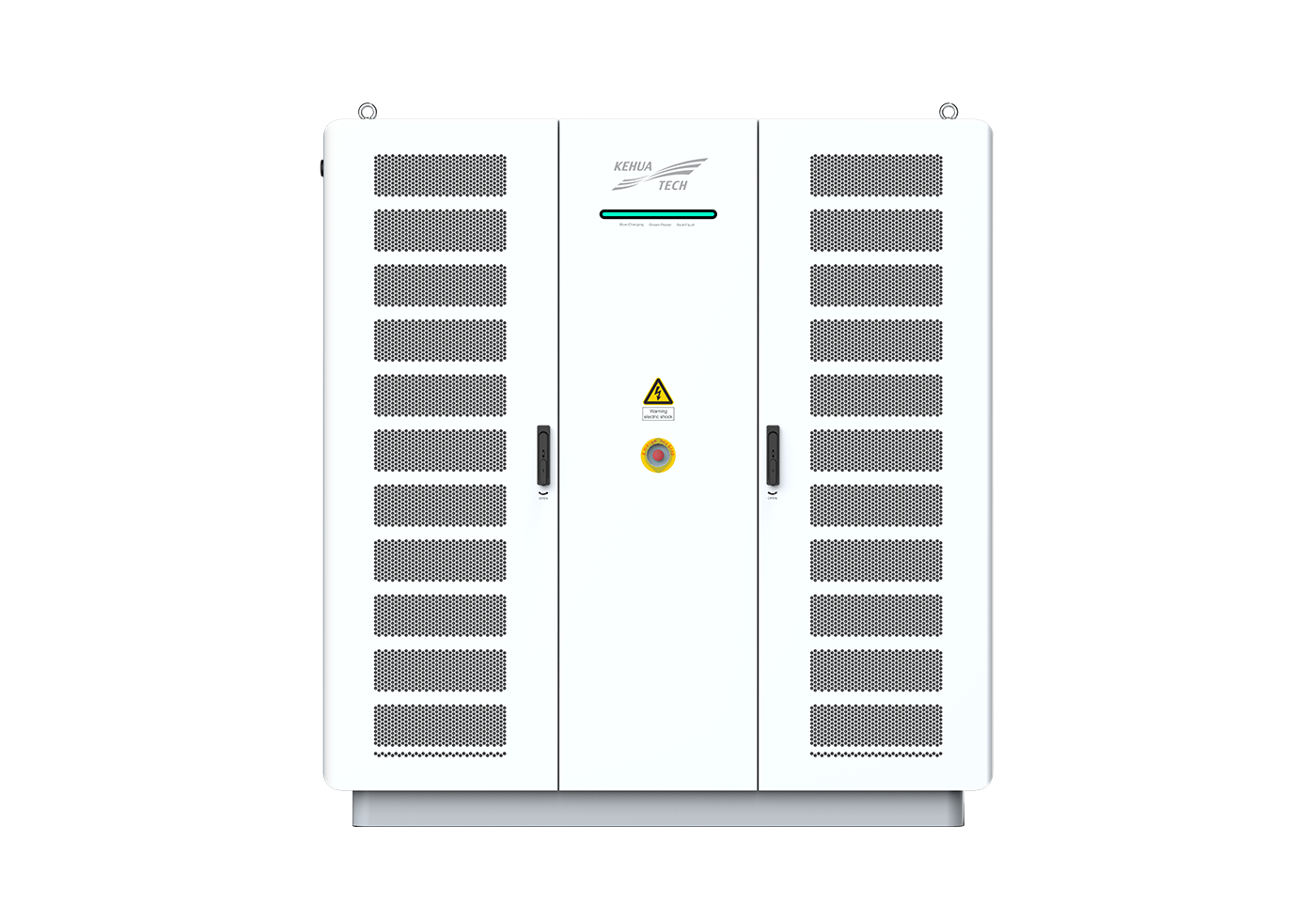
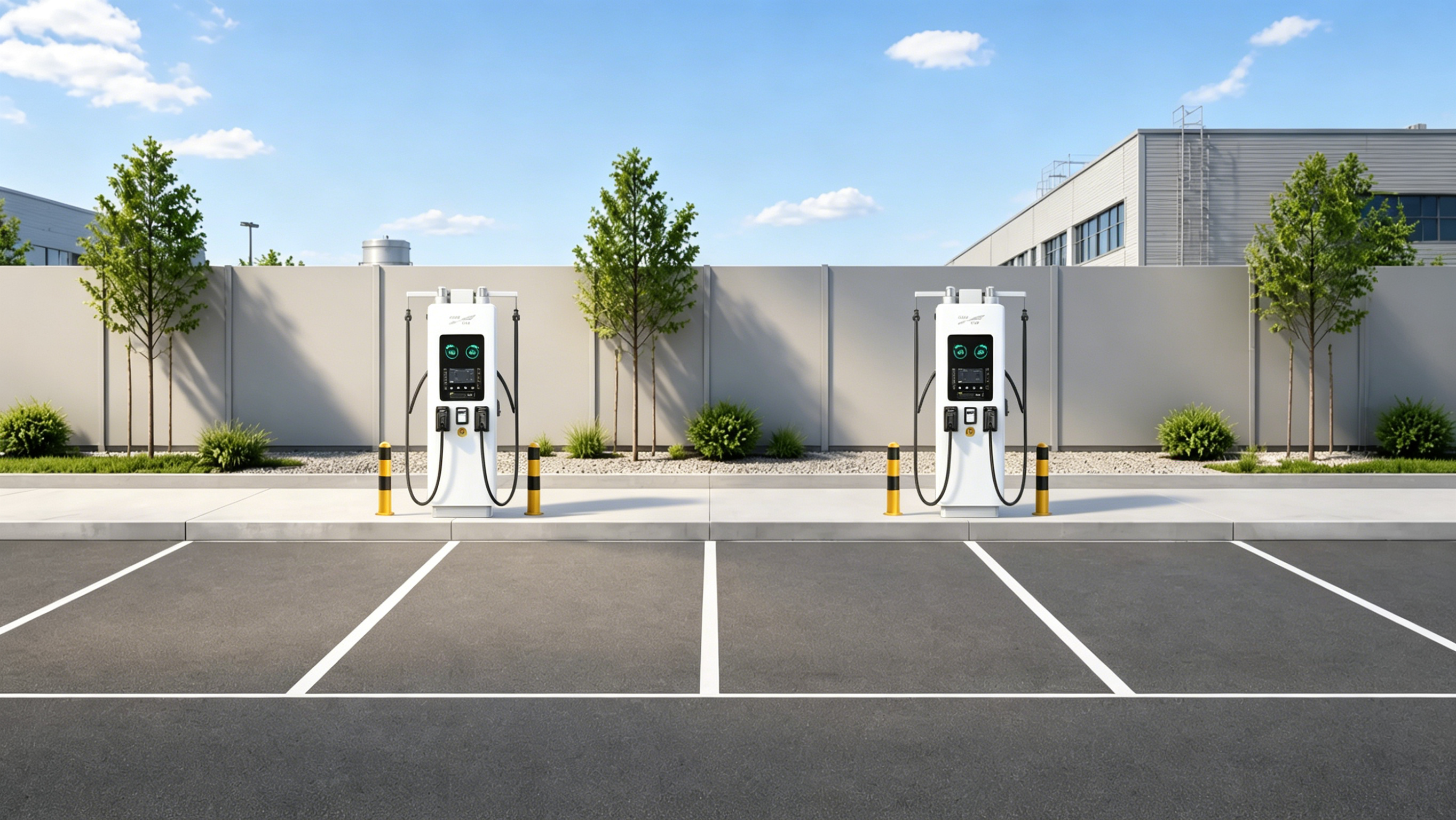
- Shared power cabinets feeding multiple DC dispensers, rather than one fixed charger per forklift parking spot. [kehuasz]
- PV‑ESS‑Charging systems that combine solar and battery storage with DC chargers to shave peaks and reduce grid dependence. [kehuasz]
This shift transforms charging from a fixed, siloed asset into a flexible energy platform that can grow with the fleet and support additional loads such as yard tractors or future heavy‑duty vehicles. [kehuasz]
The Business Case: Costs, Downtime, and Emissions
When I evaluate forklift charging projects with clients, three KPIs dominate the discussion: total cost of ownership, operational uptime, and carbon impact.
Cost and Downtime
Fast‑charging lithium forklift batteries can reach around 80% state of charge in roughly one hour, enabling opportunity charging during breaks instead of long overnight cycles. This reduces or even eliminates battery swapping, a change that significantly cuts labor time and safety risks associated with handling heavy battery packs. [vision-batt]
Ultra‑fast DC charging solutions support:
- Multi‑shift 24/7 operations without expanding fleet size just to cover charging gaps. [nexcapenergy]
- Smaller spare forklift pools, because each unit spends less time out of service. [vision-batt]
- Lower maintenance costs versus diesel engines and complex hydraulic systems. [hoppecke]
Emissions and Corporate Targets
In the Travis Perkins example, switching from diesel to electric forklifts across hundreds of sites is expected to avoid thousands of tons of CO₂ per year, contributing meaningfully to its science‑based climate targets. When aggregated with building and transport decarbonization measures, optimized forklift charging becomes a visible and quantifiable contributor to corporate ESG reporting. [hoppecke]
Why DC Matters More Than Ever
From a technical and operational standpoint, DC charging brings three critical advantages for industrial fleets:
1. Power density and speed
High‑power DC chargers support ultra‑fast charging cycles, making them ideal for intense forklift usage with small charging windows. [nexcapenergy]
2. Scalable architecture
Modular DC power units allow operators to start with a smaller system and expand capacity as more forklifts or higher power levels are needed. [kehuasz]
3. Energy integration
DC architectures make it easier to integrate photovoltaic (PV) generation and energy storage, managing power flows more efficiently at the site level. [kehuasz]
In my experience, the projects that stall are usually those that underestimate long‑term load growth, grid constraints, and the need for flexible, high‑power charging—precisely the areas where DC‑centric designs excel. [nationalgridus]
How Integrated DC Charger Systems Work on Site
A typical integrated DC solution for forklift fleets can be visualized as three layers:
1. Power foundation
- Grid connection and switchgear
- Optional PV arrays and battery storage for peak shaving and resilience [kehuasz]
2. Centralized DC power cabinets
- High‑efficiency charging modules and power units
- Load management and protection systems [kehuasz]
3. Multiple DC dispensers in the field
- Dispensers located in dock areas, aisles, and outdoor parking
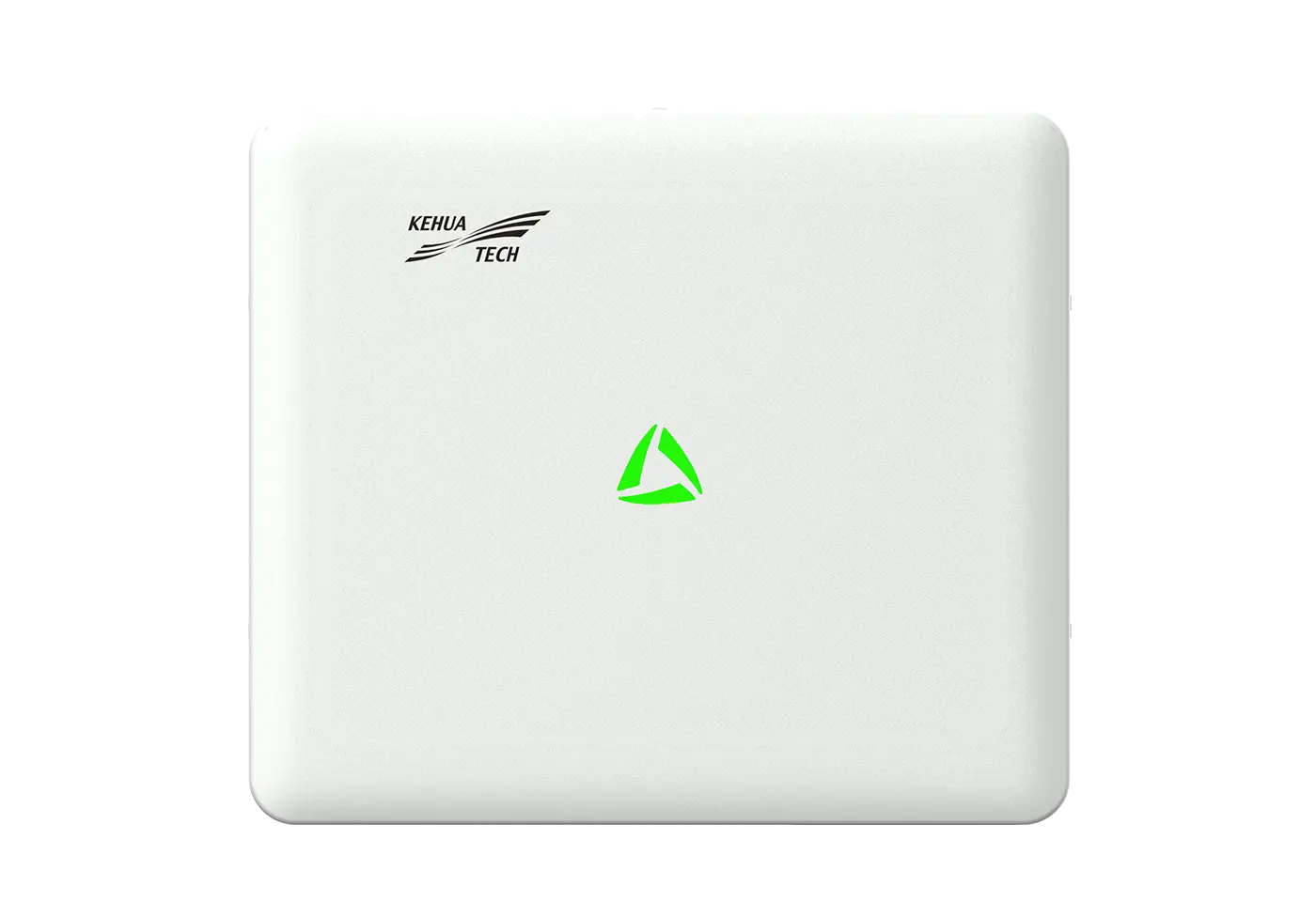
- Configurable cables and connectors to match different forklift models [kehuasz]
Instead of installing a full charger at each parking spot, the operator shares a high‑power DC backbone across several dispensers, improving utilization and simplifying upgrades. [nationalgridus]
Shenzhen Kehua Hengsheng's Role in Forklift Fleet Decarbonization
As a reliable EV charging equipment provider, Shenzhen Kehua Hengsheng Technology Co., Ltd. develops and manufactures charging modules, DC fast chargers, high‑power systems, and PV‑ESS‑Charging solutions for industrial and commercial use. With decades of expertise in power electronics, the company focuses on robust hardware and integrated system design that fits demanding logistics and manufacturing environments. [en.kehuasz]
For forklift fleets, this translates into:
- High‑efficiency DC charging modules optimized for continuous industrial duty. [kehuasz]
- DC fast chargers and megawatt‑class systems that can scale with growing electric fleets and heavier equipment. [kehuasz]
- PV‑ESS‑Charging configurations that help warehouses leverage rooftop solar and on‑site storage to reduce grid peaks and energy costs. [kehuasz]
From an operator's perspective, this kind of portfolio makes it easier to design one coherent charging and energy strategy instead of mixing isolated products from multiple vendors. [kehuasz]
Step‑by‑Step Roadmap: Switching to Integrated DC Chargers
Based on industry best practices and multi‑site case studies, a practical roadmap for forklift fleet electrification with DC charging looks like this:
1. Baseline assessment
- Inventory forklifts by type, operating hours, and duty cycle across all sites.
- Map current and projected energy demand, including future electrification of other vehicles. [nationalgridus]
- Identify grid constraints and opportunities for on‑site PV and storage. [nationalgridus]
2. Charging strategy and design
- Define charging windows (breaks, shift changes, overnight) and uptime requirements.
- Choose an integrated DC architecture with centralized power cabinets and strategically placed dispensers.
- Prioritize high‑traffic areas and critical operations in the first rollout wave. [nexcapenergy]
3. Pilot deployment
- Start with one or a few representative sites that capture typical load patterns and layout constraints.
- Monitor charger utilization, forklift downtime, and operator feedback over several months. [nationalgridus]
- Fine‑tune power levels, dispenser locations, and operating procedures based on real‑world data. [nexcapenergy]
4. Multi‑site scale‑up
- Standardize on proven DC configurations, safety procedures, and training materials.
- Roll out geographically or by business priority, leveraging lessons learned from the pilot. [hoppecke]
- Integrate charging data into central energy and operations dashboards for continuous optimization. [nationalgridus]
Common Pitfalls and How to Avoid Them
From my work with industrial operators, I see the same mistakes repeat across different regions and sectors:
- Underestimating power demand
Planning only for today's forklifts, not for future expansions or additional electric assets, leads to undersized infrastructure and expensive retrofits later. [nationalgridus]
- Ignoring layout and traffic patterns
Placing dispensers in low‑traffic corners forces inefficient detours and idle time for operators. [nexcapenergy]
- Over‑complicating the user experience
Multiple user interfaces, log‑in flows, and inconsistent labeling make adoption harder, especially for large teams with high staff turnover. [nexcapenergy]
- Treating charging as a side project
Successful projects elevate charging to a core infrastructure upgrade, involving operations, maintenance, energy, and finance teams from the start. [hoppecke]
Explicitly planning around these risks usually shortens the payback period and strengthens internal support for further electrification.
Real‑World Lessons from Fleet Case Studies
Two patterns from public fleet case studies are especially relevant for forklift operators:
1. Scale can be an advantage
In large fleet programs, such as Travis Perkins' multi‑site forklift electrification, standardizing hardware and processes across dozens or hundreds of locations creates economies of scale and accelerates learning. [hoppecke]
2. Infrastructure takes longer than vehicles
A US distribution fleet electrifying heavy trucks has shown that installing permanent charging and on‑site energy systems can take two years or more, even when temporary DC fast chargers are used in the interim. For forklift fleets, planning ahead on permits, grid upgrades, and civil works is just as critical. [chargedevs]
For logistics directors, this means the right time to design an integrated DC strategy is before ordering the next wave of electric forklifts, not after. [chargedevs]
Diesel vs. Integrated DC Electric Fleets at a Glance
| Aspect | Diesel Forklift Fleet | Electric Fleet with Integrated DC Charging |
|---|---|---|
| Energy source | Fossil fuel deliveries and on‑site storage tanks hoppecke | Grid electricity plus optional PV and storage on site kehuasz |
| Operating emissions | High tailpipe and indoor emissions hoppecke | Zero local exhaust emissions, lower lifecycle CO₂ hoppecke |
| Downtime | Refueling is fast, but engines need frequent service hoppecke | Fast opportunity charging, fewer moving parts to maintain vision-batt |
| Infrastructure | Fuel tanks, pumps, safety systems hoppecke | DC power cabinets, multiple dispensers, possible PV‑ESS kehuasz |
| Scalability | Limited by fuel logistics and emissions caps hoppecke | Scales with modular DC power and additional dispensers kehuasz |
| Data visibility | Limited operational data | Detailed charging and energy analytics per fleet and site nationalgridus |
Next Steps for Fleet and Operations Leaders
If you are responsible for decarbonizing material handling or warehouse logistics, the most effective next steps are:
1. Run a decarbonization and charging audit across your forklift fleet to understand actual energy use, duty cycles, and site constraints.
2. Engage a charging equipment provider with deep DC and industrial experience to model power needs, PV‑ESS potential, and layout options. [en.kehuasz]
3. Launch a focused pilot at one or two representative sites, with clear KPIs around uptime, costs, and emission reductions. [hoppecke]
4. Standardize and scale your integrated DC architecture across sites once the pilot proves stable, prioritizing locations with the highest throughput. [hoppecke]
By treating charging as strategic infrastructure—not just another piece of equipment—you position your organization to meet decarbonization targets while improving operational resilience.
Call to Action: Build Your Integrated DC Roadmap
If your forklifts are still running on diesel or your electric fleet is constrained by fragmented charging, now is the right time to rethink your infrastructure around integrated DC solutions. An experienced equipment partner can help you design a scalable architecture that supports your current forklifts and prepares your site for the next wave of electrification. [en.kehuasz]
Reach out to a specialized DC charging provider to discuss your forklift duty cycles, site layouts, and decarbonization goals—and turn your industrial operations into a resilient, low‑carbon logistics hub. [en.kehuasz]
Frequently Asked Questions (FAQ)
1. Why should I switch from diesel to electric forklifts now?
Growing regulatory pressure, customer expectations, and cost volatility in diesel are making electric forklifts more attractive, especially when paired with high‑efficiency DC charging that supports multi‑shift operations. [hoppecke]
2. How is an integrated DC system different from traditional chargers?
Instead of standalone chargers at each parking spot, an integrated DC system uses centralized power cabinets that feed multiple dispensers, improving utilization, scalability, and energy optimization. [kehuasz]
3. Can DC charging support 24/7 forklift operations without adding extra trucks?
Yes, fast‑charging lithium‑ion batteries and ultra‑fast DC chargers enable opportunity charging during breaks and shift changes, which can support continuous multi‑shift operations with fewer spare trucks. [vision-batt]
4. Do I need solar or energy storage to implement DC charging?
Not necessarily, but integrating PV and storage into a DC architecture can reduce peak demand charges, improve resilience, and further lower emissions, especially at energy‑intensive sites. [kehuasz]
5. How long does it typically take to deploy infrastructure across multiple sites?
Large fleet case studies suggest that planning, permitting, and building permanent charging infrastructure can take up to two years, so early planning and phased deployment are essential. [chargedevs]
References
- Hoppecke – *Decarbonising the Forklift Fleet: Travis Perkins Case Study*
https://www.hoppecke.com/fileadmin/Redakteur/Hoppecke-Main/Products-Import/trak_case_study_decarbonising_forklift_fleet_Travis_Perkins.pdf [hoppecke]
- Vision Group – *How Fast-Charging Lithium Forklift Batteries Boost Warehouse Productivity*
https://www.vision-batt.com/en/news/show/fast-charging-forklift-batteries.html [vision-batt]
- Nexcap – *How Ultra-Fast Charging Forklifts Reduce Warehouse Downtime*
https://nexcapenergy.com/ultra-fast-charging-forklifts-reduce-warehouse-downtime/ [nexcapenergy]
- National Grid – *EV Fleet Case Studies and Grid Impact Study*
https://www.nationalgridus.com/ev-fleet-hub/Tools/Case-Studies [nationalgridus]
- Charged EVs – *California Fleet Operator Provides a Two-Year Case Study of Electrifying Class 8 Trucks*
https://chargedevs.com/newswire/california-fleet-operator-provides-a-two-year-case-study-of-electrifying-class-8-trucks/ [chargedevs]
- Shenzhen Kehua Hengsheng – *Company Profile and EV Charging Solutions*
https://www.kehuasz.com/global/company-profile.html
https://www.kehuasz.com
https://www.kehuasz.com/eu [kehuasz]
Hot Tags: Industrial Decarbonization, Forklift Fleets, Integrated DC Charger Solutions, DC Fast Charging, Electric Forklifts, Warehouse Logistics, PV ESS Charging, Charging Modules, Megawatt Charging System, Customized, Custom, Suppliers, Cheap, Quality, Advanced, Durable, in Stock, Price, Quotation

