



- Electric Bus Charging Upgraded: Fast & Flexible
- Shenzhen Kehua’s 40 kW High-Efficiency SiC Charging Module Achieves CE, CB, and UL Certifications
- Shenzhen Kehua Unveils High-Reliability All-in-One DC Charger for the ASEAN Market
- Shenzhen Kehua’s Scalable Megawatt Power Unit: Pioneering the Next Era of High-Power Charging for Green Mobility
- Growth Opportunities in the EV Charging Industry Amid the Global Transportation Electrification
- The Future of Fleet Charging: Building Efficient and Reliable Charging Infrastructure
Last-Mile Delivery: Fast-Deploying Integrated DC Chargers for E-Van Distribution Centers


Content Menu
● Introduction: Why Last‑Mile Fleets Need Better DC Charging
● The E‑Van Last‑Mile Challenge
● What "Fast‑Deploying Integrated DC Chargers" Really Mean
● Core Components for Modern E‑Van Depots
>> High‑Efficiency DC Charging Modules
>> DC Fast Chargers and Distributed Systems
>> Megawatt‑Level Charging Systems for Large Depots
● Integrating PV and Energy Storage at Distribution Centers
● Practical Deployment Steps for Fleet Operators
● Expert Insights on System Reliability and Safety
● Global Last‑Mile Trends and Regulatory Drivers
● Enhancing User Experience at E‑Van Depots
● Example Use Case: Scaling an Urban E‑Van Hub
● Call to Action: Plan Your Next E‑Van Depot With Integrated DC Charging
● FAQs on Integrated DC Charging for Last‑Mile E‑Vans
Introduction: Why Last‑Mile Fleets Need Better DC Charging
Last‑mile delivery operators are under intense pressure to electrify their fleets while keeping uptime and delivery SLAs on track. Fast‑deploying integrated DC chargers for e‑van distribution centers have become a critical enabler for this transition, especially where depot space is tight and load profiles are complex. From my experience working with fleet operators and integrators, the real challenge is not just installing hardware, but building a charging ecosystem that is scalable, grid‑friendly, and easy to operate day‑to‑day. [ kehuasz ]
In this article, I take a practitioner's view of how integrated DC charging systems and megawatt‑level architectures can transform last‑mile e‑van depots, drawing on Shenzhen Kehua Hengsheng Technology Co., Ltd.'s (Kehua) portfolio of DC charging modules, DC fast chargers , megawatt charging systems , and PV‑ESS‑Charging solutions . The goal is to show how distribution centers can deploy reliable, future‑proof DC infrastructure fast—without compromising safety, energy efficiency, or total cost of ownership. [ kehuasz ]
The E‑Van Last‑Mile Challenge
Electrifying last‑mile delivery fleets looks simple on paper but is complex in practice. Operators must juggle route planning, charging windows, grid constraints, and vehicle utilization while avoiding any impact on customer delivery times. [ charin ]
Key pain points I see repeatedly in projects:
- High daily mileage and narrow charging windows for e‑vans returning to depots late and departing early.
- Limited grid capacity in urban or brownfield sites where distribution centers are located.
- Space constraints in loading yards , where chargers must coexist with logistics operations and safety corridors.
- Need for predictable, repeatable charging workflows for drivers and operations teams, especially across multi‑site networks.
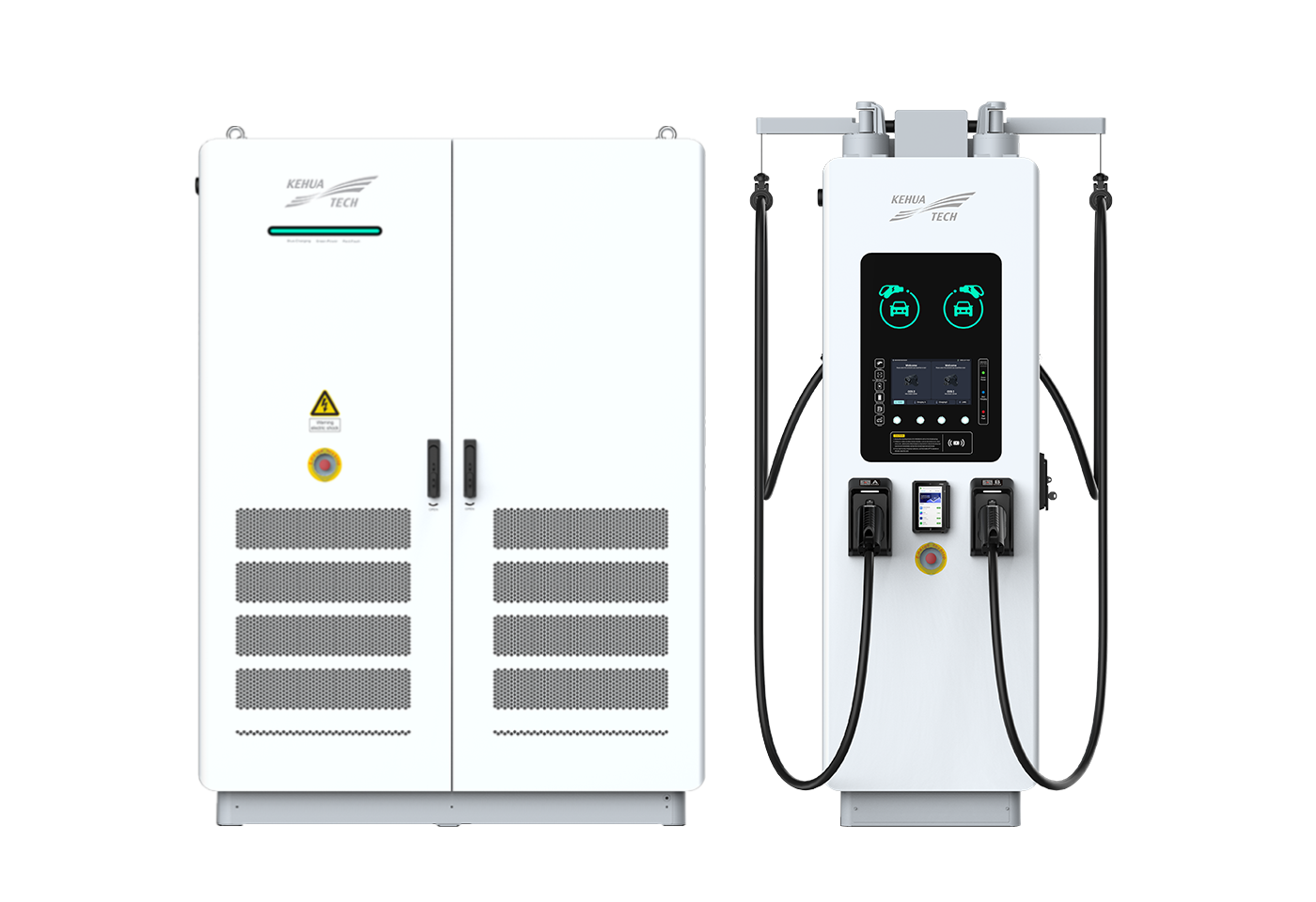
Integrated DC charging systems with flexible power distribution and modular DC cabinets directly address these constraints by decoupling grid connection, power conversion, and the physical dispensers in the yard. [ kehuasz ]
What "Fast‑Deploying Integrated DC Chargers" Really Mean
From an industry practitioner's standpoint, "fast‑deploying" is less about peak power and more about how quickly a depot can move from design to live operations with minimal disruption. Kehua's approach combines DC charging modules, high‑power DC chargers, and megawatt‑level systems into a standardized architecture that can be replicated and scaled across sites. [ kehuasz ]
Key technical characteristics include:
- Modular DC power units that can be configured to match actual depot load profiles and fleet sizes. [ kehuasz ]
- Centralized power cabinets feeding multiple DC dispensers , simplifying yard layout and cable routing.
- Scalable megawatt‑level systems to support dozens of e‑vans in parallel as the fleet grows. [ kehuasz ]
- PV‑ESS‑Charging integration , allowing depots to incorporate on‑site solar and energy storage to shave peaks and increase renewable usage. [ kehuasz ]
This integrated design significantly cuts engineering, installation, and commissioning time compared with one‑off, stand‑alone chargers scattered around the yard.
Core Components for Modern E‑Van Depots
High‑Efficiency DC Charging Modules
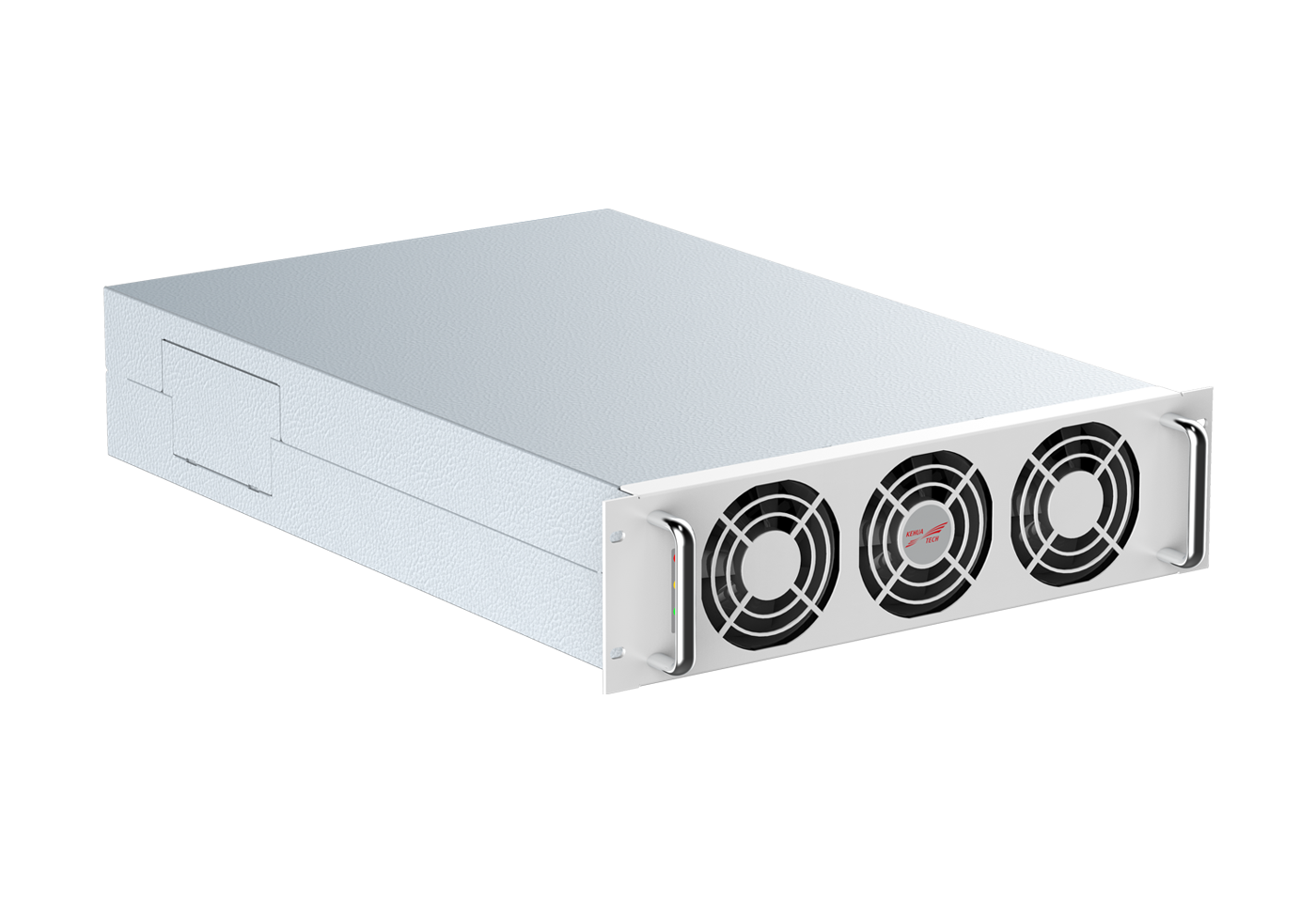
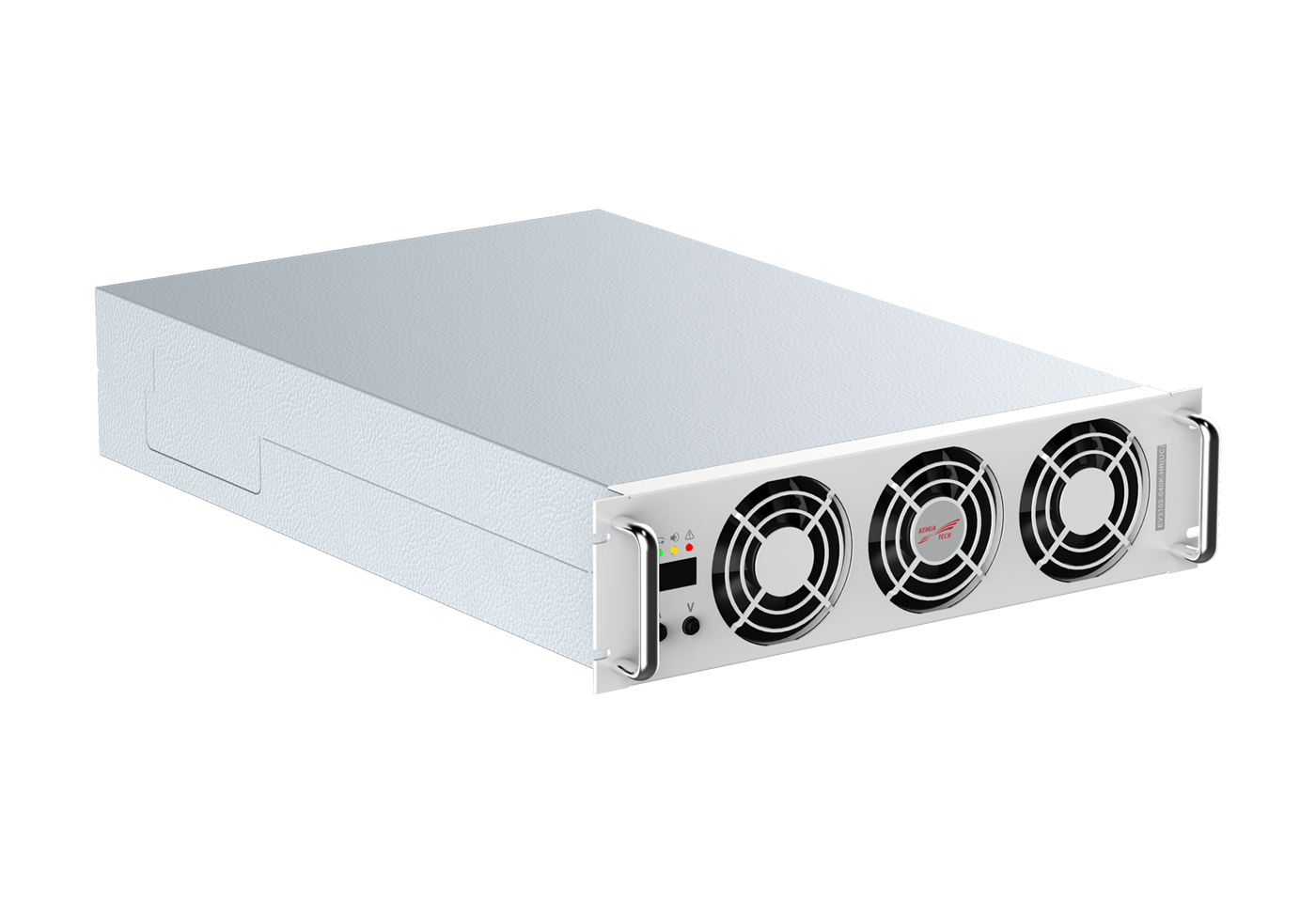
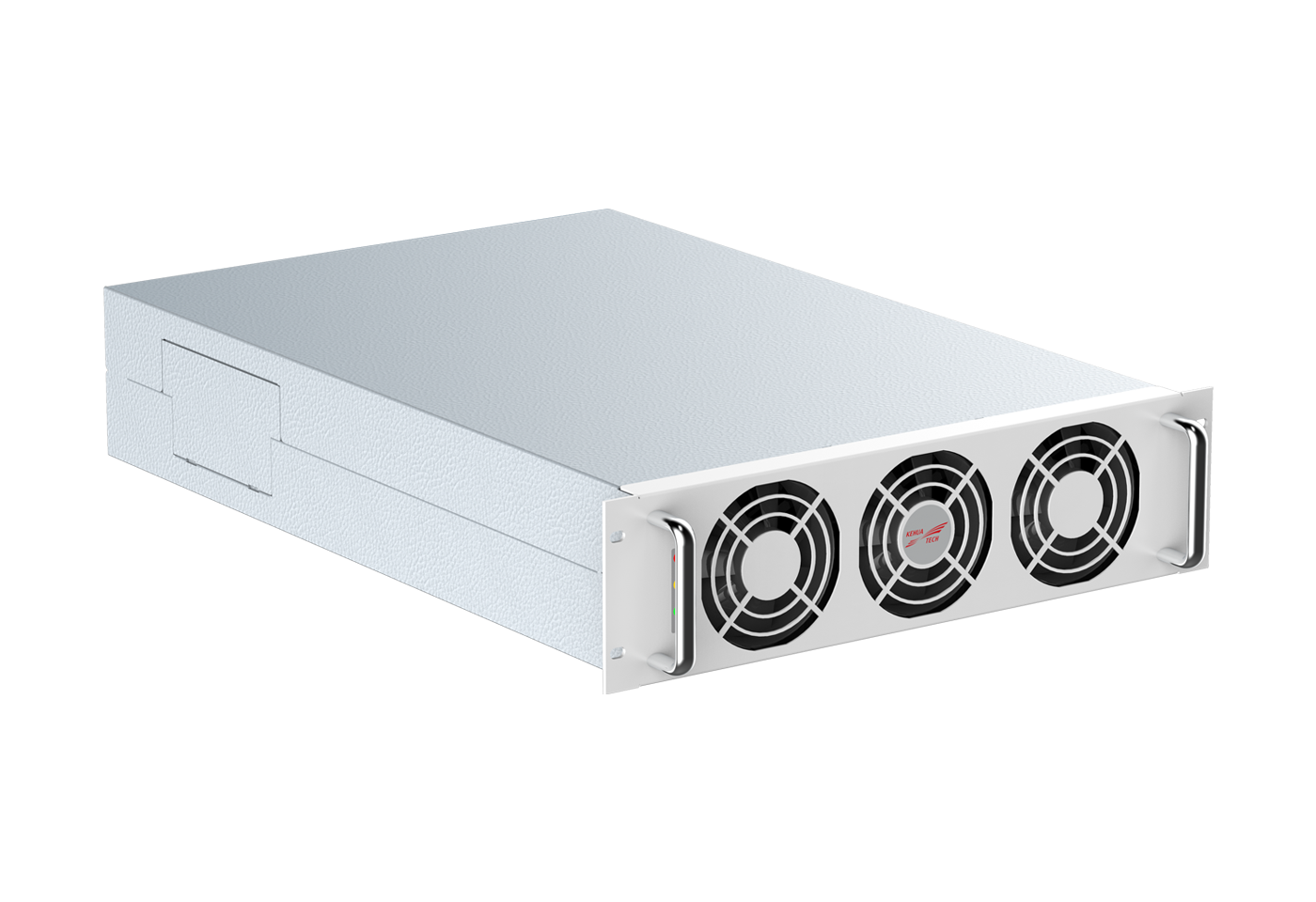
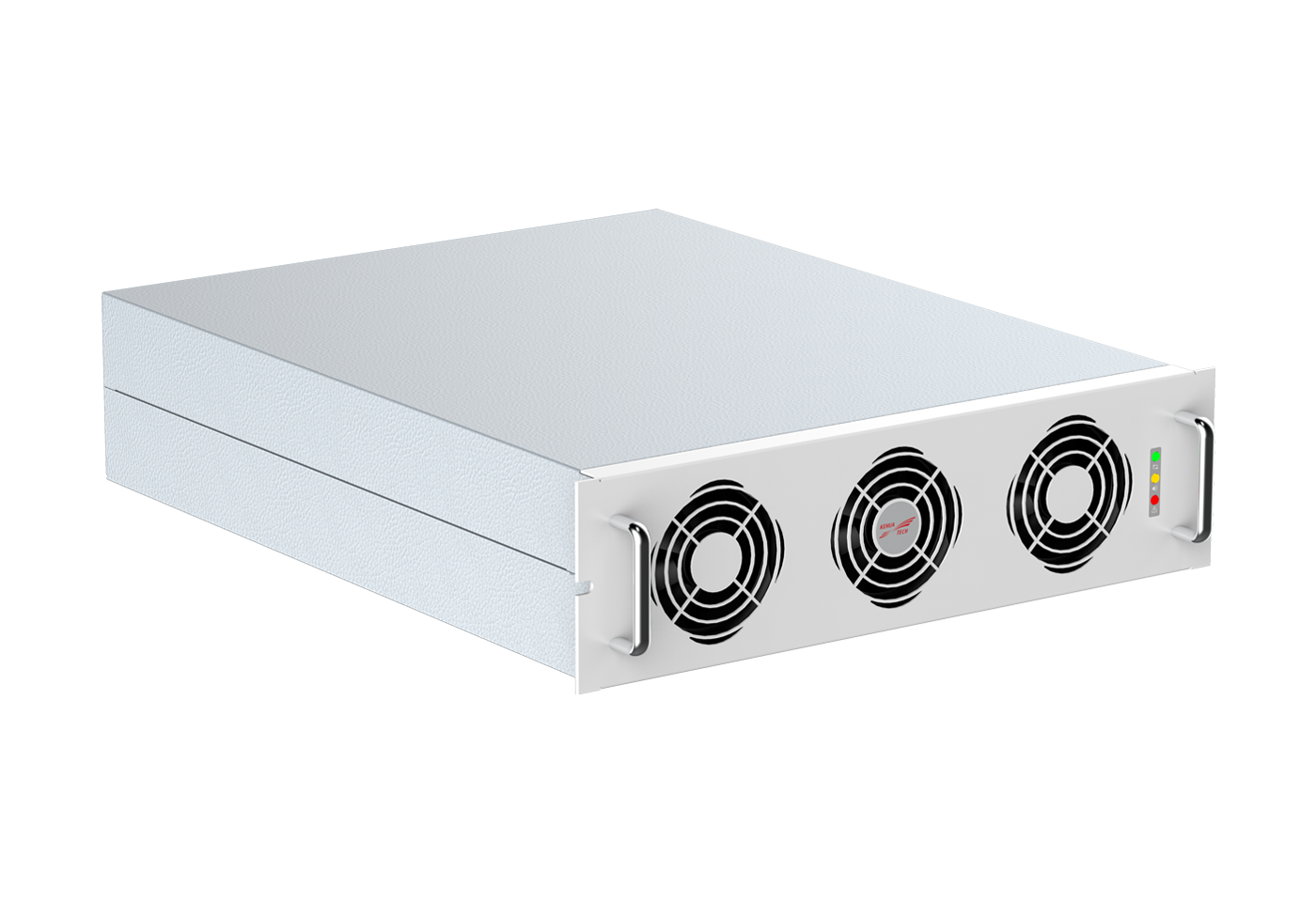
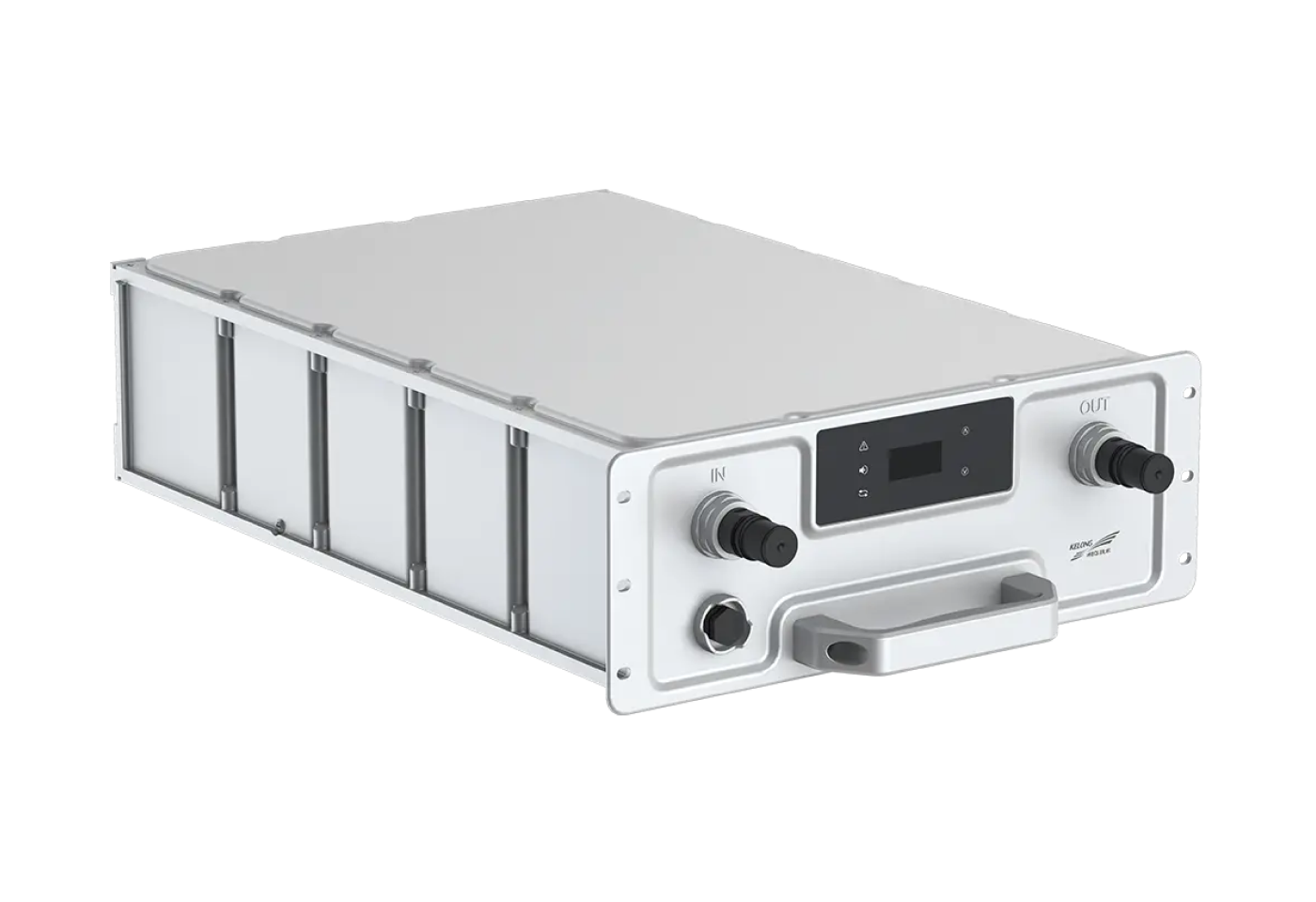
At the heart of fast‑deploying systems are high‑efficiency DC charging modules that convert AC input into stable DC output for EVs. In my experience, module reliability and conversion efficiency are the two most important parameters for long‑term OPEX. [ kehuasz ]
Well‑designed modules deliver:
- High conversion efficiency , reducing heat losses and operating costs over thousands of charging cycles. [ kehuasz ]
- Redundant architecture , so a single module fault does not take down the entire charging line.
- Compact form factor , enabling high power density in limited indoor electrical rooms.
Because these modules are standardized building blocks, operators can scale power up or down as fleet requirements change, without redesigning the entire system.
DC Fast Chargers and Distributed Systems
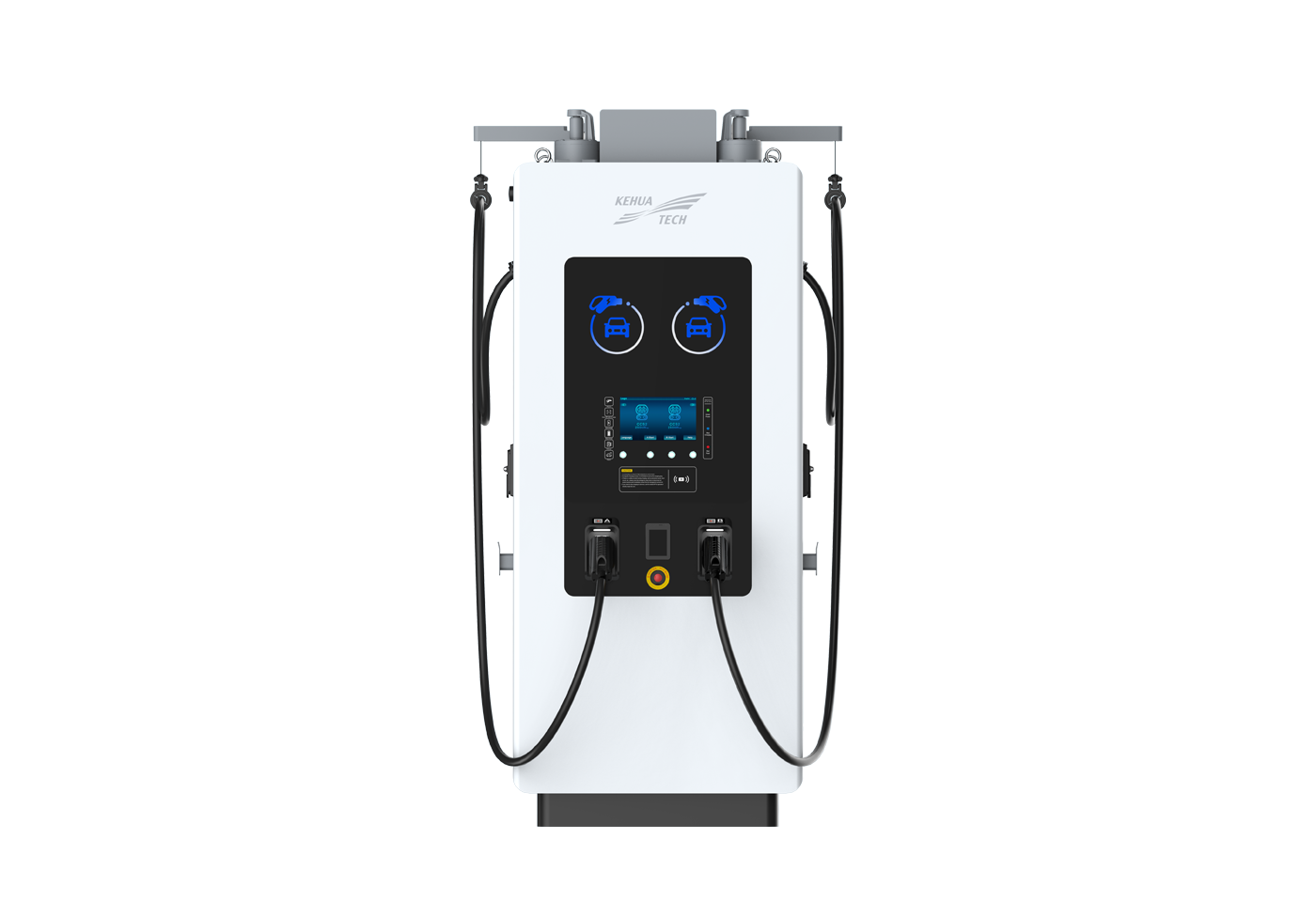
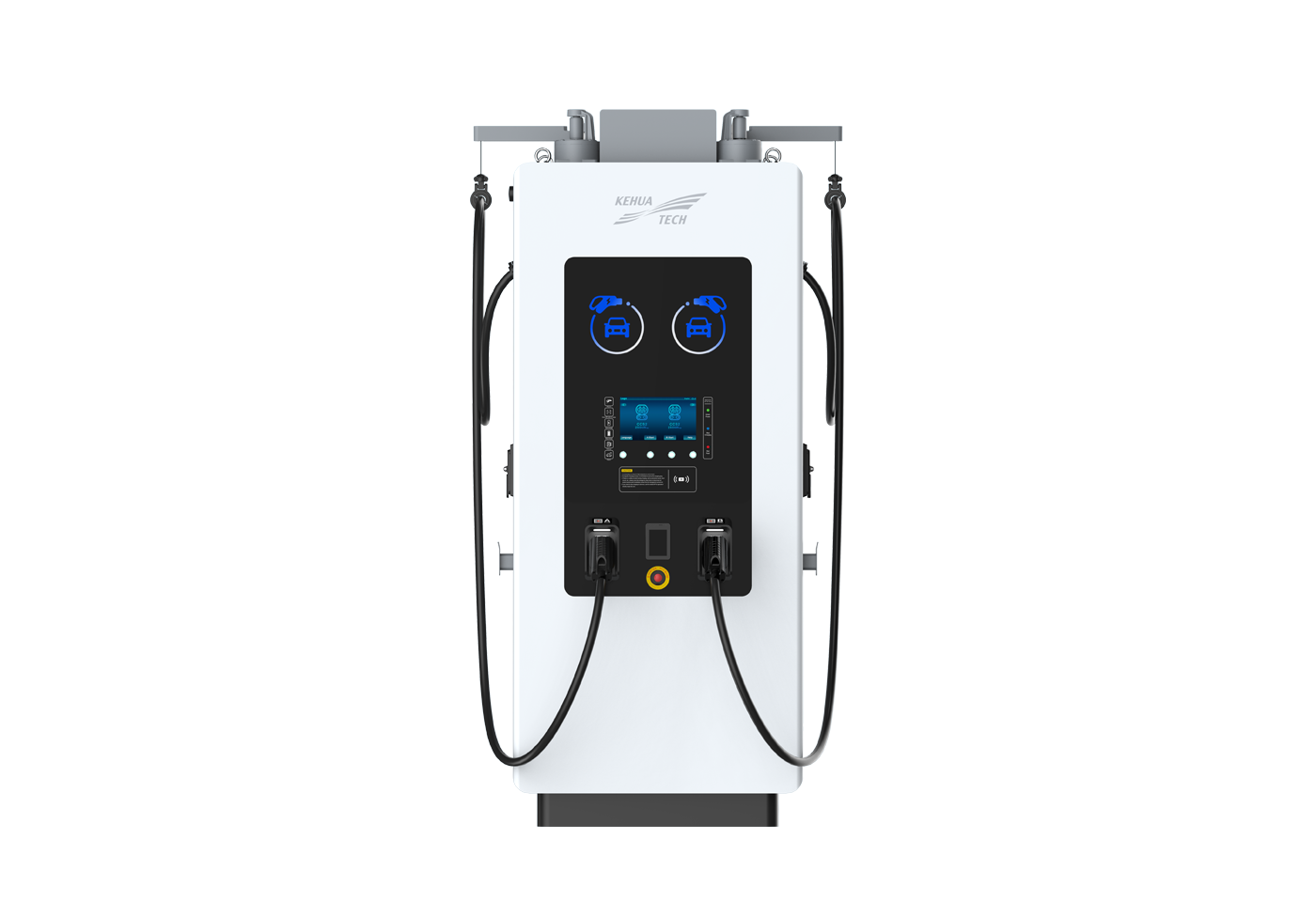
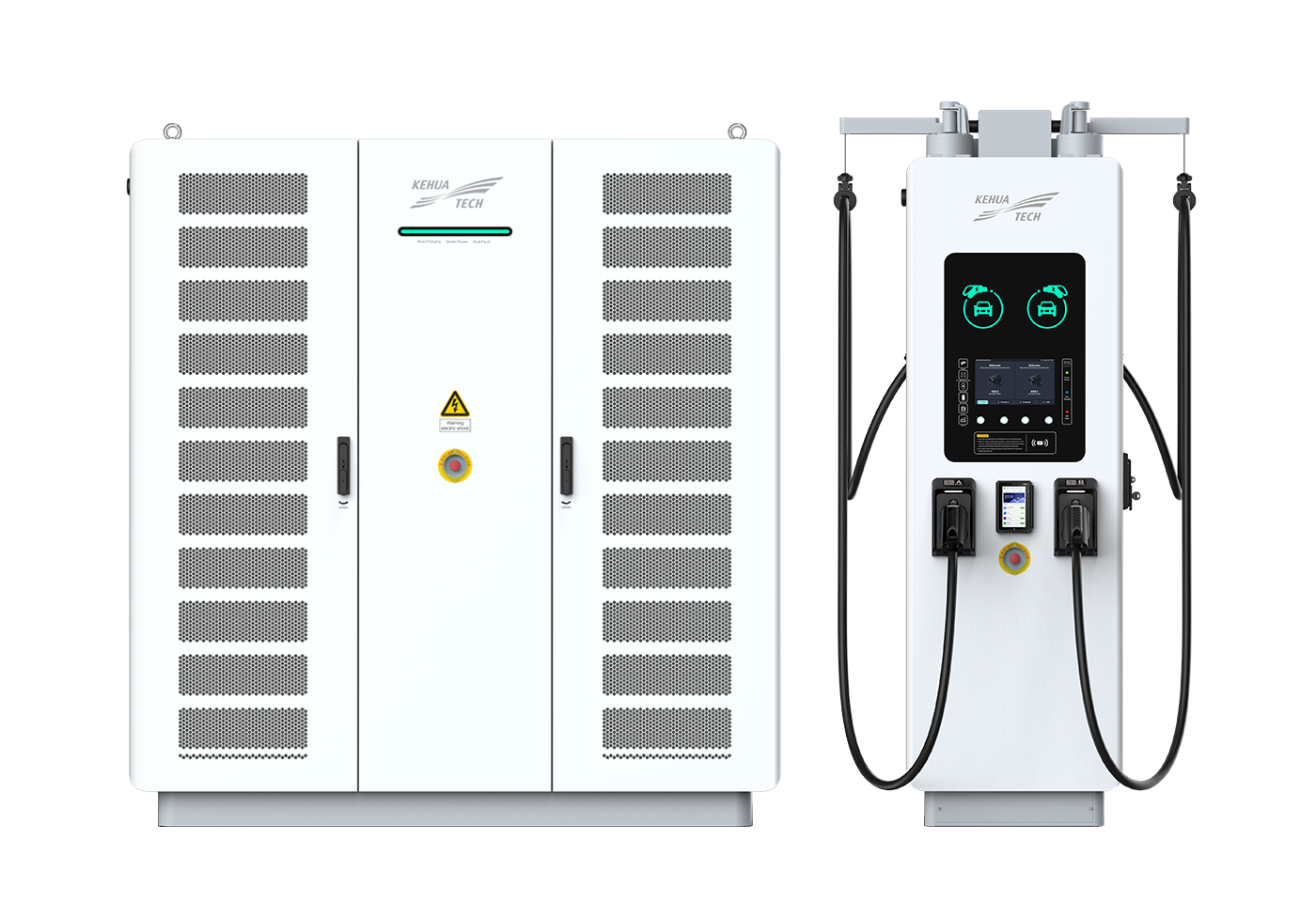
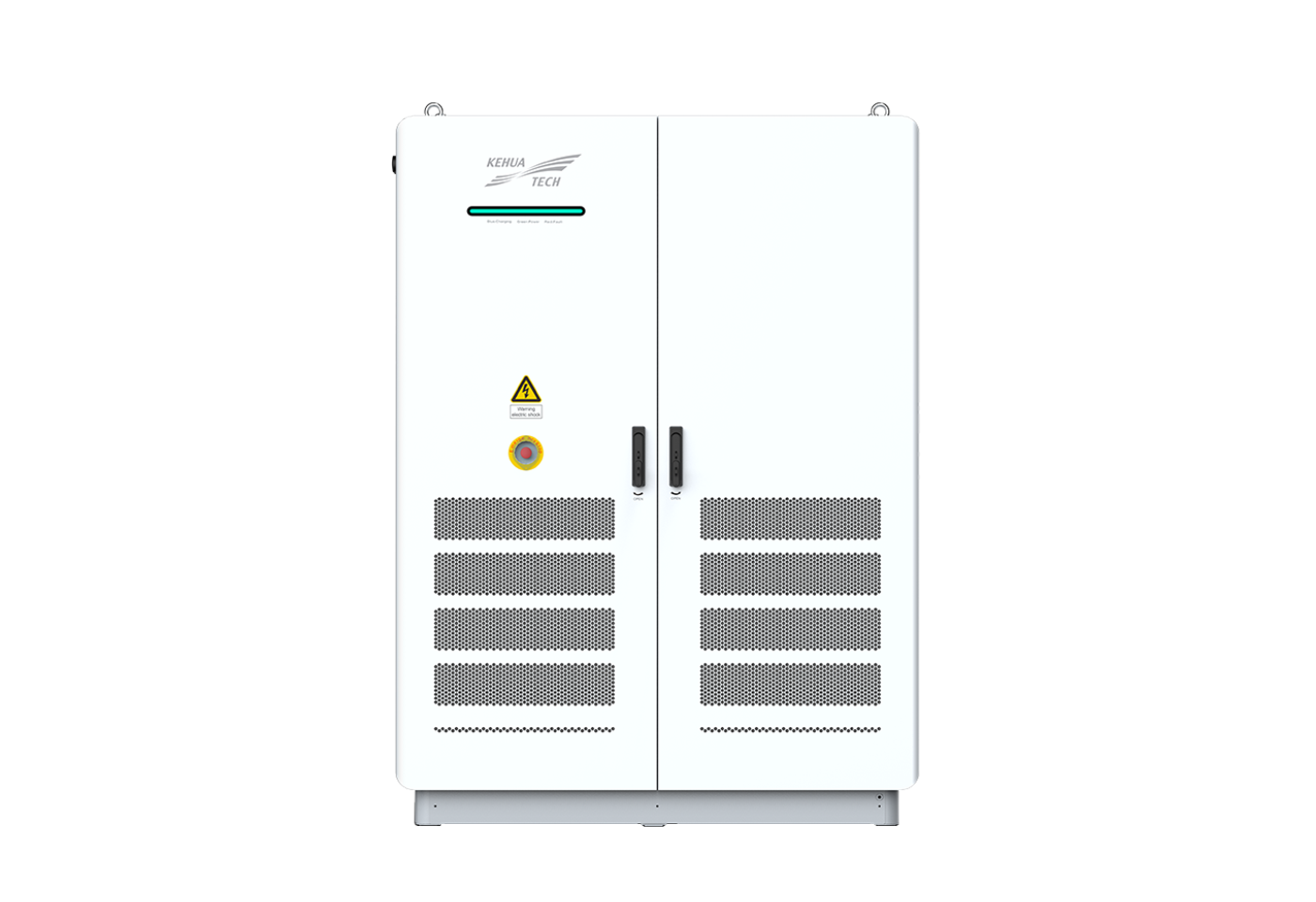
For last‑mile depots, DC fast chargers coupled with distributed DC systems are the backbone of high‑throughput charging. Instead of placing separate AC‑DC conversion in each dispenser, Kehua's architecture consolidates conversion in centralized cabinets and routes DC power to multiple low‑profile dispensers. [ kehuasz ]
Advantages for logistics operators:
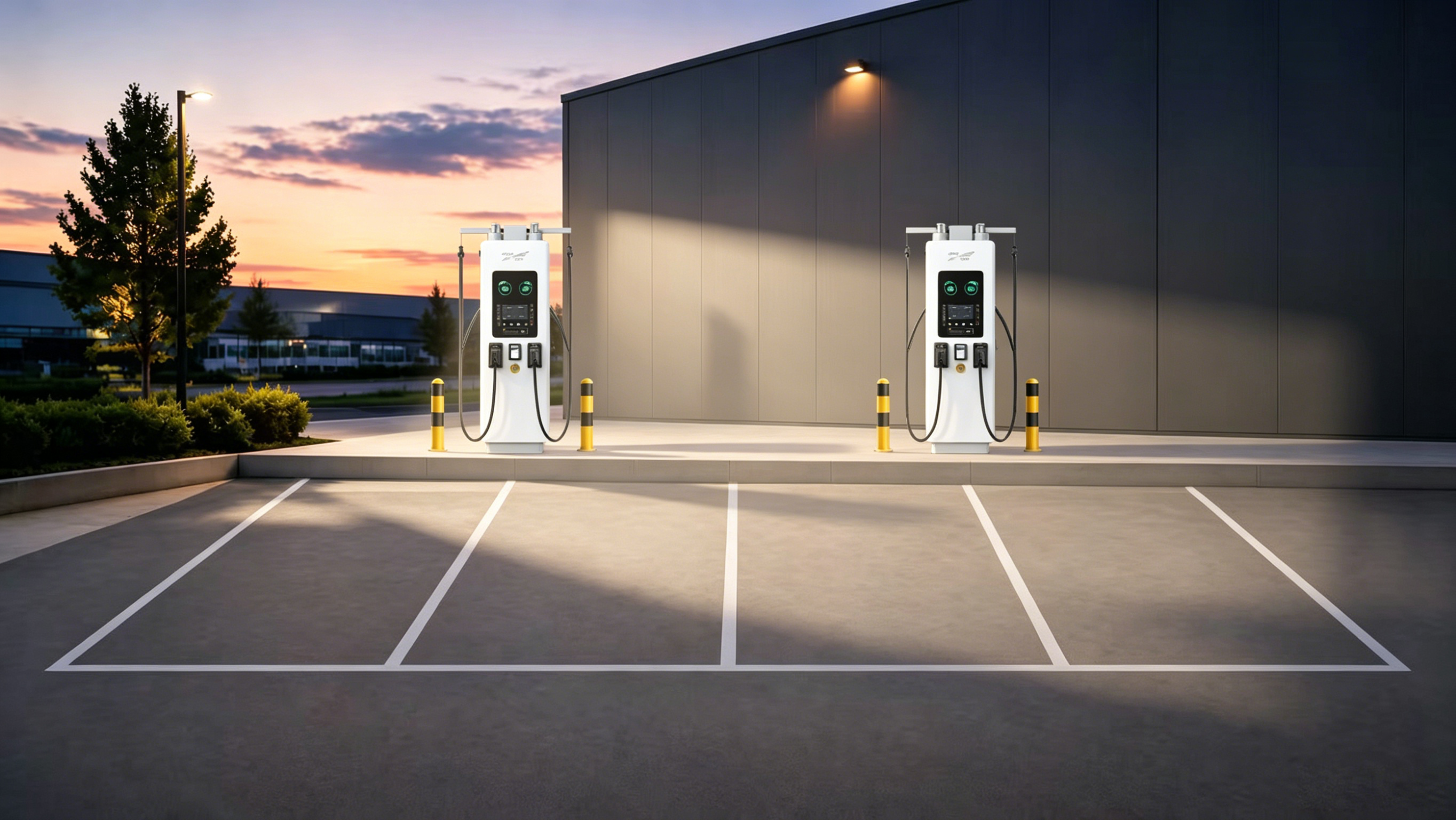
- Cleaner yard layout , with slim dispensers positioned where vehicles park, while main power electronics stay in protected areas.
- Higher utilization of installed capacity , as smart power distribution allocates power dynamically based on vehicles' state of charge and scheduling priorities. [ kehuasz ]
- Simplified maintenance , since most critical electronics are accessible in a central room instead of widely dispersed.
Megawatt‑Level Charging Systems for Large Depots
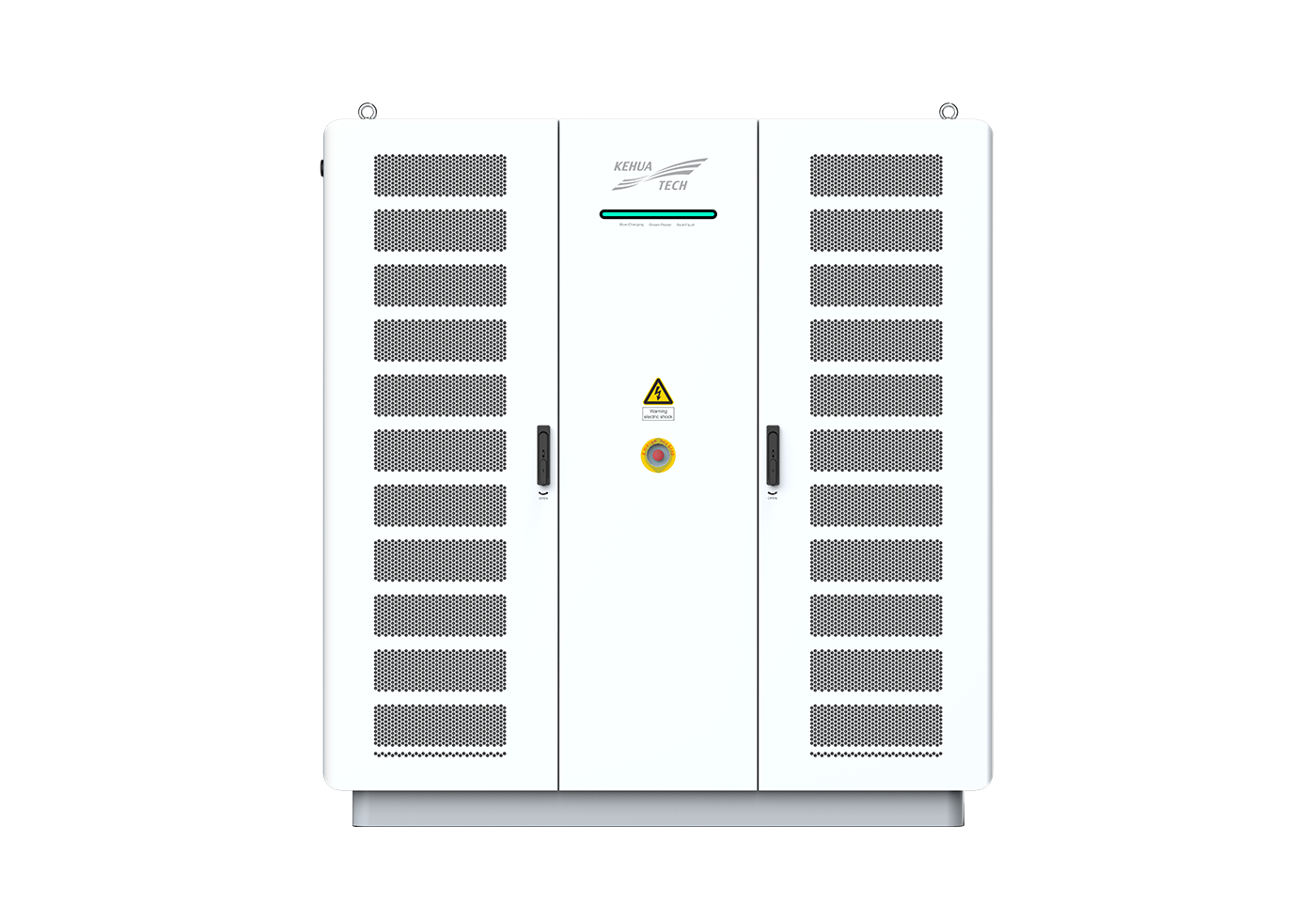
As fleets scale, some e‑van hubs require megawatt‑class charging capacity to support hundreds of daily charges. Kehua's megawatt systems are designed to aggregate multiple DC modules and cabinets into a unified high‑capacity platform. [ kehuasz ]
From a planning perspective, this brings three strategic benefits:
- Future‑proofing : Operators can start with a few hundred kilowatts and expand into megawatt territory by adding modules and cabinets.
- Simplified grid connection : One well‑engineered high‑capacity connection is easier to manage than many fragmented small ones.
- Standardized rollout across regions , enabling consistent maintenance, spare parts, and training.
For large parcel players and 3PLs, this is crucial when replicating the same depot concept across multiple cities and countries.
Integrating PV and Energy Storage at Distribution Centers
Many distribution centers are adding rooftop PV and on‑site energy storage to reduce electricity costs and decarbonize operations. Kehua's PV‑ESS‑Charging solutions combine photovoltaic inverters, energy storage systems, and DC charging in a unified ecosystem. [ kehuasz ]
For last‑mile e‑van depots, this creates practical advantages:
- Peak shaving and demand charge reduction by dispatching stored energy during evening charging peaks.
- Higher self‑consumption of solar generation , especially for fleets with mid‑day charging windows.
- Improved resilience , as depots can maintain partial charging capability during grid disturbances (subject to local regulations and site design).
Visually, think of a "charging micro‑hub" where energy flows dynamically between PV arrays, storage, and e‑vans via a coordinated DC backbone.
Practical Deployment Steps for Fleet Operators
From project kick‑off to go‑live, successful last‑mile charging deployments follow a clear playbook. Based on typical projects with integrated DC systems, I recommend the following five‑step approach:
1. Fleet and Route Assessment
- Map daily mileage, dwell times, and delivery windows for each e‑van segment.
- Identify peak concurrent charging needs based on operational constraints, not just vehicle specs.
2. Energy and Power Modeling
- Calculate total daily energy demand (kWh) and simultaneous peak power (kW).
- Evaluate how much can be served by on‑site PV and storage versus the grid. [ kehuasz ]
3. Depot Layout and Dispenser Positioning
- Design dispenser locations to align with parking and loading patterns, minimizing cable drag and vehicle repositioning.
- Reserve space for future dispenser rows and additional power cabinets.
4. Phased Capacity Build‑Out
- Start with a right‑sized initial configuration of DC modules and cabinets, leaving room to add more.
- Build a clear expansion roadmap synchronized with vehicle procurement plans.
5. Operational Playbooks and Training
- Standardize driver charging workflows, with clear signage and app or RFID processes.
- Align maintenance routines and SLAs with the integrated DC system architecture.
This phased method keeps initial CAPEX under control while ensuring every added charger and dispenser fits into a long‑term strategy.
Expert Insights on System Reliability and Safety
From an industry expert perspective, reliability and safety are foundational for last‑mile depots, where any downtime directly impacts delivery performance. Kehua's heritage in power electronics and infrastructure contributes to robust system design for EV charging. [ en.kehuasz ]
Several design practices are especially relevant for e‑van environments:
- Industrial‑grade components and environmental protection , suitable for dusty, high‑traffic logistics yards. [ kehuasz ]
- Comprehensive protections (over‑voltage, over‑current, short‑circuit protection) at module and system level, reducing the risk of equipment damage and unsafe conditions.
- Centralized monitoring and diagnostics , enabling remote fault detection, firmware updates, and performance optimization across multiple depots. [ kehuasz ]
In practice, this means fewer unexpected failures, more predictable maintenance windows, and better visibility for operations and energy teams.
Global Last‑Mile Trends and Regulatory Drivers
Globally, urban regulators and major retailers are pushing hard for low‑emission or zero‑emission last‑mile logistics , driving rapid adoption of electric delivery vans. Many cities have announced timelines to phase out internal combustion engine vehicles in city centers, increasing the urgency for fleet electrification. [ charin ]
These trends matter for charging infrastructure strategy:
- Policy incentives and grants in many regions favor projects that combine EV charging with renewable energy and smart load management. [ charin ]
- Corporate decarbonization targets push logistics partners to demonstrate credible roadmaps to net‑zero last‑mile operations.
- Standardization of charging interfaces and protocols facilitates cross‑border fleet deployment and interoperability. [ charin ]
Integrated DC systems that can adapt to different local grid codes and standards, while maintaining a common architecture, give operators an edge in scaling internationally.
> Important note: For overseas deployments, Kehua focuses on DC charging systems, DC fast chargers, megawatt solutions, and PV‑ESS‑Charging , rather than AC chargers. [ kehuasz ]
Enhancing User Experience at E‑Van Depots
Technical performance is only half the equation; user experience (UX) for drivers, fleet managers, and maintenance teams is equally critical.
Best‑practice UX elements for last‑mile distribution centers include:
- Clear physical ergonomics : dispensers placed at consistent positions, intuitive cable reach for different van models, and safe pedestrian routes.
- Simple, consistent HMI : readable displays, clear charge status indicators, and multilingual support where needed.
- Integrated software workflows : charge sessions linked to vehicle IDs and routes, with dashboards for fleet and energy teams.
To maximize usability, I recommend co‑designing the depot layout and charging workflows with actual drivers and shift supervisors. Short pilot phases—using a subset of DC dispensers—often surface practical improvements before full rollout.
Example Use Case: Scaling an Urban E‑Van Hub
Consider a parcel delivery operator converting a 100‑van depot in a dense urban area. They face limited grid capacity, strict noise rules, and narrow charging windows between 10 p.m. and 6 a.m.
A typical integrated DC solution might involve:
- Central DC power room with modular DC charging cabinets sized initially for 40–50 vans, expandable to all 100 as the fleet grows.
- Rows of DC dispensers aligned with existing loading bays, enabling straight‑in parking and charging without re‑parking.
- PV‑ESS‑Charging integration , where rooftop solar charges on‑site storage during the day, then supports night‑time charging to reduce grid peaks. [ kehuasz ]
As the fleet expands, additional DC modules and cabinets are installed without redesigning the entire depot. This allows the operator to scale electrification in parallel with vehicle procurement and route expansion, while keeping operational disruption minimal.
Call to Action: Plan Your Next E‑Van Depot With Integrated DC Charging
If you are planning or scaling an e‑van fleet, the smartest move is to design charging as a strategic asset , not an afterthought. Fast‑deploying integrated DC chargers, megawatt‑level systems, and PV‑ESS‑Charging architectures give you the flexibility to grow, optimize energy costs, and maintain high delivery performance over the long term. [ kehuasz ]
To explore how these solutions can be tailored to your distribution centers—whether you're upgrading a single depot or building a multi‑site network—reach out to Shenzhen Kehua Hengsheng Technology Co., Ltd. for a technical consultation and preliminary sizing study. A structured roadmap today will save you significant time and cost as your last‑mile operations continue to scale. [ kehuasz ]
FAQs on Integrated DC Charging for Last‑Mile E‑Vans
1. What is an integrated DC charging system for e‑van depots?
An integrated DC charging system centralizes AC‑DC conversion in power cabinets and distributes DC power to multiple dispensers, allowing flexible, high‑density charging across e‑van parking bays. [ kehuasz ]
2. Why choose DC over AC for last‑mile distribution centers?
DC charging delivers higher power levels and faster charging, which is crucial for depots with tight overnight windows and high vehicle turnover, while enabling centralized power electronics and better load management. [ kehuasz ]
3. How scalable are megawatt‑level charging systems?
Megawatt systems are designed to scale by adding DC modules and cabinets, so operators can start with smaller capacities and expand as fleet sizes and charging demand grow, without redesigning the infrastructure. [ kehuasz ]
4. Can PV and energy storage significantly reduce charging costs?
Yes. By combining PV and storage with DC charging, depots can use more self‑generated solar energy, reduce demand charges, and manage grid peaks—especially valuable for high‑capacity e‑van hubs. [ kehuasz ]
5. What should fleet operators prioritize when designing an e‑van charging depot?
Operators should prioritize accurate energy and power modeling, scalable DC architecture, efficient dispenser placement, and robust monitoring and maintenance processes that align with daily logistics operations. [ kehuasz ]
References
1. Shenzhen Kehua Hengsheng Technology Co., Ltd. – Company Profile (Global) – "Reliable EV Charging Equipment Provider."
https://www.kehuasz.com/global/company-profile.html [ kehuasz ]
2. Shenzhen Kehua – EV Charger, EV Charging Module, Megawatt System, PV‑ESS‑Charging Solutions.
https://www.kehuasz.com/eu [ kehuasz ]
3. Shenzhen Kehua – China EV Charger, EV Charging Module Manufacturer.
https://www.kehuasz.com/index.html [ kehuasz ]
4. Shenzhen Kehua – Company Profile (EU).
https://en.kehuasz.com/eu/company-profile.html [ en.kehuasz ]
5. CharIN – Shenzhen Kehua Hengsheng Technology Co., Ltd. Member Profile.
https://www.charin.global/community/shenzhen-kehua-hengsheng-technology-co-ltd/ [ charin ]
Hot Tags: fast-deploying integrated DC chargers, Customized, Custom, Suppliers, Cheap, Quality, Advanced, Durable, in Stock, Price, Quotation

