

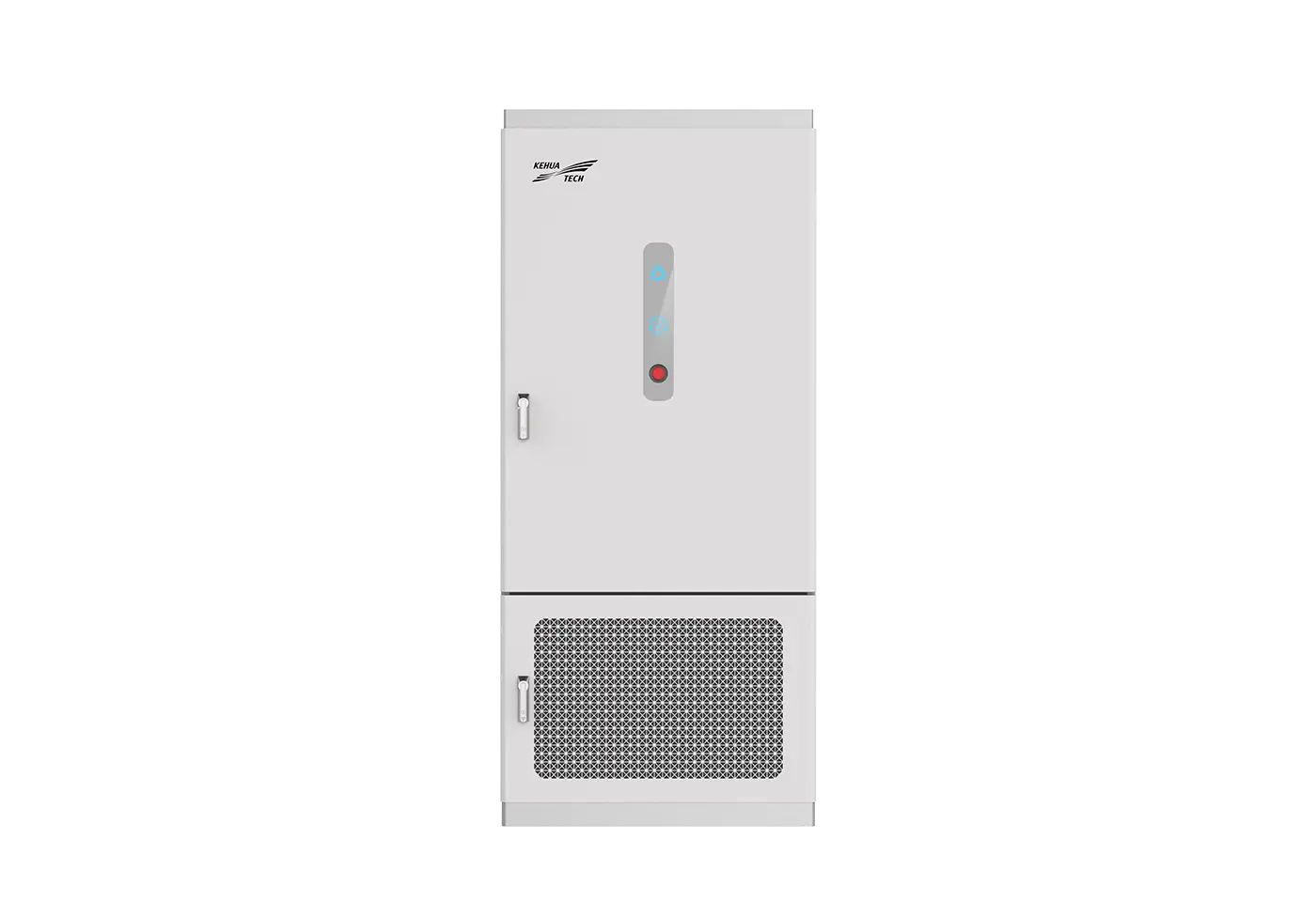


- Electric Bus Charging Upgraded: Fast & Flexible
- Shenzhen Kehua’s 40 kW High-Efficiency SiC Charging Module Achieves CE, CB, and UL Certifications
- Shenzhen Kehua Unveils High-Reliability All-in-One DC Charger for the ASEAN Market
- Shenzhen Kehua’s Scalable Megawatt Power Unit: Pioneering the Next Era of High-Power Charging for Green Mobility
- Growth Opportunities in the EV Charging Industry Amid the Global Transportation Electrification
- The Future of Fleet Charging: Building Efficient and Reliable Charging Infrastructure
Designing Hubs: Layout Optimization for High-Power Distributed Systems in Narrow Urban Depots


Content Menu
● Why depot layout is now a strategic EV decision
● What makes a "high‑power distributed system" in urban depots?
● Core layout principles for narrow depots
>> Principle 1: Separate vehicle movement space and charging space
>> Principle 2: Design for cable reach, not just footprint
>> Principle 3: Plan for phased power and fleet growth
>> Principle 4: Make maintenance access non‑negotiable
● High‑power distributed systems: typical depot topologies
>> Side‑lane distributed topology
>> Island topology for mixed fleets
● Using modular DC charging modules to unlock smarter layouts
● Integrating megawatt charging and PV‑ESS‑charging in constrained sites
>> Megawatt charging considerations
>> PV‑ESS‑charging solutions for urban depots
● Real‑world operator insights: what users say about narrow depots
● Practical step‑by‑step design process for narrow depots
● Example hub configuration for a narrow city bus depot
● Safety, compliance and future‑proofing considerations
● Why work with a specialized high‑power EV charging provider
● FAQs
As urban bus and truck operators push toward electrification, the biggest constraint is often not vehicle technology but the depot itself: tight yard space, complex traffic flows, and the need to support higher charging power at scale. In this article, I will share a practical, expert-level framework for designing and optimizing high‑power distributed charging hubs in narrow urban depots, drawing on firsthand project experience and real‑world feedback from fleet operators, together with insights from Shenzhen Kehua Hengsheng Technology Co., Ltd., a reliable EV charging equipment provider with extensive power electronics expertise and complete DC fast charging product lines. [kehuasz]
Why depot layout is now a strategic EV decision
Electrification has turned depot design into a strategic infrastructure decision, not just a civil engineering task. Poorly planned layouts can lock operators into high operational costs, low flexibility, and safety risks for more than a decade. [powertodrive]
From my experience working with urban logistics and bus depots, three forces now shape every charging hub project:
- Rapid growth in fleet size and charging power
- Increasing pressure on land use and urban space
- The need to integrate distributed high‑power DC chargers, megawatt charging systems and PV‑ESS‑charging solutions into a cohesive, future‑proof architecture. [kehuasz]
When you design the layout of a high‑power distributed system in a narrow urban depot, you are effectively designing your future operating model: energy flows, vehicle routes, maintenance patterns, and even driver behavior.
What makes a "high‑power distributed system" in urban depots?
From an industry practitioner's perspective, a high‑power distributed EV charging system in a depot context usually has these characteristics:
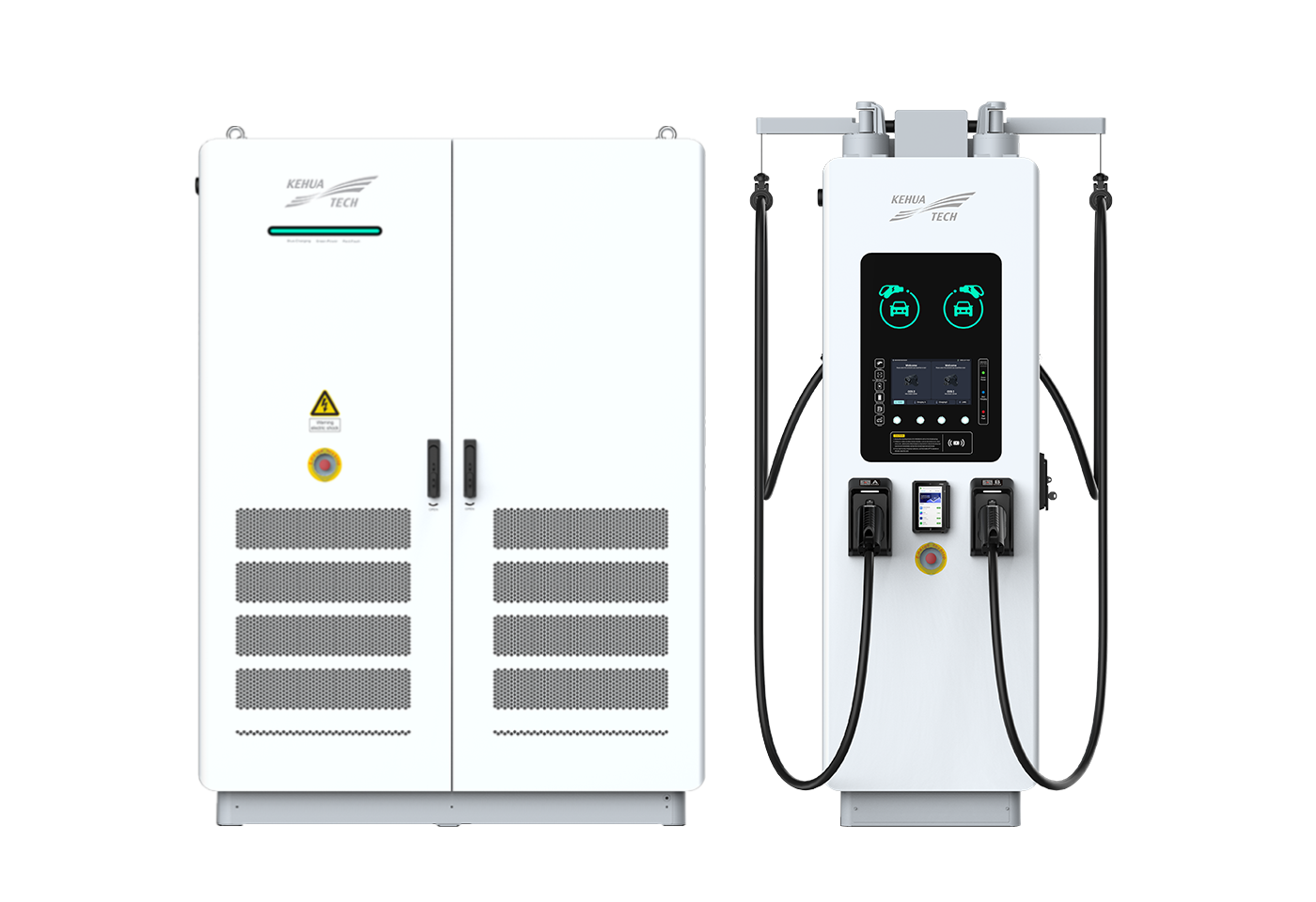
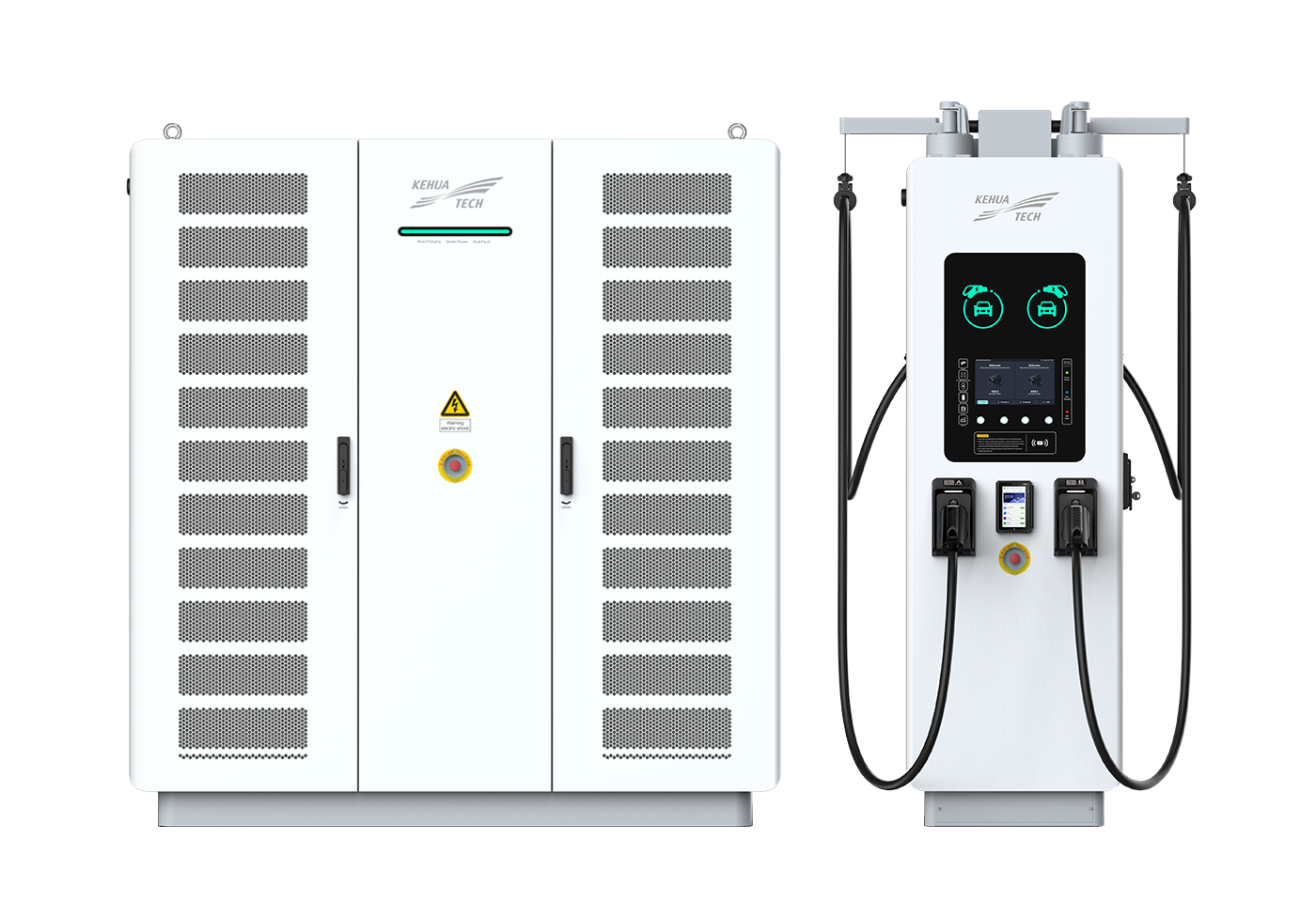
- Centralized power cabinets or power units feeding multiple satellite dispensers
- DC fast chargers providing medium to high power for buses, trucks, and heavy‑duty vehicles
- The possibility to integrate megawatt‑level charging systems for future long‑haul or high‑capacity vehicles. [kehuasz]
Instead of placing one standalone charger at every parking bay, power is logically centralized and physically distributed via dispensers positioned where vehicles park. This architecture delivers:
- Higher asset utilization
- More flexible load management
- Easier scaling as fleets grow or routes change. [kehuasz]
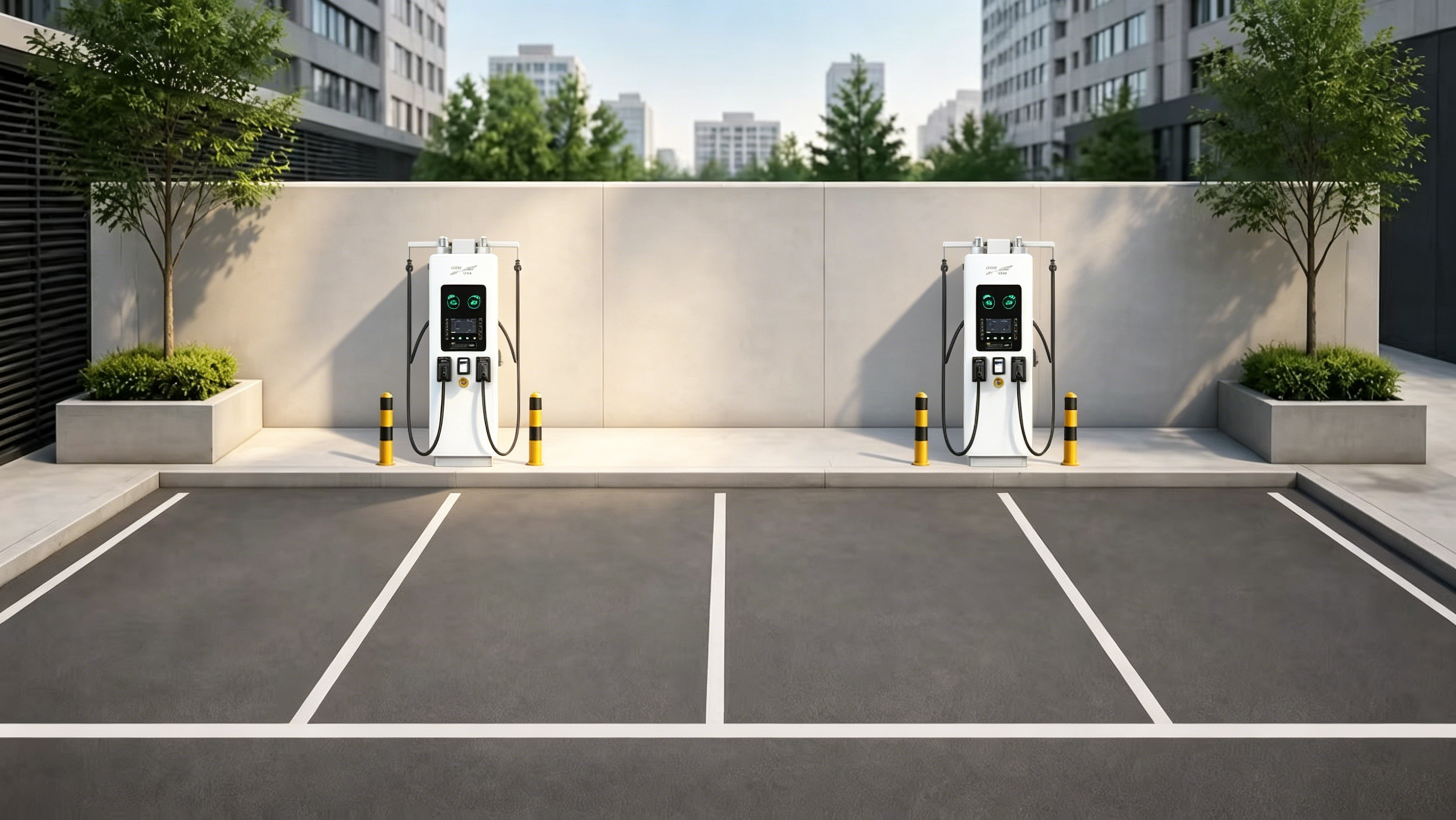
In narrow urban depots, this distributed design is often the only way to reconcile:
- Limited frontage per parking lane
- One‑way or constrained traffic flows
- Strict safety and clearance requirements.
Core layout principles for narrow depots
Based on feedback from fleet operators and site walk‑throughs in several dense city depots, four layout principles consistently separate successful hubs from problematic ones.
Principle 1: Separate vehicle movement space and charging space
In narrow depots, mixing turning, parking, and charging zones leads to congestion and incidents. Effective hubs:
- Reserve clear driving corridors with no dispensers or bollards intruding
- Align dispensers along parking lines, not along turning radii
- Use floor markings and simple signage to guide drivers to charging bays.
The goal is to let drivers operate on "muscle memory": when lanes and bays are intuitive, charging cycles become faster and safer.
Principle 2: Design for cable reach, not just footprint
On paper, a charger may "fit" into the site; in practice, cable reach often becomes the hidden bottleneck. In high‑power depot projects, I recommend:
- Mapping typical vehicle inlet positions (front, side, rear) for each model
- Verifying that cable length and routing allow natural, low‑stress connection
- Avoiding layouts that force drivers to park off‑center just to reach the inlet.
Well‑designed systems locate dispensers so that cables naturally reach inlets without crossing walking paths or creating trip hazards.
Principle 3: Plan for phased power and fleet growth
A narrow urban site today may need to support more vehicles and higher charging power in three to five years. Effective layouts:
- Reserve wall or fence space for additional power units or cabinets
- Include trunking / ducting routes that can be populated later
- Group dispensers in clusters that can be upgraded to higher power without rearranging parking.
In practice, designing with clear "expansion corridors" for both vehicles and cables pays off more than almost any other planning decision.
Principle 4: Make maintenance access non‑negotiable
Every kilowatt of charging capacity depends on reliable hardware. If technicians cannot safely access power cabinets and dispensers, uptime will suffer. Best‑practice depots:
- Provide dedicated service aisles for power units, separate from vehicle lanes
- Ensure space for lifting equipment, replacement modules and safe lock‑out/tag‑out procedures
- Use clear labeling on dispensers and cabinets to minimize fault isolation time. [powertodrive]
Designing for maintenance from day one is one of the most overlooked yet critical layout optimization steps.
High‑power distributed systems: typical depot topologies
To translate principles into practice, it is useful to think in topologies – recurring patterns for arranging chargers, dispensers and vehicles in constrained depots.
Side‑lane distributed topology
- Power units located along the outer wall of the depot
- Dispensers spaced along the parking lane
- Vehicles reverse or drive‑through into fixed bays.
This topology works well when:
- The depot is long and narrow
- The building perimeter can support cable runs and equipment anchoring
- Fleet operations favor consistent parking positions.
Island topology for mixed fleets
- Power cabinets grouped in a central "island"
- Dispensers deployed on both sides of multiple lanes
- Suitable for depots serving both buses and medium‑duty trucks.
This configuration increases flexibility: operators can adjust which vehicles use which bays as the fleet composition changes.
Using modular DC charging modules to unlock smarter layouts
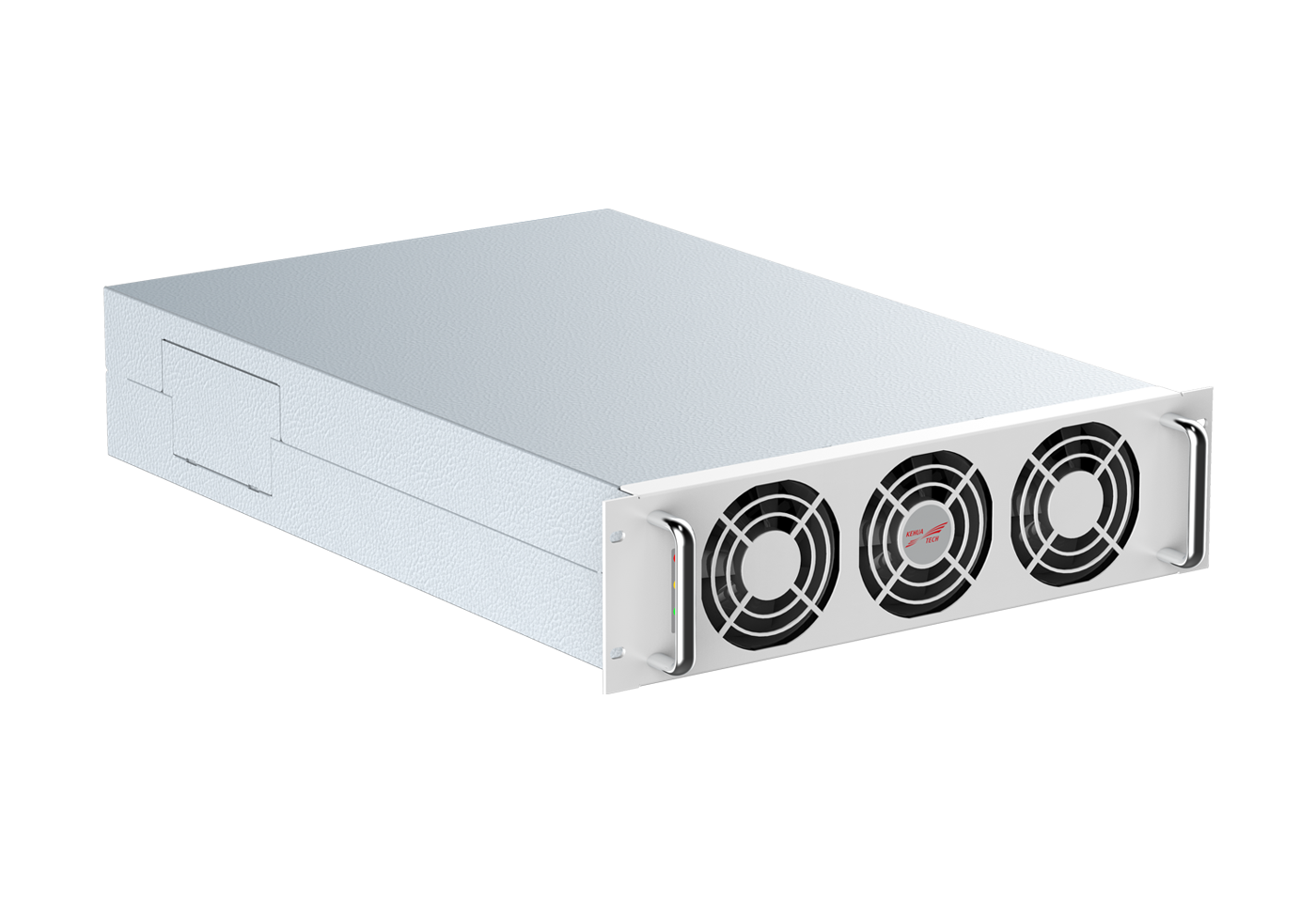
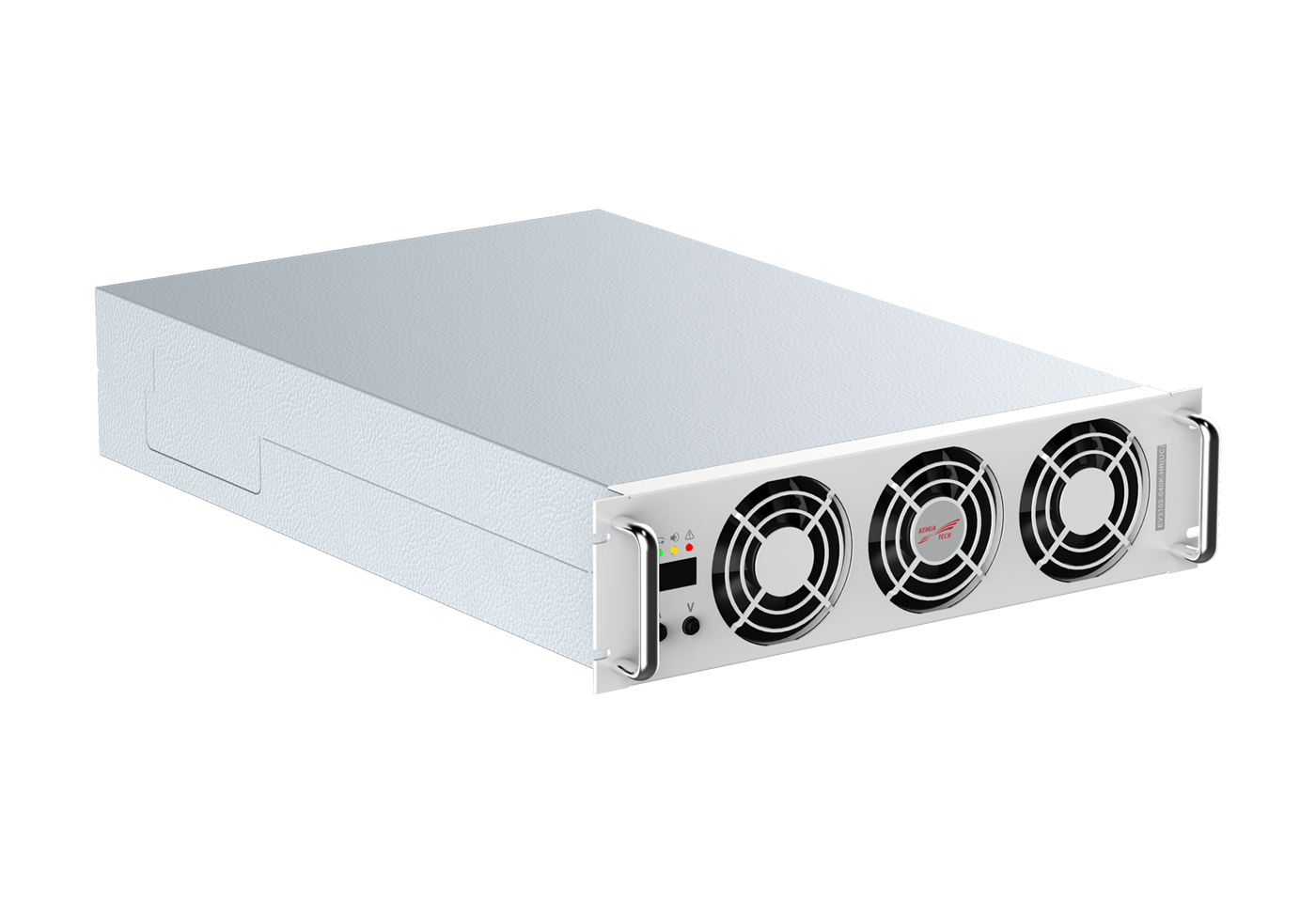
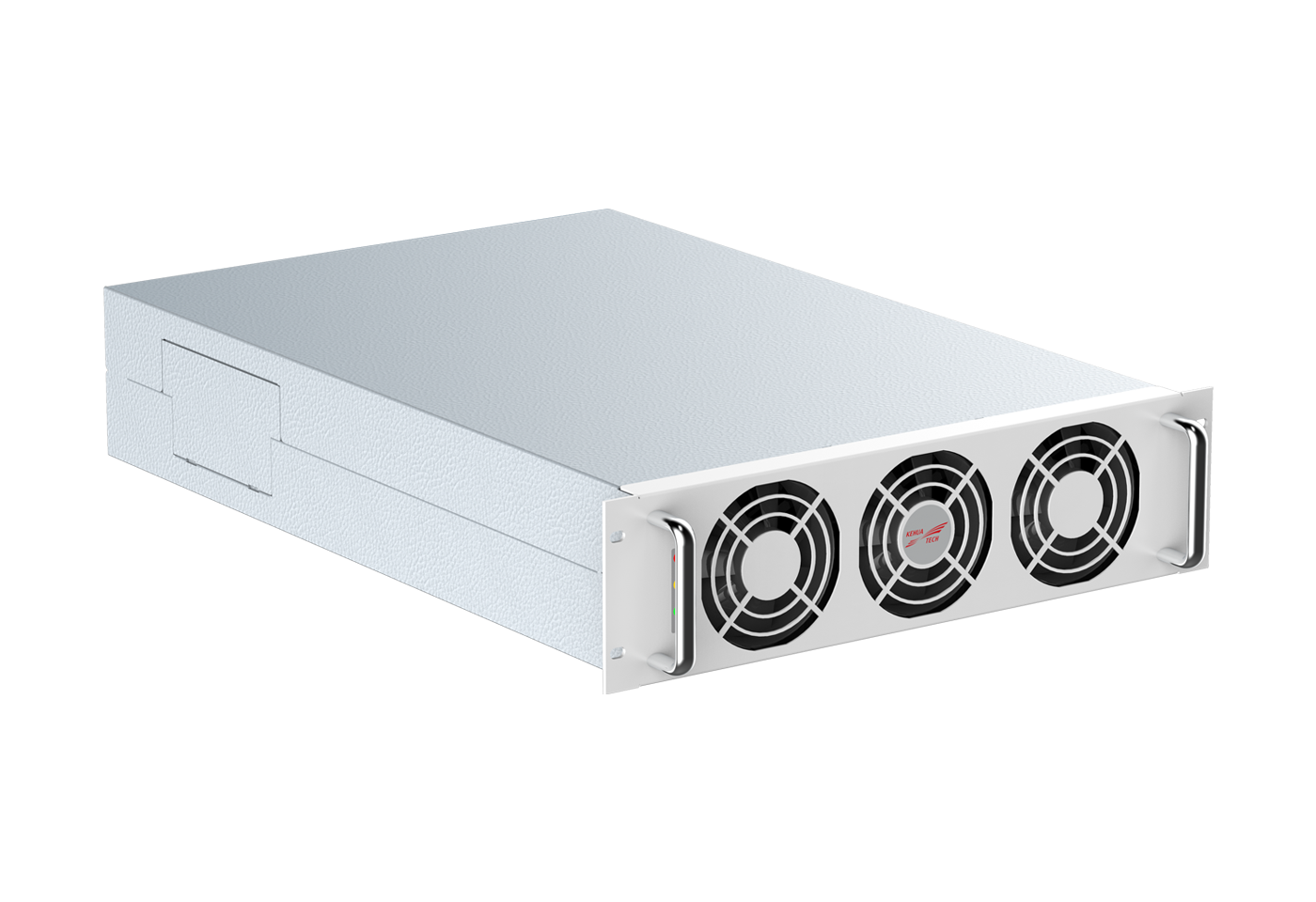
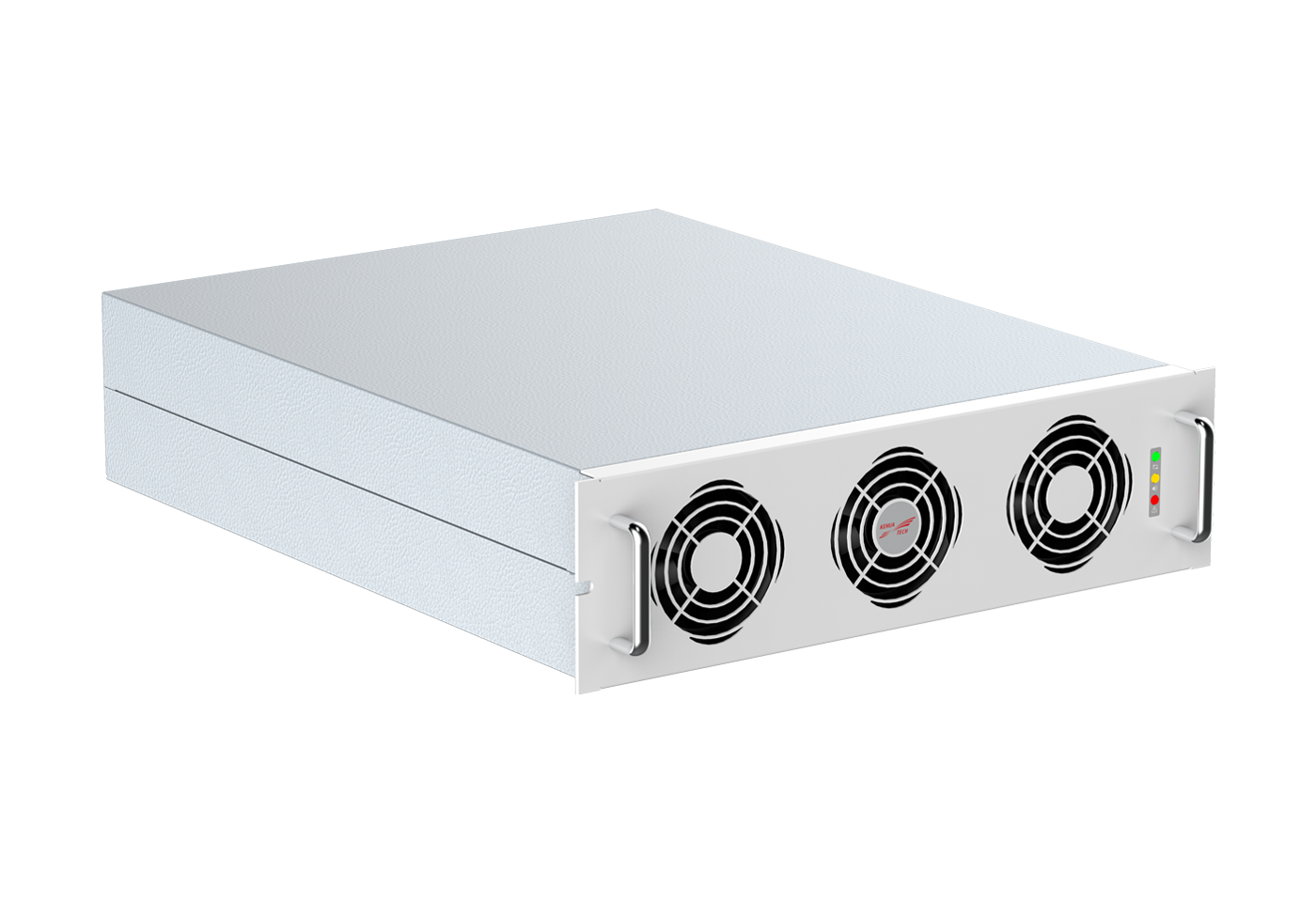
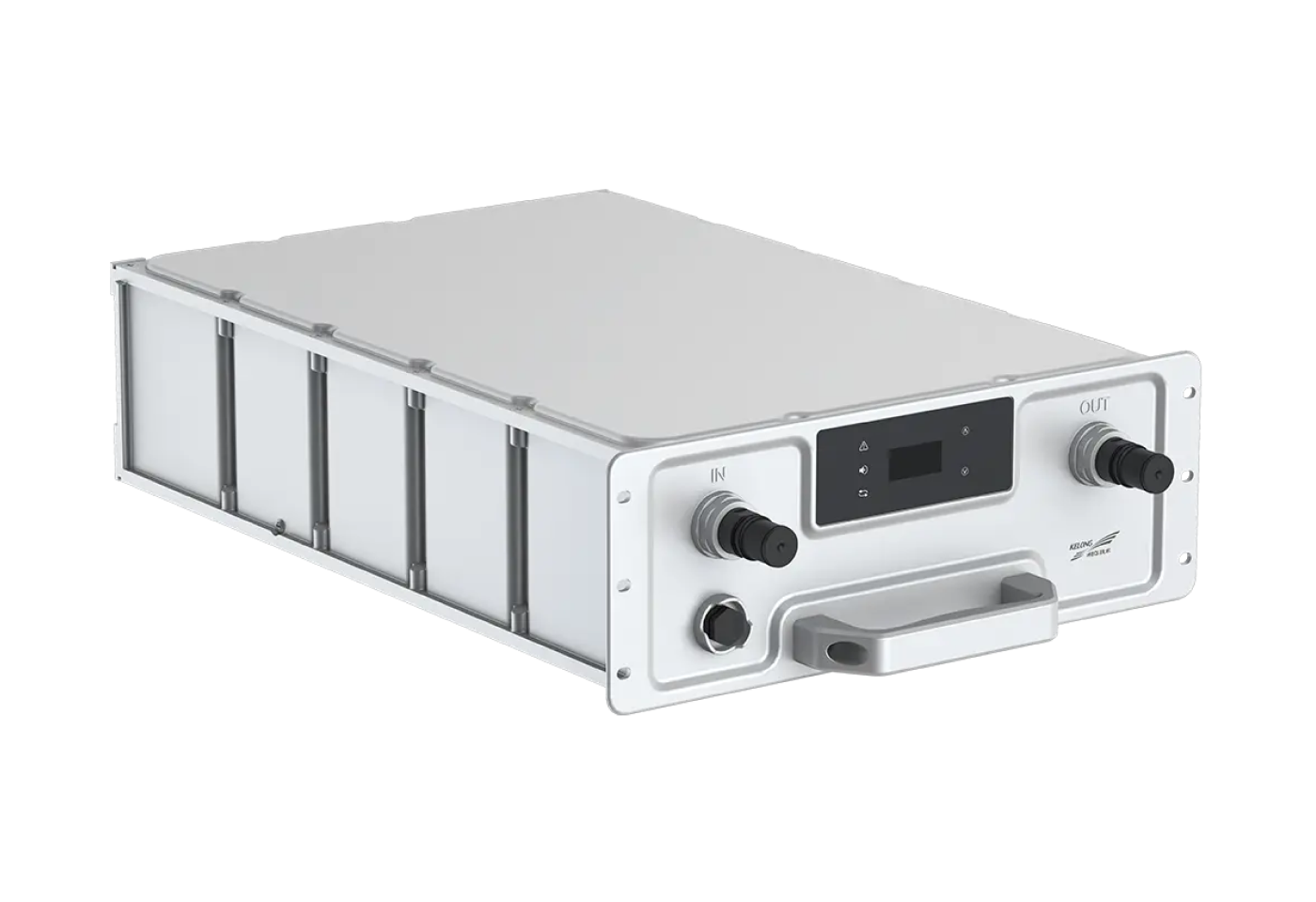
One of the most powerful, yet under‑leveraged, tools in depot design is the modularity of DC charging modules. Shenzhen Kehua leverages decades of power electronics experience to offer modular DC power units that can be configured into different power levels and combined into high‑power distributed and megawatt charging systems. [kehuasz]
From a layout perspective, modularity enables:
- Right‑sizing initial installed power for current fleet needs
- Incremental scaling by adding modules as utilization grows
- Redundancy so a single module failure does not drop an entire lane.
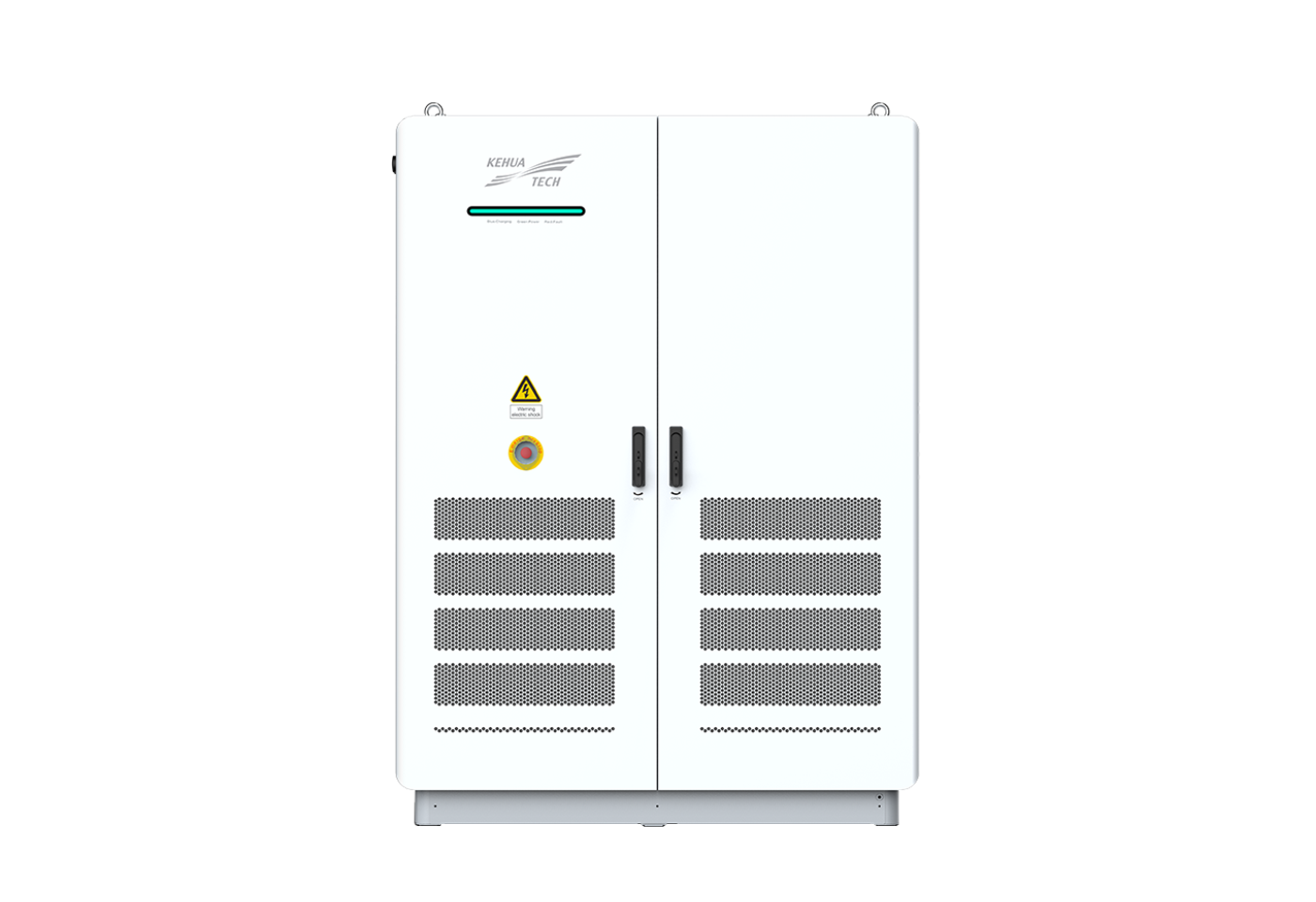
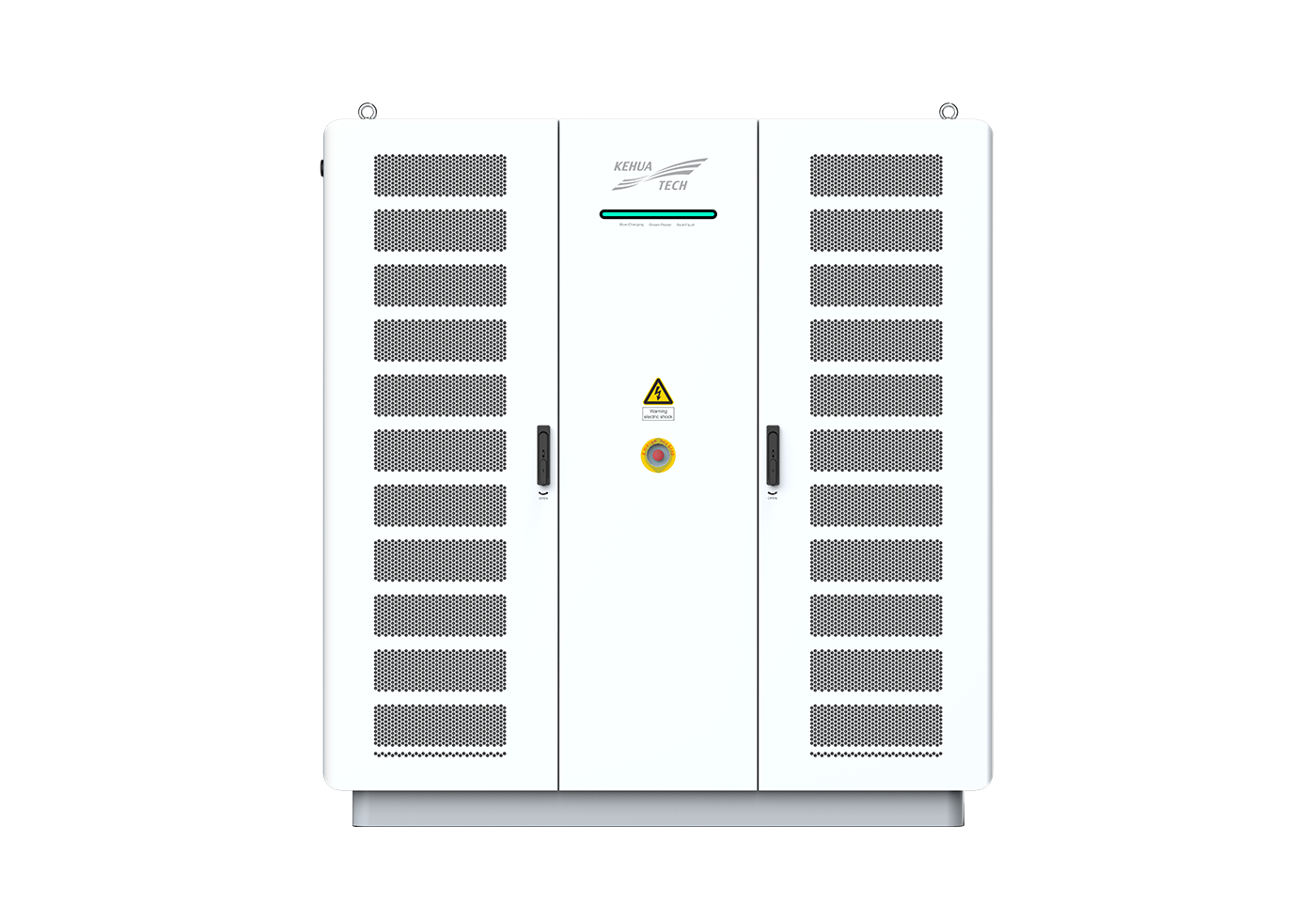
In narrow depots, modular systems often sit in compact cabinets that feed multiple dispensers. This allows power to be concentrated in one serviceable area while dispensers remain slim and space‑efficient along vehicle bays.
Integrating megawatt charging and PV‑ESS‑charging in constrained sites
Heavy‑duty and long‑distance fleets are beginning to deploy megawatt‑level charging systems, which place new demands on site layout and upstream power infrastructure. [kehuasz]
Megawatt charging considerations
For megawatt systems in urban depots:
- Reserve structurally suitable zones for high‑capacity equipment and cabling
- Keep megawatt dispensers in locations with low pedestrian traffic
- Design clear access routes for oversized vehicles to reach these high‑power bays.
In many projects, operators opt to dedicate specific lanes or sections of the yard to megawatt charging to avoid interference with standard depot operations.
PV‑ESS‑charging solutions for urban depots
Urban depots are increasingly combining photovoltaics (PV) and energy storage systems (ESS) with charging hubs to manage demand peaks and improve energy economics. For narrow sites, this often means: [powertodrive]
- Installing PV on rooftops or nearby structures
- Locating ESS containers where sound and safety clearances can be met
- Routing DC or AC connections to the central power area serving distributed chargers and megawatt systems.
By integrating PV‑ESS‑charging solutions into the depot layout, operators can smooth load profiles, reduce reliance on expensive peak tariffs, and increase resilience against grid disturbances. [powertodrive]
Real‑world operator insights: what users say about narrow depots
From user interviews and project feedback, several patterns emerge from operators working in constrained urban depots:
- They value simple, repeatable parking patterns over theoretical maximum vehicle density.
- They prefer clear physical separation between charging equipment and everyday yard clutter.
- They appreciate intuitive dispenser placement, where drivers can plug in without second‑guessing procedures.
When high‑power distributed systems are implemented well, operators report:
- Shorter average plug‑in and unplug times
- Fewer cable damage incidents
- Less need for on‑site supervision during charging windows.
These qualitative insights align with performance data that show higher utilization rates and smoother peak management when layout choices are aligned with real driver behavior.
Practical step‑by‑step design process for narrow depots
To convert theory into action, here is a practical workflow I use when advising on narrow urban depot projects:
1. Map operational flows first
- Document vehicle entry/exit routes, shunting practices and dwell times.
- Identify peak arrival and departure windows.
2. Define charging strategies per segment
- Overnight depot charging vs. opportunity or shift‑change charging.
- Power levels needed for each vehicle type.
3. Select high‑power distributed architecture
- Decide where to centralize power units.
- Determine how many dispensers are required per lane or per vehicle group.
4. Run cable reach and parking simulations
- Use scaled drawings or simple CAD models to test parking and cable reach.
- Validate that drivers can connect from typical stopping positions.
5. Reserve growth zones and service access
- Mark potential expansion areas for power equipment and dispensers.
- Ensure at least one maintenance access route to each power unit.
6. Plan for PV‑ESS‑charging and megawatt integration
- Identify available roof or nearby surfaces for PV.
- Allocate space for ESS containers and future megawatt systems.
7. Finalize with safety and UX checks
- Confirm clearances, emergency access, and signage placement.
- Walk through the site virtually from a driver's and technician's perspective.
This structured process significantly reduces the risk of costly rework once construction begins.
Example hub configuration for a narrow city bus depot
To illustrate how these principles come together, consider a long, narrow city bus depot with a single entrance and exit.
Key characteristics
- One‑way traffic flow along the length of the depot
- Overnight parking for a fixed number of buses
- Limited wall space at the far end for equipment.
Optimized layout approach
- Place modular DC power units and, if required, megawatt systems against the far wall, away from the entrance.
- Run distribution lines along the outer fence, feeding dispensers positioned at every second parking bay to balance cost and usability.
- Dedicate one aisle as a "service lane" free from parked vehicles to allow safe maintenance access to power units and ESS containers.
- Reserve rooftop space above the depot for PV and link it to the central power area serving the distributed system.
In practice, this kind of layout provides high power density, clear vehicle flows, and a solid foundation for future fleet expansion without major civil changes.
Safety, compliance and future‑proofing considerations
Beyond space and power, safety and compliance are central to layout optimization.
Key design themes include:
- Maintaining required clearances around power cabinets, ESS units, and dispensers
- Ensuring emergency egress routes are never blocked by charging infrastructure
- Implementing clear emergency stop access points and signage.
Future‑proofing also means anticipating evolving standards for high‑power and megawatt charging. Working with partners that participate in international e‑mobility organizations and align to global standards helps ensure that the infrastructure you build today can adapt to tomorrow's vehicles and protocols. [charin]
Why work with a specialized high‑power EV charging provider
Choosing the right technology partner is as important as getting the layout right. Shenzhen Kehua Hengsheng Technology Co., Ltd. focuses on EV charging equipment built on decades of power electronics expertise, offering DC charging modules, DC fast chargers, high‑power distributed systems, megawatt‑level charging systems and PV‑ESS‑charging solutions for fleets in multiple regions. [kehuasz]
For depot operators, this means:
- Access to a complete DC product portfolio, from power modules to distributed systems and megawatt charging
- Solutions engineered with demanding fleet environments and narrow depots in mind
- Support for end‑to‑end charging system design, from power architecture through to dispenser placement and on‑site commissioning. [kehuasz]
When technology and layout design are aligned, operators can unlock higher utilization, lower lifetime cost of ownership and a smoother transition to electric fleets.
Clear call to action
If you are planning or redesigning a high‑power distributed charging hub in a narrow urban depot and want to future‑proof both layout and technology, consider partnering with a provider experienced in DC fast charging, megawatt systems and PV‑ESS‑charging solutions for fleets. [kehuasz]
Get in touch with Shenzhen Kehua Hengsheng Technology Co., Ltd. to discuss your depot's constraints, fleet roadmap and charging strategy, and explore how a modular, high‑power distributed system can transform your site into a smart, scalable EV hub. [kehuasz]
FAQs
1. What is a high‑power distributed charging system in a depot?
A high‑power distributed charging system uses centralized power units or cabinets to feed multiple satellite dispensers in the depot, enabling flexible, scalable DC fast charging for fleets in constrained spaces. [kehuasz]
2. Why are narrow urban depots challenging for EV charging?
Narrow depots have limited frontage, tight turning radii and constrained parking patterns, which make it difficult to place chargers, route cables and maintain safe traffic flows without careful layout optimization. [powertodrive]
3. How do modular DC charging modules improve depot design?
Modular DC charging modules allow operators to right‑size initial capacity, scale power as fleet demand grows and maintain redundancy, all while keeping equipment footprints compact in narrow depots. [kehuasz]
4. What role do PV‑ESS‑charging solutions play in depot layouts?
PV‑ESS‑charging solutions integrate solar power and energy storage with charging infrastructure to manage peaks, improve energy economics and support higher charging power without overloading the grid connection. [powertodrive]
5. When should a depot consider megawatt charging systems?
Depots serving heavy‑duty or long‑distance vehicles that require very high charging power and fast turnaround times should evaluate megawatt systems and reserve appropriate space and infrastructure in their initial layout design. [kehuasz]
References
- Shenzhen Kehua Hengsheng Technology Co., Ltd. – EV Charger Power Module Manufacturer. Available at: [https://www.kehuasz.com] [kehuasz]
- Shenzhen Kehua Hengsheng Technology Co., Ltd. – Global Company Profile. Available at: [https://www.kehuasz.com/global/company-profile.html] [kehuasz]
- Shenzhen Kehua Hengsheng Technology Co., Ltd. – EU Site Overview. Available at: [https://www.kehuasz.com/eu] [kehuasz]
- Shenzhen Kehua Hengsheng Technology Co., Ltd. – Company Profile (EU). Available at: [https://en.kehuasz.com/eu/company-profile.html] [en.kehuasz]
- Power2Drive – Shenzhen Kehua Hengsheng Technology Co., Ltd. Exhibitor Profile. Available at: [https://www.powertodrive.de/exhibitorlist/shenzhen-kehua-hengsheng-technology-co-ltd] [powertodrive]
- CharIN – Shenzhen Kehua Hengsheng Technology Co., Ltd. Member Page. Available at: [https://www.charin.global/community/shenzhen-kehua-hengsheng-technology-co-ltd] [charin]
Hot Tags: High Power Distributed Charging Systems, Customized, Custom, Suppliers, Cheap, Quality, Advanced, Durable, in Stock, Price, Quotation

