



- Electric Bus Charging Upgraded: Fast & Flexible
- Shenzhen Kehua’s 40 kW High-Efficiency SiC Charging Module Achieves CE, CB, and UL Certifications
- Shenzhen Kehua Unveils High-Reliability All-in-One DC Charger for the ASEAN Market
- Shenzhen Kehua’s Scalable Megawatt Power Unit: Pioneering the Next Era of High-Power Charging for Green Mobility
- Growth Opportunities in the EV Charging Industry Amid the Global Transportation Electrification
- The Future of Fleet Charging: Building Efficient and Reliable Charging Infrastructure
Mining Industry Electrification: Deploying Ruggedized Megawatt Charging Systems for Electric Haul Trucks


Content Menu
● What Mining Electrification Really Means for Haul Fleets
● Why Ruggedized Megawatt Charging Systems Matter in Mining
>> The role of MCS in heavy‑duty mining
>> Matching MCS capabilities with mining duty cycles
● Technical and Environmental Challenges in Electrifying Haul Trucks
● How Shenzhen Kehua Hengsheng Supports Mining Electrification
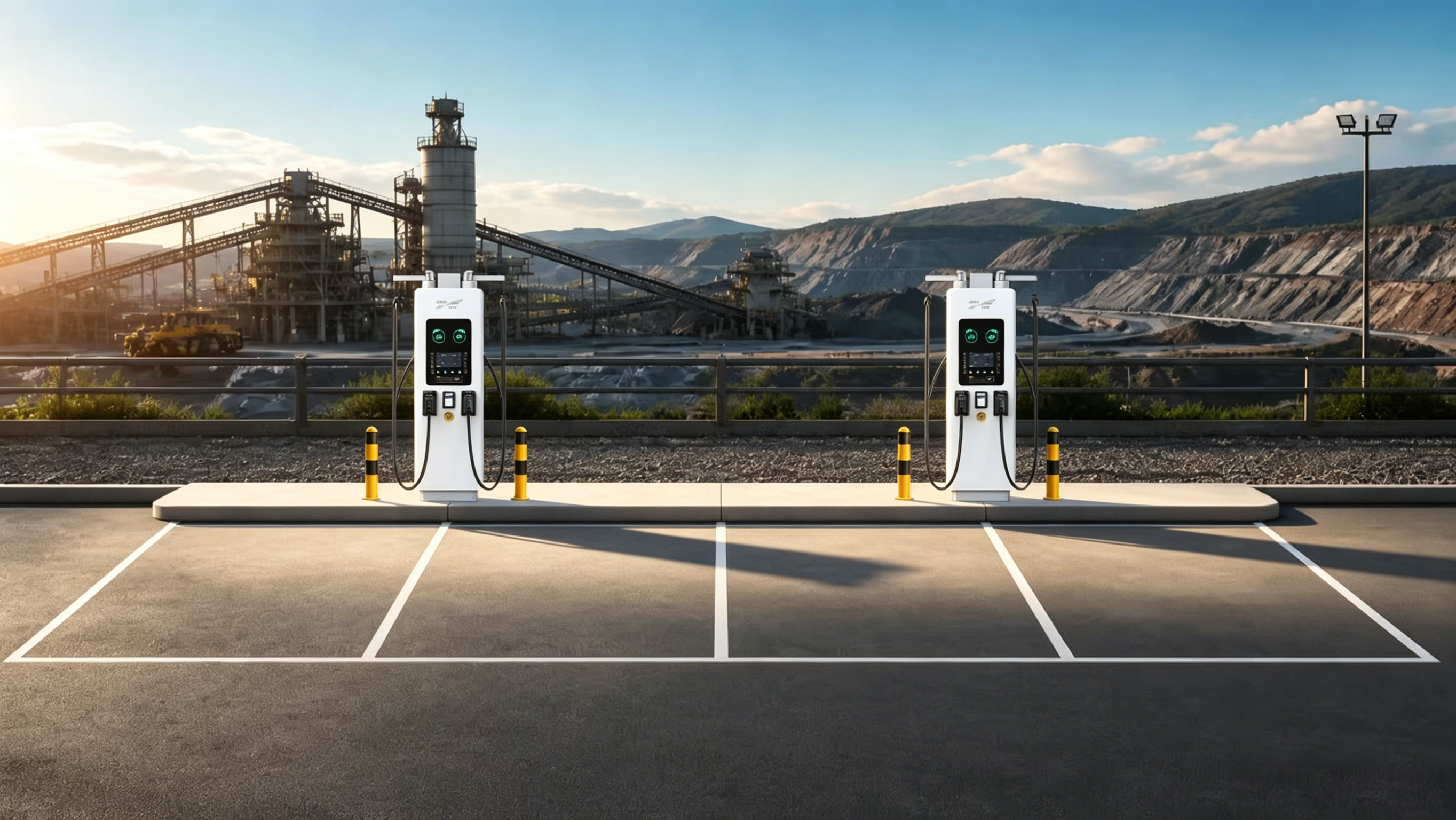
● Designing Dispensers and Charging Yards for Harsh Mining Environments
>> Ruggedized dispenser design principles
>> Layout and traffic flow in megawatt charging yards
● Practical Roadmap to Electrify a Haul Truck Fleet
● Standards and Interoperability as Risk Management
● Leveraging PV + Energy Storage to Support Megawatt Charging
● Example KPIs Table for Mining Electrification Projects
● Clear Call to Action for Mining Stakeholders
● Frequently Asked Questions (FAQ)
Mining operations are under intense pressure to cut diesel emissions, reduce operating costs, and maintain productivity, and ruggedized megawatt charging systems for electric haul trucks are rapidly becoming a practical path forward for mine operators worldwide. As an electrification strategist working with heavy-duty fleets, I have seen that mines which treat charging as a core part of the production system—not just an add‑on utility—achieve the fastest payback and the most reliable performance from their electric haul trucks. [ powertraininternationalweb ]
What Mining Electrification Really Means for Haul Fleets
Electrifying haul trucks is not simply a vehicle procurement decision; it is a long‑term operational and infrastructure transformation. Haul trucks account for a major share of a mine's energy use and emissions, so shifting them from diesel to electric power fundamentally changes how energy is delivered, stored, and managed on site. [ charin ]
For most open‑pit and large underground mines, this transformation has three pillars:
- High‑capacity batteries in haul trucks capable of supporting full production cycles
- Ruggedized megawatt charging systems positioned along haul routes and at loading or dumping areas
- Integrated power and storage systems , including renewables and battery storage, to stabilize megawatt‑scale loads [ powertraininternationalweb ]
From my work with mining stakeholders, the most successful projects start with a phased roadmap: pilot 1–2 electric trucks and a single high‑power dispenser, then scale to full battery‑electric fleets and distributed megawatt charging yards as data and confidence grow. [ charin ]
Why Ruggedized Megawatt Charging Systems Matter in Mining
The role of MCS in heavy‑duty mining
The Megawatt Charging System (MCS) is emerging as the global standard for ultra‑high‑power charging of large battery electric vehicles, with power levels in the multi‑megawatt range and current ratings around or above 1,000 A. In practical terms, MCS allows a heavy truck to charge from approximately 20% to 80% state of charge in less than 30 minutes, aligning charging windows with scheduled breaks or loading cycles. [ scania ]
In the mining context, this is crucial because:
- Haul truck duty cycles are intense and continuous
- Any extra downtime directly hits cost per tonne
- Charging must be fast, predictable, and repeatable in harsh conditions [ powertraininternationalweb ]
Ruggedized variants of MCS are specifically engineered for shock, vibration, dust, moisture, and temperature extremes commonly found at mine sites. These solutions typically combine robust mechanical design with advanced communications and safety features to ensure secure, repeatable coupling between truck and dispenser, even under high power levels. [ charin ]
Matching MCS capabilities with mining duty cycles
From an operational standpoint, the core question mine operators ask is: "Can megawatt charging keep up with our shift plan?" Based on existing trials and early deployments, the answer is yes—provided that power levels, charging locations, and truck battery capacities are engineered as a system rather than in isolation. [ powertraininternationalweb ]
A common best‑practice pattern includes:
1. Fast opportunity charging at strategic locations (e.g., at the dump or near the crusher)
2. High‑energy top‑ups during shift changes or planned maintenance windows
3. Predictive scheduling coordinated by a charging management platform to smooth demand peaks [ charin ]
When properly designed, megawatt charging can fit into existing haul cycles without extending overall cycle times, while simultaneously reducing fuel costs and emissions. [ powertraininternationalweb ]
Technical and Environmental Challenges in Electrifying Haul Trucks
Despite rapid progress, mining electrification projects face significant technical and organizational challenges. From my perspective working with heavy‑duty fleets, the most critical ones are: [ charin ]
- Grid and power availability : Delivering multi‑megawatt power to remote pit locations requires careful grid connection design, on‑site substations, and often on‑site energy storage. [ powertraininternationalweb ]
- Infrastructure durability : Chargers and dispensers must withstand dust, mud, vibration, corrosive environments, and extreme temperatures. [ charin ]
- Interoperability and standards : Mines operate mixed fleets from multiple OEMs, so standardization around MCS and related interfaces is essential to avoid vendor lock‑in and stranded assets. [ powertraininternationalweb ]
- Operational integration : Dispatching, maintenance, and safety procedures must be updated to account for high‑voltage charging operations and battery behavior. [ charin ]
At the same time, electrification offers tangible benefits:
- Reduced operational emissions and support for corporate net‑zero targets
- Lower energy cost per tonne compared to diesel in many regions
- Reduced noise and local air pollution, improving worker health and community relations [ powertraininternationalweb ]
How Shenzhen Kehua Hengsheng Supports Mining Electrification
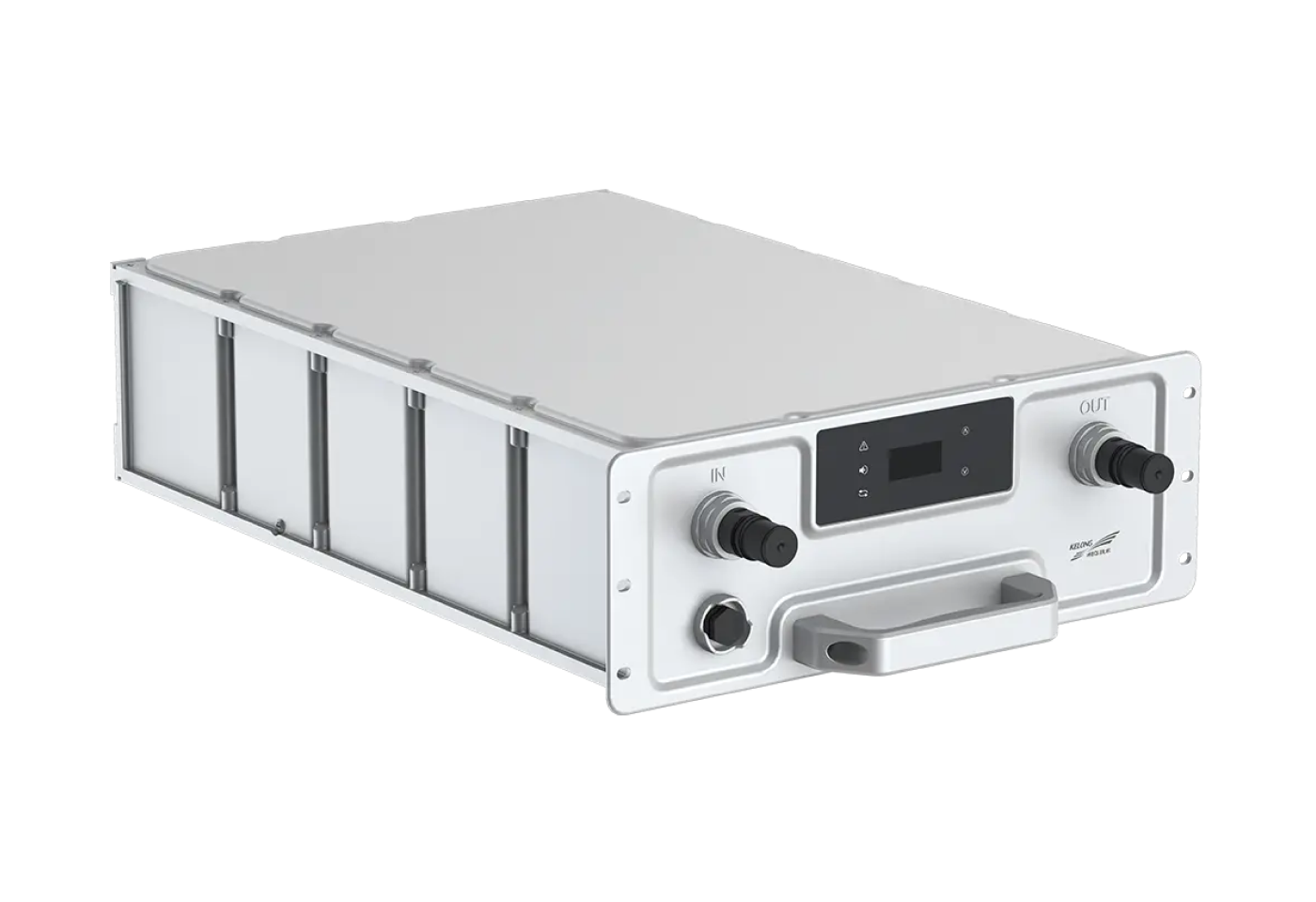
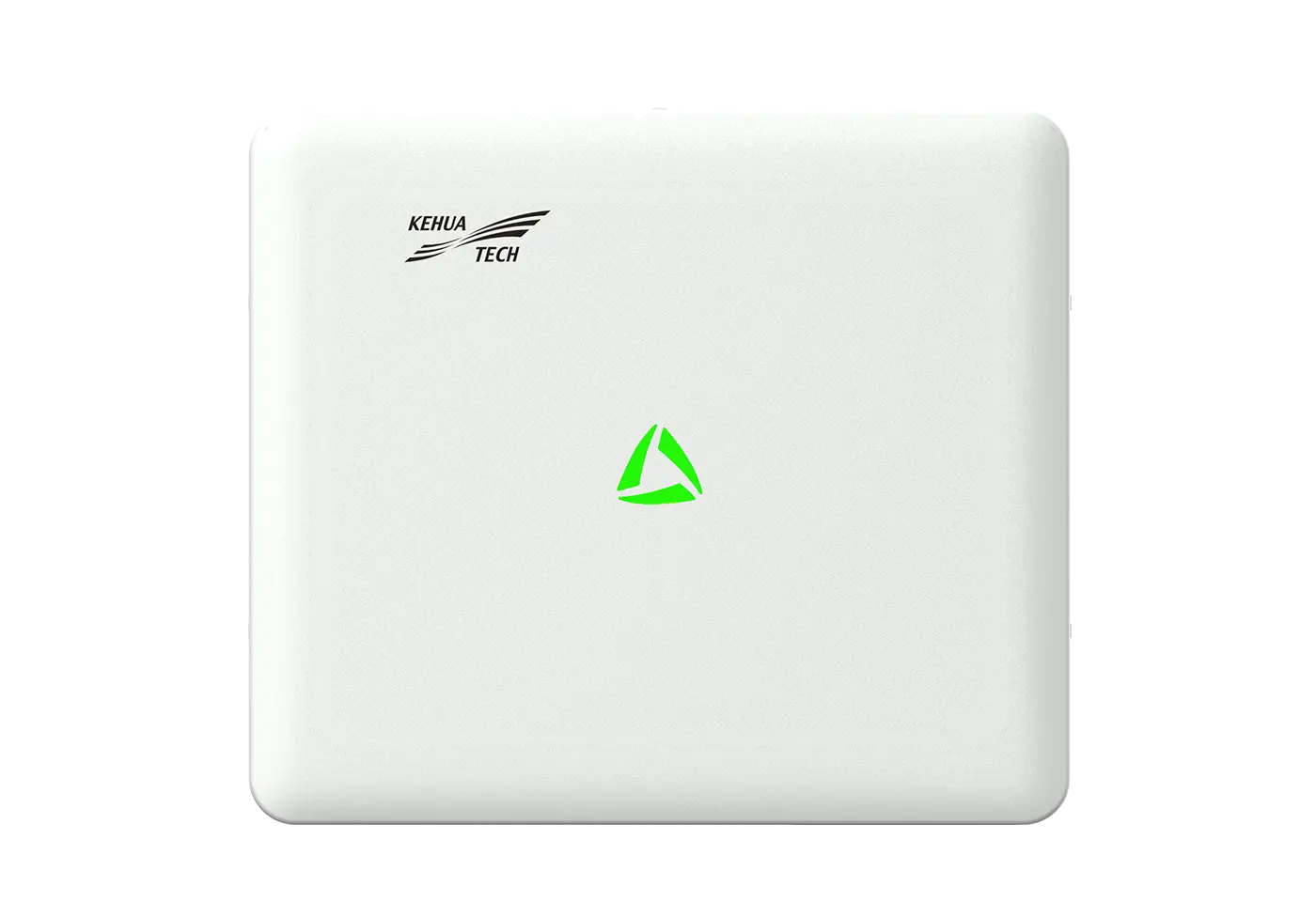
Mining environments place exceptional demands on EV charging infrastructure. Dust, vibration, extreme temperatures, and continuous heavy-duty operation require charging equipment that delivers both high power and long-term reliability.
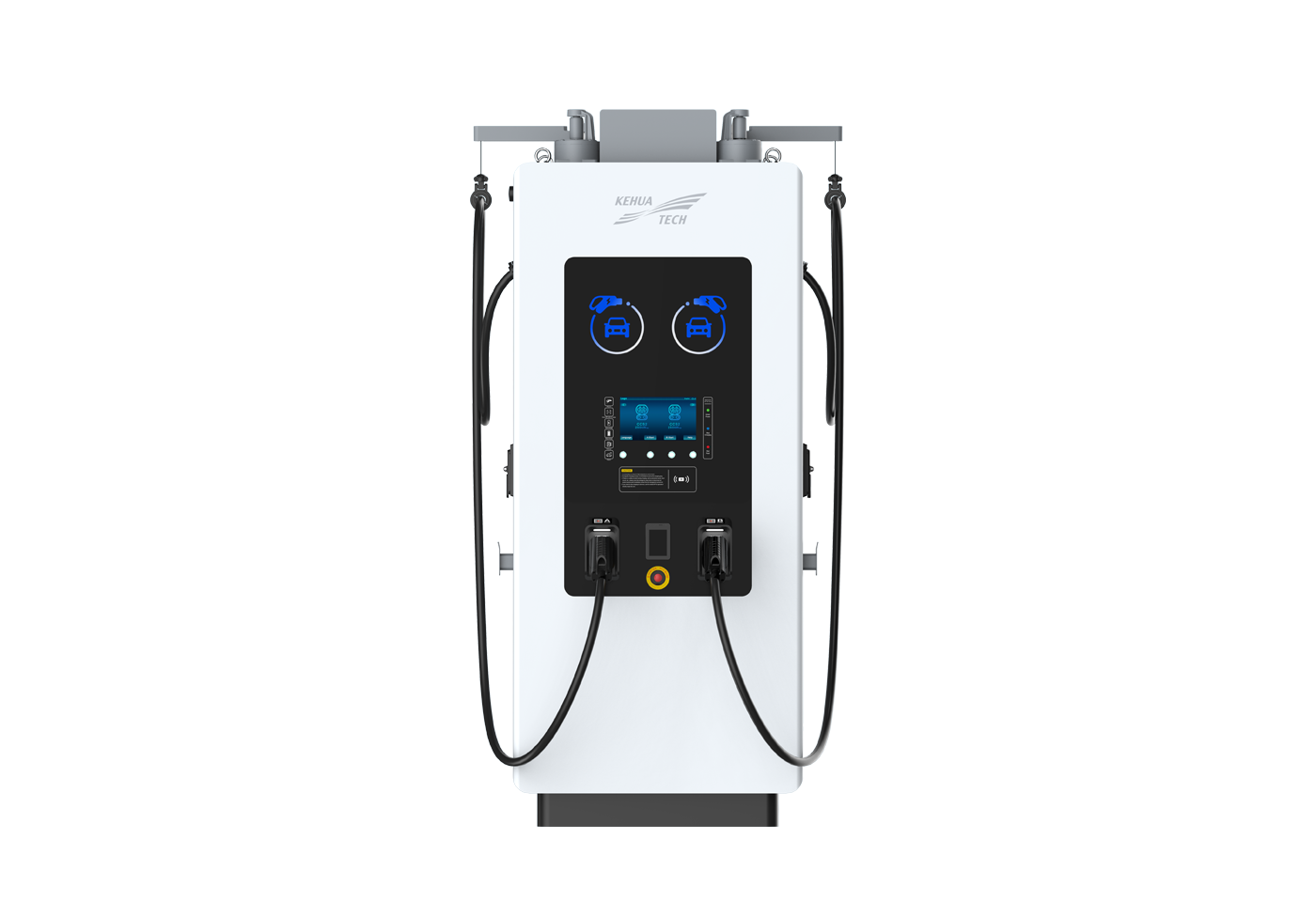
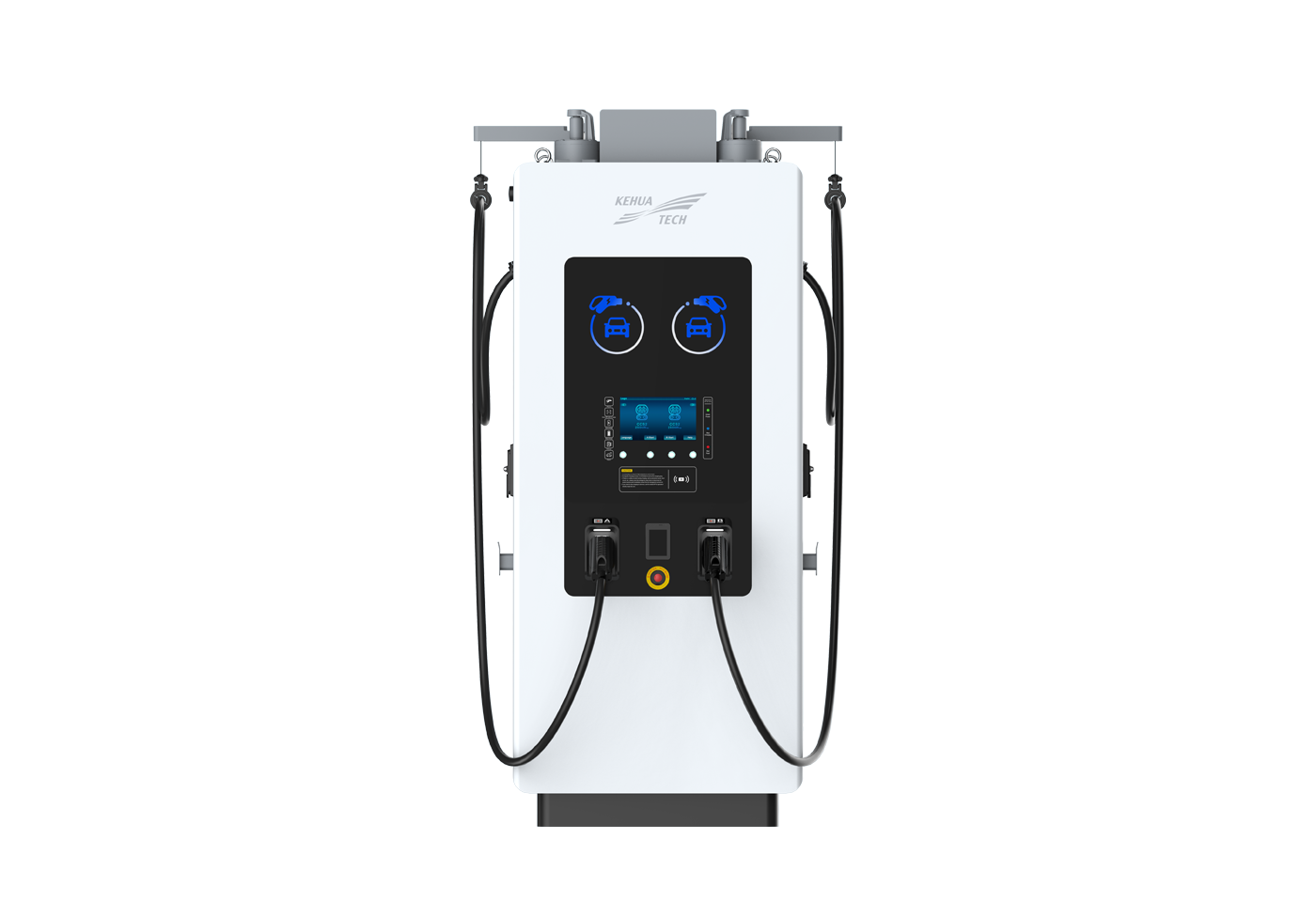
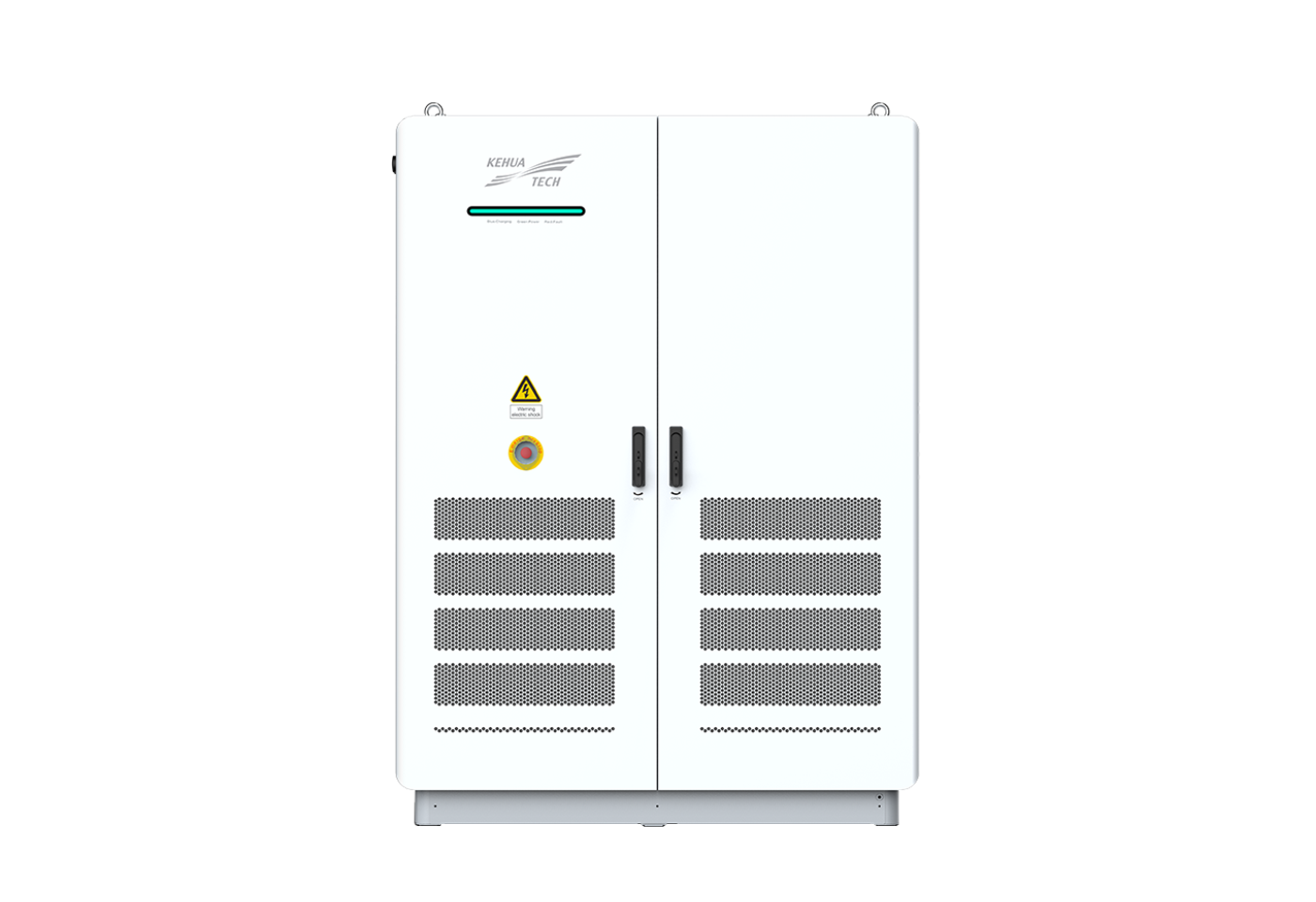
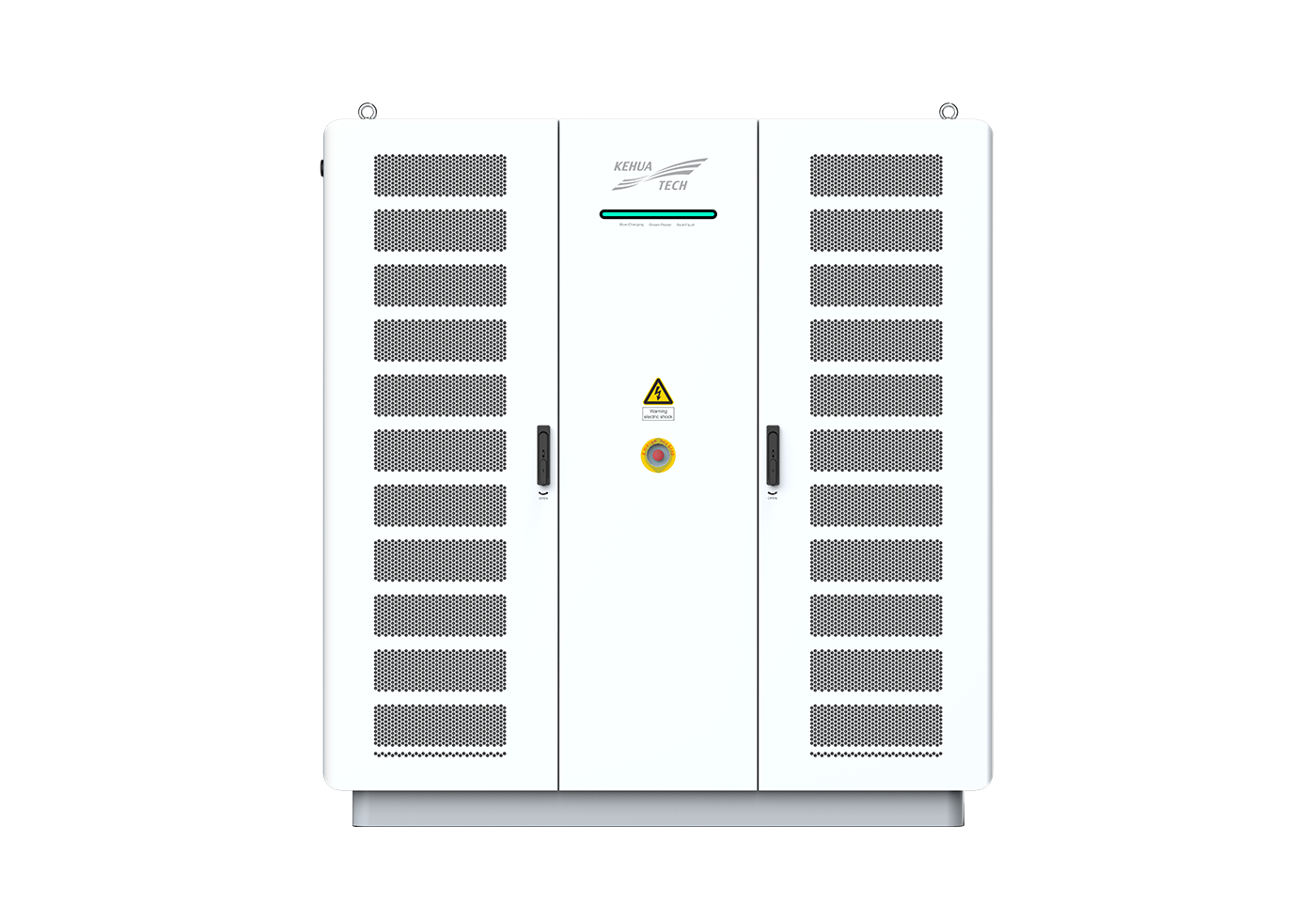
Kehua's distributed DC charging solution is specifically designed for these demanding conditions. The charging equipment features an IP55-rated enclosure, providing effective protection against dust ingress and water exposure, making it well suited for open-pit mines, quarry operations, and other high-dust environments.
To further improve operational reliability, the system incorporates 100+ protection mechanisms across eight major protection categories, helping safeguard charging equipment, vehicles, batteries, and personnel against electrical faults, abnormal operating conditions, and environmental challenges. This multi-layer protection design minimizes downtime and enhances charging safety in mission-critical mining operations.
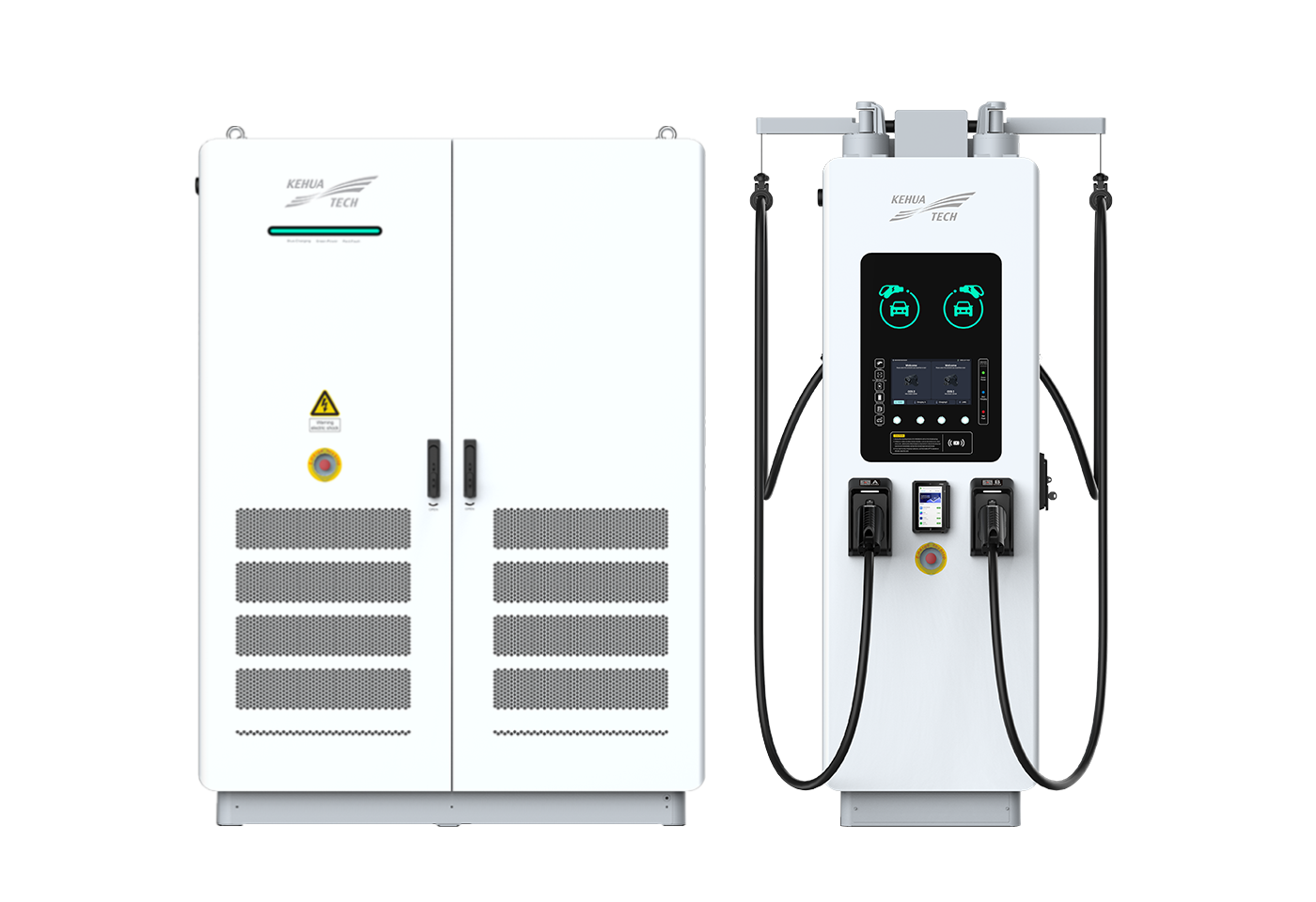
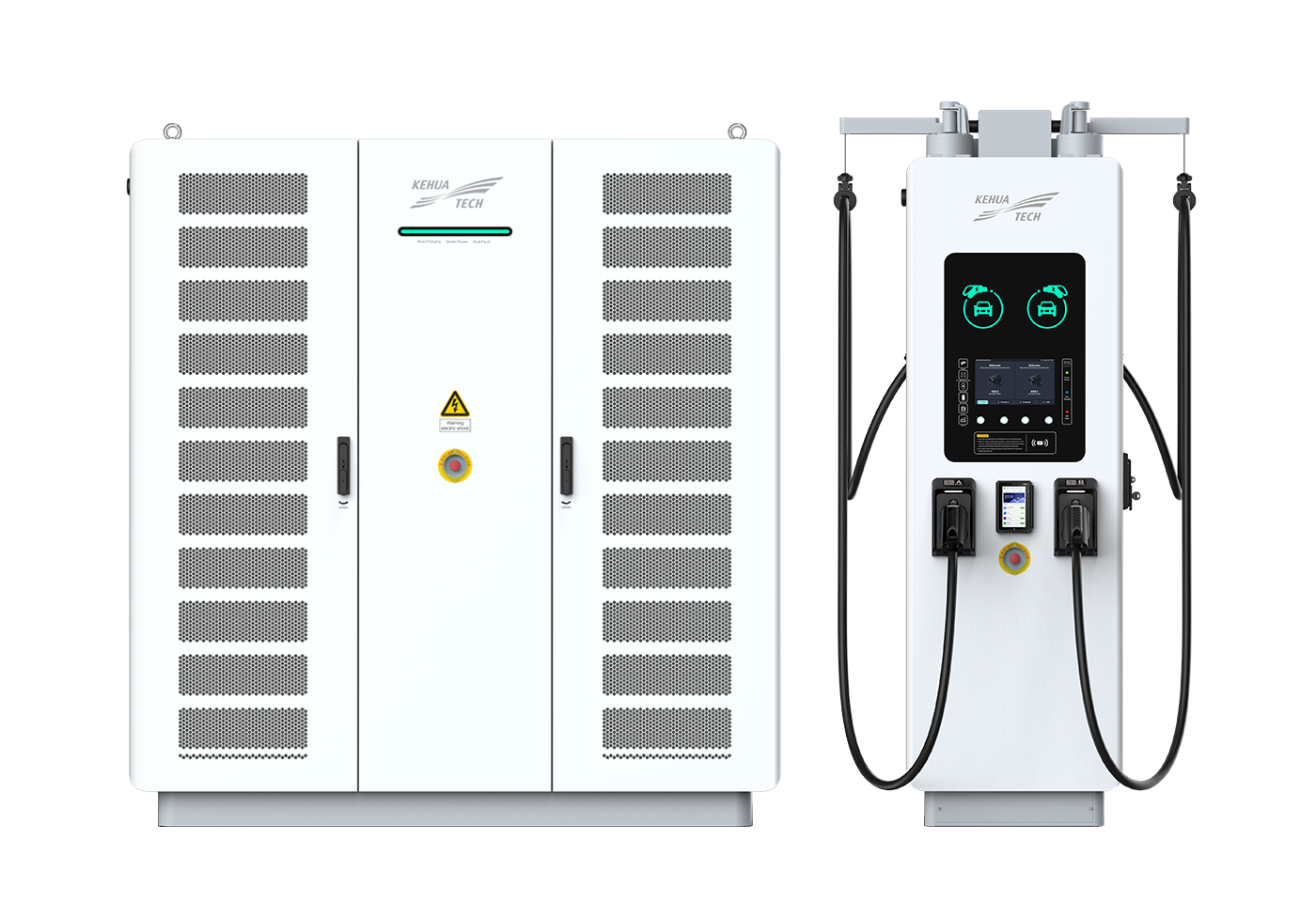
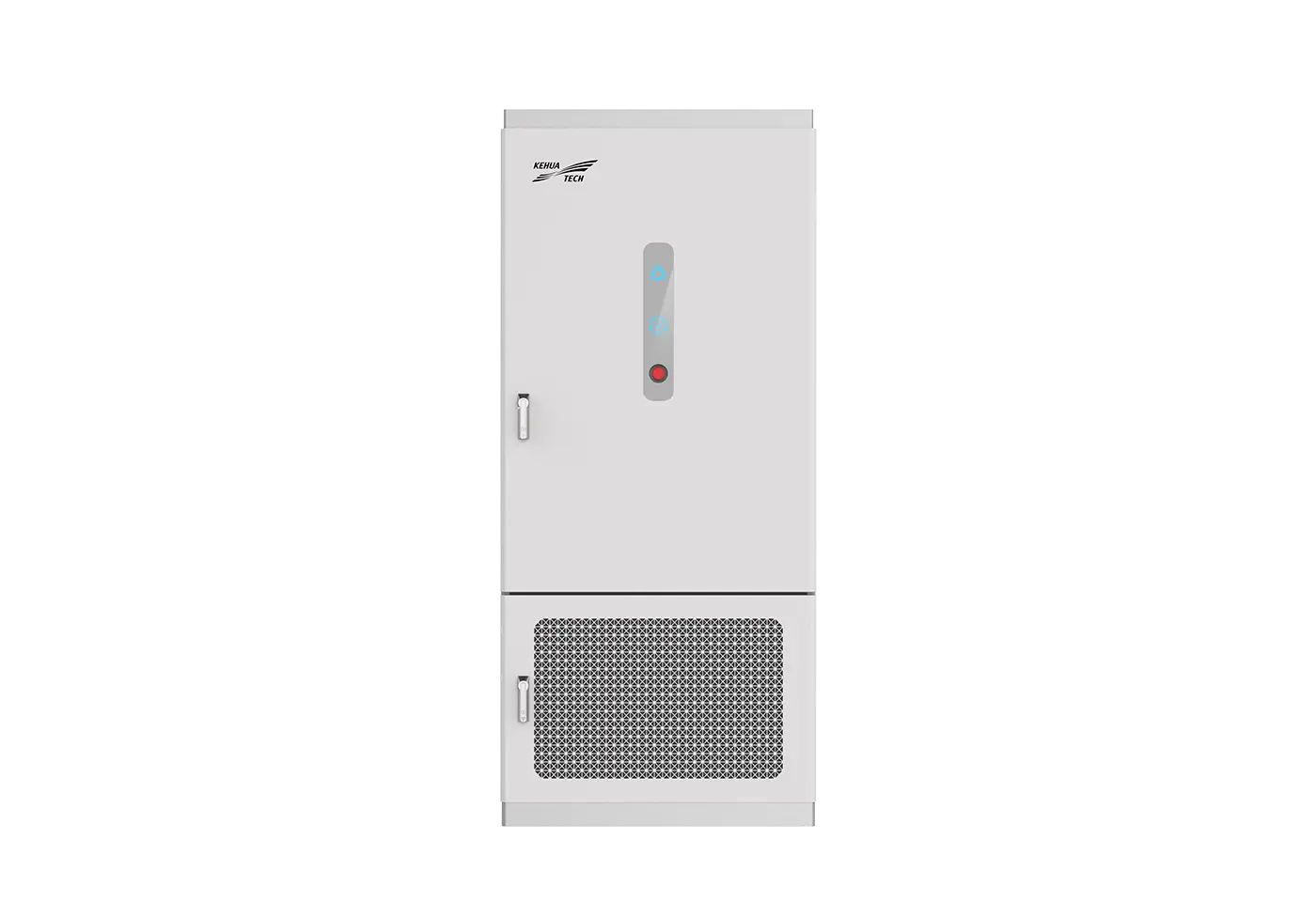
The modular architecture also supports centralized power units with distributed charging dispensers, allowing operators to install the power electronics in protected locations while placing charging dispensers closer to haul roads, loading points, or maintenance areas. This reduces maintenance complexity, shortens cable routing, and enables flexible expansion as fleet electrification grows.
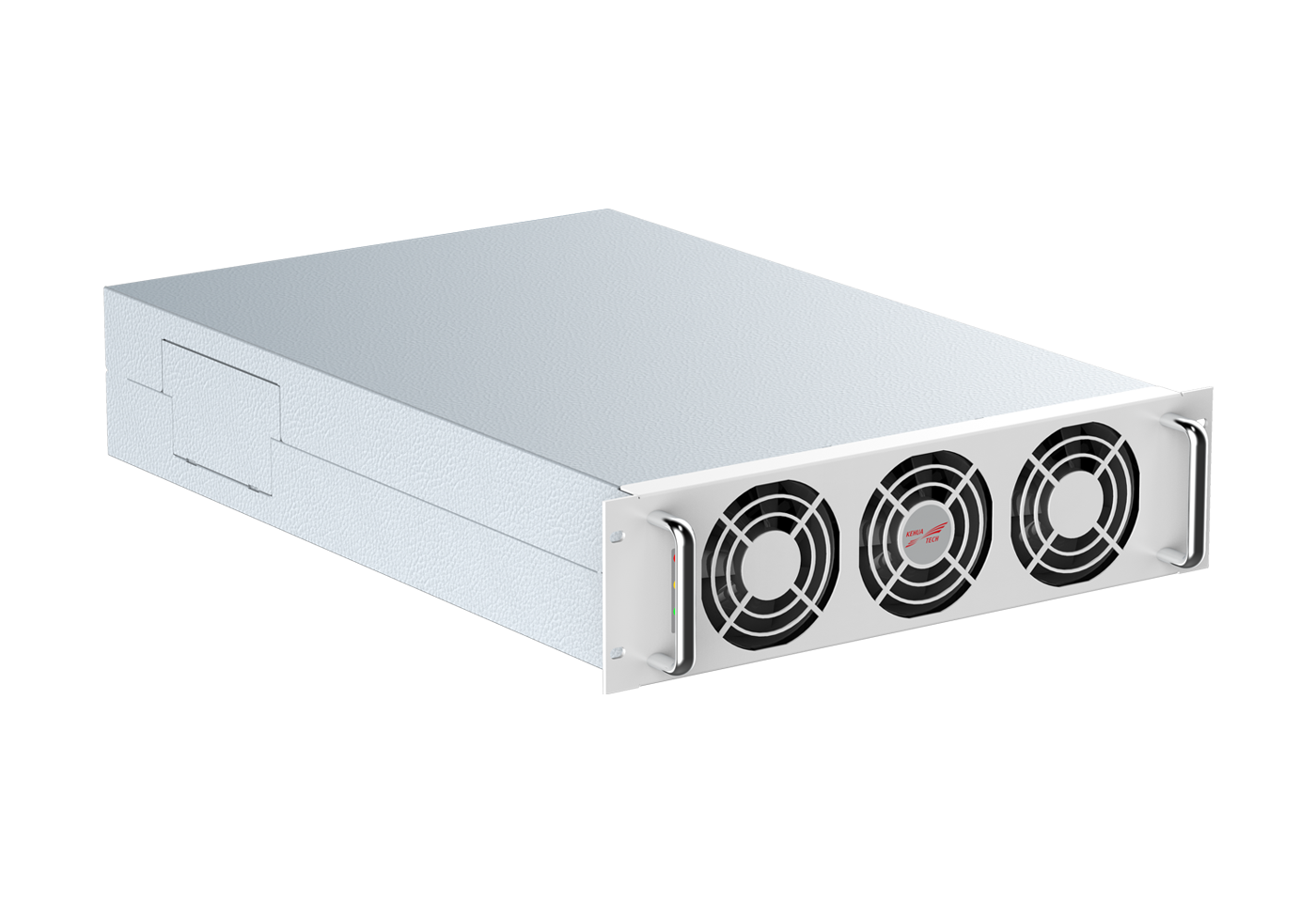
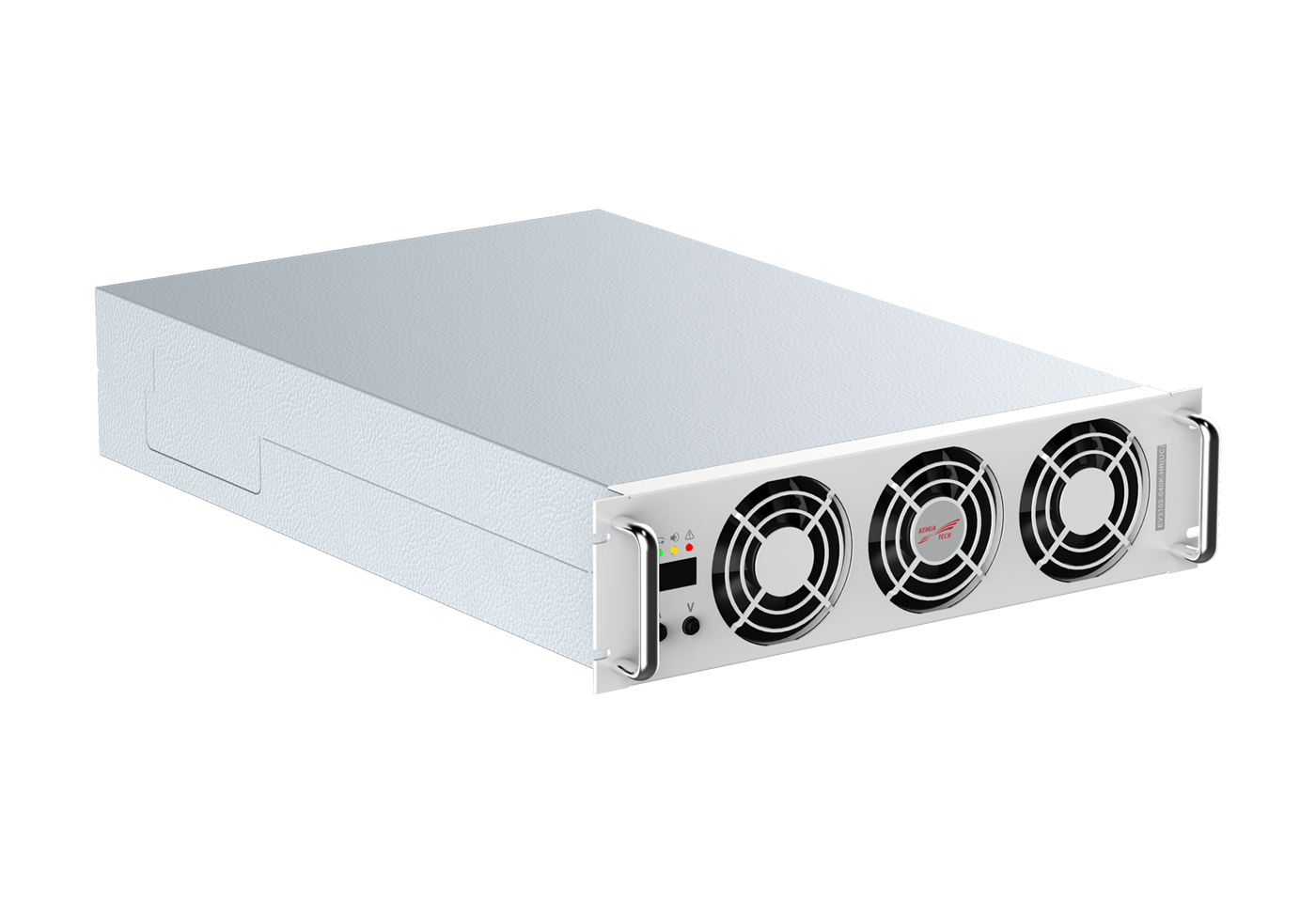
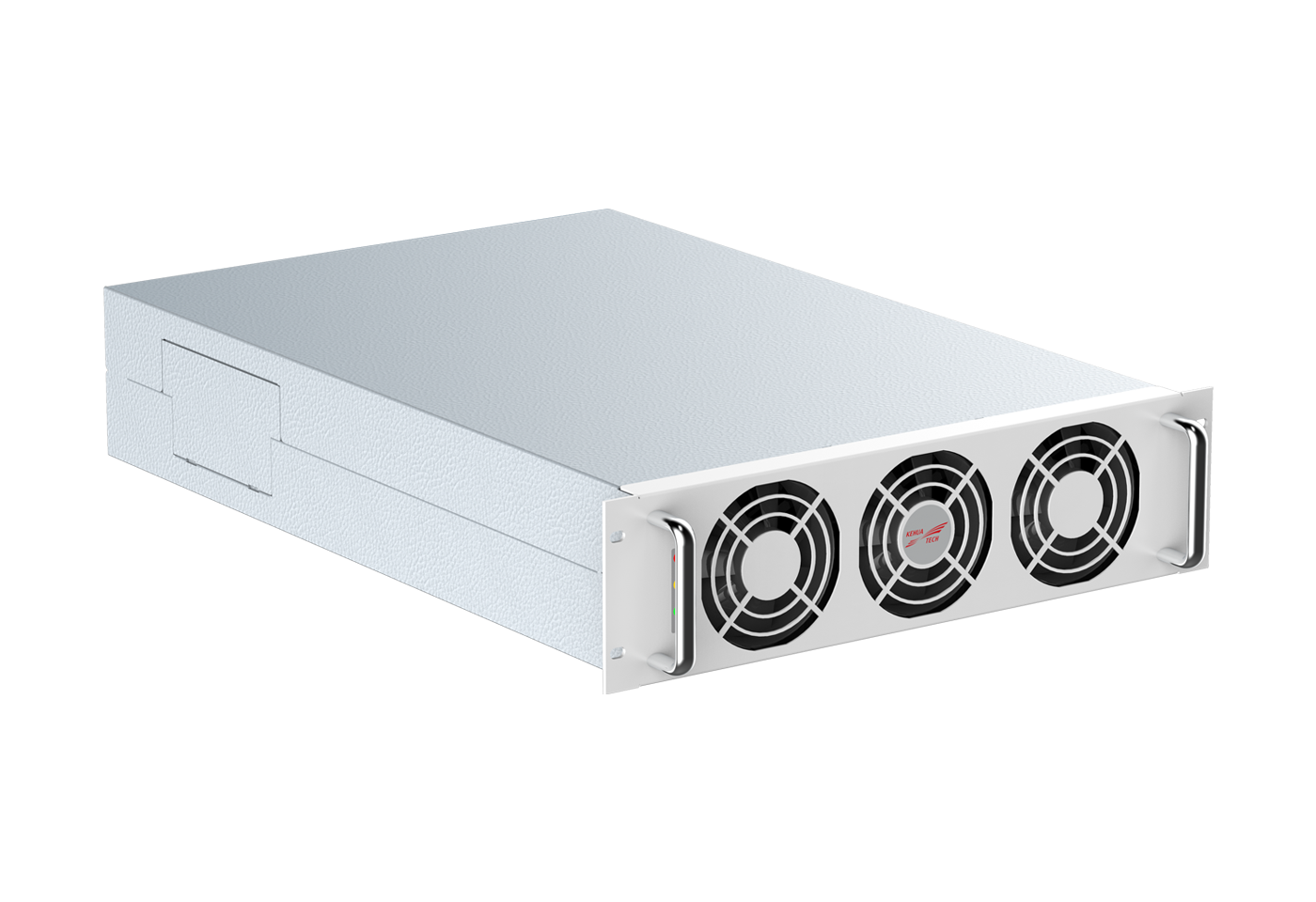
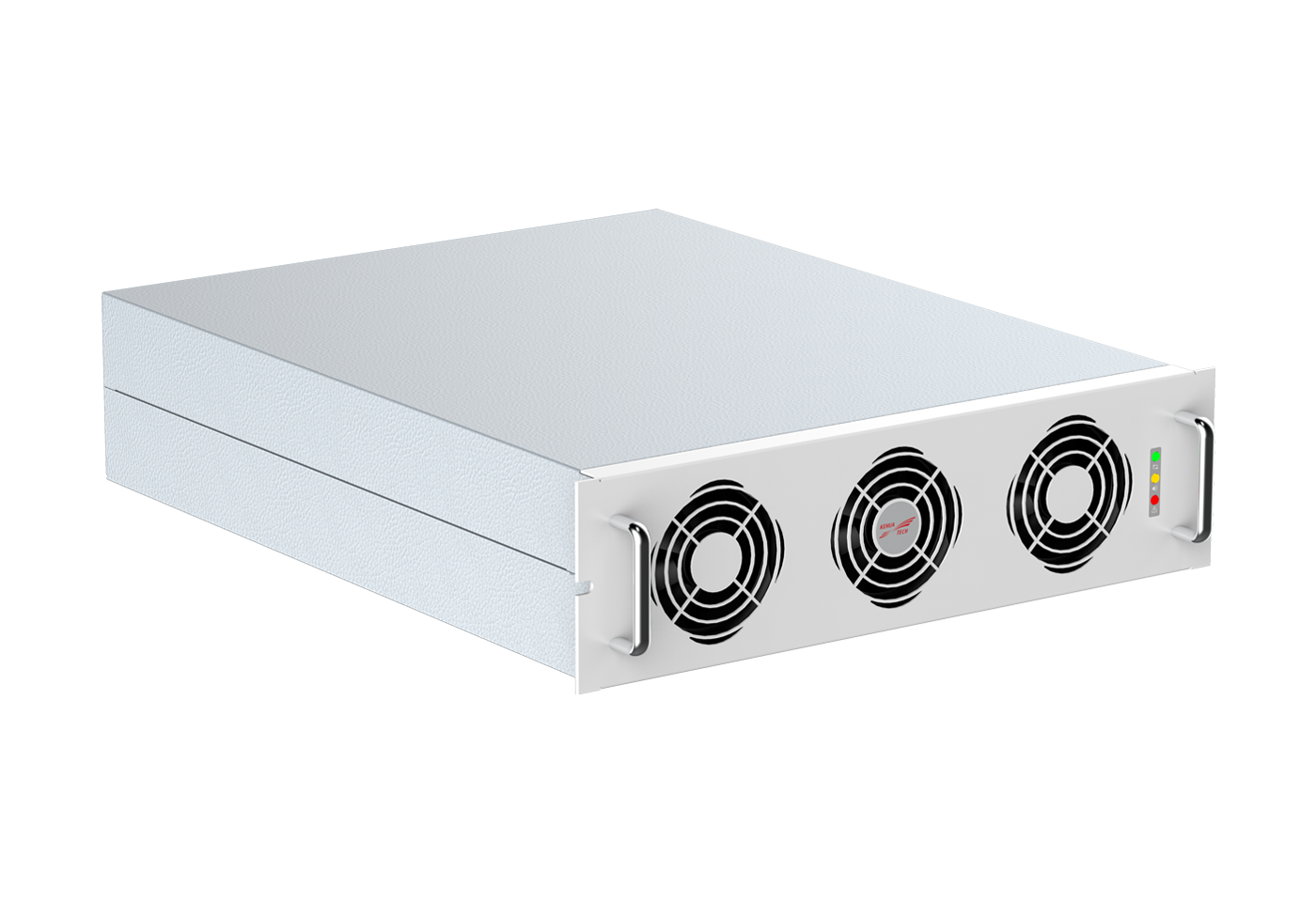
In addition, Kehua's high-efficiency SiC charging modules, megawatt-scale power capability, and optional PV + energy storage integration help mining companies reduce energy costs while providing reliable high-power charging for heavy-duty electric haul trucks and mining equipment.
Designing Dispensers and Charging Yards for Harsh Mining Environments
Ruggedized dispenser design principles
Dispensers in mining need to prioritize durability, safety, and operator usability over cosmetic design. From my experience reviewing successful projects, effective rugged design typically includes: [ charin ]
- Reinforced enclosures with high ingress protection against dust and water
- Impact‑resistant housings and cable management systems that tolerate accidental contact with equipment
- Intuitive human‑machine interfaces (HMIs) that can be operated with gloves and in low‑visibility conditions
- Clear visual status indicators that are visible from the cab or from a safe distance [ powertraininternationalweb ]
In the megawatt power range, additional attention must be given to connector cooling, locking mechanisms, and automated positioning systems that minimize manual handling. Many mining operators also request flexible mounting options so dispensers can be integrated with existing haul road infrastructure or modular platforms. [ sciencedirect ]
Layout and traffic flow in megawatt charging yards
A well‑designed charging yard can significantly reduce turnaround times and safety incidents. In heavy‑haul environments, best practices include: [ charin ]
- One‑way traffic flow to minimize reversing and reduce collision risk
- Clear separation of charging lanes from pedestrian and light‑vehicle traffic
- Adequate buffer zones around dispensers and cables to avoid damage from truck movements
- Sufficient queueing space to match peak operation times without congestion [ powertraininternationalweb ]
In my view, collaboration between electrical engineers, mine planners, and truck operators during the design phase is critical to aligning yard layout with real‑world driving behavior and shift patterns. [ charin ]
Practical Roadmap to Electrify a Haul Truck Fleet
Based on current industry practice and pilot projects, a practical roadmap for mine operators planning to deploy ruggedized megawatt charging can be structured into clear phases. [ powertraininternationalweb ]
1. Feasibility and concept design
- Analyze haul profiles, gradients, and cycle times.
- Evaluate power availability and potential for on‑site generation and storage.
- Model total cost of ownership (TCO) for diesel vs. electric scenarios.
2. Pilot deployment
- Select one haul route or pit segment with predictable cycles.
- Deploy 1–2 electric haul trucks and one megawatt‑class dispenser connected to modular DC power cabinets.
- Monitor charging times, energy consumption, and impact on shift productivity.
3. Scale‑up and optimization
- Expand to multiple routes, additional dispensers, and higher aggregate power.
- Introduce scheduling algorithms that coordinate charging with truck dispatching.
- Integrate PV and energy storage where economically viable to reduce peak demand.
4. Full fleet transition
- Standardize on MCS‑compatible interfaces across OEMs where possible.
- Implement centralized monitoring and predictive maintenance for chargers and dispensers.
- Continuously update procedures and training for operators, electricians, and planners. [ charin ]
This staged approach reduces risk, builds internal expertise, and allows mine operators to validate performance under their specific geological, climatic, and market conditions. [ powertraininternationalweb ]
Standards and Interoperability as Risk Management
Interoperability is no longer a "nice‑to‑have" but a core risk management strategy for mining electrification. Organizations involved in heavy‑duty charging are actively defining requirements for ruggedized and dynamic MCS solutions that work across diverse vehicle platforms in mining, marine, and aviation. [ charin ]
For mining companies, that translates into three practical recommendations:
- Prioritize systems designed around open or widely adopted standards for connectors, communication protocols, and safety functions. [ powertraininternationalweb ]
- Engage with OEMs, charger vendors, and standardization bodies early in the project to align on interface roadmaps and minimize future retrofit costs. [ charin ]
- Require multi‑vendor interoperability testing as part of procurement, especially when planning multi‑megawatt charging yards. [ powertraininternationalweb ]
From the perspective of an electrification advisor, these measures protect CAPEX, simplify operations across mixed fleets, and support long‑term flexibility as technology and mine plans evolve. [ charin ]
Leveraging PV + Energy Storage to Support Megawatt Charging
Megawatt charging at a mine site can create significant peaks in power demand, which in turn impact grid connection requirements and operating costs. Integrating on‑site solar generation and battery energy storage with the charging system can help smooth these peaks and improve both economics and resilience. [ kehuasz ]
In practice, I see three high‑value use cases:
- Peak shaving : Storage discharges during simultaneous high‑power charging events, reducing demand charges and transformer sizing.
- Renewable utilization : PV generation charges batteries or directly feeds DC charging modules during daytime, increasing the share of low‑carbon energy.
- Backup and resilience : Storage provides ride‑through capability during grid disturbances, supporting safe shutdown or limited continued operation. [ charin ]
Providers with experience across DC charging, PV, and energy storage can design integrated architectures where power electronics and control systems are optimized as a whole rather than as isolated subsystems. For mines with decarbonization and cost‑reduction targets, this integrated approach often delivers stronger business cases than stand‑alone chargers fed solely from the grid. [ kehuasz ]
Example KPIs Table for Mining Electrification Projects
The following table can help decision‑makers compare key performance indicators when planning or evaluating an electrified haul truck project.
| KPI | Typical Diesel Fleet Value | Target with Electric + MCS | Notes for Mine Operators |
|---|---|---|---|
| Energy cost per tonne hauled | Higher due to diesel price volatility powertraininternationalweb | Lower and more predictable with electricity powertraininternationalweb | Depends on local power tariffs and load management powertraininternationalweb |
| Haul truck emissions share | Up to 80% of mine‑site emissions charin | Significant reduction with electric trucks powertraininternationalweb | Supports corporate net‑zero commitments powertraininternationalweb |
| Typical charging time window | Not applicable | 20–80% SOC in <30 minutes (MCS context) scania | Must align with operational breaks and loading cycles scania |
| Infrastructure durability | Fuel infrastructure rugged but well‑understood powertraininternationalweb | Ruggedized chargers and dispensers designed for harsh conditions powertraininternationalweb | Requires mining‑grade mechanical and environmental design powertraininternationalweb |
| Interoperability risk | Moderate, mainly fuel supplier choice powertraininternationalweb | Higher if chargers and trucks use proprietary interfaces powertraininternationalweb | Standards‑based MCS reduces lock‑in and future retrofit costs powertraininternationalweb |
Clear Call to Action for Mining Stakeholders
If you are evaluating electrification for your haul truck fleet, the most impactful next step is to initiate a focused feasibility and pilot study that brings together your operations team, truck OEMs, and high‑power charging experts. Such a study should quantify your specific energy flows, define the required megawatt charging architecture, and map a phased deployment that aligns with your production plan and decarbonization targets. [ charin ]
Shenzhen Kehua Hengsheng Technology Co., Ltd. can support this process with high‑efficiency DC charging modules, scalable megawatt charging systems, and integrated PV plus energy storage solutions that are designed for demanding industrial applications. To discuss how ruggedized megawatt charging and integrated power solutions can fit your mine's roadmap, you can contact the company's technical team and explore reference architectures tailored to your haul routes, climate, and grid conditions. [ thesmartere-award ]
Frequently Asked Questions (FAQ)
1. Why are megawatt charging systems necessary for mining haul trucks?
Megawatt charging systems deliver the ultra‑high power levels required to recharge large haul truck batteries within the short windows available in mining duty cycles, keeping productivity and fleet availability high. [ scania ]
2. How do ruggedized dispensers differ from standard heavy‑duty chargers?
Ruggedized dispensers are engineered specifically for mining environments, with reinforced enclosures, high ingress protection, and mechanical designs that withstand dust, vibration, extreme temperatures, and heavy equipment interaction. [ powertraininternationalweb ]
3. Can existing mines integrate megawatt charging without major redesigns of haul routes?
Many mines can integrate megawatt charging by strategically placing dispensers at dumps, crushers, or fueling areas, but optimal results usually require some adjustment of traffic flow and yard layouts to improve safety and turnaround times. [ charin ]
4. What role do PV and energy storage play in mine electrification?
PV and energy storage systems help manage the high power peaks created by megawatt charging, reduce demand charges, increase the share of low‑carbon energy, and improve resilience to grid disturbances. [ charin ]
5. How important are standards like MCS for long‑term mining electrification?
Standards such as MCS are essential because they enable interoperability between different truck OEMs and charger vendors, reduce vendor lock‑in risk, and make it easier to scale charging infrastructure over the life of the mine. [ scania ]
References
1. CharIN – Advancements in megawatt charging for mining, marine, and aviation applications. Available at: [ https://www.charin.global/news/mcs-mining-marine-aviation-electrification ] [ charin ]
2. CharIN – Mining electrification activities and ruggedized MCS concepts. Available at: [ https://www.powertraininternationalweb.com/sustainability/mcs-charin-electrification/ ] [ powertraininternationalweb ]
3. Scania – Megawatt charging system overview for heavy‑duty BEVs. Available at: [ https://www.scania.com/group/en/home/electrification/e-mobility-hub/megawatt-charging-all-you-need-to-know-about-mcs.html ] [ scania ]
4. ScienceDirect – Megawatt charging system for electric vehicles: technology overview and applications. Available at: [ https://www.sciencedirect.com/science/article/pii/S2590174526002448 ] [ sciencedirect ]
5. Shenzhen Kehua Hengsheng Technology Co., Ltd. – EV charger modules and megawatt charging solutions. Available at: [ https://www.kehuasz.com/eu ] [ kehuasz ]
6. The smarter E AWARD – High‑efficiency SiC high‑power charging module by Shenzhen Kehua Hengsheng Technology. Available at: [ https://www.thesmartere-award.com/hall-of-fame/thesmartere-award-finalists-2025/shenzhen-kehua-hengsheng ] [ thesmartere-award ]
7. CharIN community profile – Shenzhen Kehua Hengsheng Technology Co., Ltd. Available at: [ https://www.charin.global/community/shenzhen-kehua-hengsheng-technology-co-ltd/ ] [ charin ]
Hot Tags: Mining Electrification, Megawatt Charging Systems, Electric Haul Trucks, Ruggedized Charging Dispenser, DC Fast Charging, Mining EV Charging, Heavy-Duty EV Charging, PV plus Energy Storage, Megawatt Charging Yard, Mining Fleet Electrification, Customized, Custom, Suppliers, Cheap, Quality, Advanced, Durable, in Stock, Price, Quotation

