



- Electric Bus Charging Upgraded: Fast & Flexible
- Shenzhen Kehua’s 40 kW High-Efficiency SiC Charging Module Achieves CE, CB, and UL Certifications
- Shenzhen Kehua Unveils High-Reliability All-in-One DC Charger for the ASEAN Market
- Shenzhen Kehua’s Scalable Megawatt Power Unit: Pioneering the Next Era of High-Power Charging for Green Mobility
- Growth Opportunities in the EV Charging Industry Amid the Global Transportation Electrification
- The Future of Fleet Charging: Building Efficient and Reliable Charging Infrastructure
Cold Weather Fleet Operations: Ensuring DC Fast Chargers Perform in Sub-Zero Arctic Logistics


Content Menu
● How Extreme Cold Impacts EV Fleets and DC Fast Charging
>> Battery behavior and charging curves in sub-zero conditions
>> Infrastructure stress: from connectors to power modules
● Design Principles for Arctic-Grade DC Fast Charging Sites
>> Select cold-weather-ready DC dispensers and power modules
>> Site layout and civil design for winter reliability
>> Power supply, redundancy and energy integration
● Operational Strategies for Winter Fleet Performance
>> Battery preconditioning and charging windows
>> Route planning and realistic range assumptions
● Case-Based Insights from Arctic and Nordic Operations
>> Lessons from Nordic public charging networks
>> Fleet management perspectives from winter operations
● How Shenzhen Kehua Hengsheng Technology Supports Cold-Climate Fleets
>> End-to-end DC fast charging solutions for harsh environments
>> Building resilient, scalable Arctic logistics hubs
● Practical Checklist for Cold-Weather DC Fast Charging Fleets
● Example Cold-Weather DC Fleet Strategy Overview
● Call to Action – Plan Your Next Winter-Ready DC Charging Site
● FAQs: Cold Weather DC Fast Charging for Fleets
Operating an electric fleet above the Arctic Circle or in long, dark winters is not just a technical challenge; it is a strategic decision that touches uptime, safety, and total cost of ownership. As a fleet and infrastructure consultant working with winter-tested logistics operators, I have seen that DC fast chargers designed, installed, and managed for cold climates can deliver dependable performance even at –30°C and below . [ afaxpower ]
For logistics providers serving mining sites, remote ports, and long-haul corridors, the charging yard is effectively a mission-critical production line. Any cold-related failure—frozen connectors, derated power modules, or communication faults—translates directly into missed delivery windows and higher operational costs. [ volteum ]
How Extreme Cold Impacts EV Fleets and DC Fast Charging
Battery behavior and charging curves in sub-zero conditions
Lithium-ion batteries are fundamentally less efficient in cold weather because low temperatures slow down the electrochemical reactions inside the cells. As a result, charging power must be limited to protect the battery, which means DC fast charging sessions take longer at –20°C than at +10°C . [ afors ]
Industry and academic experts consistently highlight three main impacts of sub-zero temperatures on EV batteries: [ afors ]
- Reduced usable range due to higher energy consumption for heating the battery and cabin.
- Slower DC charging because cold cells cannot accept high current safely.
- Higher variability in performance depending on route, payload, and preconditioning strategy.
Real-world winter tests show that typical vans and light commercial EVs can lose a significant portion of their nominal WLTP range in winter, which forces fleets to re-think duty cycles and charging windows. [ ionity ]
Infrastructure stress: from connectors to power modules
Cold weather does not only affect vehicles; it also puts EV charging infrastructure under continuous mechanical and thermal stress. In Arctic logistics yards, I routinely see three failure modes when equipment is not specified for cold climates: [ electrificationcoalition ]
- Stiff or brittle cables , making connectors hard to handle and more prone to damage. [ afaxpower ]
- Ice build-up around connectors and user interfaces, causing errors and longer plug-in times. [ electrificationcoalition ]
- Moisture ingress followed by freezing, which can stress seals and electronics. [ afaxpower ]
Cold-rated DC fast charging systems use cable heaters, sealed enclosures, and thermal management to mitigate these issues and maintain stable power output during winter peaks. [ electrificationcoalition ]
Design Principles for Arctic-Grade DC Fast Charging Sites
Select cold-weather-ready DC dispensers and power modules
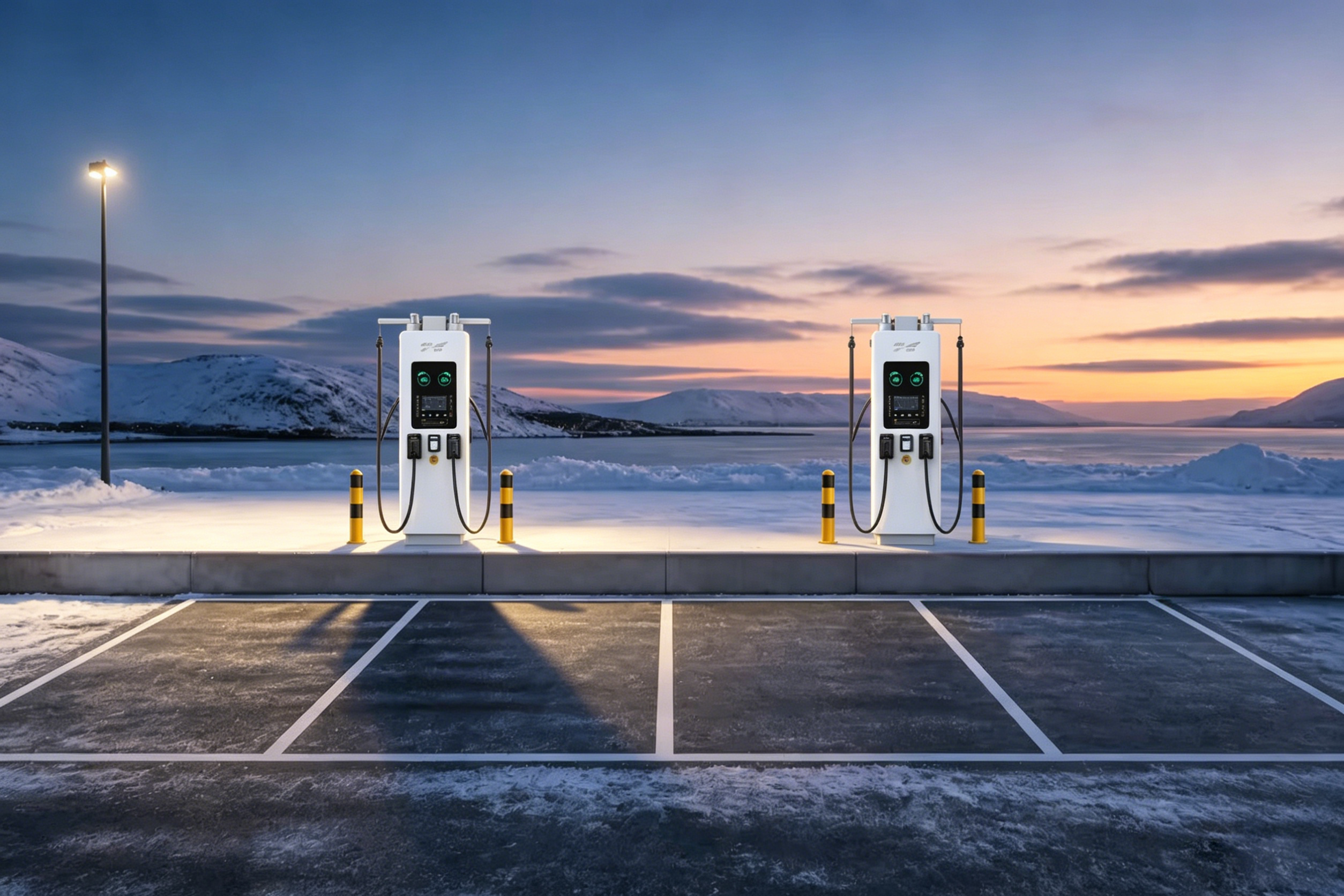
For fleets operating in temperatures down to –30°C or –40°C, hardware selection is your first and most important resilience decision . Based on project experience and industry guidance, cold-weather-ready DC fast charging solutions should offer: [ afaxpower ]
- Wide operating temperature range for power modules and dispensers.
- Enclosures with integrated heating and ice-prevention strategies. [ afaxpower ]
- Self-regulating cable warmers for flexible, safe handling in extreme cold. [ afaxpower ]
- Robust sealing and redundant moisture barriers to protect high-voltage components. [ afaxpower ]
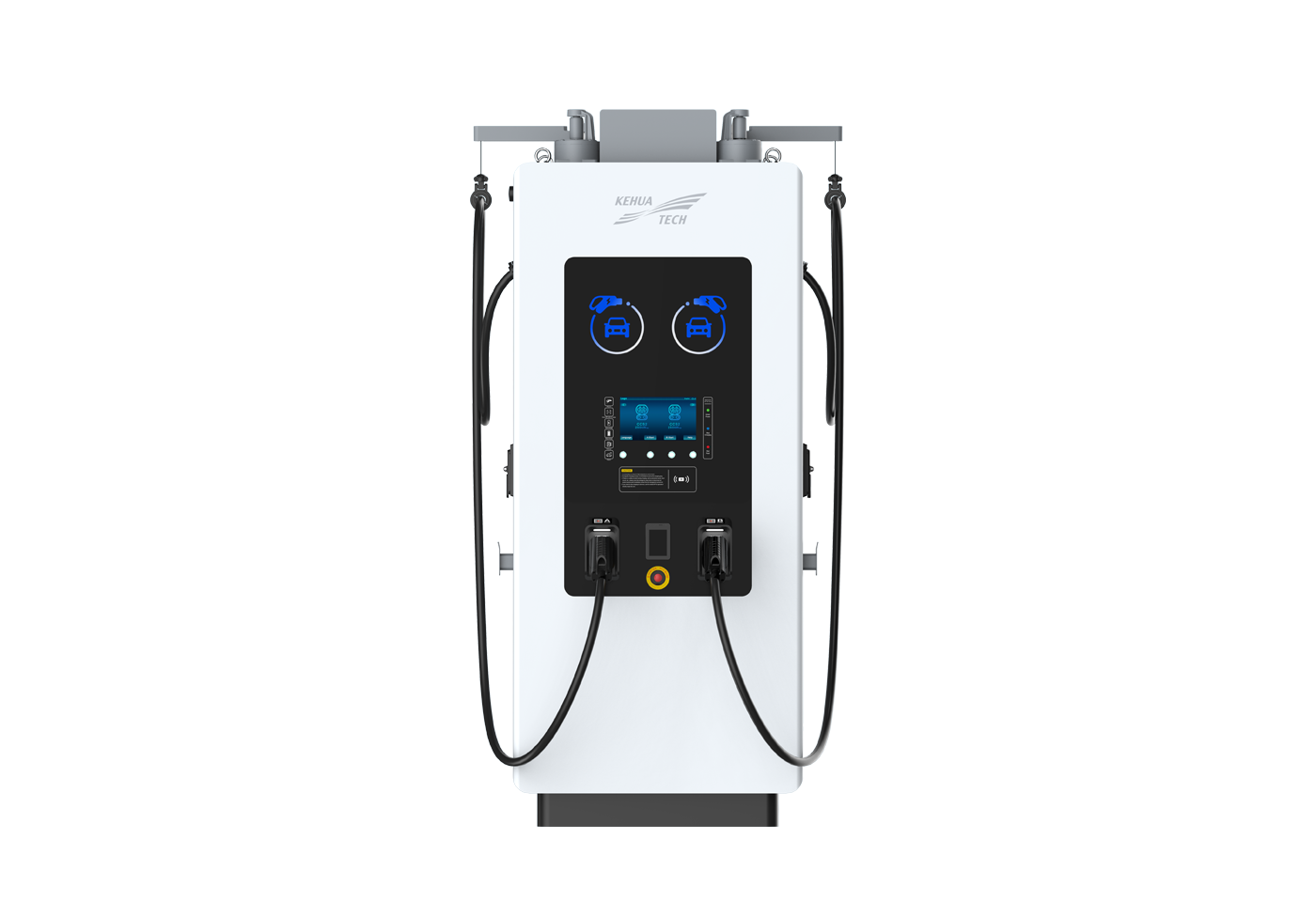
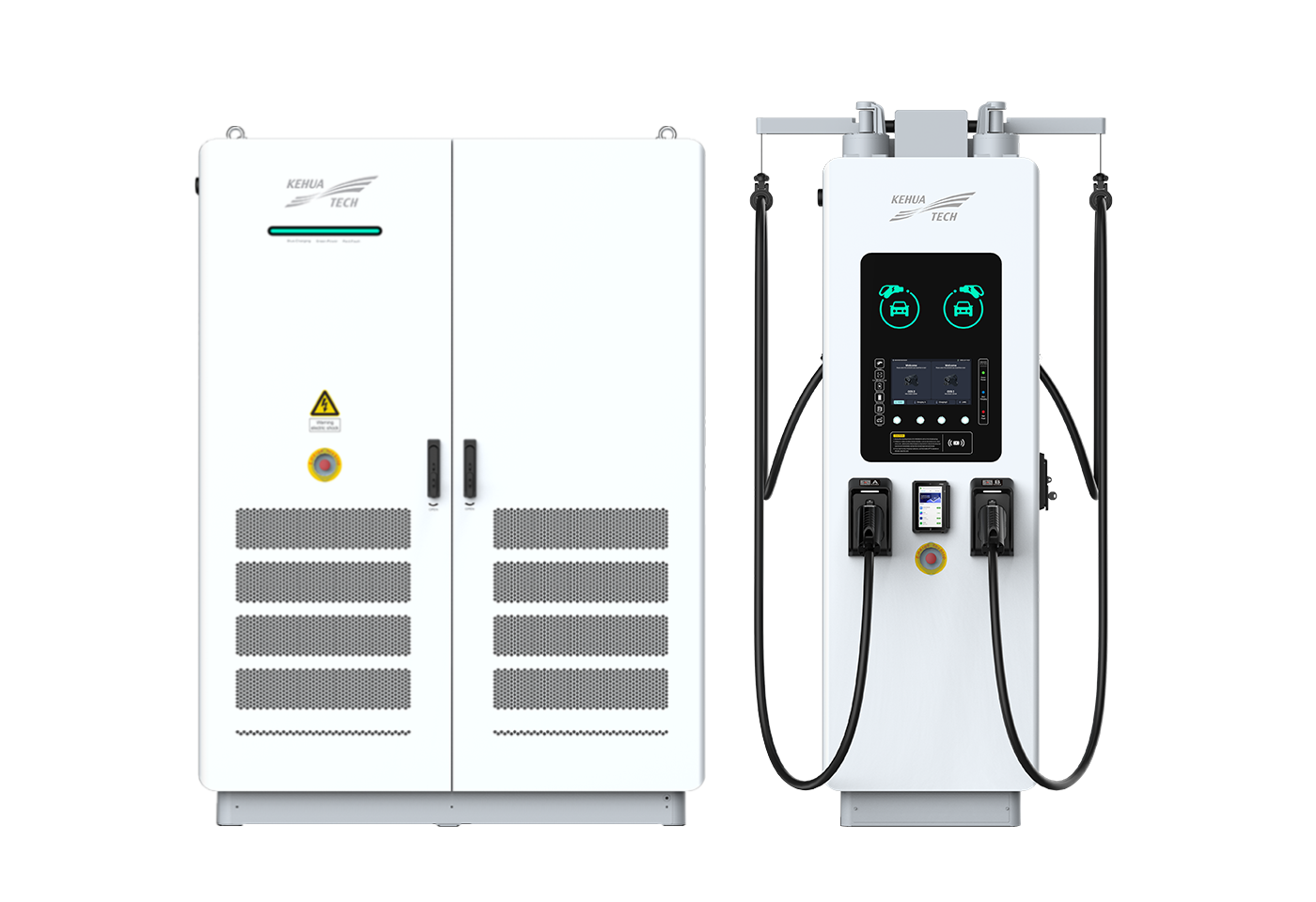
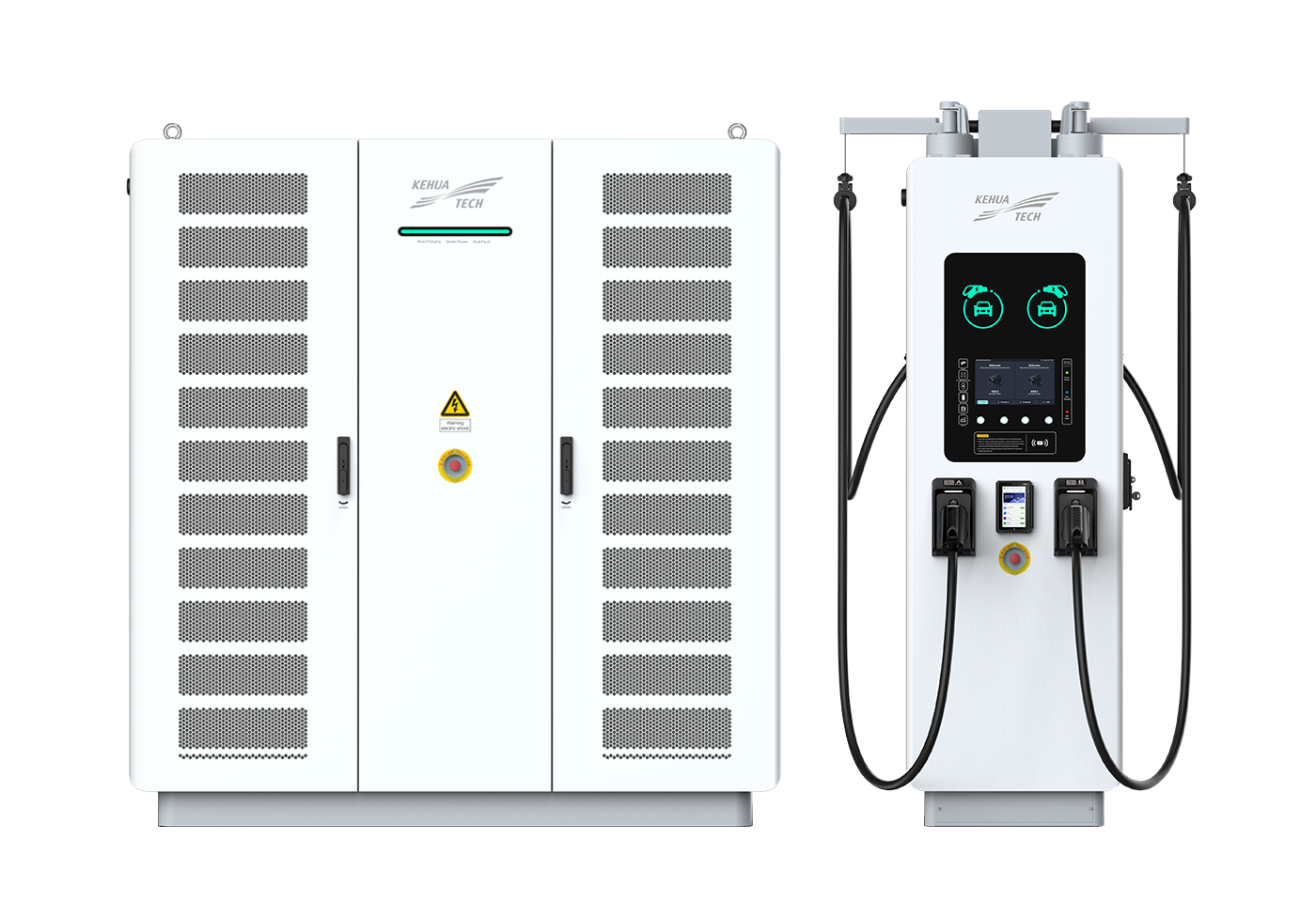
Manufacturers that also offer high-power and megawatt-class DC systems can support heavy-duty fleets such as long-haul trucks, port tractors, and mining haul trucks, where short dwell times and high energy throughput are essential. [ kehuasz ]
Site layout and civil design for winter reliability
Even the best DC hardware will underperform if the site layout ignores snow, ice, and wind. From a UX and operations standpoint, I recommend planning cold-climate DC charging yards around these principles: [ electrificationcoalition ]
- Clear snow management paths that keep access lanes, fire routes, and cable swing areas open.
- Canopies or partial shelters to reduce snow accumulation on dispensers and walkways. [ electrificationcoalition ]
- Non-slip surfaces and marked pedestrian paths to reduce accidents around energized equipment.
- Adequate lighting for long dark winters, improving safety and usability at night.
By treating the charging yard as a winter operations hub rather than just a row of dispensers, fleets can reduce safety incidents and plug-in times during peak hours. [ electrificationcoalition ]
Power supply, redundancy and energy integration
In Arctic regions, grid connections can be constrained or expensive, especially at remote logistics hubs. To maintain fast-charging performance and resilience, fleets are increasingly turning to: [ electrificationcoalition ]
- Distributed DC architectures with multiple power modules and dispensers for redundancy. [ evse ]
- On-site PV plus energy storage systems that support peak shaving and backup power. [ kehuasz ]
- Smart charging and load management to prioritize vehicles with critical missions. [ evse ]
Such architectures can improve uptime during grid disturbances and allow fleets to align fast-charging schedules with the availability of stored or renewable energy. [ kehuasz ]
Operational Strategies for Winter Fleet Performance
Battery preconditioning and charging windows
In practice, what matters most to fleet managers is how many vehicles can leave the yard on time with enough range to complete their routes. Battery preconditioning —warming the pack before arriving at the DC fast charger—is one of the most powerful tools to achieve this. [ metroev ]
Best practices for winter fleet operations include: [ evgo ]
1. Schedule charging during the warmest part of the day where possible.
2. Enable vehicle preconditioning so batteries reach the charger already at optimal temperature.
3. Keep state of charge within a healthy band (for many fleets, roughly 20–80%) to protect battery lifespan.
4. Park vehicles in sheltered or indoor areas when available to reduce thermal loss.
These measures shorten DC fast charging sessions and stabilize day-to-day performance, which is critical for tight logistics schedules in winter. [ metroev ]
Route planning and realistic range assumptions
Winter operations require more conservative assumptions about range and energy use than mild-weather planning. Data from real fleets shows that the combination of cabin heating, defrosting, and battery warming can noticeably increase energy consumption, especially on longer highway routes. [ volteum ]
For fleet planners, that means:
- Using dedicated winter profiles in routing and dispatch tools. [ volteum ]
- Accounting for extra charging stops and longer dwell times on sub-zero days. [ ionity ]
- Monitoring key metrics such as energy per kilometer, charging time, and late departures to refine assumptions each season. [ volteum ]
By integrating these insights into the daily planning process, fleets can maintain on-time performance without over-sizing vehicles or chargers unnecessarily. [ ionity ]
Case-Based Insights from Arctic and Nordic Operations
Lessons from Nordic public charging networks
Nordic countries provide a valuable preview of what large-scale winter EV operations look like. As EV adoption has grown rapidly in these regions, winter queues at chargers initially increased, but additional infrastructure and better planning have significantly reduced the impact over time. [ evgo ]
Several practical takeaways stand out: [ afors ]
- Public education around slower winter charging and range loss reduces user frustration.
- Encouraging drivers to preheat vehicles while still plugged in improves range and reduces peak demand at DC sites. [ evgo ]
- High-uptime charging networks rely on proactive winter maintenance and clear digital communication about station status. [ evse ]
These lessons translate directly to private fleet depots, where internal communication and disciplined charging routines are even easier to implement. [ evgo ]
Fleet management perspectives from winter operations
From a fleet manager's seat, the real test of a cold-weather charging strategy is whether vehicles can consistently complete their routes in January and February. Operators who have successfully electrified Arctic or high-latitude fleets tend to emphasize: [ ionity ]
- Early involvement of drivers in planning charging routines and safety protocols.
- Continuous training on winter-specific behaviors, such as using seat heaters instead of cabin heat when feasible. [ afors ]
- Building redundancy into both hardware (multiple dispensers) and scheduling (backup vehicles or time buffers). [ volteum ]
Viewed this way, reliable DC fast charging in Arctic logistics is as much an organizational capability as a technical one. [ evse ]
How Shenzhen Kehua Hengsheng Technology Supports Cold-Climate Fleets
End-to-end DC fast charging solutions for harsh environments
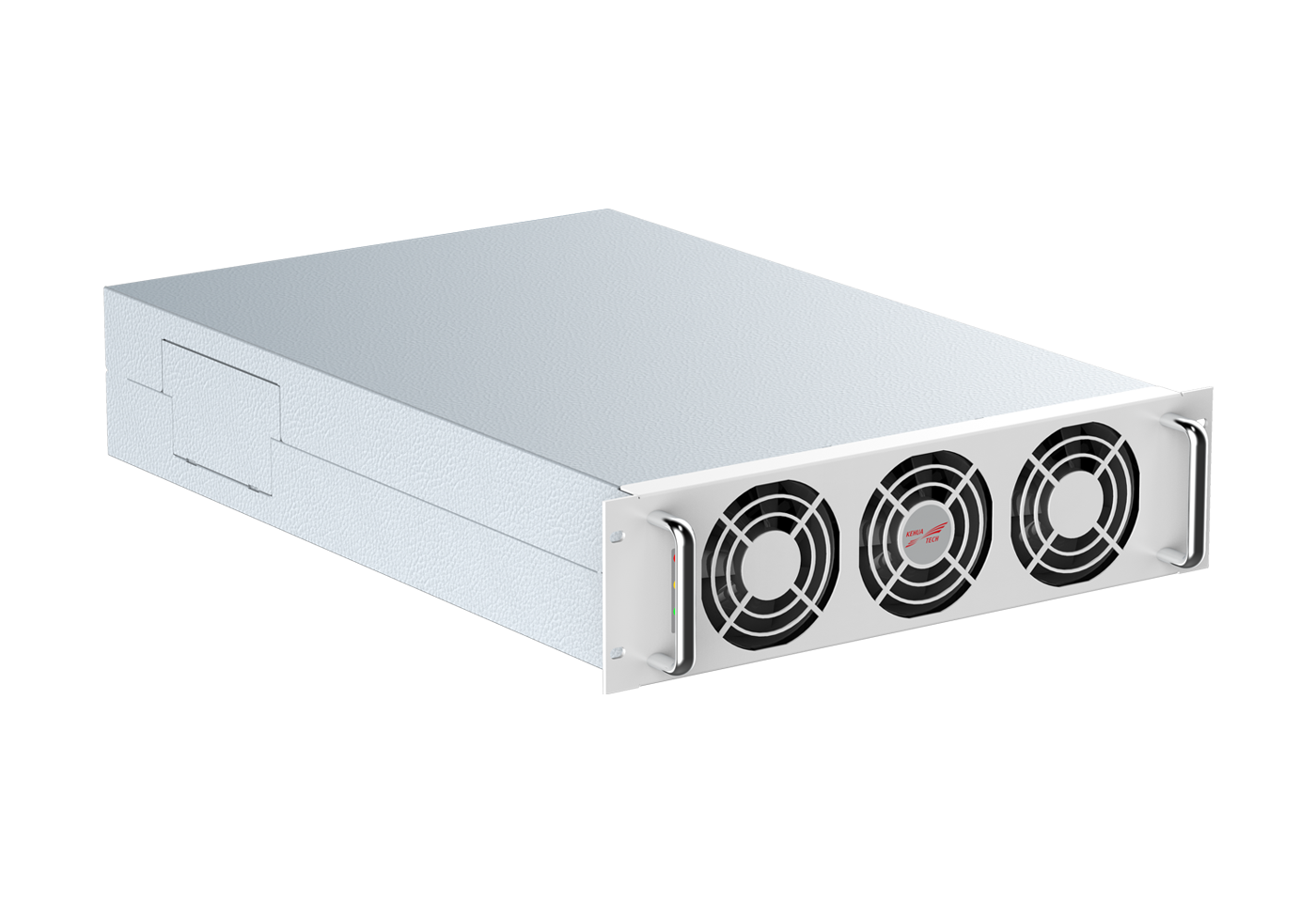
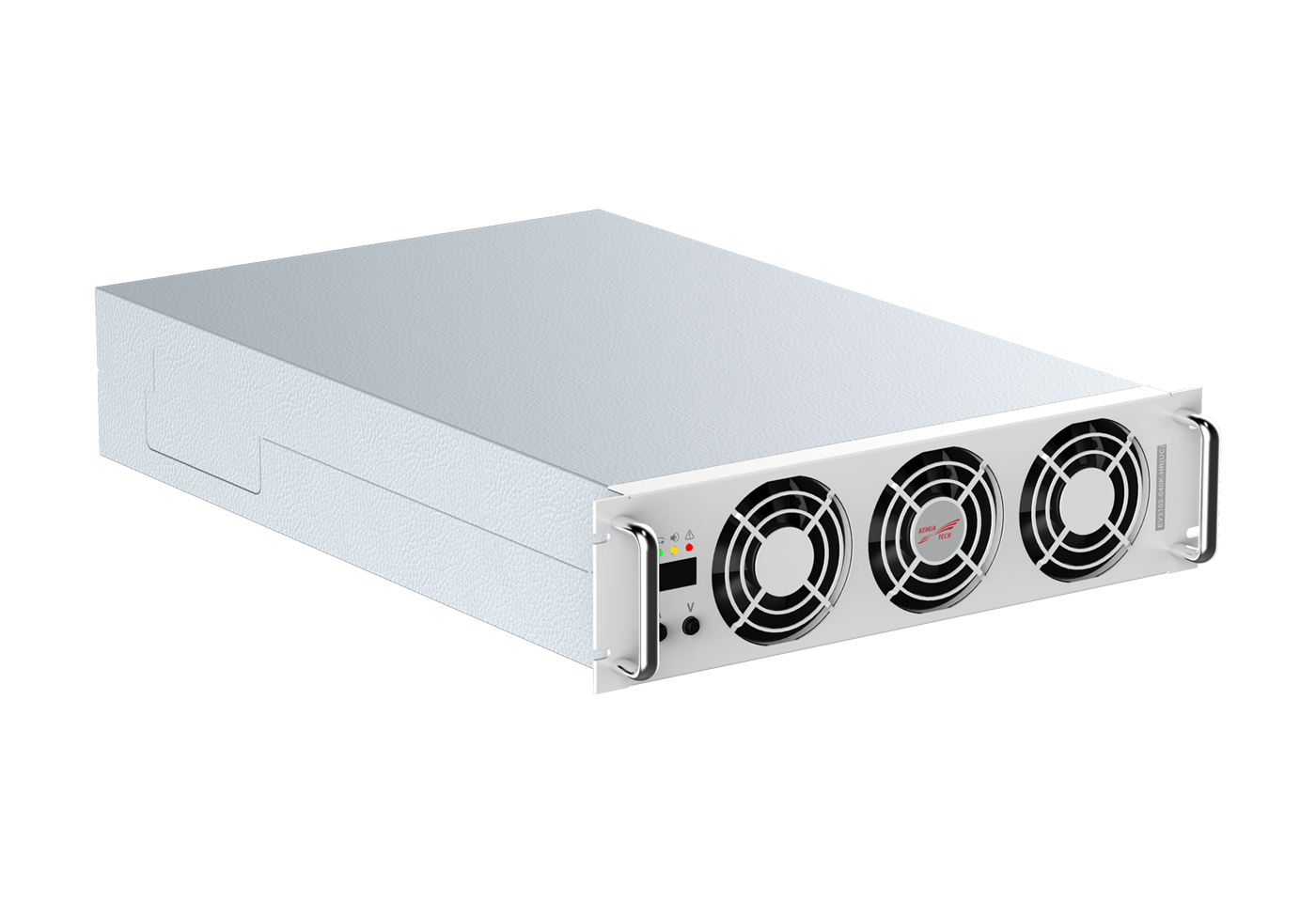
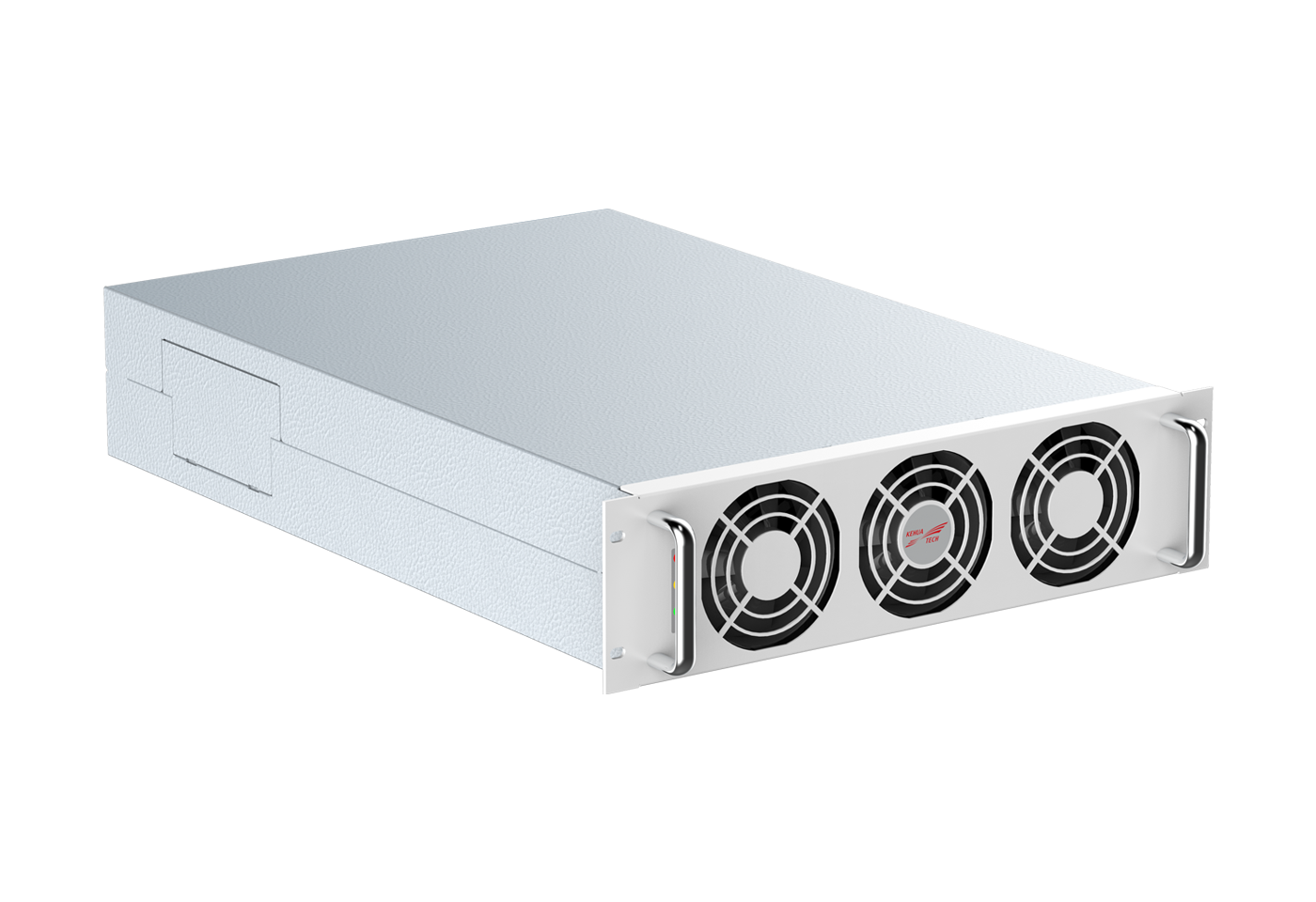
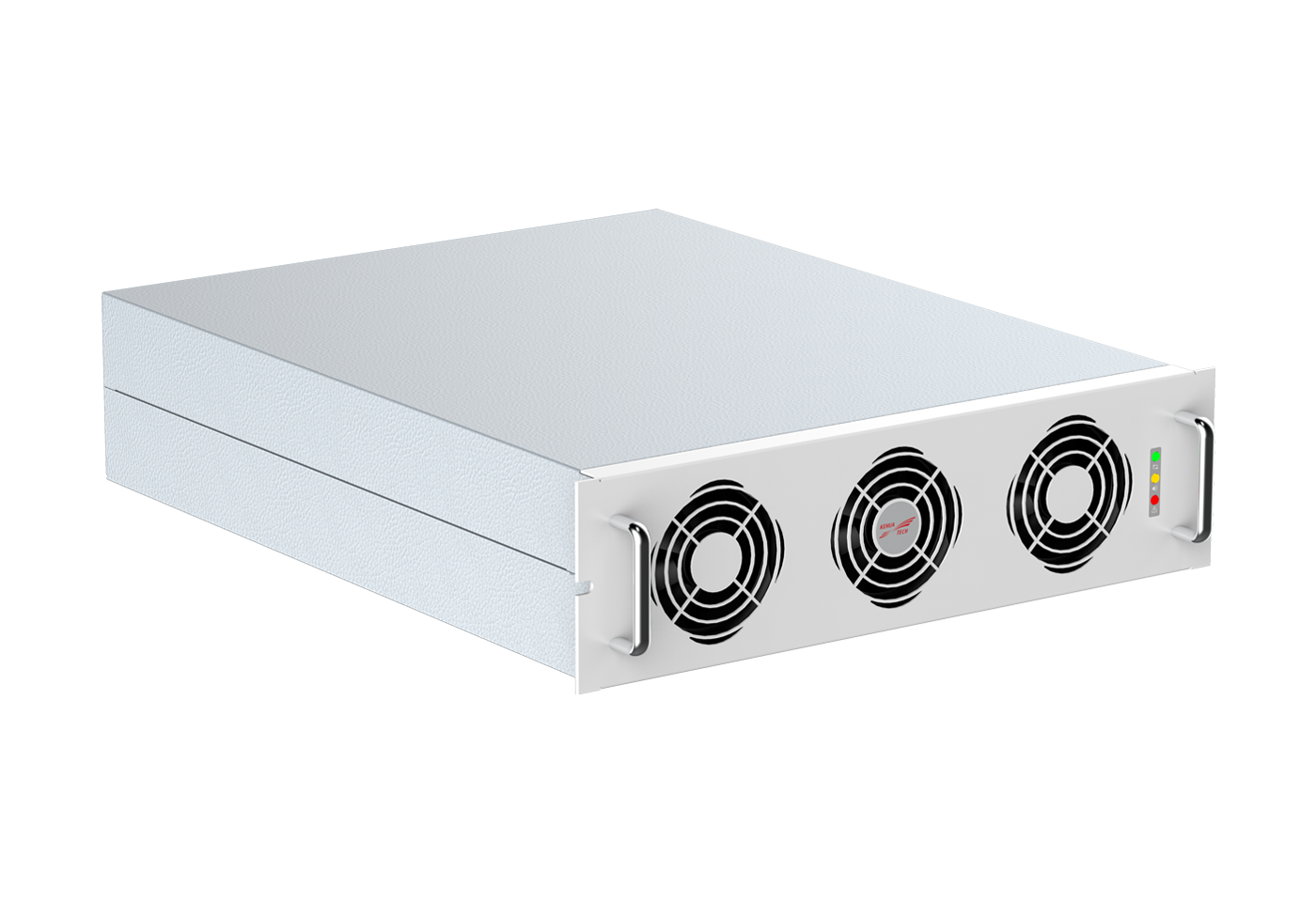
Shenzhen Kehua Hengsheng Technology Co., Ltd. is a reliable EV charging equipment provider with a diversified portfolio that includes DC charging modules, DC fast chargers, high-power distributed systems, megawatt charging systems, and integrated PV+energy‑storage+charging solutions . These technologies are designed to serve global customers who require dependable, scalable DC infrastructure for demanding fleet and logistics applications. [ kehuasz ]
For operators in cold regions, Kehua's modular DC systems and flexible dispenser configurations can be tailored to support yard layouts, redundancy requirements, and future power upgrades. When combined with on-site PV and energy storage, fleets can improve energy resilience and reduce operating costs while maintaining fast-charging capabilities in winter peaks. [ kehuasz ]
Building resilient, scalable Arctic logistics hubs
In large depots, ports, or cross-docking centers, the transition from diesel to electric fleets often happens in phases. Kehua's distributed DC architectures make it possible to start with a small number of dispensers and scale up to multi-megawatt systems as more vehicles are electrified, without redesigning the entire power system each time. [ kehuasz ]
Key advantages for cold-weather logistics hubs include: [ kehuasz ]
- Modular power blocks that simplify maintenance and upgrades.
- The ability to serve mixed fleets—from light commercial vans to heavy-duty trucks—within a single DC ecosystem.
- Integration with PV and energy storage to support peak shaving, backup, and long-term energy cost optimization.
This combination enables logistics operators to build future-ready Arctic charging hubs that support both current operations and upcoming fleet expansion. [ kehuasz ]
Practical Checklist for Cold-Weather DC Fast Charging Fleets
For fleet managers and infrastructure planners, the following high-level checklist provides a clear starting point for Arctic-grade DC fast charging projects. [ evse ]
Hardware and site design
- Specify DC dispensers and power modules with proven low-temperature performance.
- Use enclosures, heating elements, and moisture protection to prevent ice and condensation. [ afaxpower ]
- Design snow management, drainage, and safe pedestrian access into the site from day one. [ electrificationcoalition ]
Power and energy management
- Evaluate grid capacity and plan for staged power upgrades as the fleet grows. [ evse ]
- Consider integrated PV and energy storage for peak shaving and backup in isolated locations. [ kehuasz ]
- Implement smart charging to prioritize critical vehicles and avoid unnecessary bottlenecks. [ evse ]
Fleet operations and training
- Set realistic winter range assumptions in routing and dispatch tools. [ ionity ]
- Standardize preconditioning and charging routines for drivers and shift supervisors. [ metroev ]
- Monitor KPIs such as charge time, energy per route, and on-time departures to continuously refine the strategy. [ volteum ]
Example Cold-Weather DC Fleet Strategy Overview
The table below summarizes a typical configuration and approach for a mid-sized Arctic logistics depot adopting DC fast charging.
| Aspect | Recommended approach | Rationale |
|---|---|---|
| Site hardware | Cold-rated DC fast chargers with heated cables and sealed enclosures electrificationcoalition | Ensures usability and safety at very low temperatures electrificationcoalition |
| Power architecture | Modular DC power blocks plus multiple dispensers kehuasz | Provides redundancy and scalable capacity for fleet growth kehuasz |
| Energy system | Grid supply plus PV and battery storage where feasible electrificationcoalition | Improves resilience and supports peak shaving in remote areas electrificationcoalition |
| Fleet operations | Scheduled preconditioning and optimized charging windows metroev | Reduces winter charge times and stabilizes daily performance metroev |
| Performance monitoring | Track range, charge times, and on-time departures volteum | Enables continuous improvement and better asset utilization volteum |
Call to Action – Plan Your Next Winter-Ready DC Charging Site
If you operate or plan to deploy electric fleets in cold or Arctic regions, now is the right time to design winter-ready DC fast charging infrastructure that will still perform five to ten years from now. With experience in DC charging modules, high-power DC systems, megawatt-class solutions, and PV+energy-storage+charging integration, Shenzhen Kehua Hengsheng Technology Co., Ltd. can support you in building reliable, scalable logistics depots for harsh climates. [ kehuasz ]
To explore how a customized DC fast charging solution could support your fleet's winter operations, contact Kehua's team for a technical consultation or project assessment today. [ kehuasz ]
FAQs: Cold Weather DC Fast Charging for Fleets
1. How much range do fleets typically lose in winter conditions?
Many fleets see noticeable range reductions in winter due to heating loads and battery efficiency losses, with longer routes and higher speeds generally affected more than short urban trips. Actual impact depends on vehicle model, payload, temperature, and driving profile, so collecting fleet-specific data is essential. [ ionity ]
2. Why do DC fast charging sessions take longer in sub-zero temperatures?
Cold batteries cannot accept high charging current without risking damage, so battery management systems limit power until the pack warms up. Preconditioning the battery before arriving at the charger helps restore higher charging rates. [ afors ]
3. What site features improve DC charging reliability in Arctic depots?
Shelters or canopies, well-planned snow-clearing routes, non-slip surfaces, and good lighting all contribute to safer and more reliable operations around DC dispensers. Equipment designed for cold climates with heated components and robust sealing is also critical. [ afaxpower ]
4. How can fleets reduce the impact of cold weather on daily operations?
Key strategies include realistic winter range planning, scheduled preconditioning, charging during warmer windows when possible, and parking in sheltered locations. Training drivers on winter best practices can further reduce variability. [ metroev ]
5. What role do PV and energy storage play in cold-climate DC fast charging?
Integrated PV and energy storage can provide peak shaving, backup power, and better cost control, particularly at remote or capacity-constrained sites. When combined with modular DC fast chargers, these systems create resilient hubs for winter fleet operations. [ kehuasz ]
References
1. Electrification Coalition – "Strategies to Promote EVSE Resilience in Cold Weather". [ electrificationcoalition ]
2. Afax Power – "EV Charging in Extreme Weather: Arctic to Desert Solutions". [ afaxpower ]
3. AFORS – "Exposed: Harsh Sub-Zero Cold Challenges Electric Vehicles". [ afors ]
4. Shenzhen Kehua Hengsheng Technology Co., Ltd. – "EV Charger Power Module Manufacturer (EU)". [ kehuasz ]
5. MetroEV – "Charging EVs in Cold Weather: Improve Electric Car Charging Performance". [ metroev ]
6. EVgo – "Chilly Charging: 5 Cold Weather Tips for EVs". [ evgo ]
7. Volteum – "How Winter Affects EVs – Solutions for Drivers and Operators". [ volteum ]
8. Shenzhen Kehua Hengsheng Technology Co., Ltd. – "EV Charger Power Module Manufacturer – Global Site". [ kehuasz ]
9. IONITY – "Useful Tips to Increase Your EV's Range in Winter". [ ionity ]
10. EVSE NZ – "DC Fast Charging Tips". [ evse ]
Hot Tags: Cold Weather Fleet Operations, DC Fast Chargers, Arctic Logistics, EV Charging, EV Fleet, Fast Charging Dispenser, Cold Climate, Sub-Zero Operation, Winter Performance, Reliability, Industrial, Commercial, Customized, Custom, Suppliers, Cheap, Quality, Advanced, Durable, in Stock, Price, Quotation

