



- Electric Bus Charging Upgraded: Fast & Flexible
- Shenzhen Kehua’s 40 kW High-Efficiency SiC Charging Module Achieves CE, CB, and UL Certifications
- Shenzhen Kehua Unveils High-Reliability All-in-One DC Charger for the ASEAN Market
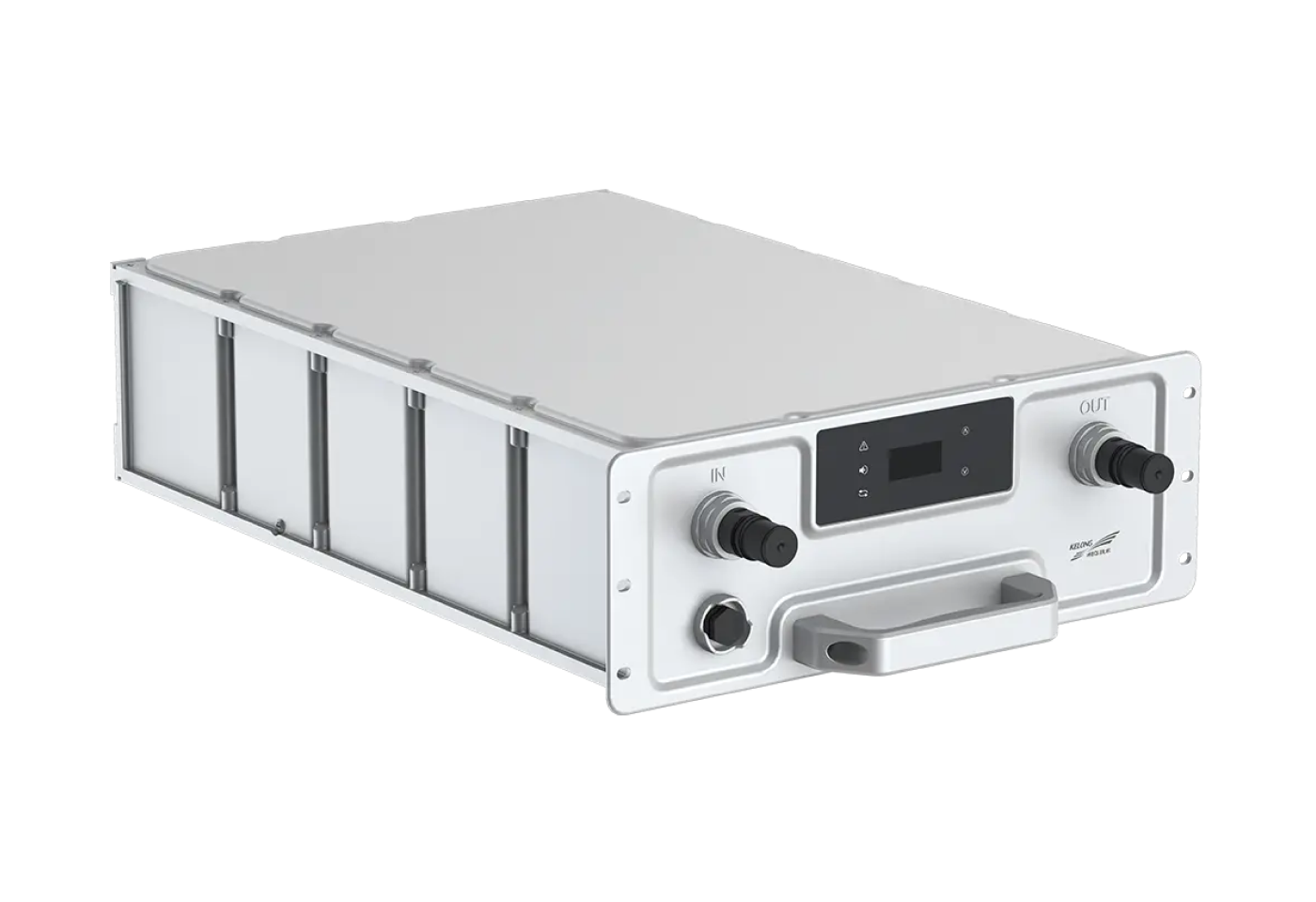
- Shenzhen Kehua’s Scalable Megawatt Power Unit: Pioneering the Next Era of High-Power Charging for Green Mobility
- Growth Opportunities in the EV Charging Industry Amid the Global Transportation Electrification
- The Future of Fleet Charging: Building Efficient and Reliable Charging Infrastructure
The Rise of MCS: Why Megawatt Charging Systems are Essential for Electric Long-Haul Trucking


Content Menu
● What Is a Megawatt Charging System (MCS)?
● Why Long-Haul Trucking Cannot Scale Without MCS
● Latest Global Momentum Behind MCS
● How MCS Transforms Fleet Economics and Operations
● Infrastructure Challenges: From Grid to Dispenser
● Shenzhen Kehua Hengsheng: Power Electronics Backbone for MCS
● Integrated PV + Storage + Charging for Sustainable MCS Hubs
● Practical Roadmap: How Fleets Should Plan for MCS
● User Experience at the Dispenser: Beyond Kilowatts
● Why MCS Is No Longer Optional for Decarbonizing Freight
● FAQ
Megawatt Charging Systems (MCS) are rapidly moving from pilot projects to real-world deployments, and they are becoming the critical enabler for truly viable electric long‑haul trucking. For logistics operators, OEMs, and infrastructure players, understanding why MCS matters—and how to deploy it at scale—is now a strategic priority rather than a future‑looking experiment. [man]
What Is a Megawatt Charging System (MCS)?
The Megawatt Charging System is a new high‑power DC charging standard designed specifically for heavy‑duty electric vehicles such as long‑haul trucks and coaches. Unlike today's fast charging based on CCS, which typically delivers up to around 350–400 kW, MCS is being designed for charging powers in the *megawatt* range. [milence]
Current MCS specifications and pilots indicate peak power levels up to several megawatts, with around 1–1.5 MW expected to become a typical rating for long‑haul truck use cases. In practice, this means an electric truck with a battery in the megawatt‑hour class can be recharged within a single driver rest break rather than needing many hours of standstill. [daimlertruck]
From a system design perspective, MCS combines:
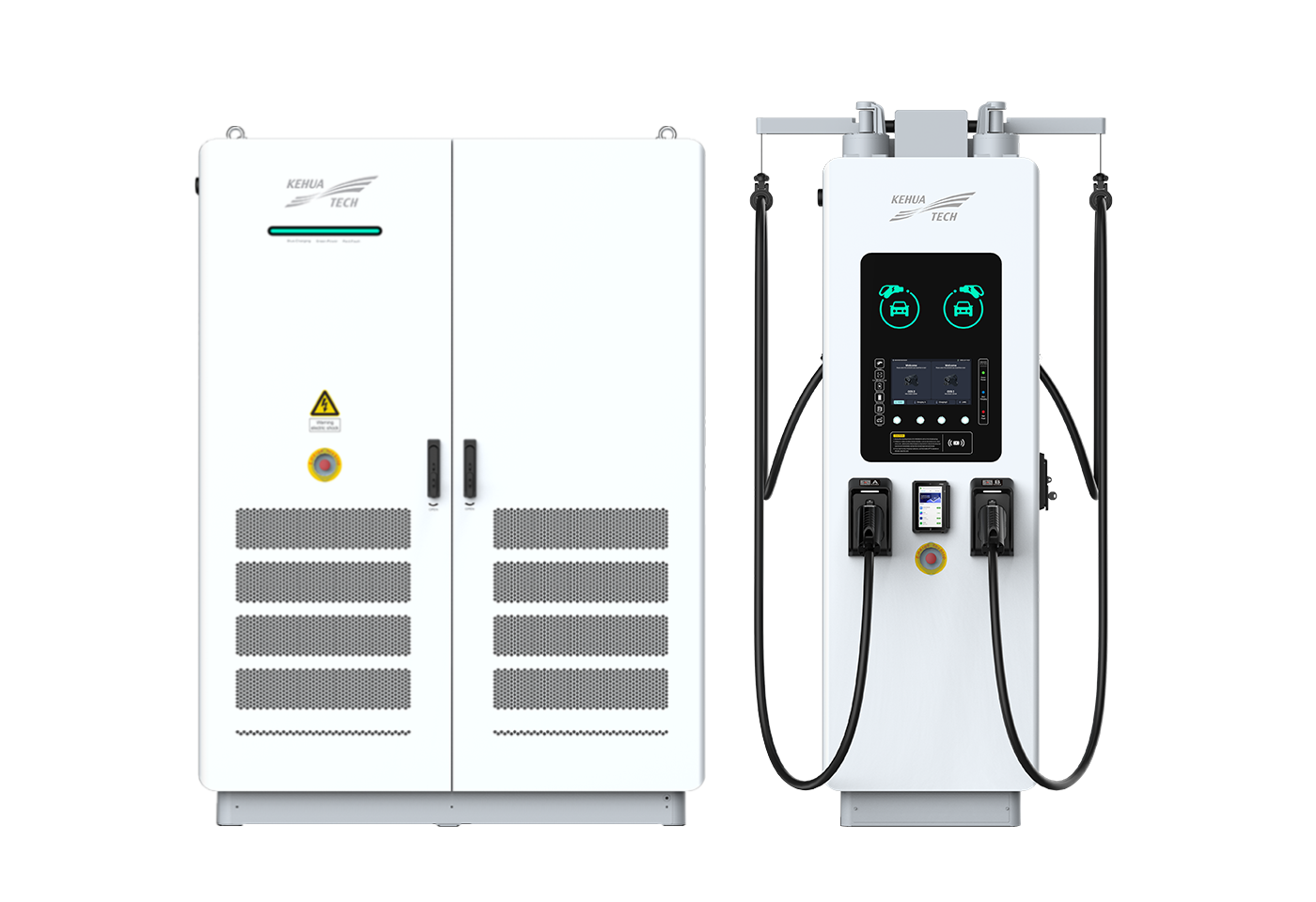
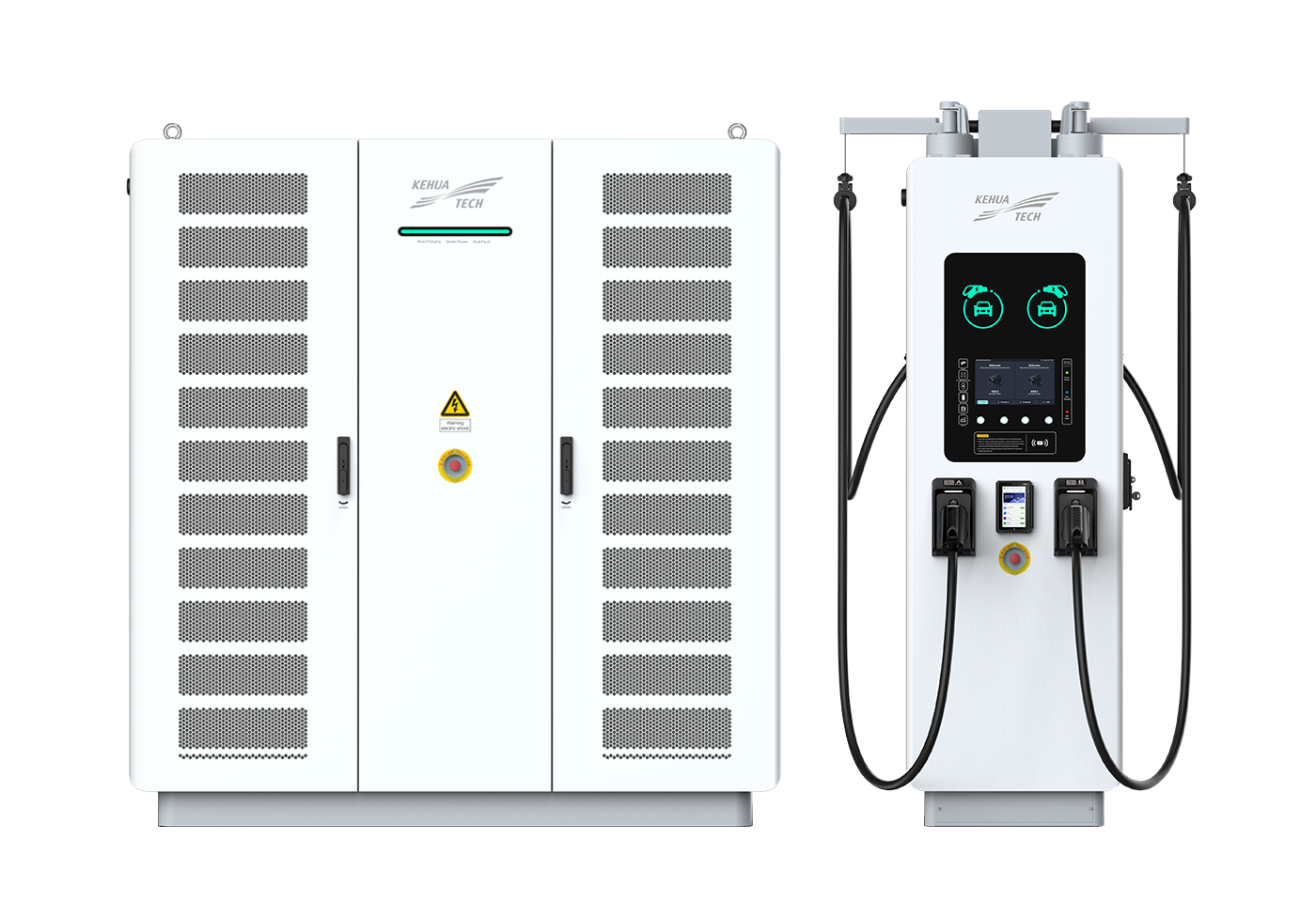
- High‑power DC dispensers connected to centralized power units
- Advanced cooling, insulation, and safety interlocks
- Digital communication for dynamic power control and authentication [charin]
Why Long-Haul Trucking Cannot Scale Without MCS
For urban delivery trucks, depot charging and conventional DC fast charging are often sufficient. Long‑haul trucks, however, operate in a completely different duty cycle: daily distances above 500 km, tight schedules, and limited flexibility for extended charging stops. [sciencedirect]
Studies of heavy‑duty electric trucks show that while depot charging remains important, a large share of energy for long‑haul operations must come from public fast charging. Modeling suggests that around 75% of MCS charging for long‑haul trucks is likely to occur at public sites rather than only at depots, underlining the need for a widely distributed high‑power corridor network. [publica.fraunhofer]
MCS addresses three structural barriers that CCS alone cannot solve in this segment:
1. Charging time – Even 350–400 kW chargers become a bottleneck for batteries approaching or exceeding 1 MWh. [milence]
2. Battery oversizing – Without megawatt‑level charging, fleet operators must oversize battery packs to meet daily range, driving up cost and weight. [sciencedirect]
3. Utilization – Long charging sessions reduce vehicle utilization and disrupt just‑in‑time logistics. [daimlertruck]
By cutting charging time to the length of mandated driver breaks, MCS allows electric trucks to emulate the operational cadence of diesel vehicles while benefiting from lower energy and maintenance costs. [publica.fraunhofer]

Latest Global Momentum Behind MCS
The shift from concept to implementation is already underway across OEMs, infrastructure providers, and industry alliances. [linkedin]
- Truck OEMs are testing MCS‑ready long‑haul trucks and demonstrating real‑world charging at up to around 1,000 kW, with charging times of roughly 30 minutes from 20% to 80% state of charge in some trials. [man]
- Public and public–private corridor projects in Europe are building high‑performance charging points dedicated to heavy‑duty trucks, including pilots that integrate megawatt‑class charging into existing logistics routes. [hochleistungsladen-lkw]
- The MCS standard is being advanced and coordinated by organizations such as CharIN, with international standardization progressing to enable interoperability between trucks, dispensers, and back‑end systems. [charin]
Recent analyses indicate that, even in demanding operating scenarios, a maximum power level below 3 MW per charging point is likely sufficient for typical heavy‑duty truck duty cycles. That level of clarity on the technical envelope is accelerating commercial product development across the charging value chain. [milence]
How MCS Transforms Fleet Economics and Operations
From a fleet operator's perspective, MCS is not only a technological upgrade; it is a business model change. [linkedin]
Key impacts include:
- Reduced total cost of ownership (TCO) – Fast, reliable high‑power charging enables smaller batteries, improving payload capacity and reducing vehicle CAPEX. [sciencedirect]
- Higher utilization – Aligning charging with regulatory breaks minimizes downtime and allows more revenue‑generating kilometers per day. [daimlertruck]
- Optimized routing – A network of strategically located MCS sites allows fleets to design electric‑first routes without sacrificing service level agreements. [linkedin]
One practical example: a long‑haul truck with a 1 MWh battery that can charge at around 1.2–1.5 MW can take on roughly a megawatt‑hour of energy in under an hour, sufficient to support another substantial driving leg after a single rest stop. This is the operational equivalence fleet managers have been waiting for to move from pilots to large‑scale adoption. [publica.fraunhofer]
Infrastructure Challenges: From Grid to Dispenser
Deploying MCS at scale is about far more than simply upgrading a plug. It requires coordinated planning from the grid connection and power electronics all the way to site layout and user experience at the dispenser. [hochleistungsladen-lkw]
Infrastructure planners must address:
- High‑capacity grid connections and medium‑voltage integration
- High‑efficiency DC power conversion and distribution
- Dynamic load management across multiple high‑power dispensers
- Thermal management, safety, and electromagnetic compatibility
- Physical access and maneuvering space for large trucks [hochleistungsladen-lkw]
Research and pilot projects for high‑performance truck charging underscore that both depot sites and public hubs will play critical roles, but long‑haul duty cycles tilt the balance strongly toward public, corridor‑based MCS nodes along major freight routes. [hochleistungsladen-lkw]
Shenzhen Kehua Hengsheng: Power Electronics Backbone for MCS
Behind every megawatt‑class dispenser, there must be highly efficient and reliable power conversion hardware. This is where Shenzhen Kehua Hengsheng Technology Co., Ltd. brings its core strengths to MCS infrastructure. [thesmartere-award]
With more than three decades of experience in power electronics and over one thousand R&D engineers, Shenzhen Kehua has built a comprehensive DC‑focused EV charging portfolio. The company supplies: [kehuasz]
- High‑efficiency DC charging modules for scalable charging cabinets
- DC fast chargers for heavy‑duty vehicles and battery swap applications
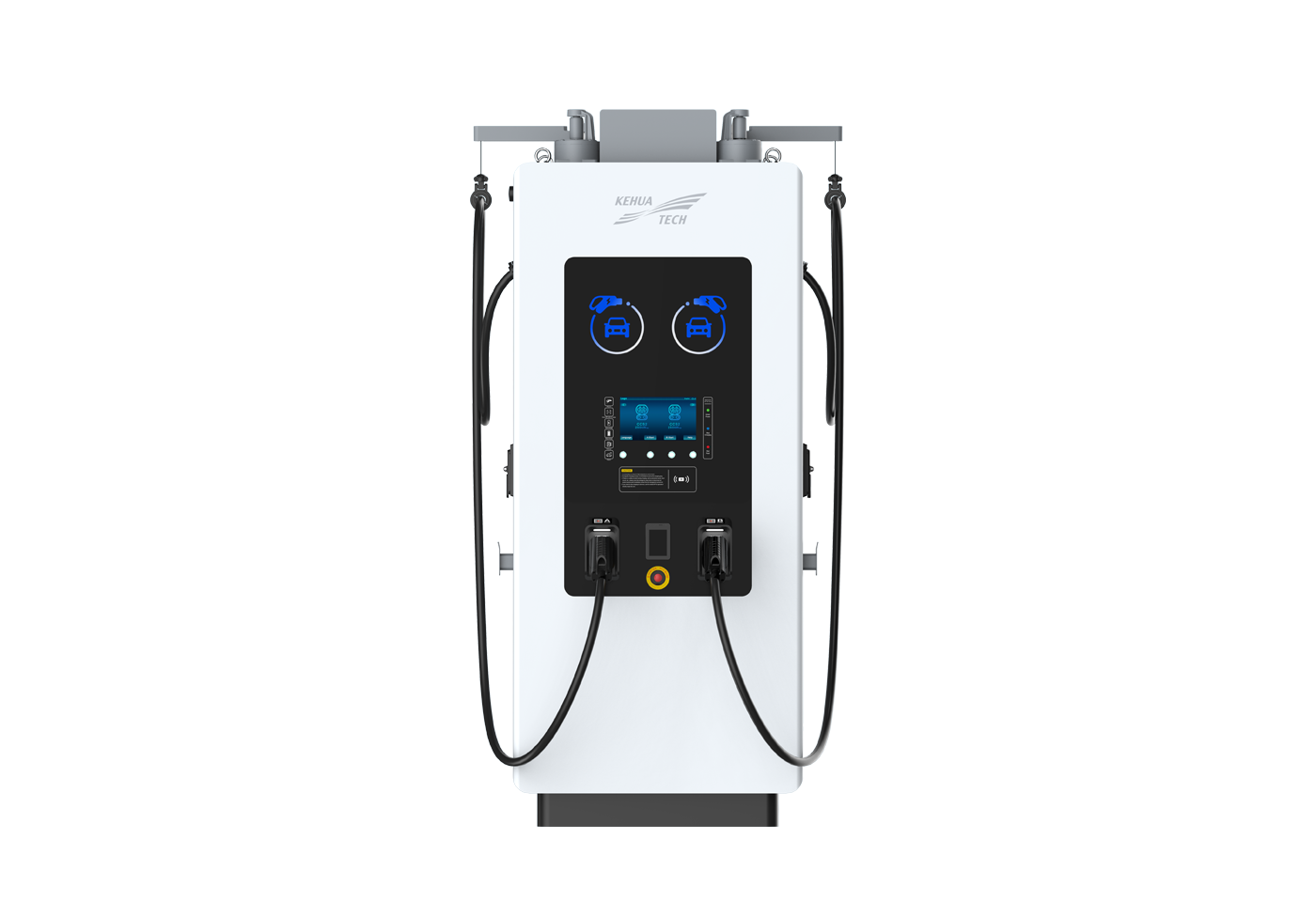
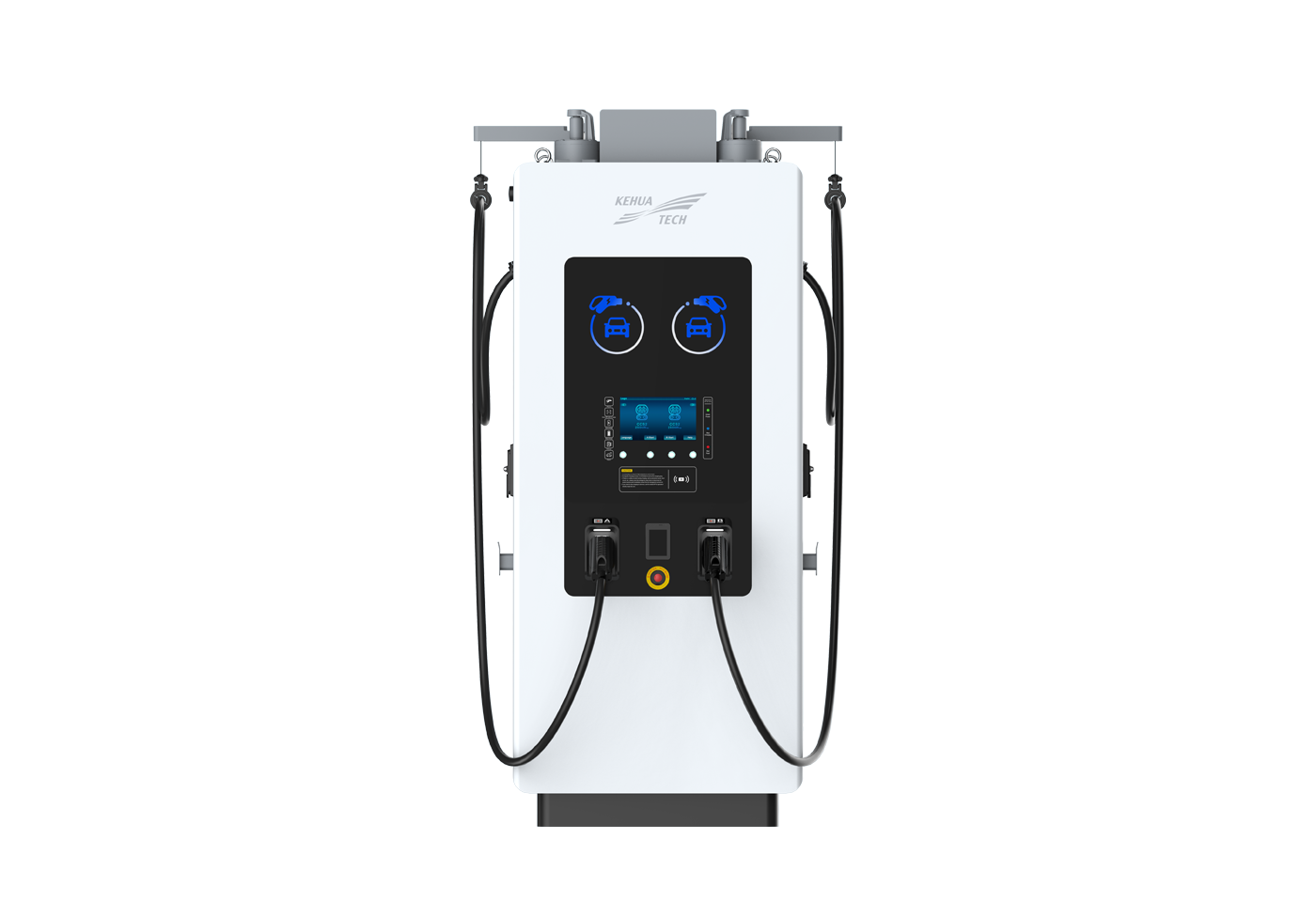
- Megawatt‑class charging systems tailored for long‑haul trucking and heavy machinery
- PV‑plus‑energy‑storage‑plus‑charging integrated systems that combine renewable generation, battery storage, and DC charging into a single optimized architecture [charin]
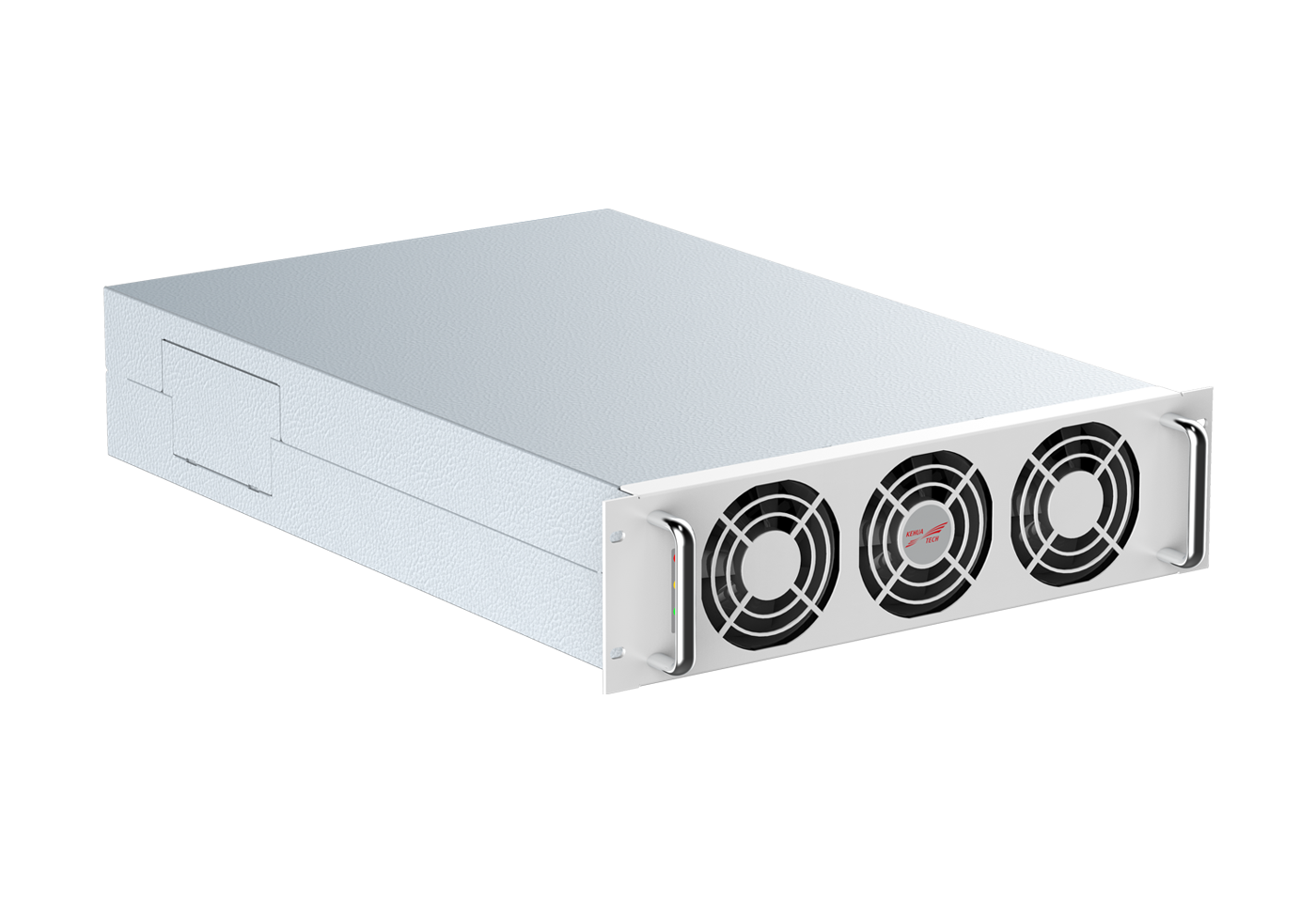
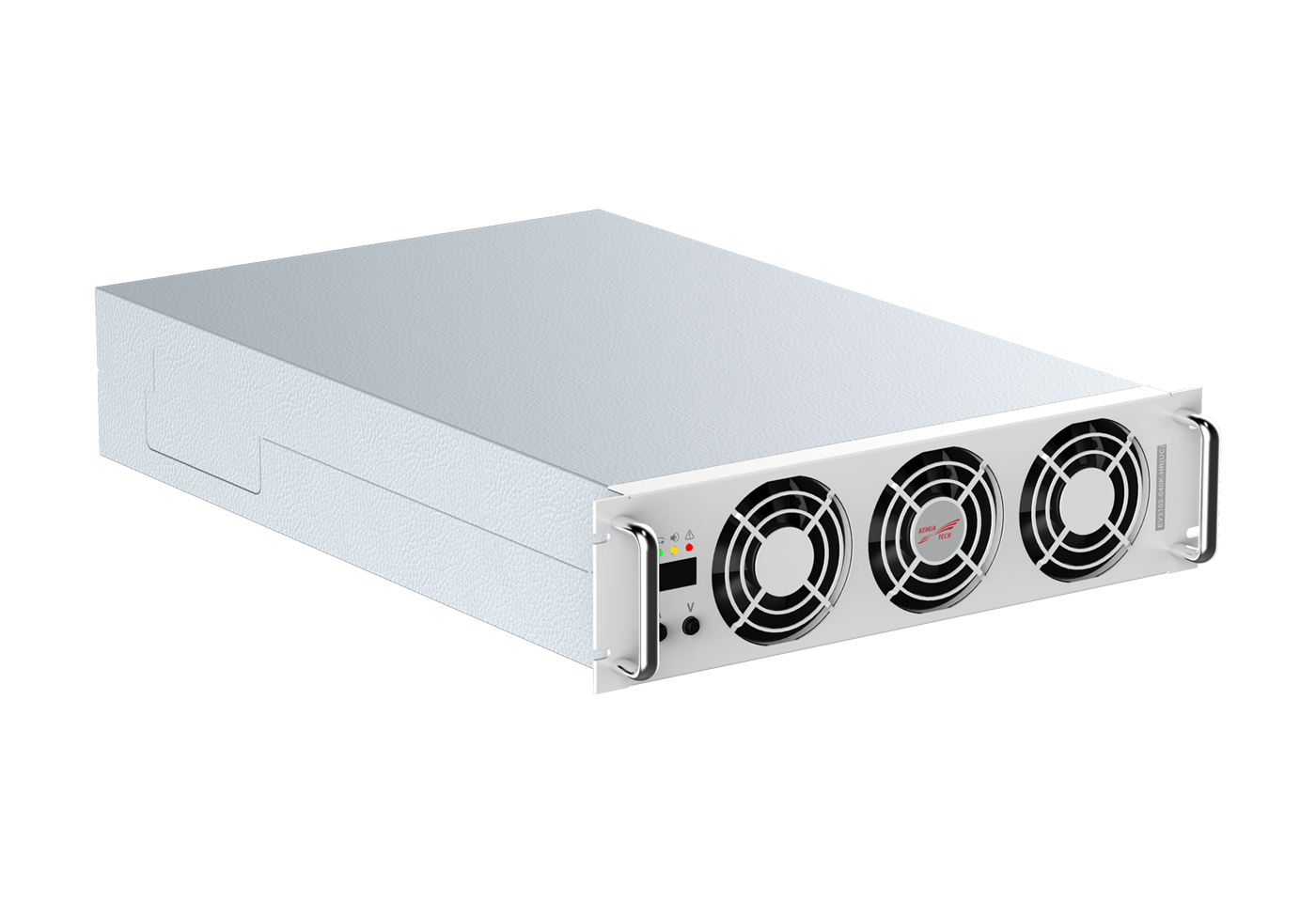
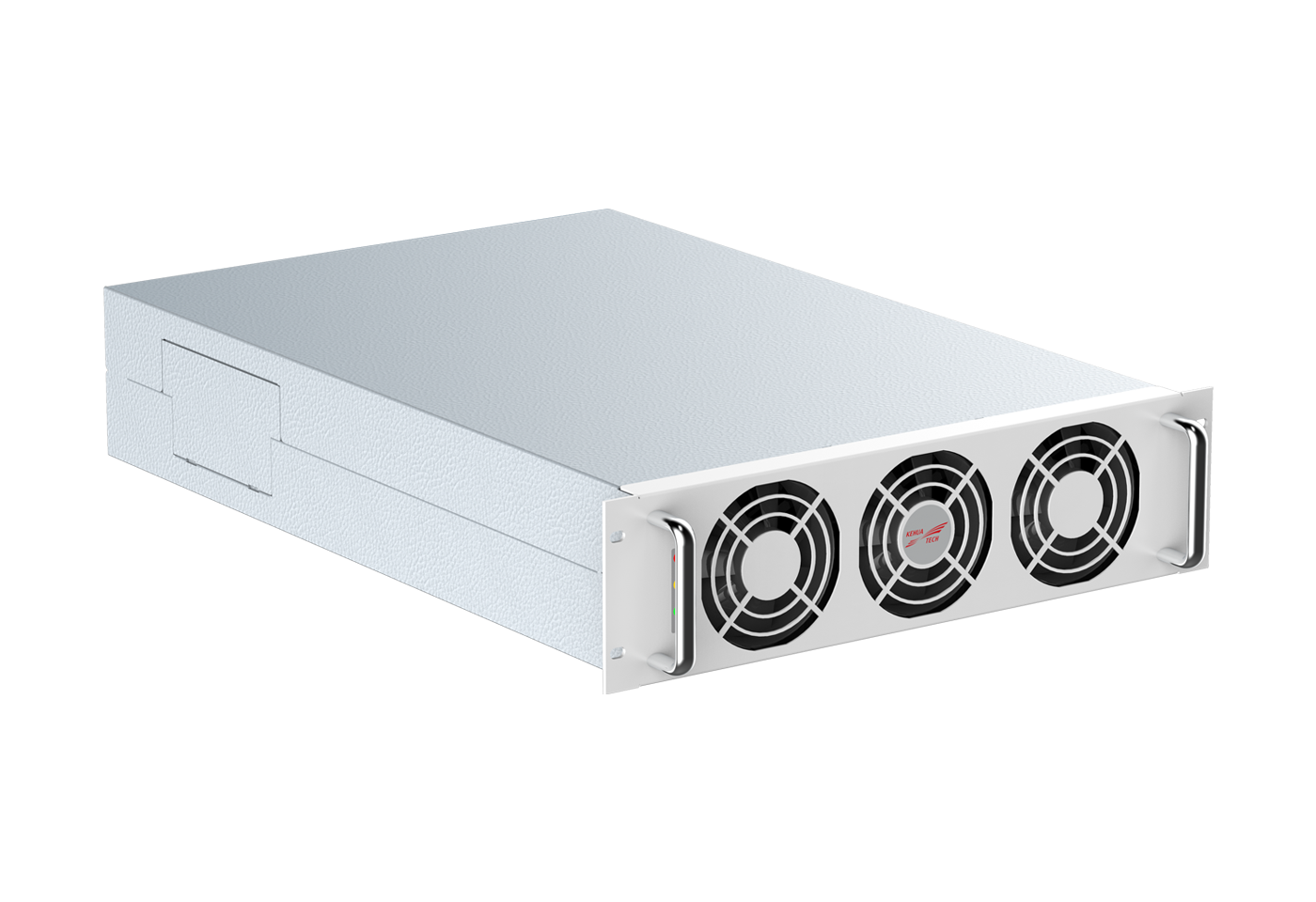
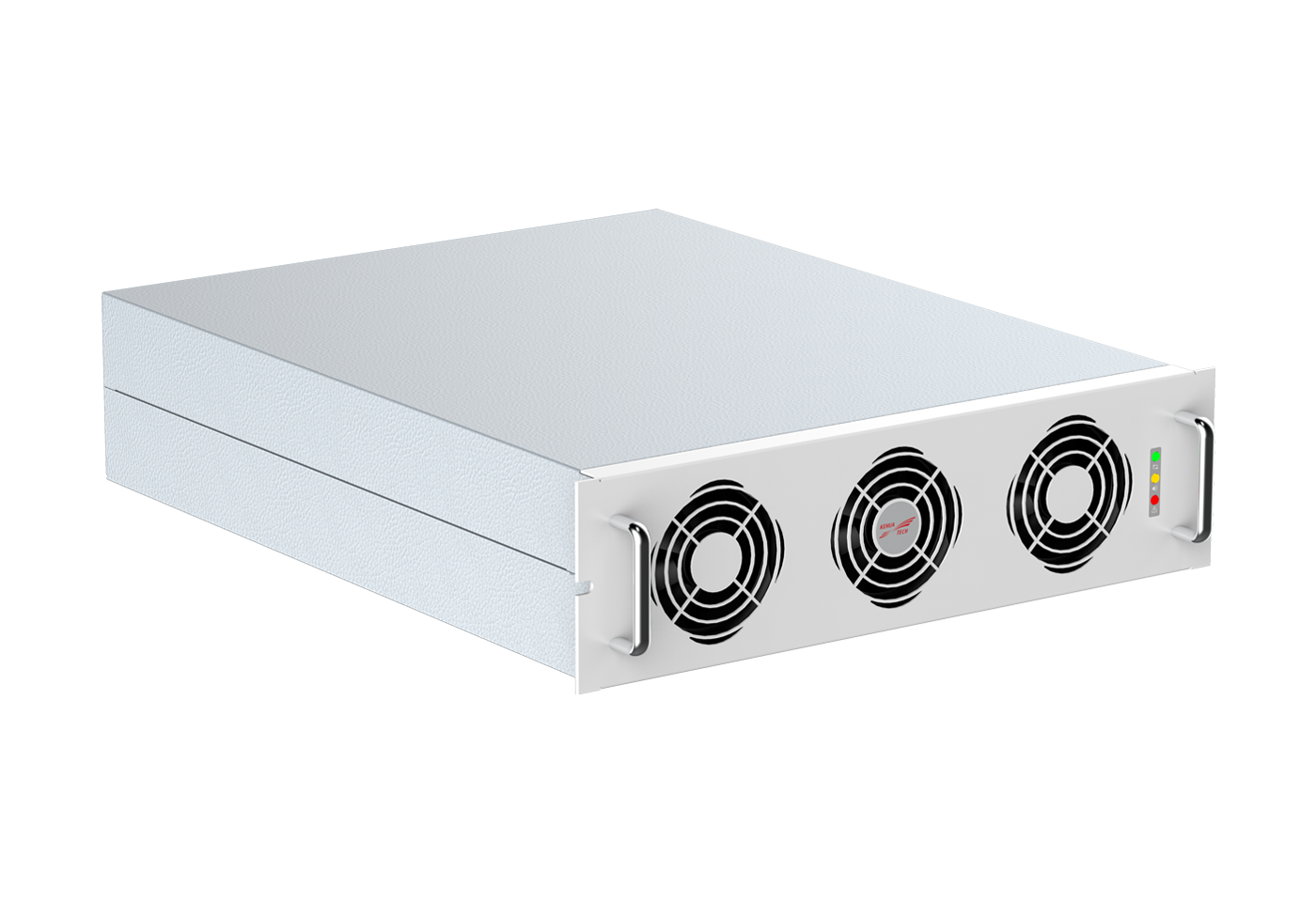
Shenzhen Kehua's advanced SiC‑based DC modules—such as award‑winning 40 kW units for EV charging stations—enable high efficiency, high power density, and flexible modular scaling, all of which are critical for the economics of megawatt‑class charging sites. By stacking these modules into centralized power units, operators can feed multiple high‑power dispensers while keeping efficiency and reliability at utility‑scale standards. [thesmartere-award]
Integrated PV + Storage + Charging for Sustainable MCS Hubs
The megawatt loads associated with electric long‑haul trucks will put pressure on local grids if sites rely solely on utility supply. Integrating on‑site solar generation and battery energy storage with MCS infrastructure addresses several pain points at once: [sciencedirect]
- Peak shaving and demand charge reduction
- Improved grid connection feasibility
- Higher share of renewable energy in truck operations
- Greater resilience during grid disturbances [publica.fraunhofer]
Shenzhen Kehua provides integrated PV‑plus‑energy‑storage‑plus‑charging systems. For MCS hub operators, that means one vendor can deliver the full power backbone—from PV strings and storage through DC distribution to the high‑power dispensers—simplifying project execution and long‑term operations. [kehuasz]
Practical Roadmap: How Fleets Should Plan for MCS
From an industry practitioner's viewpoint, moving toward megawatt‑class charging is best approached as a phased, data‑driven transformation. [linkedin]
Step 1 – Analyze duty cycles and corridors
Fleet operators should map their highest‑value long‑haul routes, typical daily distances, dwell times, and required turnaround speeds. This reveals where MCS offers the clearest operational and economic advantage over legacy charging. [linkedin]
Step 2 – Combine depot and corridor strategies
Most fleets will blend depot charging for overnight energy with public MCS on main corridors to cover peak daily distances. Planning both together ensures that trucks can start the day with sufficient state of charge while relying on high‑power corridor nodes to preserve schedule flexibility. [sciencedirect]
Step 3 – Select scalable infrastructure partners
When selecting technology providers, fleets and charge point operators should prioritize modular DC platforms, field‑proven power electronics, and integrated PV‑plus‑storage options. This ensures that the infrastructure can be expanded from hundreds of kilowatts per site today to multi‑megawatt levels as vehicle adoption grows. [charin]
Step 4 – Prioritize interoperability and standards alignment
Working with vendors actively engaged in standardization initiatives around MCS and high‑power charging reduces the risk of stranded assets. As international standards finalize, interoperable dispensers and power units will allow sites to serve a mix of truck brands without repeated hardware redesigns. [man]
User Experience at the Dispenser: Beyond Kilowatts
As electric long‑haul trucking scales, the driver's on‑site experience at the dispenser will be a key differentiator for both charge point operators and logistics brands. High‑power hardware alone is not enough. [daimlertruck]
A well‑designed MCS site should provide:
- Clear lane guidance and sufficient maneuvering space for articulated trucks
- Intuitive human–machine interfaces at the dispenser, optimized for gloved operation and different lighting conditions
- Simple authentication and payment flows tailored to fleet accounts
- Real‑time communication on charging progress and expected completion times [hochleistungsladen-lkw]
When drivers report that connecting to the dispenser is straightforward and that charging consistently matches the promised power levels, adoption accelerates and range anxiety is replaced by predictable, data‑driven operations. [daimlertruck]
Why MCS Is No Longer Optional for Decarbonizing Freight
Looking across recent pilots, academic studies, and industry roadmaps, a common conclusion emerges: without MCS, electric long‑haul trucking will remain confined to niche corridors and limited use cases. With MCS, however, battery‑electric trucks can achieve the range, turnaround times, and total cost of ownership required for mainstream adoption. [milence]
As the standard matures and commercial deployments accelerate, infrastructure partners with deep power electronics expertise and integrated PV‑plus‑storage‑plus‑charging capabilities will shape how fast this transition happens. Shenzhen Kehua Hengsheng is positioned at the heart of this shift, helping operators build scalable, high‑efficiency MCS hubs that align logistics performance with decarbonization targets. [charin]
For fleets, the strategic question is no longer *if* MCS will be essential, but *how quickly* they can incorporate megawatt‑class charging into their long‑term route, asset, and infrastructure planning. [publica.fraunhofer]
FAQ
1. What charging power does an MCS dispenser typically deliver for long‑haul trucks?
Current MCS concepts and pilots target charging powers in the range of around 1–1.5 MW per dispenser for long‑haul use cases, with technical envelopes extending up to several megawatts. [man]
2. Why is MCS more important for long‑haul trucks than for urban delivery vehicles?
Long‑haul trucks regularly cover distances above 500 km per day and operate on tight schedules, making long charging sessions incompatible with logistics requirements, whereas urban trucks can rely more on overnight depot charging and shorter routes. [linkedin]
3. How does MCS impact the total cost of ownership for fleets?
By enabling shorter charging times and supporting smaller battery packs for the same daily range, MCS can increase vehicle utilization, reduce battery oversizing, and improve TCO compared with relying only on lower‑power charging. [milence]
4. What role does integrated PV and energy storage play at MCS truck charging hubs?
Integrating PV and storage with MCS hubs helps manage peak demand, improve grid connection feasibility, increase renewable energy usage in truck operations, and enhance resilience against grid disturbances. [kehuasz]
5. Why are modular DC power units important for future‑proof MCS infrastructure?
Modular DC power platforms allow operators to start with lower site capacities and then scale to multi‑megawatt levels by adding more high‑efficiency modules as truck adoption grows, without redesigning the entire system. [thesmartere-award]
References
1. Milence, "Debunking 5 myths about Megawatt Charging System for electric long-haul transport" (2026). [Link] [milence]
2. MAN Truck & Bus, "In megawatt steps to green heavy-duty transport" (2025). [Link] [man]
3. Daimler Truck, "Megawatt charging in long-haul endurance test – Mercedes-Benz eActros 600" (2026). [Link] [daimlertruck]
4. Fraunhofer ISI, "Future Demand and Costs of Megawatt Charging for Battery Electric Trucks" (technical report). [Link] [publica.fraunhofer]
5. HoLa Project, "Challenges and Solutions in Truck Megawatt Charging – Lessons Learnt" (project report). [Link] [hochleistungsladen-lkw]
6. Jamie Sands, "Megawatt charging: enabling electric long-haul trucking?" (2026). [Link] [linkedin]
7. Ecosystm, "Key Tech Trends & Disruptions in 2026" (2026). [Link] [ecosystm]
8. Shenzhen Kehua Hengsheng Technology Co., Ltd., "EV Charger Power Module Manufacturer" – EU information page. [Link] [kehuasz]
9. CharIN, "Shenzhen Kehua Hengsheng Technology Co., Ltd." member profile. [Link] [charin]
10. The smarter E AWARD, "40kW SiC High-Efficiency High-Power Charging Module by Shenzhen Kehua" (2025). [Link] [thesmartere-award]
11. CharIN, "Shenzhen Kehua's Scalable Megawatt Power Unit" (news). [Link] [charin]
12. Roossi et al., "Effect of charging infrastructure availability on electric truck adoption" (conference abstract). [Link] [csrf.ac]
13. ScienceDirect, "Electric truck adoption and charging development: Policy insights" (2024). [Link] [sciencedirect]
Hot Tags: Megawatt Charging Systems, Customized, Custom, Suppliers, Cheap, Quality, Advanced, Durable, in Stock, Price, Quotation

