

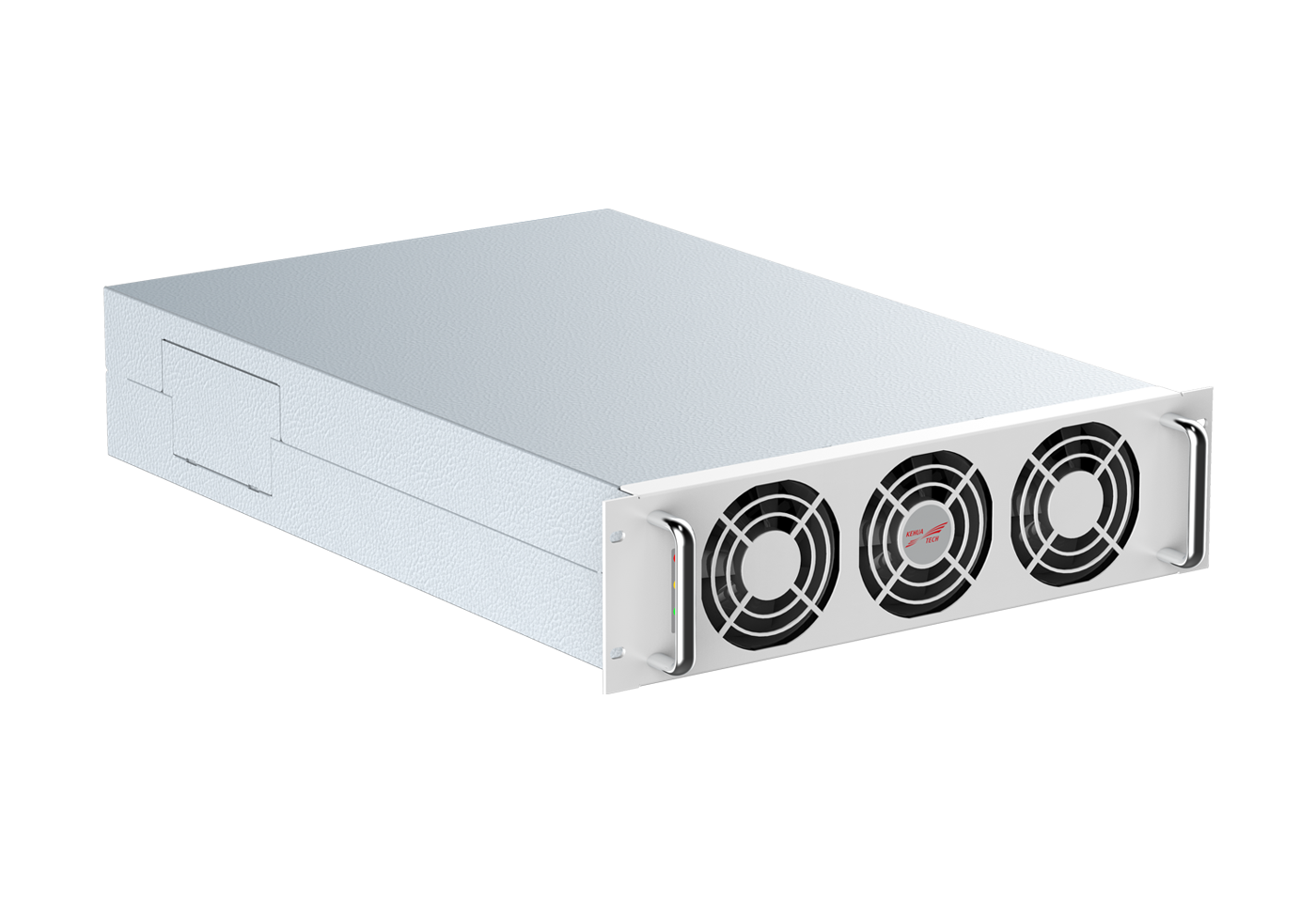
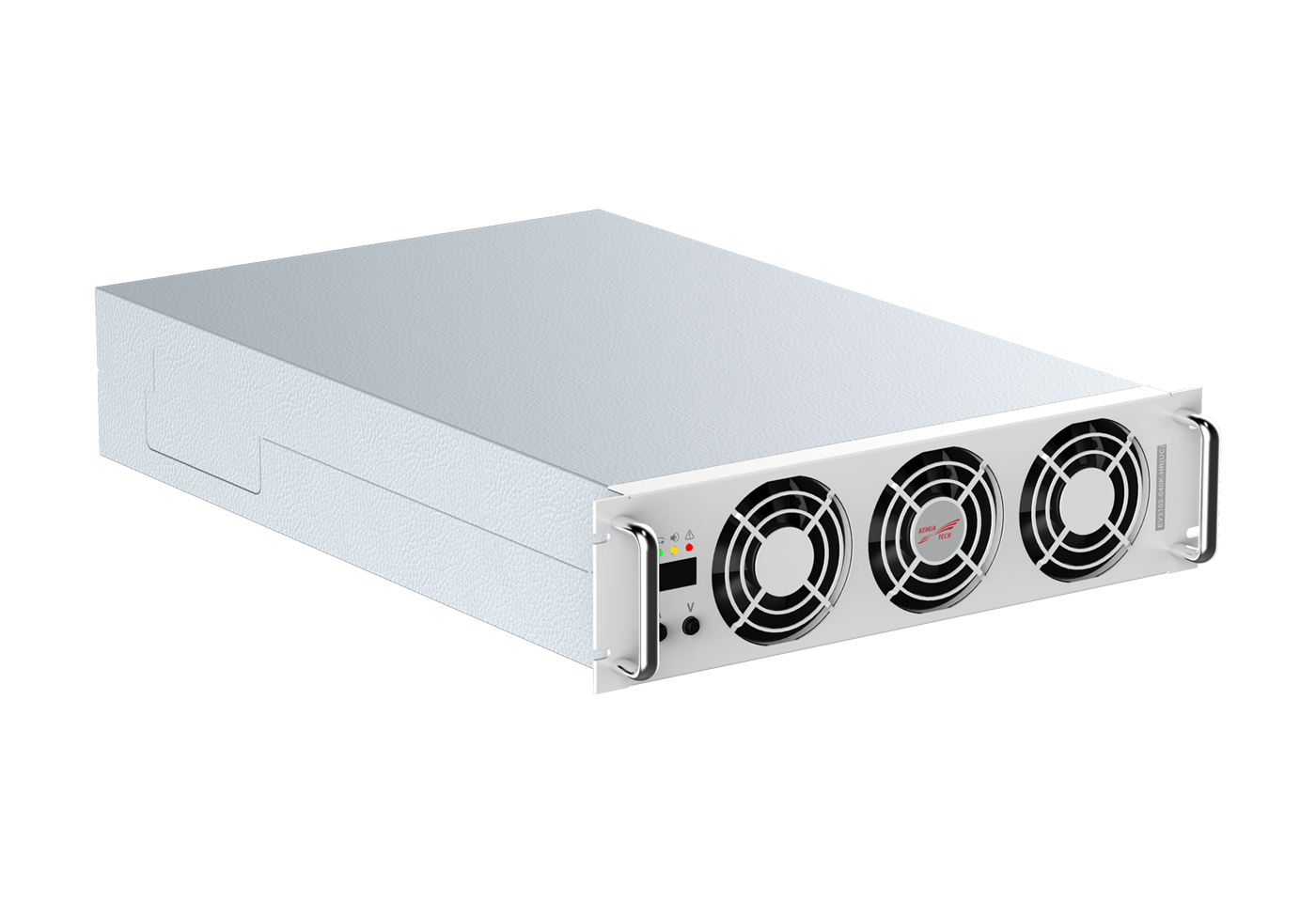
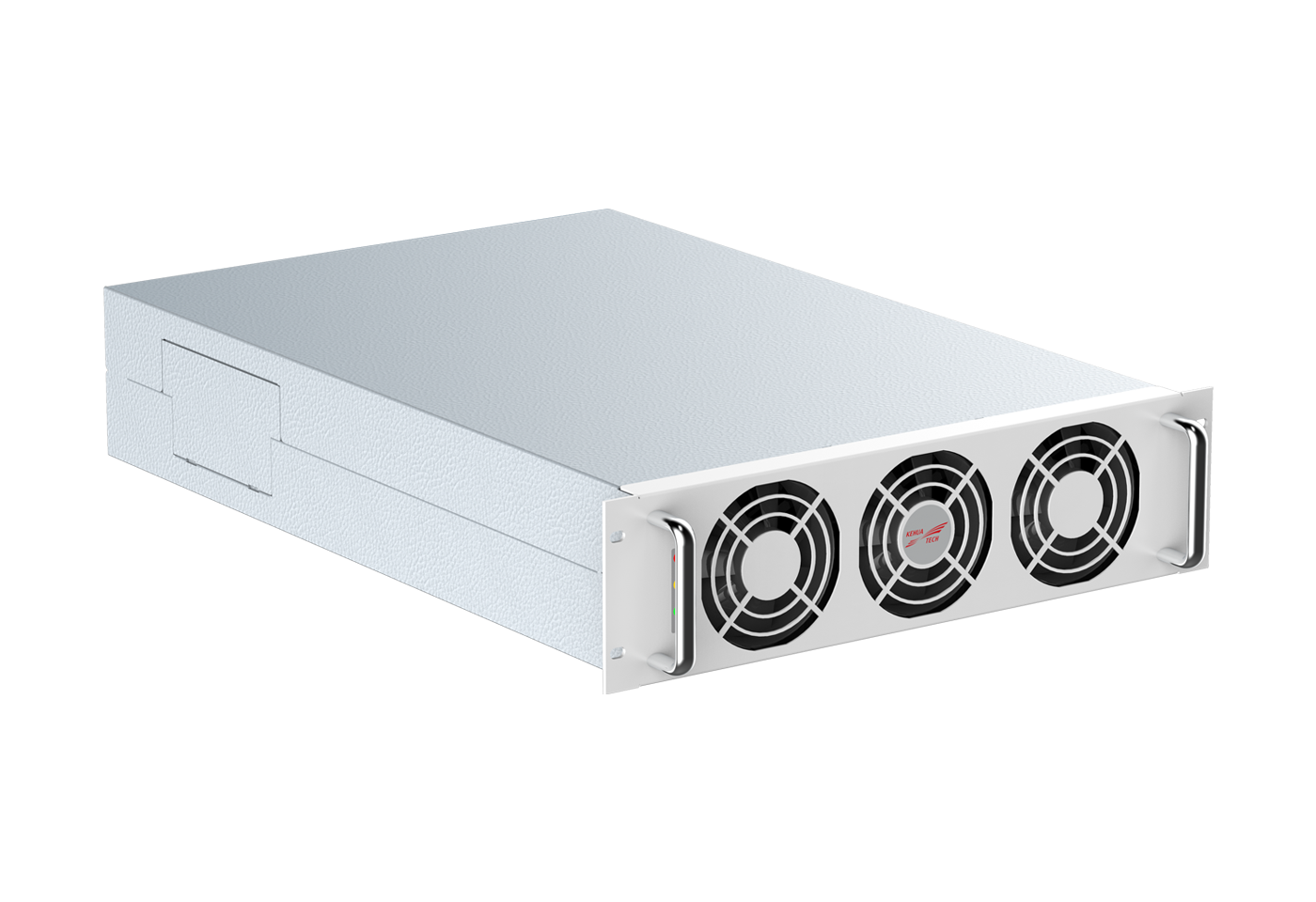
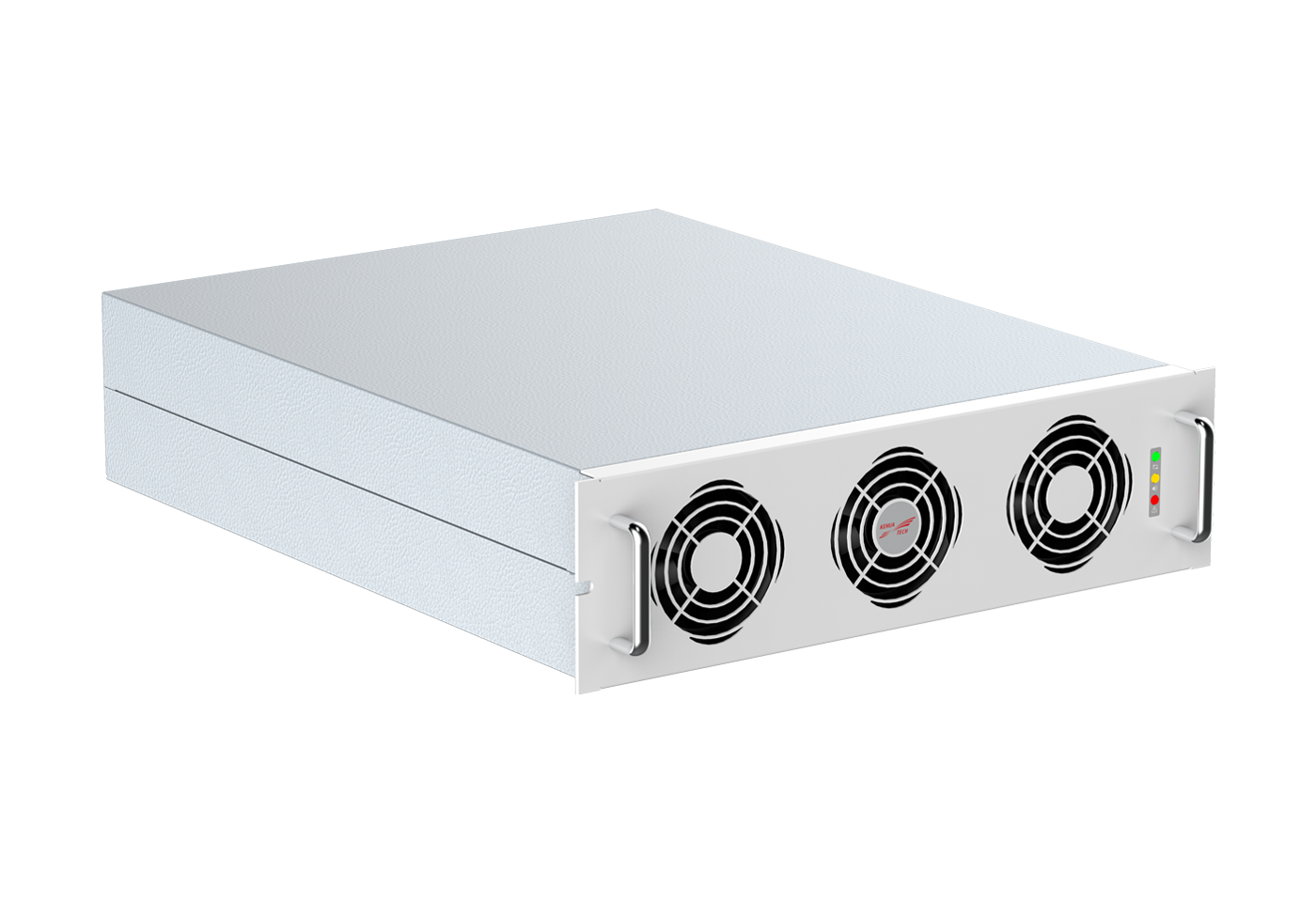
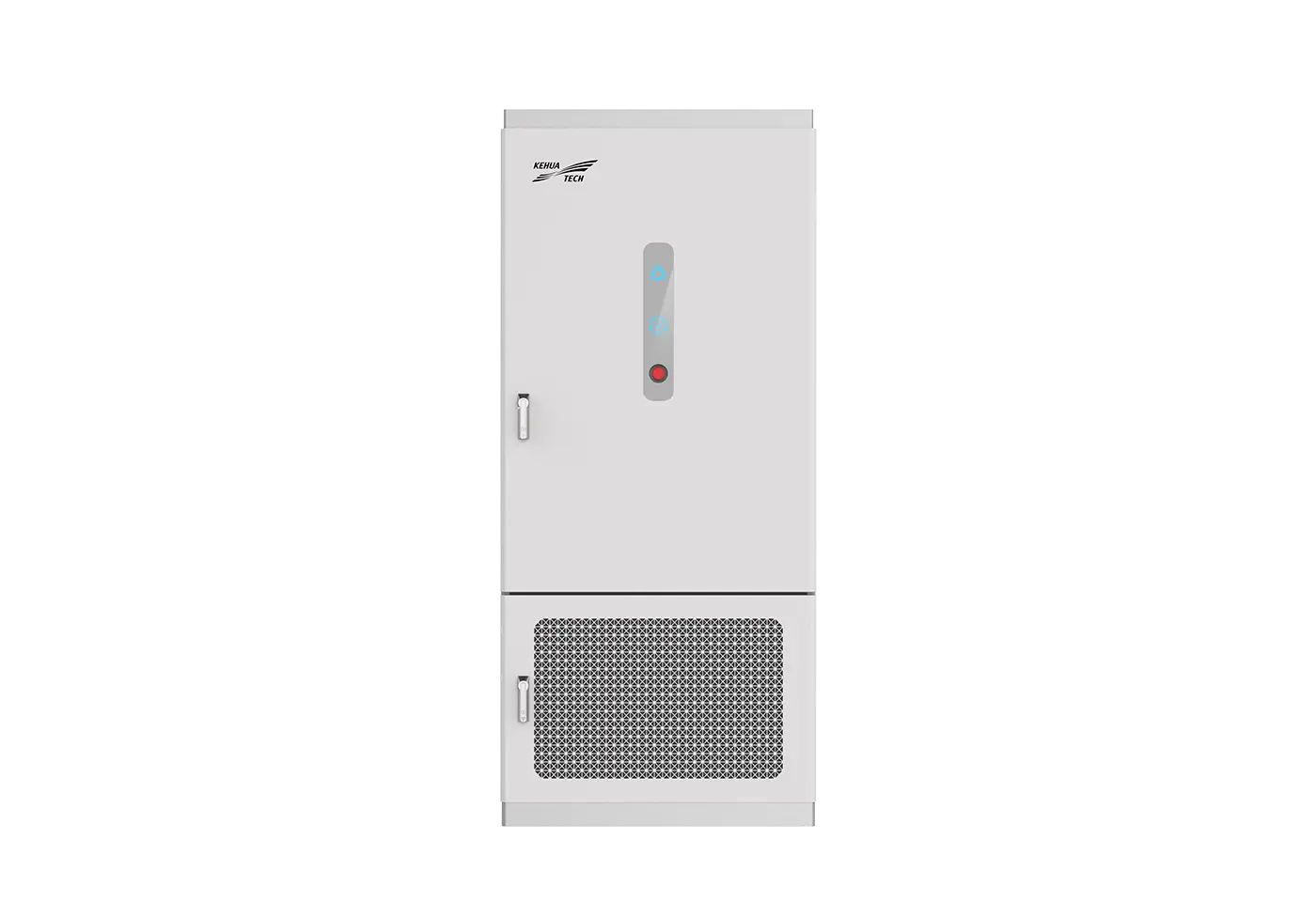


- Electric Bus Charging Upgraded: Fast & Flexible
- Shenzhen Kehua’s 40 kW High-Efficiency SiC Charging Module Achieves CE, CB, and UL Certifications
- Shenzhen Kehua Unveils High-Reliability All-in-One DC Charger for the ASEAN Market
- Shenzhen Kehua’s Scalable Megawatt Power Unit: Pioneering the Next Era of High-Power Charging for Green Mobility
- Growth Opportunities in the EV Charging Industry Amid the Global Transportation Electrification
- The Future of Fleet Charging: Building Efficient and Reliable Charging Infrastructure
Integrated DC Charger vs. Distributed Charging System: Choosing the Right Fit for Public Charging


Content Menu
● What Is an Integrated DC Charger?
● What Is a Distributed Charging System?
● Integrated DC Charger vs. Distributed System: Key Differences
● Expert View: How Public Charging Is Evolving
● Benefits of Integrated DC Chargers for Public Sites
>> 1. Faster Roll‑Out and Simple Design
>> 2. Modular Reliability and Risk Containment
>> 3. Clear User Experience at the Dispenser
● Benefits of Distributed Charging Systems for Public Charging Hubs
>> 1. High Utilization Through Dynamic Power Sharing
>> 2. Easier Scaling for Growing Demand
>> 3. Centralized Maintenance and Lower Long‑Term OPEX
● How Shenzhen Kehua Hengsheng Supports Both Architectures
● Real‑World Scenario: Which Architecture Fits Which Site?
>> Example 1: Small City Car Park (4–6 bays)
>> Example 2: Highway Service Hub (20–40 bays)
● Step‑By‑Step Framework to Choose the Right Fit
● UX Considerations for Public Charging Designs
● Where Integrated and Distributed Systems Converge
● Conclusion and Call to Action
● FAQs
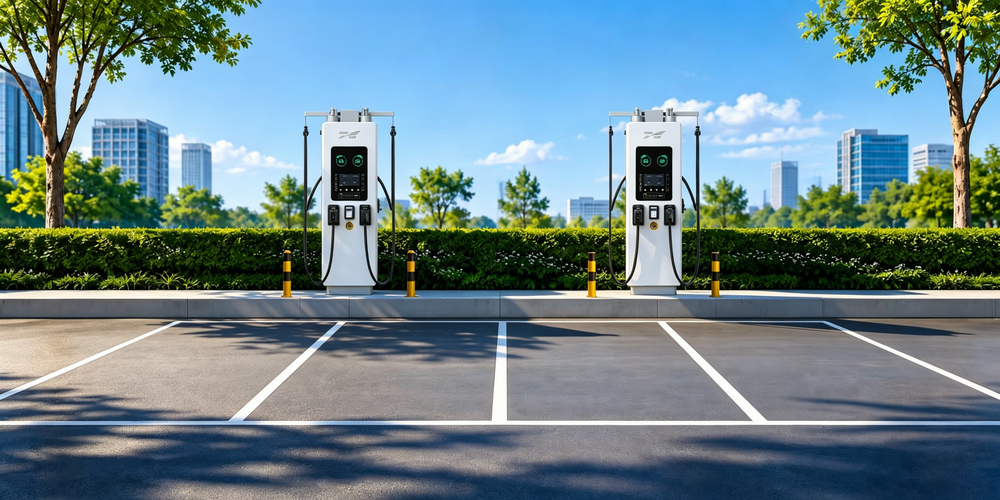
Integrated DC chargers and distributed charging systems each play a critical role in building reliable, profitable public charging networks, but they suit very different site profiles and business models. Choosing the right fit means balancing power density, scalability, uptime, and total cost of ownership against real‑world traffic patterns and grid constraints at your locations. [wearechargeninja]
What Is an Integrated DC Charger?
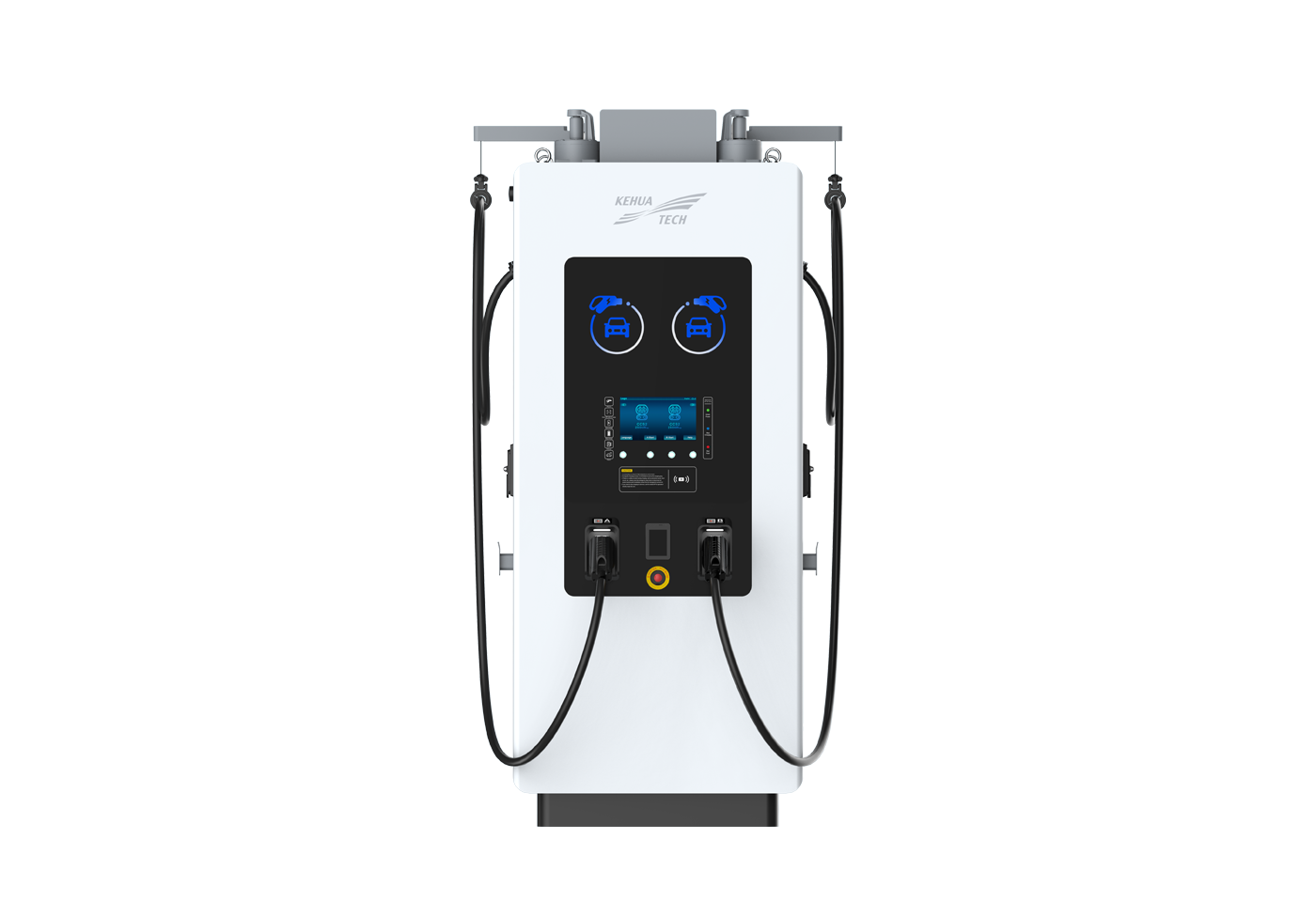
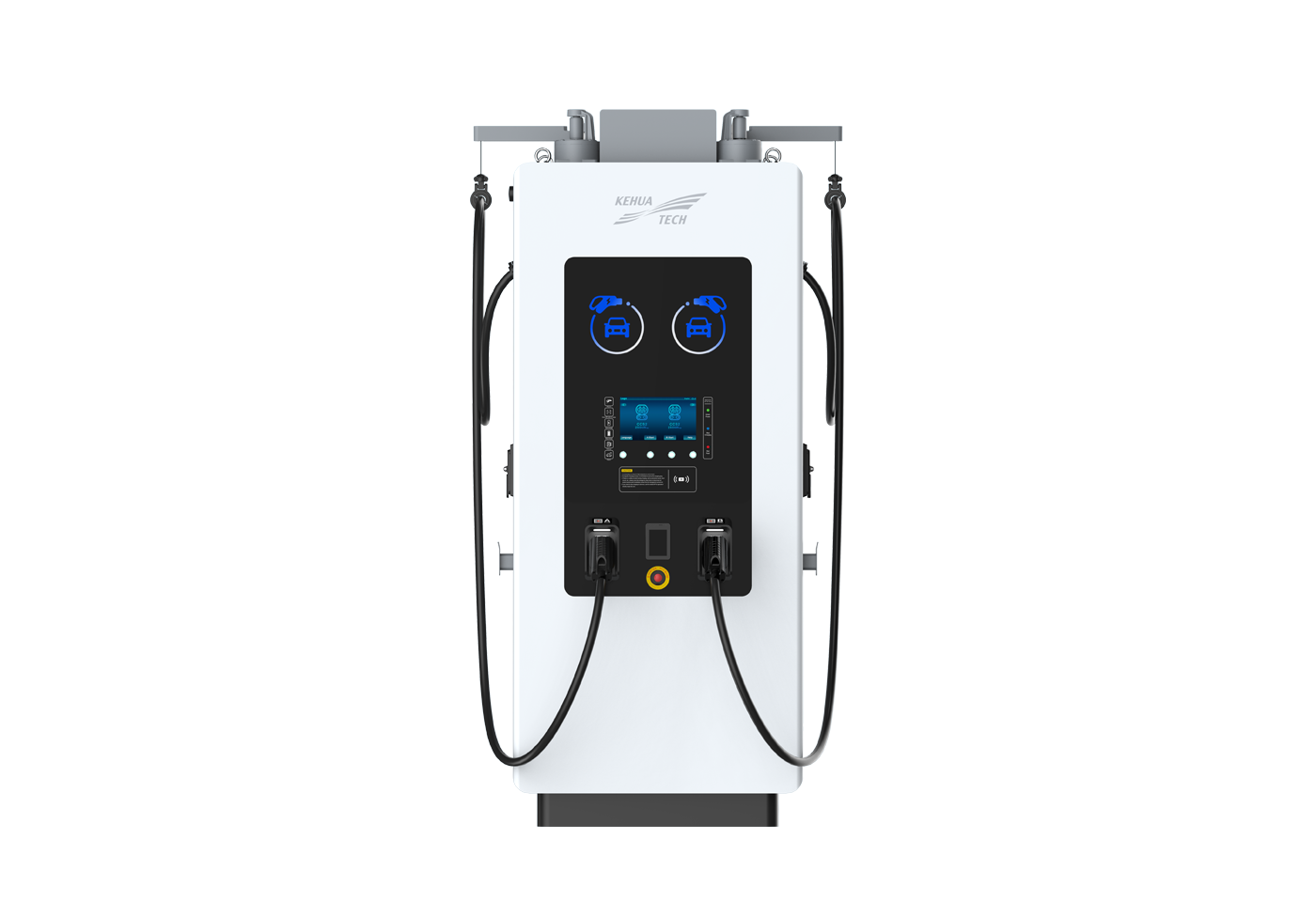
An integrated DC charger is an all‑in‑one cabinet that combines power conversion, control, and communication in a single enclosure. The AC–DC conversion, power modules, cooling, and user interface are all packaged together at each charging dispenser. [willbert]
In public charging, this design is widely used for DC fast chargers at 60–400 kW where each unit is installed as a standalone asset at a parking bay. For operators, integrated chargers offer a straightforward, "box‑per‑bay" model that is easy to understand and simple to deploy. [wearechargeninja]
Suggested image 1 (hero visual, near this section)
Prompt for AI image: "Modern public EV charging station at a highway rest stop with three integrated DC fast chargers in sleek white cabinets, each with its own display and cable dispenser, sunset lighting, ultra‑realistic, 16:9"
What Is a Distributed Charging System?
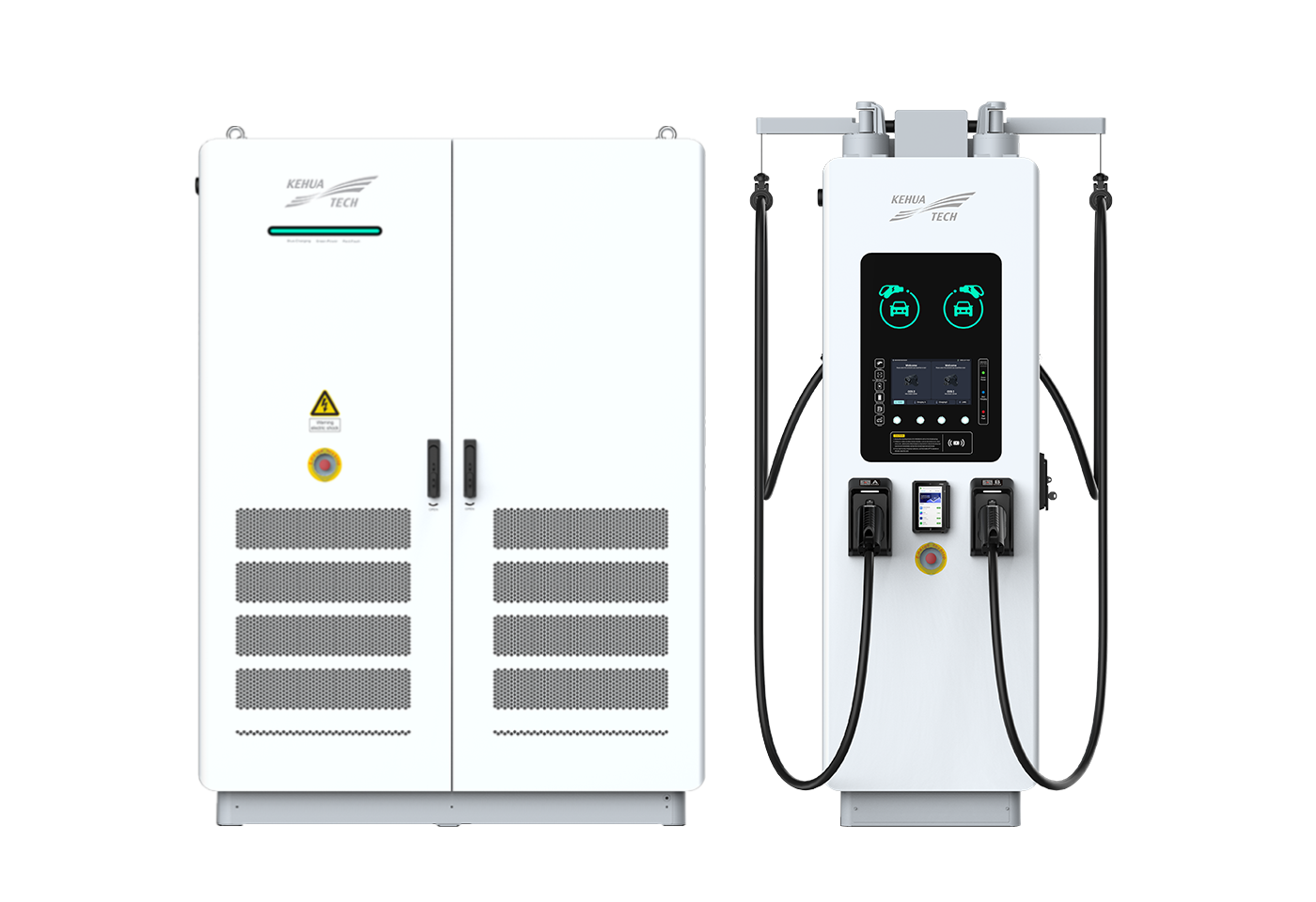
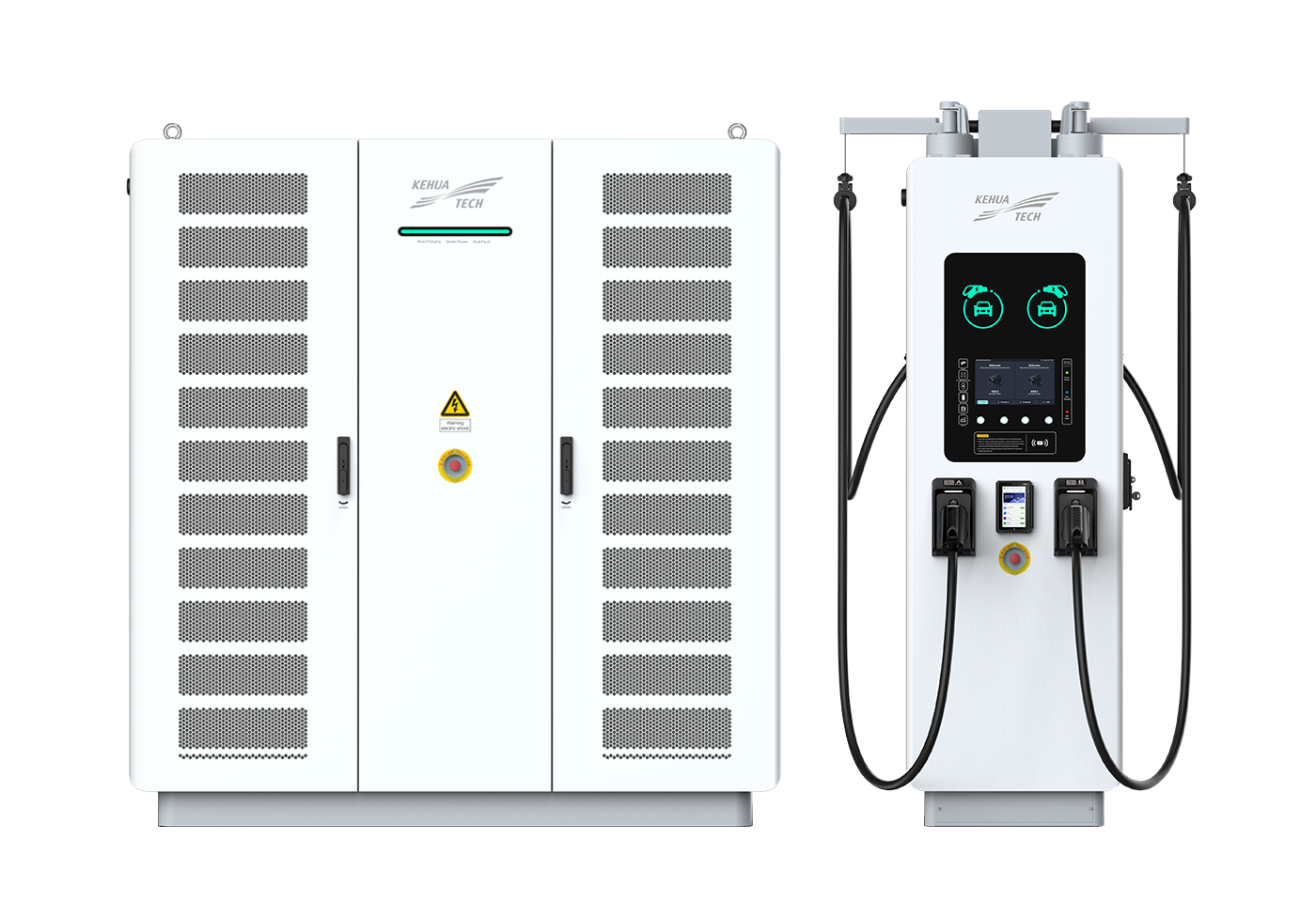
A distributed charging system separates the central power conversion cabinets from multiple remote charging dispensers. High‑power DC is converted and managed in one or several clustered "power hubs," then dynamically allocated to many user dispensers across the site. [sciencedirect]
This architecture is used for high‑throughput public hubs, fleet depots, and future‑ready sites where the operator wants to share capacity across dozens of dispensers. It enables advanced load management, higher utilization of installed power, and easier scaling as demand grows. [en.kehuasz]
Integrated DC Charger vs. Distributed System: Key Differences
| Dimension | Integrated DC Charger | Distributed Charging System |
|---|---|---|
| Core architecture | All‑in‑one cabinet at each dispenser wearechargeninja | Central power hub + many remote dispensers wearechargeninja |
| Typical use case | Small to mid‑size public sites, quick roll‑out wearechargeninja | Large hubs, fleets, high utilization sites willbert |
| Power sharing | Fixed per unit, limited sharing wearechargeninja | Dynamic power allocation across dispensers willbert |
| Scalability | Add more full cabinets as needed wearechargeninja | Add more dispensers or power cabinets to hub willbert |
| Maintenance impact | Per‑unit maintenance; local downtime only wearechargeninja | Centralized service; hub issues can affect many dispensers willbert |
| Grid connection | Simpler design, moderate loads sciencedirect | Optimized for high total loads and smart management sciencedirect |
| CAPEX pattern | Lower entry cost, more linear expansion wearechargeninja | Higher upfront cost, better long‑term efficiency willbert |
From a public‑charging operator's perspective, integrated DC chargers feel like buying self‑contained machines, while distributed systems feel like building flexible infrastructure. The right choice depends on how concentrated your traffic is, how fast it will grow, and how sophisticated your energy management strategy needs to be. [driveelectric]
Expert View: How Public Charging Is Evolving
Industry guidance for public EV infrastructure stresses future‑proofing, interoperability, and operational resilience rather than just installing more plugs. As utilization and power levels rise, operators are moving from simple, standalone assets toward networked, centrally managed systems that can orchestrate power, pricing, and user experience across entire sites. [electrical.theiet]
Organizations such as CharIN are pushing unified standards for high‑power CCS and megawatt‑class charging, which favor architectures that can deliver and coordinate very large loads efficiently. In this context, distributed systems increasingly underpin hub‑style charging sites and integrated energy stations that combine PV, storage, and high‑power DC. [charin]
Benefits of Integrated DC Chargers for Public Sites
1. Faster Roll‑Out and Simple Design
Integrated DC chargers are plug‑and‑play from a civil‑works perspective: each unit only needs a grid connection, network link, and foundations. This simplicity enables rapid deployment for municipalities, fuel retailers, and commercial sites that want to add a few fast chargers without redesigning their entire electrical backbone. [sciencedirect]
Because power electronics, cooling, and controls sit in one enclosure, engineering and permitting are often more straightforward, especially where local authorities are already familiar with stand‑alone DC fast chargers. This can reduce project risk and accelerate time to revenue. [electrical.theiet]
2. Modular Reliability and Risk Containment
With integrated chargers, one unit failing does not directly impact others, so the rest of the site can keep operating while maintenance is scheduled. For small to mid‑size stations with 2–8 fast chargers, this "modular" risk profile can be very attractive. [wearechargeninja]
Asset life‑cycle decisions are also granular: you can upgrade or replace individual units as vehicle technology evolves, without touching every dispenser at once. That aligns well with typical capex cycles for retail and hospitality sites. [sciencedirect]
3. Clear User Experience at the Dispenser
Each integrated charger has its own screen, payment interface, and cable set at the dispenser, which makes the on‑site UX very straightforward. Drivers simply park, plug, pay, and charge at the dispenser in front of them, without needing to understand site‑wide load‑sharing behavior. [zevi]
This clarity reduces confusion for first‑time EV drivers and makes it easier to standardize signage and user instructions across locations. Combined with mobile apps, it provides a familiar "fuel pump" metaphor for public charging. [driveelectric]
Benefits of Distributed Charging Systems for Public Charging Hubs
1. High Utilization Through Dynamic Power Sharing
The core advantage of a distributed system is its ability to allocate power dynamically across many dispensers, based on real‑time demand. Multiple power cabinets can feed a pool of dispensers, so available capacity automatically shifts to where vehicles actually plug in. [willbert]
This boosts utilization of installed power and reduces queuing at busy periods, especially at highway hubs and urban charging plazas. It also supports simultaneous high‑power sessions for heavy‑duty vehicles, taxis, or ride‑hailing fleets. [en.kehuasz]
2. Easier Scaling for Growing Demand
As EV adoption accelerates, public sites often need to double or triple the number of dispensers within a few years. Distributed systems are designed for this: operators can add more dispensers to existing power hubs or expand central cabinets without replacing every front‑end charger. [willbert]
This staged expansion makes it easier to align investment with actual traffic growth while staying within grid constraints. It also simplifies migration to megawatt‑class and MCS‑based (Megawatt Charging System) infrastructure for heavy vehicles. [charin]
3. Centralized Maintenance and Lower Long‑Term OPEX
In a distributed architecture, the most complex components sit in central cabinets that are easier to access and maintain than numerous standalone units. Technicians can service power modules, cooling, and control electronics in one place, improving mean time to repair. [en.kehuasz]
Because DC power is shared, operators can maintain service with reduced capacity while one cabinet is offline, instead of losing an entire dispenser at a popular bay. Over time, this model typically reduces operational expenditure per kWh delivered, especially at high‑volume sites. [willbert]
How Shenzhen Kehua Hengsheng Supports Both Architectures
Shenzhen Kehua Hengsheng Technology Co., Ltd. is a reliable EV charging equipment provider with over three decades of power‑electronics expertise through the Kehua Group. The company offers a complete portfolio that spans DC charging modules, AC chargers, DC fast chargers, high‑power distributed systems, megawatt charging, and PV+energy storage solutions for integrated energy stations. [charin]
This breadth allows Kehua to design end‑to‑end public charging solutions that match the site's architecture: from standalone integrated DC chargers for small sites to large, distributed hubs with smart scheduling and power allocation across many dispensers. International certifications such as CE, UL, and automotive‑grade quality systems (e.g., IATF 16949) reinforce the reliability required for mission‑critical public infrastructure. [en.kehuasz]
Real‑World Scenario: Which Architecture Fits Which Site?
Example 1: Small City Car Park (4–6 bays)
For a municipality upgrading a downtown car park with a few fast chargers, integrated DC chargers are often the best fit. [driveelectric]
They provide:
- Lower upfront complexity for design and permits [electrical.theiet]
- Clear bay‑level ownership and billing per dispenser [wearechargeninja]
- Simple maintenance contracts and spare‑parts strategy [wearechargeninja]
In this case, the priority is quick deployment, predictable costs, and a familiar UX for occasional users.
Example 2: Highway Service Hub (20–40 bays)
For a high‑traffic highway station serving long‑distance drivers and fleets, a distributed charging system usually delivers better economics and service quality. [willbert]
Key advantages include:
- Dynamic power sharing across many dispensers during peaks [sciencedirect]
- Easier scaling as EV traffic grows over time [en.kehuasz]
- Centralized maintenance and better cabinet utilization [willbert]
Here, the business case is driven by throughput, uptime, and the ability to support mixed vehicle types at high power.
Step‑By‑Step Framework to Choose the Right Fit
From a practitioner's viewpoint, public‑charging investors can use this five‑step framework:
1. Define traffic profile
Analyze expected sessions per day, dwell times, and EV mix (passenger vs. commercial). [driveelectric]
2. Map grid and energy constraints
Understand available capacity, upgrade timelines, and energy pricing at each site. [sciencedirect]
3. Set service‑level targets
Decide on minimum charging speeds, acceptable queuing, and uptime commitments. [electrical.theiet]
4. Plan expansion horizon
Model demand over 5–10 years and identify whether you will likely double connector or dispenser count or power levels. [driveelectric]
5. Choose architecture and partners
Match integrated or distributed solutions—or a hybrid—to the above, then select technology partners that can support both paths, such as Kehua. [charin]
This structured approach helps align technical architecture with commercial objectives, rather than treating hardware selection as a one‑off procurement exercise. [electrical.theiet]
UX Considerations for Public Charging Designs
A good architecture can still deliver poor UX if the site layout, signage, and digital experience are neglected. Regardless of whether you choose integrated or distributed hardware, focus on: [zevi]
- Clear wayfinding and charger labeling for drivers [zevi]
- Consistent payment flows via apps, RFID, or cards [zevi]
- Transparent pricing and clear session information on dispenser screens [zevi]
- Thoughtful bay layout to avoid blocking, ICEing, and cable trip hazards [zevi]
Distributed systems may introduce more complex rules for power sharing or reservations; in that case, invest in intuitive mobile and on‑charger interfaces at each dispenser. Integrated chargers should prioritize straightforward "plug‑in‑and‑go" experiences that minimize friction for new EV users. [driveelectric]
Where Integrated and Distributed Systems Converge
In practice, many advanced charging networks evolve toward hybrid configurations that blend integrated and distributed elements. For example, a site might combine a distributed high‑power hub for fleets and long‑distance drivers with a small row of integrated chargers for general public use. [en.kehuasz]
Kehua's portfolio, which spans DC modules, power units, high‑power chargers, and PV‑plus‑storage charging systems, is designed to support this convergence. By integrating charging, storage, and renewables, operators can improve energy economics while delivering faster, cleaner, and smarter public charging. [charin]
Conclusion and Call to Action
For small and mid‑sized public stations, integrated DC chargers provide speed, simplicity, and clear user journeys. For large hubs and fleet‑heavy locations, distributed charging systems unlock better utilization, scalability, and long‑term cost efficiency. [wearechargeninja]
If you are planning new public charging sites or upgrading existing infrastructure, consider partnering with Shenzhen Kehua Hengsheng to evaluate site‑specific architectures—from integrated DC fast chargers to megawatt‑class distributed and PV‑plus‑storage charging solutions across multiple dispensers. Reach out to Kehua's solution experts to design a charging ecosystem that matches your current needs while preparing for the next decade of e‑mobility. [charin]
FAQs
1. Are integrated DC chargers always cheaper than distributed systems?
Integrated DC chargers usually have a lower upfront cost for small deployments because each unit is self‑contained and design complexity is limited. For large hubs, distributed systems often deliver a better cost per kW and per session over the long term due to higher utilization and centralized maintenance. [sciencedirect]
2. Can I upgrade from integrated to distributed later?
Yes, many operators start with integrated chargers and later add distributed systems as traffic grows, sometimes running both architectures side by side. Working with a vendor that offers both, like Kehua, makes this transition smoother. [willbert]
3. Which architecture is better for fleets?
Fleet depots with predictable schedules and high utilization typically benefit more from distributed systems with dynamic power allocation and centralized management across many dispensers. Integrated chargers may still be used as overflow or backup units. [wearechargeninja]
4. How do PV and energy storage fit into public charging?
PV‑plus‑storage can shave peak demand, provide backup power, and improve the carbon profile of public charging. Kehua's solutions are specifically designed to integrate renewables and storage with both integrated and distributed DC charging infrastructures and their dispensers. [sciencedirect]
5. What standards should I consider for future‑proof public chargers?
Standards such as CCS for light vehicles and emerging megawatt charging standards for heavy vehicles are central to future‑proof site design. Choosing systems from vendors active in these ecosystems, like Kehua, helps ensure long‑term compatibility. [en.kehuasz]
References
1. WeAreChargeNinja, "Integrated vs. Distributed EV Chargers: Which Serves Your Business Better?" [Link] [wearechargeninja]
2. IET, "Guide to Electric Vehicle Charging Infrastructure for Local Authorities." [Link] [electrical.theiet]
3. CharIN, "Shenzhen Kehua Hengsheng Technology Co., Ltd." [Link] [charin]
4. Shenzhen Kehua, "Reliable EV Charging Equipment Provider – Company Profile & Global Solutions." [Link] [en.kehuasz]
5. Willbert, "Ultra-fast DC Chargers: Distributed vs Standalone. Why Not Both?" [Link] [willbert]
6. ZEVI, "How to Create a Friendly, Efficient Charging Environment." [Link] [zevi]
7. DriveElectric, "Public Electric Vehicle Charging Infrastructure Playbook." [Link] [driveelectric]
8. ScienceDirect, "A comprehensive review on charger technologies, types, and architectures for electric vehicles." [Link] [sciencedirect]
Hot Tags: Distributed Charging System, Manufacturers, Customized, Custom, Suppliers, Buy, Cheap, Quality, Advanced, Durable, in Stock, Made in China, Price, Quotation

