



- Electric Bus Charging Upgraded: Fast & Flexible
- Shenzhen Kehua’s 40 kW High-Efficiency SiC Charging Module Achieves CE, CB, and UL Certifications
- Shenzhen Kehua Unveils High-Reliability All-in-One DC Charger for the ASEAN Market
- Shenzhen Kehua’s Scalable Megawatt Power Unit: Pioneering the Next Era of High-Power Charging for Green Mobility
- Growth Opportunities in the EV Charging Industry Amid the Global Transportation Electrification
- The Future of Fleet Charging: Building Efficient and Reliable Charging Infrastructure
High-Power Distributed Systems vs. Standalone Chargers: Which is Better for Large Bus Depots?


Content Menu
● Understanding the Two Approaches
>> What Is a High-Power Distributed Charging System?
>> What Is a Standalone Charger?
● Why Bus Depots Face a Different Design Challenge
● Technical Architecture Comparison
>> Power Conversion and Distribution
● Grid Connection, Energy Management, and PV+Storage Integration
>> Grid Capacity and Demand Charges
>> PV + ESS + Charging Synergy
● CAPEX and OPEX: Where Each Approach Wins
● Operational Flexibility and Depot Workflow
● Reliability, Redundancy, and Maintenance
● Real-World Use Cases and Design Patterns
>> Large Bus Depot with Staggered Departures
>> Smaller Satellite Depot or Rural Operation
● Expert Decision Framework: Which Is Better for Your Bus Depot?
● How Shenzhen Kehua Hengsheng Supports Large Bus Depots
● Summary Table: High-Power Distributed vs. Standalone Chargers
● Call to Action for Depot Operators
● Frequently Asked Questions (FAQ)
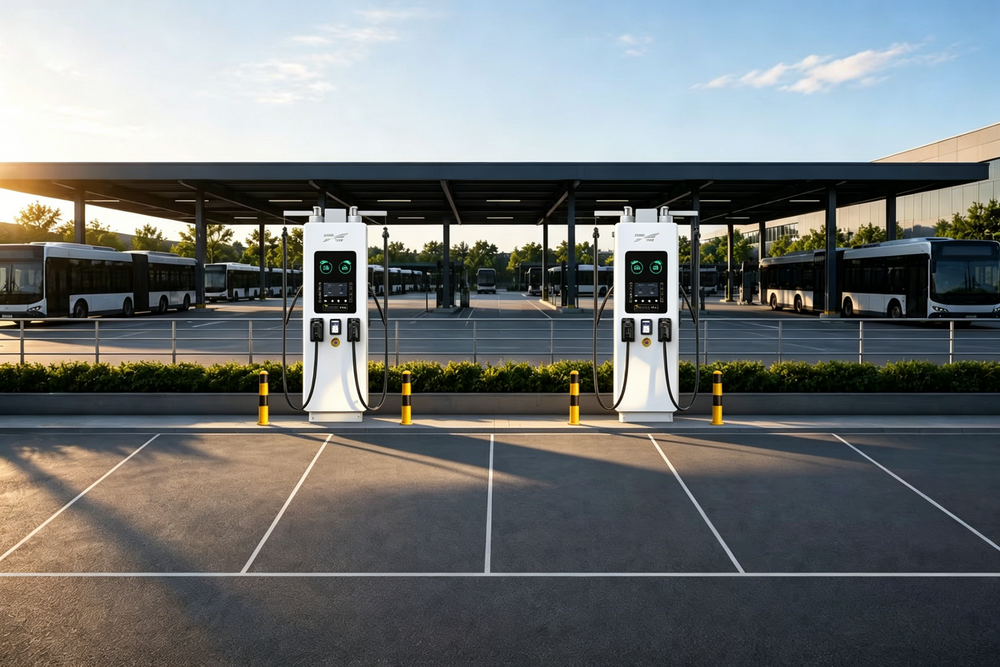
As large bus depots electrify their fleets, many operators face the same strategic question: should they invest in high-power distributed charging systems or rely on standalone chargers at each parking bay? This choice has long-term implications for grid connection size, CAPEX and OPEX, operational flexibility, and passenger service reliability.
Drawing on my experience supporting depot projects in Asia and Europe, and leveraging Kehua's portfolio of high-power distributed systems, megawatt charging solutions, DC fast chargers, and PV+ESS integration, this article breaks down the pros and cons from a real-world, expert perspective.
Understanding the Two Approaches
What Is a High-Power Distributed Charging System?
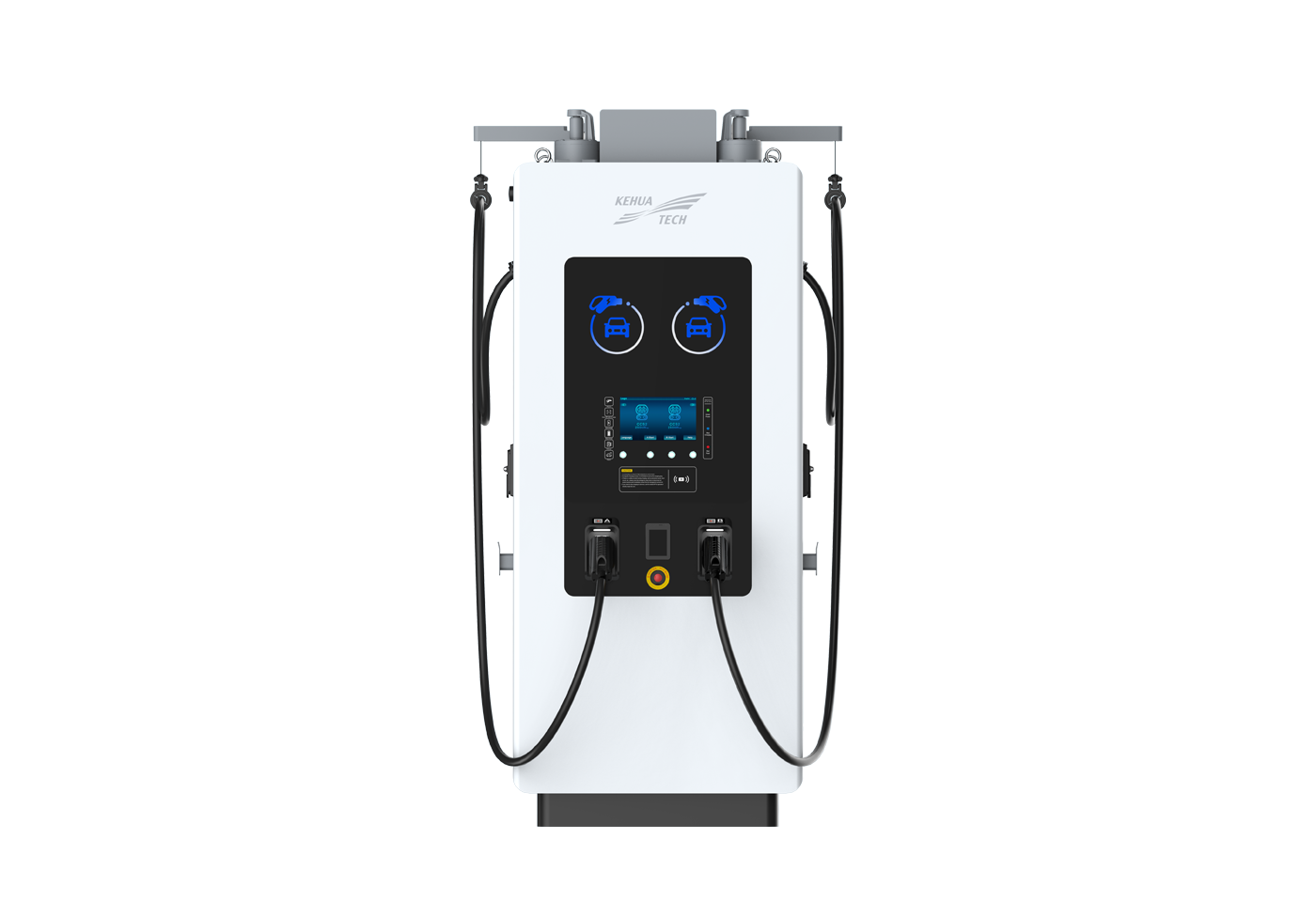
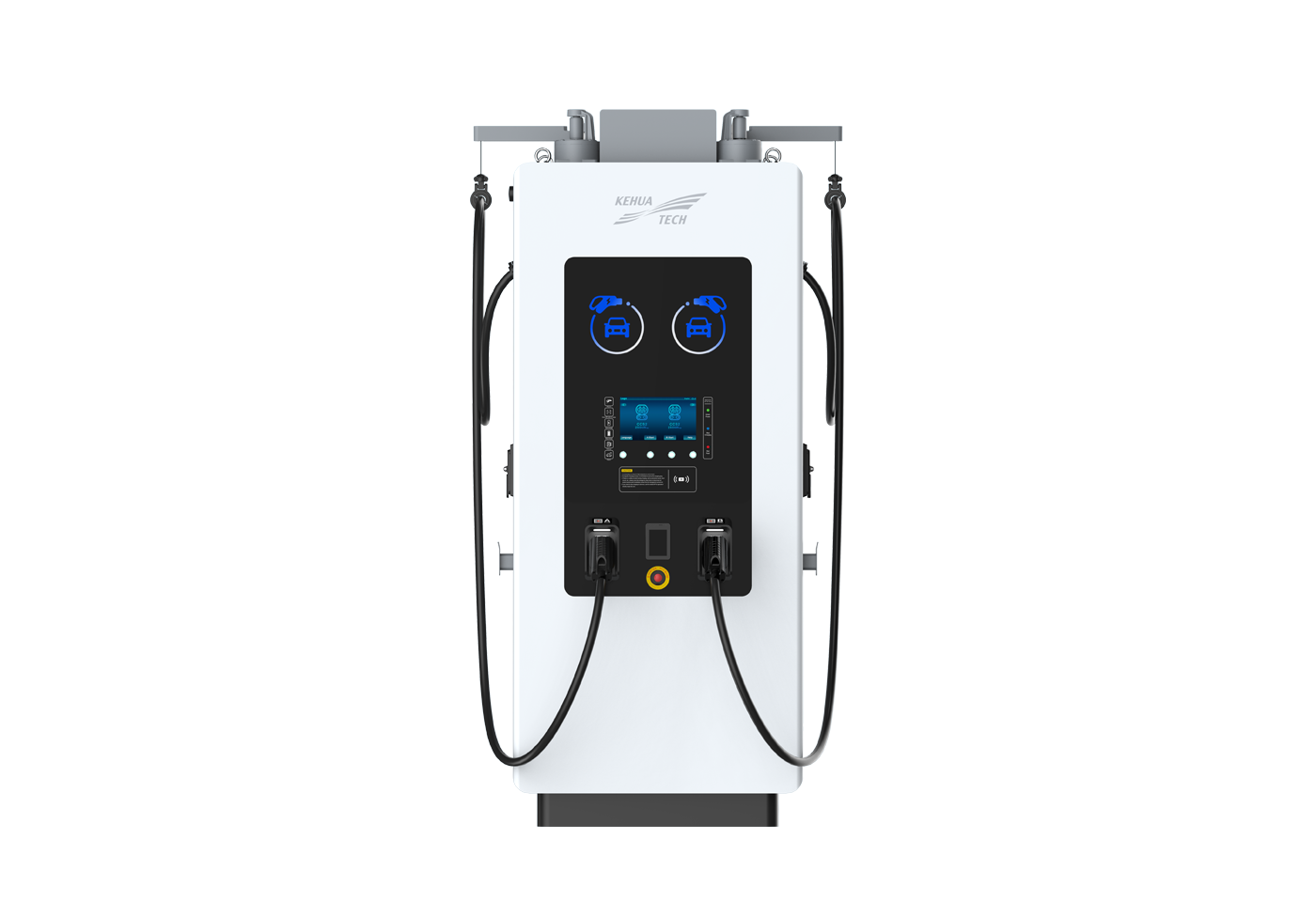
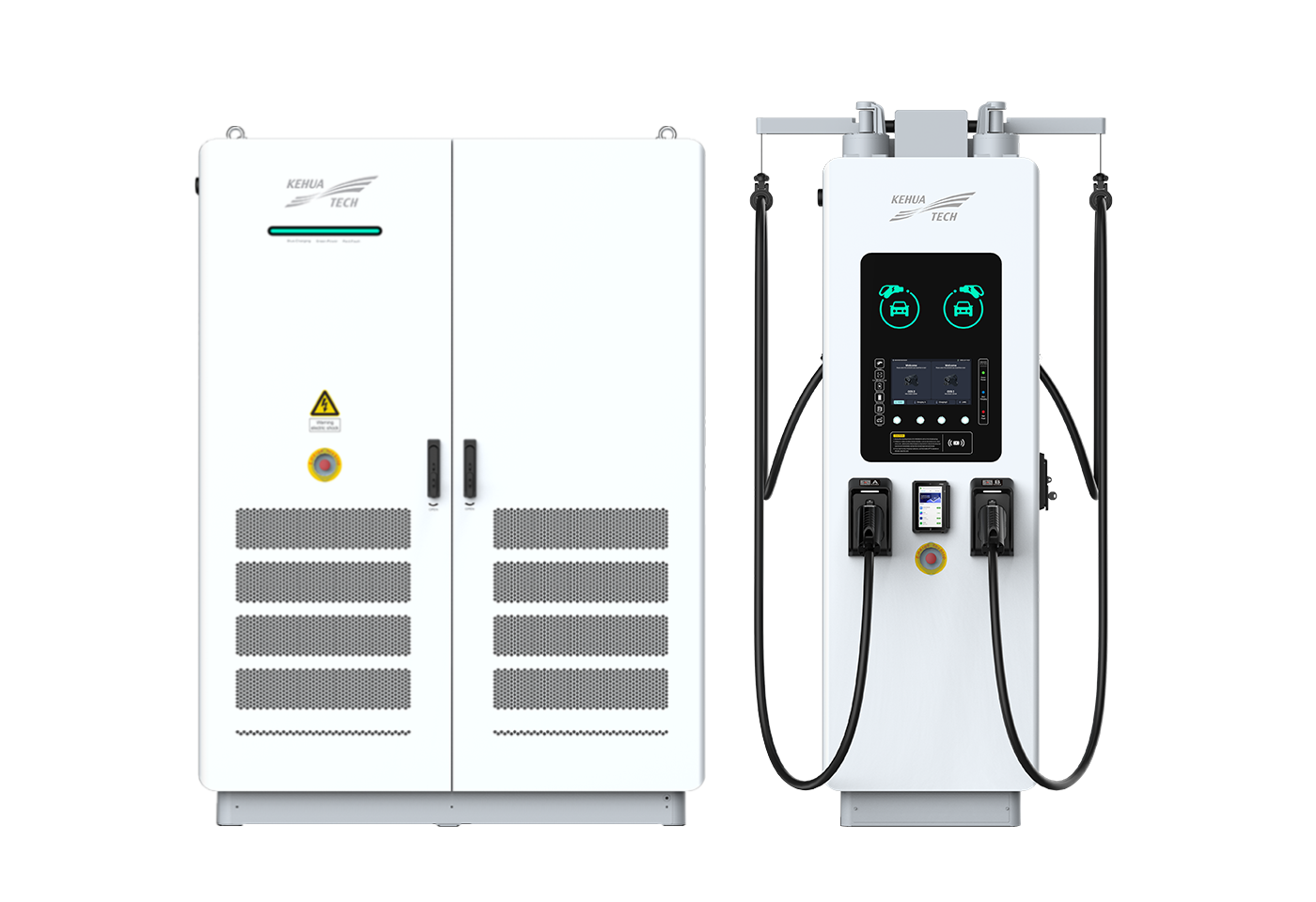
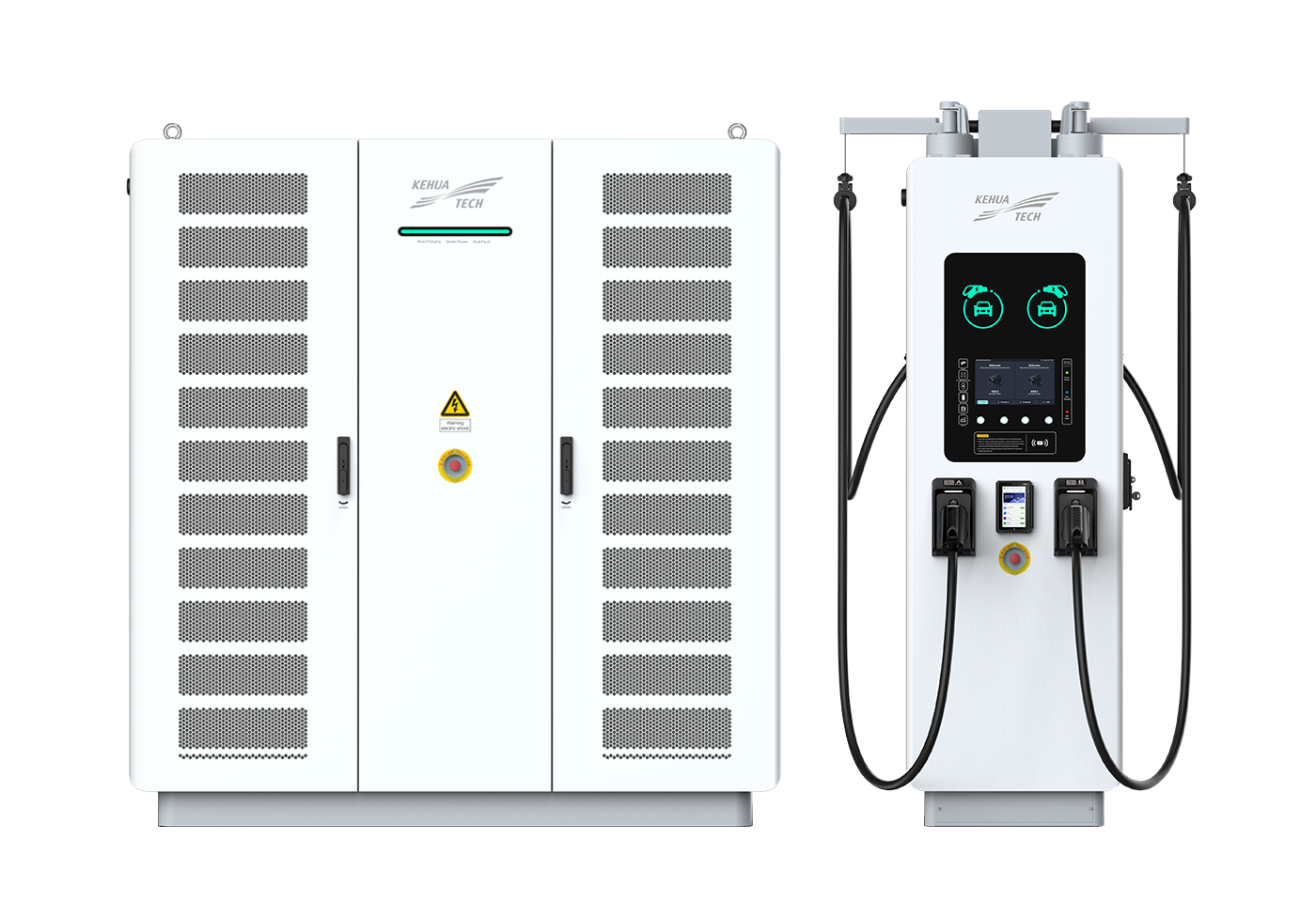
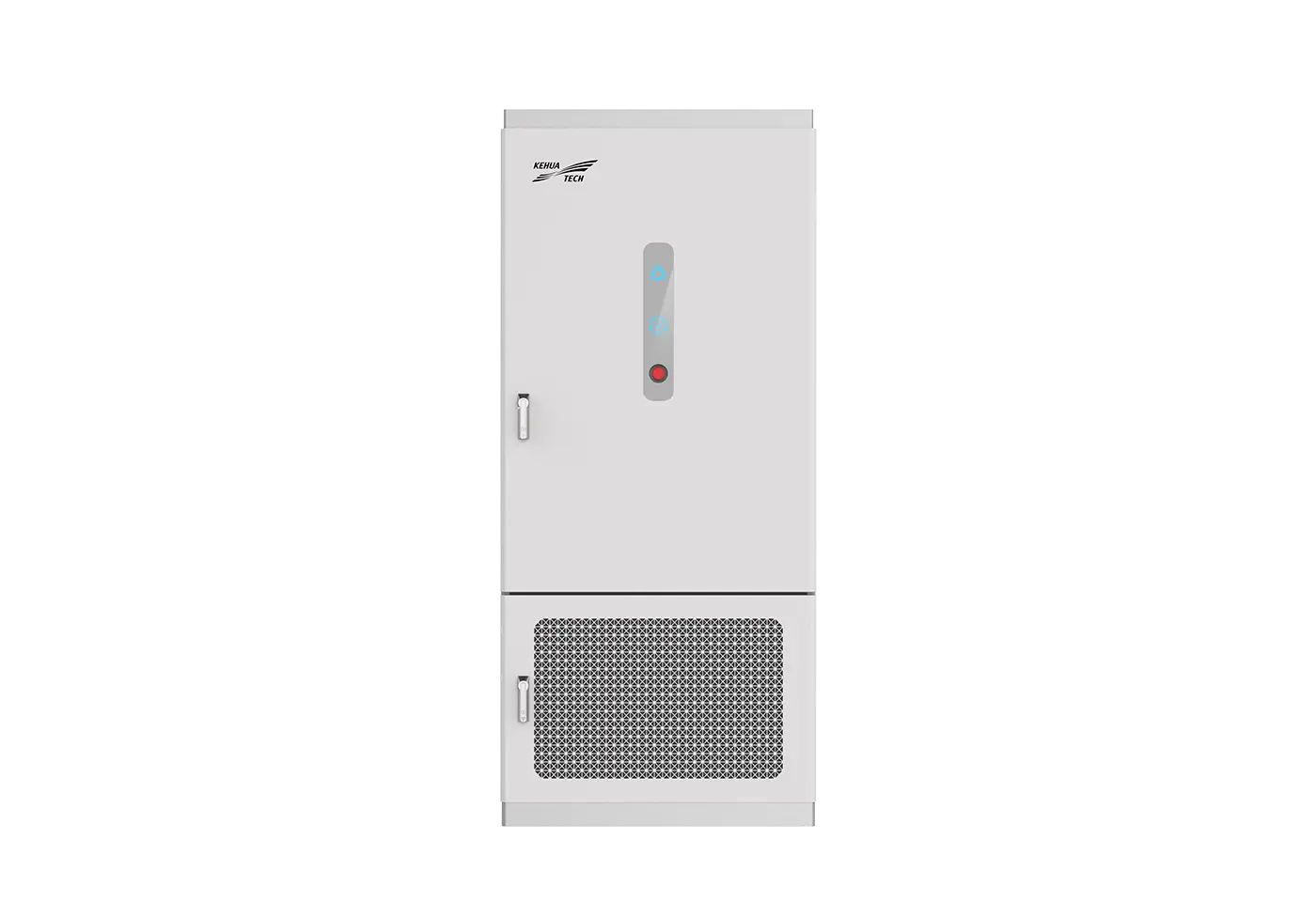
A high-power distributed charging system centralizes power conversion in a common DC power cabinet or power center and then distributes DC power to multiple dispensers across the depot.
Key characteristics include:
- Centralized power modules (for example, SiC-based high-efficiency modules) installed in a main cabinet room or containerized power block.
- Multiple DC dispensers feeding several buses simultaneously, located along parking lanes or near bus bays.
- Configurable power allocation, where software within the charging system coordinates how much power is sent to each dispenser, matching output to vehicle charging needs.
This architecture is commonly used in large bus depots, truck hubs, and heavy-duty fleet yards where dozens or hundreds of vehicles need coordinated charging overnight or during short layovers.
What Is a Standalone Charger?
A standalone charger is a self-contained AC or DC charger that combines power conversion, controls, and user interface in one unit, typically linked to a single parking bay or a small number of vehicles.
Typical features:
- Independent units distributed across the depot, often one charger per bus or per two parking spots.
- Fixed power rating per charger (for example 60 kW, 120 kW, or 180 kW DC fast chargers).
- Simple deployment for small fleets, pilot projects, or low-duty-cycle routes.
Standalone chargers are familiar to many operators because they are conceptually similar to public DC fast chargers at depots and highway stations.
Why Bus Depots Face a Different Design Challenge
Large bus depots present challenges that are quite different from public charging sites.
Typical depot constraints include:
- High vehicle density: 50–300 buses in a single depot footprint.
- Predictable schedules: Overnight dwell times, peak departures, and mid-day layovers.
- Limited grid capacity: Utility connection caps and demand charges that can explode if unmanaged.
- Safety and maintenance access: Need to minimize equipment on the yard while keeping maintenance centralized.
Because of these factors, charging is a strategic infrastructure design exercise, not just a hardware purchase.
Technical Architecture Comparison
Power Conversion and Distribution
High-power distributed systems:
- Use central DC power modules connected to a medium-voltage or low-voltage grid interface, then distribute DC via cables or busbars to multiple dispensers.
- Enable modular expansion by adding power modules as the fleet grows.
- Support high-power outputs, including megawatt-level charging for heavy-duty vehicles.
Standalone chargers:
- Each charger has its own AC-DC conversion stage.
- Expansion typically means adding more standalone units, which can strain the low-voltage distribution and complicate cabling.
Key implication: In large depots, centralized high-power systems often deliver better conversion efficiency and simplified cabling, especially when total installed power exceeds a few megawatts.
Grid Connection, Energy Management, and PV+Storage Integration
Grid Capacity and Demand Charges
From an energy engineer's perspective, matching charging power to grid constraints is critical. Even a 100-bus depot can require multiple megawatts of peak power if chargers are unmanaged.
High-power distributed systems typically incorporate:
- Coordinated charging control to schedule and throttle charging based on grid capacity and bus departure times.
- Central system-level control that avoids simultaneous peaks by staggering high-load charging sessions.
Standalone chargers can also be controlled by software platforms, but achieving consistent optimization across many independent units is more complex and often less efficient in practice, especially when chargers from multiple vendors are involved.
PV + ESS + Charging Synergy
Shenzhen Kehua Hengsheng offers integrated PV-ESS-Charging solutions, combining solar generation, energy storage systems (ESS), and EV charging into a single smart energy architecture.
In a large bus depot, this can enable:
- Peak shaving: Use ESS to buffer grid demand during peak charging periods.
- Solar self-consumption: Route PV output into the charging infrastructure to supply part of the bus charging demand.
- Backup support: Maintain critical charging capacity during grid disturbances or outages, depending on system design.
High-power distributed architectures are inherently well suited to these hybrid configurations, because PV and ESS can connect at the central DC or AC interface instead of separately at each standalone charger.
CAPEX and OPEX: Where Each Approach Wins
From my work with fleet operators, total cost of ownership (TCO) is often the deciding factor.
CAPEX (Initial Investment)
- Standalone chargers can be more cost-effective for small depots (e.g., 10–20 buses) or pilot projects, because they require less upfront engineering and can reuse existing low-voltage infrastructure.
- High-power distributed systems usually involve higher initial engineering and construction costs but benefit from economies of scale when hundreds of buses are involved, especially when medium-voltage connections are required.
OPEX (Operational Costs)
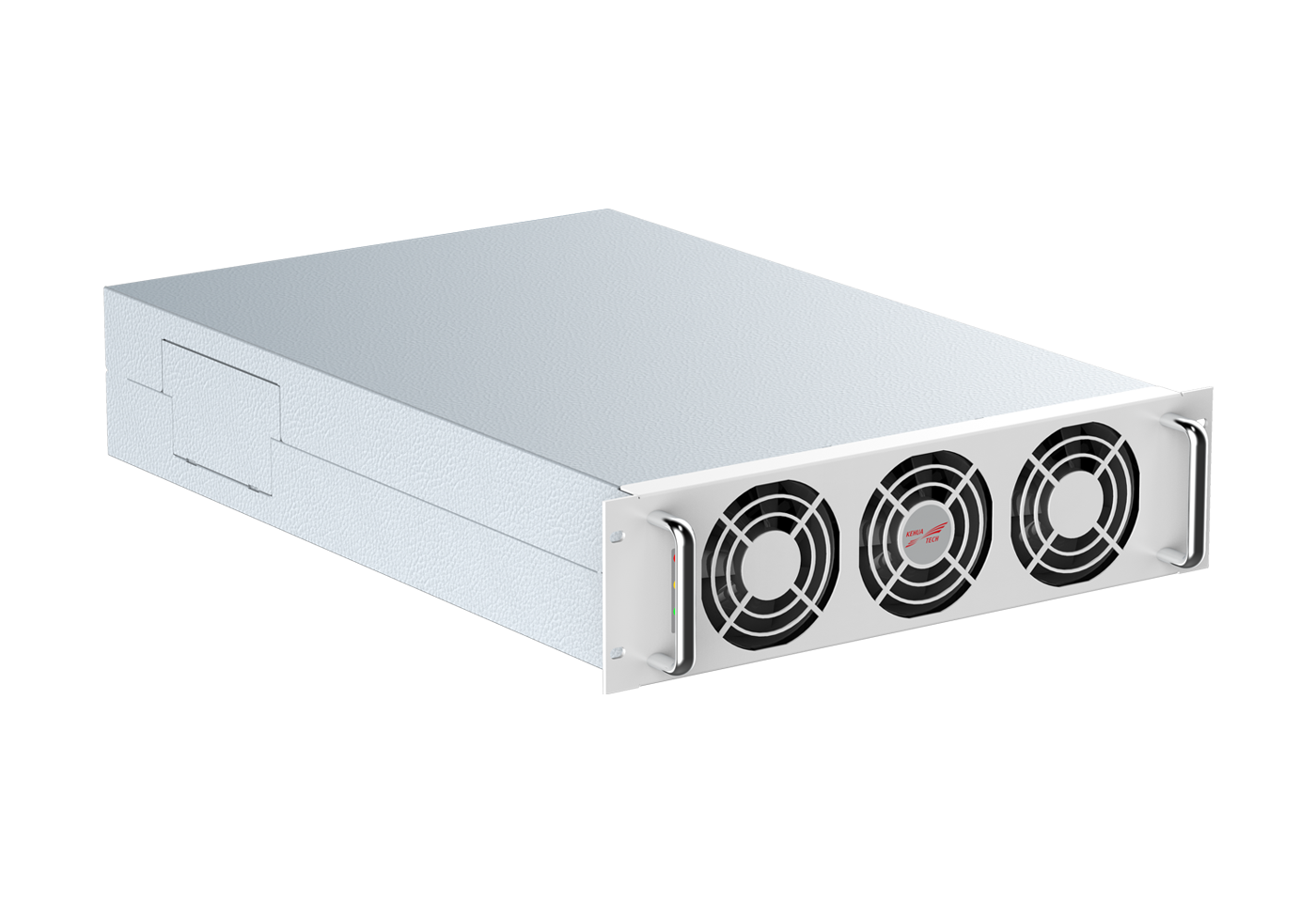
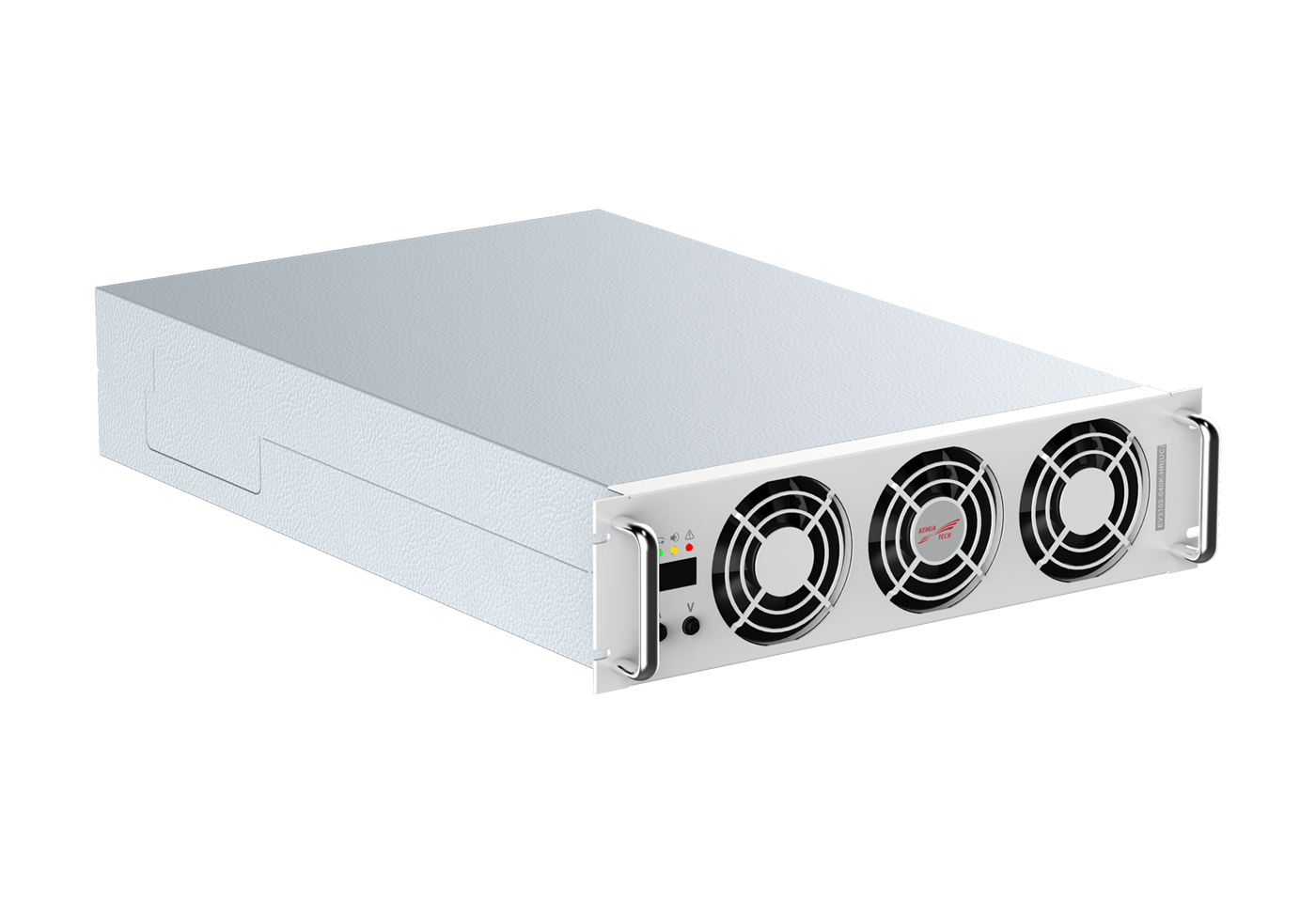
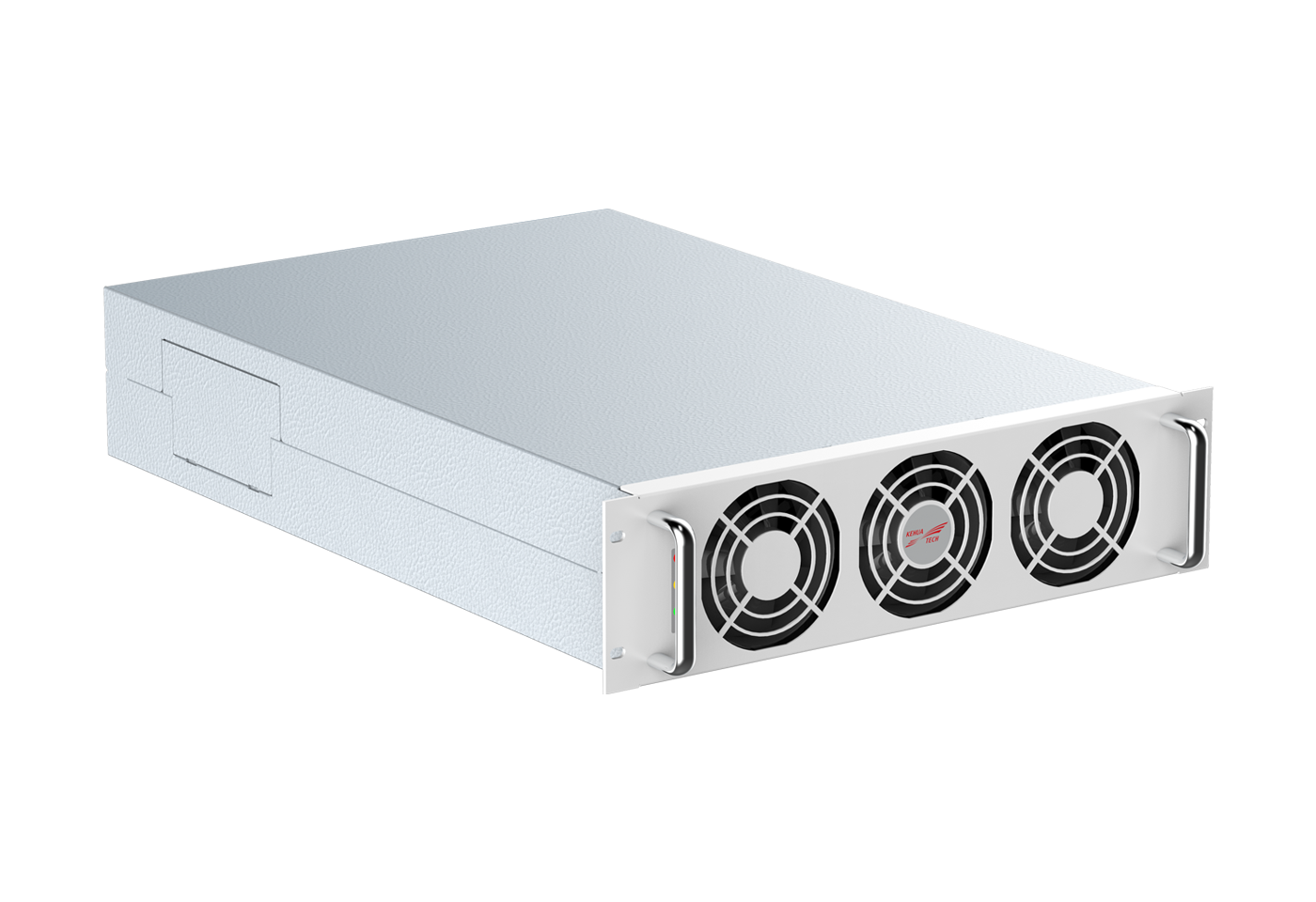
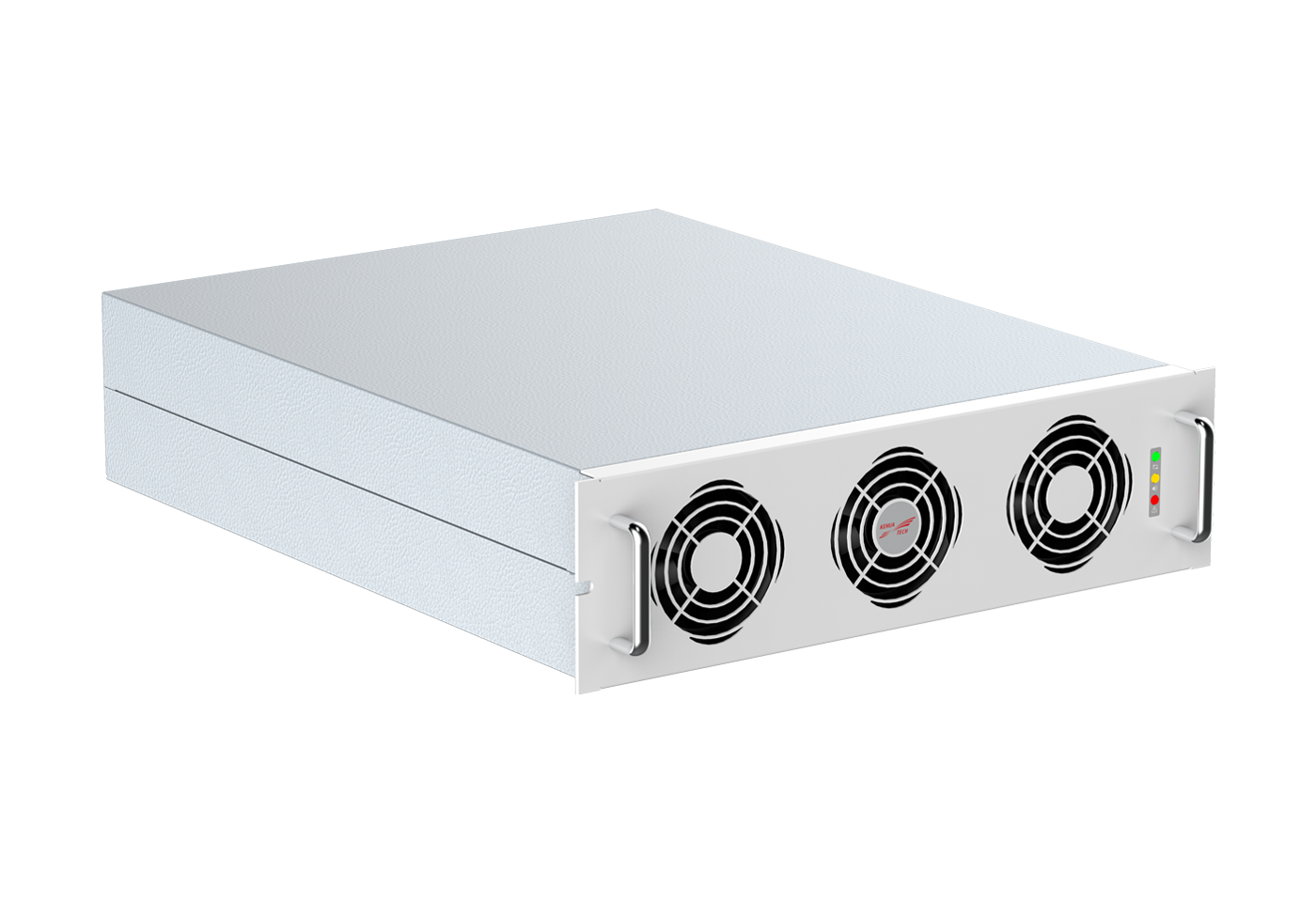
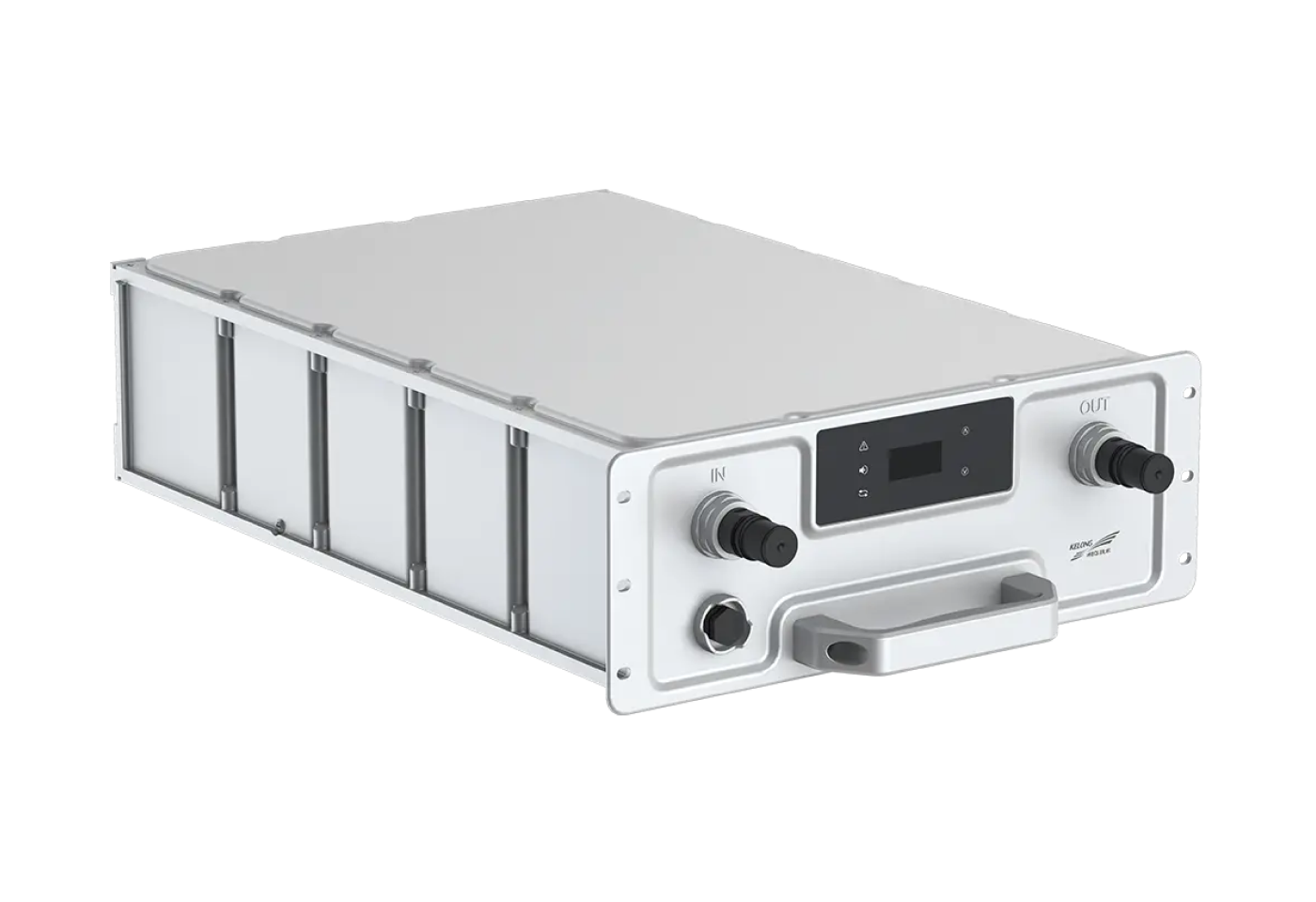
- Centralized high-efficiency modules, such as Kehua's SiC high-efficiency charging modules, can improve conversion efficiency and reduce energy losses.
- Centralized maintenance for power modules and control systems reduces recurring service costs compared to dozens of standalone units scattered around the depot.
- Coordinated charging strategies and ESS integration further reduce demand charges and energy costs over the system lifetime.
Bottom line: For large bus depots, high-power distributed systems typically deliver a lower TCO over 10–15 years, even if upfront CAPEX is higher.
Operational Flexibility and Depot Workflow
Dynamic Power Allocation
In a typical overnight depot scenario, not all buses require full-power charging at the same time. High-power distributed systems allow operators to:
- Allocate higher power to buses with earlier departures.
- Reduce power for buses with longer dwell times.
- Prioritize critical routes during energy constraints or partial outages.
With standalone chargers, each charger's rating is fixed, limiting the ability to dynamically reassign capacity across parking rows. Operators may need to reshuffle vehicles manually if a particular route requires more power than the assigned charger can deliver within the available time.
Space, Layout, and Safety
High-power distributed systems:
- Place heavy power equipment in a central technical room or container, freeing yard space and reducing exposure to harsh weather.
- Use leaner dispensers at parking bays, improving driver maneuverability and safety by minimizing obstacles around vehicles.
Standalone chargers:
- Install full-size cabinets around the yard, potentially complicating traffic flow and creating more obstacles.
- May be simpler for small depots but can become cluttered and harder to manage at scale.
Reliability, Redundancy, and Maintenance
Redundancy Strategies
High-power distributed systems usually implement modular redundancy:
- Power cabinets house multiple hot-swappable modules (for example 30–40 kW modules) so that if one module fails, others continue to supply power, and the system derates gracefully rather than failing completely.
- Centralized monitoring of power modules and dispensers detects issues early, enabling condition-based maintenance schedules.
Standalone chargers often behave as individual points of failure. If one unit fails, any bus assigned to that charger must be moved or rescheduled, which can disrupt operations and add complexity to depot logistics.
Maintenance Workflow
From a maintenance engineer's standpoint, centralized equipment is easier to access and service, avoiding the need to shut down entire yard sections for individual charger repairs.
Kehua's experience in power electronics and quality certifications such as IATF 16949, ISO 9001, and compliance with CE/CB/UL standards, further supports reliable long-term operation in demanding depot environments.
Real-World Use Cases and Design Patterns
Large Bus Depot with Staggered Departures
In one typical design pattern, a metropolitan bus operator deploys:
- A central 3–5 MW high-power distributed system connected to the medium-voltage grid.
- Multiple DC dispensers with 150–300 kW per outlet across several parking lanes.
- PV and ESS integration to shave peaks and support essential services.
This configuration enables charging 100+ buses overnight with coordinated charging schedules, ensuring each bus reaches its state-of-charge target before departure, without oversizing the grid connection.
Smaller Satellite Depot or Rural Operation
For depots serving 10–20 buses, especially in rural or low-density areas, operators often start with standalone DC fast chargers:
- Easier permitting and shorter lead times.
- Lower upfront engineering complexity.
- Straightforward integration with existing low-voltage networks.
As the fleet grows, however, many operators later migrate to hybrid architectures or fully distributed systems, reusing existing standalone chargers for secondary routes or satellite depots.
Expert Decision Framework: Which Is Better for Your Bus Depot?
To decide between high-power distributed systems and standalone chargers, I recommend a five-step decision framework:
1. Quantify fleet size and growth
- Current number of buses, expected fleet in 5–10 years.
- Daily energy consumption per bus and route characteristics.
2. Assess grid connection and energy costs
- Available grid capacity and upgrade timelines.
- Time-of-use tariffs and demand charge structure.
3. Map operational constraints
- Departure waves, overnight dwell time, mid-day layovers.
- Critical routes requiring higher charging priority.
4. Evaluate site layout and safety
- Space for central power rooms or containers.
- Traffic flow, parking density, and safety regulations.
5. Plan for renewables and storage
- PV rooftop or carport potential.
- ESS sizing to support peak shaving and backup, aligned with depot charging patterns.
In most large depots (50+ buses), a high-power distributed system with integrated PV+ESS will be the superior long-term solution, while standalone chargers may still be suitable for smaller sites or early pilot phases.
How Shenzhen Kehua Hengsheng Supports Large Bus Depots
Shenzhen Kehua Hengsheng Technology Co., Ltd. has extensive experience in power electronics through the Kehua Group and specializes in end-to-end EV charging solutions.
Key offerings for large bus depots include:
- High-power distributed systems built on advanced DC charging modules and centralized power cabinets.
- Megawatt charging systems (MCS) for heavy-duty vehicles and future-proof depots.
- AC chargers and DC fast chargers for smaller depots or satellite locations.
- PV-ESS-Charging solutions that integrate renewable energy and storage for smart, resilient depots.
With multiple manufacturing bases, IATF 16949 and ISO-certified quality systems, and compliance with CE, CB, and UL standards, Kehua is able to deliver reliable, globally deployable solutions tailored to each depot's needs.
Summary Table: High-Power Distributed vs. Standalone Chargers
Key Factors for Large Bus Depots
| Factor | High-Power Distributed System | Standalone Chargers |
|---|---|---|
| Power architecture | Centralized DC power modules with multiple dispensers | Individual AC-DC chargers per bay |
| Scalability | Highly scalable, modular expansion for large fleets | Practical for small fleets; complex at large scale |
| Grid & energy optimization | Coordinated charging control and easy PV/ESS connection | Possible but more fragmented control |
| CAPEX (large depots) | Higher upfront, lower long-term TCO | Lower initial for small sites; higher TCO at scale |
| OPEX & maintenance | Centralized maintenance, hot-swappable modules | Many points of failure; decentralized servicing |
| Layout & safety | Less yard clutter, centralized power rooms, slim dispensers | Many cabinets in yard, potential congestion |
| Future-proofing (high power) | Better suited to megawatt-level charging and high-power fleet expansion | Limited by individual unit capabilities |
Call to Action for Depot Operators
If you are planning or upgrading a large electric bus depot, now is the right time to evaluate a high-power distributed charging architecture with integrated PV and energy storage.
Shenzhen Kehua Hengsheng can support you with:
- Concept design and technical consultation tailored to your fleet and grid conditions.
- End-to-end solutions spanning DC charging modules, high-power distributed systems, megawatt chargers, and PV-ESS-Charging integration.
- Global manufacturing and service capabilities to help ensure long-term reliability.
Contact Kehua's EV charging experts to schedule a technical assessment of your depot and discover the optimal balance between high-power distributed systems and standalone chargers for your specific use case.
Frequently Asked Questions (FAQ)
1. Are high-power distributed systems always better than standalone chargers?
Not always. For small depots or initial pilots, standalone chargers can be more economical and easier to deploy. For large bus depots with 50+ vehicles, high-power distributed systems typically offer better scalability, energy efficiency, and integration with PV+ESS.
2. How does a high-power distributed system help with limited grid capacity?
By centralizing power modules and coordinating charging across multiple dispensers, the system can schedule and limit charging power to keep total demand within grid constraints, while still ensuring all buses reach the required state of charge before departure. When combined with ESS, operators can further reduce peak grid imports.
3. Can existing standalone chargers be integrated into a future distributed system?
In many cases, yes. Existing standalone chargers can continue to serve specific bays or satellite depots, while a high-power distributed system is added as the new backbone for core operations. Integration depends on communication and site design, so early planning is essential.
4. What standards and certifications should we look for in depot charging equipment?
For large bus depots, look for compliance with international standards such as CE, CB, UL, as well as quality management certifications like ISO 9001, ISO 14001, and IATF 16949. These certifications indicate robust design, safety, and manufacturing quality.
5. How does PV-ESS-Charging integration improve depot sustainability?
PV-ESS-Charging solutions allow depots to generate clean energy on-site and store it for later use, reducing reliance on fossil-based grid electricity and lowering emissions. When connected to a high-power distributed charging infrastructure, this energy can be used efficiently to charge buses and support peak shaving.
References
1. Shenzhen Kehua Hengsheng Technology Co., Ltd. – Company Profile. Available at: https://www.kehuasz.com/global/company-profile.html
2. Shenzhen Kehua Hengsheng Technology Co., Ltd. – Global EV Charging Solutions Overview. Available at: https://en.kehuasz.com/global
3. Shenzhen Kehua Hengsheng Technology Co., Ltd. – PV-ESS-Charging Solutions. Available at: https://www.kehuasz.com/global/PV-ESS-Charging-Solutions.html
4. Power2Drive Europe Exhibitor Profile – Shenzhen Kehua Hengsheng Technology Co., Ltd. Available at: https://www.powertodrive.de/exhibitorlist/shenzhen-kehua-hengsheng-technology-co-ltd
5. The smarter E Award – 40 kW SiC High-Efficiency High-Power Charging Module by Shenzhen Kehua Hengsheng Technology. Available at: https://www.thesmartere-award.com/hall-of-fame/thesmartere-award-winners-2025/shenzhen-kehua-hengsheng
Hot Tags: High-Power Distributed Systems, Manufacturers, Customized, Custom, Suppliers, Buy, Cheap, Quality, Advanced, Durable, in Stock, Made in China, Price, Quotation

