

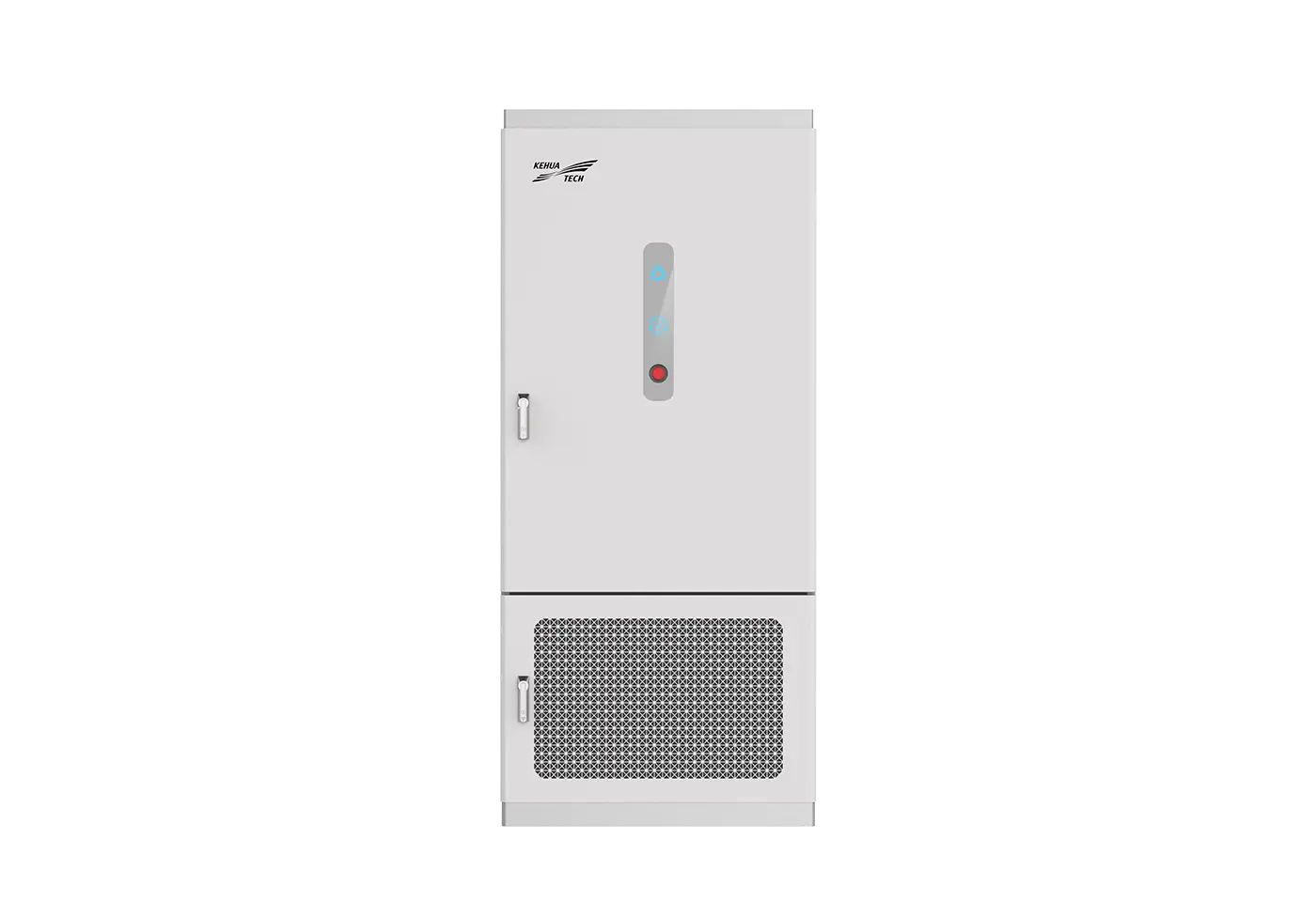


- Electric Bus Charging Upgraded: Fast & Flexible
- Shenzhen Kehua’s 40 kW High-Efficiency SiC Charging Module Achieves CE, CB, and UL Certifications
- Shenzhen Kehua Unveils High-Reliability All-in-One DC Charger for the ASEAN Market
- Shenzhen Kehua’s Scalable Megawatt Power Unit: Pioneering the Next Era of High-Power Charging for Green Mobility
- Growth Opportunities in the EV Charging Industry Amid the Global Transportation Electrification
- The Future of Fleet Charging: Building Efficient and Reliable Charging Infrastructure
The Role of SiC (Silicon Carbide) in Modern DC Charging Modules: Efficiency vs. Cost


Content Menu
● Why SiC Matters Now in DC Fast Charging
● SiC vs. Traditional Silicon in DC Charging Modules: A Quick Overview
>> SiC vs. Silicon in DC modules (summary table)
● Efficiency Gains: How SiC Translates into Real‑World Performance
>> Module‑level efficiency: measurable improvements
>> System‑level impact: from module to grid
● The Cost Side: CAPEX vs. Total Cost of Ownership
>> Higher device cost is only half the picture
>> OPEX and lifecycle value for charge point operators (CPOs)
● Case Insight: Shenzhen Kehua's 40 kW SiC DC Charging Module
>> Award‑winning SiC module in real deployments
● Design Considerations: When to Choose SiC for DC Charging
>> Situations where SiC is a strong choice
>> Situations where silicon may still be acceptable
● Practical Steps: How to Evaluate SiC DC Modules for Your Next Project
>> 5‑step evaluation checklist
● User Experience: How SiC Improves the Charging Journey
>> Faster, more consistent charging sessions
>> Quieter, more compact, more reliable stations
● Looking Ahead: SiC in Megawatt‑Level and Integrated Energy Systems
>> Scaling to megawatt‑class charging
>> PV + storage + EV: towards cleaner, smarter mobility
● How Shenzhen Kehua Can Support Your SiC‑Based DC Charging Roadmap
● Clear Call to Action: Explore SiC‑Optimized DC Charging with Us
● FAQ: SiC in Modern DC Charging Modules
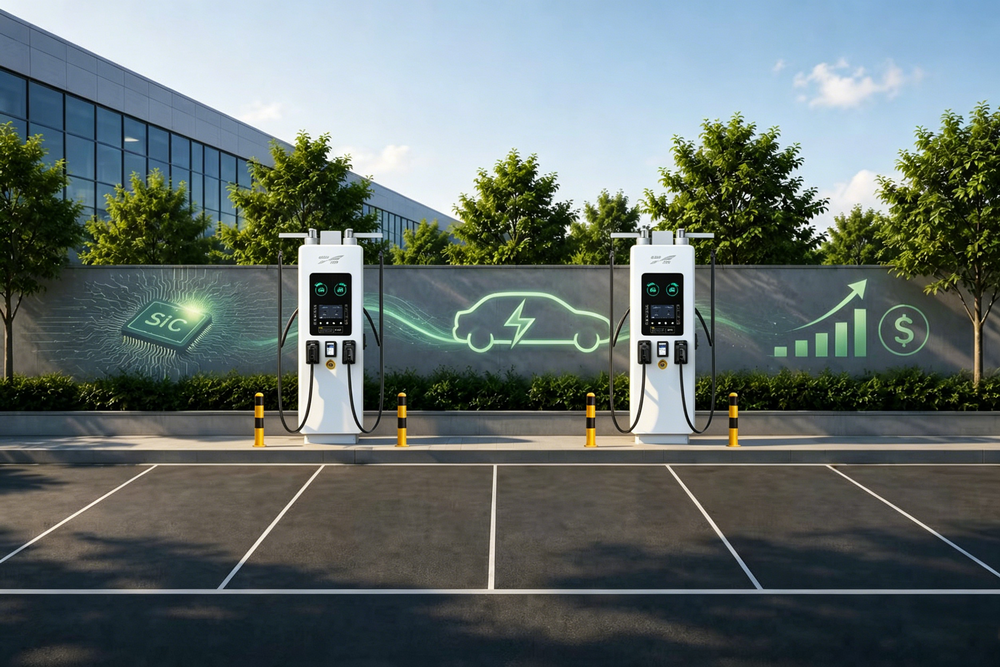
Why SiC Matters Now in DC Fast Charging
Over the past decade, DC fast charging modules have shifted from being "nice-to-have" infrastructure to critical enablers of large‑scale EV adoption. At the heart of this transformation is Silicon Carbide (SiC), a wide‑bandgap semiconductor that is redefining what is technically and economically possible for modern charging systems. As an EV charging solution provider, Shenzhen Kehua Hengsheng Technology Co., Ltd. has seen firsthand how SiC reshapes the balance between efficiency and total cost of ownership (TCO) across diverse charging applications. [wolfspeed]
From 40 kW DC modules up to megawatt‑class charging systems, we now treat SiC not as a niche option but as a strategic technology choice that directly impacts uptime, user experience, grid integration and long‑term profitability. [thesmartere-award]
SiC vs. Traditional Silicon in DC Charging Modules: A Quick Overview
Before weighing efficiency vs. cost, you need a clear picture of how SiC differs from conventional silicon (IGBT/MOSFET) devices used in legacy DC chargers. [cnzev]
Key technical differences
- Wide bandgap: SiC has a much wider bandgap than silicon, enabling higher breakdown voltage and lower switching losses at high frequency. [wolfspeed]
- Higher switching frequency: Designers can increase switching frequency, shrinking magnetics and passives for more compact modules. [wolfspeed]
- Higher temperature operation: SiC components can safely operate at elevated junction temperatures, easing cooling requirements. [wolfspeed]
- Lower conduction and switching losses: This directly improves system efficiency, especially at partial load. [cnzev]
SiC vs. Silicon in DC modules (summary table)
| Aspect | SiC‑based DC modules | Silicon IGBT/MOSFET modules |
|---|---|---|
| Switching losses | Very low at high frequency wolfspeed | Higher, especially at high frequency cnzev |
| Typical peak efficiency | Up to ≈97% in real products thesmartere-award | Commonly lower, especially at high power levels cnzev |
| Power density | Higher (more kW per liter) wolfspeed | Lower for same thermal constraints cnzev |
| Operating temperature range | Wider, better at high temps wolfspeed | More constrained at high temps cnzev |
| Component cost per device | Higher wolfspeed | Lower cnzev |
| System‑level TCO | Often lower over life thesmartere-award | Often higher due to losses & maintenance cnzev |
For infrastructure owners, this table is not just about physics—it is a blueprint for CAPEX vs. OPEX decision‑making across the lifecycle of an EV charging asset. [cnzev]
Efficiency Gains: How SiC Translates into Real‑World Performance
From an engineering and operations perspective, we evaluate efficiency at both module level and system level.
Module‑level efficiency: measurable improvements
Modern SiC DC charging modules from leading suppliers can achieve peak efficiencies around 97%, with full‑load efficiency still above 96%. Shenzhen Kehua's 40 kW SiC high‑efficiency charging module, for example, has been recognized with an international e‑mobility award for achieving peak efficiency of 97% and standby consumption as low as 7.5 W. These gains are not marginal—in large networks, each percentage point of efficiency translates into substantial annual energy savings. [chargedevs]
From our project experience, higher efficiency delivers:
- Lower energy losses per charging session
- Reduced heat generation, enabling more compact thermal design
- Higher reliability, because cooler electronics typically last longer
System‑level impact: from module to grid
SiC's efficiency advantage becomes even more meaningful at system scale. [wolfspeed]
- For high‑power charging (HPC), every kW of loss is multiplied by thousands of sessions per year.
- For sites with multiple 40–320 kW chargers, high efficiency reduces transformer loading and upstream infrastructure requirements.
- In PV plus energy storage plus DC charging projects, SiC improves overall DC bus efficiency and enhances the value of renewable integration. [onsemi]
In Shenzhen Kehua's distributed and megawatt‑level charging systems, the cumulative effect of SiC across modules, rectifiers and DC/DC stages directly supports lower energy bills and more stable grid interaction. [st]
The Cost Side: CAPEX vs. Total Cost of Ownership
Despite clear performance benefits, many stakeholders still ask: "Is SiC worth the extra cost?" To answer this, we must distinguish between device‑level cost and system‑level economics.
Higher device cost is only half the picture
SiC switches remain more expensive per device than traditional silicon IGBTs or MOSFETs. However, focusing only on component prices misses several system‑level cost levers: [cnzev]
- Smaller magnetics and passives due to higher switching frequencies
- Reduced cooling infrastructure (smaller heatsinks, simplified airflow or liquid‑cooling design)
- Higher power density, which can shrink cabinet footprint and reduce mechanical and installation costs [wolfspeed]
- Lower energy losses, directly reducing electricity expenses for operators over time [thesmartere-award]
In practice, these factors often offset a significant portion of the initial premium for SiC devices.
OPEX and lifecycle value for charge point operators (CPOs)
From the perspective of charge point operators and fleet owners, total cost of ownership (TCO) is driven by:
1. Energy efficiency and electricity tariffs
2. Maintenance frequency and component replacement
3. Downtime costs and user dissatisfaction
4. Scalability and upgrade paths
Real‑world SiC modules, such as Kehua's 40 kW SiC DC charging module, deliver energy savings through high efficiency and low standby consumption, which directly improve TCO and operating margins. Over a multi‑year deployment, the electricity cost savings and improved uptime can outweigh the initial price premium—especially at high utilization sites like highway corridors, logistics parks and bus depots, where many ev chargers may be installed and running simultaneously. [chargedevs]
Case Insight: Shenzhen Kehua's 40 kW SiC DC Charging Module
From an industry practitioner's standpoint, the efficiency vs. cost discussion becomes tangible when you look at actual products deployed in the field.
Award‑winning SiC module in real deployments
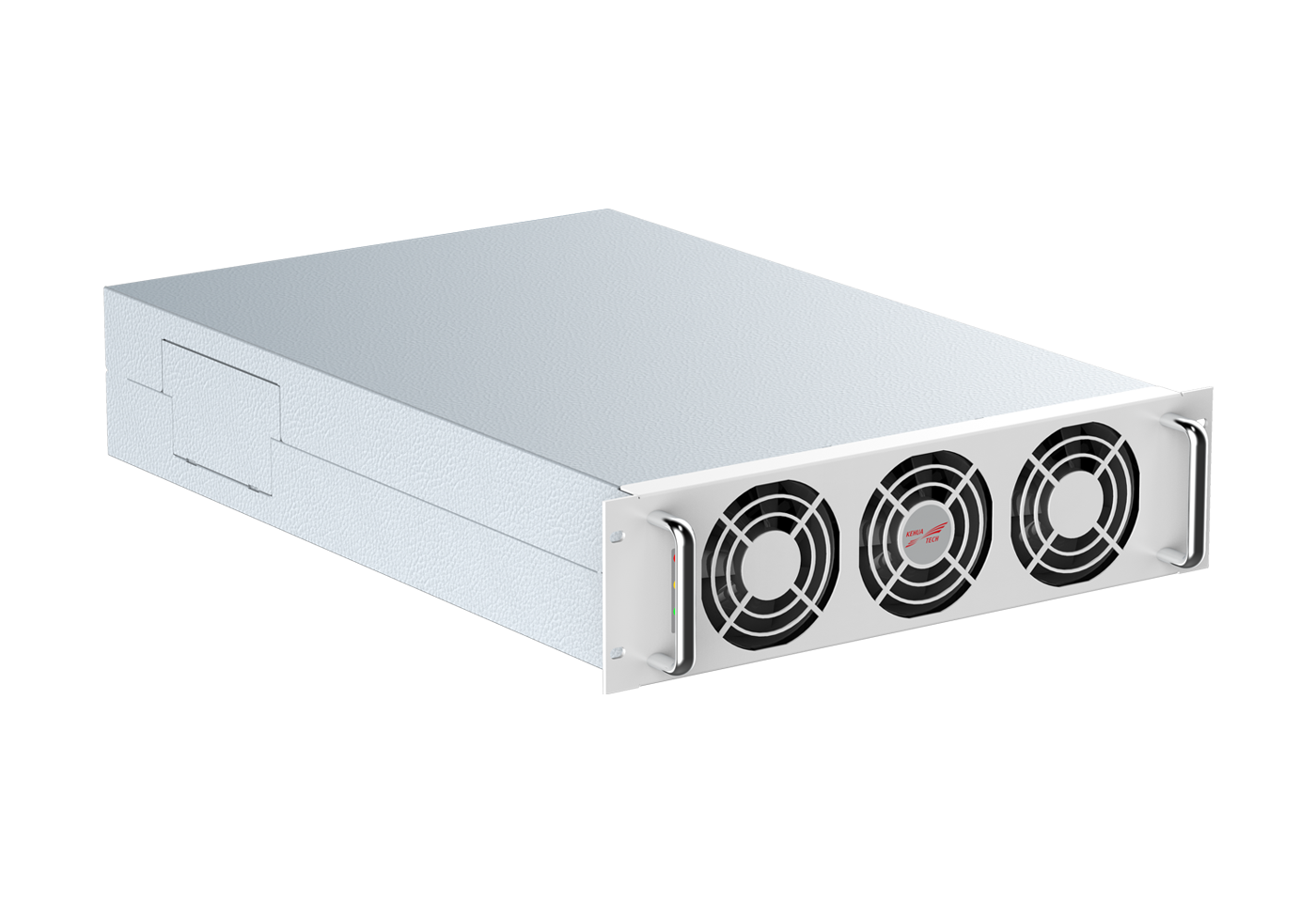
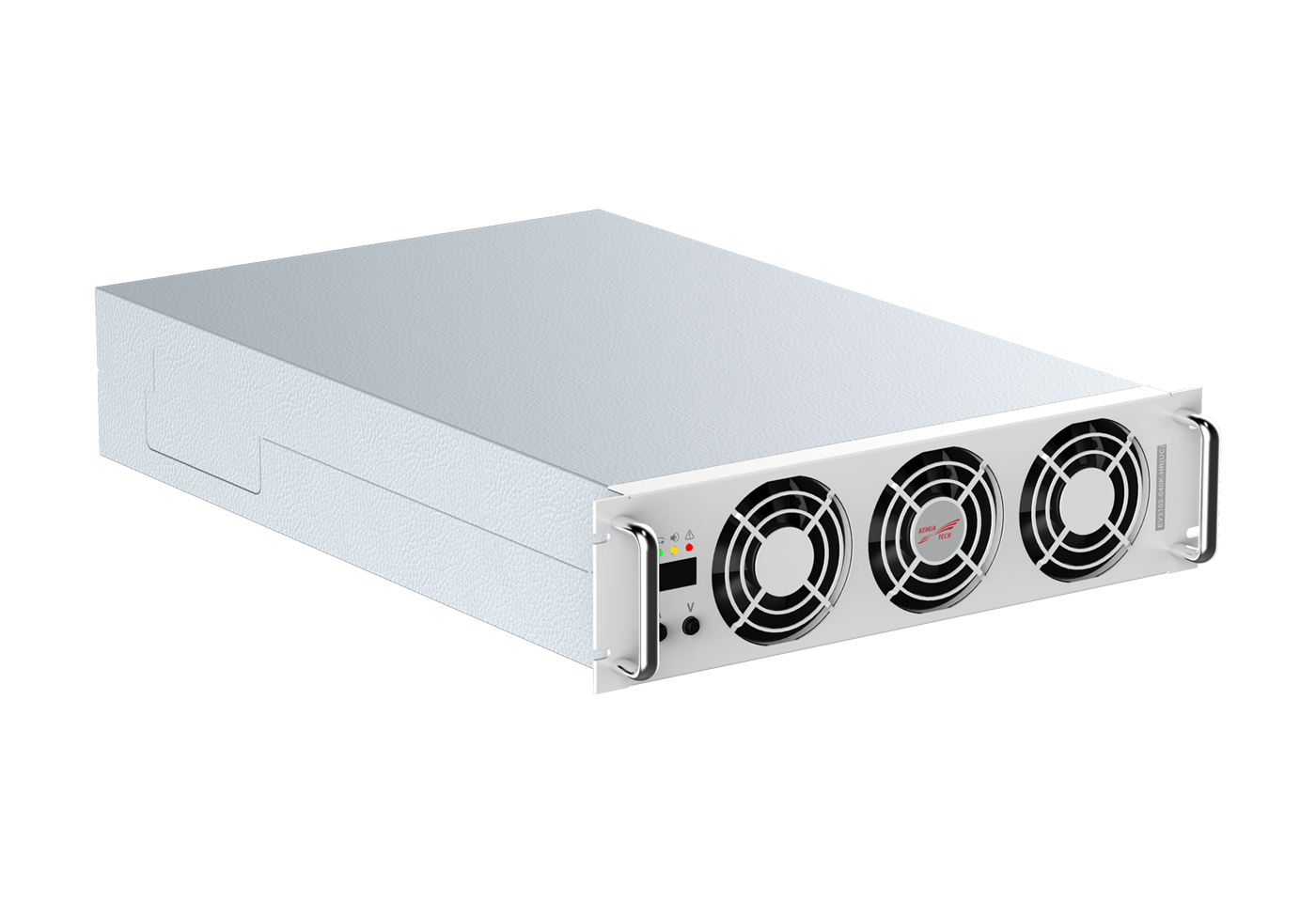
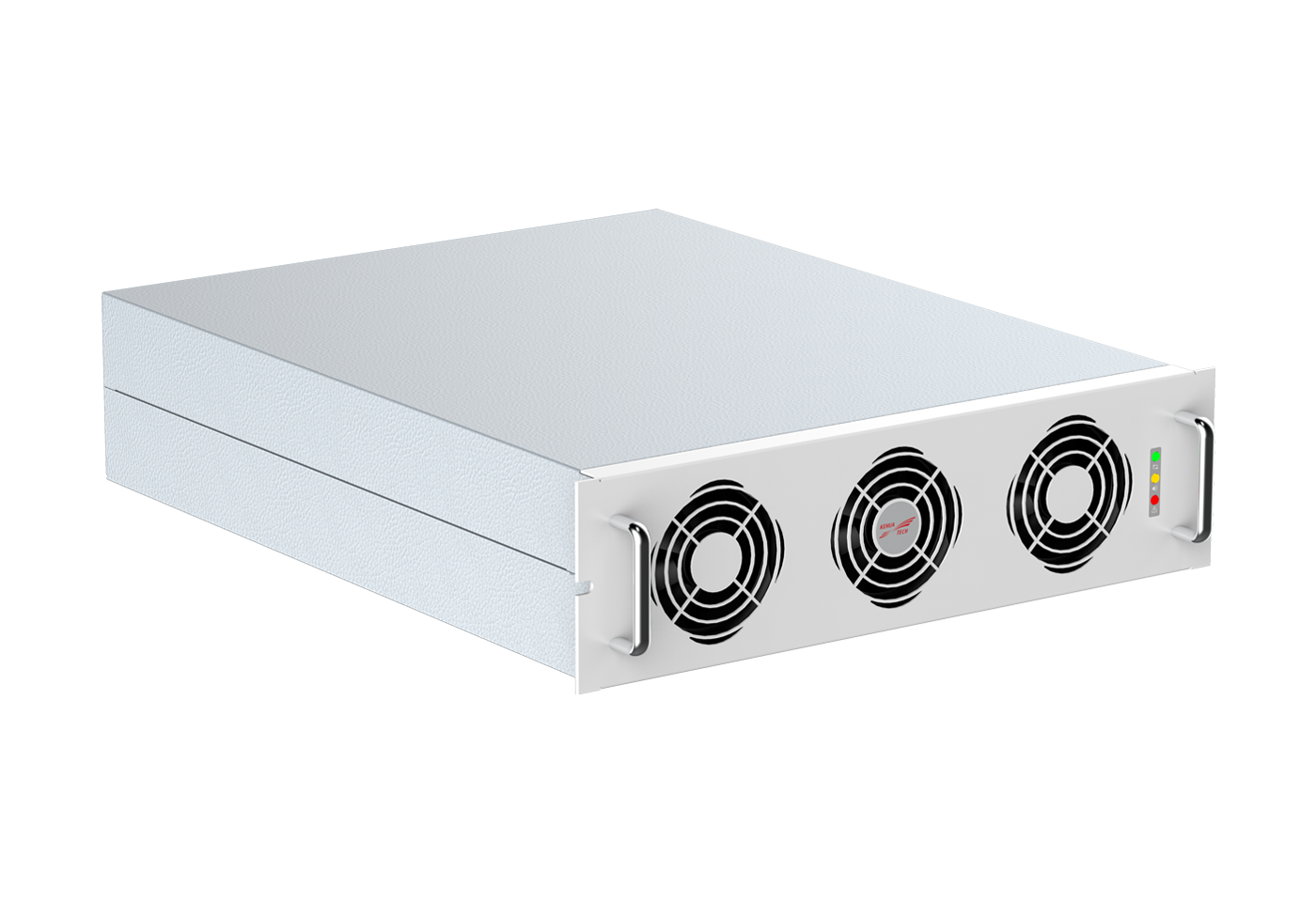
Shenzhen Kehua's 40 kW SiC High‑Efficiency High‑Power Charging Module has been recognized by The smarter E AWARD in the e‑mobility category for its outstanding performance. Key characteristics include: [thesmartere-award]
- Peak efficiency up to 97%, minimizing conversion losses [thesmartere-award]
- Standby power consumption of only 7.5 W, helping reduce idle energy costs [thesmartere-award]
- Wide output voltage range (150–1000 V DC), supporting diverse EV platforms from passenger cars to commercial vehicles connected through modern ev chargers [linkedin]
- Wide operating temperature range of −40 to +75 °C, ensuring reliable performance across harsh climates and different ev charger installation environments [linkedin]
These features illustrate how SiC‑enabled design can deliver both technical excellence and economic benefits to operators, especially when integrated into larger distributed or megawatt‑class charging architectures that feed multiple ev chargers per site. [chargedevs]
Design Considerations: When to Choose SiC for DC Charging
As an EV charging equipment provider, we typically guide customers through a structured evaluation process.
Situations where SiC is a strong choice
You should strongly consider SiC‑based DC modules if:
- You operate high‑power or ultra‑fast DC chargers (150–350 kW and beyond) where efficiency losses scale dramatically. [wolfspeed]
- Your business model depends on high utilization, such as highway stations, bus depots, logistics fleets and ride‑hailing hubs equipped with clusters of ev chargers.
- Site constraints demand compact footprints or dense power cabinets (for example, urban parking garages where ev chargers and power cabinets must share limited space).
- You plan integration with PV and energy storage, where every efficiency gain boosts overall system performance. [onsemi]
Situations where silicon may still be acceptable
Conventional silicon solutions can remain viable when:
- You deploy lower‑power DC chargers with modest utilization.
- Energy costs are relatively low and OPEX savings are less critical.
- Your deployment horizon is short and you prioritize minimal initial CAPEX over long‑term optimization.
However, as device prices decline and regulations push towards higher efficiency and sustainability, the window where traditional silicon is economically justified is steadily narrowing. [cnzev]
Practical Steps: How to Evaluate SiC DC Modules for Your Next Project
From a user experience and project delivery standpoint, decision‑makers need a repeatable framework to compare SiC and non‑SiC options.
5‑step evaluation checklist
1. Define power and utilization profile
Clarify peak power per ev charger, simultaneous charging scenarios, and expected daily utilization (for example, 20%, 40%, 70%).
2. Model energy costs and losses
Estimate annual kWh delivered and compare energy losses under different module efficiencies (for example, 95% vs. 97%). [chargedevs]
3. Quantify thermal and space constraints
Consider cooling complexity, ambient temperatures and available installation space for both power cabinets and ev chargers, especially for indoor or retrofitted sites.
4. Assess grid and renewable integration
For PV plus storage plus EV charging projects, understand how higher efficiency and wider voltage ranges impact DC bus design and system flexibility. [st]
5. Run a TCO and payback analysis
Combine CAPEX, maintenance assumptions and energy costs to calculate payback periods for SiC vs. silicon designs.
By following this structure, many customers find that SiC‑based DC modules deliver superior lifetime value, especially as charging loads and energy prices rise. [thesmartere-award]
User Experience: How SiC Improves the Charging Journey
While efficiency and cost dominate technical discussions, user experience is the metric that end customers feel.
Faster, more consistent charging sessions
Because SiC modules sustain high power with less derating at high temperatures, users experience more consistent charging speeds—even during peak demand or in hot climates. This leads to: [linkedin]
- Shorter waiting times at popular sites with multiple ev chargers
- More predictable charging sessions for fleets and commuters
- Higher satisfaction scores for charging networks
Quieter, more compact, more reliable stations
The ability to use higher switching frequencies and reduced cooling often results in:
- Quieter operation, improving the acoustic environment around ev chargers in urban or indoor locations
- Compact cabinet design, freeing valuable space for parking and traffic flow near ev charger islands
- Improved uptime, thanks to lower thermal stress on components over time
Ultimately, SiC is not just a semiconductor upgrade—it underpins a better charging experience for drivers and fleet managers while supporting the operator's economic goals. [chargedevs]
Looking Ahead: SiC in Megawatt‑Level and Integrated Energy Systems
The long‑term value of SiC becomes most visible at the system and ecosystem level.
Scaling to megawatt‑class charging
As heavy‑duty EVs and commercial fleets embrace megawatt‑level charging, the efficiency, robustness and power density of SiC become even more critical. Kehua's portfolio, which includes high‑power distributed systems and megawatt‑class charging solutions, builds directly on the benefits of SiC modules in order to manage extreme power flows without unacceptable losses or thermal penalties, while supplying multiple high‑power ev chargers on a single site. [thesmartere-award]
PV + storage + EV: towards cleaner, smarter mobility
Shenzhen Kehua also integrates PV and energy storage solutions with DC fast charging, creating end‑to‑end systems that leverage SiC‑enabled high efficiency across power conversion stages. By reducing losses, such systems: [onsemi]
- Increase the usable output from on‑site solar
- Enhance storage round‑trip efficiency
- Support grid‑friendly operation through intelligent power management of interconnected ev chargers and power cabinets
In this context, SiC is a foundational technology for building more sustainable, resilient and economically attractive charging ecosystems. [st]
How Shenzhen Kehua Can Support Your SiC‑Based DC Charging Roadmap
As a global EV charging equipment provider with DC modules, AC chargers, DC fast chargers, high‑power distributed systems, megawatt‑class solutions and PV plus storage integration, Shenzhen Kehua is well positioned to help you navigate the SiC adoption curve. [onsemi]
Whether you are planning a greenfield DC fast charging site or upgrading existing infrastructure with new ev chargers, our engineering teams can provide:
- Application‑specific module recommendations (for example, 40 kW SiC modules in modular cabinets)
- System design support for distributed and megawatt‑class systems
- Integration guidance for PV plus storage plus EV charging architectures
If you are evaluating your next DC charging project, now is the right time to compare SiC‑based modules with legacy silicon designs in terms of both efficiency and long‑term cost.
Clear Call to Action: Explore SiC‑Optimized DC Charging with Us
If you are planning to deploy or upgrade DC fast charging infrastructure, contact Shenzhen Kehua Hengsheng Technology Co., Ltd. to explore how our SiC‑based DC modules and integrated charging systems can improve your efficiency, user experience and long‑term ROI. [chargedevs]
- Discuss your power levels, utilization assumptions, number of ev chargers and site constraints
- Request a TCO comparison between SiC and traditional silicon charging architectures
- Learn how to integrate PV and storage into a high‑efficiency charging ecosystem
The fastest way to accelerate your SiC adoption curve is to work with a partner that already delivers award‑winning SiC DC charging modules into real‑world projects worldwide. [thesmartere-award]
FAQ: SiC in Modern DC Charging Modules
Q1. Why is SiC more efficient than traditional silicon devices in DC charging modules?
A1. SiC has a wider bandgap and lower switching losses at high frequency, which reduces conduction and switching losses, enabling higher peak and full‑load efficiency in DC chargers. [cnzev]
Q2. Does SiC significantly increase the upfront cost of DC charging equipment?
A2. SiC devices are more expensive at the component level, but savings from smaller magnetics, reduced cooling, higher efficiency and lower energy losses often offset much of the initial premium over the system's lifetime. [thesmartere-award]
Q3. How does SiC improve the reliability of DC fast chargers?
A3. Higher efficiency and better high‑temperature performance reduce thermal stress on components, which supports longer lifetimes, less derating and improved uptime for charging stations and their ev chargers. [linkedin]
Q4. Is SiC only relevant for ultra‑fast or megawatt‑level charging?
A4. SiC delivers the biggest benefits at higher power and utilization, but it can also be valuable in mid‑power DC chargers where energy costs are high or space and cooling are constrained. [cnzev]
Q5. How does SiC fit into PV + storage + EV integrated systems?
A5. SiC‑based converters improve efficiency across the DC bus, enhancing the output of PV systems, the round‑trip efficiency of storage and the overall performance of integrated EV charging sites with multiple ev chargers. [st]
References
1. Wolfspeed – *Designing with Silicon Carbide (SiC) in Electric Vehicle DC Fast Chargers* (SiC device characteristics and EV charger design insights). [https://www.wolfspeed.com/knowledge-center/article/designing-with-silicon-carbide-sic-in-electric-vehicle-dc-fast-chargers] [wolfspeed]
2. The smarter E Award – *40 kW SiC High‑Efficiency High‑Power Charging Module by Shenzhen Kehua Hengsheng Technology* (product data and award recognition). [https://www.thesmartere-award.com/hall-of-fame/thesmartere-award-winners-2025/shenzhen-kehua-hengsheng] [thesmartere-award]
3. The smarter E Award – *40 kW SiC High‑Efficiency High‑Power Charging Module by Shenzhen Kehua Hengsheng Technology – Finalists 2025* (product description). [https://www.thesmartere-award.com/hall-of-fame/thesmartere-award-finalists-2025/shenzhen-kehua-hengsheng] [thesmartere-award]
4. Charged EVs – *Shenzhen Kehua unveils high-efficiency 40 kW SiC charging module* (efficiency and application overview). [https://chargedevs.com/newswire/shenzhen-kehua-unveils-high-efficiency-40-kw-sic-charging-module] [chargedevs]
5. ON Semiconductor – *25 kW Silicon Carbide (SiC) DC Fast EV Charger Development Guide* (SiC‑based DC charging architecture). [https://www.onsemi.com] [onsemi]
6. STMicroelectronics – *SiC‑based AC/DC solutions for charging stations and energy storage applications* (SiC for renewable and storage integration). [https://www.st.com] [st]
7. CN知EV – *Application analysis of SiC and IGBT devices in charging modules* (SiC vs. IGBT in EV charging modules). [https://www.cnzev.com/13040.html] [cnzev]
8. Shenzhen Kehua EV Charger – LinkedIn post on 40 kW SiC EV3102-040K-HR-UC Charging Module (operating range and use cases). [https://www.linkedin.com/posts/shenzhen-kehua-ev-charger_sicpowermodule-charginginfrastructure-activity-7288452256813748226-CIe4] [linkedin]
Hot Tags: DC Charging Modules, Manufacturers, Customized, Custom, Suppliers, Buy, Cheap, Quality, Advanced, Durable, in Stock, Made in China, Price, Quotation

