



- Electric Bus Charging Upgraded: Fast & Flexible
- Shenzhen Kehua’s 40 kW High-Efficiency SiC Charging Module Achieves CE, CB, and UL Certifications
- Shenzhen Kehua Unveils High-Reliability All-in-One DC Charger for the ASEAN Market
- Shenzhen Kehua’s Scalable Megawatt Power Unit: Pioneering the Next Era of High-Power Charging for Green Mobility
- Growth Opportunities in the EV Charging Industry Amid the Global Transportation Electrification
- The Future of Fleet Charging: Building Efficient and Reliable Charging Infrastructure
Integrated DC Charger vs Split DC Charger: Which Charging Architecture Fits Your Project?


Content Menu
● What Is an Integrated DC Charger (Standalone DC Charger)?
● What Is a Distributed Charging System?
● Efficiency and Reliability: What the Data Shows
● Total Cost of Ownership: Beyond the Sticker Price
● Real-World Deployment: Power2Drive Europe 2026
● When Projects Need Megawatt-Level Power
● Decision Framework: 5 Questions Before You Choose
● Expert Insight: Solving High-Power Charging's Real Pain Points
● Kehua's End-to-End DC Charging Portfolio
● Ready to Plan Your Charging Architecture?
The global EV charging infrastructure market is projected to reach roughly USD 55.78 billion in 2026, and DC charging already holds more than 77% of total market share. As charging point operators (CPOs) and fleet managers plan new sites, one architectural decision shapes cost, footprint, and long-term flexibility: choosing between an integrated DC charger (also called a standalone DC charger) and a distributed charging system.
This guide compares both architectures from an engineering perspective, using real deployment data and efficiency benchmarks, so you can match the right choice to your project's power needs and growth plans.
What Is an Integrated DC Charger (Standalone DC Charger)?
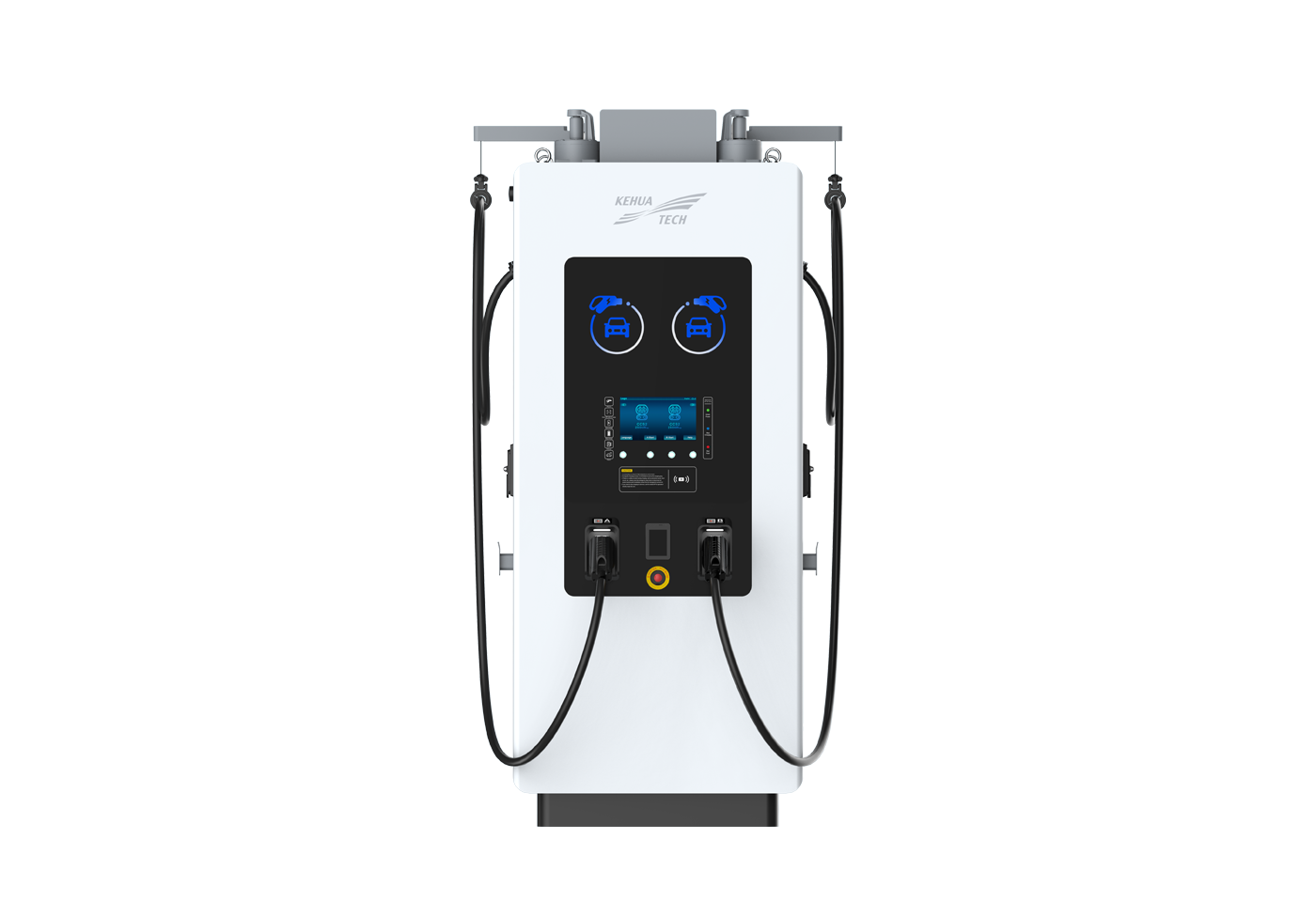
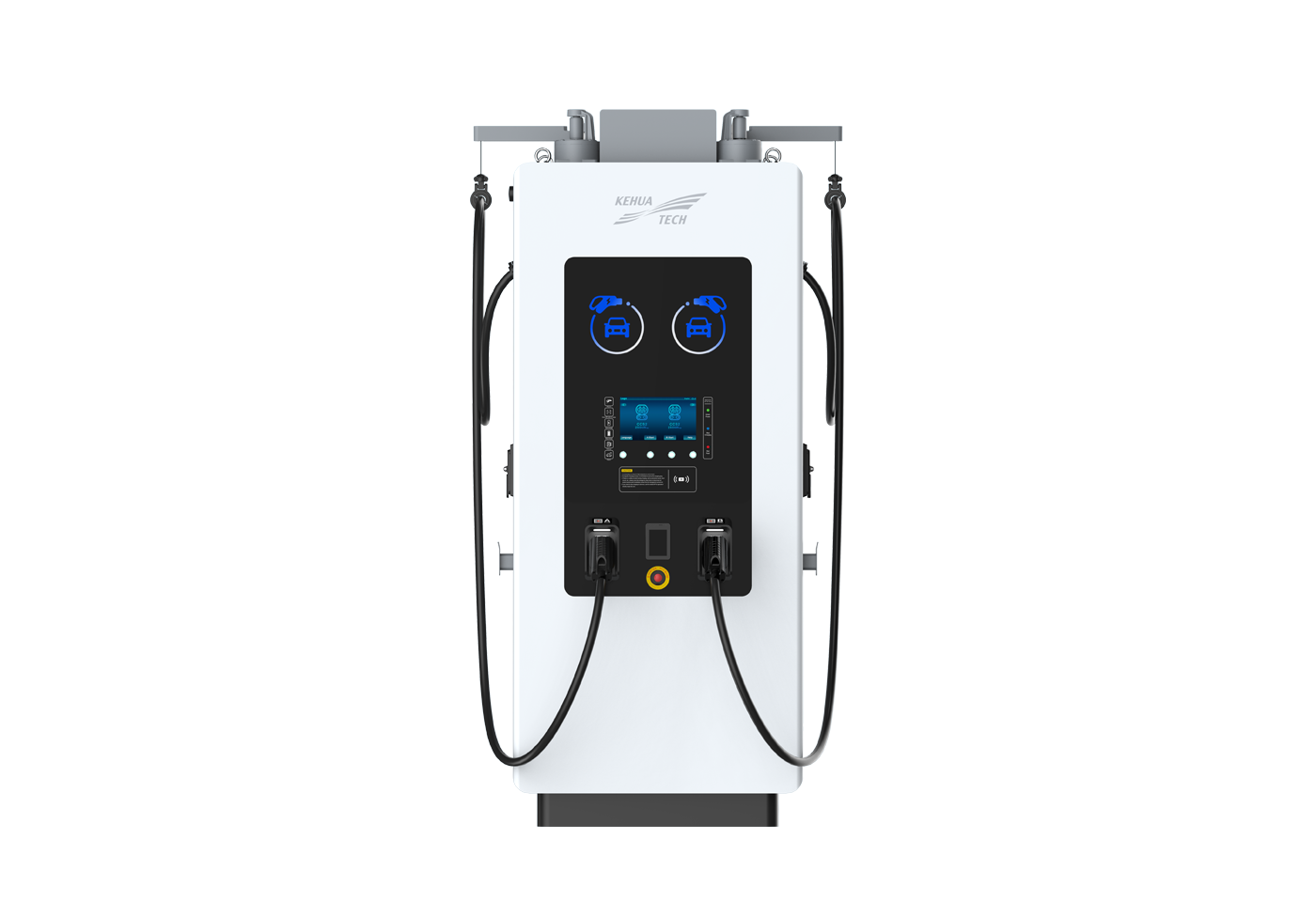
An integrated DC charger houses the power conversion electronics, control system, and dispenser inside one self-contained enclosure. It needs only a power feed and a network connection to operate — no separate power unit required.
Key characteristics
- Compact footprint — suited to space-limited sites like urban curbsides or retail lots.
- Fast deployment — fewer components mean shorter installation timelines.
- Independent operation — one unit going offline does not affect neighboring chargers.
- Fixed power ceiling — output cannot be pooled with other units on-site.
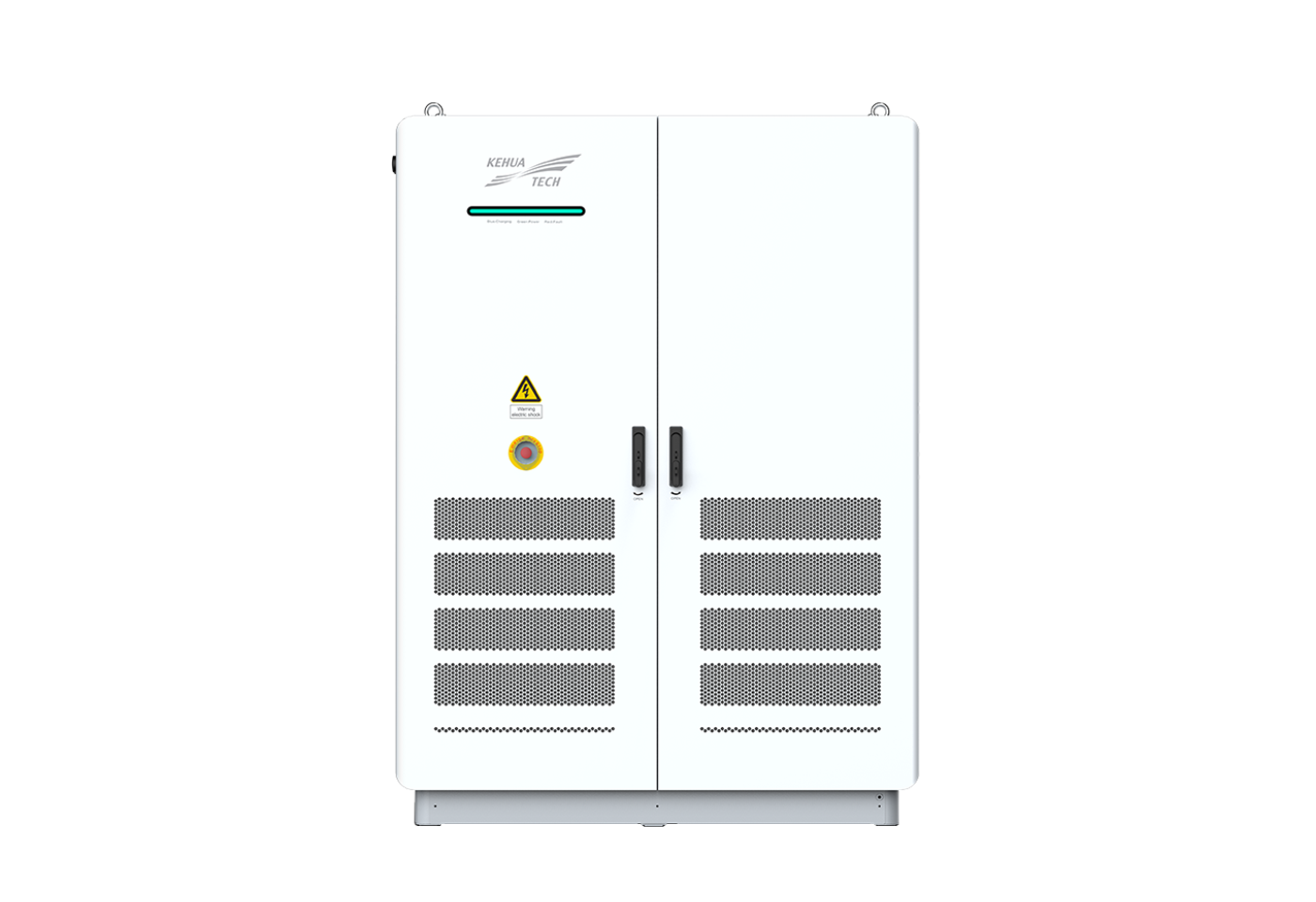
Kehua's integrated DC charger lineup spans 60–180kW and 240–400kW models, built for global deployment with IP55 protection and an operating range of -30°C to 55°C with no power derating at 50°C, validated for demanding climates including the Middle East and Southeast Asia.
What Is a Distributed Charging System?
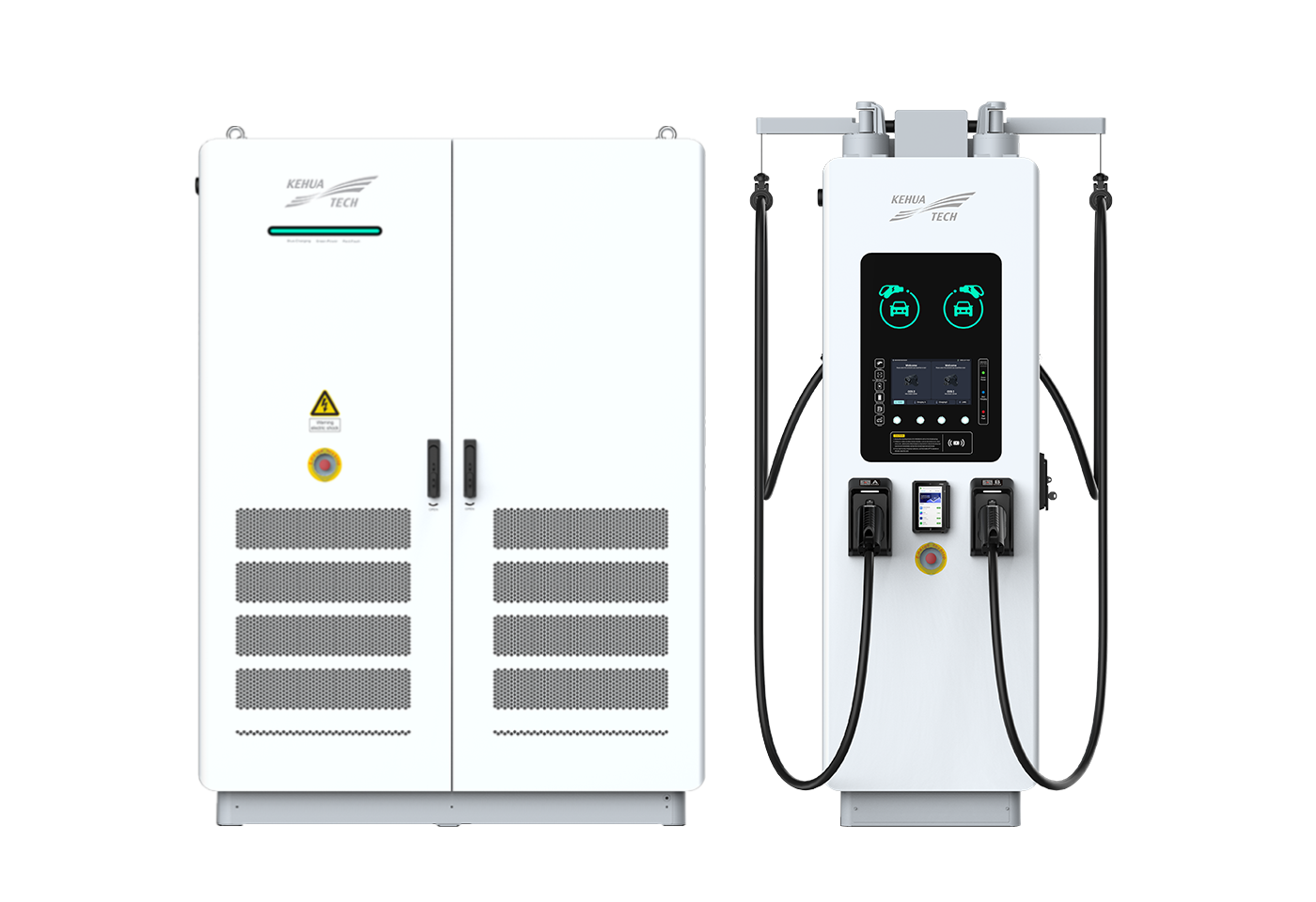
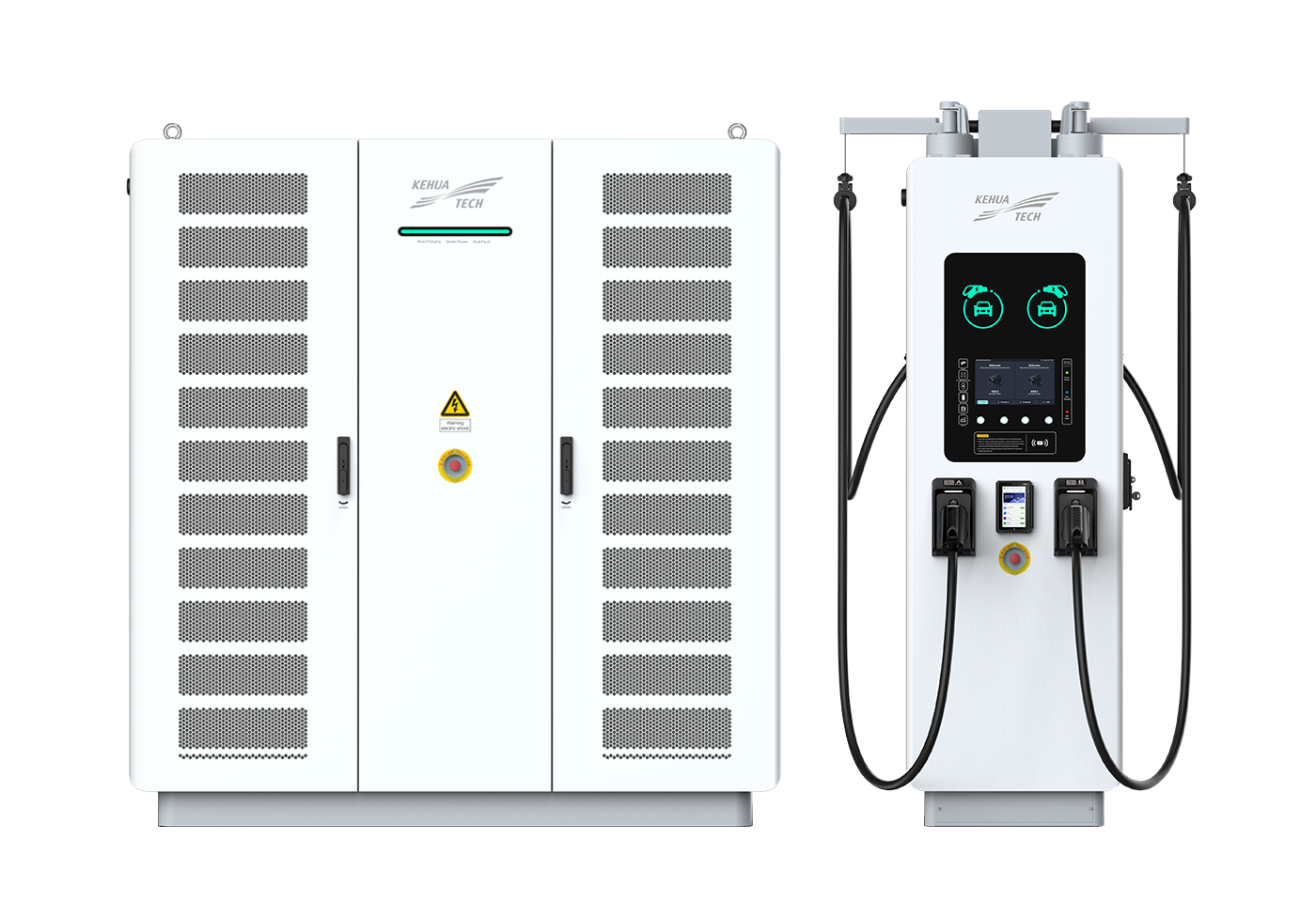
A distributed charging system physically separates power conversion hardware from the customer-facing charging point. Conversion electronics live in a centralized power unit, and DC power is routed to multiple dispensers spread across a site — a shared power plant serving several bays, rather than one power stack per bay.
Key characteristics
- Dynamic power allocation — the power unit shifts capacity between dispensers based on real-time demand.
- Scalability — added dispensers or power units expand capacity without replacing existing infrastructure.
- Higher installation complexity — more cabling and civil works than a plug-and-play cabinet.
- Best for multi-bay, high-throughput sites — highway service areas, fleet depots, logistics hubs.
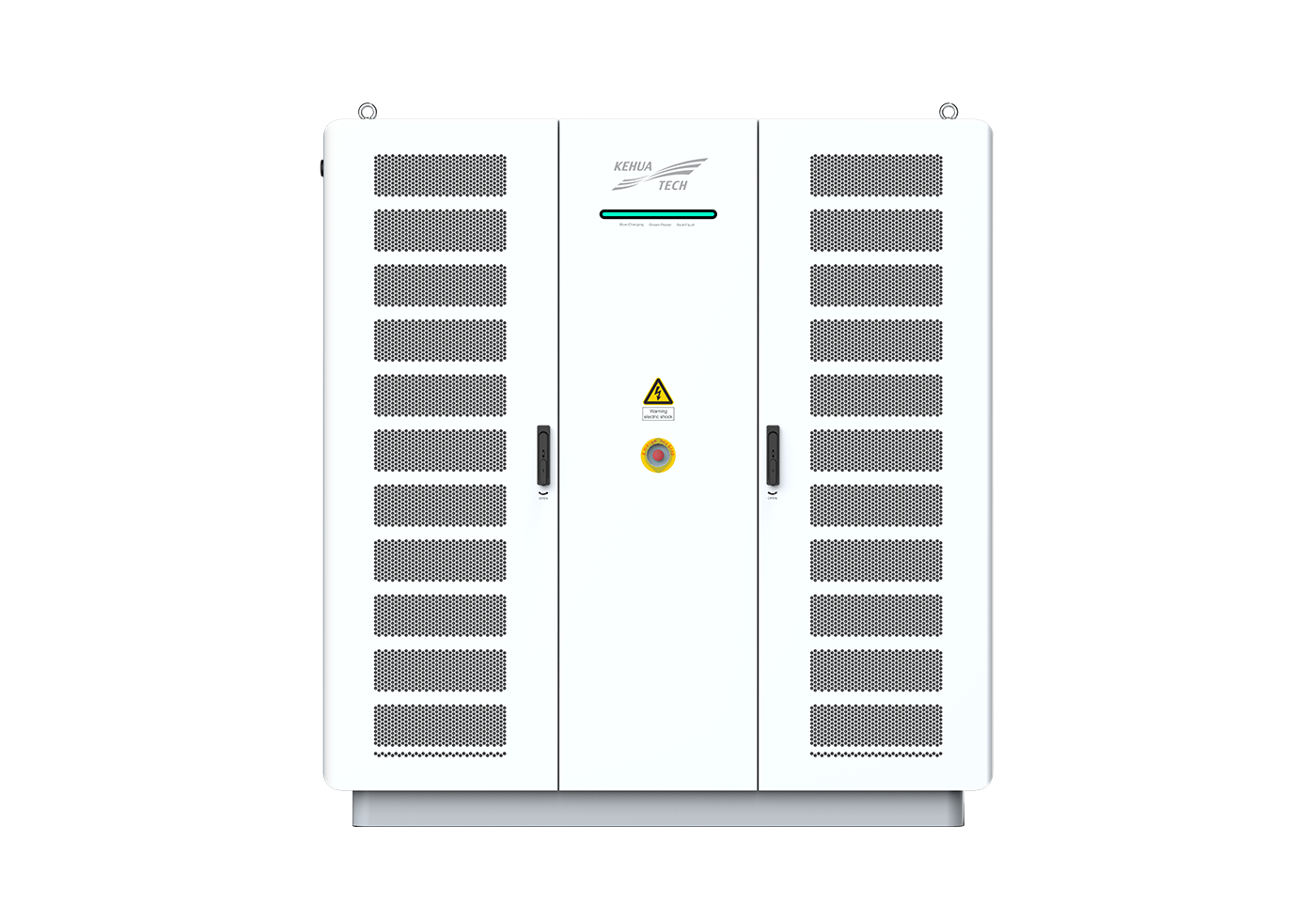
Kehua's distributed charging system portfolio is built around 480kW and 800kW power units, with the 800kW variant supporting dual-cabinet expansion up to 1.6MW for sites anticipating rapid demand growth.

Side-by-Side Comparison
| Dimension | Integrated DC Charger (Standalone) | Distributed Charging System |
|---|---|---|
| Power range (Kehua) | 60–180kW / 240–400kW | 480kW / 800kW, expandable to 1.6MW |
| Footprint per bay | Larger — full power stack per bay | Smaller — shared power unit, compact dispensers |
| Installation complexity | Low — plug-and-play cabinet | Higher — cabling, civil works, commissioning |
| Scalability | Add more standalone units | Add dispensers or parallel power units |
| Fault isolation | One unit down affects only that bay | Depends on power unit redundancy design |
| Ideal project type | Small/medium retail, curbside, single-bay | Highway corridors, fleet depots, multi-bay hubs |
| Protection rating | IP55 | IP55 |
Efficiency and Reliability: What the Data Shows
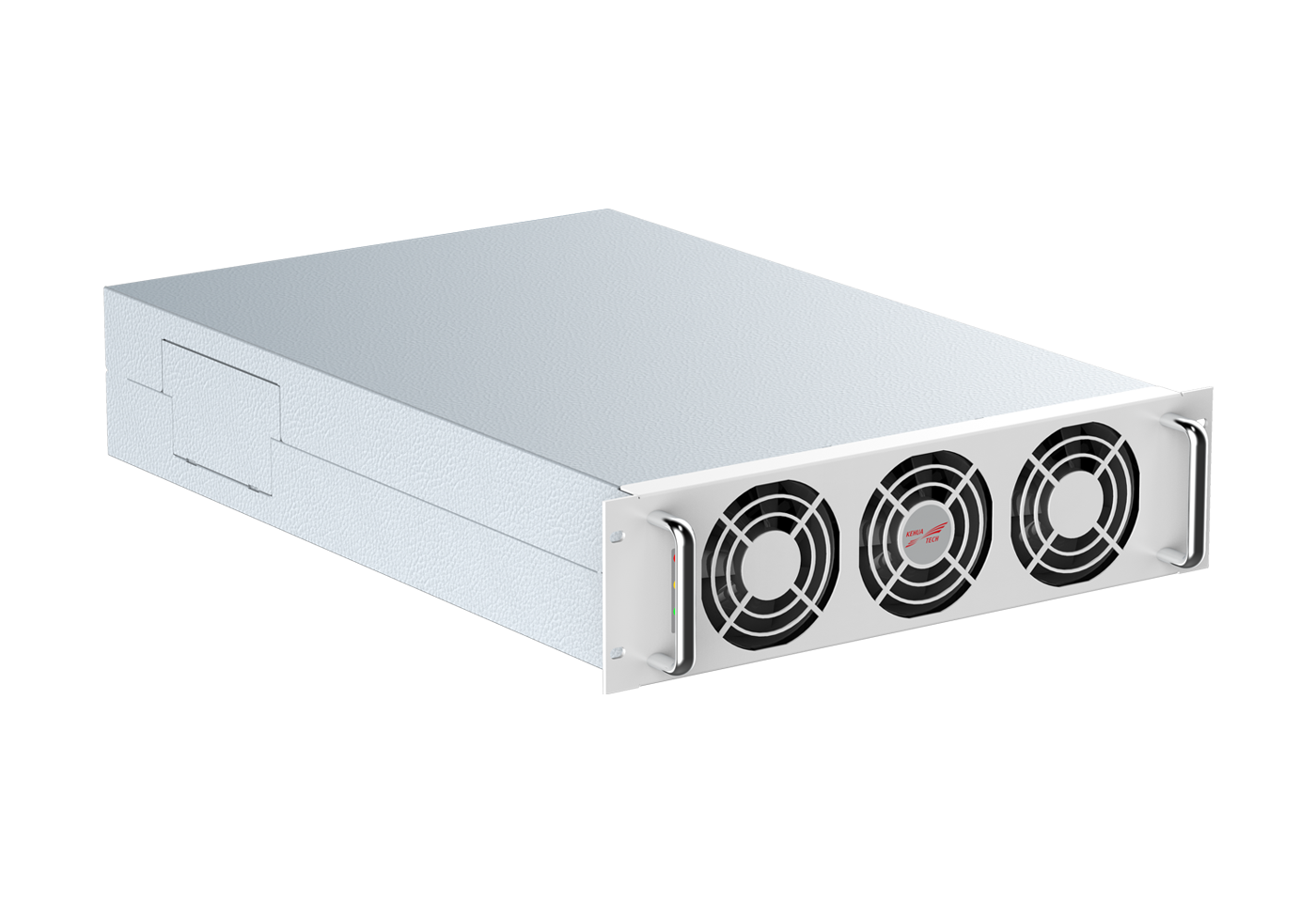
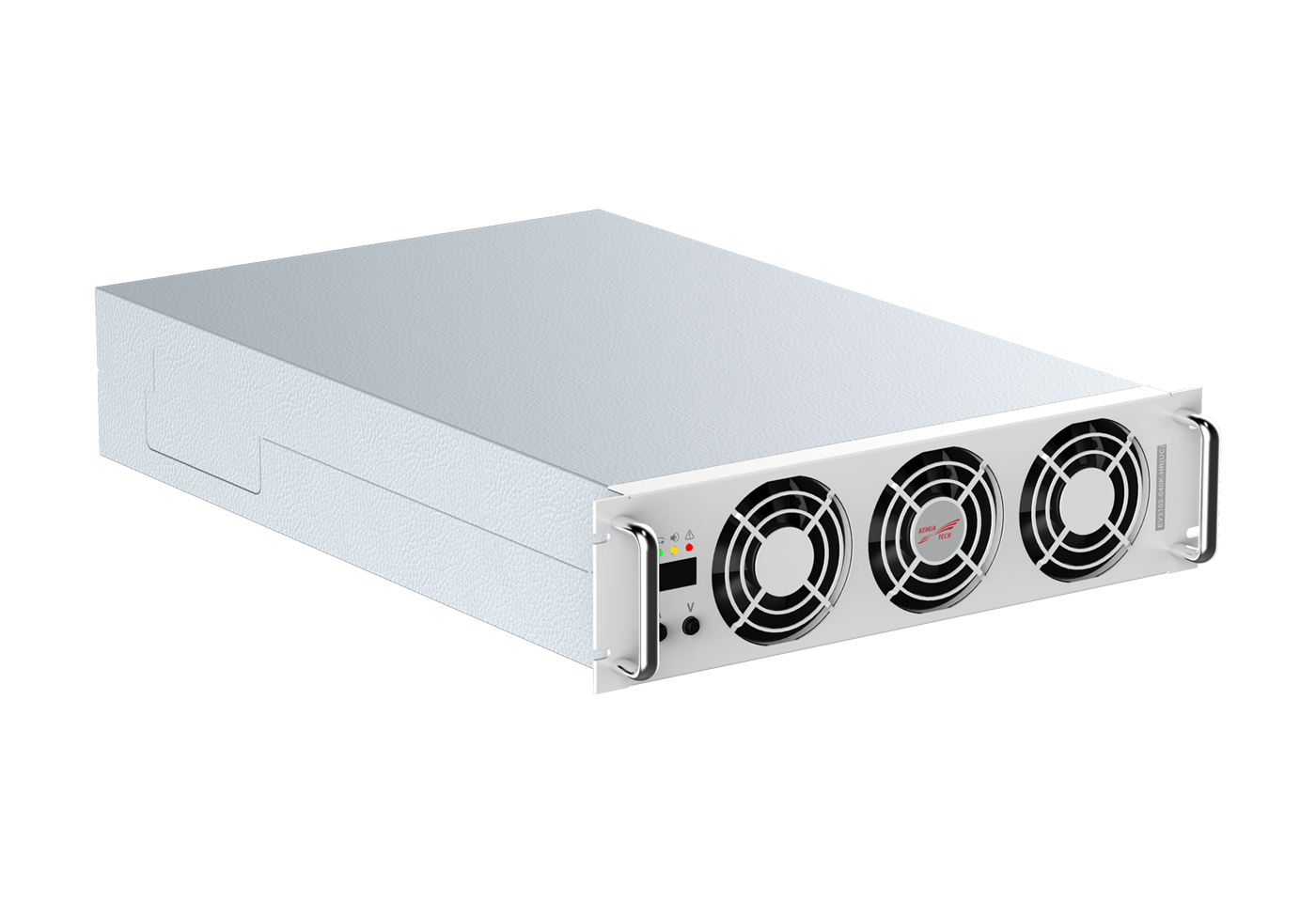
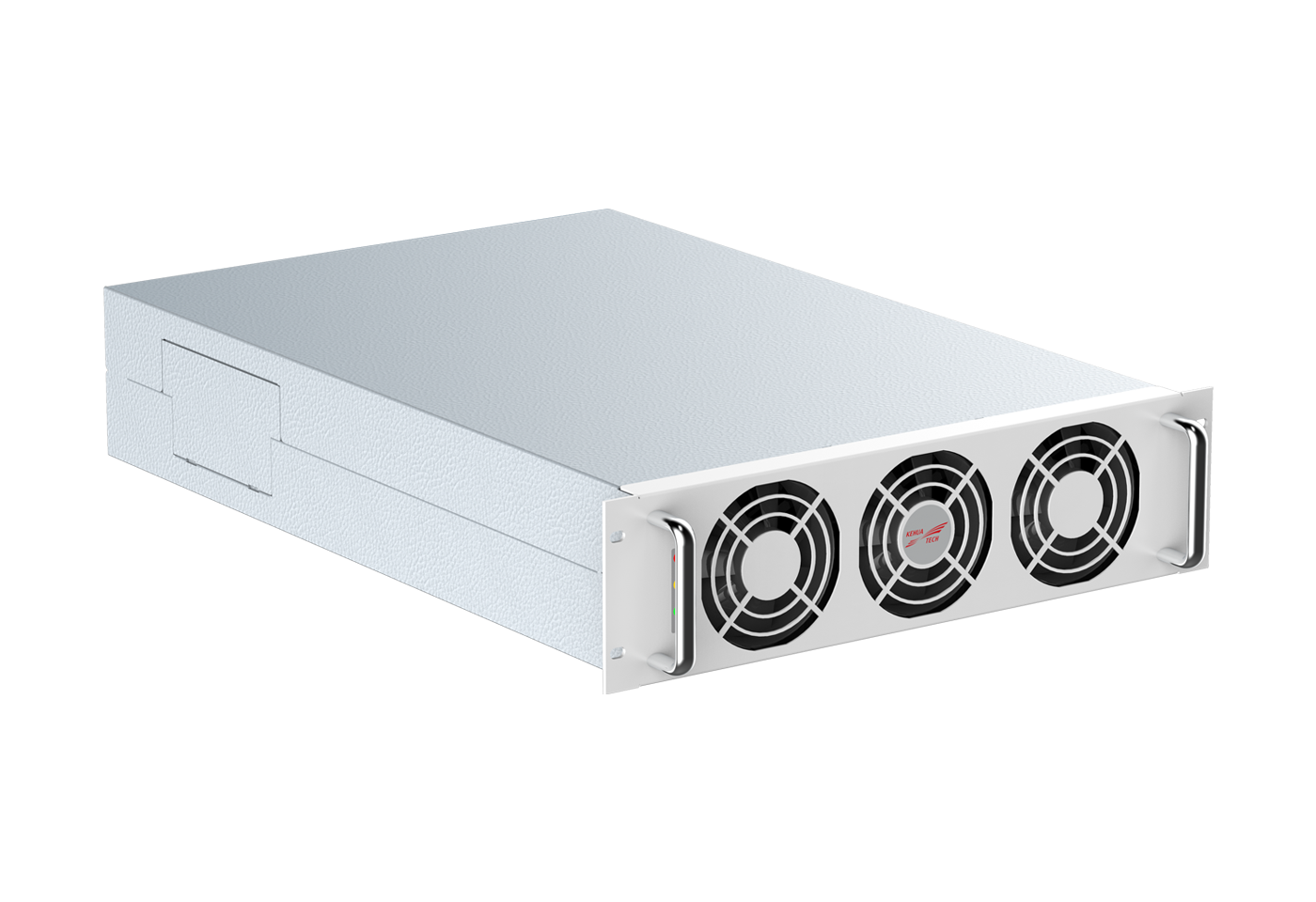
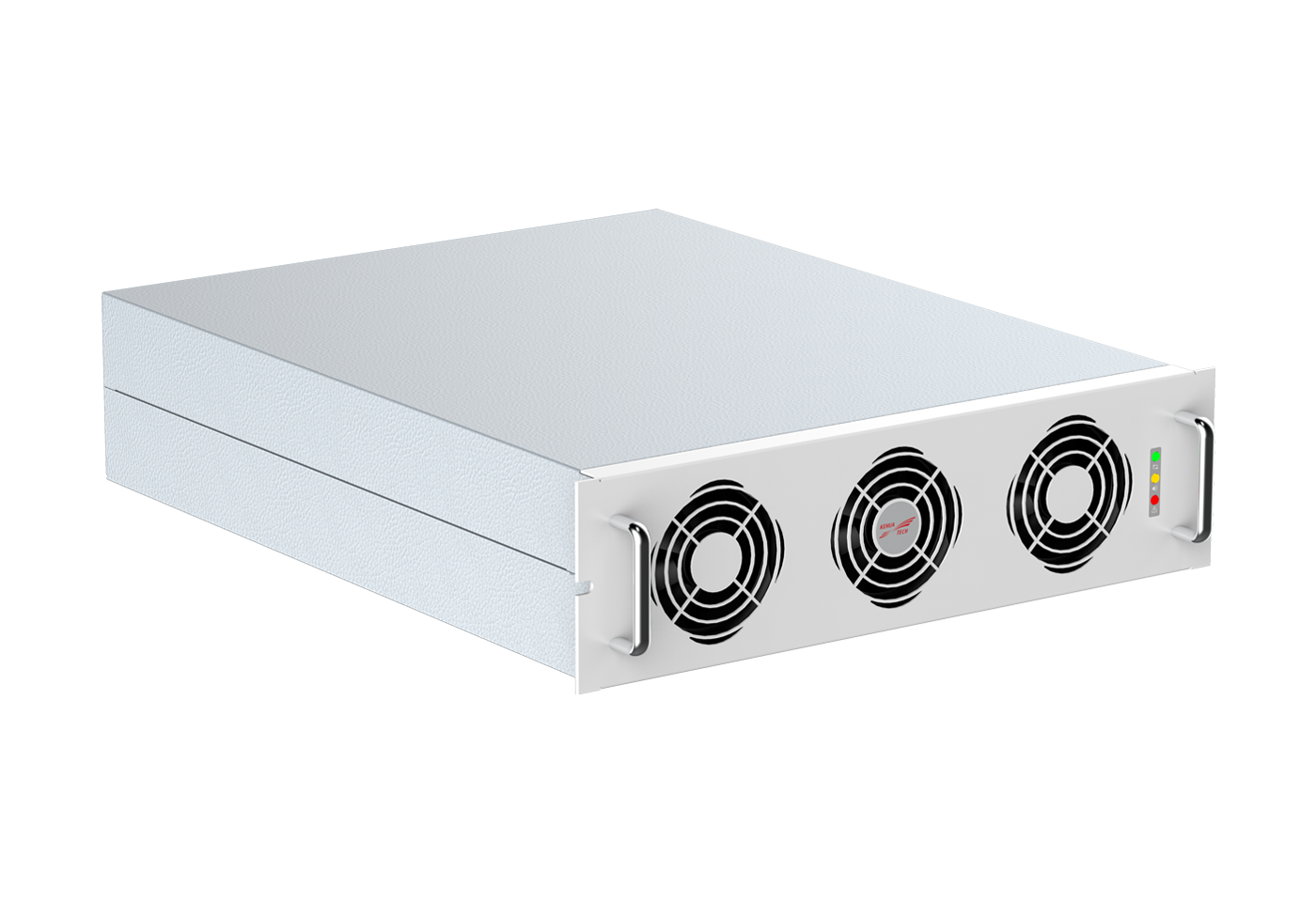
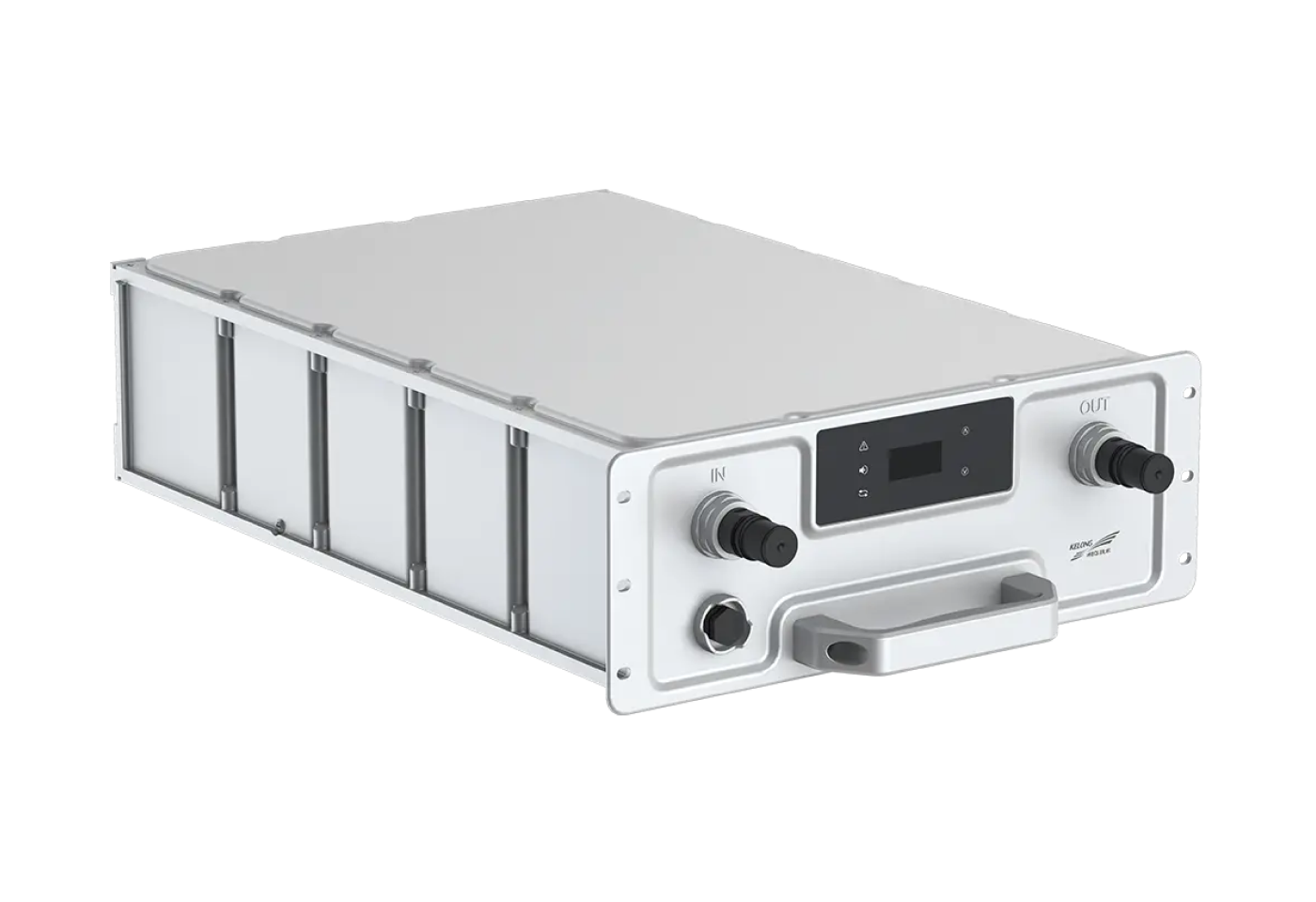
Architecture matters, but the charging module inside either system ultimately drives energy efficiency. Kehua's 40kW silicon carbide (SiC) charging module — the power electronics core shared across both integrated and distributed products — delivers a peak efficiency of 97%, among the highest published figures in this power class .
At the system level, Kehua's 800kW distributed charging system achieves 96.5% peak efficiency and holds full rated power output up to 50°C ambient temperature, avoiding the derating many competing systems experience in hot climates. This matters for ROI: a charger that derates in summer heat delivers fewer kWh per hour during peak demand, extending payback periods.
Reliability engineering is also architecture-dependent. Distributed systems typically build in layered protection — Kehua's design incorporates over 100 individual protection functions plus automated in-position module detection, so a single module fault does not take an entire power unit offline.
Total Cost of Ownership: Beyond the Sticker Price
A sticker-price comparison alone is misleading. A proper total cost of ownership (TCO) view weighs:
1. Capital expenditure — integrated chargers usually cost less per unit; distributed systems require more upfront investment in the power unit and cabling.
2. Civil works — distributed layouts need trenching and conduit runs between the power unit and each dispenser.
3. Utilization rate — distributed systems shine at high-traffic sites, since idle capacity on one dispenser can be redirected to another, improving revenue per installed kW.
4. Maintenance — centralizing power electronics in one power unit can simplify servicing versus multiple standalone power unit.
5. Land and space costs — in dense or high-rent locations, a distributed system's smaller dispenser footprint can offset its higher installation complexity.
Bottom line: integrated DC chargers tend to win on TCO for low-to-medium traffic, space-constrained sites; distributed charging systems tend to win for high-throughput, multi-bay projects where power-sharing improves utilization.
Real-World Deployment: Power2Drive Europe 2026
At Power2Drive Europe 2026 in Munich, Kehua showcased its turnkey charging portfolio, offering a useful reference point for project planners:
- The 800kW distributed charging system is CE- and CB-certified, compatible with 500A air-cooled and 600A liquid-cooled dispensers, and supports dual-cabinet expansion to 1.6MW — serving commercial fleets, electric trucks, and passenger vehicles on shared infrastructure.
- The standalone DC charger line (60–180kW and 240–400kW) targets global deployment across the Middle East, Southeast Asia, and Europe, engineered to hold rated output in high-heat, high-dust, and salt-fog environments without derating at 50°C.
- Kehua demonstrated scenario-based intelligent charging strategies — switching between power optimization, efficiency optimization, and module lifetime-balancing modes during the day, then shifting to centralized balanced charging overnight.
Project developers should look for exactly this kind of field-validated data — published efficiency numbers, certification status, and operating-temperature guarantees — rather than headline power figures alone.
When Projects Need Megawatt-Level Power
Passenger EV charging rarely exceeds a few hundred kilowatts per bay, but the calculus changes for electric trucks, buses, and fleet depots. The industry's Megawatt Charging System (MCS) standard, developed by CharIN, targets rates up to 3.75MW at 3,000A, letting a heavy-duty truck recover 20–80% state of charge in 20–40 minutes — comparable to a diesel refueling stop .
For projects at this scale, Kehua's megawatt-level charging systems (1.2MW and 1.6MW) extend the same distributed-architecture logic — a centralized power unit feeding high-current dispensers — to depot and highway-corridor use cases where multiple heavy vehicles need rapid turnaround, without deploying dozens of separate standalone units.
Decision Framework: 5 Questions Before You Choose
1. How many vehicles will charge simultaneously? One or two bays favor integrated; three or more concurrent bays favor distributed.
2. What is your grid capacity today, and in five years? Distributed systems make phased capacity growth easier without re-trenching.
3. How constrained is your site footprint? Dense urban sites often favor a distributed layout's smaller dispensers.
4. What is your installation budget and timeline? Integrated chargers deploy faster with lower initial civil works.
5. What vehicle mix are you serving? Mixed fleets with trucks or buses benefit from centralized power units and, at scale, megawatt-level systems.
Expert Insight: Solving High-Power Charging's Real Pain Points
Industry analysis of high-power charging deployments consistently flags five recurring challenges: dynamic power distribution, scalability, environmental adaptability, noise control, and lifecycle economics. A well-engineered power unit — the core of any distributed charging system — is designed to address these directly. Dynamic power distribution lets one power unit serve multiple dispensers without over-provisioning idle hardware. Environmental adaptability, through wide operating-temperature ranges and IP-rated enclosures, protects uptime in harsh climates. Noise control via intelligent fan algorithms matters for urban and mixed-use sites, and modular power units allow incremental capacity upgrades instead of full system replacement, improving lifecycle economics.
This is the practical case for distributed architecture at scale: it is not just about raw power, but matching supply to demand dynamically over the life of the asset.
Kehua's End-to-End DC Charging Portfolio
As a dedicated EV charger manufacturer, Kehua's product range lets CPOs choose the right architecture without switching vendors:
- DC charging modules — including the 40kW SiC module with 97% peak efficiency.
- Integrated DC chargers (standalone DC chargers) — 60–180kW and 240–400kW, IP55-rated, for single-bay and small-site deployments.
- Distributed charging systems — 480kW and 800kW power units, IP55-rated, for multi-bay and high-throughput sites.
- Megawatt-level charging systems — 1.2MW and 1.6MW, for heavy-duty fleet and highway-corridor applications.
Every category shares the same underlying SiC power-conversion technology, so operators can standardize on one supplier as site requirements evolve from a single dispenser to a full charging hub.
Ready to Plan Your Charging Architecture?
Choosing between an integrated DC charger and a distributed charging system is a site-specific engineering decision, not a one-size-fits-all answer. Kehua's engineering team works directly with CPOs, fleet operators, and EPC contractors to model power demand and site layout before recommending a configuration.
Talk to Kehua's charging solutions team today to get a tailored architecture recommendation and project quote for your next EV charging deployment.
Frequently Asked Questions
1. What's the main difference between an integrated DC charger and a distributed charging system?
An integrated DC charger (standalone DC charger) puts all power electronics and the dispenser in one cabinet per bay. A distributed charging system separates the power unit from the dispensers, letting one power unit feed multiple charging points and share capacity dynamically.
2. Which architecture costs less to install?
Integrated DC chargers generally cost less upfront due to simpler civil works and no inter-unit cabling. Distributed charging systems cost more initially but can offer better cost-per-kWh at high-utilization, multi-bay sites over time.
3. Can a site start with an integrated DC charger and later add a distributed charging system?
Yes. Many operators start with standalone DC chargers for early-stage traffic and add a distributed charging system as expansion once vehicle throughput justifies the larger investment; the two can coexist on the same site.
4. What IP rating should EV chargers have for outdoor installations?
Industry guidance generally recommends at least IP55 for outdoor charging equipment, protecting against dust ingress and water jets from any direction . Kehua's integrated DC chargers and distributed charging system power units are IP55-rated across the product range.
5. Is a distributed charging system more energy-efficient than an integrated DC charger?
Efficiency is primarily driven by the charging module technology inside the system, not the architecture itself. Kehua's 40kW SiC charging module reaches 97% peak efficiency and is used across both product lines, so differences come down to module generation and thermal design rather than architecture alone.
6. What power range fits a highway service area or heavy-duty fleet depot?
High-traffic corridors and fleet depots serving trucks or buses typically need 480kW to 800kW distributed charging systems, and megawatt-level charging systems (1.2MW–1.6MW) where multiple heavy-duty vehicles need rapid, simultaneous charging aligned with standards like MCS .
References
- Mordor Intelligence — Electric Vehicle Charging Stations Market Size, Analysis & Overview, 2031. [https://www.mordorintelligence.com/industry-reports/electric-vehicles-charging-stations-market] [mordorintelligence]
- PR Newswire — From 800kW Distributed Systems to PV-ESS Integration: Kehua Showcases Next-Gen Charging Innovation at Power2Drive Europe 2026. [https://www.prnewswire.com/news-releases/from-800kw-distributed-systems-to-pv-ess-integration-kehua-showcases-next-gen-charging-innovation-at-power2drive-europe-2026-302810652.html] [prnewswire]
- The Smarter E Award — 40kW SiC High-Efficiency High-Power Charging Module by Shenzhen Kehua Hengsheng. [https://www.thesmartere-award.com/hall-of-fame/thesmartere-award-winners-2025/shenzhen-kehua-hengsheng]
- ChargedEVs — Shenzhen Kehua Unveils High-Efficiency 40kW SiC Charging Module. [https://chargedevs.com/newswire/shenzhen-kehua-unveils-high-efficiency-40-kw-sic-charging-module/]
- Scania — Megawatt Charging: All You Need to Know About MCS. [https://www.scania.com/group/en/home/electrification/e-mobility-hub/megawatt-charging-all-you-need-to-know-about-mcs.html]
- EV Infrastructure News — Megawatt Charging for Trucks: The Complete Guide to MCS Charging Infrastructure in 2026. [https://www.evinfrastructurenews.com/ev-fleet-charging/megawatt-charging-for-trucks-the-complete-guide-to-mcs-charging-infrastructure-in-2026]
- Phihong — What Do IP55, NEMA 3R, and IK Ratings Mean for Outdoor DC Fast Chargers? [https://www.phihong.com/what-do-ip55-nema-3r-and-ik-ratings-mean-for-outdoor-dc-fast-chargers/]
- Eabel — IP or NEMA: Which Enclosure Rating Is More Important for EV Charging Stations? [https://www.eabel.com/ip-vs-nema-best-ratings-for-ev-charging-stations/]
- LinkedIn — Challenges in High-Power Charging Systems: How Kehua's Power Units Solve Them. [https://www.linkedin.com/pulse/challenges-high-power-charging-systems-how-kehuas-5n51c] [linkedin]
- Kehua — Challenges in High-Power Charging Systems: How Kehua's Power Units Solve Them. [https://www.kehuasz.com/news/88671056d9ad7035feecc94f02b0b97d.html] [kehuasz]
Hot Tags: Integrated DC Charger, Distributed Charging System, EV Charger Manufacturer, DC Charging Module, Standalone DC Charger, Megawatt Charging System, Power Unit, EV Charging Infrastructure, Fleet Charging Solution, SiC Charging Module

