

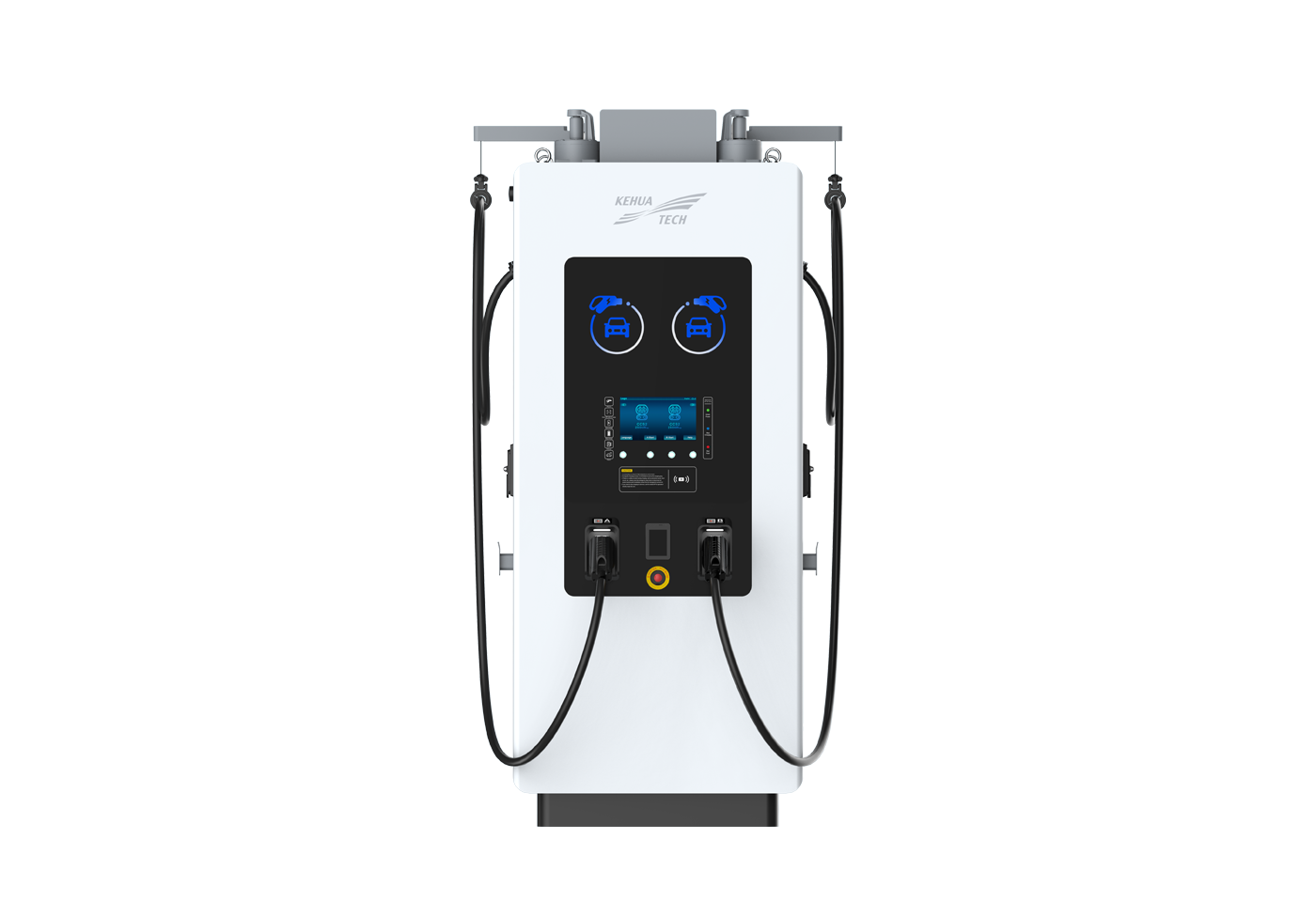
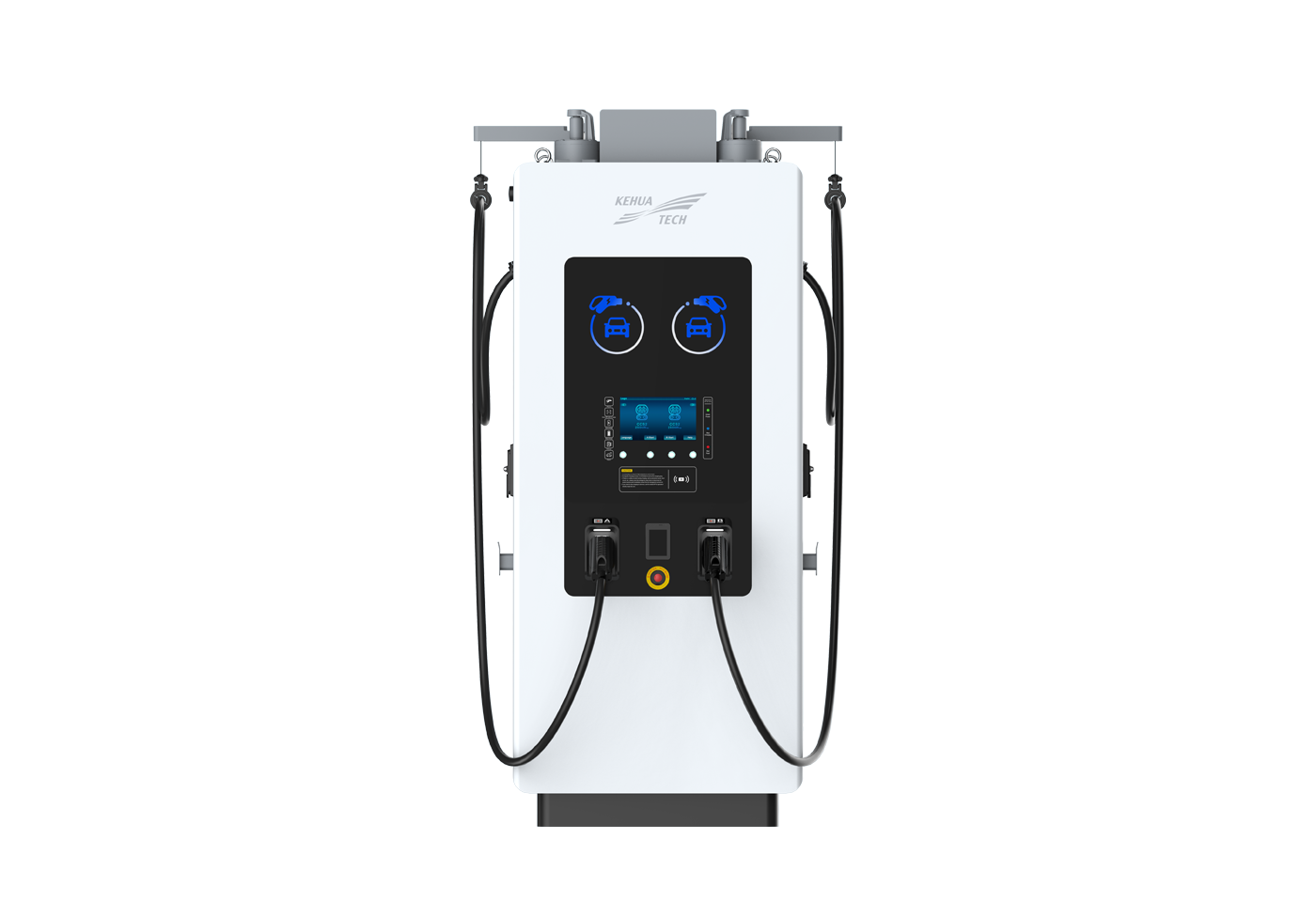


- Electric Bus Charging Upgraded: Fast & Flexible
- Shenzhen Kehua’s 40 kW High-Efficiency SiC Charging Module Achieves CE, CB, and UL Certifications
- Shenzhen Kehua Unveils High-Reliability All-in-One DC Charger for the ASEAN Market
- Shenzhen Kehua’s Scalable Megawatt Power Unit: Pioneering the Next Era of High-Power Charging for Green Mobility
- Growth Opportunities in the EV Charging Industry Amid the Global Transportation Electrification
- The Future of Fleet Charging: Building Efficient and Reliable Charging Infrastructure
Highway Fast Charging Station Design Guide: How to Plan for Future EV Traffic


Content Menu
● Why Highway Charging Demand Is Reaching a Tipping Point
● Core Principles of Highway Fast Charging Station Design
>> Site Selection and Traffic Corridor Analysis
>> Power Capacity Planning: From Kilowatts to Megawatts
>> Modular Scalability: Why Architecture Choice Matters
● Planning for Heavy-Duty and Megawatt Charging
● Engineering for Reliability: Efficiency and Protection Standards
>> Why Power Module Efficiency Compounds Over Time
>> Environmental Protection: What IP55 Actually Means Outdoors
● A Practical Highway Charging Station Design Checklist
● Case in Point: Scalable High-Power Charging on European Corridors
● Future-Proofing Your Charging Station Investment
Highway fast charging station design has become one of the highest-stakes engineering decisions in EV infrastructure. Get the site plan wrong, and a station is obsolete within three years. Get it right, and it becomes a durable revenue asset that scales with traffic growth. Global electric car sales are projected to exceed 20 million units in 2025, up 35% year-on-year in the first quarter alone, pushing EVs past one in every four new cars sold worldwide. That surge is colliding with a hard reality: most existing highway charging stations were sized for yesterday's traffic, not tomorrow's mixed fleet of passenger EVs, electric vans, and heavy-duty trucks.
This guide breaks down what a future-ready highway fast charging station design requires — site selection, power architecture, megawatt-class truck charging, and equipment durability — drawing on current regulatory benchmarks, field data, and real deployment case studies.
Why Highway Charging Demand Is Reaching a Tipping Point
Highway corridors are the bottleneck of EV adoption. Passenger cars need reliable fast charging roughly every hour of driving, while electric trucks and buses need megawatt-class power to stay on schedule. Several data points explain why planners can no longer design for current demand alone.
- Ultra-fast chargers (150kW and above) grew about 50% in 2024 and now account for nearly 10% of all public fast chargers worldwide.
- Under the EU's Alternative Fuels Infrastructure Regulation (AFIR), fast charging stations of at least 150kW must be installed every 60km along the TEN-T core network, with heavy-duty vehicle points of at least 350kW required at the same intervals .
- As of June 2026, 79% of the TEN-T core network already meets this AFIR spacing target, with only one EU member state falling short.
- In North America, federal NEVI guidelines disqualify any corridor segment where stations are spaced more than 50 miles apart.
The takeaway: regulatory minimums are rising fast, and stations built to just clear today's threshold will likely fail tomorrow's.

Core Principles of Highway Fast Charging Station Design
A resilient highway station rests on three linked decisions: where to build, how much power to install, and how that power is architected for growth.
Site Selection and Traffic Corridor Analysis
Traffic and speed data — not guesswork — should drive site selection. Planners increasingly use GIS and traffic-volume mapping to identify high-throughput corridors and predict where demand will concentrate first. On faster highways, stations should sit farther apart but be sized larger, since drivers want a quick top-up rather than a long stop; slower urban arterials support more frequent, smaller sites.
Best practice also favors centralized placement within a site — positioning bays where vehicles can approach from multiple angles, rather than a corner reachable by only two or three cars. Utility-grade design guidelines in British Columbia recommend roughly 150km intervals along highway corridors, with enough cable-connected units to serve at least four vehicles at once, since single-cable sites carry disproportionately higher operating costs relative to throughput .
Power Capacity Planning: From Kilowatts to Megawatts
Highway sites can no longer be designed around one power tier. A realistic corridor station now plans for three vehicle classes at once:
| Vehicle Class | Typical Charging Need | Matching Architecture |
|---|---|---|
| Passenger EVs / light commercial | 60–400kW per session | Integrated DC charger |
| Mixed high-traffic hubs (cars + light trucks) | 480–800kW shared capacity | Distributed charging system |
| Heavy-duty trucks, buses | 1.2–1.6MW per session | Megawatt charging system |
Under-provisioning any tier creates a bottleneck the moment that segment grows — and heavy-duty electric trucking is currently the fastest-scaling segment along freight corridors.
Modular Scalability: Why Architecture Choice Matters
The biggest design mistake on highway projects is treating power architecture as fixed. Two approaches dominate:
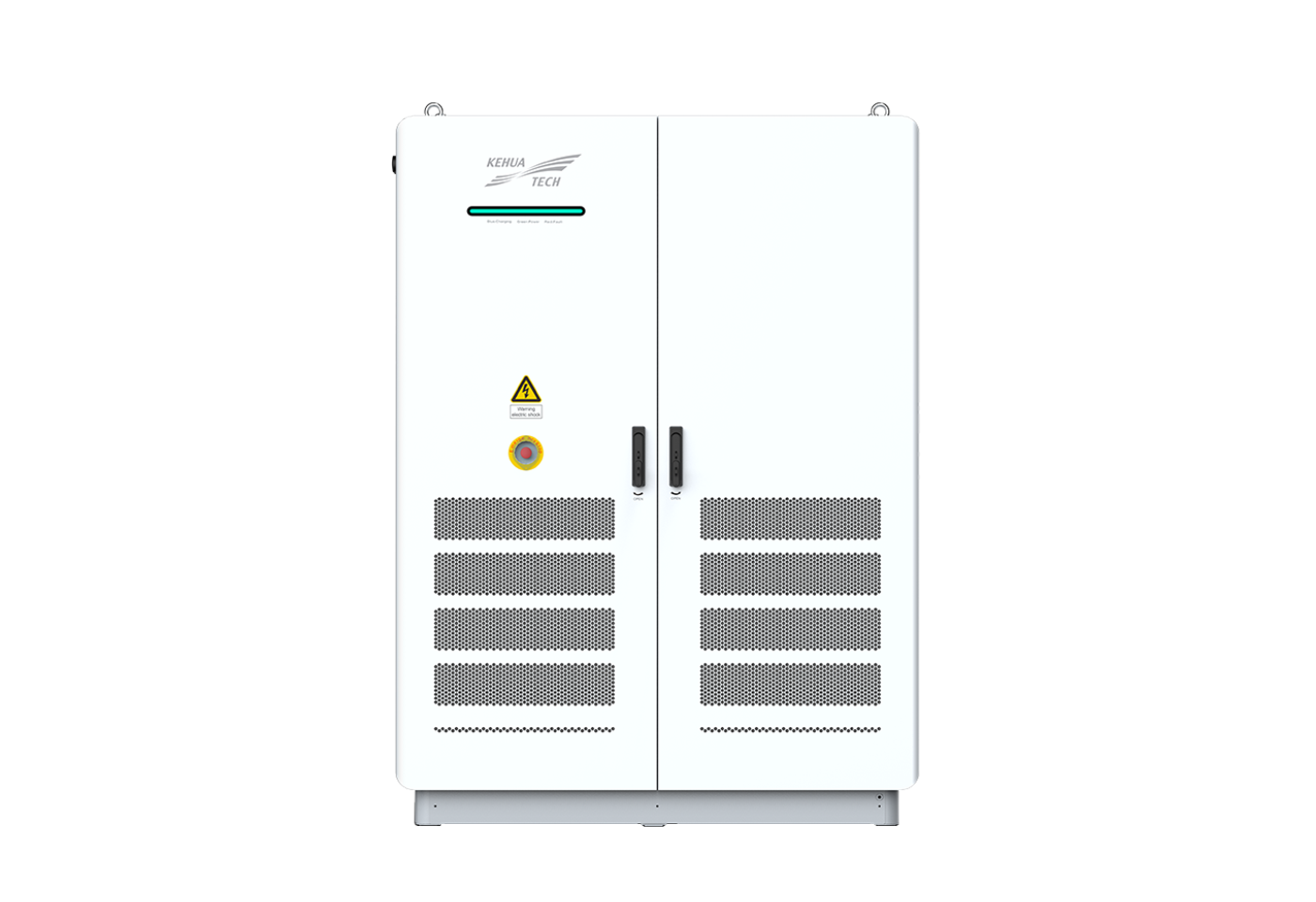
- Integrated DC charger (also called a standalone DC charger): power conversion and the customer-facing dispenser sit in one self-contained cabinet — fast to install, well suited to compact plazas with predictable passenger EV volume.
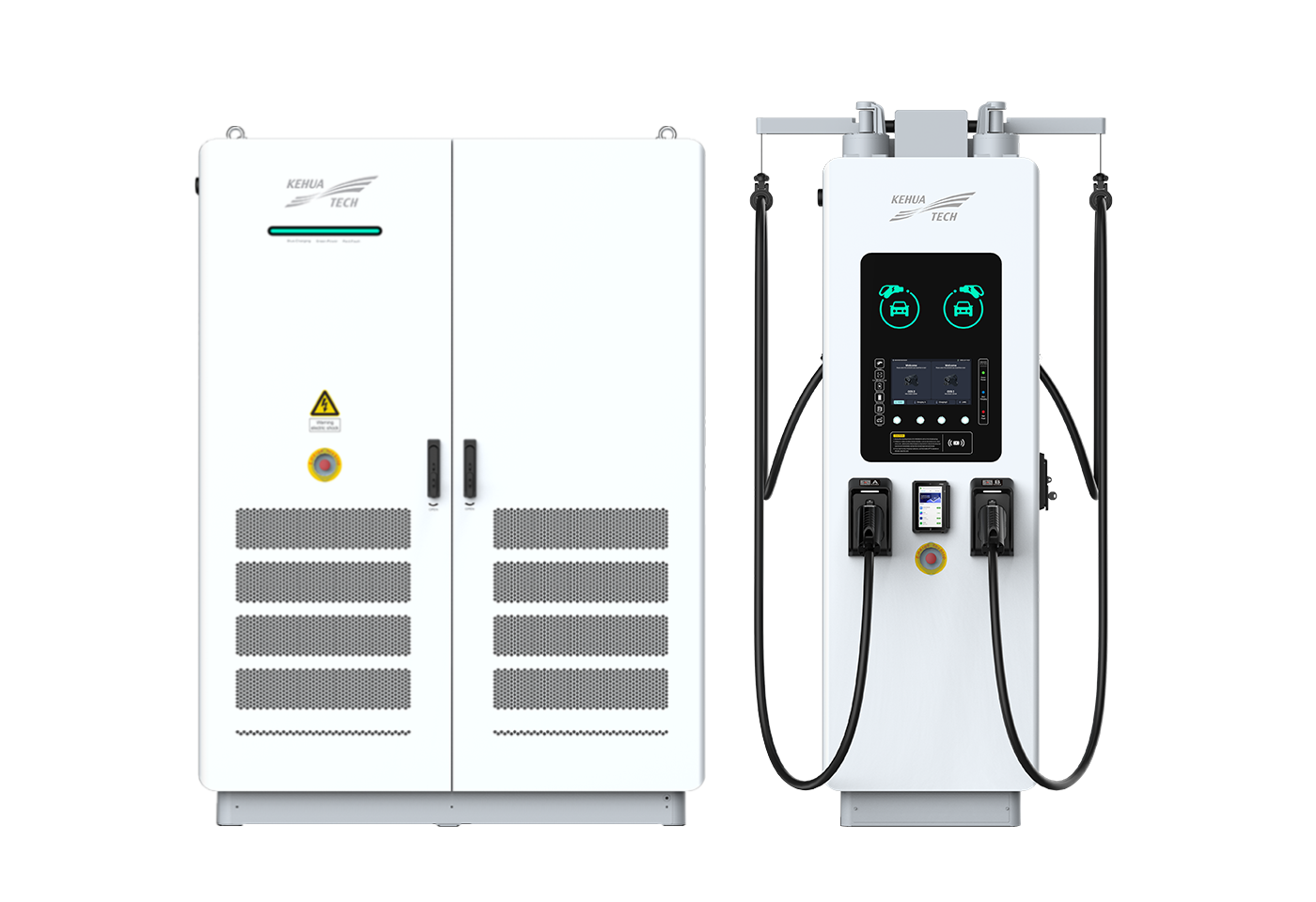
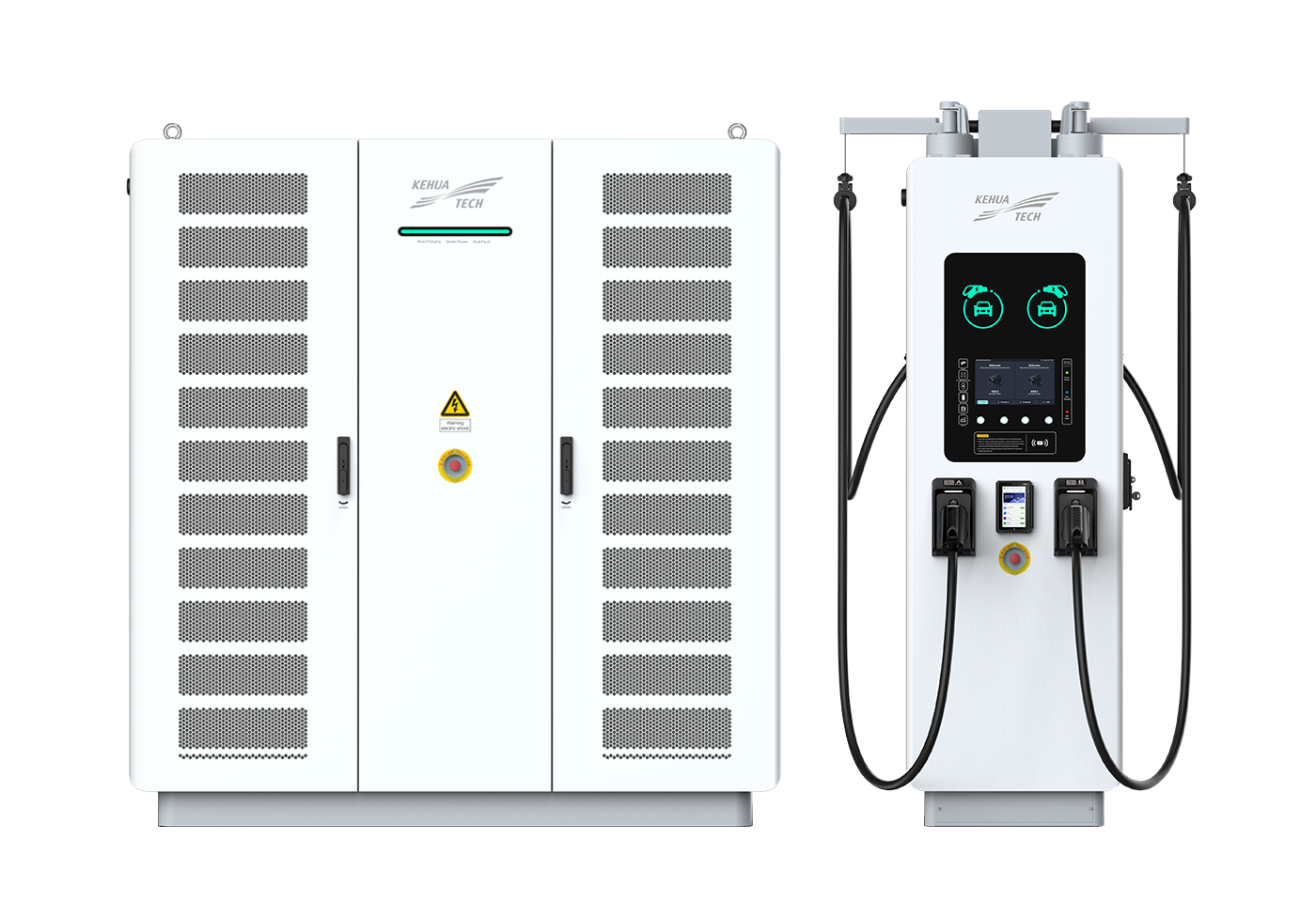
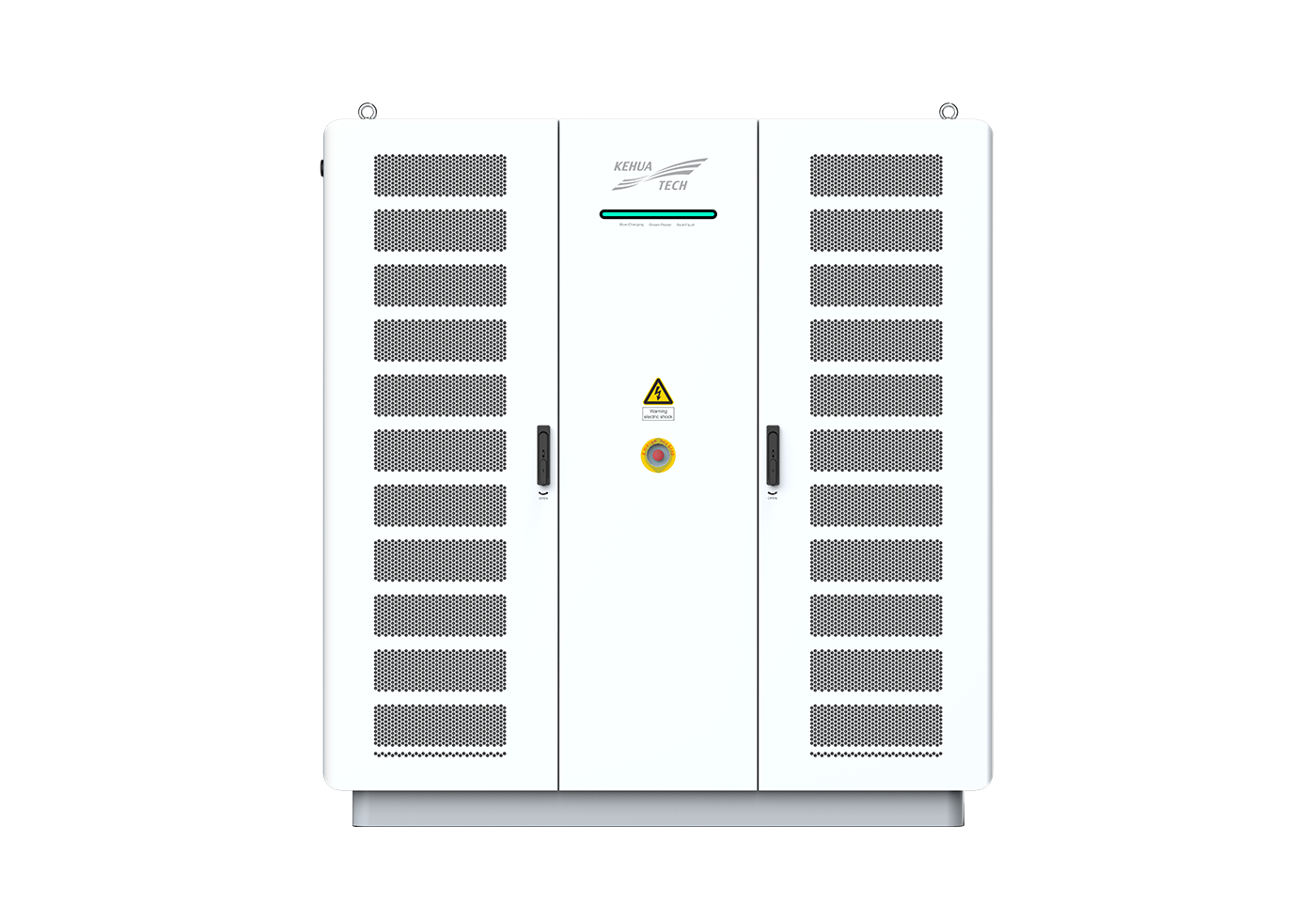
- Distributed charging system: a central power unit converts AC to DC and distributes that DC power across multiple dispensers. Capacity can be added incrementally — for example, scaling from a single 800kW power unit to 1.6MW through dual-cabinet expansion — without tearing out existing equipment .
For highway sites where traffic composition is uncertain today but expected to shift toward heavier vehicles over the next five to ten years, a distributed charging system lets operators add power unit capacity and megawatt-ready dispensers later, rather than rebuilding the whole site.
Planning for Heavy-Duty and Megawatt Charging
Freight electrification is the fastest-moving variable in highway station planning, and it is reshaping what "future-ready" means.
The Megawatt Charging System (MCS), developed by CharIN, is the emerging global standard for heavy-duty trucks and buses, with a theoretical ceiling of 3.75MW at up to 3,000A and 1,250VDC. Its connector and safety specification was formally published as IEC TS 63379 in February 2026, giving manufacturers a stable interoperability baseline. In practice, most MCS deployments entering service today deliver between 1MW and 1.6MW per point — well below the theoretical ceiling, but already enough to transform truck-stop economics.
That power level matters because of driver-hour rules. Under EU regulation, commercial drivers must take a break after roughly 4.5 hours of continuous driving. Megawatt-class charging at 1.2MW to 1.6MW can bring a heavy-duty truck battery from a low state of charge to a usable level within about the same window as that mandatory rest stop, turning a compliance break into a charging opportunity rather than lost driving time. Highway rest-stop operators who reserve conduit, transformer capacity, and pad space now for a future megawatt charging system installation avoid the costlier alternative: retrofitting a live site once truck traffic arrives.
Engineering for Reliability: Efficiency and Protection Standards
Power architecture decides how much capacity a station has. Component-level engineering decides whether that capacity survives a decade of highway conditions.
Why Power Module Efficiency Compounds Over Time
Charging modules built on silicon carbide (SiC) semiconductors run cooler, switch faster, and lose less energy as heat than traditional silicon designs. Independent modeling shows that a 2-percentage-point efficiency gain on a single 360kW station running 12 hours a day can save roughly $22 per day in electricity costs . Across dozens of highway sites and a 10-year operating life, that margin compounds into a meaningful line item on total cost of ownership — not just an environmental footnote.
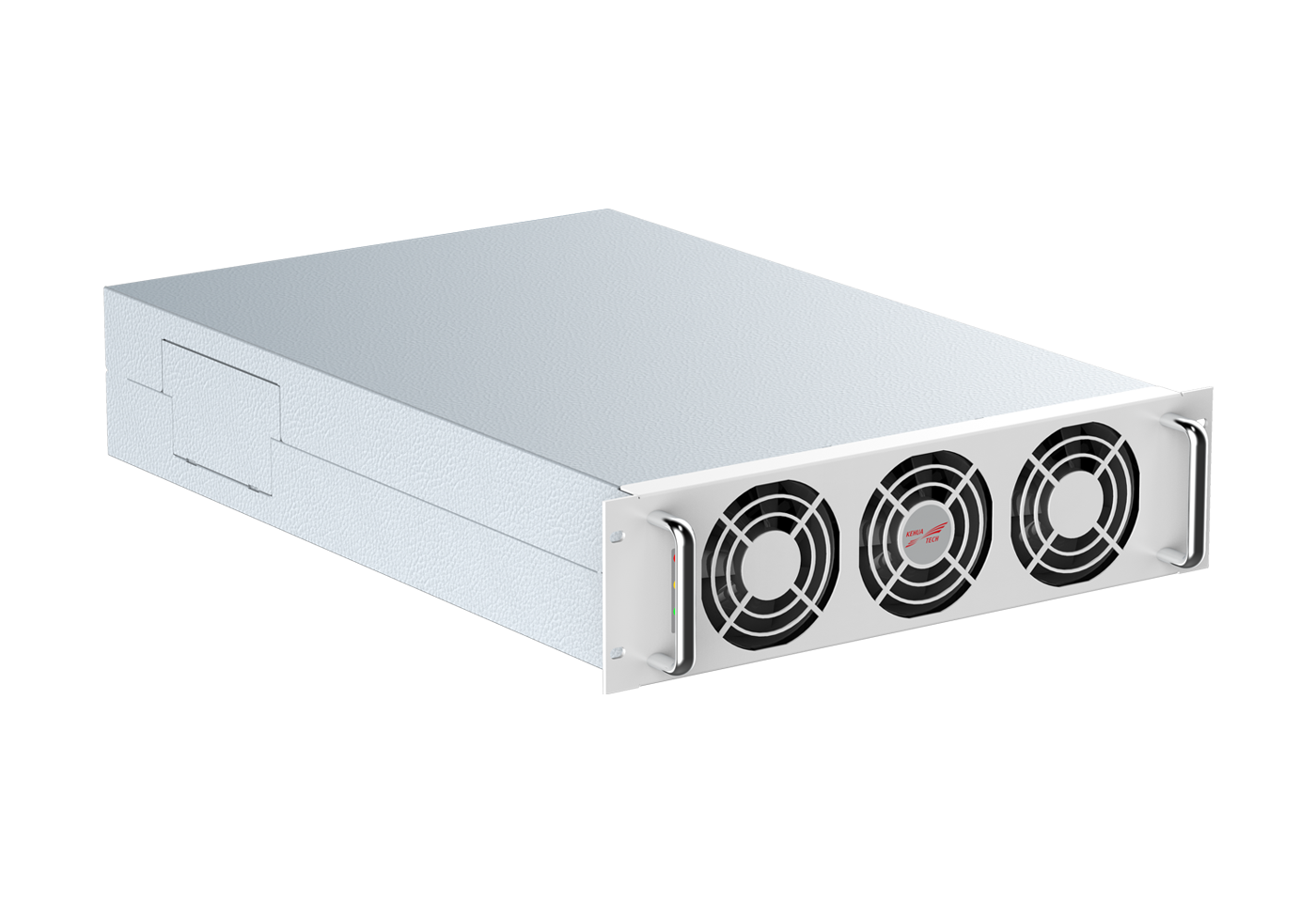
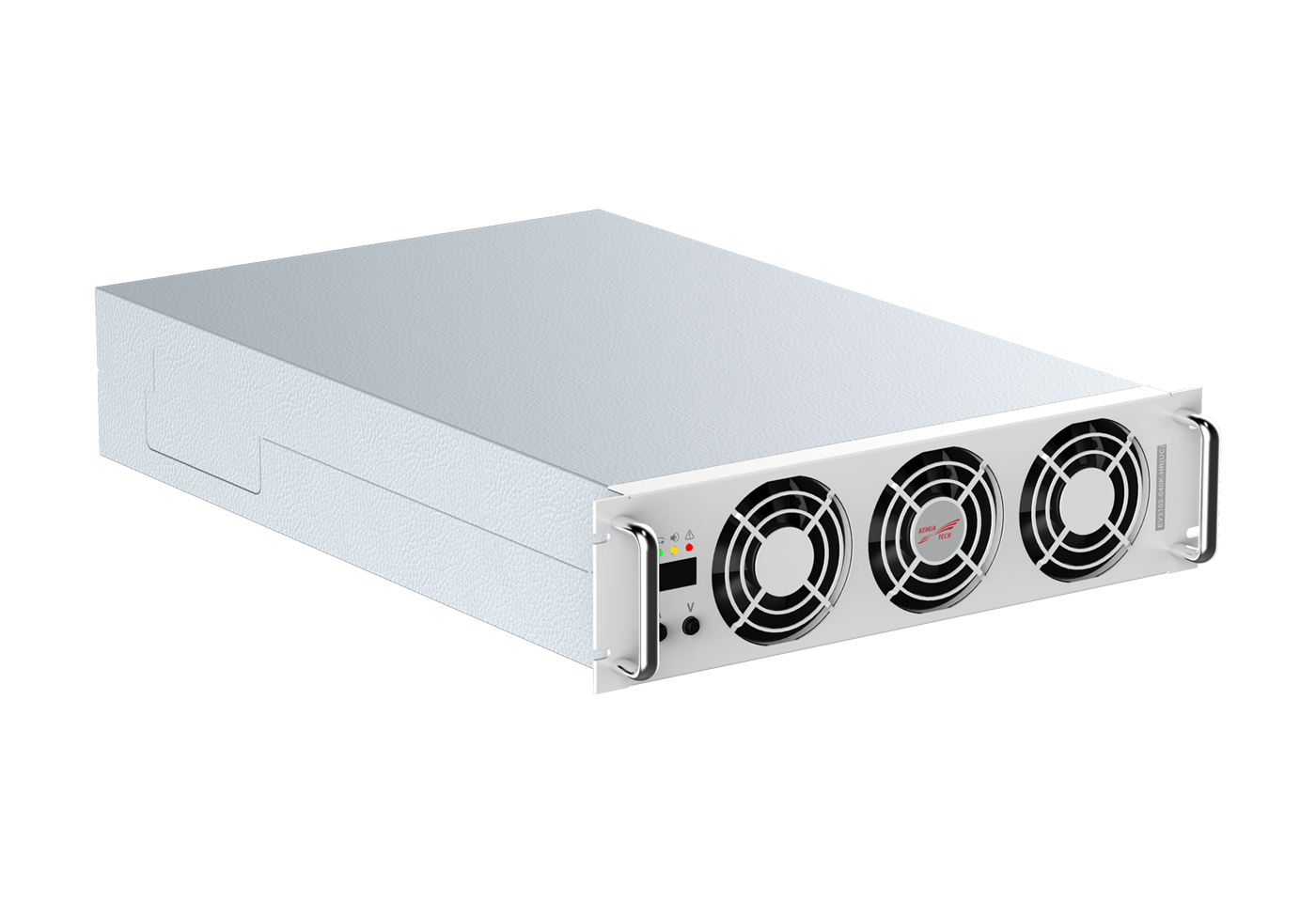
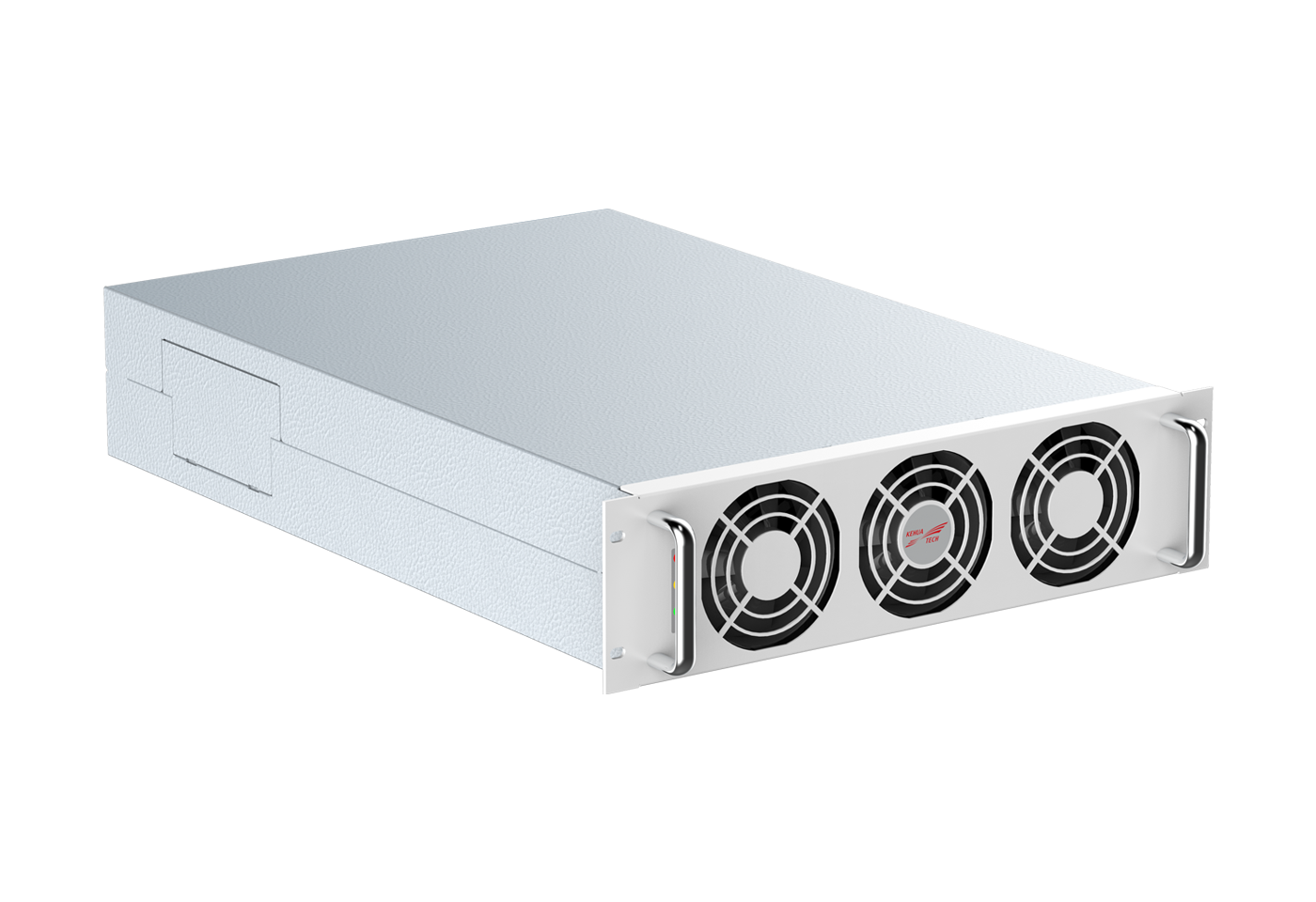
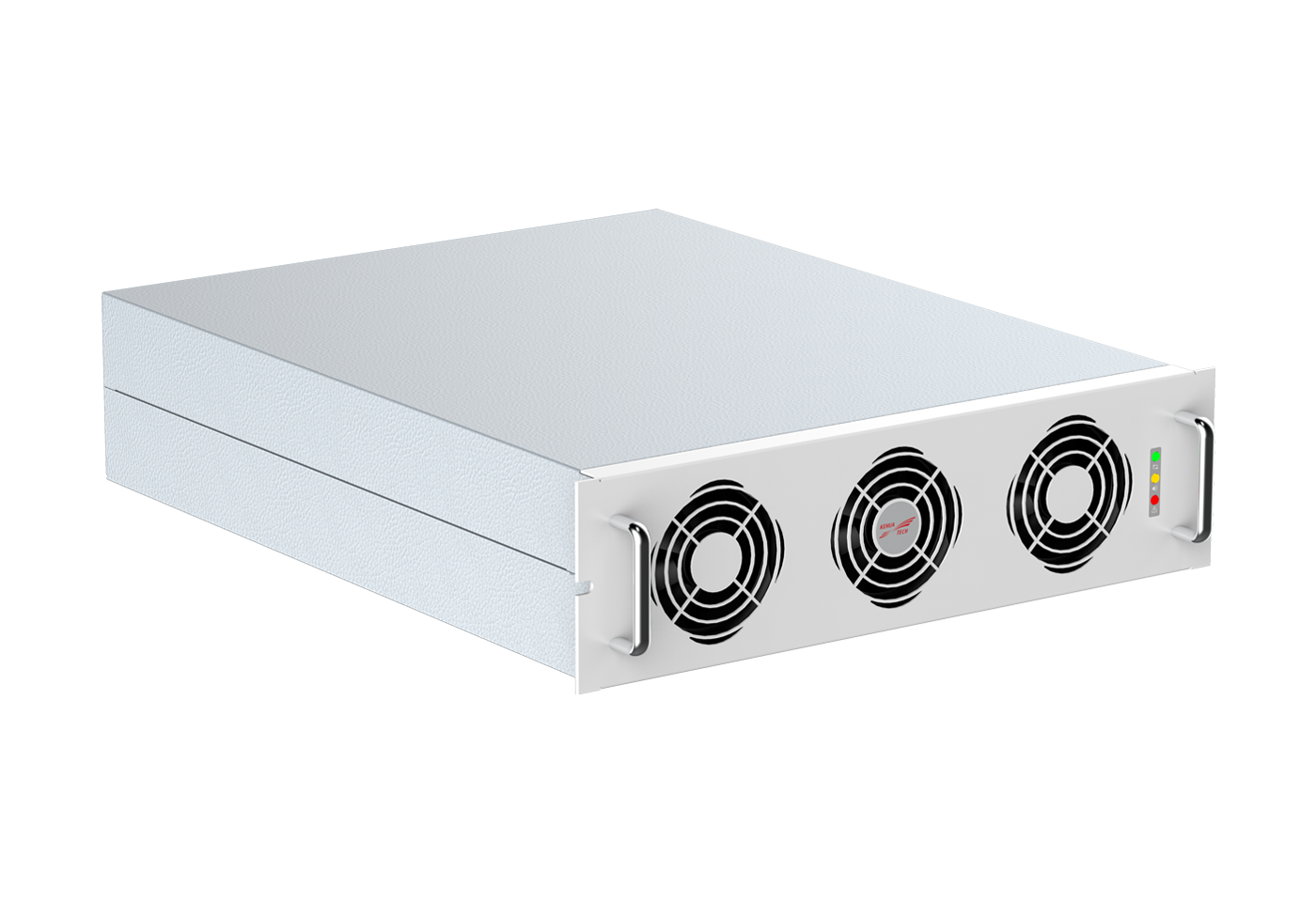
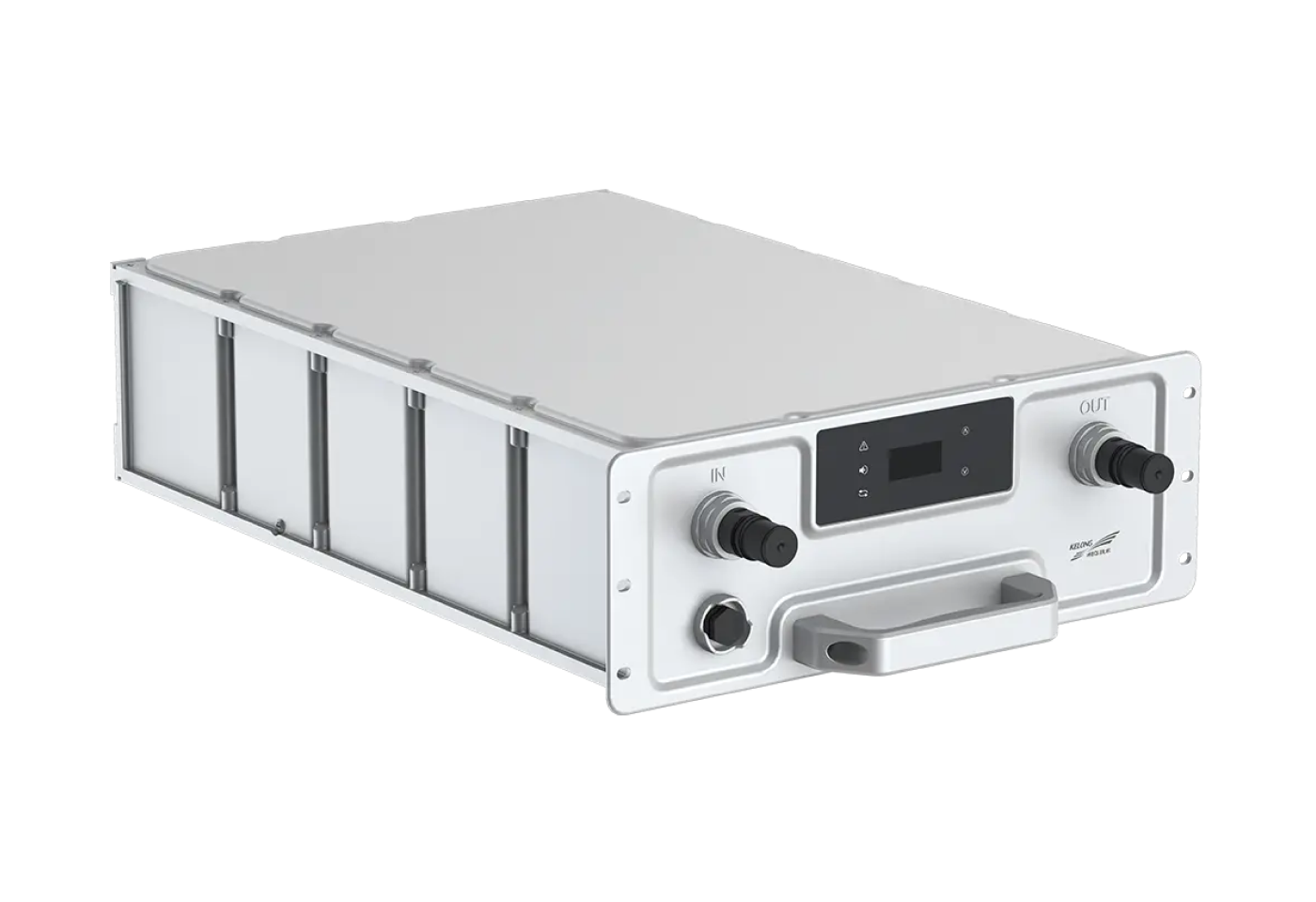
Kehua's 40kW SiC charging module illustrates that gain at the component level, reaching a peak efficiency of 97% and full-load efficiency above 96%, with an operating range of −40°C to 75°C that supports full-power output even in extreme cold without supplemental heaters . For highway sites facing wide seasonal temperature swings, that behavior at both extremes directly affects uptime.
Environmental Protection: What IP55 Actually Means Outdoors
Highway charging equipment sits in the harshest outdoor environment a charger will ever face: vehicle spray, road grit, rain, and temperature extremes. IP55 is the ingress protection level most outdoor DC fast chargers should meet at minimum — the first "5" means limited dust ingress that won't interfere with operation, and the second "5" means the enclosure withstands water jets from any direction .
Kehua's outdoor DC charging equipment, including its power units and integrated DC chargers, carries an IP55 rating, paired with additional corrosion-resistant (C4-H) protection on select distributed systems for coastal and high-humidity highway environments . When evaluating any vendor for a highway deployment, confirming the tested IP certificate — not just a datasheet claim — should be a non-negotiable procurement step.
A Practical Highway Charging Station Design Checklist
Use this sequence before finalizing any highway fast charging station design:
1. Pull traffic and EV-registration data for the corridor before choosing a site, not after.
2. Confirm regional spacing and power mandates — AFIR's 60km/150kW rule in the EU, or the 50-mile NEVI rule in the US.
3. Size for mixed-fleet demand, including a realistic heavy-duty truck projection, not just today's passenger EV traffic.
4. Match architecture to traffic mix: integrated DC charger for compact, predictable plazas; distributed charging system for hubs expecting growth.
5. Reserve civil and electrical capacity — conduit, transformer headroom, pad space — for a future megawatt charging system upgrade.
6. Verify IP55 (or higher) certification and thermal derating specs for every outdoor component.
7. Plan the dispenser mix across air-cooled (around 500A), liquid-cooled (around 600A), and MCS-ready connectors to serve multiple vehicle classes.
8. Engage the utility early — grid interconnection timelines, not equipment lead times, are usually the longest pole in the tent.
9. Design for accessible, multi-vehicle simultaneous access, following the clearance logic used in accessible EVSE guidance .
10. Budget for lighting, signage, and canopy to support driver safety during unattended overnight charging.
Case in Point: Scalable High-Power Charging on European Corridors
At Power2Drive Europe 2026, Kehua showcased a distributed charging system built around an 800kW power unit with dual-cabinet expansion to 1.6MW, achieving 96.5% peak efficiency and full rated power up to 50°C ambient . The system supports an output current range of 250A to 1,500A and works with 500A air-cooled dispensers, 600A liquid-cooled dispensers, and MCS-ready dispensers from the same power unit — letting one highway hub serve passenger vehicles, commercial fleets, and electric trucks without separate parallel infrastructure .
That flexibility is already targeting real freight corridors: Kehua's product line for European heavy-duty truck charging spans integrated DC chargers at 240kW and 400kW, distributed charging systems at 480kW and 800kW, and megawatt charging systems at 1.2MW and 1.6MW, aimed at highway, port, and regional distribution logistics scenarios . Analysts covering freight electrification note that systems in this 1.2MW–1.6MW class can bring a heavy-duty truck to a usable charge in roughly 30 minutes — closely matching the EU's mandatory 45-minute driver rest period.
Future-Proofing Your Charging Station Investment
The stations still profitable in 2030 are the ones being designed today with three power tiers in mind at once: passenger-scale integrated DC chargers, mid-scale distributed charging systems, and megawatt charging systems for the freight wave already arriving on highway corridors. Reserving capacity, choosing IP55-rated components, and picking a scalable architecture up front costs far less than retrofitting a live site under traffic pressure two years from now.
Planning a highway fast charging site and want a power architecture that scales from today's passenger traffic to tomorrow's heavy-duty freight? Contact Kehua's engineering team for a site-specific power capacity assessment and equipment recommendation.
Frequently Asked Questions
1. What is the recommended spacing for highway fast charging stations?
Spacing benchmarks vary by region: the EU's AFIR rule requires at least 150kW fast charging every 60km along the TEN-T core network, US NEVI guidelines cap spacing at 50 miles, and utility design guidelines in North America often recommend roughly 150km intervals on longer highway corridors.
2. What's the difference between an integrated DC charger and a distributed charging system?
An integrated DC charger (or standalone DC charger) houses power conversion and the dispenser in one cabinet, ideal for compact, predictable sites. A distributed charging system uses a shared power unit that distributes DC power to multiple dispensers, allowing capacity to expand incrementally as traffic grows .
3. How much charging power do heavy-duty electric trucks need on highways?
Heavy-duty trucks typically require megawatt-class charging. Current megawatt charging systems deployed in the field generally deliver between 1.2MW and 1.6MW per session, aligning with the emerging Megawatt Charging System (MCS) standard.
4. Why does the IP55 rating matter for highway charging equipment?
IP55 confirms an enclosure resists limited dust ingress and withstands water jets from any direction — the protection level outdoor highway chargers need against rain, road spray, and grit over years of continuous exposure .
5. How can a highway station be designed to support future EV traffic growth?
Choose a modular, distributed charging architecture, reserve electrical and civil capacity for a future megawatt upgrade, and size the site around realistic mixed-fleet projections rather than current traffic alone.
6. Does silicon carbide (SiC) technology make a measurable difference in charger performance?
Yes. SiC-based power modules reduce conversion losses compared to silicon, improving efficiency and thermal performance; Kehua's 40kW SiC module reaches a peak efficiency of 97%, and industry modeling shows even a 2-point efficiency gain can save around $22 per day on a single 360kW station .
References
IEA — "Executive Summary – Global EV Outlook 2025." [https://www.iea.org/reports/global-ev-outlook-2025/executive-summary] [driveelectric]
Virta — "AFIR – Alternative Fuels Infrastructure Regulation: What You Need to Know." [https://www.virta.global/afir-what-you-need-to-know]
Electrive — "Only One EU Country Misses AFIR Charging Target." [https://www.electrive.com/2026/07/20/only-one-eu-country-misses-afir-charging-target/] [transportation]
US Access Board — "Design Recommendations for Accessible Electric Vehicle Charging Stations." [https://www.access-board.gov/files/usab-evse-guide.pdf]
Better Energy — "United States EV Fast-Charging Corridor Road Map." [https://betterenergy.org/wp-content/uploads/2023/01/EV_CorridorRoadmap2023.pdf] [theicct]
BC Hydro — "EV Fast Charging Design & Operational Guidelines." [https://www.bchydro.com/content/dam/BCHydro/customer-portal/documents/power-smart/electric-vehicles/ev-fast-charging-design-operational-guidelines-2024-feb.pdf]
Urban SDK — "How EV Infrastructure Planning Relies on Road and Traffic Data." [https://www.urbansdk.com/resources/how-ev-infrastructure-planning-relies-on-road-and-traffic-data] [urbansdk]
PR Newswire — "From 800kW Distributed Systems to PV-ESS Integration: Kehua Showcases Next-Gen Charging Innovation at Power2Drive Europe 2026." [https://www.prnewswire.com/news-releases/from-800kw-distributed-systems-to-pv-ess-integration-kehua-showcases-next-gen-charging-innovation-at-power2drive-europe-2026-302810652.html]
Wikipedia — "Megawatt Charging System." [https://en.wikipedia.org/wiki/Megawatt_Charging_System] [en.wikipedia]
EV Infrastructure News — "Megawatt Charging for Trucks: The Complete Guide to MCS Charging Infrastructure in 2026." [https://www.evinfrastructurenews.com/ev-fleet-charging/megawatt-charging-for-trucks-the-complete-guide-to-mcs-charging-infrastructure-in-2026] [evinfrastructurenews]
Wolfspeed — "Designing with Silicon Carbide (SiC) in Electric Vehicle DC Fast Chargers." [https://www.wolfspeed.com/knowledge-center/article/designing-with-silicon-carbide-sic-in-electric-vehicle-dc-fast-chargers/]
Phihong — "IP55, NEMA 3R, and IK Ratings for EV Fast Chargers." [https://www.phihong.com/what-do-ip55-nema-3r-and-ik-ratings-mean-for-outdoor-dc-fast-chargers/]
PR Newswire — "From 800kW Distributed Systems to PV-ESS Integration: Kehua Showcases Next-Gen Charging Innovation at Power2Drive Europe 2026." [https://www.prnewswire.com/news-releases/from-800kw-distributed-systems-to-pv-ess-integration-kehua-showcases-next-gen-charging-innovation-at-power2drive-europe-2026-302810652.html]
LinkedIn — "Heavy-Duty Truck Charging: Reshaping Europe's New Energy Infrastructure." [https://www.linkedin.com/pulse/heavy-duty-truck-charging-reshaping-europes-9m5je]
ChargedEVs — "Shenzhen Kehua Unveils High-Efficiency 40 kW SiC Charging Module." [https://chargedevs.com/newswire/shenzhen-kehua-unveils-high-efficiency-40-kw-sic-charging-module/]
EV-Roads — "Heavy-Duty Truck Charging: New Energy Infrastructure for Heavy-Duty Trucks." [https://www.ev-roads.com/content/38330/] [ev-roads]
LinkedIn / WRI India — "Electric Freight: Scaling Battery Swapping and Charging Infrastructure." [https://www.linkedin.com/posts/wri-india_wriindiafreight-freightdecarbonisation-activity-7461028095437889536-DMOw] [linkedin]
Hot Tags: Highway Fast Charging Station, EV Charging Infrastructure, DC Fast Charger, Integrated DC Charger, Distributed Charging System, Megawatt Charging System, Heavy-Duty Truck Charging, EV Charging Station Design, SiC Charging Module, IP55 EV Charger

