



- Electric Bus Charging Upgraded: Fast & Flexible
- Shenzhen Kehua’s 40 kW High-Efficiency SiC Charging Module Achieves CE, CB, and UL Certifications
- Shenzhen Kehua Unveils High-Reliability All-in-One DC Charger for the ASEAN Market
- Shenzhen Kehua’s Scalable Megawatt Power Unit: Pioneering the Next Era of High-Power Charging for Green Mobility
- Growth Opportunities in the EV Charging Industry Amid the Global Transportation Electrification
- The Future of Fleet Charging: Building Efficient and Reliable Charging Infrastructure
Level 1, Level 2, and Level 3 EV Chargers Explained: Choosing the Right EV Charging Station in 2026


Content Menu
● Understanding the Three EV Charger Levels
>> Level 1 EV Chargers: Slow but Simple
>> Level 2 EV Chargers: The Everyday AC Standard
>> Level 3 EV Chargers: DC Fast Charging Explained
● 2025 Global Charging Data: Why DC Fast Charging Is Accelerating
● Integrated DC Charger vs. Distributed Charging System: Which Fits Your Site?
>> Integrated DC Charger (Standalone DC Charger)
>> Distributed Charging System
● Megawatt-Level Charging: The Next Frontier for Fleets
● What Fleet and Site Operators Ask Us Most
● SiC Power Modules and IP55 Protection
● How to Choose the Right EV Charger for Your Site
● Kehua Hengsheng's DC Charging Portfolio
Electric vehicle adoption keeps climbing, and so does confusion around EV charger terminology. Buyers researching a Level 1, Level 2, or Level 3 EV charging station often don't realize how differently these systems perform, or which one actually fits a home garage, a fleet depot, or a highway corridor. This guide breaks down the three EV charger levels, then goes further: it reviews 2025 global charging data, compares integrated DC charger and distributed charging system architectures, and explains why megawatt-level charging is becoming the new benchmark for commercial fleets. As a manufacturer that engineers and exports DC fast charging equipment worldwide, Shenzhen Kehua Hengsheng Technology Co., Ltd. ("Kehua Hengsheng") shares the technical and market insight behind these decisions.
Understanding the Three EV Charger Levels
Charging equipment for electric vehicles is classified into three tiers based on voltage, power output, and charging speed . The table below summarizes the core differences.
| Charging Level | Power Type | Typical Power Output | Range Added per Hour | Common Use |
|---|---|---|---|---|
| Level 1 | AC, 120V | ~1 kW | 2–5 miles | Home, overnight |
| Level 2 | AC, 208–240V | 7–19 kW | 10–20 miles | Home, workplace, public |
| Level 3 (DC fast charging) | DC, 400–1000V | 50–600 kW | 180–240+ miles | Highways, commercial hubs, fleet depots |
*(Data adapted from the U.S. Department of Energy's Alternative Fuels Data Center .)*
Level 1 EV Chargers: Slow but Simple
Level 1 charging uses a standard 120-volt AC household outlet, and no extra hardware is required beyond the cable that ships with most EVs. It is the slowest option: a full charge from empty can take 40 to 50+ hours for a battery electric vehicle . It works anywhere a wall socket exists, making it a reasonable backup for overnight top-ups only.
Level 2 EV Chargers: The Everyday AC Standard
Level 2 equipment steps up to 208–240 volts and typically delivers 7–19 kW. It can bring a battery electric vehicle from empty to 80% in 4 to 10 hours , which is why it dominates home, workplace, and shopping-center installations . Level 2 remains the most widely deployed charging tier globally, but it cannot serve high-turnover commercial applications where vehicles must return to the road within minutes.
Level 3 EV Chargers: DC Fast Charging Explained
Level 3, commonly called DC fast charging , converts three-phase AC power to DC directly inside the charger, bypassing the vehicle's onboard converter entirely. This is the technology category Kehua Hengsheng specializes in. Depending on the system, an EV charger at this level can add 80% battery capacity in well under an hour , making it the realistic option for highway corridors, ride-hailing hubs, and fleet-turnaround operations.
2025 Global Charging Data: Why DC Fast Charging Is Accelerating
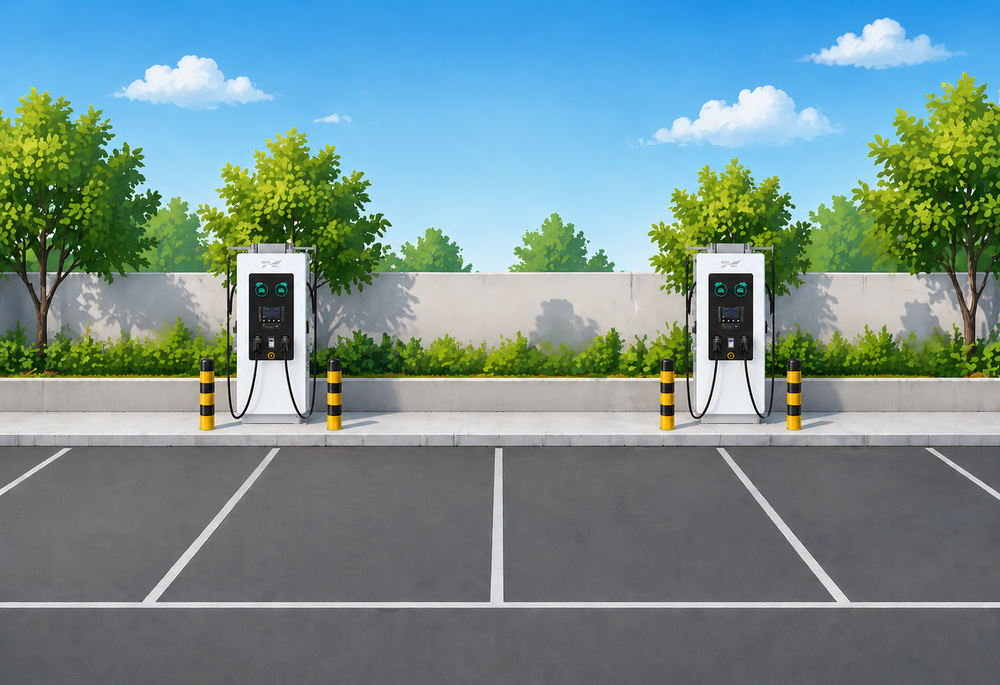
Global public charging infrastructure has more than doubled since 2022, surpassing 5 million charging points worldwide, per the International Energy Agency's Global EV Outlook 2025 . Ultra-fast chargers rated 150 kW and above grew roughly 50% in 2024 alone , now accounting for nearly 10% of all public fast chargers . China contributed about two-thirds of the public charger growth since 2020 and now holds roughly 65% of global public charging infrastructure .
This shift matters for equipment specifiers: operators are moving from mid-power DC units toward higher-output, modular systems that scale as traffic grows without full hardware replacement, a trend that directly shapes how Kehua Hengsheng engineers its DC charging module and system architecture.
Integrated DC Charger vs. Distributed Charging System: Which Fits Your Site?
Once a site commits to DC fast charging, the next decision is architecture. The right choice depends on land availability, vehicle throughput, and expansion plans.
Integrated DC Charger (Standalone DC Charger)
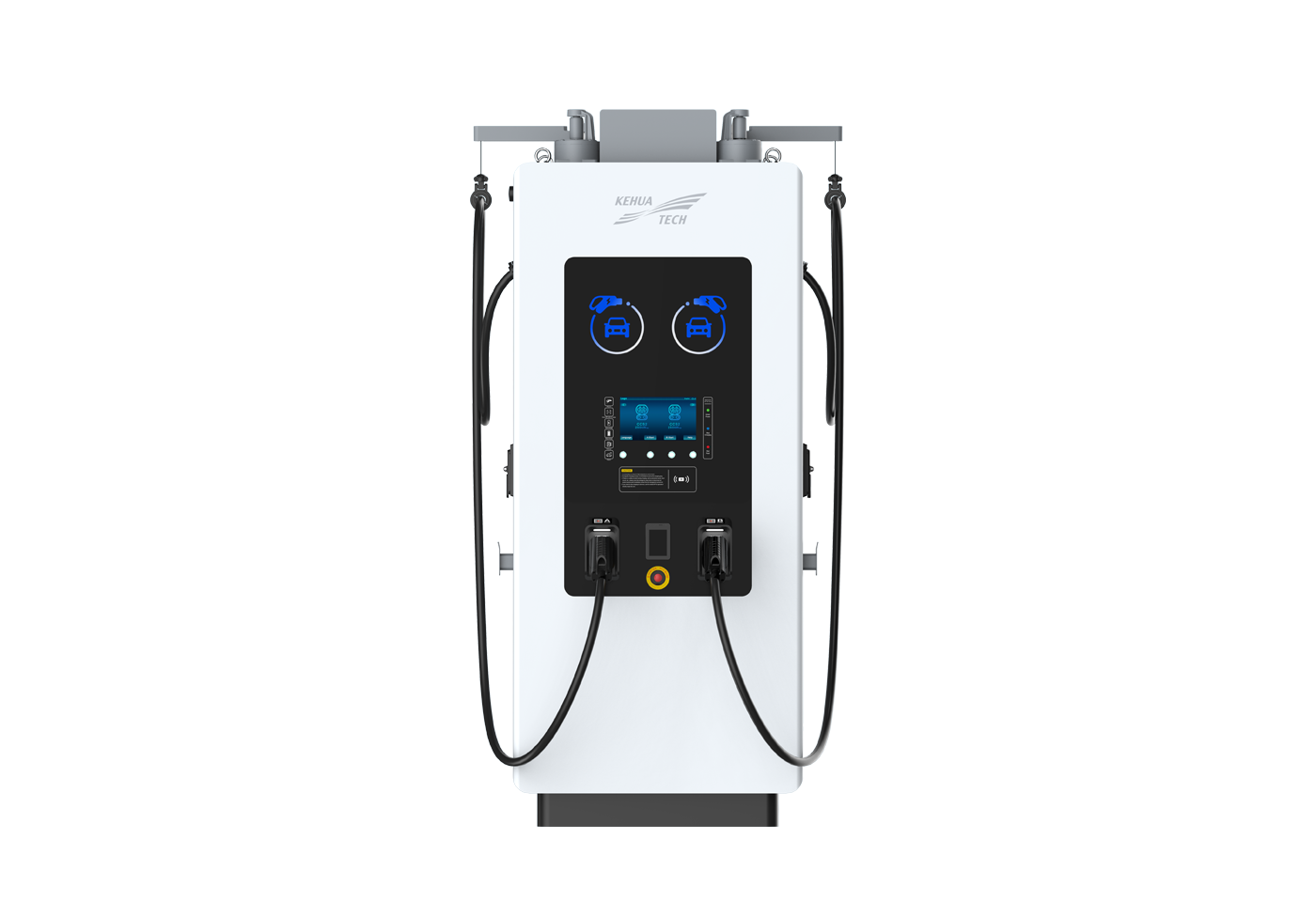
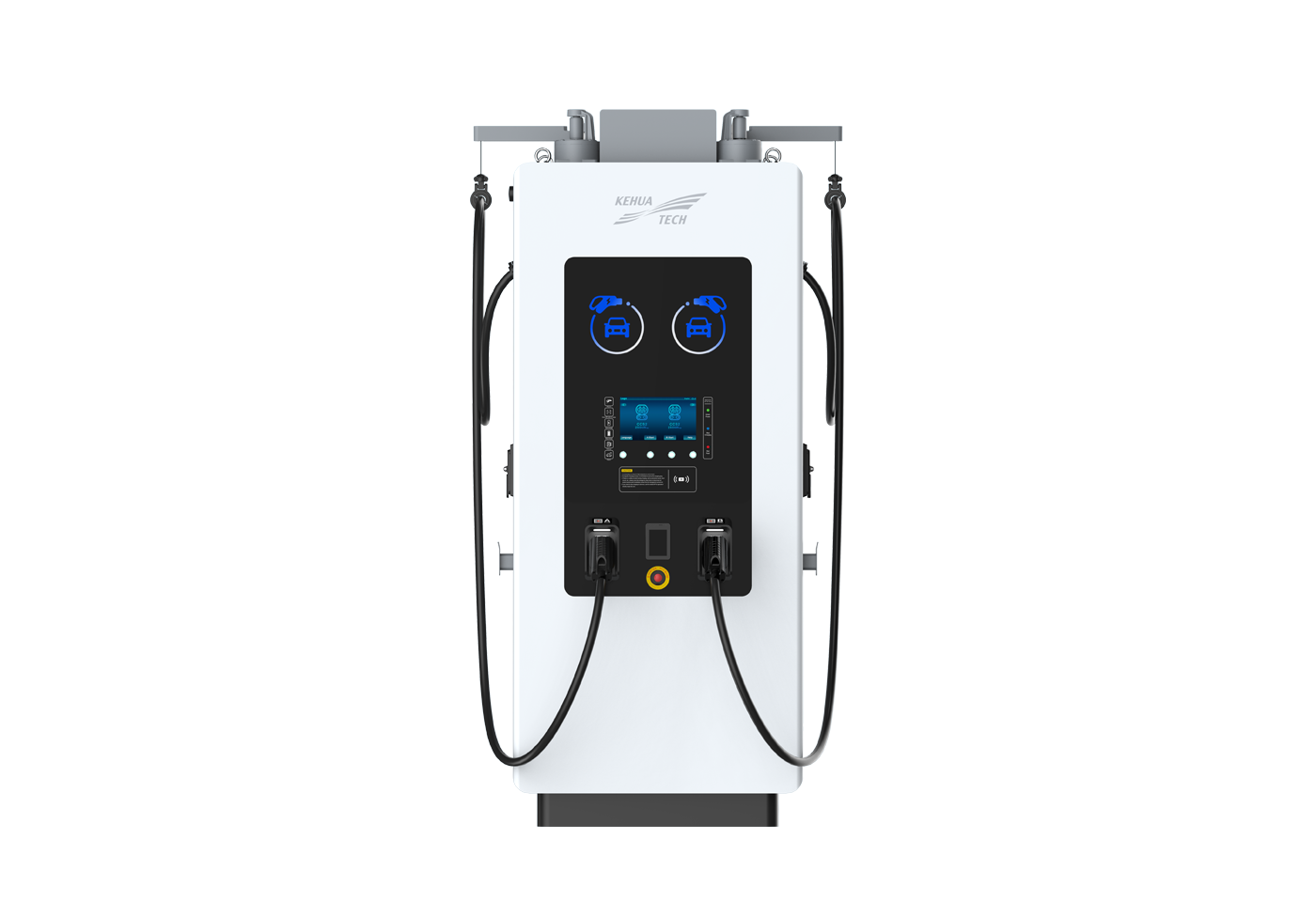
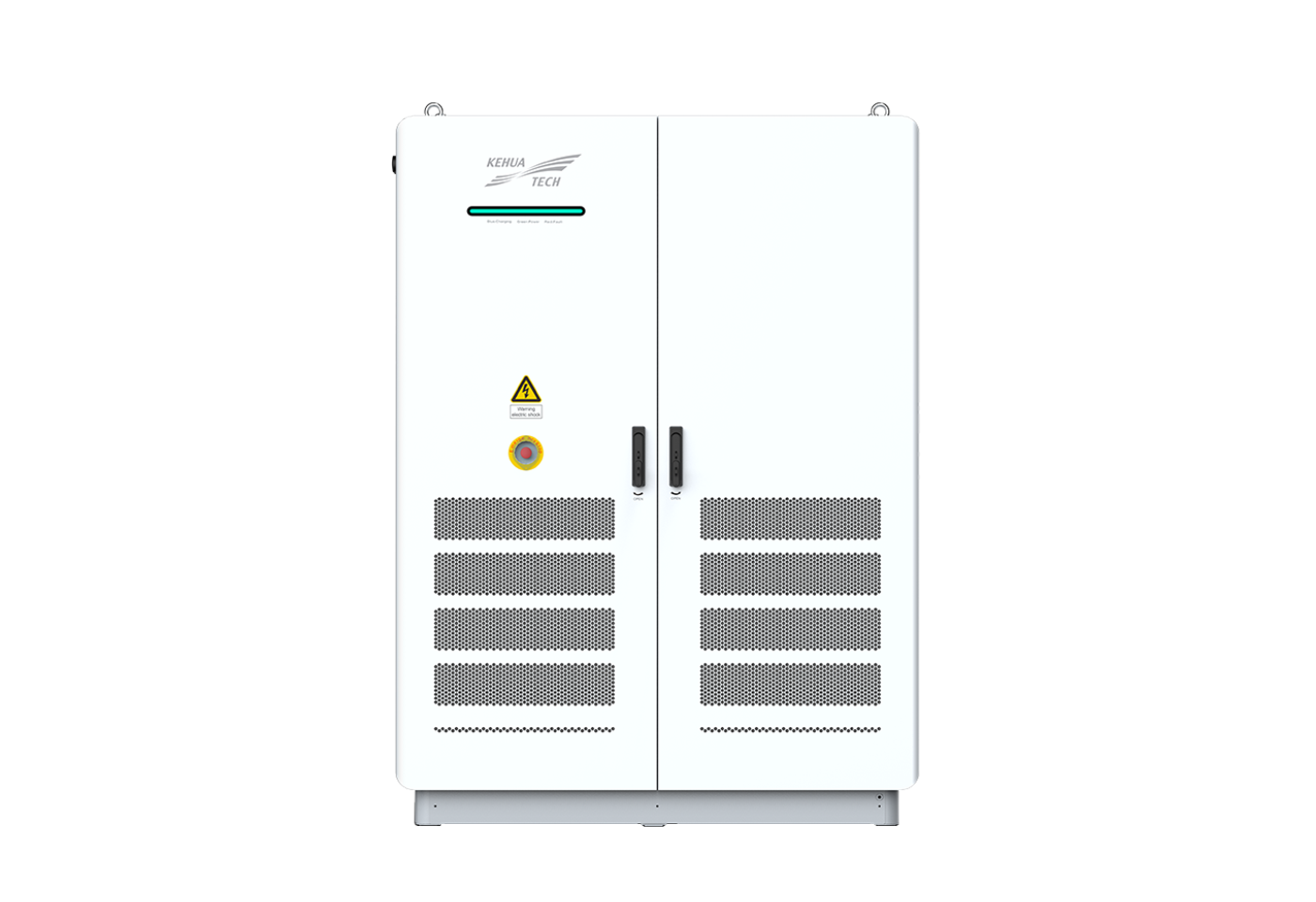
An integrated dc charger , also called a standalone dc charger , houses the power conversion electronics, control system, and dispenser in one cabinet. Kehua Hengsheng's lineup spans 60–180kW and 240–400kW , suited to standalone retail sites and small fleet lots.
Advantages:
- Simple, self-contained installation with a smaller footprint per unit
- Independent operation, so one unit's downtime does not affect neighboring chargers
- Faster deployment for sites with limited construction lead time
Distributed Charging System
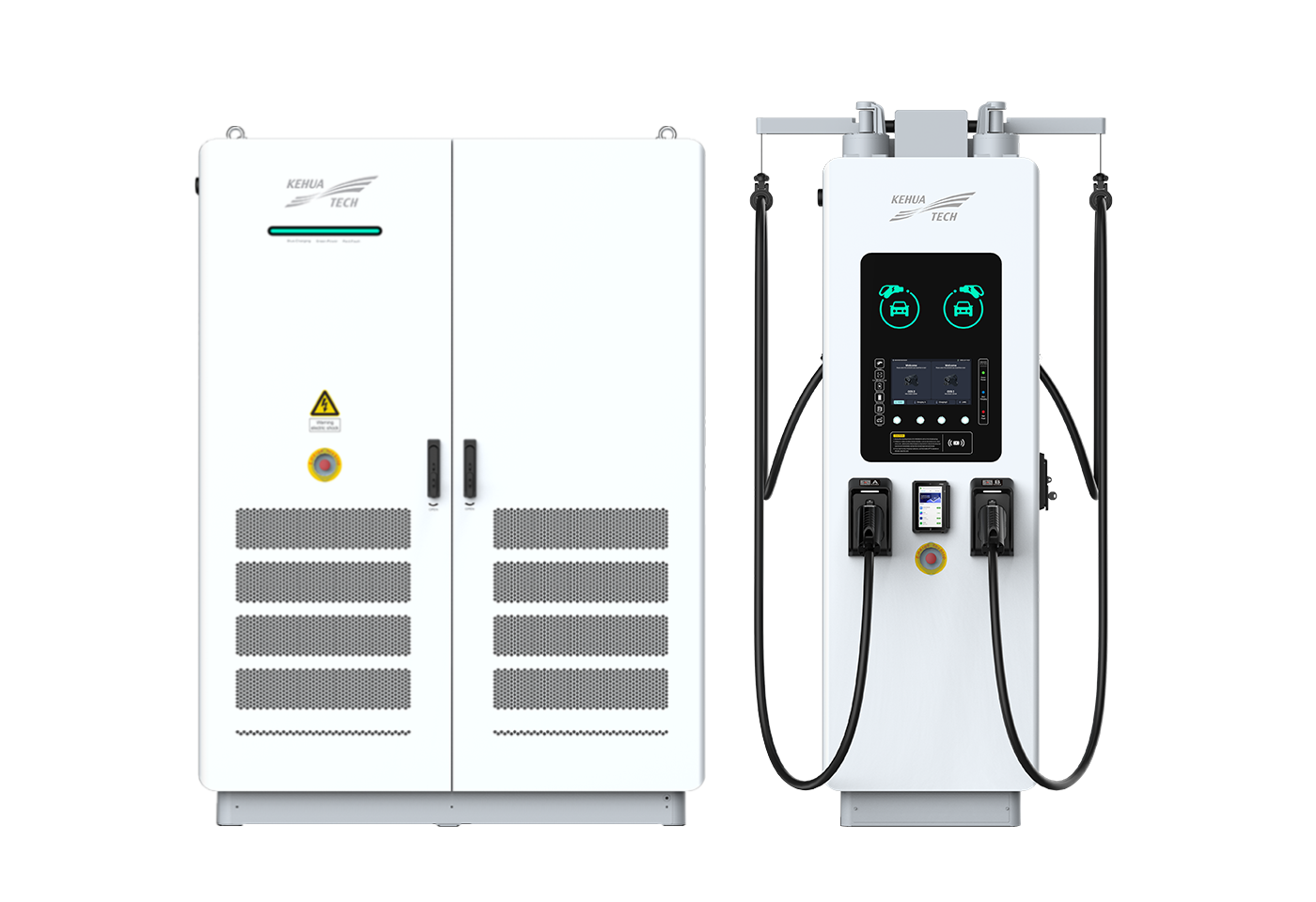
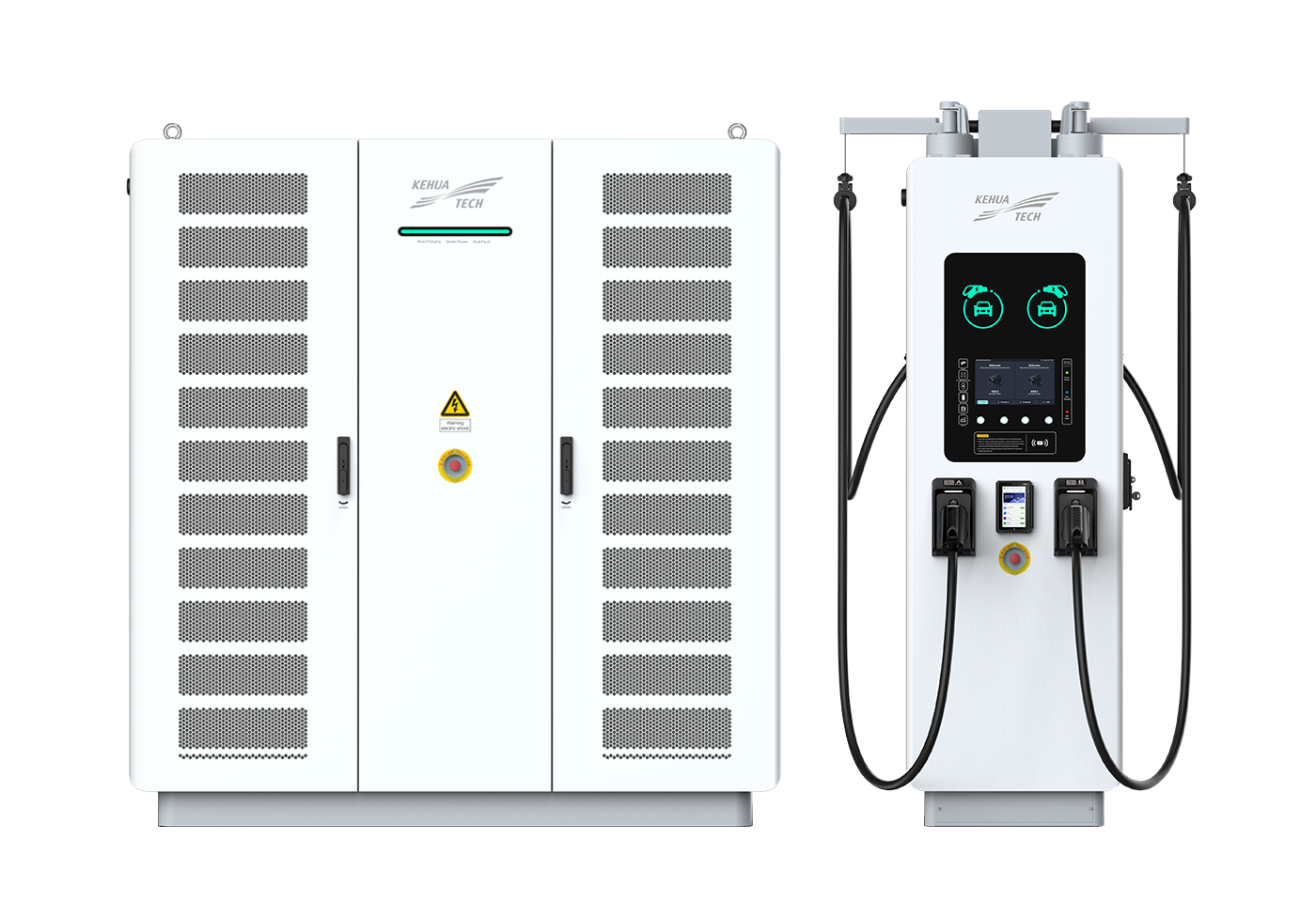
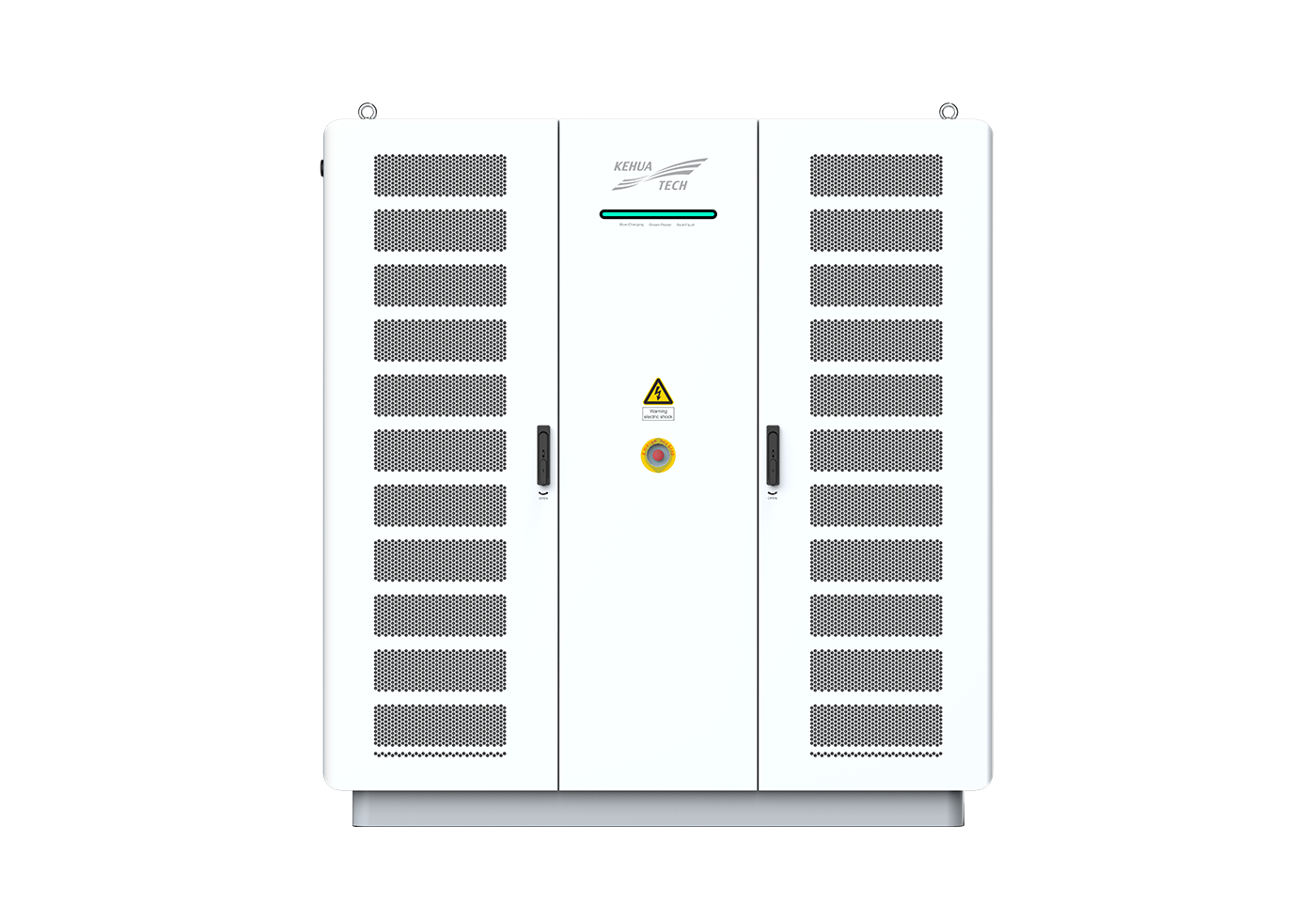
A distributed charging system separates power conversion from the charging point. A central power unit pools DC power and flexibly allocates it across multiple dispensers based on real-time demand. Kehua Hengsheng offers distributed charging systems at 480kW and 800kW power unit capacity.
Advantages:
- Dynamic power allocation across multiple dispensers instead of a fixed rating per unit
- Lower total footprint per charging point at high-density sites
- Easier scaling by adding dispensers to an existing power unit
| Factor | Integrated DC Charger | Distributed Charging System |
|---|---|---|
| Power sharing | Fixed per unit | Dynamic across dispensers |
| Best for | Standalone sites, small lots | High-traffic hubs, bus/truck depots |
| Kehua power range | 60–180kW, 240–400kW | 480kW, 800kW (power unit) |
| Footprint efficiency | Moderate | High at scale |
| Expansion path | Add more standalone units | Add dispensers to existing power unit |
Megawatt-Level Charging: The Next Frontier for Fleets
Passenger vehicle charging tops out well below a megawatt, but heavy-duty electric trucks, buses, and commercial fleets need far more power to stay productive . Analysts project the global megawatt charging system market to grow substantially through the early 2030s as heavy-duty electrification accelerates . Standardization work led by organizations such as CharIN is pushing charging power toward the megawatt range specifically to serve long-haul trucking and depot-charging use cases .
Kehua Hengsheng addresses this demand with megawatt level charging systems rated at 1.2MW and 1.6MW , designed for fleet depots and high-throughput commercial hubs where multiple heavy vehicles must recharge within a tight turnaround window. For fleet operators, the calculation is straightforward: every extra minute a truck spends charging instead of hauling is lost revenue, and megawatt-class systems are engineered specifically to shrink that window.
What Fleet and Site Operators Ask Us Most
Supplying DC fast charging equipment to highway corridors, logistics hubs, and transit depots surfaces the same few questions repeatedly.
"Can we start small and scale later?" Site owners with limited upfront budget usually benefit from a distributed charging system : install one power unit sized for current demand, then add dispensers as traffic grows, instead of buying standalone units that cannot share capacity.
"What actually breaks first in the field?" Poor thermal management inside the power conversion stage, not the dispenser or user interface, is the leading cause of premature efficiency loss. Module-level efficiency and enclosure protection, such as IP55 sealing against dust and water ingress, matter as much as the headline kW rating on a spec sheet.
"Do we need megawatt-level power for a bus depot?" Not always immediately, but operators planning for battery-electric buses or trucks increasingly specify transformer capacity now for future megawatt level charging system upgrades, even while deploying at 480kW or 800kW today. Retrofitting electrical infrastructure later costs far more than over-provisioning during initial construction.
SiC Power Modules and IP55 Protection
Power electronics quality determines whether a fast-charging site delivers its promised speed over years of daily use, not only in a lab test. Silicon carbide (SiC) semiconductor technology has become a preferred choice across the industry because it reduces switching losses and improves thermal performance compared with older silicon-based designs .
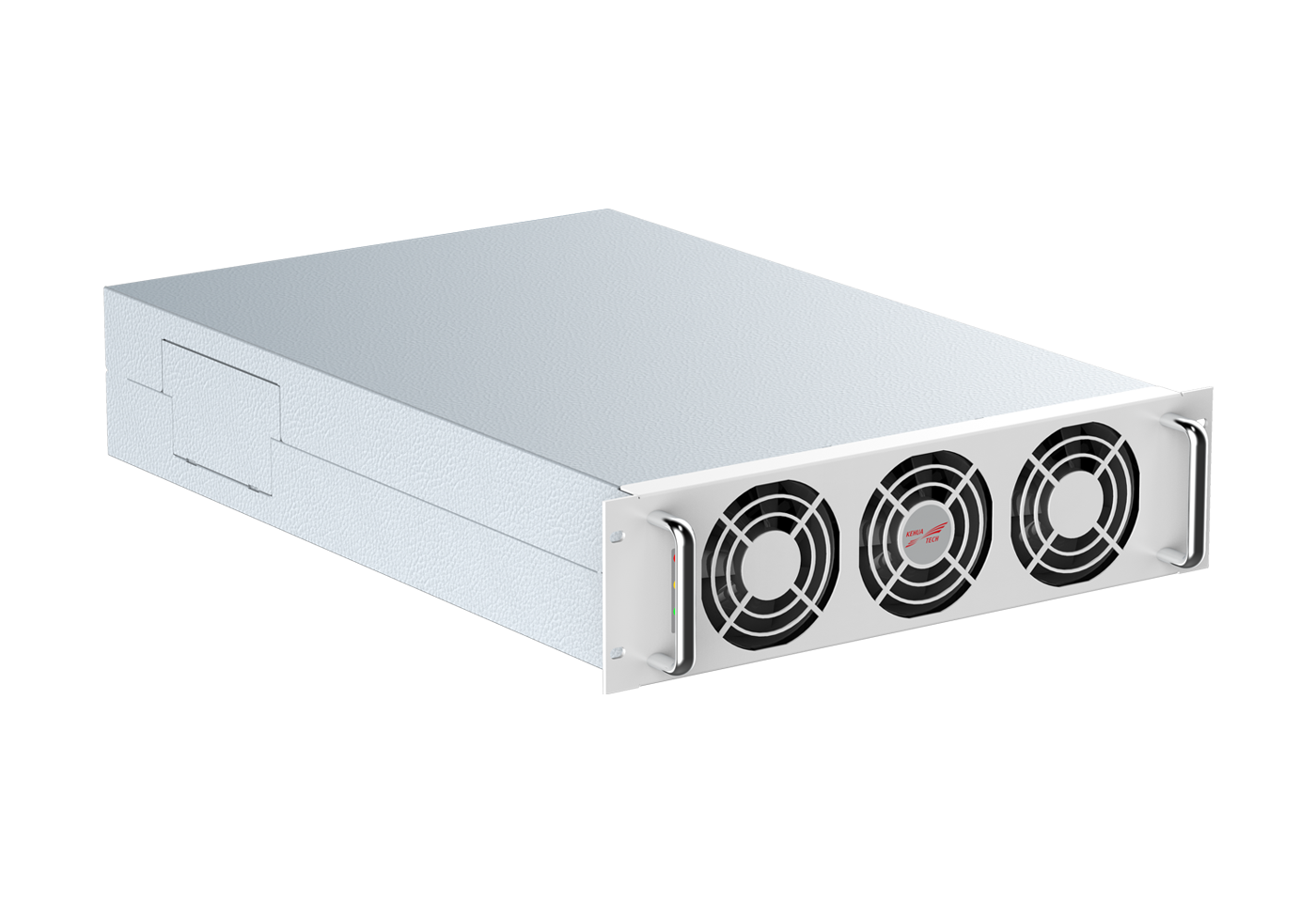
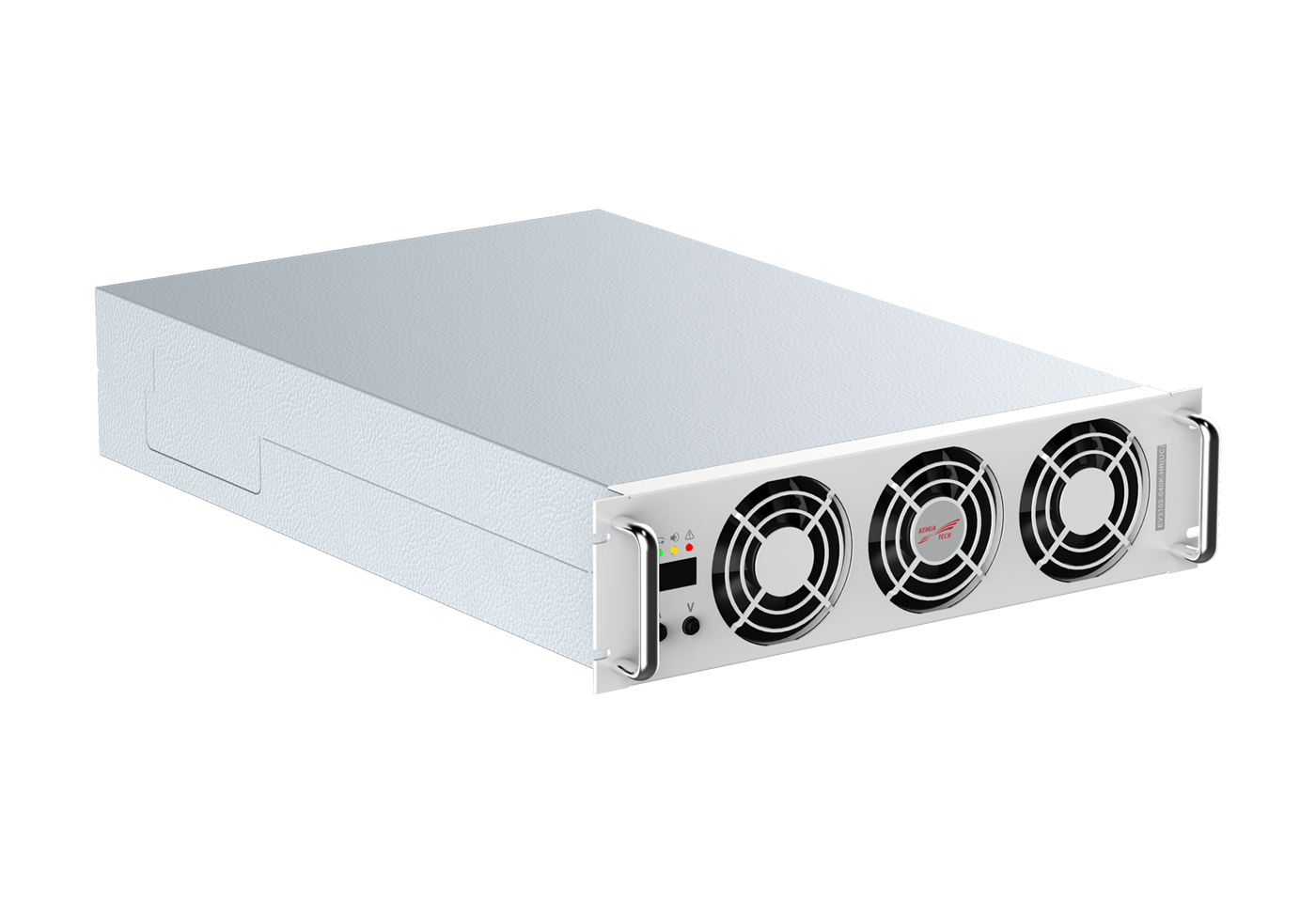
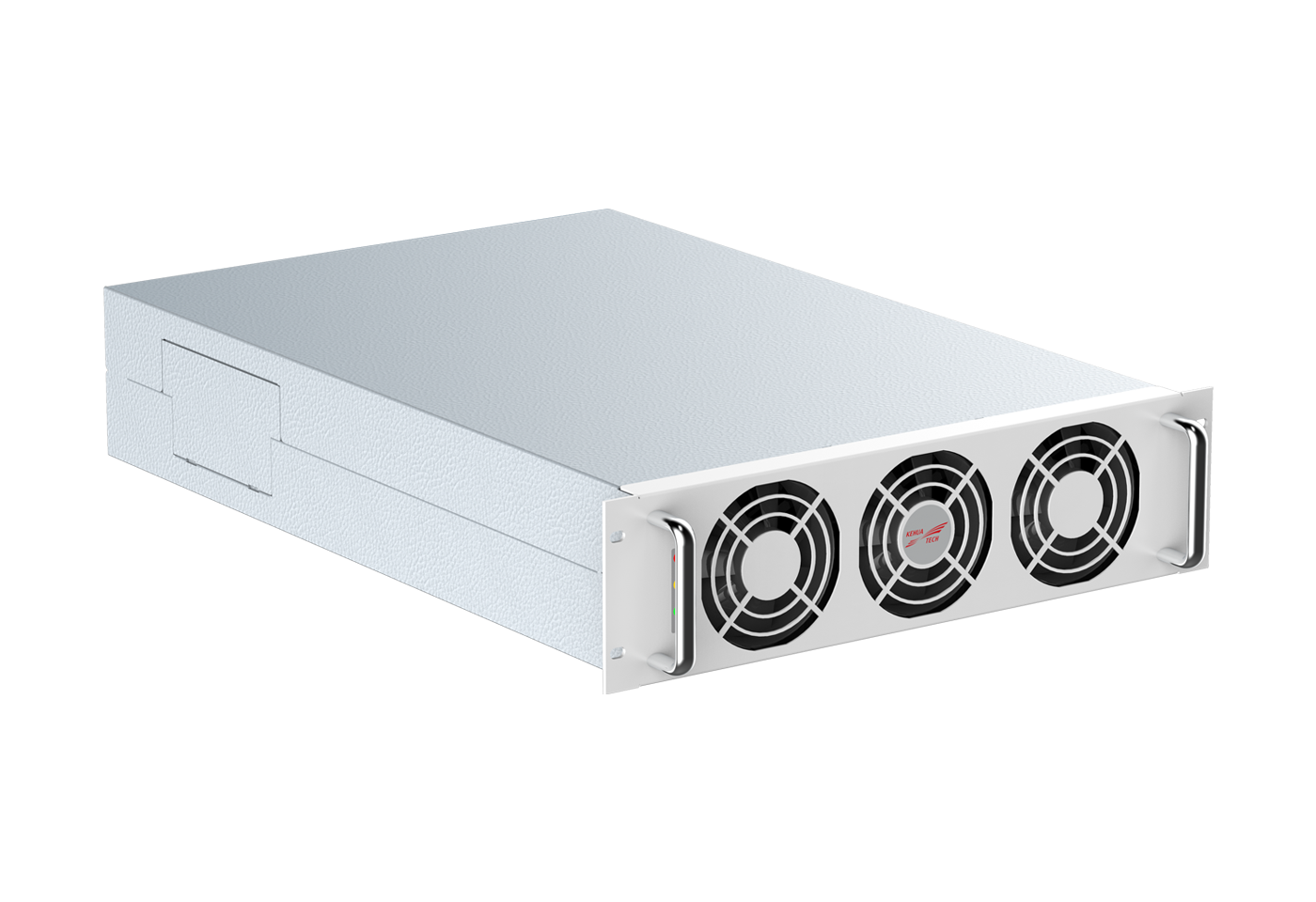
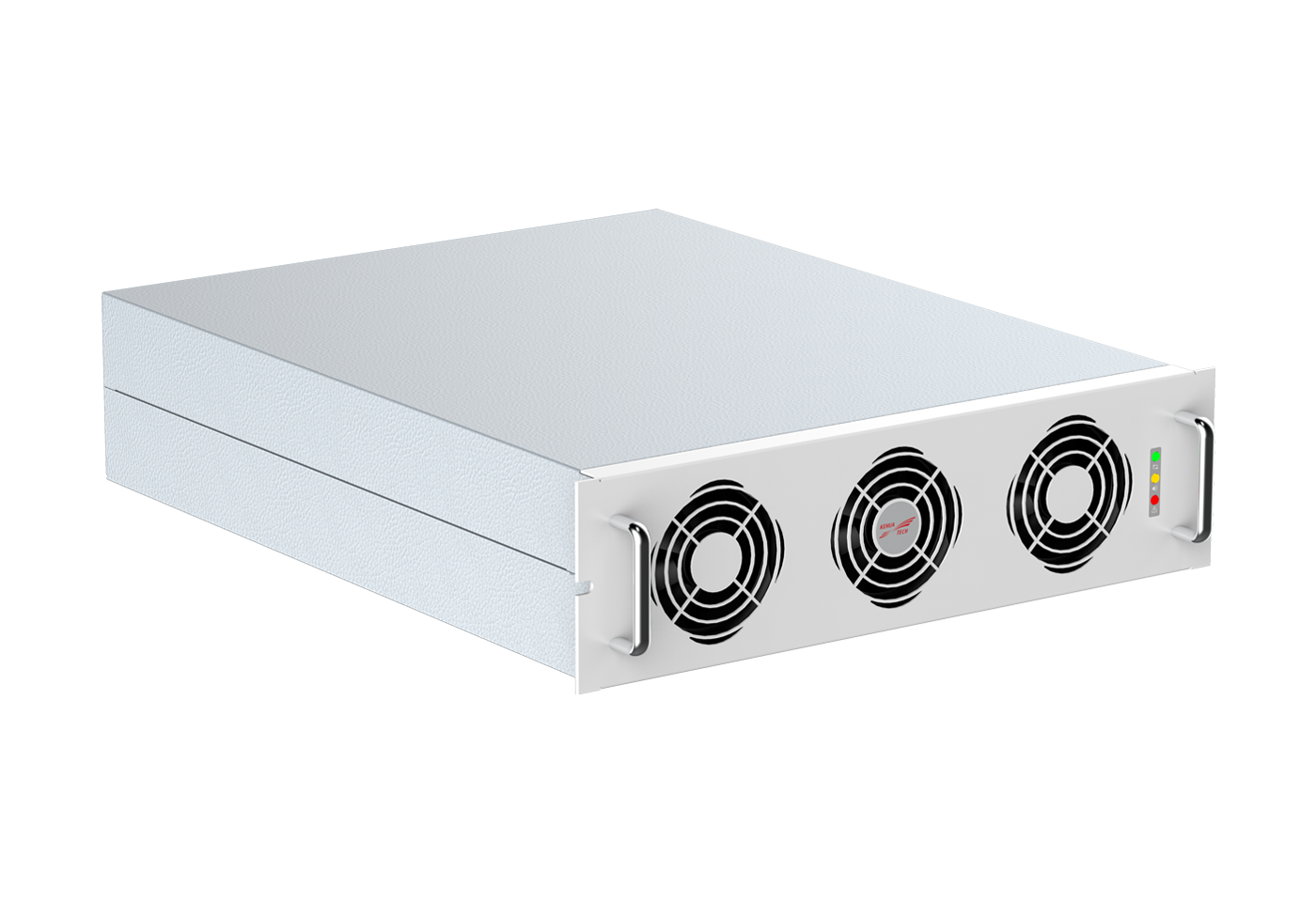
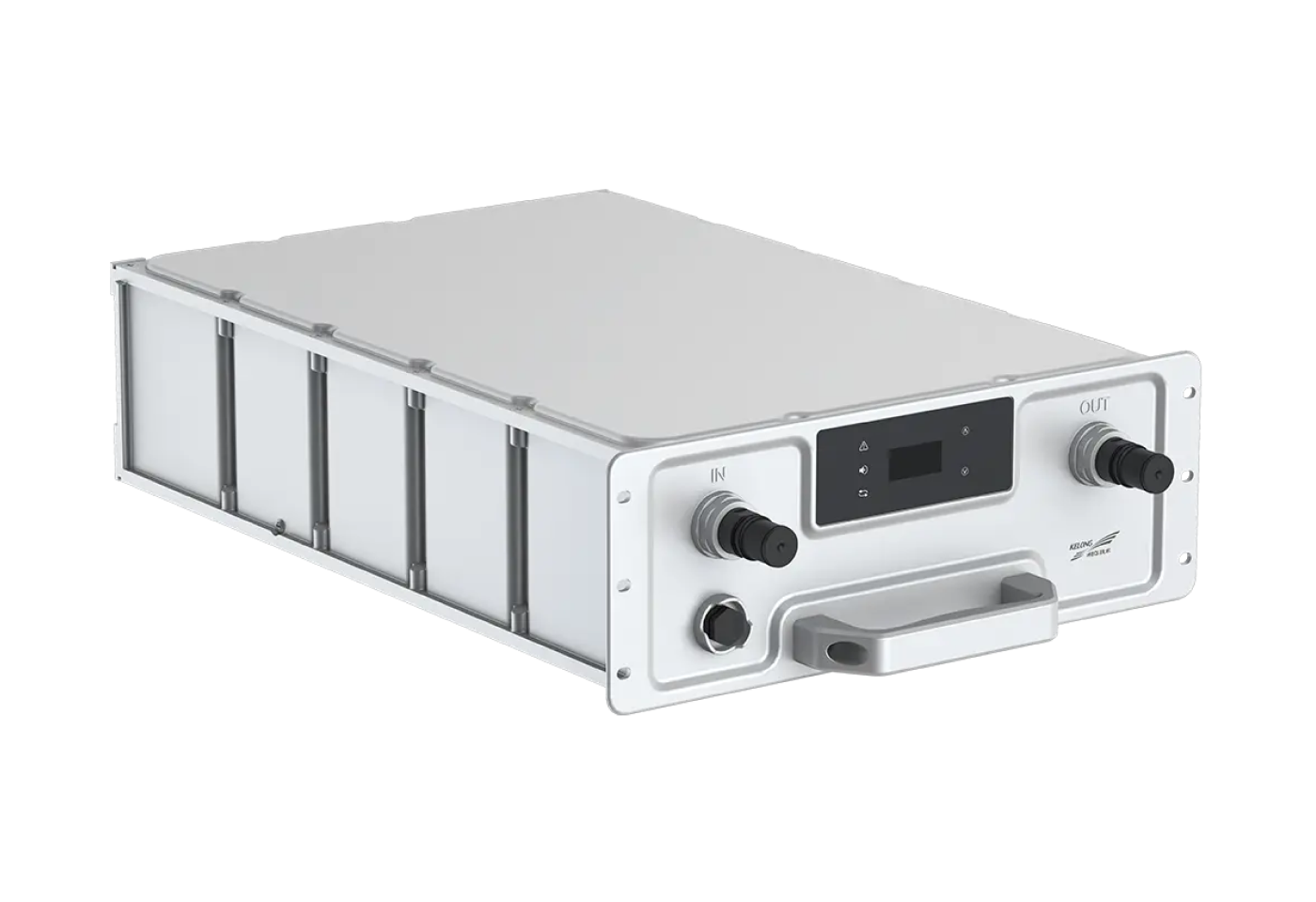
Kehua Hengsheng's DC charging module built on SiC technology reaches a peak efficiency of 97% at 40kW output, meaning less energy is lost as heat during every charging session, which lowers electricity costs for operators across the equipment's lifetime. Every Kehua Hengsheng EV charger for outdoor deployment also carries an IP55 ingress protection rating, providing dependable sealing against dust and water spray in demanding outdoor environments such as highway service areas, logistics yards, and open-air parking facilities.
How to Choose the Right EV Charger for Your Site
Selecting equipment is not only about top-line power. Follow these steps when evaluating options:
1. Estimate daily vehicle throughput. A retail lot with occasional visits has very different needs than a fleet depot cycling dozens of trucks daily.
2. Check available grid capacity. Distributed and megawatt-level systems require substantial electrical service; confirm utility capacity before finalizing a layout.
3. Match architecture to land constraints. Tight urban sites often favor integrated DC chargers; larger depots benefit from a distributed system's shared power unit.
4. Plan for future expansion. A distributed charging system lets operators add dispensers later without re-engineering the power stage.
5. Verify environmental protection ratings. Outdoor deployments should specify at minimum an IP55-rated enclosure.
6. Confirm module-level efficiency. Ask suppliers for documented peak efficiency figures for the DC charging modules, not just the rated output.
Kehua Hengsheng's DC Charging Portfolio
| Product Category | Power Range | Typical Application |
|---|---|---|
| DC charging modules | Module-level, SiC-based, up to 97% peak efficiency (40kW module) | Core power conversion for all DC systems |
| Integrated DC charger (standalone DC charger) | 60–180kW / 240–400kW | Retail, small fleet, standalone sites |
| Distributed charging system | 480kW / 800kW power unit | High-traffic hubs, bus/truck depots |
| Megawatt level charging system | 1.2MW / 1.6MW | Heavy-duty fleet depots, commercial hubs |
Ready to move from mid-power charging to a system engineered for scale and reliability? Contact Kehua Hengsheng's engineering team today to discuss which DC charging module, integrated DC charger, distributed charging system, or megawatt-level solution matches your project's power, footprint, and growth plans.
Frequently Asked Questions
1. What is the main difference between Level 1, Level 2, and Level 3 EV chargers?
Level 1 and Level 2 both run on AC power and rely on the vehicle's onboard converter, while Level 3 (DC fast charging) converts power to DC inside the charger itself, delivering dramatically faster charging speeds .
2. What is an integrated DC charger, and how does it differ from a distributed charging system?
An integrated DC charger, also called a standalone DC charger, packs the power unit, control electronics, and dispenser into one cabinet. A distributed charging system separates the power unit from the dispensers, letting one power unit dynamically feed multiple dispensers.
3. Why is megawatt-level charging becoming important?
Heavy-duty electric trucks and buses carry much larger batteries than passenger EVs and need far more power to stay on tight turnaround schedules. Megawatt-level charging systems, such as Kehua Hengsheng's 1.2MW and 1.6MW units, are built specifically for this fleet-scale demand .
4. What does the IP55 rating on an EV charger mean?
IP55 indicates the enclosure is protected against dust ingress and low-pressure water jets from any direction, which is the protection level Kehua Hengsheng's EV chargers carry for reliable outdoor operation.
5. How does silicon carbide (SiC) technology improve DC charging modules?
SiC-based power modules switch more efficiently than traditional silicon components, reducing energy loss as heat. Kehua Hengsheng's SiC-based 40kW DC charging module reaches a peak efficiency of 97%, which translates into lower electricity costs per charging session over the system's operating life .
6. Is DC fast charging growing faster than Level 1 and Level 2 charging globally?
Yes. Ultra-fast chargers rated 150kW and above grew about 50% in 2024 and now represent nearly 10% of all public fast chargers worldwide, according to the IEA's Global EV Outlook 2025 .
References
1. International Energy Agency, "Electric vehicle charging – Global EV Outlook 2025." https://www.iea.org/reports/global-ev-outlook-2025/electric-vehicle-charging
2. U.S. Department of Energy, Alternative Fuels Data Center, "Electric Vehicle Charging Stations." https://afdc.energy.gov/fuels/electricity-stations
3. U.S. Department of Transportation, "Charger Types and Speeds." https://www.transportation.gov/rural/ev/toolkit/ev-basics/charging-speeds
4. Fortune Business Insights, "Megawatt Charging System Market Size, Share." https://www.fortunebusinessinsights.com/megawatt-charging-system-market-115630
5. Terawatt Infrastructure, "How Megawatt Charging Will Move the Electrification Needle." https://www.terawattinfrastructure.com/blog/the-mcs-potential-how-megawatt-charging-will-move-the-electrification-needle
6. Wolfspeed, "Designing with Silicon Carbide (SiC) in Electric Vehicle DC Fast Chargers." https://www.wolfspeed.com/knowledge-center/article/designing-with-silicon-carbide-sic-in-electric-vehicle-dc-fast-chargers/
Hot Tags: EV Charger, DC Fast Charging, Integrated DC Charger, Standalone DC Charger, Distributed Charging System, Megawatt Level Charging System, DC Charging Module, SiC Charging Module, IP55 EV Charger, Fleet EV Charging Solution

