

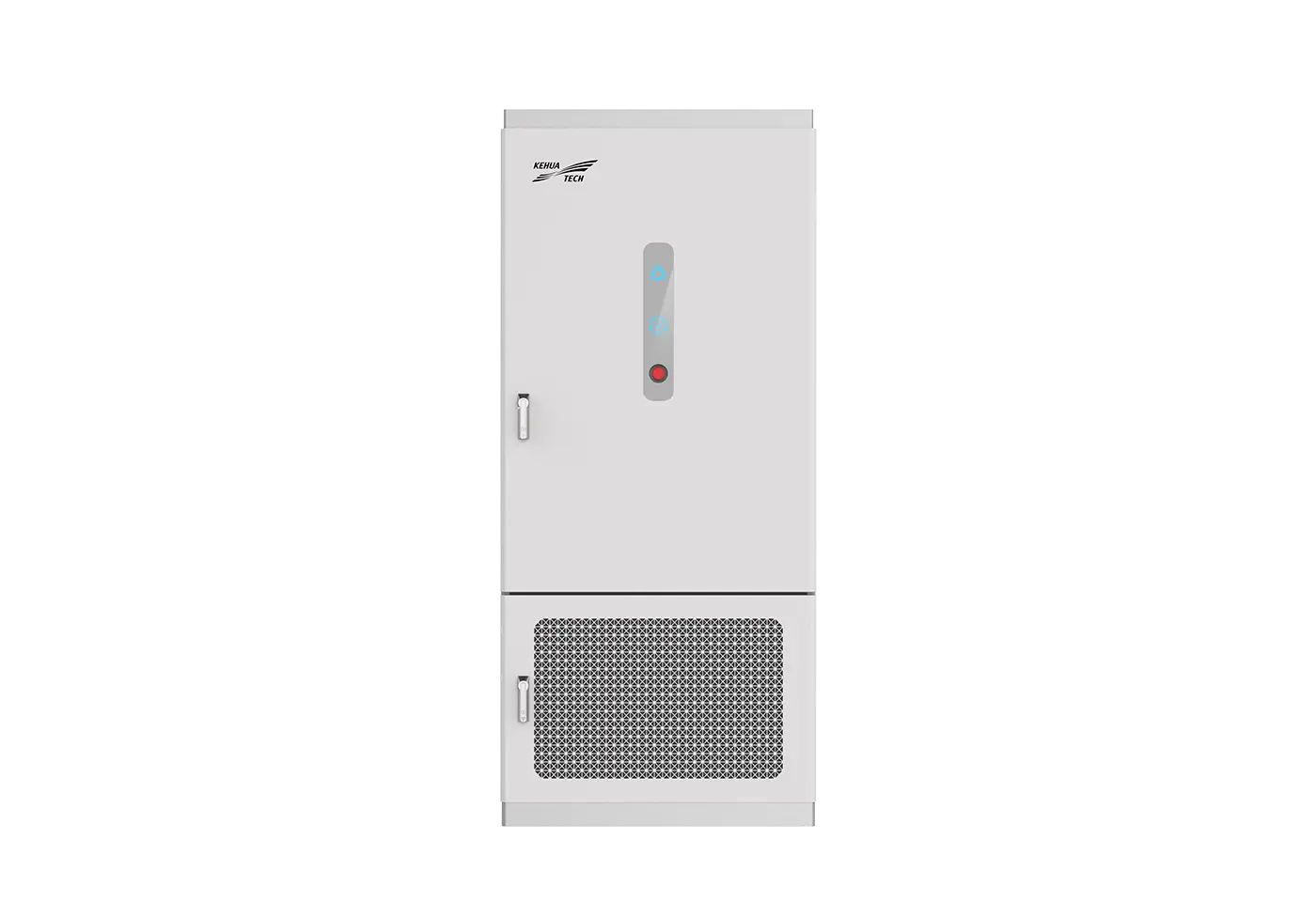


- Electric Bus Charging Upgraded: Fast & Flexible
- Shenzhen Kehua’s 40 kW High-Efficiency SiC Charging Module Achieves CE, CB, and UL Certifications
- Shenzhen Kehua Unveils High-Reliability All-in-One DC Charger for the ASEAN Market
- Shenzhen Kehua’s Scalable Megawatt Power Unit: Pioneering the Next Era of High-Power Charging for Green Mobility
- Growth Opportunities in the EV Charging Industry Amid the Global Transportation Electrification
- The Future of Fleet Charging: Building Efficient and Reliable Charging Infrastructure
All-in-One DC Charger vs Distributed Charging System: Which Is Better for Public Charging Stations?


Content Menu
● Integrated DC Charger: The All-in-One Solution Explained
● Distributed Charging System: How the Power Unit and Dispensers Work Together
● Integrated DC Charger vs Distributed Charging System: Side-by-Side Comparison
● Which Architecture Should You Choose? A Practical Decision Framework
● Why High-Power Charging Infrastructure Is Scaling Up
● Why the Power Module Behind the Cabinet Matters Most
● Choosing the Right Kehua Solution for Your Public Charging Station
Choosing between an integrated DC charger (also known as a standalone DC charger) and a distributed charging system is one of the most consequential decisions a charge point operator makes when planning a public EV charger deployment. The right choice affects installation cost, uptime, scalability, and long-term return on investment. As a global EV charging equipment provider, Shenzhen Kehua Hengsheng Technology Co., Ltd. designs and manufactures both architectures, giving us a first-hand, engineering-level view of where each solution performs best for real-world public charging stations.
This guide breaks down the technical differences, current market data, and decision criteria you need to select the right DC fast charging architecture for your site — plus practical steps for matching hardware to traffic patterns and grid capacity.
Integrated DC Charger: The All-in-One Solution Explained
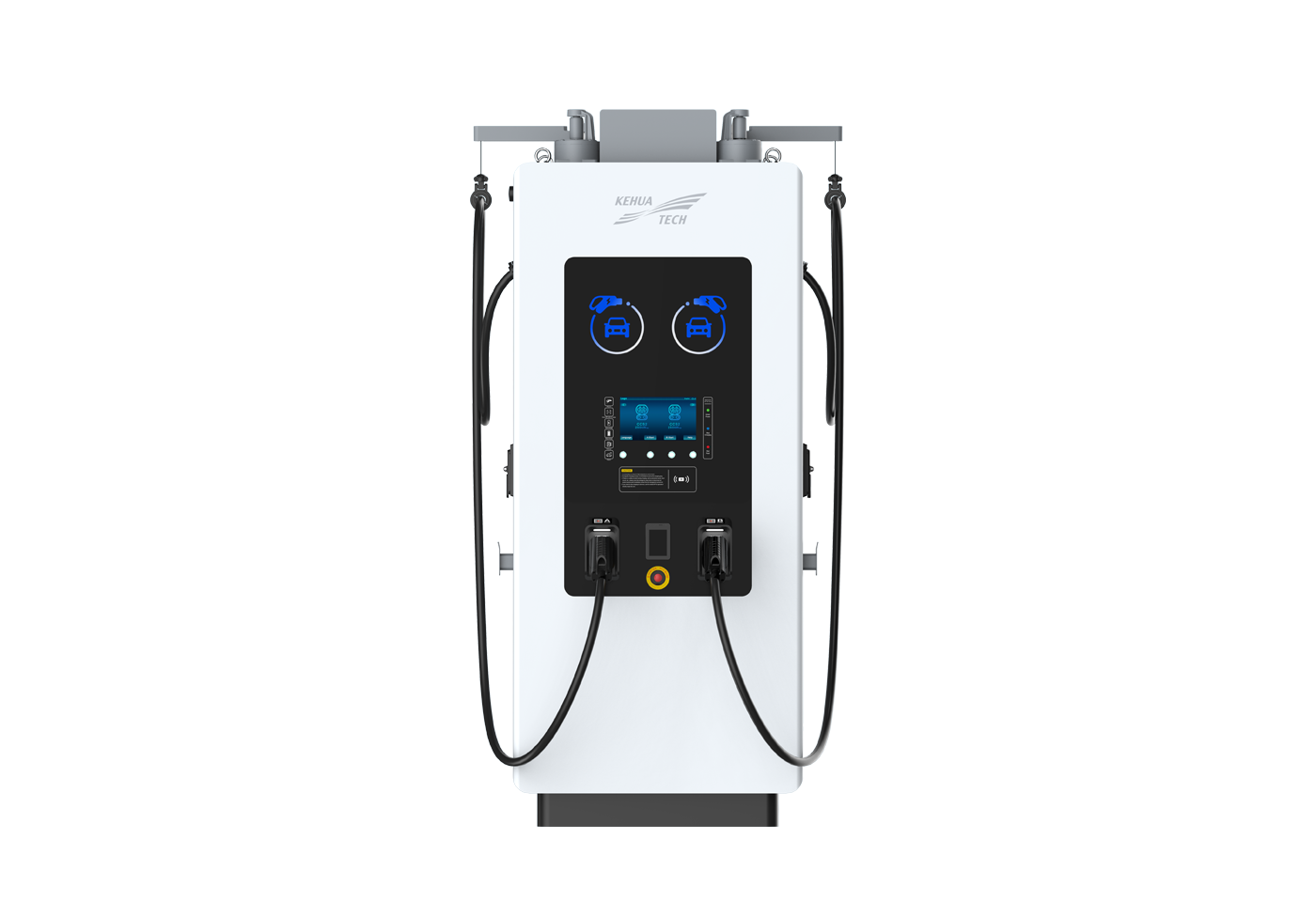
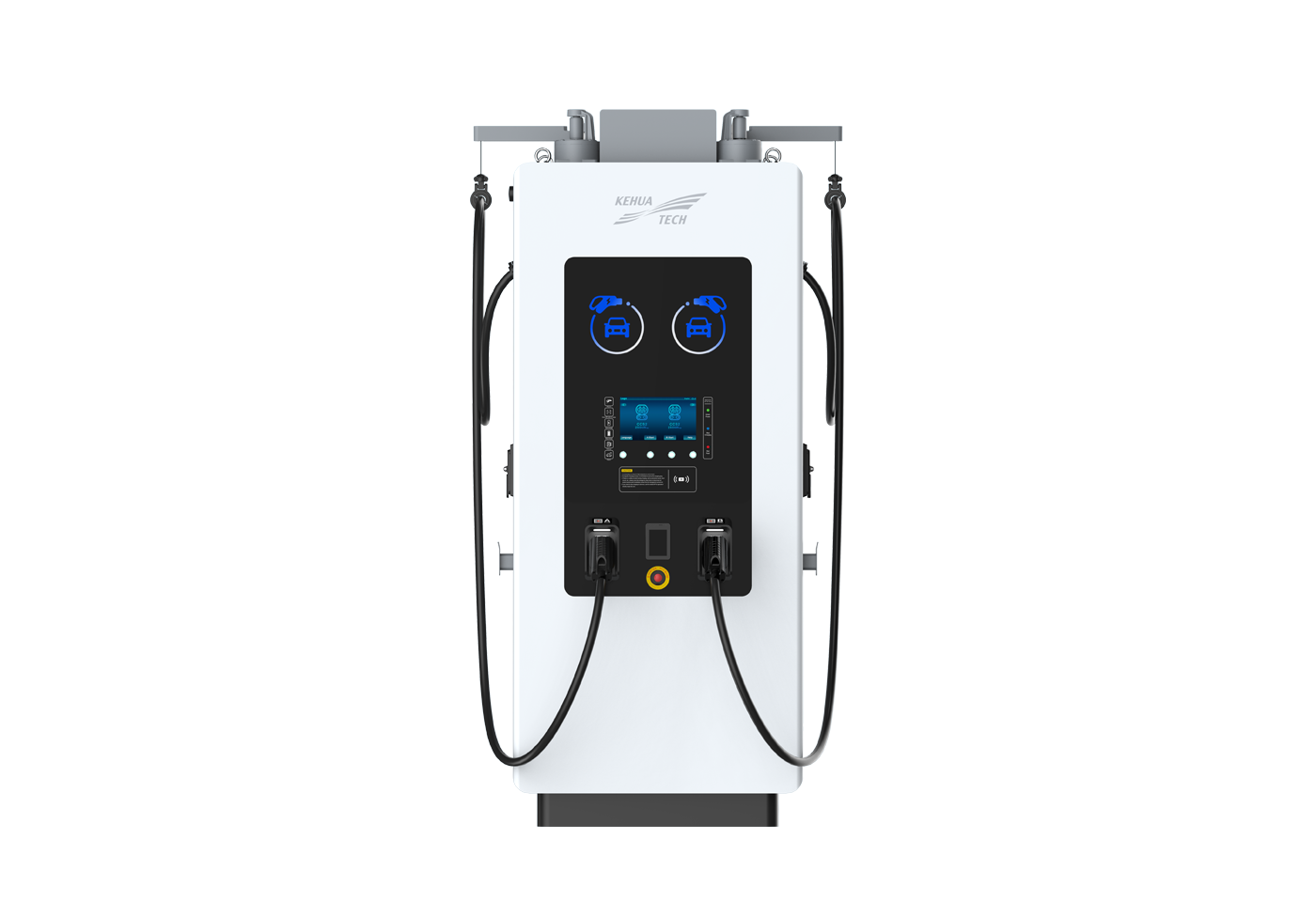
An integrated DC charger, sometimes called a standalone DC charger, houses the power conversion modules, control electronics, and dispenser in a single cabinet. Everything a driver interacts with — the screen, payment interface, and charging cable — is built into one unit that stands on its own footing, with no separate cabinet to wire in.
Key characteristics:
- Self-contained architecture — no separate power unit required
- Faster deployment — a single unit can be installed and commissioned within a compact footprint
- Independent operation — one unit's fault does not affect neighboring chargers
- Lower upfront cost per stall for small to mid-sized sites
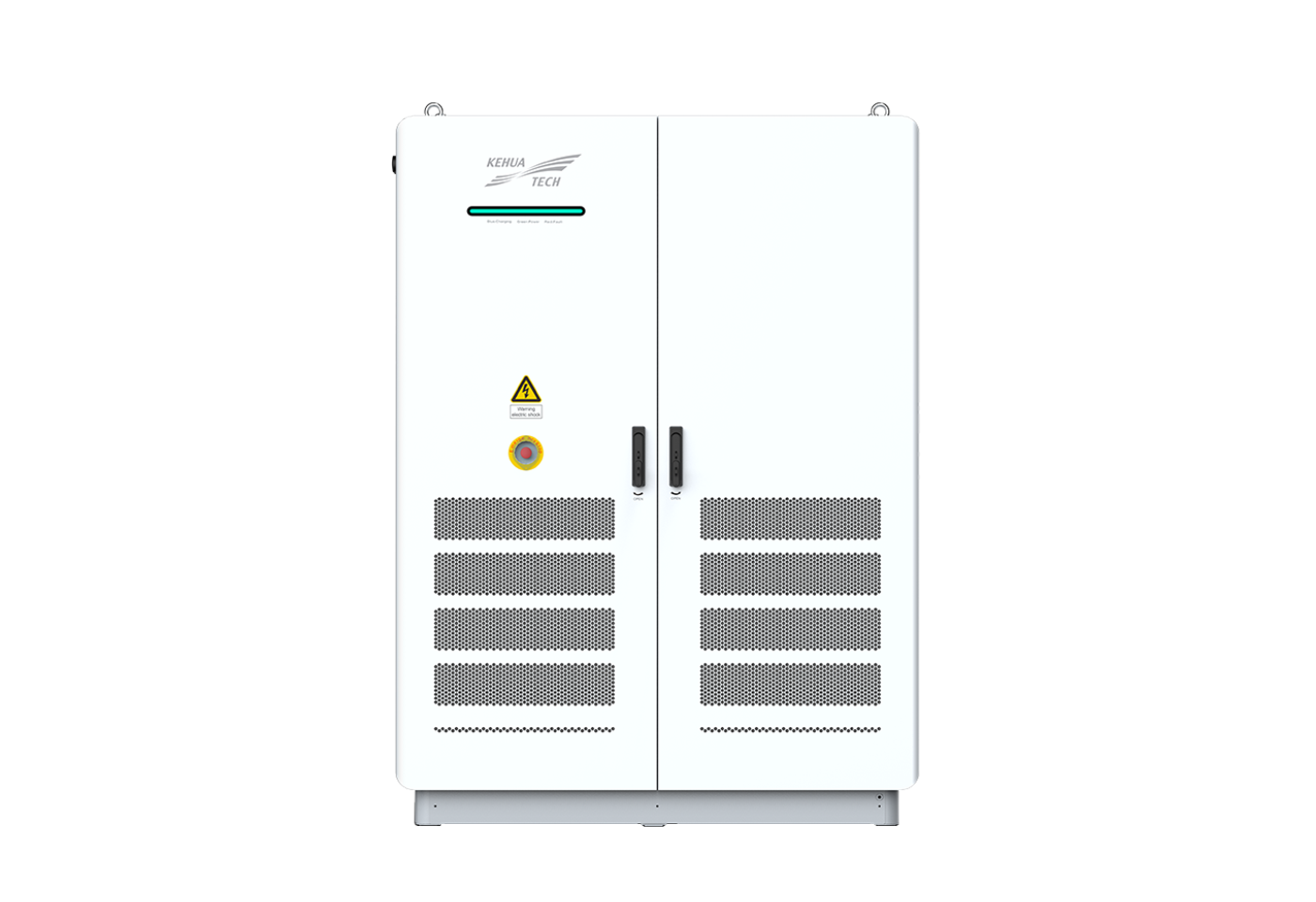
Kehua's standalone DC charger lineup spans 60–180kW and 240–400kW power classes, built around our in-house DC charging modules. Every unit carries an IP55 ingress protection rating, meaning it is dust-protected and resists water jets from any direction — a baseline that matters for unattended outdoor sites exposed to rain, dust, and temperature swings.
Distributed Charging System: How the Power Unit and Dispensers Work Together
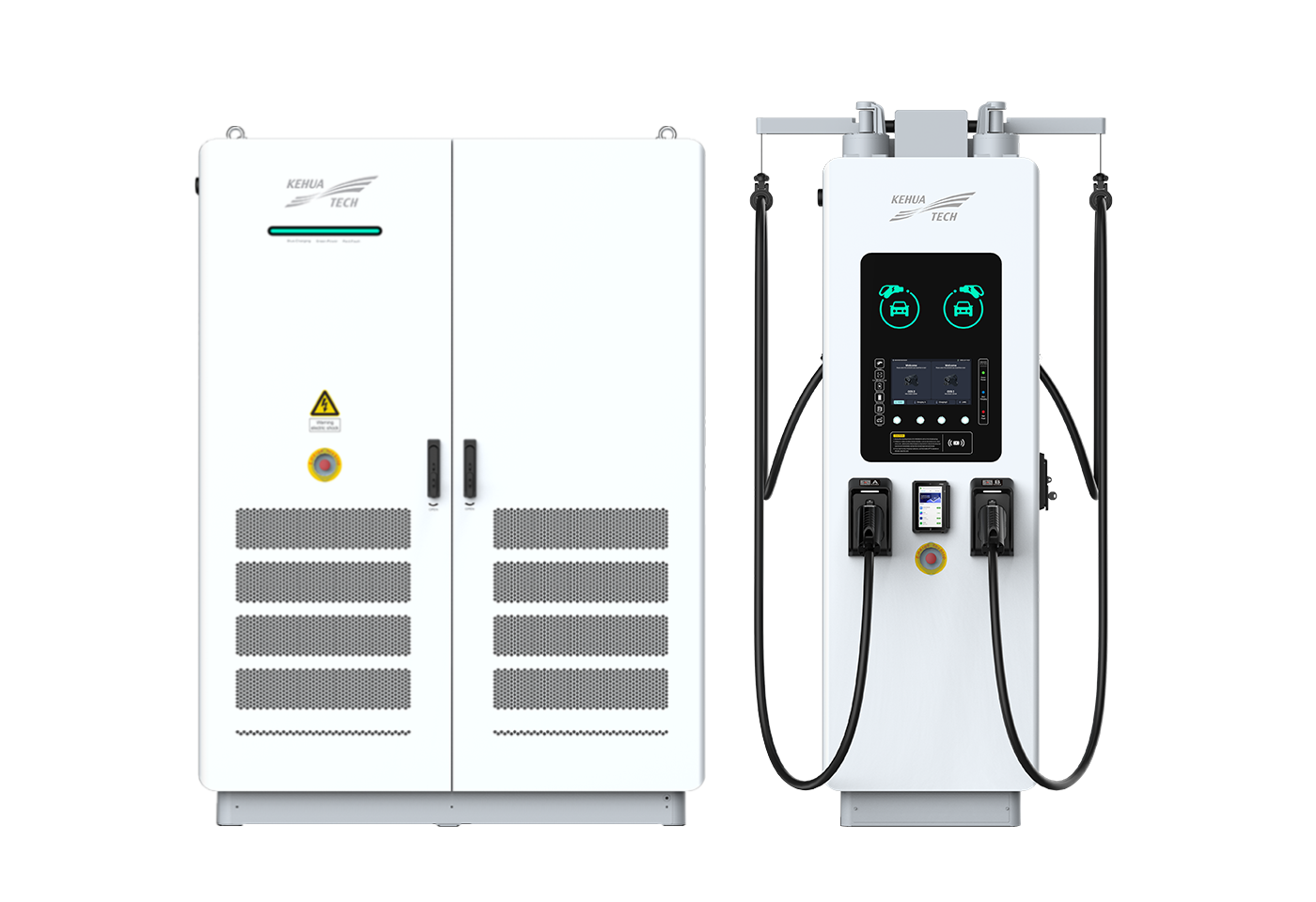
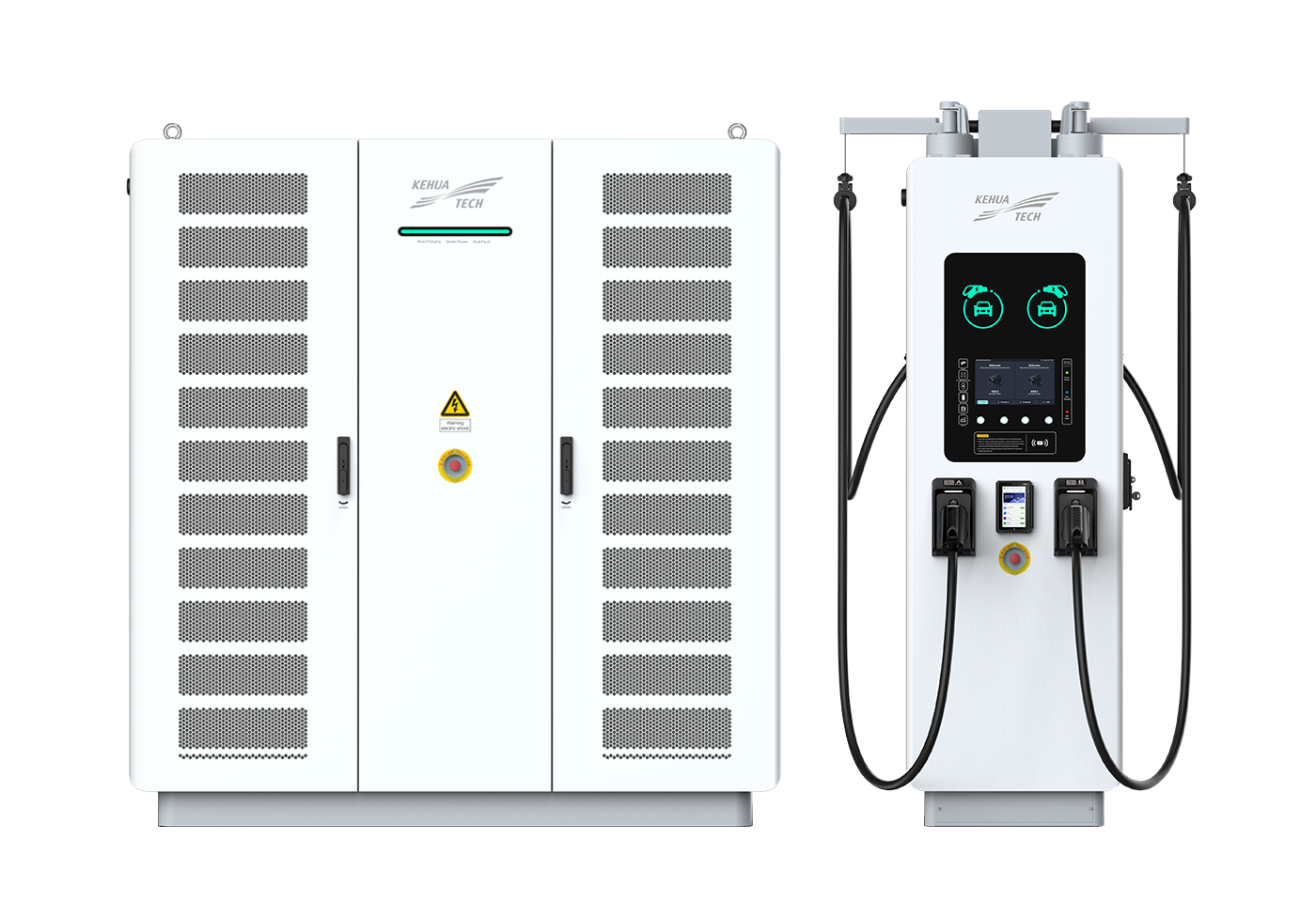
A distributed charging system separates the power conversion hardware from the customer-facing hardware. A centralized power unit converts AC to DC and distributes power over cables to multiple dispensers positioned around the lot. Each dispenser is thinner, lighter, and less expensive than a full integrated cabinet because it carries no power electronics of its own.
Why operators choose this architecture:
- Dynamic power allocation — the power unit shares capacity across active dispensers based on real-time vehicle demand
- Higher per-site power ceiling — suited to bus depots, truck stops, and high-traffic corridor stations
- Space efficiency — dispensers take up less parking footprint than full power unit
- Centralized maintenance — technicians service one power unit rather than many power unit
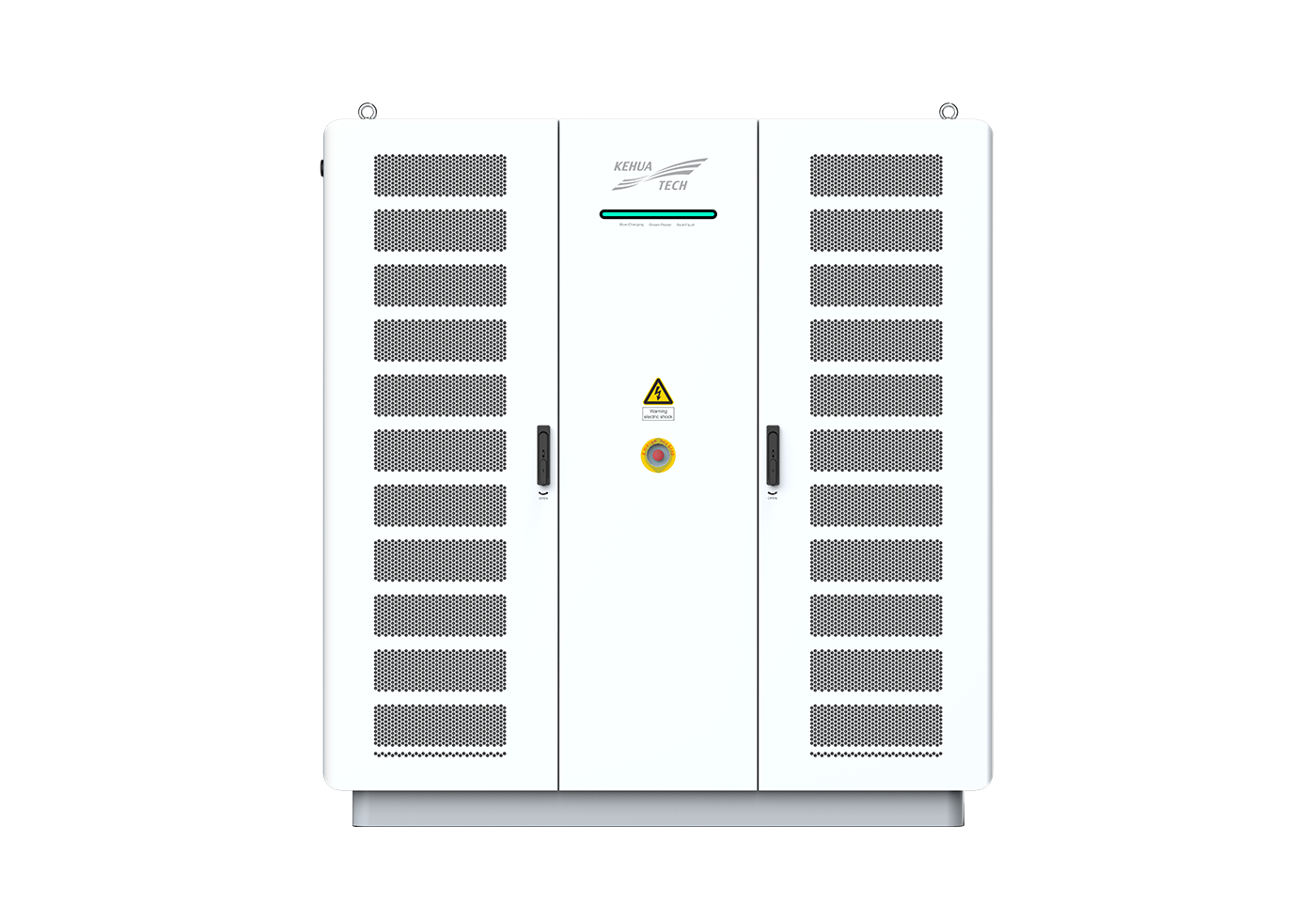
Kehua's distributed charging system portfolio centers on an 800kW power unit, with a 480kW configuration also available for mid-tier sites. The 800kW unit supports a dual-cabinet configuration for sites that need to pair units together, and demonstrates 96.5% peak efficiency in field deployments, maintaining full power output at ambient temperatures up to 50°C while carrying IP55 & C4-H protection for corrosive, coastal, or dusty environments. It also integrates a multi-layer safety architecture with more than 100 protection functions, including in-position module detection to prevent arcing at the connection point. For sites that eventually outgrow even this tier, Kehua's separate megawatt level charging systems (1.2MW and 1.6MW) are purpose-built for the highest-demand truck, bus, and fleet corridors.
Integrated DC Charger vs Distributed Charging System: Side-by-Side Comparison
| Factor | Integrated (Standalone) DC Charger | Distributed Charging System |
|---|---|---|
| Architecture | Power modules + dispenser in one cabinet | Central power unit + separate dispensers |
| Kehua power range | 60–180kW, 240–400kW | 480kW, 800kW |
| Best site size | Small to mid-size public stations, retail lots | High-traffic corridors, bus/truck depots, hubs |
| Scalability | Add more standalone units | Add dispensers to existing power unit |
| Footprint per charging point | Larger (full cabinet per stall) | Smaller (slim dispenser per stall) |
| Fault isolation | Each unit fails independently | Power unit fault can affect connected dispensers unless redundancy is designed in |
| Typical deployment speed | Fastest — plug-and-play per unit | Longer — requires power unit sizing and cable routing design |
| Long-term power flexibility | Fixed per unit | Dynamic allocation across all connected dispensers |
| IP protection (Kehua) | IP55 & C4-H | IP55 & C4-H |
Which Architecture Should You Choose? A Practical Decision Framework
Rather than picking one universal "winner," public charging station operators should match the architecture to the site profile. Use this checklist before finalizing your design:
1. Estimate peak concurrent demand. If more than six to eight vehicles will charge simultaneously during busy hours, a distributed charging system's dynamic power sharing typically delivers better utilization than an equivalent number of standalone units.
2. Map your growth timeline. Sites expecting to add charging points within two to three years benefit from a distributed charging system's power unit, since expansion means adding a dispenser rather than a full power cabinet.
3. Check available grid capacity and space. Constrained urban lots with limited parking footprint favor slim dispensers fed by a shared power unit.
4. Factor in your vehicle mix. Fleet depots and truck corridors with high, sustained loads suit the 480kW–800kW distributed tier; retail lots and highway-service stations serving mostly passenger EVs often fit comfortably within the 60–400kW standalone range.
5. Weigh available maintenance resources. Sites with limited on-call technician coverage benefit from a distributed system's centralized power unit, since one location handles most servicing tasks.
Why High-Power Charging Infrastructure Is Scaling Up
Public charging demand is accelerating faster than most five-year forecasts anticipated. The global electric vehicle charging infrastructure market was valued at approximately USD 40.2 billion in 2025 and is projected to grow to USD 238.8 billion by 2033, a compound annual growth rate near 25% . Within that market, the DC fast charging segment alone is expected to expand from USD 9.6 billion in 2025 to USD 51.6 billion by 2033 .
This growth is shifting toward higher power tiers. Industry tracking shows the share of newly deployed 250kW-and-above DC fast chargers in the US rose sharply from 24% to 38% of new installations within a single year . Over the same period, more than 18,000 new DC fast-charging ports came online in the US alone — a roughly 30% year-over-year increase, pushing the national port count past 70,000 . These figures reinforce a clear pattern: as fleets, buses, and long-range passenger EVs multiply at public charging stations, operators increasingly need architectures — like distributed charging systems — that scale beyond a single cabinet's fixed capacity, without rebuilding the entire site from scratch.
Why the Power Module Behind the Cabinet Matters Most
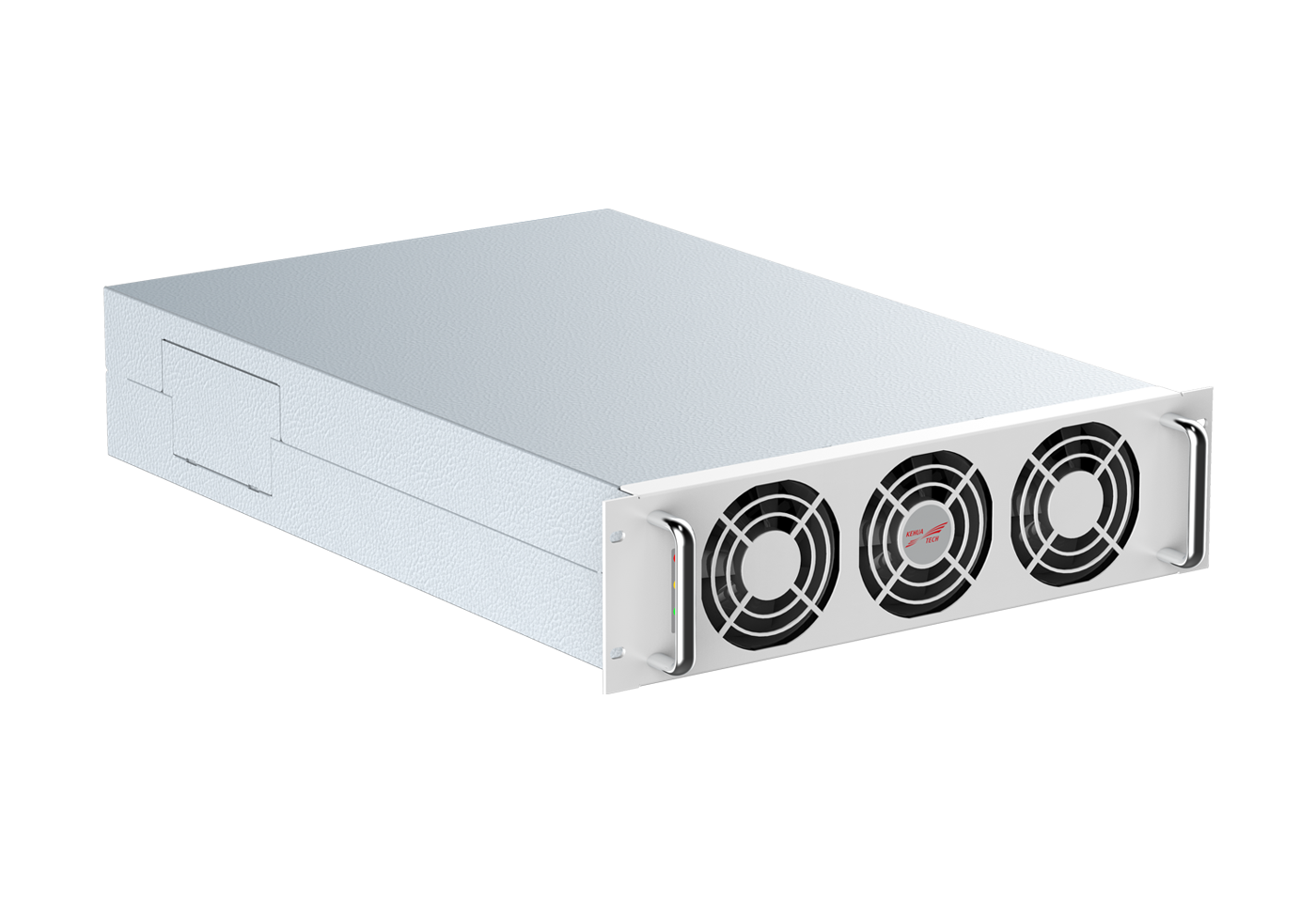
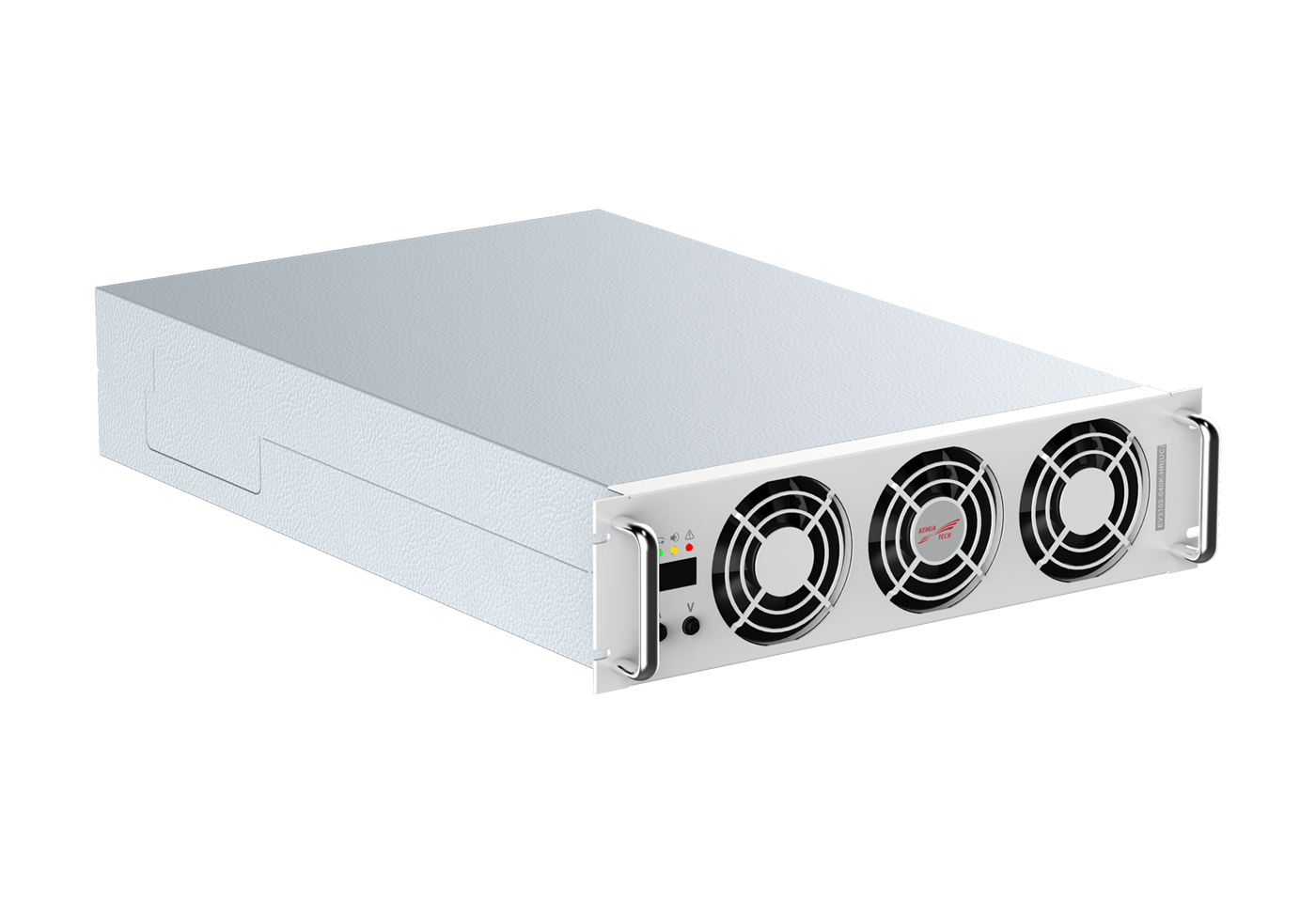
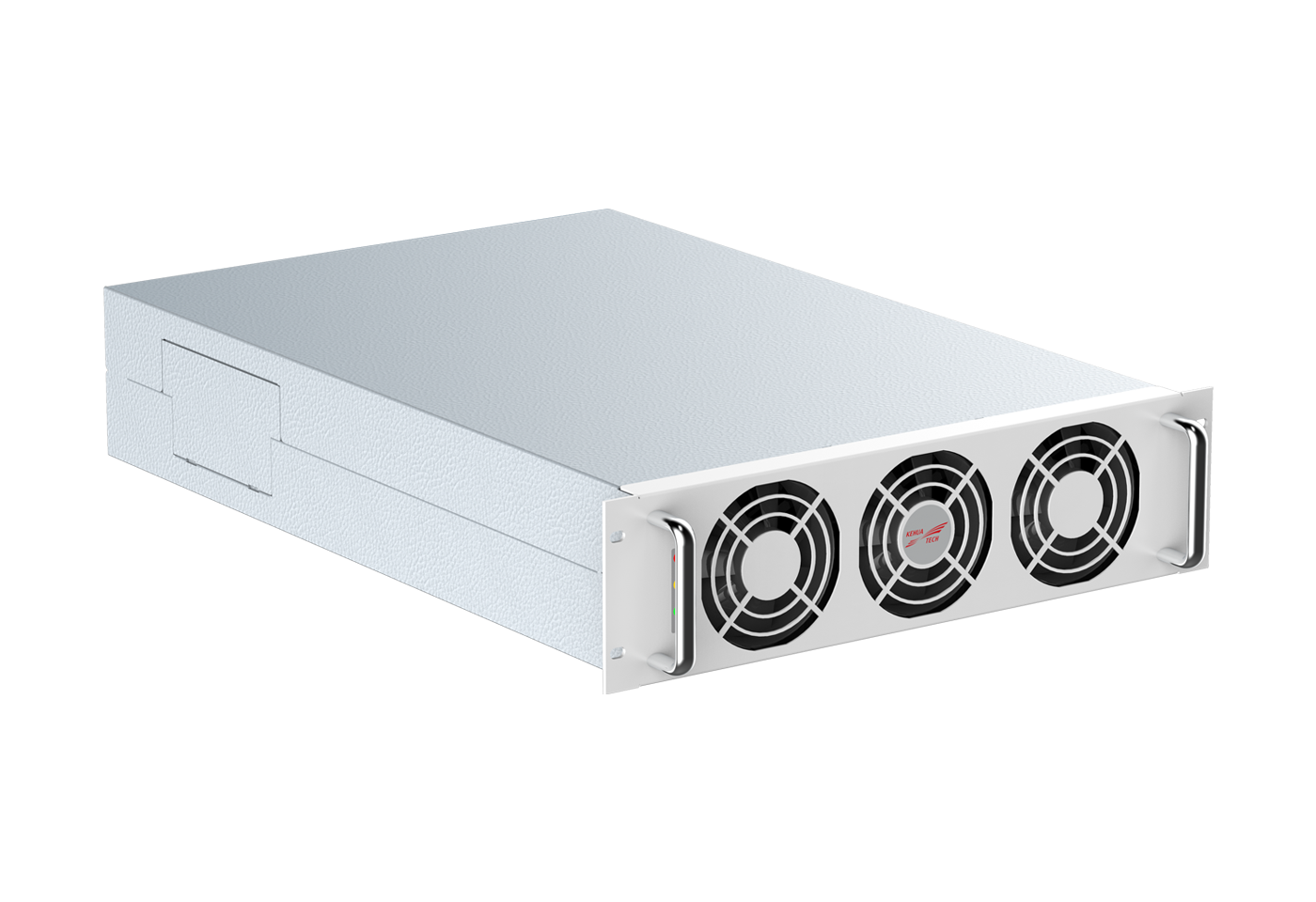
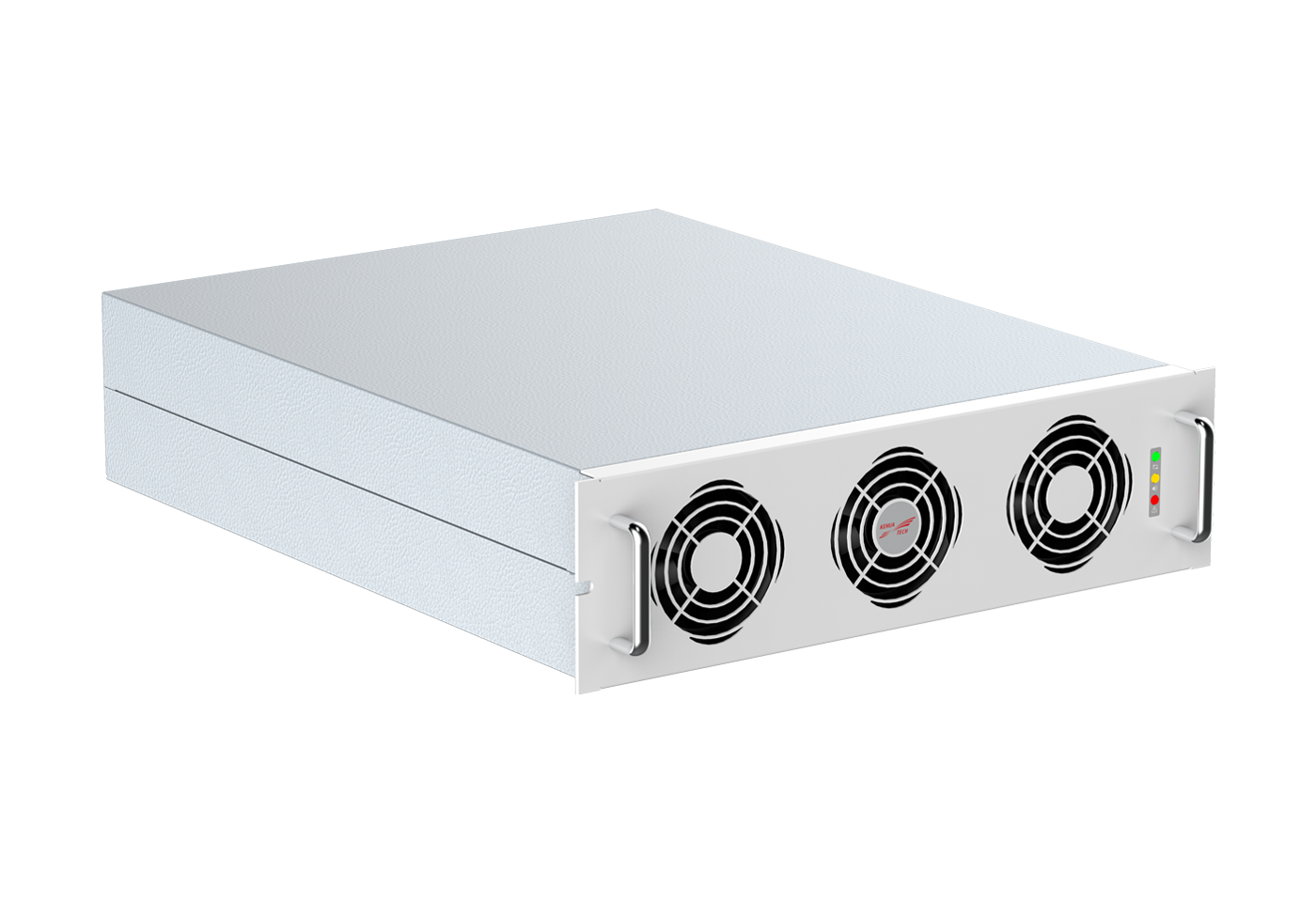
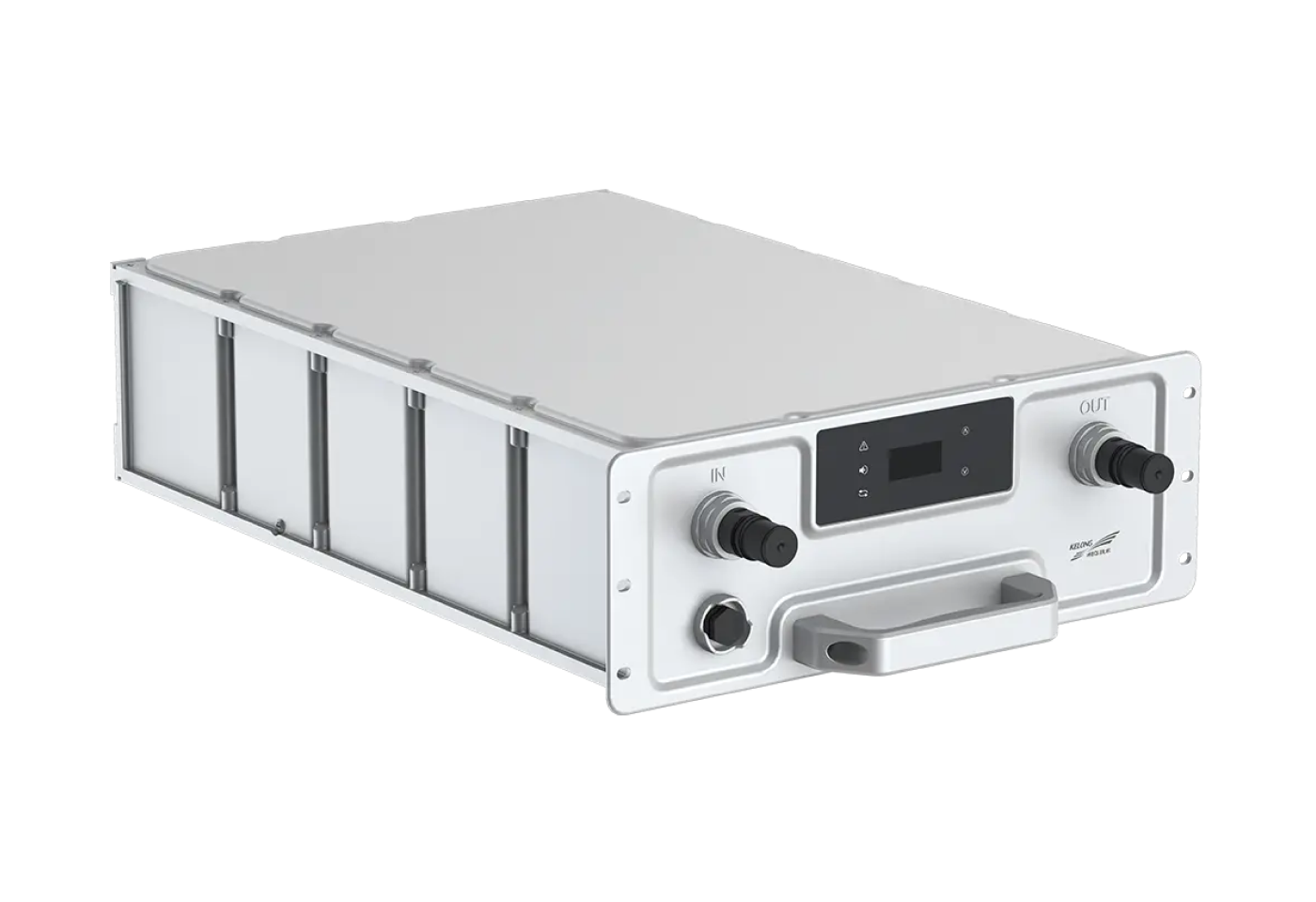
Regardless of which architecture you choose, the charging module inside the power unit or cabinet is what determines real-world reliability and running cost. Kehua's 40kW silicon carbide (SiC) charging module — the core building block behind both our standalone DC chargers and distributed charging systems — achieves a peak efficiency of 97%, with an operating temperature range of -40°C to 75°C and standby power consumption below 7.5W.
This aligns with broader industry benchmarks: SiC-based power stages in DC fast charging equipment commonly reach peak efficiencies around 97%, thanks to lower switching losses compared with legacy silicon designs . Higher module efficiency translates directly into lower electricity waste and heat generation across every dispenser the module ultimately powers — whether that module sits inside a compact standalone cabinet serving one parking stall or a shared power unit feeding eight dispensers across an entire lot. For operators comparing total cost of ownership, this efficiency gap compounds significantly across a multi-year charger lifecycle.
Choosing the Right Kehua Solution for Your Public Charging Station
Kehua supplies the full stack needed to build either architecture, so operators are not locked into a single hardware philosophy across their network:
- DC charging modules — the SiC-based building block for both product lines
- Integrated (standalone) DC chargers — 60–180kW and 240–400kW classes
- Distributed charging systems — 480kW and 800kW power units
- Megawatt level charging systems — 1.2MW and 1.6MW, for the highest-demand truck, bus, and fleet corridors
If your public charging station is still in the planning stage, our engineering team can model both architectures against your site's traffic pattern, grid capacity, and growth plan before you commit capital. Contact Kehua's technical team today to request a site-specific charging architecture assessment.
Frequently Asked Questions
1. What is the main difference between an integrated DC charger and a distributed charging system?
An integrated (standalone) DC charger combines the power modules and dispenser in one cabinet, while a distributed charging system uses a separate central power unit that feeds power to multiple dispensers positioned around the site.
2. Is a distributed charging system more efficient than a standalone DC charger?
Efficiency depends primarily on the charging modules used inside each system, not the architecture itself. Kehua's distributed charging system reaches 96.5% peak system efficiency, while the 40kW SiC module used across both product lines reaches 97% peak efficiency.
3. Which architecture is better for a small retail parking lot?
For sites with limited concurrent demand, an integrated DC charger in the 60–180kW or 240–400kW range is typically faster to install and more cost-effective per stall than a full distributed setup.
4. Can a distributed charging system be expanded after installation?
Yes. Kehua's distributed charging system supports flexible expansion by adding dispensers to an existing power unit, and sites that outgrow the 480kW–800kW tier can move up to Kehua's dedicated megawatt level charging systems (1.2MW–1.6MW).
5. What IP rating should a public EV charger have?
An IP55 rating, which protects against dust ingress and resists water jets from any direction, is a widely recommended minimum for outdoor public charging equipment. Kehua's standalone DC chargers and distributed charging systems both carry IP55 protection.
6. Does a distributed charging system need more space than standalone units?
Generally no — dispensers in a distributed system have a smaller footprint per charging point than full power unit, since the power electronics are centralized in the shared power unit rather than duplicated at each stall.
References
- Phihong. "IP55, NEMA 3R, and IK Ratings for EV Fast Chargers." [phihong.com] [phihong]
- PR Newswire. "From 800kW Distributed Systems to PV-ESS Integration: Kehua Showcases Next-Gen Charging Innovation at Power2Drive Europe 2026." [prnewswire.com] [prnewswire]
- ChargedEVs. "Shenzhen Kehua Unveils High-Efficiency 40 kW SiC Charging Module." [chargedevs.com] [chargedevs]
- Wolfspeed. "SiC Power for Fast Charging." [wolfspeed.com]
- Grand View Research. "Electric Vehicle Charging Infrastructure Market Report, 2033." [grandviewresearch.com]
- Grand View Research. "DC Fast Charging Market Size, Share | Industry Report, 2033." [grandviewresearch.com]
- Paren. "US EV Fast Charging — Q2 2025." [paren.app]
- EV Connect. "Latest EV Charging Report Highlights Industry Growth in 2025." [evconnect.com]
Hot Tags: Integrated DC Charger, Standalone DC Charger, Distributed Charging System, Public Charging Stations, DC Fast Charging, EV Charger, DC Charging Modules, Power Unit, Megawatt Charging System, Silicon Carbide Charging Module

