



- Electric Bus Charging Upgraded: Fast & Flexible
- Shenzhen Kehua’s 40 kW High-Efficiency SiC Charging Module Achieves CE, CB, and UL Certifications
- Shenzhen Kehua Unveils High-Reliability All-in-One DC Charger for the ASEAN Market
- Shenzhen Kehua’s Scalable Megawatt Power Unit: Pioneering the Next Era of High-Power Charging for Green Mobility
- Growth Opportunities in the EV Charging Industry Amid the Global Transportation Electrification
- The Future of Fleet Charging: Building Efficient and Reliable Charging Infrastructure
Why Choose Kehua EV Charger for Commercial Charging Projects?


Content Menu
● A Manufacturer With Three Decades of Power Electronics Experience
● Kehua's Commercial EV Charger Product Portfolio
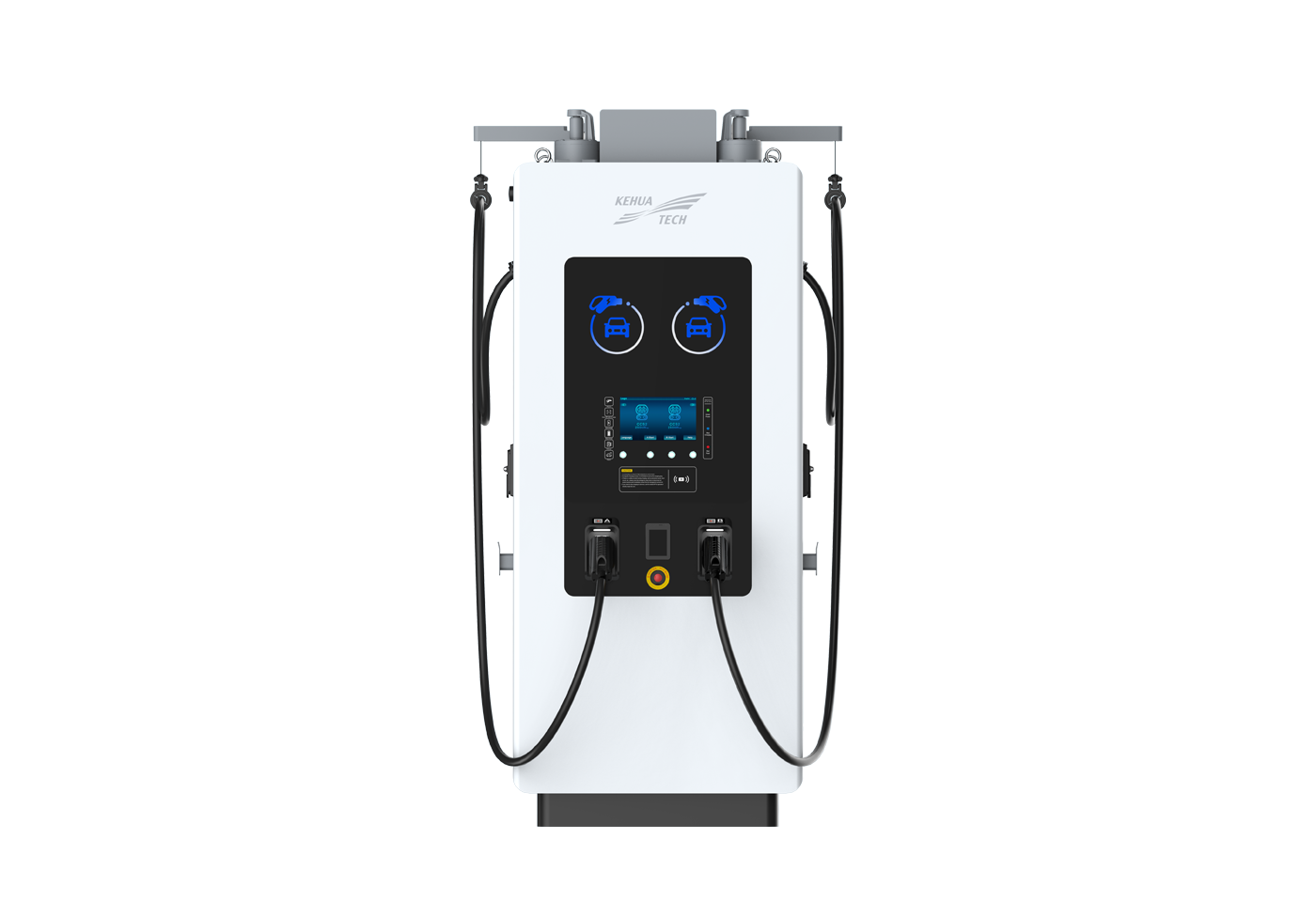
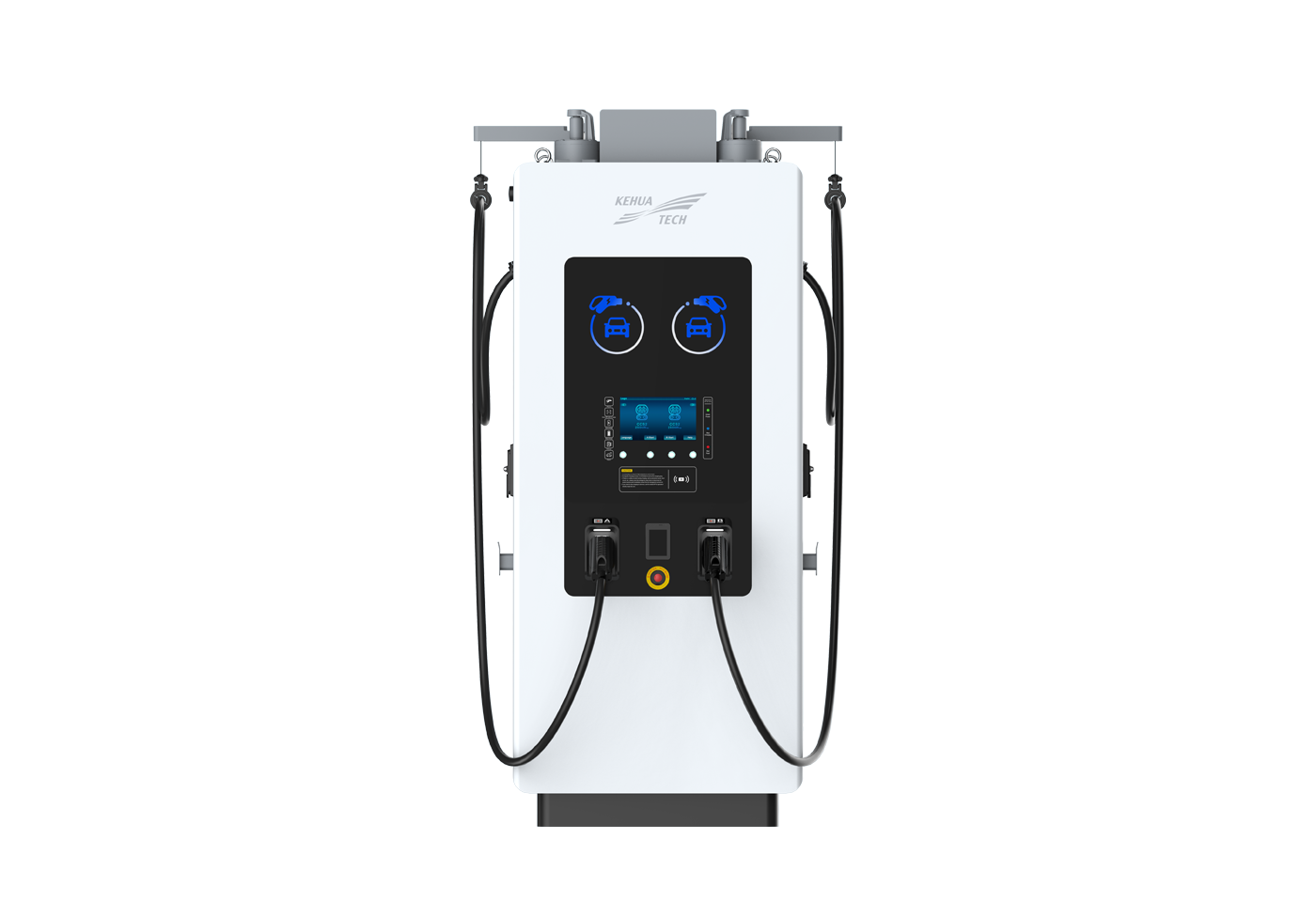
>> Integrated DC Chargers for Fast, Space-Efficient Deployment
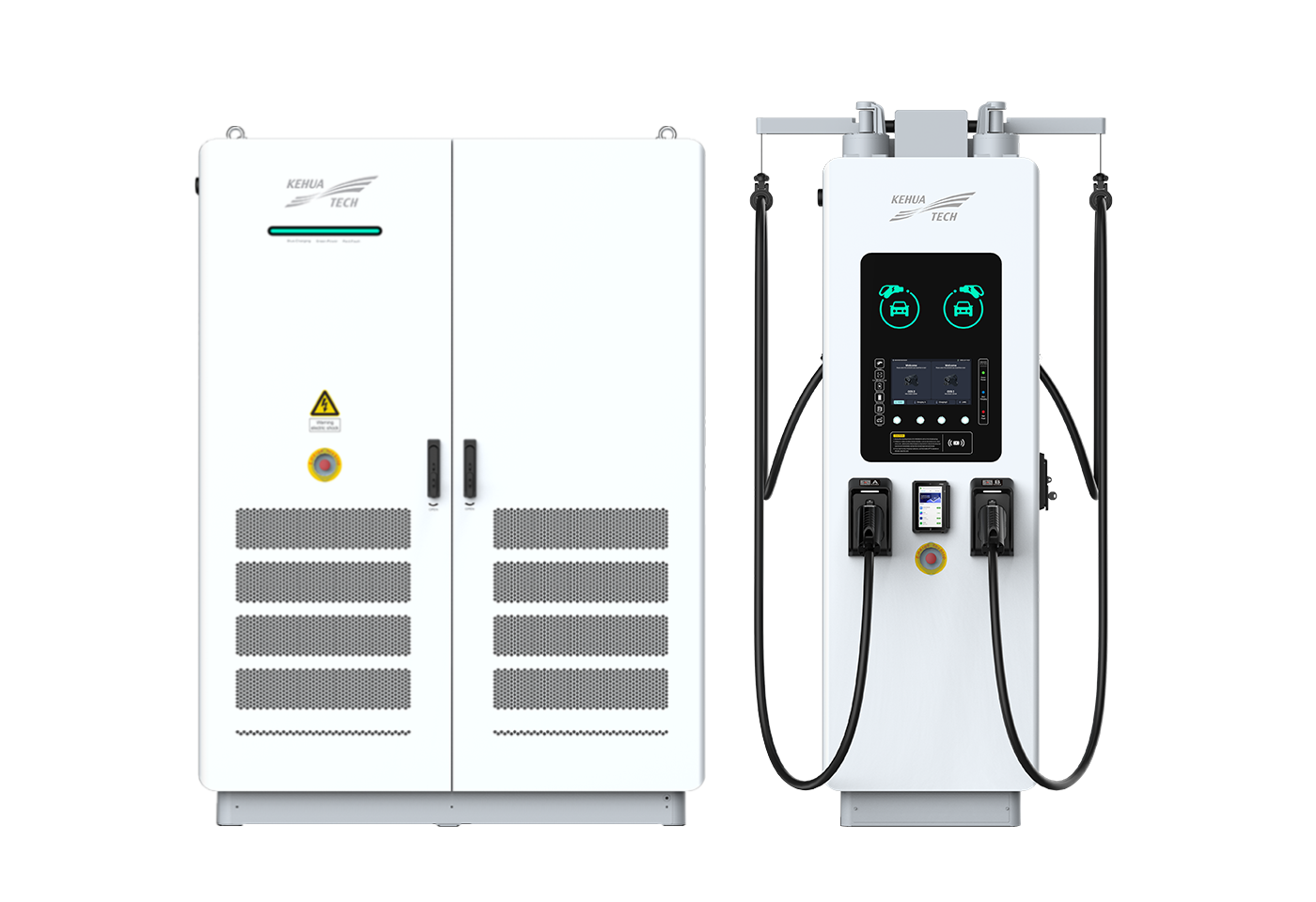
>> Distributed Charging Systems for High-Utilization Sites
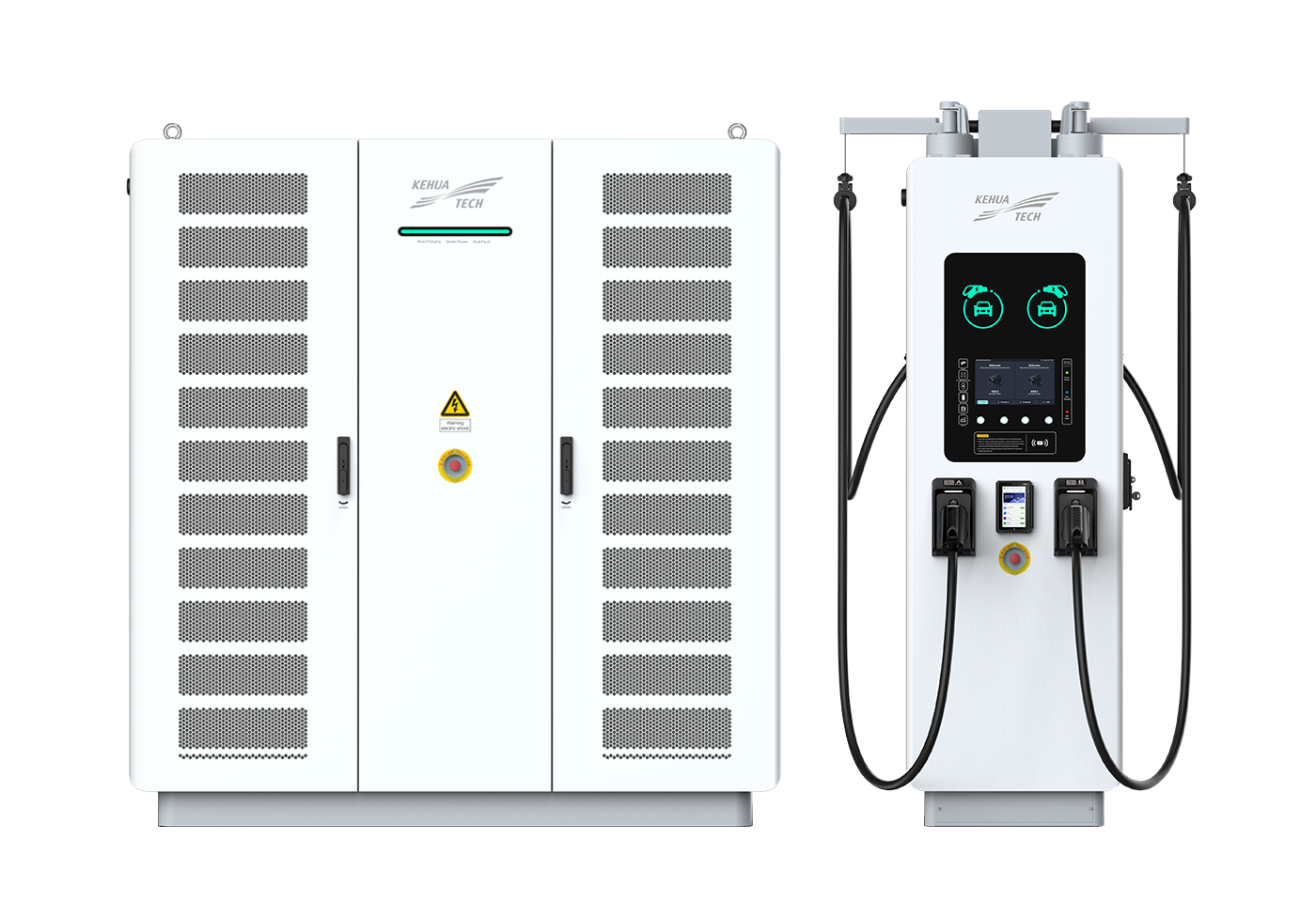
>> Megawatt-Level Charging for Heavy-Duty Fleets
● Engineering Advantages Behind Every Kehua EV Charger
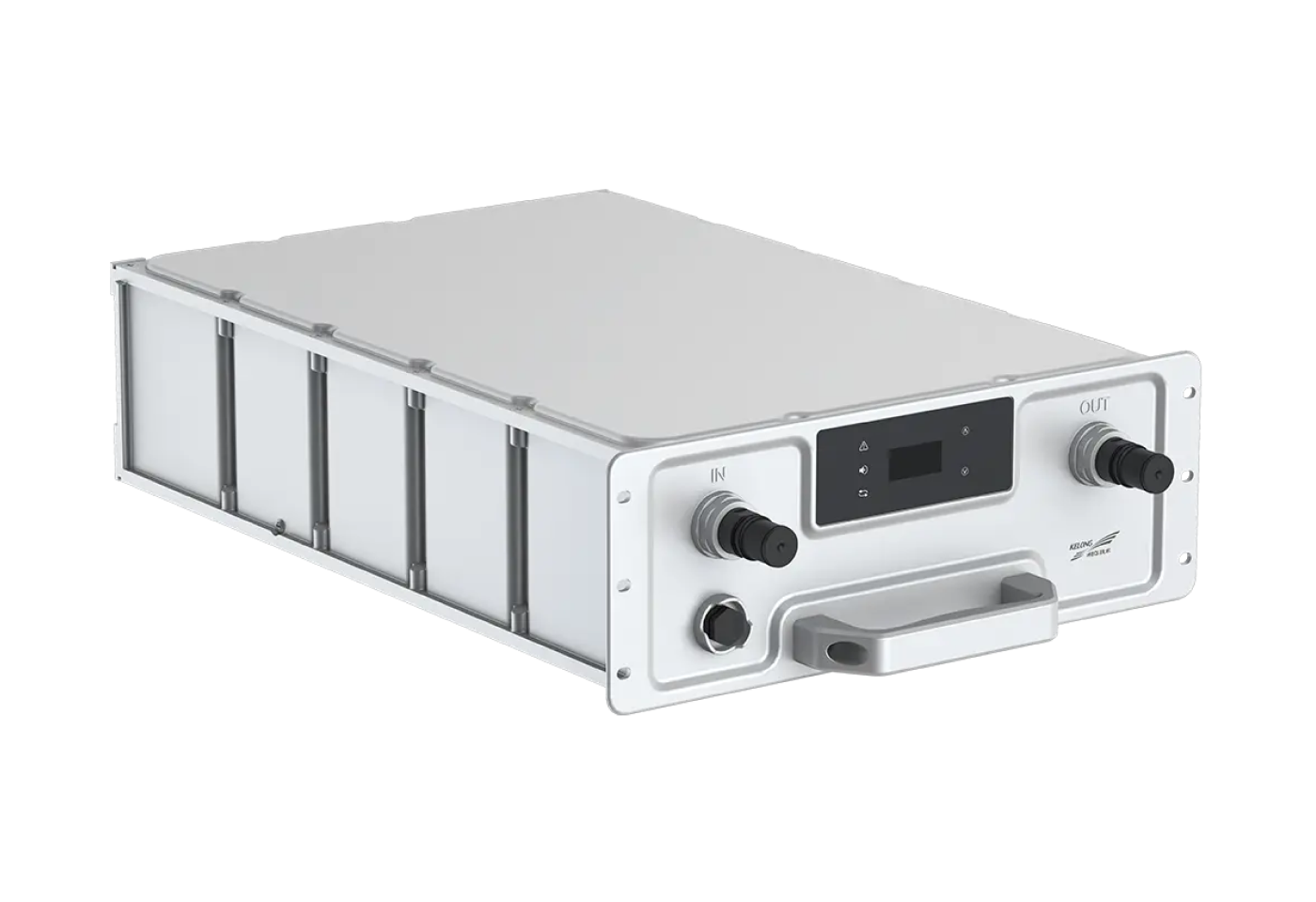
>> 97% Peak Efficiency From the 40kW SiC Power Module
>> IP55 Protection Built for Outdoor Commercial Sites
>> Certified for Cross-Border Commercial Deployment
● Market Momentum and Field Evidence
● How to Evaluate an EV Charger Supplier for a Commercial Project
● Start Your Commercial Charging Project With a Proven Partner
Selecting the right EV charger for a commercial site is not just a hardware decision — it's an infrastructure investment that determines uptime, return on investment, and long-term operating cost. For fleet operators, highway station developers, and public charging network builders, Shenzhen Kehua Hengsheng Technology Co., Ltd. (" Kehua ") has become a recurring reference point in commercial EV charger sourcing decisions. This article breaks down what actually separates a dependable commercial charging project partner from a commodity hardware vendor, using Kehua's product architecture, efficiency data, and field-tested reliability as the reference case.
A Manufacturer With Three Decades of Power Electronics Experience
Kehua is not a charging-only startup. The company draws on 37 years of power electronics expertise within Kehua Group, a business listed on the Shenzhen A-share market since 2010. That legacy matters because DC charging modules — the power-conversion core of every fast charger — are fundamentally power electronics products, not IT hardware, and the engineering discipline required to build them reliably takes years to develop.
Three data points explain why commercial buyers treat Kehua as a comparatively low-risk supplier:
- 300,000-plus charging equipments already deployed in the field, spanning highway corridors, fleet depots, and urban public charging networks
- Recognized as a National-Level SRDI "Little Giant" Enterprise and a National High-Tech Enterprise, designations China reserves for companies with proven, specialized technical depth

Kehua's Commercial EV Charger Product Portfolio
A commercial charging project rarely needs just one product. Site power availability, vehicle mix, and dwell time all dictate which architecture fits. Kehua's current commercial lineup covers four categories:
| Product Category | Power Range | Best-Fit Application | Core Configuration |
|---|---|---|---|
| DC charging modules | Modular (e.g., 40kW SiC unit) | Retrofits, custom cabinet builds, OEM integration | Power-conversion module only |
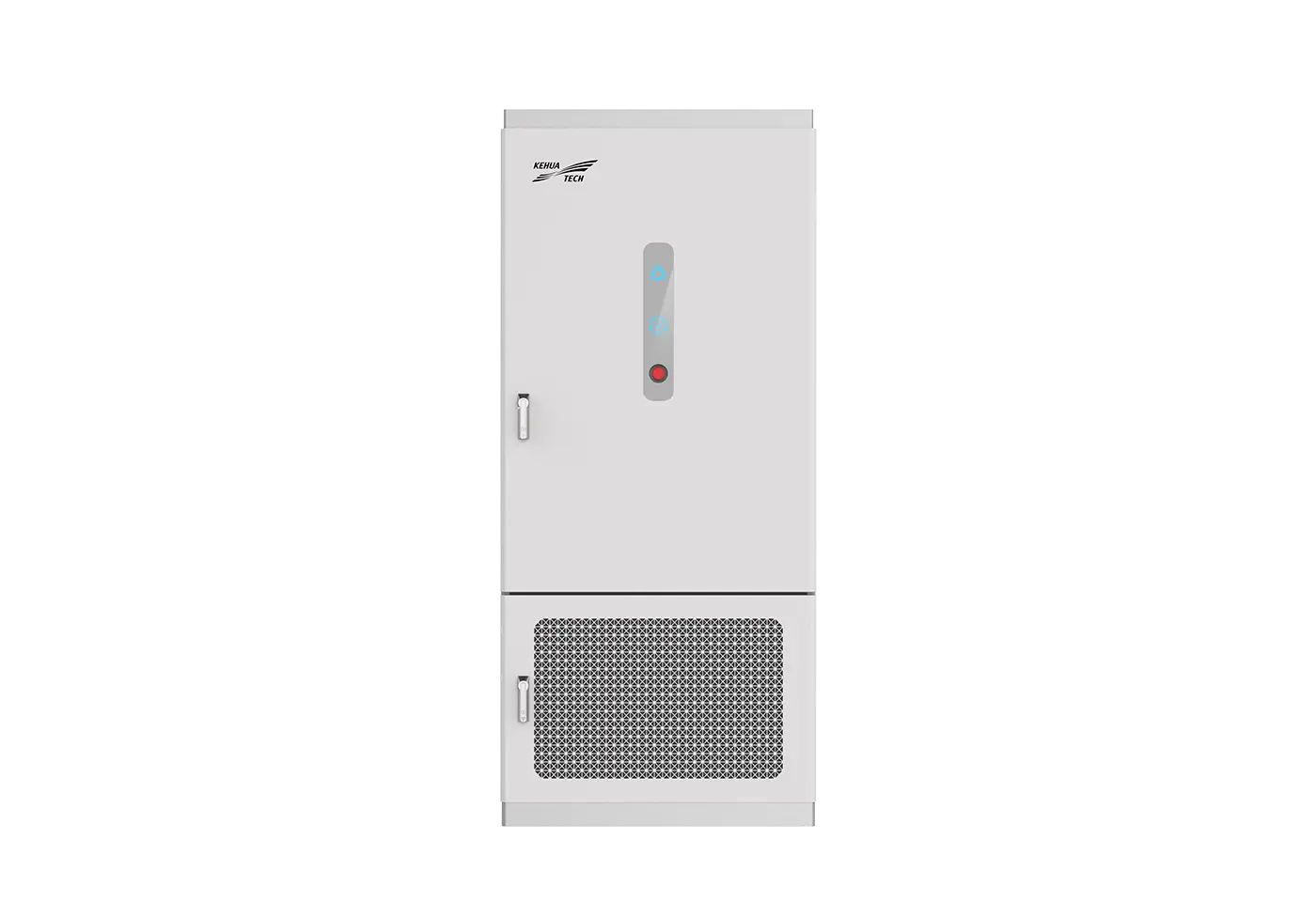
| Integrated DC charger (standalone DC charger) | 60–180kW / 240–400kW | Urban public charging, retail, quick-turnover fleet stops | All-in-one cabinet plus dispenser |
| Distributed charging system | 480kW / 800kW | High-traffic hubs, multi-bay depots | Central power unit feeding multiple dispensers |
| Megawatt-level charging system | 1.2MW / 1.6MW | Heavy-duty electric truck and bus fleets | Multi-power-unit architecture for ultra-fast turnaround |
Integrated DC Chargers for Fast, Space-Efficient Deployment
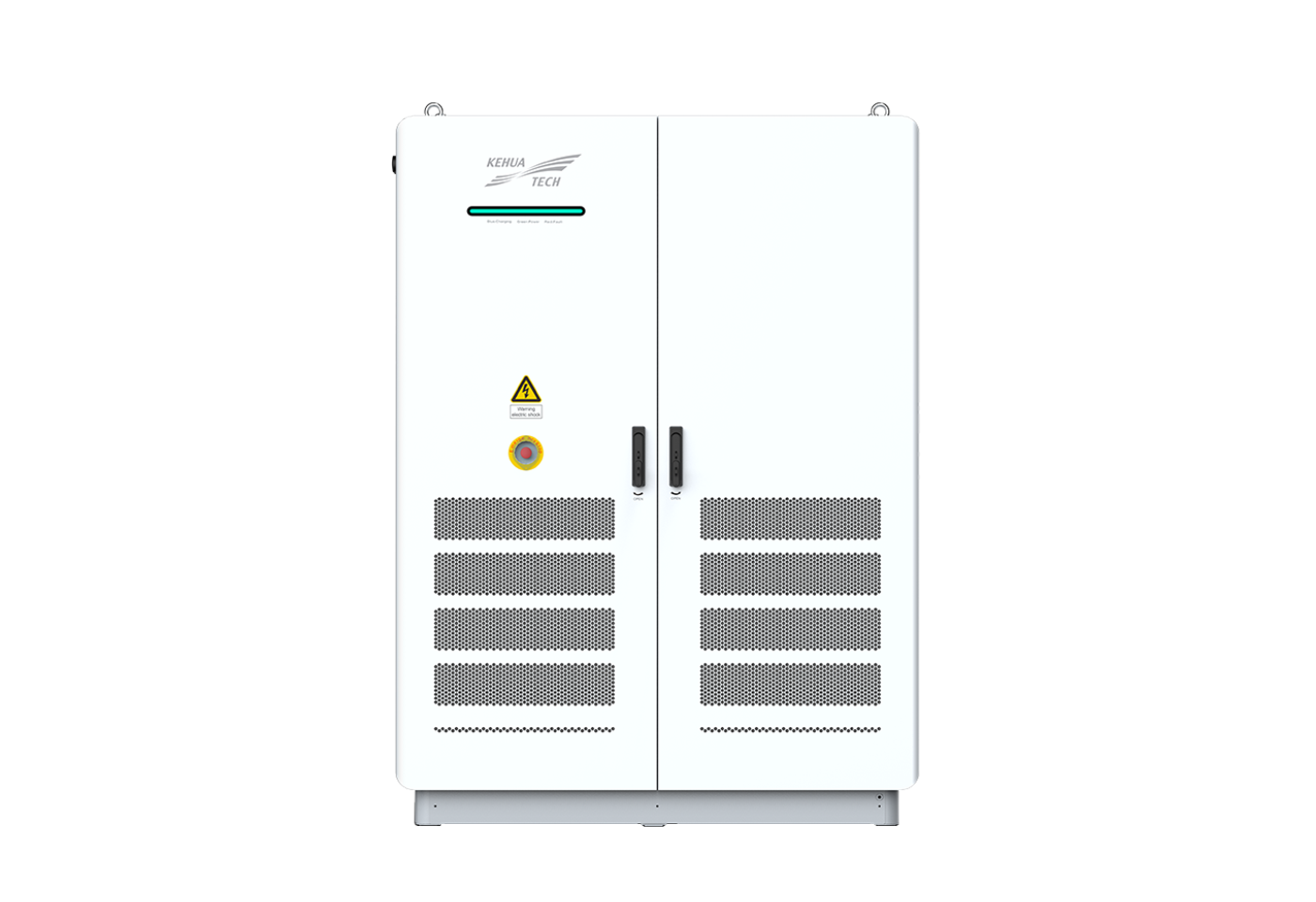
An integrated DC charger (also called a standalone DC charger) houses the power electronics and the dispenser in a single cabinet. Kehua offers this format in 60–180kW and 240–400kW ranges, positioned for sites where footprint, installation speed, and predictable per-unit output matter more than dynamic load-sharing. Industry analysis generally frames standalone architecture as the faster path to deployment for small-to-medium station counts, since each unit operates independently and a single fault does not take down a whole row of dispensers.
Distributed Charging Systems for High-Utilization Sites
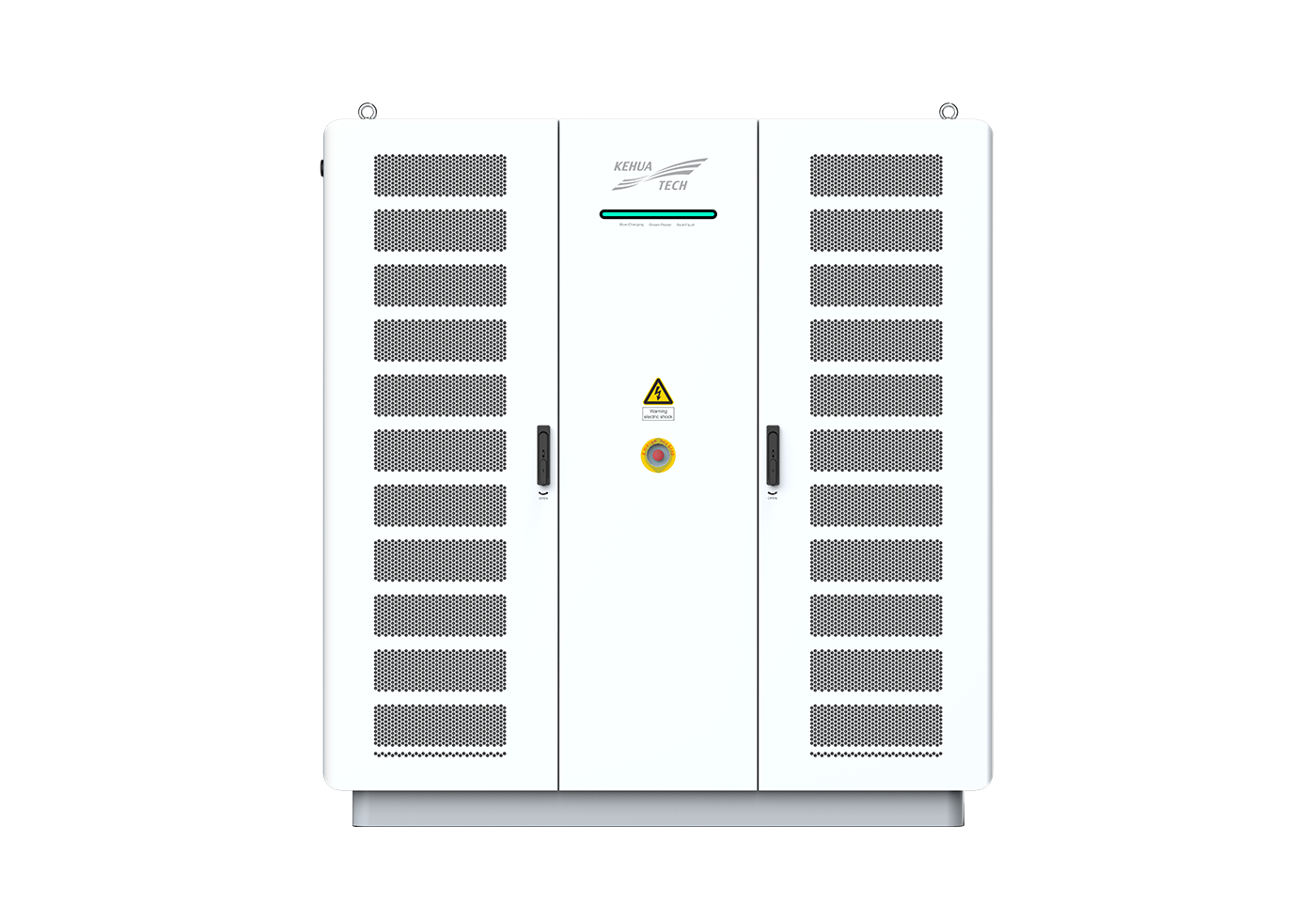
A distributed charging system separates the power unit from the charging dispensers, letting one shared power pool feed multiple bays. Kehua's distributed architecture is available at 480kW and 800kW power pool levels, aimed at sites where vehicle arrival is unpredictable and dynamic power allocation across bays improves overall bay utilization. Because power is pooled rather than fixed per dispenser, a distributed layout typically serves more vehicles per unit of installed capacity than an equivalent bank of standalone chargers.
Megawatt-Level Charging for Heavy-Duty Fleets
Electric trucks and buses need dramatically shorter dwell times than passenger EVs to stay schedule-compatible. Kehua's megawatt-level charging system, offered at 1.2MW and 1.6MW, is built for exactly that use case — depot and highway charging for heavy-duty commercial fleets, where minutes of charging time translate directly into vehicle utilization economics. This category positions Kehua alongside the broader industry shift toward megawatt charging standards being developed for Class 6, 7, and 8 commercial vehicles.
Engineering Advantages Behind Every Kehua EV Charger
97% Peak Efficiency From the 40kW SiC Power Module
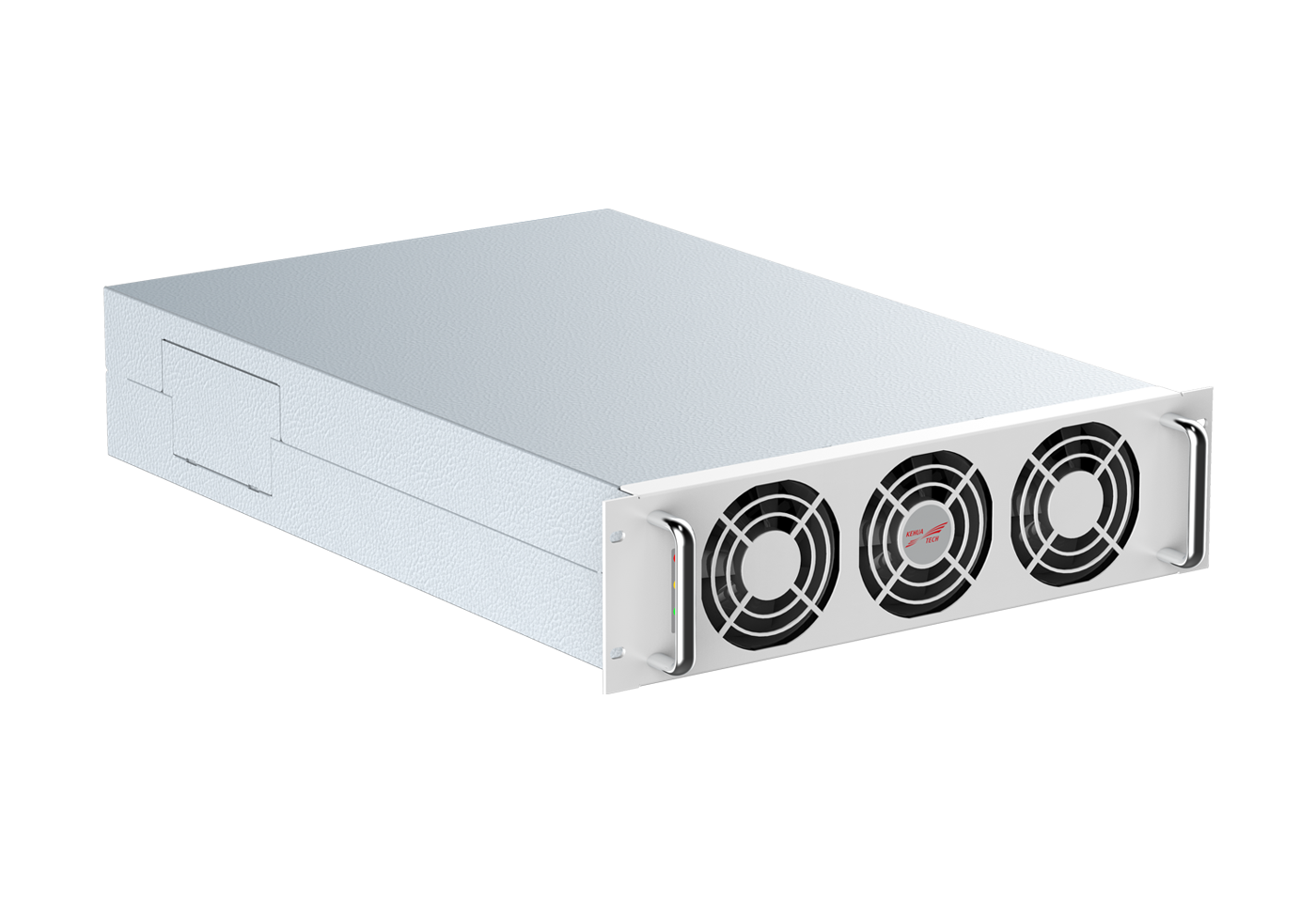
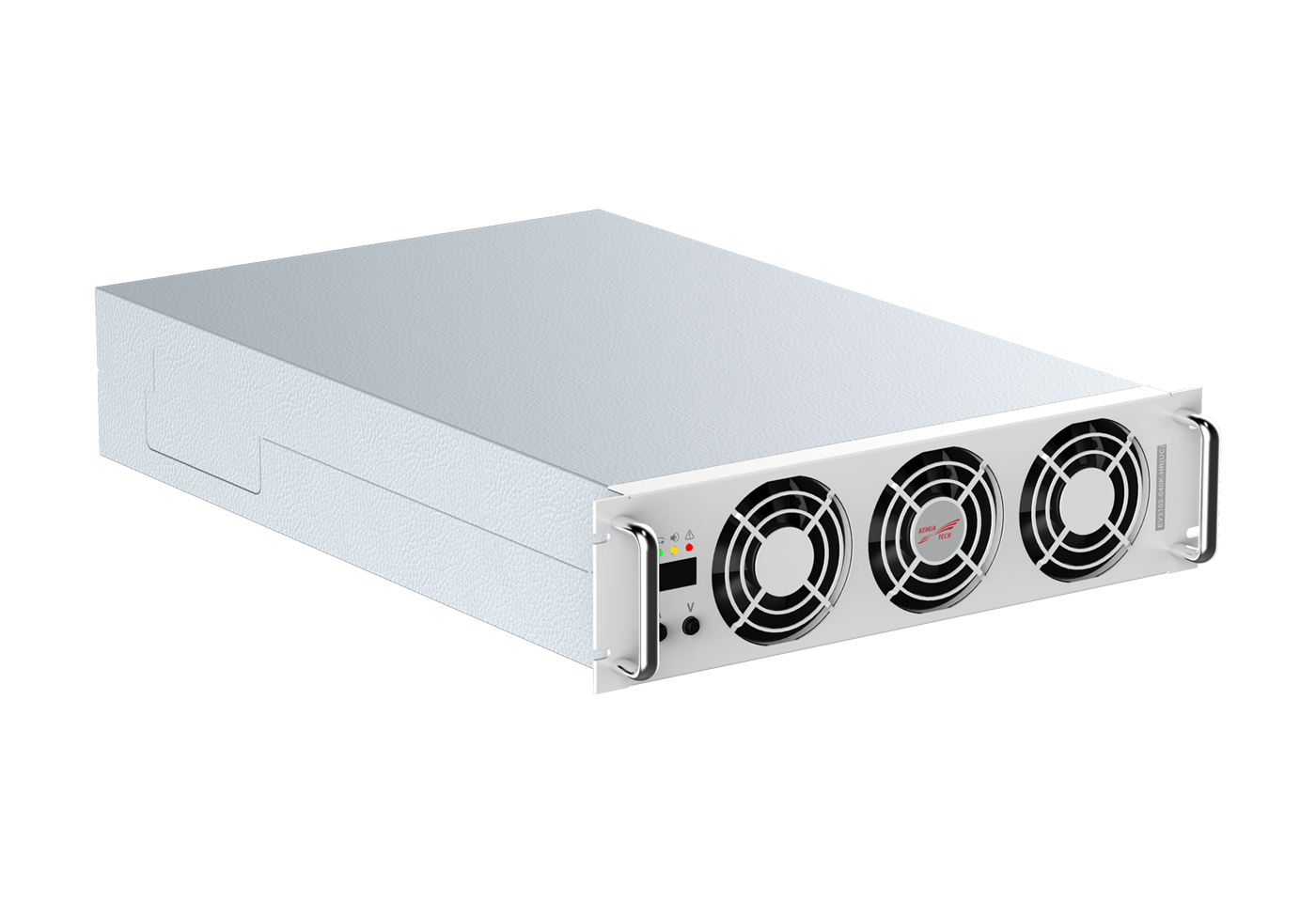
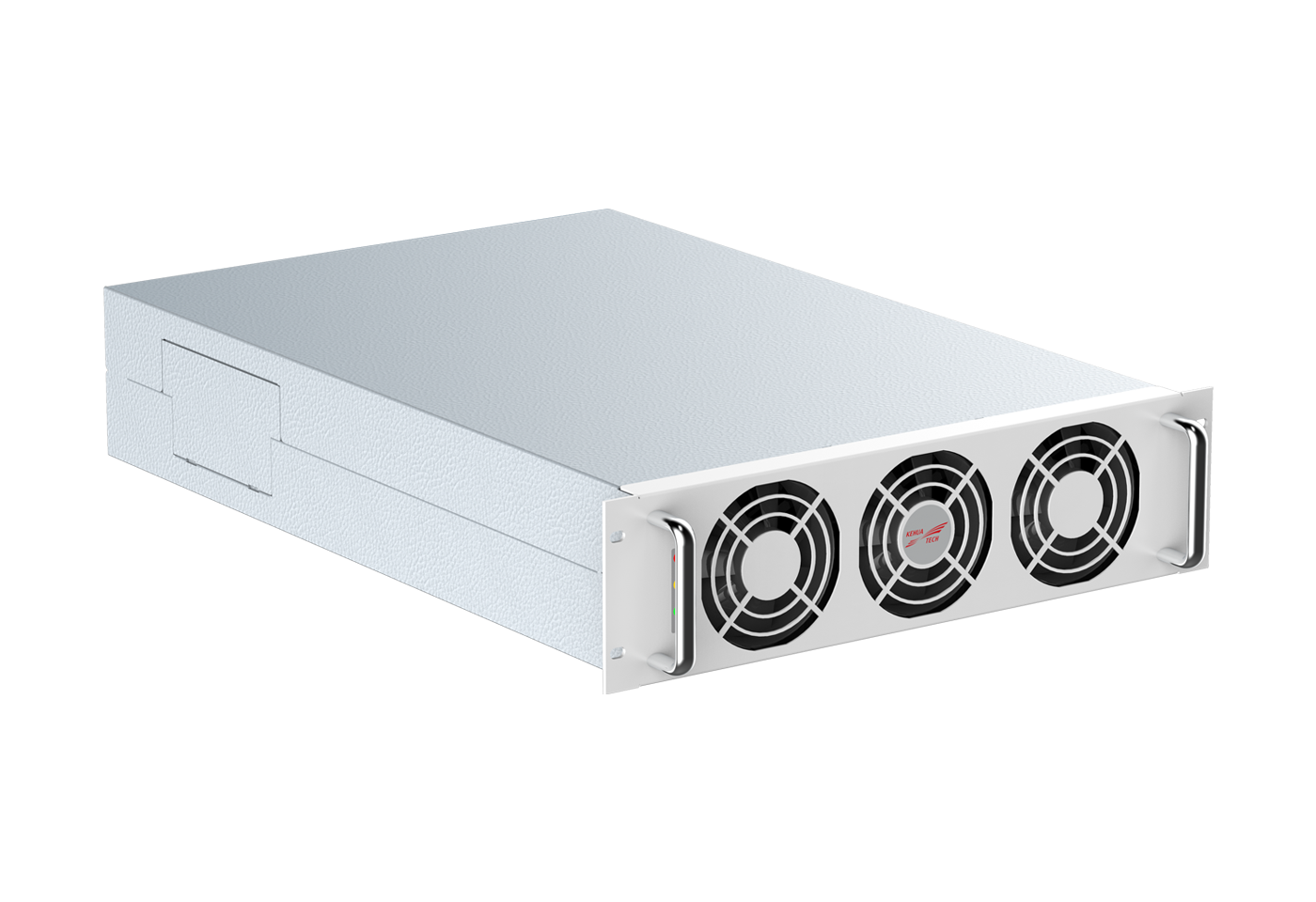
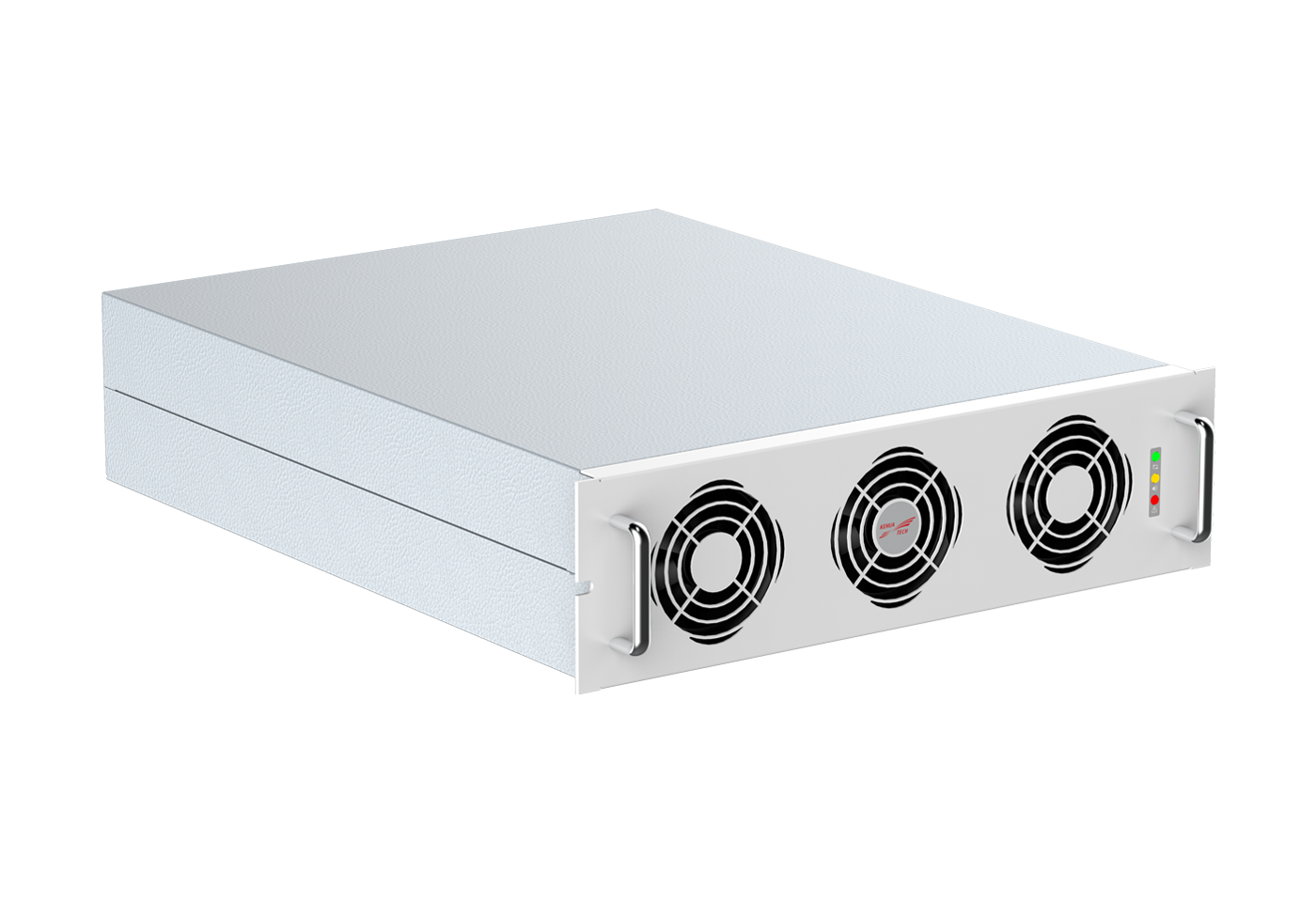
The 40kW SiC charging module — the building block behind Kehua's integrated, distributed, and megawatt systems — delivers full-load efficiency of no less than 96% and a peak efficiency of 97% . That efficiency gap is not cosmetic: at a 10% station utilization rate, each 1-percentage-point efficiency gain over a 96% baseline saves roughly 350kWh per module annually — savings that compound across a station with a dozen or more modules over a multi-year operating life.
The module also holds standby power consumption under 7.5W , notably lower than the roughly 15W industry baseline cited in comparable module benchmarking, which further reduces idle-hour electricity draw on sites with uneven traffic patterns.
IP55 Protection Built for Outdoor Commercial Sites
Every Kehua EV charger carries an IP55 ingress-protection rating . In practical terms, IP55 means the enclosure resists limited dust ingress and withstands water jets from any direction — the two failure modes most responsible for outdoor charger downtime in parking lots, highway rest stops, and depot yards. For commercial operators, this rating is the baseline that separates equipment engineered for unattended outdoor duty from hardware designed primarily for sheltered installation.
Certified for Cross-Border Commercial Deployment
Kehua's charging modules and standalone DC chargers hold CE, CB certifications, and comply with IEC 61851-23:2023 and UL2202 standards. For manufacturers exporting to multiple regulatory regions, single-module compliance across both European and American standards reduces inventory duplication and simplifies procurement for multi-country rollouts.
Market Momentum and Field Evidence
The global EV charging infrastructure market was valued at roughly USD 50.7 billion in 2025 and is projected to reach USD 65.7 billion in 2026, a CAGR near 22 to 24 percent through the early 2030s. That growth curve matters for procurement decisions: as deployment scales, a hardware failure at one site is now a materially larger revenue risk than it was five years ago, which is why site owners are shifting scrutiny from "who is cheapest" toward "who has a field-proven uptime record."
Kehua's own field record supports this shift. The company has publicly documented EV chargers operating reliably for more than 10 years in continuous public deployment — a longevity case study that generated unusually strong reader interest when the company first shared it. Combined with the 2025 launch of CE- and CB-certified all-in-one DC chargers engineered specifically for the ASEAN commercial market — complete with more than 100 built-in safety protections covering over-voltage, over-current, over-temperature, and lightning-strike defense — the evidence points to a supplier optimizing for total cost of ownership, not just headline price.
For context, Kehua's 400kW standalone DC charger platform delivers 96.5% system efficiency with dual-connector configurations that split power evenly between two simultaneous charging sessions, a design choice aimed squarely at reducing dwell-time bottlenecks at high-traffic commercial sites.
How to Evaluate an EV Charger Supplier for a Commercial Project
Before signing a procurement contract, run the supplier through this checklist:
1. Confirm real deployment volume , not just years in business — ask for country count and unit count references.
2. Match the architecture to your site , not the other way around: standalone integrated chargers for fast, independent rollouts; distributed systems for high-utilization multi-bay sites; megawatt systems for heavy-duty fleet depots.
3. Verify the ingress protection rating matches your climate exposure — IP55 is the practical minimum for unattended outdoor sites.
4. Ask for third-party efficiency certification data , not just a datasheet number, especially for the core power module.
5. Check regional certification coverage (CE, CB, UL) if the project spans more than one regulatory market.
6. Request a documented failure-rate or uptime track record from existing commercial installations of comparable scale.
This checklist reflects the underlying evaluation logic large fleet and site operators already apply, and it maps directly onto the specification sheet a serious commercial supplier should be able to produce on request.
Start Your Commercial Charging Project With a Proven Partner
Commercial charging infrastructure is a decade-plus asset decision. Choosing a supplier with documented efficiency data, IP55-rated durability, and a multi-country deployment record reduces the operational risk baked into that decision. Contact Kehua's commercial solutions team to scope the right combination of integrated DC chargers, distributed charging systems, or megawatt-level charging for your project's power profile and traffic pattern.
Frequently Asked Questions
1. What is the difference between an integrated DC charger and a distributed charging system?
An integrated (standalone) DC charger combines the power electronics and dispenser in one cabinet, so each unit operates independently. A distributed charging system separates a central power unit from multiple dispensers, allowing power to be dynamically shared across bays for higher overall utilization.
2. What IP rating do Kehua EV chargers carry?
All Kehua EV chargers carry an IP55 ingress-protection rating, meaning the enclosure resists limited dust ingress and withstands water jets from any direction, suitable for standard outdoor commercial installation.
3. What efficiency does Kehua's charging module achieve?
Kehua's 40kW SiC charging module reaches a peak efficiency of 97%, with full-load efficiency no lower than 96%.
4. What power ranges does Kehua offer for commercial fleet or depot charging?
Kehua's distributed charging systems are available at 480kW and 800kW, and its megawatt-level charging systems are available at 1.2MW and 1.6MW, both suited to high-traffic and heavy-duty fleet depot applications.
5. Are Kehua's commercial DC chargers certified for international markets?
Yes. Kehua's DC charging modules and standalone DC chargers hold CE, CB certifications and comply with IEC 61851-23:2023 and UL2202 standards, supporting deployment across multiple regulatory regions.
6. How long can a Kehua EV charger operate reliably in the field?
Kehua has documented commercial EV chargers operating reliably in continuous public service for more than 10 years, based on the company's own field deployment records.
References
- Shenzhen Kehua official site — company overview and product portfolio: [kehuasz.com]
- LinkedIn — How Kehua's Power Units Help Overcome Obstacles in High-Power Charging Systems: [linkedin.com/pulse]
- ChargeNinja — Integrated vs. Distributed EV Chargers: Which Serves Your Business Better: [wearechargeninja.com] [wearechargeninja]
- LinkedIn — Integrated vs. Distributed EV Charger: Which Powers Your Business: [linkedin.com/pulse]
- Wikipedia — Megawatt Charging System (MCS): [en.wikipedia.org] [en.wikipedia]
- CharIN — Shenzhen Kehua's 40 kW High-Efficiency SiC Charging Module Achieves CE, CB, and UL Certifications: [charin.global] [charin]
- LinkedIn — Insights into the Superior Performance of Shenzhen Kehua's 40kW SiC Charging Module: [linkedin.com/pulse] [linkedin]
- Elinkpower — Protect Your EV Charger: Best Outdoor Enclosure Solutions: [elinkpower.com]
- LinkedIn — Kehua EV Charger Reliability Secrets Revealed (10-year field record): [linkedin.com/posts]
- ChargedEVs — Shenzhen Kehua Unveils All-in-One EV Fast Chargers for the ASEAN Market: [chargedevs.com]
- Phihong — What Do IP55, NEMA 3R, and IK Ratings Mean for Outdoor DC Fast Chargers: [phihong.com] [phihong]
- CharIN — Shenzhen Kehua Unveils High-Reliability All-in-One DC Chargers for ASEAN: [charin.global] [charin]
- Global Market Insights — Electric Vehicle Charging Station Market Size: [gminsights.com]
Hot Tags: EV Charger, Commercial EV Charger, EV Charger Manufacturer, Integrated DC Charger, Distributed Charging System, Megawatt Charging System, DC Charging Module, EV Charging Infrastructure, Fleet Charging Solutions, IP55 EV Charger

