



- Electric Bus Charging Upgraded: Fast & Flexible
- Shenzhen Kehua’s 40 kW High-Efficiency SiC Charging Module Achieves CE, CB, and UL Certifications
- Shenzhen Kehua Unveils High-Reliability All-in-One DC Charger for the ASEAN Market
- Shenzhen Kehua’s Scalable Megawatt Power Unit: Pioneering the Next Era of High-Power Charging for Green Mobility
- Growth Opportunities in the EV Charging Industry Amid the Global Transportation Electrification
- The Future of Fleet Charging: Building Efficient and Reliable Charging Infrastructure
High-Efficiency SiC Modules vs. Traditional IGBT: Is the Premium Price Worth the Energy Savings?


Content Menu
● What Are SiC Modules and IGBT Devices?
● Why the SiC vs. IGBT Choice Matters for EV Dispensers
● Core Technical Differences Between SiC and IGBT
>> Bandgap and Device Behavior
>> Efficiency and Switching Losses
● System-Level Impacts: From Cabinet to Dispenser
>> Power Density and Footprint
>> Thermal Management and Noise
● Energy Savings: When SiC's Premium Pays Off
>> Scenario: High-Power DC Dispenser with Modular SiC Stages
>> Partial Load and Standby Performance
● Cost and ROI: Evaluating the Premium
>> Device Cost vs. System Cost
>> When IGBT Still Makes Sense
● Decision Framework: How to Choose for Your Dispensers
● How Shenzhen Kehua Hengsheng Applies SiC in Charging Systems
● Future Outlook: Fast Charging and High-Power Dispensers
● Call to Action: Is It Time to Upgrade to SiC?
● FAQs
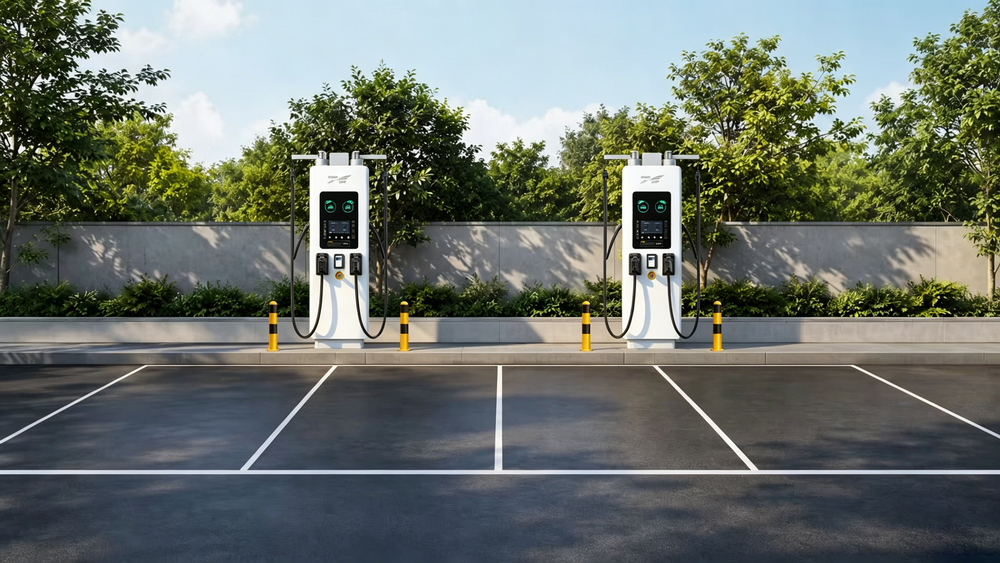
High‑efficiency silicon carbide (SiC) power modules are rapidly becoming the new standard for high‑power EV charging, but many operators still rely on traditional IGBT technology and wonder if the premium price is truly justified by energy savings and performance gains. For a global EV charging solution provider like Shenzhen Kehua Hengsheng Technology Co., Ltd., which delivers end‑to‑end charging systems built around modular power blocks and high‑power dispensers, this decision directly impacts efficiency, reliability, and long‑term ROI.
In this article, I will evaluate High‑Efficiency SiC Modules vs. Traditional IGBT from both a hands‑on engineering perspective and an industry strategist's viewpoint, helping you decide when SiC's higher upfront cost is worth it and when IGBT can still be the right fit.
What Are SiC Modules and IGBT Devices?
Silicon carbide (SiC) modules are power semiconductor modules based on wide‑bandgap materials that support higher switching frequencies, higher breakdown voltages, and higher allowable junction temperatures than conventional silicon devices. This gives them an inherent advantage in compact, high‑power EV chargers.
Insulated Gate Bipolar Transistors (IGBTs) are silicon‑based power devices that have long dominated industrial drives, inverters, and earlier generations of EV chargers. They are robust and mature, but constrained by lower switching frequencies and tighter thermal limits.
From an engineer's perspective, these physical differences explain why SiC modules can deliver:
- Lower switching and conduction losses
- Higher power density in the same rack space
- Greater efficiency at both full load and partial load
From a solution provider's perspective, such as Shenzhen Kehua Hengsheng, these advantages translate into more compact power cabinets, higher efficiency DC power modules, and flexible high‑power dispensers that can support a wide range of EV platforms.
Why the SiC vs. IGBT Choice Matters for EV Dispensers
Your choice of SiC vs. IGBT is not merely a semiconductor debate—it shapes the entire architecture of your charging infrastructure:
- Power density: How much power you can push through a given cabinet into one or multiple dispensers.
- Energy loss: How much conversion loss you accept during AC‑DC and DC‑DC stages.
- Thermal design: How complex and costly your cooling system needs to be.
- System reliability: How tolerant the system is under high ambient temperatures and heavy load.
For companies deploying high‑power DC dispensers and modular DC systems, these factors directly influence site capacity, electricity bills, and lifetime service costs. As EV batteries get larger and charging expectations increase, every efficiency gain becomes financially significant.
Core Technical Differences Between SiC and IGBT
Bandgap and Device Behavior
SiC is a wide‑bandgap material with higher breakdown field strength and superior thermal conductivity compared to silicon. This allows SiC devices to:
- Operate at higher switching frequencies
- Handle higher voltages
- Tolerate higher junction temperatures
IGBTs, while robust, are limited by their narrower bandgap and slower switching characteristics. They typically require larger magnetics and more substantial cooling systems to manage switching and conduction losses.
Efficiency and Switching Losses
In practical EV charger designs:
- SiC‑based stages can reach peak efficiencies around 97–98%, with very high full‑load efficiency.
- IGBT‑based stages often land in the 94–96% range for similar power levels.
Even a 2–3 percentage point difference in efficiency becomes critical in high‑power DC systems that might operate thousands of hours per year. For each dispenser delivering continuous high power, the energy loss difference translates into:
- Higher total electricity consumption for IGBT systems
- More heat that must be removed via fans, liquid cooling, or more complex thermal designs
Engineers see this daily in thermal tests: SiC‑based stages run cooler under comparable loads, which simplifies cabinet layouts and extends component lifetimes.
System-Level Impacts: From Cabinet to Dispenser
Power Density and Footprint
Higher switching frequencies and better thermal capability mean SiC modules can:
- Use smaller inductors and transformers
- Rely on more compact heat sinks
- Reach higher kW per rack unit
In a typical modular DC charging system, where multiple 30–40 kW power modules are combined to feed one or several dispensers, SiC enables more total power per cabinet without increasing its footprint. This is especially important in:
- Urban charging stations with limited space
- Depot or fleet sites where many dispensers share centralized power cabinets
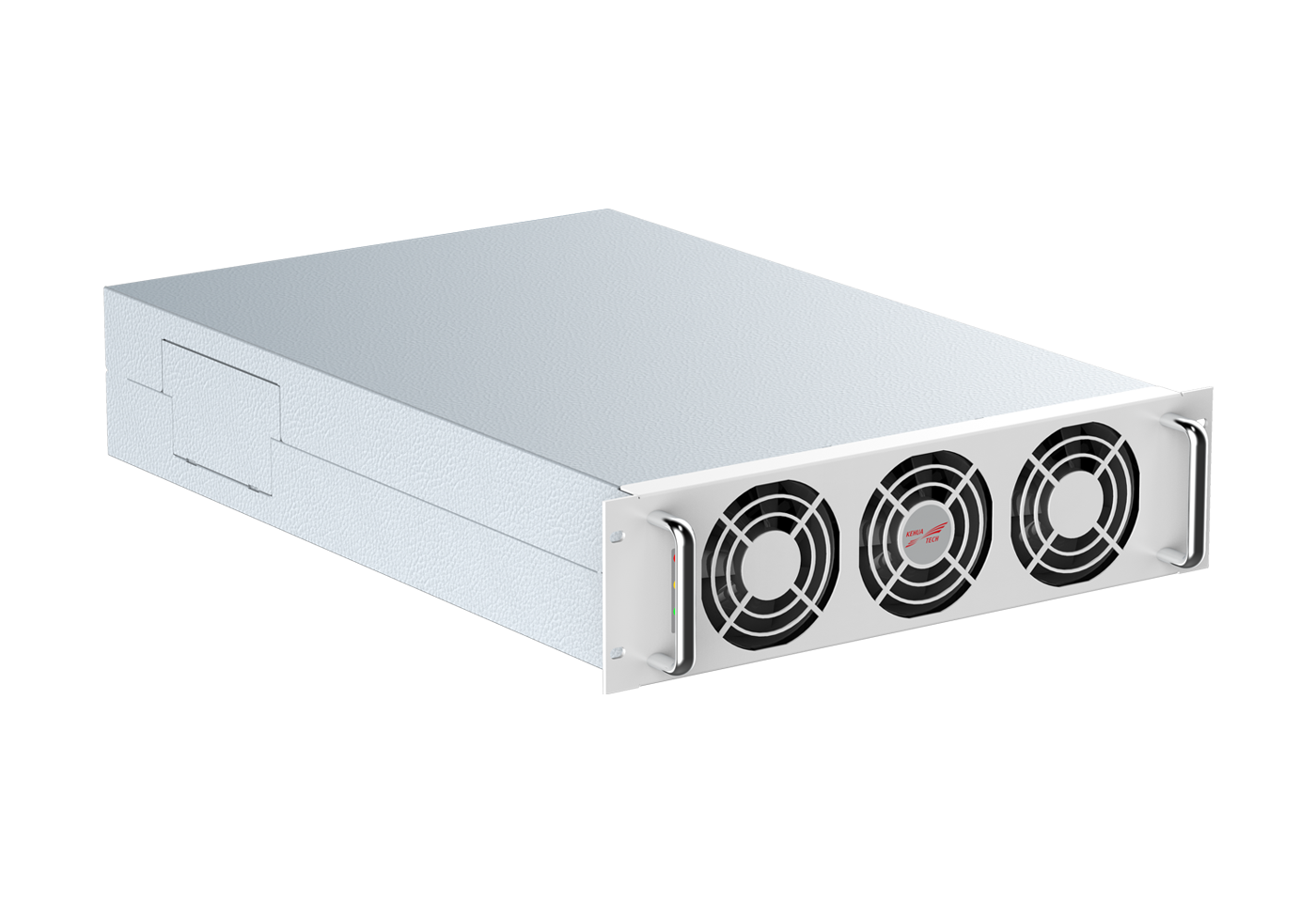
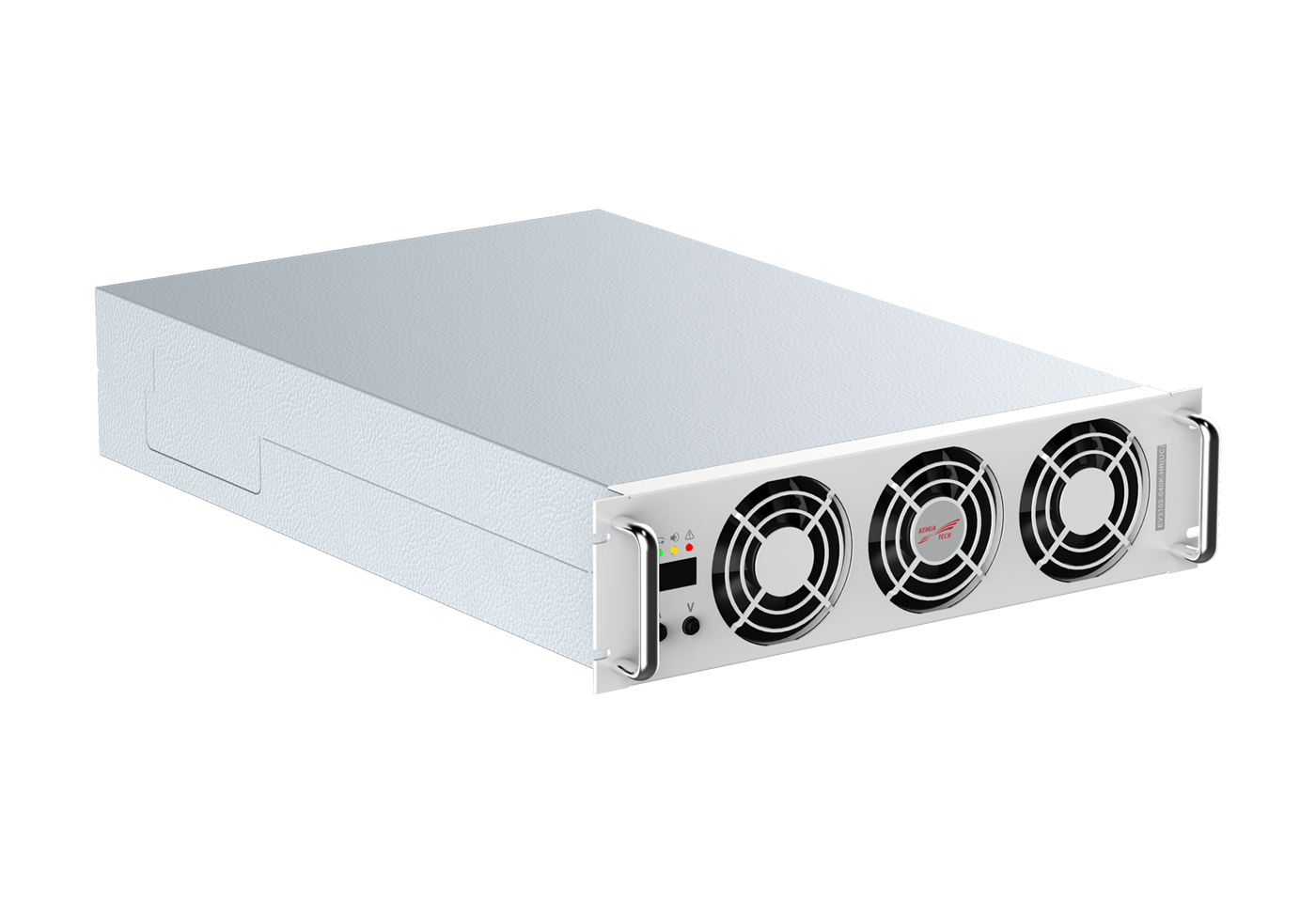
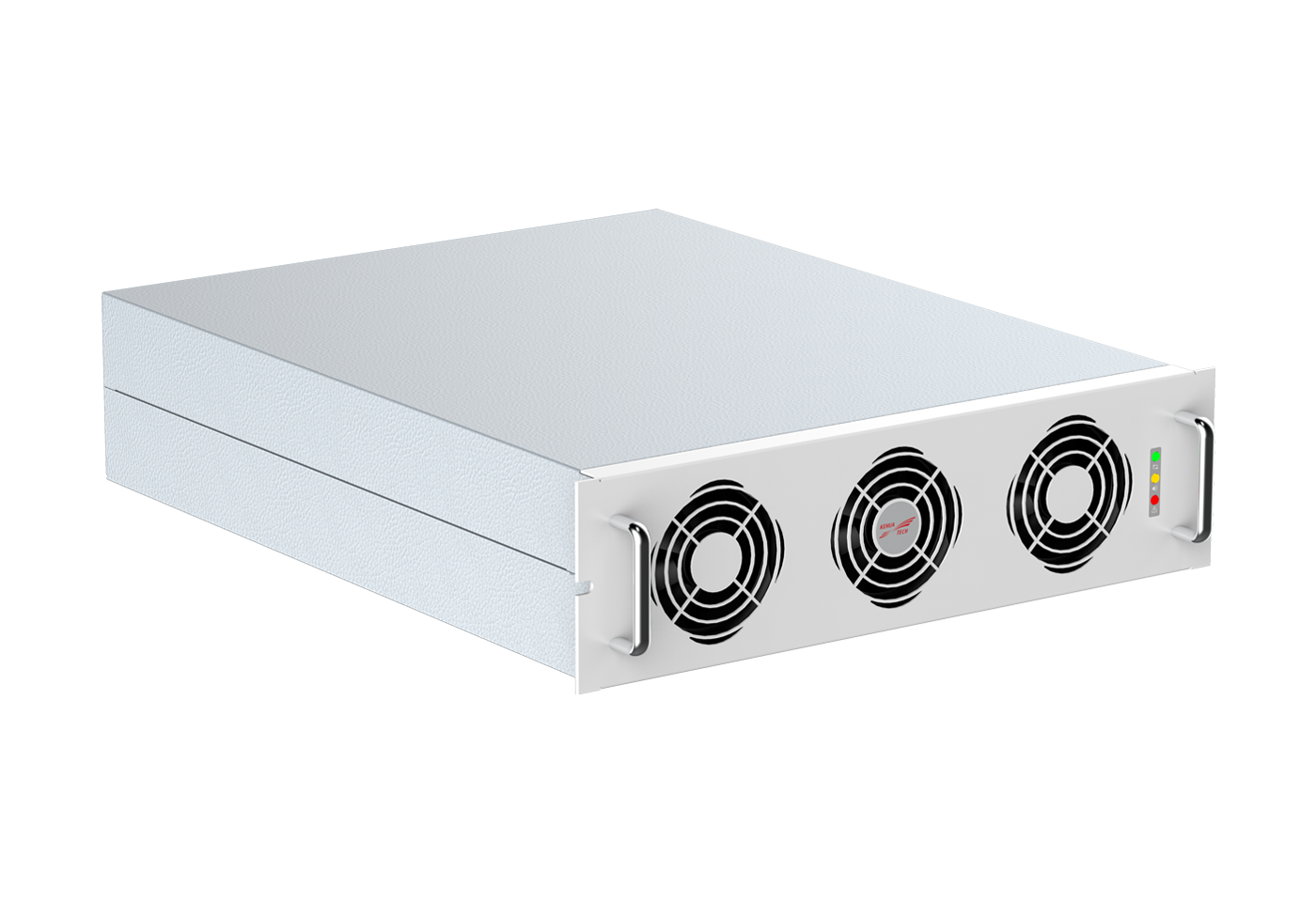
Shenzhen Kehua Hengsheng's high‑efficiency SiC charging modules are designed exactly with this modular approach in mind, enabling integrators to scale output power by stacking modules without dramatically increasing cabinet size.
Thermal Management and Noise
Because SiC modules generate less heat for the same output power, the cooling system can be:
- Smaller and more cost‑effective
- Quieter due to lower fan speed requirements
- Simpler to maintain, with fewer fan failures or coolant issues
In daily operation, this means more stable thermal behavior across a wide ambient temperature range and better reliability, particularly for outdoor sites where cabinets and dispensers face high temperatures, dust, and humidity.
Energy Savings: When SiC's Premium Pays Off
Scenario: High-Power DC Dispenser with Modular SiC Stages
Imagine a site that uses multiple 40 kW SiC modules to support a 240–320 kW DC dispenser. The same architecture could be built with IGBT modules, but at a typical full‑load efficiency of 95% instead of 97%.
If the station delivers hundreds of MWh annually, a 2% efficiency difference results in:
- Thousands of kWh saved per year per dispenser
- Lower electricity costs over a 10–15‑year life
- Reduced cooling energy since less heat must be removed
These savings grow significantly at high utilization, such as:
- Highway fast‑charging corridors
- Heavy‑duty fleet depots
- Bus and truck charging hubs
In such cases, the extra capital cost of SiC modules is frequently recovered through lower OPEX and reduced cooling infrastructure.
Partial Load and Standby Performance
Modern SiC modules also show advantages in partial load operation and standby power:
- High efficiency over a wide load range
- Reduced standby consumption in idle or low‑usage periods
In multi‑module cabinets, lower standby power adds up, especially where multiple cabinets and dispensers are spread across a large site. This further tilts the cost equation in favor of SiC for high‑power applications.
Cost and ROI: Evaluating the Premium
Device Cost vs. System Cost
On a component level, SiC devices are more expensive than IGBT devices. However, from a system perspective, you must factor in:
- Savings on inductors, transformers, and cooling hardware
- Energy savings over the installation's lifetime
- Potential for higher revenue by fitting more power into constrained sites
- Lower maintenance and downtime risks
For large, high‑utilization EV charging projects, these combined benefits typically make SiC systems more cost‑effective over their lifetime, despite higher initial module prices.
When IGBT Still Makes Sense
There are still cases where IGBT can be the rational choice:
- Lower‑power chargers with limited operating hours
- Projects where CAPEX constraints are strict and energy prices are relatively low
- Legacy systems designed specifically around IGBT modules and existing spare parts
In such scenarios, a well‑engineered IGBT system can meet performance and budget requirements, especially for smaller commercial sites where each dispenser runs at moderate utilization.
Decision Framework: How to Choose for Your Dispensers
When designing or upgrading EV charging infrastructure, it helps to follow a clear decision framework:
1. Define Power Level and Utilization
- High‑power dispensers (150–500 kW) with high daily utilization naturally favor SiC.
- Lower‑power or rarely used dispensers can still be economically viable with IGBT.
2. Analyze Energy Costs and Sustainability Goals
- High electricity prices and strong sustainability targets amplify the value of SiC's efficiency.
- If your organization has aggressive carbon or energy‑efficiency KPIs, SiC supports those goals.
3. Assess Site Constraints
- Limited space and strict noise requirements benefit from compact, high‑efficiency SiC cabinets feeding compact dispensers.
- Facilities with existing rooms and ample space may accommodate IGBT hardware more easily.
4. Consider Lifecycle and Service Strategy
- Longer planned lifetimes and minimal service interruptions push designs toward robust SiC architectures.
- For shorter‑term or auxiliary installations, IGBT can still be acceptable.
5. Evaluate Compliance and Certification
- Using modules that already meet stringent EMC and safety standards reduces certification risk.
- High‑efficiency SiC modules pre‑tested for demanding standards can accelerate your time‑to‑market.
How Shenzhen Kehua Hengsheng Applies SiC in Charging Systems
Shenzhen Kehua Hengsheng Technology Co., Ltd. has deep experience in power electronics and EV charging, with a portfolio that includes:
- High‑efficiency DC charging modules
- Modular DC systems built into cabinets
- High‑power EV dispensers for public and fleet charging
- Integrated solutions that align with international standards and demanding EMC requirements
By integrating SiC modules into their core charging platforms, Kehua can:
- Deliver higher system efficiency than traditional IGBT‑based solutions
- Increase power density, enabling more charging capacity per cabinet
- Reduce thermal stress and cooling complexity across large deployments
For operators, this means that choosing Kehua's SiC‑based systems can provide lower lifecycle costs, robust outdoor performance, and scalable power architectures that handle future growth in EV demand.
Future Outlook: Fast Charging and High-Power Dispensers
As EV technology advances, batteries are increasing in capacity and voltage, and the demand for faster charging at higher powers is growing. Future‑ready infrastructures will likely require:
- Higher DC bus voltages
- Larger continuous power per dispenser
- Greater efficiency to manage energy use and thermal limits
SiC is structurally well aligned with these requirements, enabling compact, ultra‑fast charging systems that would be difficult or inefficient to build with IGBT. For global suppliers like Shenzhen Kehua Hengsheng, investing in SiC‑based architectures is a strategic move to stay ahead as high‑power dispensers and large‑scale charging hubs become the norm.
Call to Action: Is It Time to Upgrade to SiC?
If you are planning a new EV charging site or upgrading existing infrastructure, now is the time to evaluate whether high‑efficiency SiC modules can deliver measurable energy savings and higher power density for your dispensers. By working with a provider like Shenzhen Kehua Hengsheng Technology Co., Ltd., you can leverage proven SiC‑based module platforms and modular cabinet designs to:
- Optimize energy efficiency and thermal performance
- Increase site capacity within fixed footprints
- Reduce long‑term operational costs and support future charging demands
To explore a project‑specific roadmap, consider conducting a SiC vs. IGBT feasibility study for your next deployment and align your choice with your utilization patterns, energy costs, and sustainability goals.
FAQs
1. Are SiC modules always better than IGBT for EV charging?
Not always. SiC modules deliver higher efficiency, power density, and better thermal performance in high‑power, high‑utilization applications, but IGBT can still be suitable for lower‑power or cost‑sensitive projects.
2. How much more expensive are SiC modules compared with IGBT?
SiC devices typically cost more per component, but when you include reduced energy losses, smaller passive components, and simplified cooling, the total system cost over the lifetime can be lower for SiC in high‑power scenarios.
3. Do SiC-based systems require special maintenance?
From a field technician's point of view, SiC‑based systems are maintained similarly to IGBT systems. However, their reduced heat generation and simpler cooling requirements can lead to fewer thermal‑related issues over time.
4. Can existing IGBT-based cabinets be retrofitted with SiC modules?
In modular architectures, it is sometimes possible to replace older modules with SiC units. However, engineers must carefully check electrical, thermal, mechanical, and certification implications before performing such upgrades.
5. Is SiC necessary for all dispensers in a charging station?
Not necessarily. Many operators adopt a mixed strategy: SiC for high‑power or heavily used dispensers and IGBT for smaller or backup dispensers, balancing CAPEX and OPEX across the site.
Hot Tags: High-Efficiency SiC Modules, Manufacturers, Customized, Custom, Suppliers, Buy, Cheap, Quality, Advanced, Durable, in Stock, Made in China, Price, Quotation

