

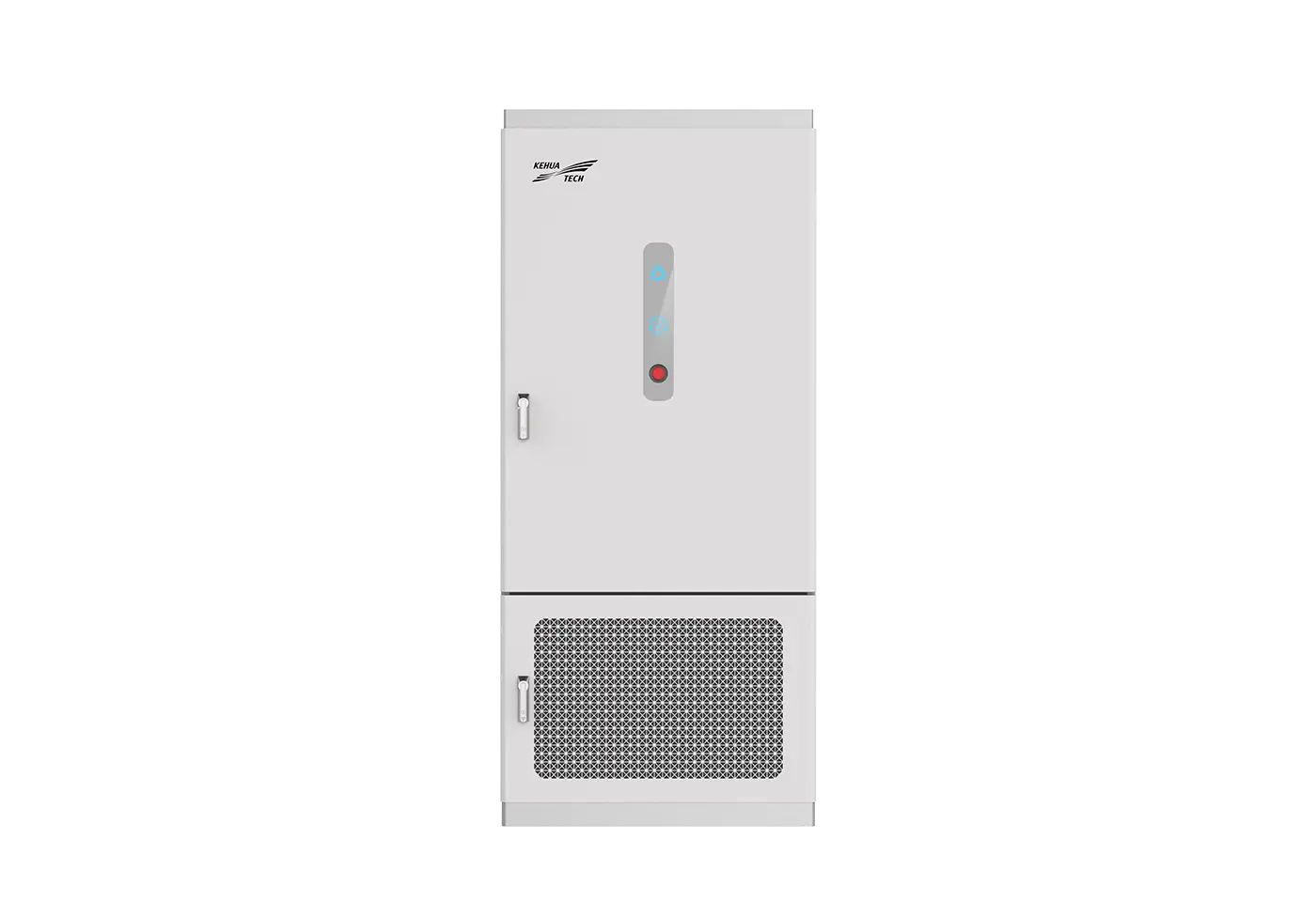


- Electric Bus Charging Upgraded: Fast & Flexible
- Shenzhen Kehua’s 40 kW High-Efficiency SiC Charging Module Achieves CE, CB, and UL Certifications
- Shenzhen Kehua Unveils High-Reliability All-in-One DC Charger for the ASEAN Market
- Shenzhen Kehua’s Scalable Megawatt Power Unit: Pioneering the Next Era of High-Power Charging for Green Mobility
- Growth Opportunities in the EV Charging Industry Amid the Global Transportation Electrification
- The Future of Fleet Charging: Building Efficient and Reliable Charging Infrastructure
Distributed Charging System vs. Standalone Fast Chargers: A Deep Dive into Total Cost of Ownership (TCO)


Content Menu
● Understanding TCO in EV Charging
● What Is a Distributed Charging System?
● What Are Standalone Fast Chargers?
● Architecture at a Glance: Distributed vs. Standalone
● TCO Dimension 1: Upfront Capex and Site Construction
● TCO Dimension 2: Operational Efficiency and Energy Costs
● TCO Dimension 3: Maintenance, Reliability, and Downtime
● TCO Dimension 4: Scalability and Future‑Readiness
● TCO Dimension 5: User Experience and Throughput
● Expert Insight: When Each Architecture Wins
● Case‑Style Scenario: Fleet Depot Migration to Distributed Charging
● Practical Evaluation Framework for TCO Decisions
● How Shenzhen Kehua Hengsheng Adds Value
● Conclusion and Call to Action
● Frequently Asked Questions (FAQ)
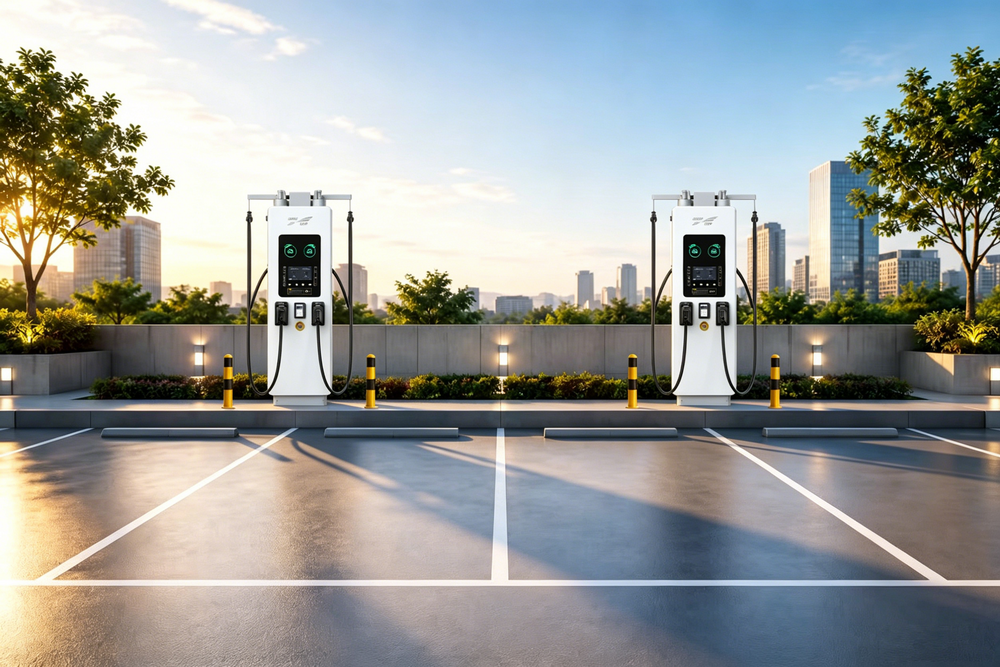
As EV adoption accelerates, infrastructure investors and fleet operators face a critical choice: build around distributed charging systems or deploy standalone fast chargers, each with very different implications for total cost of ownership (TCO) and long‑term scalability. Drawing on both market data and Shenzhen Kehua Hengsheng's experience in high‑power distributed systems, megawatt charging systems, and integrated PV+storage solutions, this article compares these two architectures from a practical, expert perspective. [willbert]
Understanding TCO in EV Charging
Total cost of ownership (TCO) captures the full, lifecycle cost of an EV charging asset, not just the upfront hardware price. It typically includes: [kempower]
- Capex: Chargers, power cabinets, dispensers, civil works, grid connection upgrades.
- Opex: Maintenance, field service visits, software licenses, communication fees.
- Energy costs: Electricity, demand charges, time‑of‑use tariffs.
- Downtime costs: Lost charging revenue, driver dissatisfaction, SLA penalties.
- End‑of‑life costs: Replacement, decommissioning, and upgrade expenses.
For operators deploying dozens or hundreds of chargers, small differences in utilization, energy efficiency, and maintenance can translate into millions of dollars over a 10–15 year lifetime, making TCO optimization a strategic priority. [linkedin]
What Is a Distributed Charging System?
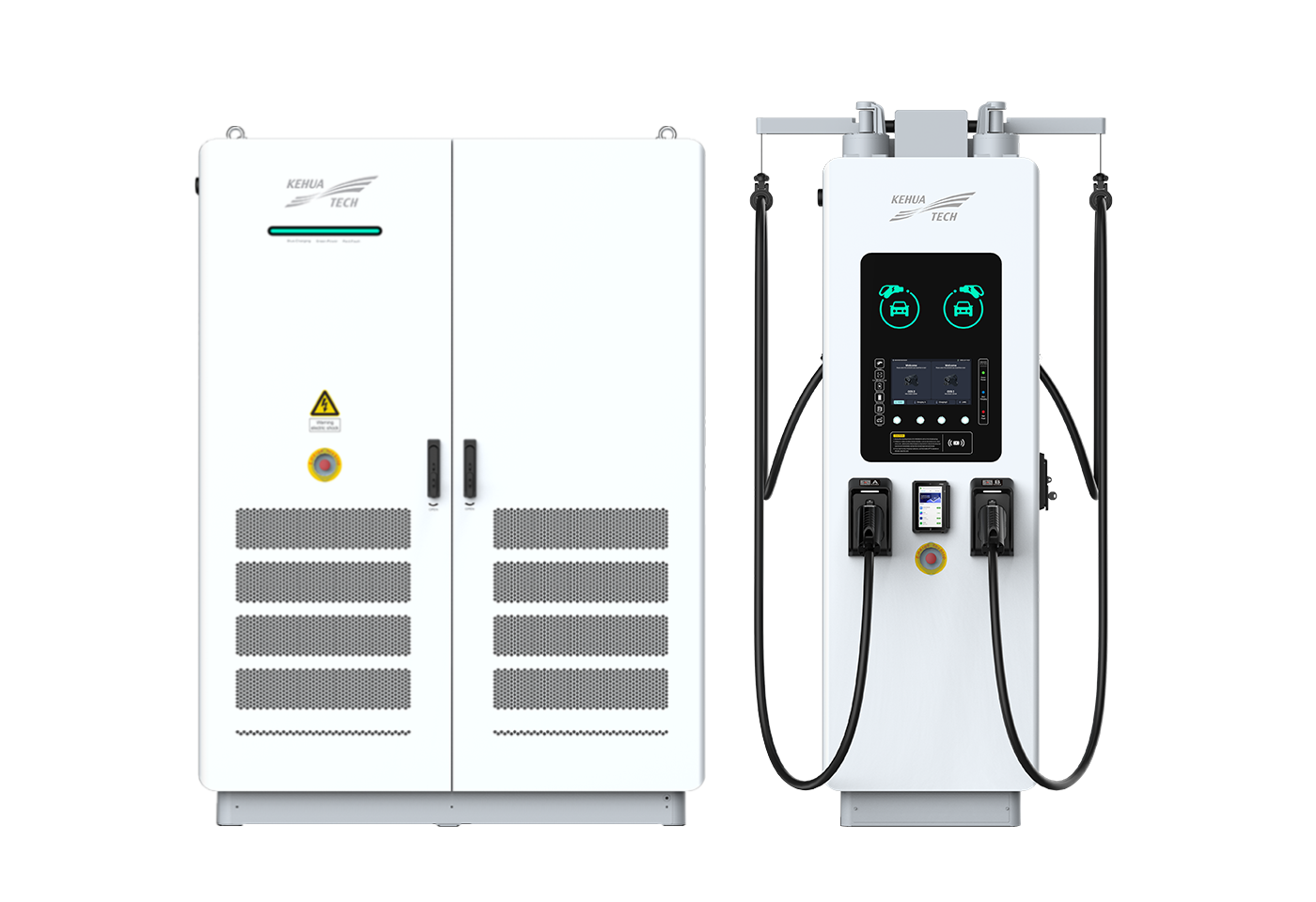
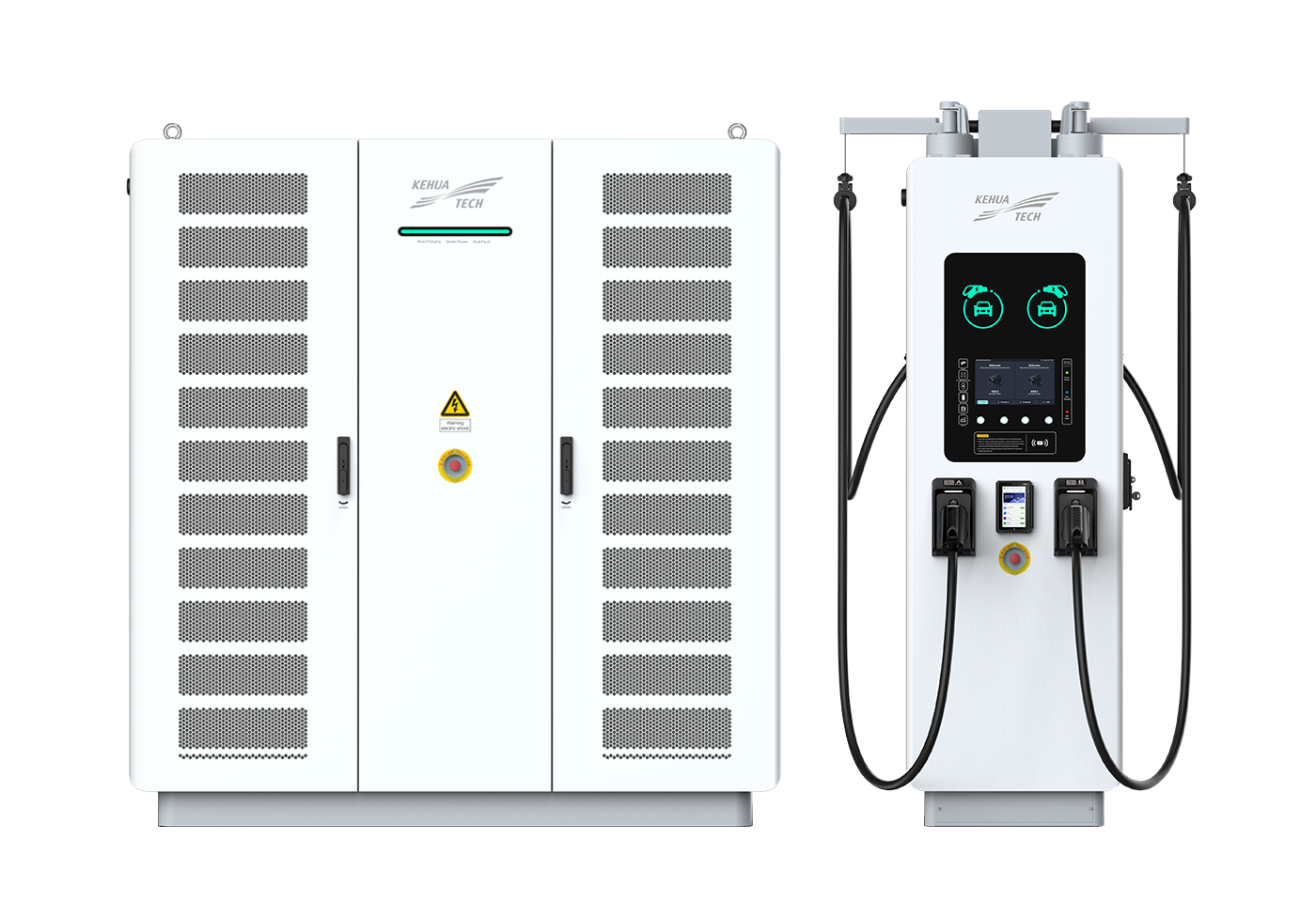
A distributed charging system separates the power conversion stage (centralized power cabinets) from the user units (satellite dispensers) that connect to vehicles. Power is shared dynamically across multiple outlets, often with smart allocation and load management. [idtechex]
Key characteristics:
- Centralized power cabinets feed several satellite dispensers.
- Dynamic power sharing between dispensers based on queue, SOC, and priorities.
- Scalable architecture that can grow from tens to hundreds of charging points.
Shenzhen Kehua Hengsheng provides high‑power distributed systems and megawatt charging systems, combining advanced power electronics, integrated energy storage, and intelligent scheduling at the charging system level to support high‑density sites such as logistics hubs and highway charging plazas. [kehuasz]
What Are Standalone Fast Chargers?
Standalone fast chargers (often "all‑in‑one" chargers) integrate AC input, DC conversion, and user interface into a single cabinet. Each unit is typically installed, connected, and operated independently, although they may still be networked via a backend platform. [willbert]
Key characteristics:
- Self‑contained charger with built‑in power module and control.
- Typically fixed rated power per unit (e.g., 60 kW, 120 kW, 240 kW).
- Ideal for lower‑density sites, retail parking, and early‑stage deployments.
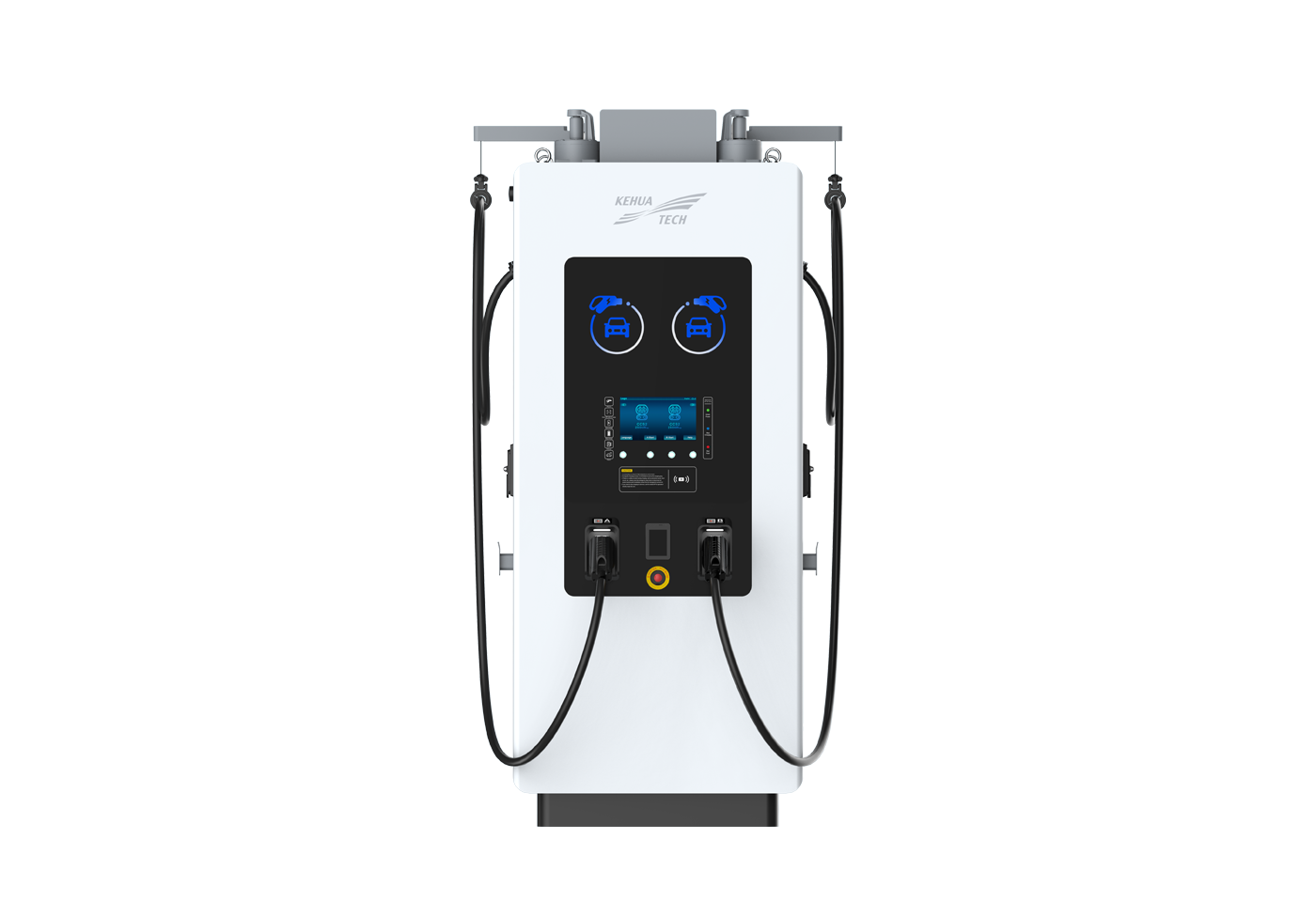
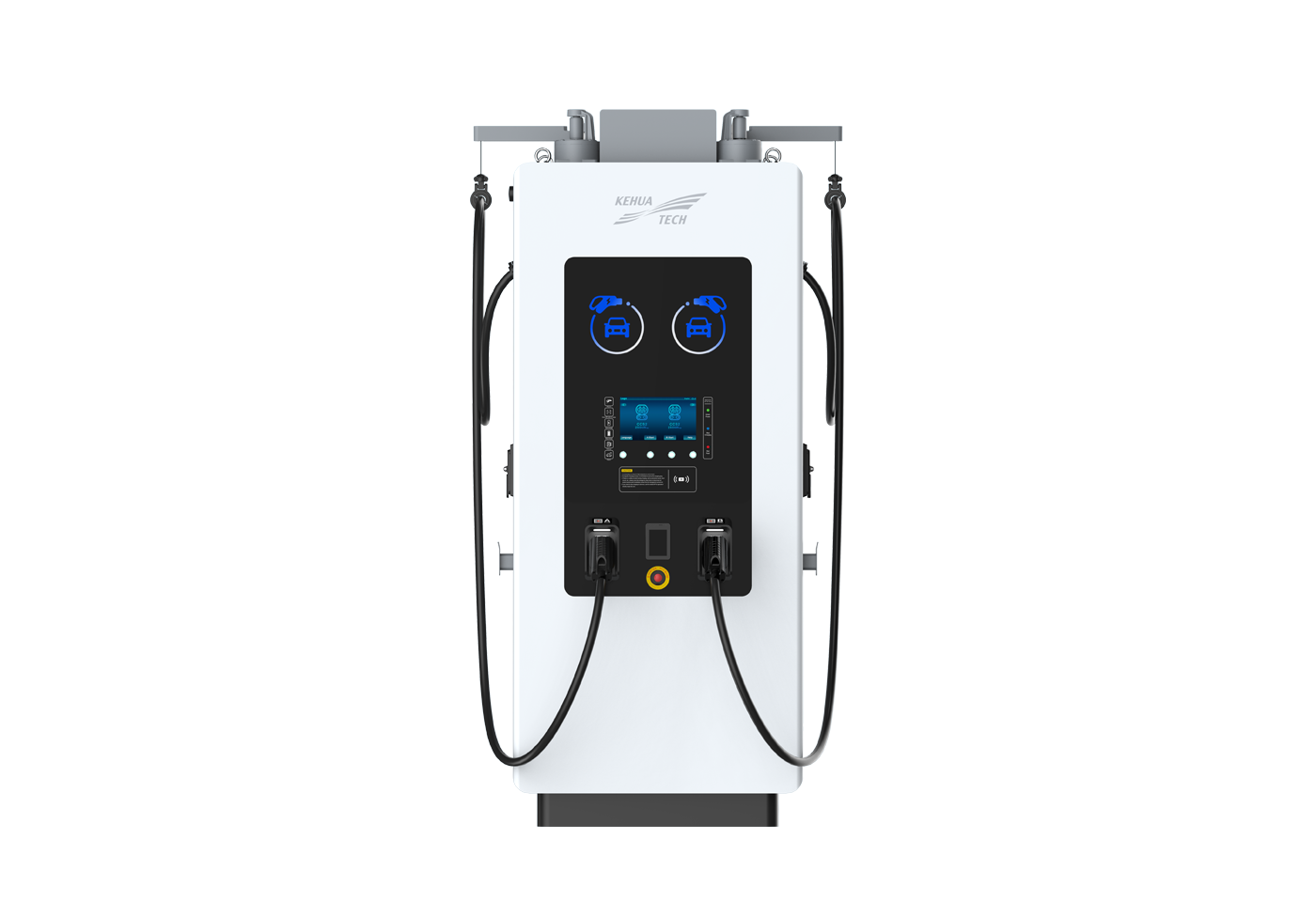
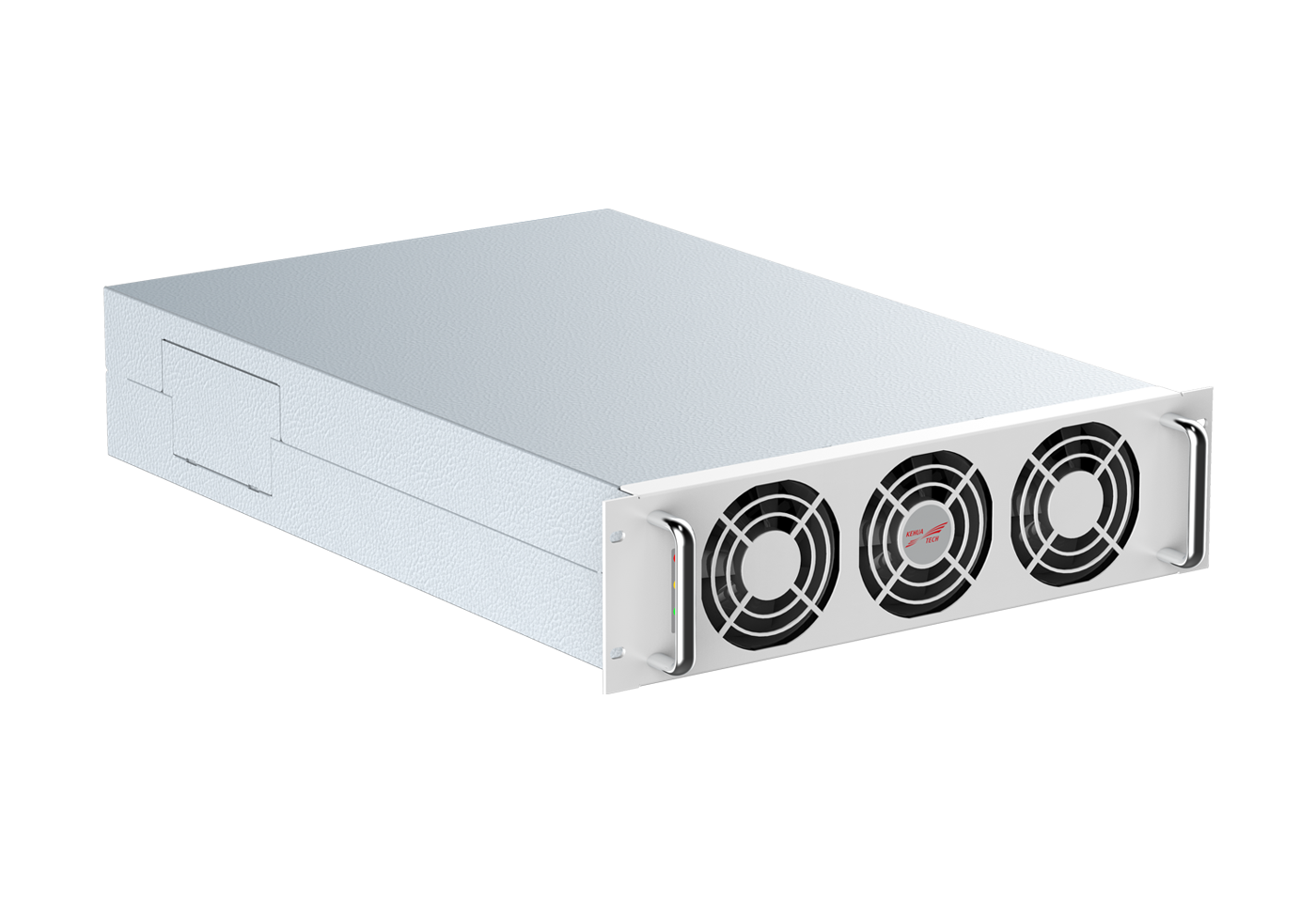
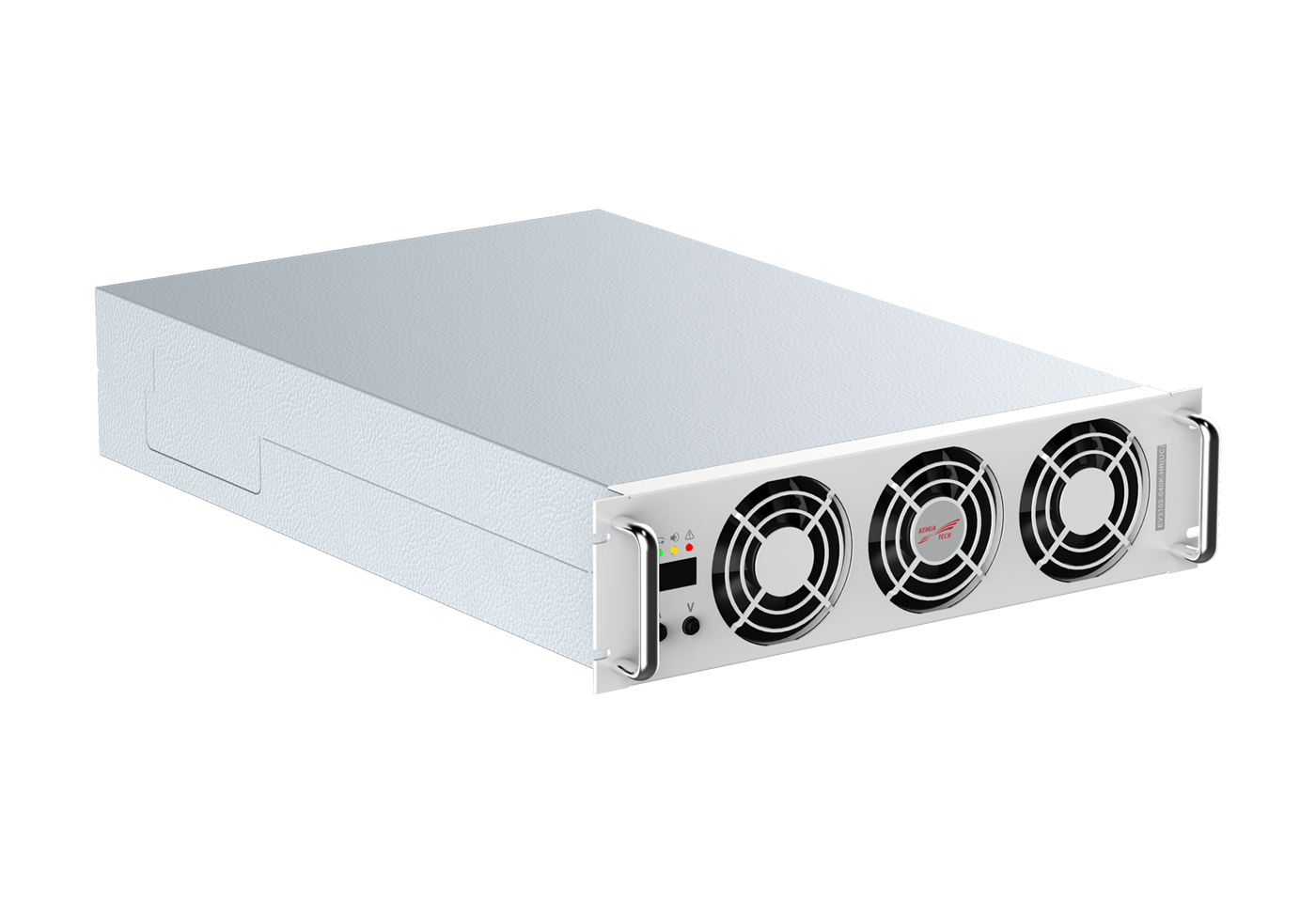
Kehua's portfolio includes integrated DC fast chargers (e.g., 60–400 kW) , enabling customers to deploy standalone units quickly while keeping a migration path towards more complex distributed or megawatt‑scale architectures when demand grows. [kehuasz]
Architecture at a Glance: Distributed vs. Standalone
Table: High‑Level Architecture Differences
| Dimension | Distributed Charging System | Standalone Fast Chargers |
|---|---|---|
| Power topology | Central power cabinets + satellite dispensers | All‑in‑one units with dedicated conversion |
| Power sharing | Dynamic across multiple dispensers | Fixed per unit, limited sharing |
| Typical site size | Medium to very large hubs | Small to medium sites |
| Upgrade path | Add cabinets or dispensers modularly | Add more units; limited internal scaling |
| Complexity | Higher design and integration effort | Simpler deployment and commissioning |
This structural difference is the foundation for TCO behavior over the entire lifecycle of each solution.
TCO Dimension 1: Upfront Capex and Site Construction
Standalone fast chargers often offer a lower entry capex per site, especially for:
- Pilot projects or early‑stage corridors.
- Sites with few charging points (e.g., 2–8 dispensers).
- Locations where grid upgrade capacity is limited and project scope must stay small. [idtechex]
However, as sites scale, distributed systems can deliver more kW per dispenser with fewer large power cabinets, reducing:
- Redundant oversizing of power modules in multiple standalone units.
- Duplicated civil works (foundations, conduits, cable runs).
- Panelboard and switchgear proliferation. [willbert]
Industry studies show that for high‑capacity hubs (dozens of dispensers and megawatt‑level loads), distributed architectures often reduce capex per kW delivered, particularly when combined with energy storage and PV. Kehua's PV‑ESS‑Charging solutions further optimize capex by integrating DC‑coupled storage and solar, which can reduce grid connection requirements and avoid expensive demand‑based tariffs. [kehuasz]
TCO Dimension 2: Operational Efficiency and Energy Costs
Energy cost is a major TCO driver. Distributed systems can leverage smart power allocation to:
- Match output to real‑time demand, reducing idle losses and improving load factor.
- Prioritize vehicles with higher SOC sensitivity or time constraints.
- Coordinate charging schedules against time‑of‑use or dynamic tariffs when integrated with site‑level energy strategies. [sciencedirect]
Kehua's integrated PV‑ESS‑Charging architecture uses coordinated power allocation and intelligent scheduling within the charging system to balance grid, storage, and PV power, improving energy utilization and reducing peak loads. This combination can significantly lower demand charges and energy costs at large sites. [kehuasz]
Standalone fast chargers can also be smart, but their fixed per‑unit power and lack of shared DC bus limit the degree of load balancing achievable, particularly when some dispensers are idle and others are congested. Over time, this can result in higher effective energy costs per kWh delivered due to lower utilization. [idtechex]
TCO Dimension 3: Maintenance, Reliability, and Downtime
From a maintenance viewpoint, modularity and serviceability are key.
- In a distributed system, power modules are often centralized and hot‑swappable, enabling technicians to replace components without shutting down all dispensers. [linkedin]
- Centralized architecture can reduce spare parts inventory and shorten MTTR (mean time to repair).
- Intelligent monitoring and diagnostics can be concentrated at the cabinet level, simplifying operations. [sciencedirect]
The trade‑off:
- Distributed sites are more complex to design and integrate, requiring higher engineering expertise, especially in early phases. [willbert]
- Improper design can propagate faults or create bottlenecks if power cabinets and dispensers are not properly sized.
Standalone fast chargers benefit from simple, unit‑level maintenance:
- A single problematic charger can simply be taken offline, leaving other units and their dispensers unaffected.
- Some operators favor this isolation of risk at small sites.
However, as fleets and public networks scale, this unit‑by‑unit service model can lead to higher cumulative field visits and truck rolls, driving up Opex. For high‑traffic hubs, centralized maintenance with modular replacements, as offered in Kehua's high‑power systems, can reduce lifecycle service costs and increase uptime. [kehuasz]
TCO Dimension 4: Scalability and Future‑Readiness
EV charging infrastructure is not static. Vehicle power levels, connector standards, and usage patterns are evolving rapidly. [linkedin]
Future trends include:
- Megawatt‑level charging for heavy‑duty trucks and buses. [idtechex]
- Ultra‑fast passenger charging moving towards 350 kW and beyond.
- Integration into PV‑storage microgrids and industrial park energy ecosystems. [linkedin]
In this context:
- Distributed systems with shared DC buses and modular cabinets can scale more gracefully into hundred‑megawatt sites and megawatt charging systems, especially for logistics hubs and depots. [idtechex]
- Kehua's megawatt charging systems (MCS) and fleet charging solutions are designed exactly for these growth trajectories, offering smart power allocation and multiple safety protections for large fleets. [kehuasz]
Standalone fast chargers can be upgraded by adding more units or replacing existing ones with higher‑power models, but:
- Space constraints at existing sites may limit expansion.
- Upgrading many individual units can be operationally disruptive and cost‑intensive.
For operators with long planning horizons (10–15 years), a distributed architecture often delivers better future‑proofing and lower incremental TCO as usage grows.
TCO Dimension 5: User Experience and Throughput
TCO is not only about cost; it's also about revenue and user satisfaction.
Distributed systems can:
- Serve more vehicles per day through dynamic power allocation and queue management.
- Reduce average dwell time for high‑priority vehicles (e.g., fleets on tight schedules).
- Integrate advanced UX features such as intelligent routing, load balancing, and reservation systems. [sciencedirect]
In high‑traffic sites, this translates into higher throughput and revenue per kW of installed capacity, improving the economic side of TCO.
Standalone fast chargers offer predictable per‑unit behavior—what you see is what you get—and may deliver an excellent user experience in lower‑density environments such as retail and workplace parking. But at scale, queueing inefficiencies and fixed power limitations can reduce throughput and generate driver frustration, indirectly impacting TCO.
Expert Insight: When Each Architecture Wins
From an industry practitioner's perspective, there is no one‑size‑fits‑all answer. The optimal choice depends on site profile, growth expectations, and operational strategy.
Standalone fast chargers are often the better fit when:
- You are starting small (2–8 dispensers) and need fast time‑to‑market.
- Sites are distributed and low‑traffic, such as retail or destination charging.
- You prefer simple, per‑unit deployment and O&M with minimal integration.
Distributed charging systems shine when:
- You are building large hubs or depots (logistics parks, bus depots, highway plazas).
- Utilization is high and throughput is critical to revenue.
- You need megawatt‑scale capacity and close alignment with PV and energy storage strategies. [linkedin]
Kehua's portfolio is intentionally designed to cover both scenarios, enabling customers to start with standalone solutions and evolve towards distributed and megawatt systems as demand and business models mature. [kehuasz]
Case‑Style Scenario: Fleet Depot Migration to Distributed Charging
Consider a commercial fleet depot starting with 10 vehicles and basic fast charging, then scaling to over 100 EVs in five years. Industry reports show that such depots often outgrow standalone chargers, hitting limitations in grid capacity, space, and maintenance logistics. [idtechex]
A typical migration path might be:
1. Phase 1 – Deploy standalone DC fast chargers (e.g., 60–120 kW) for early vehicles to minimize capex and validate operations.
2. Phase 2 – Add PV and energy storage to stabilize energy costs and reduce demand peaks.
3. Phase 3 – Transition to a distributed high‑power system with centralized cabinets and satellite dispensers, reusing existing civil infrastructure where possible.
4. Phase 4 – Upgrade to megawatt charging for heavy‑duty vehicles, leveraging the same distributed backbone.
Kehua's PV‑ESS‑Charging and high‑power distributed solutions are engineered to support this kind of staged evolution, helping operators protect investments and achieve lower lifetime TCO as the depot grows. [kehuasz]
Practical Evaluation Framework for TCO Decisions
To make a robust TCO‑based decision, operators can use a structured framework that includes both technical and financial factors.
Key questions to evaluate:
- Traffic and utilization: How many sessions per day per dispenser today, and in 5–10 years?
- Grid capacity: What are the limits and upgrade timelines for the connection?
- Space and civil constraints: Can you reserve room for centralized cabinets and dispensers?
- Energy strategy: Is there a plan for PV, storage, or microgrid integration at the site level?
- Service model: Will maintenance be in‑house or outsourced?
- Business model: Retail public charging vs. private fleet vs. mixed use.
By combining these factors with TCO modeling tools, operators can quantify scenarios such as:
- "All‑standalone now and later" vs. "Standalone now, distributed later."
- "Fully distributed from day one."
Kehua and its partners often support customers with end‑to‑end consulting, helping them align technical design with financial and operational goals for long‑term success. [kehuasz]
How Shenzhen Kehua Hengsheng Adds Value
Shenzhen Kehua Hengsheng Technology Co., Ltd., a subsidiary of the Kehua Group, brings over 37 years of power electronics expertise to EV charging. The company offers: [kehuasz]
- DC charging modules, DC fast chargers for standalone deployments. [kehuasz]
- High‑power distributed systems and megawatt charging systems for large hubs. [kehuasz]
- Integrated PV + energy storage (PV‑ESS‑Charging) systems for energy‑optimized sites. [kehuasz]
By unifying hardware, software, and site‑level power management, Kehua enables customers to deploy flexible, upgradeable charging ecosystems that deliver competitive TCO and support cleaner, smarter mobility worldwide. [kehuasz]
Conclusion and Call to Action
Both distributed charging systems and standalone fast chargers play vital roles in today's EV ecosystem, but their TCO profiles diverge significantly as sites scale and energy strategies mature. For large hubs, fleets, and megawatt‑scale applications, distributed architectures combined with PV and energy storage can unlock lower lifetime costs, higher throughput, and stronger future‑readiness. [willbert]
If you are planning or upgrading EV charging infrastructure, especially at logistics parks, transit depots, or high‑traffic public sites, consider engaging Shenzhen Kehua Hengsheng to assess your current sites, model TCO scenarios, and design a scalable architecture that aligns with your long‑term business and sustainability goals. [kehuasz]
Frequently Asked Questions (FAQ)
1. What is the main TCO advantage of distributed charging systems?
The main advantage is higher utilization and power sharing, which can lower the cost per kWh delivered and support megawatt‑scale expansion when combined with PV and energy storage at the site. [willbert]
2. Are standalone fast chargers still relevant as distributed systems grow?
Yes. Standalone fast chargers remain ideal for small to medium sites, pilot projects, and dispersed locations where simplicity and fast deployment matter more than large‑scale optimization. [willbert]
3. How does PV+storage integration affect TCO?
PV+storage can reduce grid demand charges, improve energy resilience, and enable higher site power without expensive grid upgrades, improving overall TCO at high‑traffic sites. [sciencedirect]
4. Can I start with standalone chargers and later migrate to a distributed system?
In many cases, yes. A staged roadmap—beginning with standalone fast chargers and evolving towards distributed and megawatt systems—can balance early capex constraints with long‑term TCO optimization. [linkedin]
5. Why partner specifically with Shenzhen Kehua Hengsheng for TCO‑optimized charging?
Kehua combines decades of power electronics experience, a full portfolio from standalone to megawatt systems, and integrated PV‑ESS‑Charging solutions, enabling customers to design end‑to‑end, future‑proof infrastructure with optimized TCO. [kehuasz]
References
1. Willbert – "Ultra-fast DC Chargers: Distributed vs Standalone" – overview of distributed vs standalone architectures and cost implications.
<https://www.willbert.tech/blog/ultra-fast-dc-chargers-distributed-vs-standalone-why-not-both-introducing-willbert-amber-ii-s-hub> [willbert]
2. IDTechEx – "Charging Infrastructure for Electric Vehicles and Fleets 2025–2035" – benchmarking of all‑in‑one vs distributed systems and future trends.
<https://www.idtechex.com/en/research-report/charging-infrastructure-for-electric-vehicles/1035> [idtechex]
3. Richard Jiang – "Ten Key Trends Shaping the Future of EV Charging Infrastructure in 2026" – analysis of megawatt charging, large hubs, and intelligent networks.
<https://www.linkedin.com/pulse/ten-key-trends-shaping-future-ev-charging-2026-richard-jiang-p3pce> [linkedin]
4. Kempower – "TCO (Total Cost of Ownership)" – definition and components of TCO in EV charging.
<https://kempower.com/glossary/total-cost-of-ownership/> [kempower]
5. ScienceDirect – "Data-driven insights for optimizing EV charging infrastructure" – discussion of cost-effective and reliable charging infrastructure.
<https://www.sciencedirect.com/science/article/pii/S2096511725000842> [sciencedirect]
6. Shenzhen Kehua Hengsheng Technology Co., Ltd. – Global company profile and product portfolio overview.
<https://www.kehuasz.com> [kehuasz]
Hot Tags: Distributed Charging System, Manufacturers, Customized, Custom, Suppliers, Buy, Cheap, Quality, Advanced, Durable, in Stock, Made in China, Price, Quotation

