

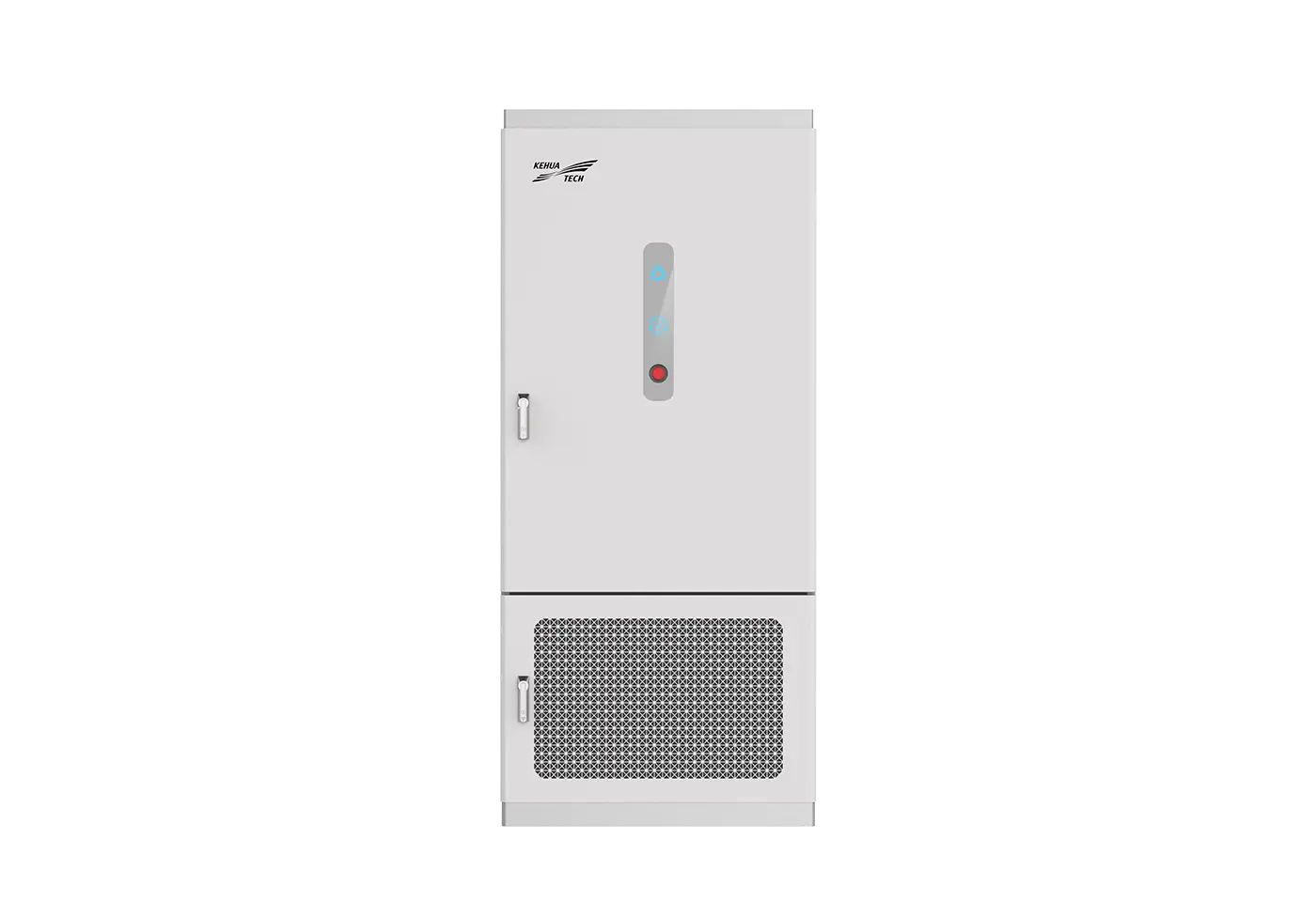


- Electric Bus Charging Upgraded: Fast & Flexible
- Shenzhen Kehua’s 40 kW High-Efficiency SiC Charging Module Achieves CE, CB, and UL Certifications
- Shenzhen Kehua Unveils High-Reliability All-in-One DC Charger for the ASEAN Market
- Shenzhen Kehua’s Scalable Megawatt Power Unit: Pioneering the Next Era of High-Power Charging for Green Mobility
- Growth Opportunities in the EV Charging Industry Amid the Global Transportation Electrification
- The Future of Fleet Charging: Building Efficient and Reliable Charging Infrastructure
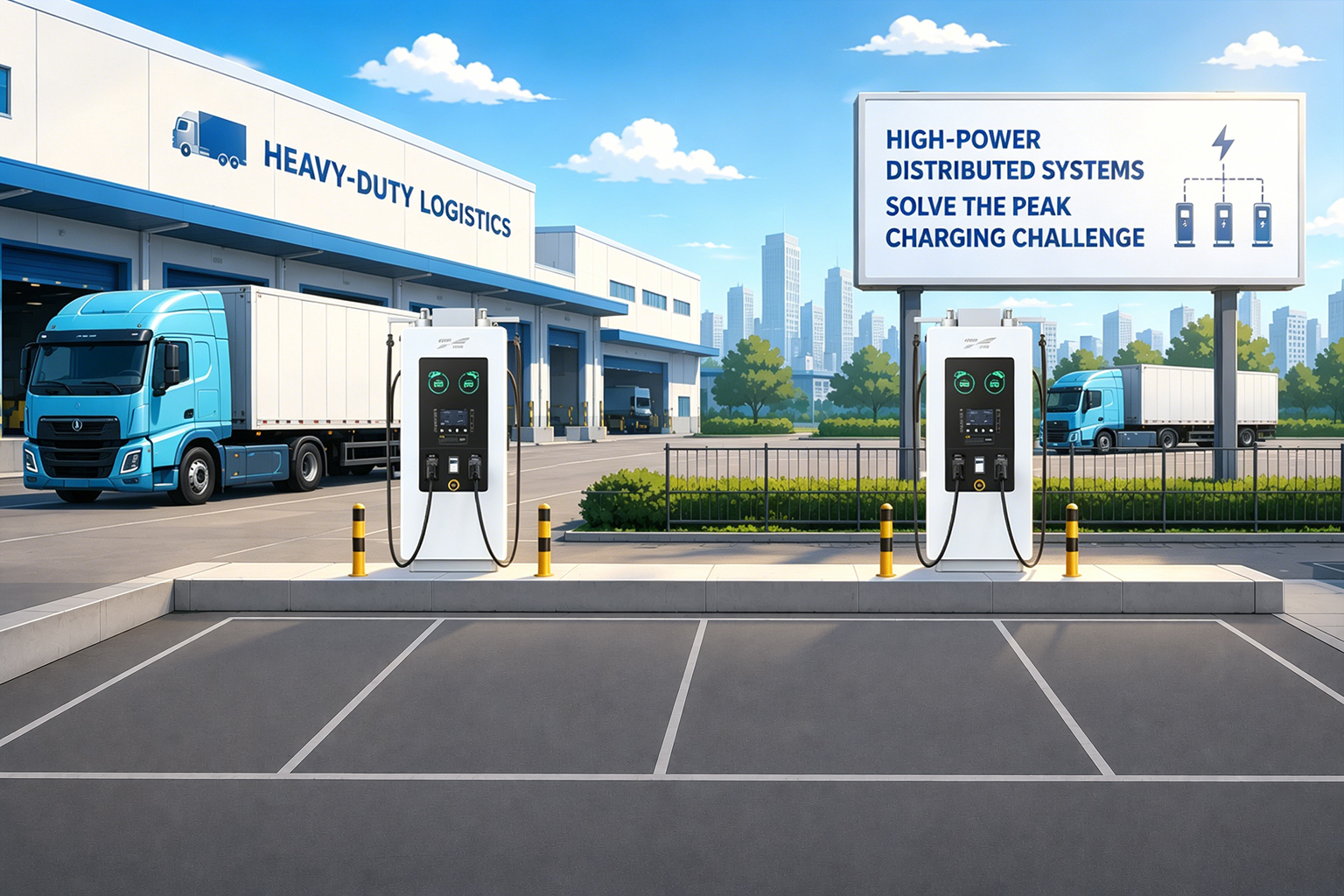
Heavy-Duty Logistics: How High-Power Distributed Systems Solve the Peak Charging Challenge in Warehouses


Content Menu
● Why Peak Charging Is Now a Strategic Risk
● What Is a High-Power Distributed Charging System?
● Core SEO Concepts and Target Keywords
● Key Benefits for Warehouses and Heavy-Duty Fleets
>> 1. Peak Load Control and Lower Energy Costs
>> 2. Higher Charger Utilization and ROI
>> 3. Operational Reliability and Uptime
>> 4. Future-Proofing for Megawatt Charging and V2G
● How Shenzhen Kehua Hengsheng Positions Its Heavy-Duty Charging Portfolio
● Real-World Warehouse Scenarios and Architecture Options
>> Scenario A: Multi-Shift Distribution Center with Electric Yard Tractors
>> Scenario B: Automated Warehouse with AGVs and Forklifts
>> Scenario C: Regional Hub with Mixed Heavy-Duty and Medium-Duty Fleet
● Practical Implementation Roadmap for Warehouse Operators
>> Step 1: Data-Driven Fleet and Load Assessment
>> Step 2: Define Charging Strategy and Service Levels
>> Step 3: Select High-Power Distributed Architecture
>> Step 4: Integrate with Software and Operations
● New Expert Insights: V2G, Policy, and Standards You Cannot Ignore
>> Regulatory Push for Smart Charging and V2G
>> Convergence Around High-Power and Megawatt Charging
>> Integrated Energy Systems: PV + Storage + Charging
● Best Practices for User Experience and Safety at the Charging Yard
● Summary Table: Why High-Power Distributed Systems Fit Warehouses
● Strong Call to Action: Design Your Next-Generation Warehouse Charging System
● FAQs: Heavy-Duty Warehouse Charging and High-Power Distributed Systems
Electrifying heavy-duty logistics fleets is no longer a distant vision—it is a daily operational reality for warehouses, 3PLs, and distribution centers worldwide. As more forklifts, yard trucks, tractors, and delivery vehicles shift to battery-electric power, peak charging demand inside depots and warehouses has become a mission‑critical challenge. [jointcharging]
From my perspective as a consultant working with large logistics operators, and drawing on the engineering experience of Shenzhen Kehua Hengsheng Technology Co., Ltd., the most effective answer emerging today is high-power distributed charging systems, combined with DC fast charging, megawatt-level systems, energy storage, and V2G-ready infrastructure.
Why Peak Charging Is Now a Strategic Risk
In traditional diesel fleets, "refueling" is quick, predictable, and rarely a bottleneck inside the warehouse. In an electric fleet, charging is inseparable from operations, shift design, and energy costs. [cyberswitching]
Peak charging becomes a serious risk in three common scenarios:
- Shift changes and cut‑off times
- Multiple trucks, forklifts, AGVs, or tractors plug in at the same time just before or after a shift, or when loading must be finished before a truck departure window. [evrange]
- Tight delivery SLAs and time‑critical loads
- When trailers must depart within narrow time windows, vehicles arriving with low SOC (state of charge) create unexpected urgent charging spikes. [volvoenergy]
- Fleet growth without grid upgrades
- As depot fleets grow from a handful of EVs to dozens or hundreds, the original grid connection cannot support simultaneous fast charging without overload or very high demand charges. [jointcharging]
The result is a combination of:
- Higher demand charges and unstable energy bills
- Load shedding or tripped breakers that interrupt operations
- Vehicles waiting for chargers instead of moving goods
- Difficulty planning shifts and routes
To solve this sustainably, warehouses need more than a few standalone DC chargers; they need a system-level approach to power distribution, energy management, and charging orchestration. [blinkcharging]
What Is a High-Power Distributed Charging System?
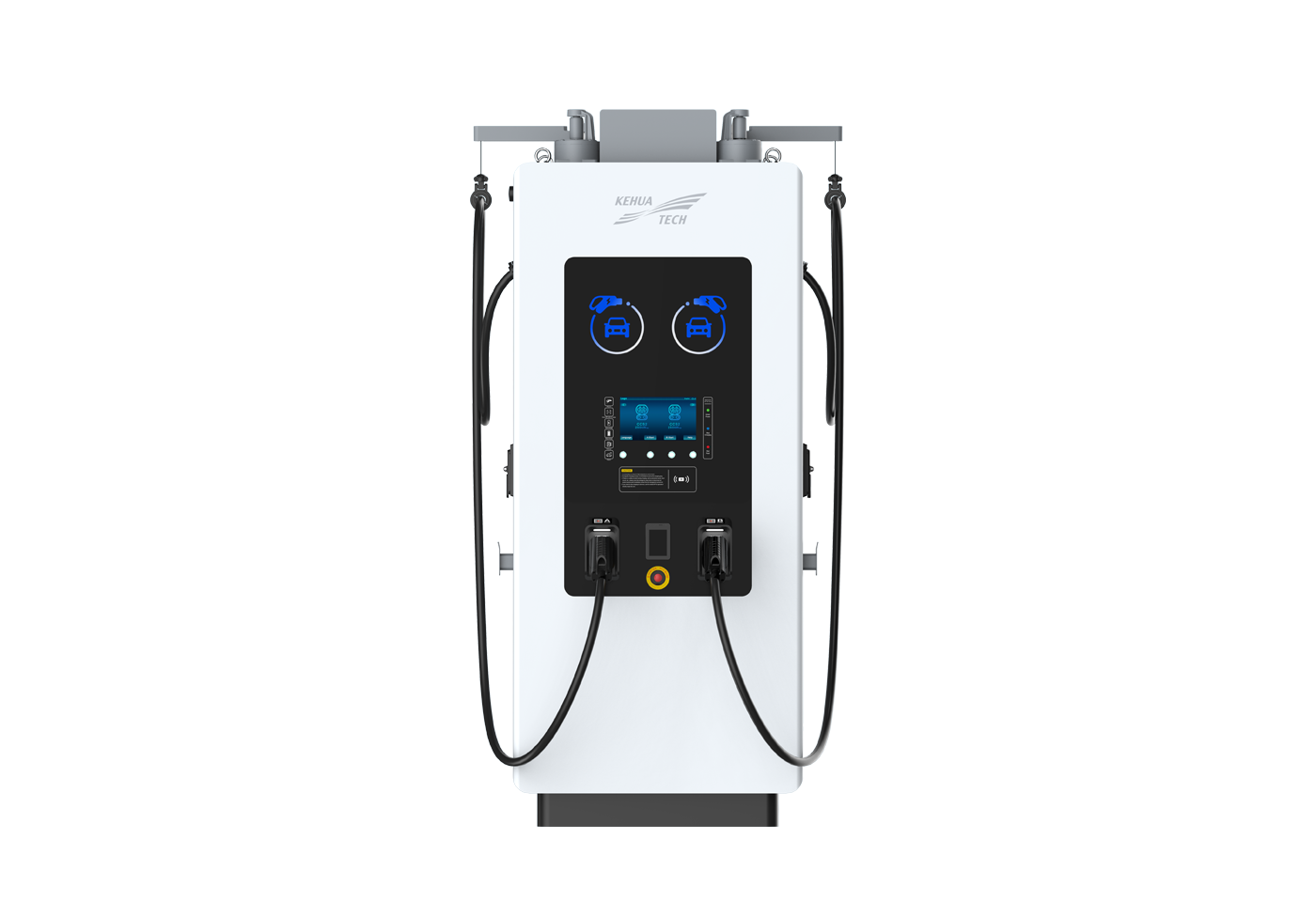
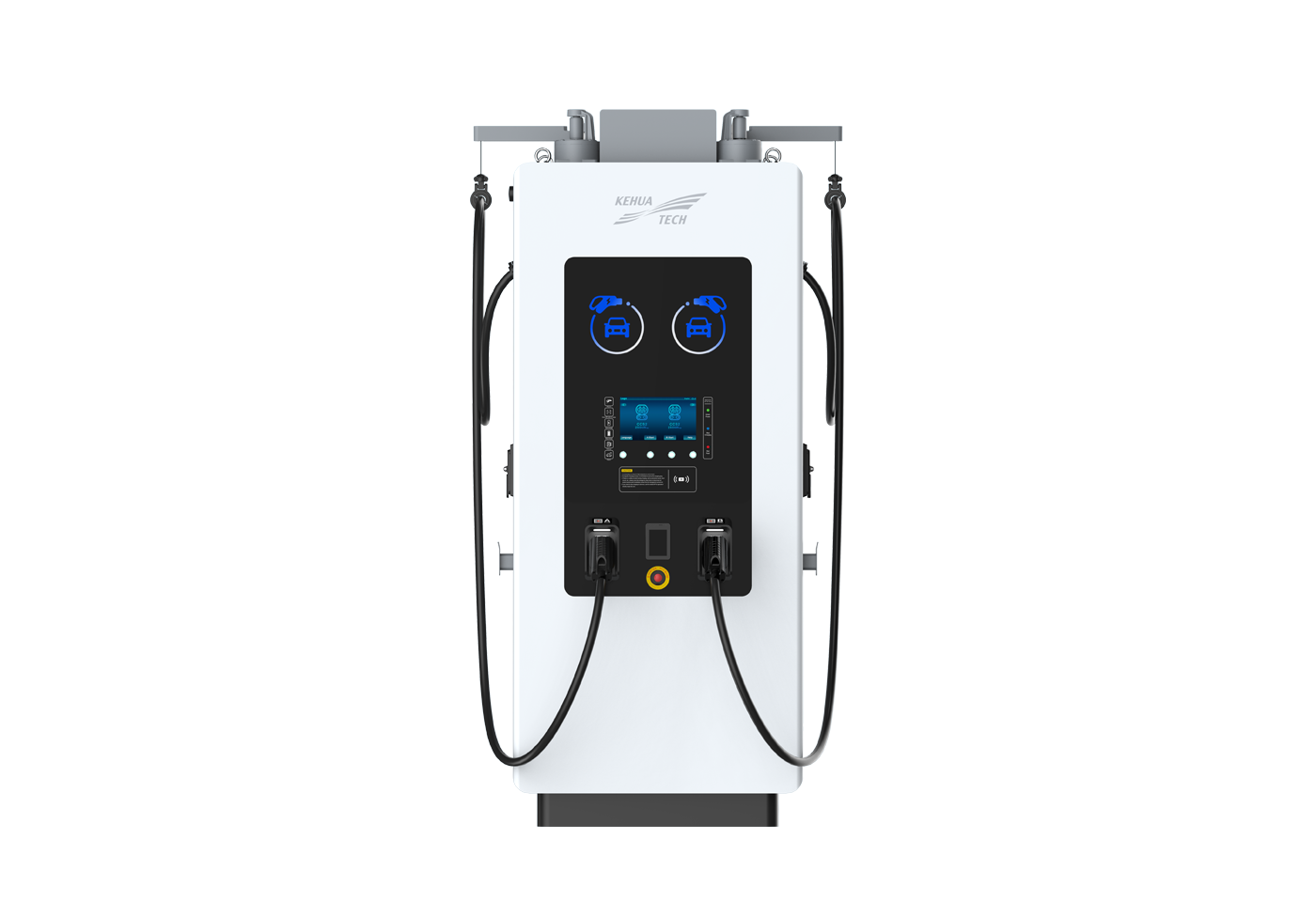
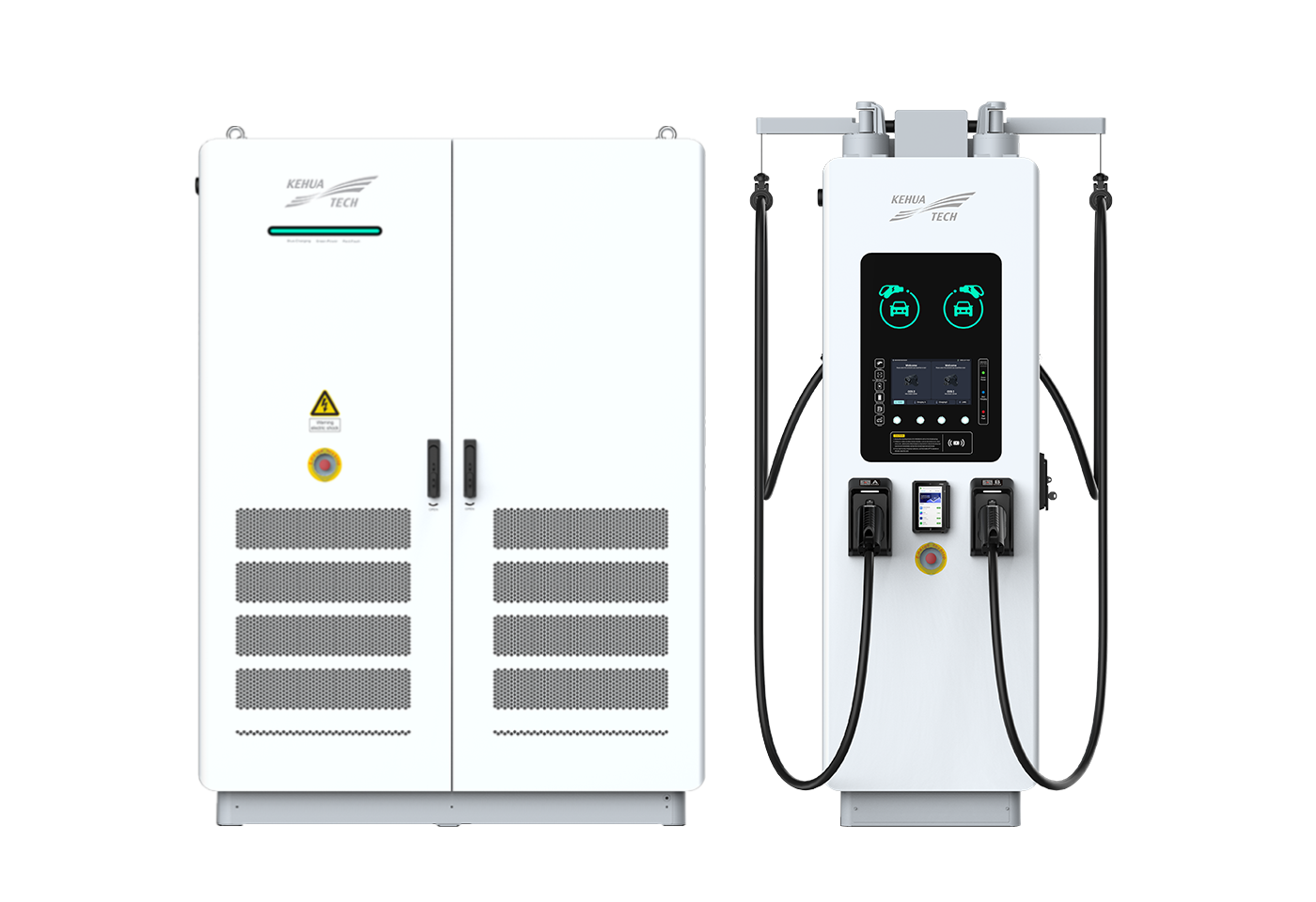
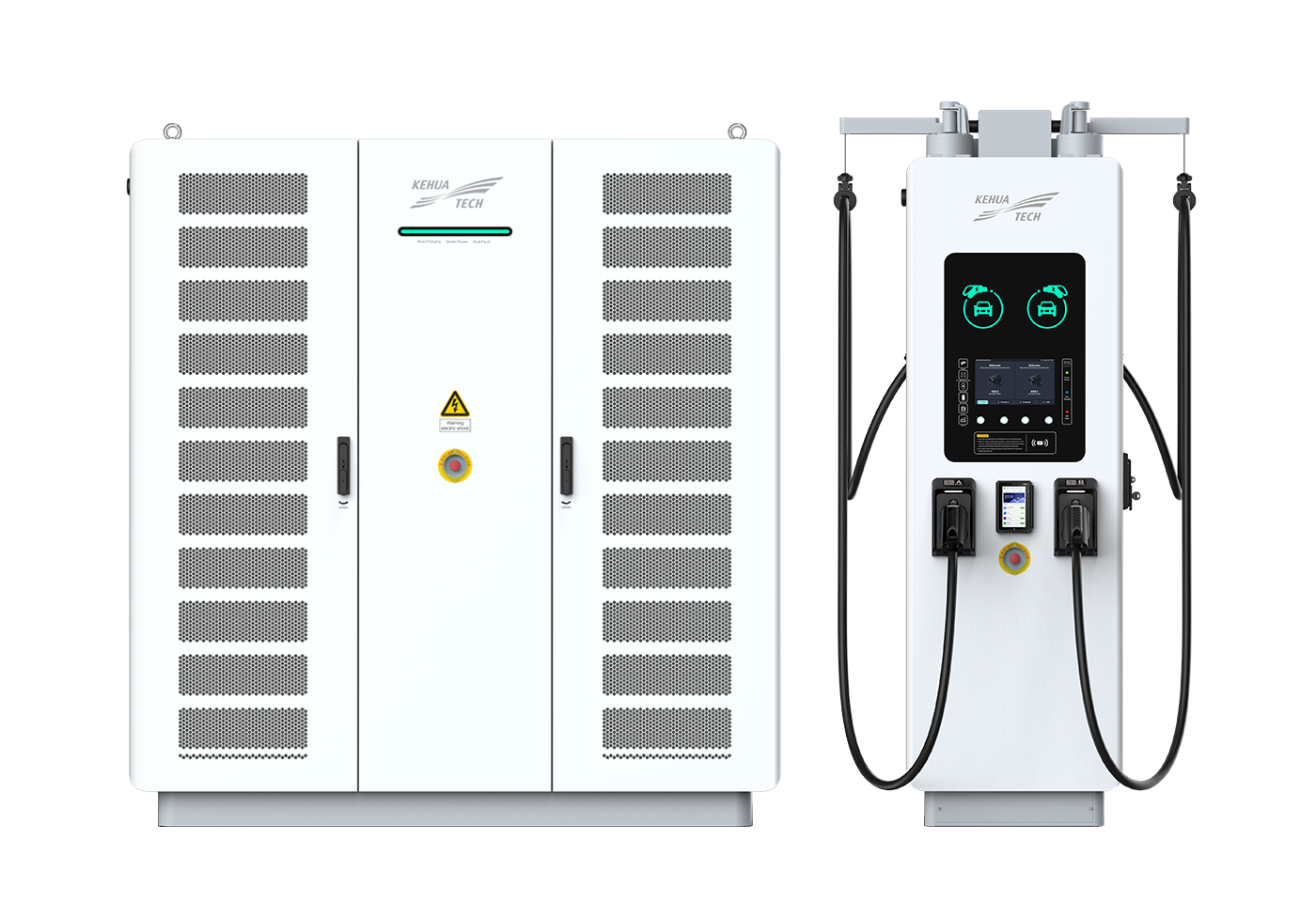
A high-power distributed charging system separates the central power unit (or power cabinet) from multiple satellite charging dispensers spread across the warehouse yard, docks, or indoor areas. [chargetronix]
In practice, this architecture usually includes: [press.siemens]
- Centralized power units / power cabinets
- High‑power modules (for example 30–75 kW each) integrated into a cabinet that can deliver several hundred kilowatts up to 600 kW or more total. [blinkcharging]
- Satellite posts or dispensers
- Compact DC or AC–DC posts positioned near parking bays, docks, or inside the warehouse, connected back to the central unit via DC bus. [kempower]
- Dynamic power distribution & load management
- Software directs available power in real time to the vehicles that need it most, based on SOC, departure time, and configured rules. [cyberswitching]
- Integration with energy storage and PV
- Battery energy storage systems (BESS) and on-site solar PV smooth the load curve, enabling peak shaving and self-consumption optimization. [en.kehuasz]
- Readiness for megawatt and MCS-era charging
- For heavy trucks and yard tractors, next‑generation systems support megawatt-level charging and emerging standards such as MCS. [phoenixcontact]
This distributed approach is fundamentally different from installing multiple independent fast chargers. It allows one shared power pool to be intelligently allocated across many vehicles, aligning energy use with operational priorities instead of first‑come, first‑served. [chargetronix]
Key Benefits for Warehouses and Heavy-Duty Fleets
From both engineering and operational experience, the value of high‑power distributed systems in warehouses can be grouped into four main pillars. [press.siemens]
1. Peak Load Control and Lower Energy Costs
- Dynamic load management (DLM) keeps the total power draw within a configured site limit, avoiding costly spikes. [evrange]
- Battery storage plus intelligent scheduling shifts energy consumption from peak grid hours to off‑peak windows. [en.kehuasz]
- Priority-based charging ensures vehicles with earlier departures receive more power, while those parked for longer can charge more slowly. [virta]
2. Higher Charger Utilization and ROI
- Instead of oversizing every charger, the central power unit shares power across multiple dispensers according to actual demand. [kempower]
- Modular power blocks allow gradual expansion as the fleet grows, improving capex efficiency. [powerdesignerssibex]
- Software analytics reveal utilization patterns and bottlenecks so you can refine parking, routing, and charging policy. [virta]
3. Operational Reliability and Uptime
- If one power module fails, others continue operating, reducing the risk of complete charger outages. [powerdesignerssibex]
- Remote monitoring and firmware updates help keep chargers secure, compliant, and optimized with minimal on‑site intervention. [evrange]
- Predictive maintenance capabilities can forecast component wear and schedule service before failures occur. [en.kehuasz]
4. Future-Proofing for Megawatt Charging and V2G
- Megawatt-class hardware enables next‑generation heavy truck charging at depots, aligning with global MCS and high‑power DC trends. [phoenixcontact]
- V2G (Vehicle-to-Grid) and V2B (Vehicle-to-Building) readiness turns parked fleet vehicles into flexible energy assets, supporting grid stability and on‑site energy management strategies. [sz.gov]
How Shenzhen Kehua Hengsheng Positions Its Heavy-Duty Charging Portfolio
Shenzhen Kehua Hengsheng Technology Co., Ltd. offers a full-stack portfolio specifically designed to address these heavy-duty warehouse charging challenges:
- DC charging modules for high‑efficiency, scalable power conversion
- AC chargers for supporting passenger vehicles, light-duty fleet vehicles, and plug‑in hybrids
- DC fast chargers and high-power distributed systems for yard trucks, tractors, and heavy-duty logistics vehicles
- Megawatt‑level charging systems aligned with high‑power standards for trucks and coaches
- V2G‑enabled bidirectional charging technology for grid‑interactive depots
- PV + energy storage all‑in‑one systems, integrating solar, batteries, and chargers into a unified energy management platform
This holistic approach allows warehouse operators to design their energy and charging infrastructure as one integrated system, rather than as a collection of isolated components. [sz.gov]
Real-World Warehouse Scenarios and Architecture Options
To translate these concepts into practice, consider three common warehouse use cases.
Scenario A: Multi-Shift Distribution Center with Electric Yard Tractors
- Pain points: frequent congestion at chargers after shift changes; tight departure windows for outbound trailers. [volvoenergy]
- Solution architecture:
- Centralized high-power DC cabinet (400–600 kW total) feeding multiple 150–300 kW satellite dispensers located at dock doors. [blinkcharging]
- Priority algorithm based on scheduled departure times; trucks with imminent departure receive more power. [jointcharging]
- BESS + PV on the depot rooftop to reduce evening peak charges. [jointcharging]
Scenario B: Automated Warehouse with AGVs and Forklifts
- Pain points: AGVs and forklifts run nearly 24/7, requiring opportunity charging during short idle periods; any charging bottleneck degrades throughput. [phihong]
- Solution architecture:
- Distributed DC system with lower-power dispensers available at multiple docking zones and intermediate staging areas. [phihong]
- Integration with warehouse management system (WMS) and AGV controllers so that charging tasks are triggered by SOC thresholds, not only by time. [phihong]
- Smart queuing: when several AGVs request charging simultaneously, the system assigns slots based on task priority and battery level. [virta]
Scenario C: Regional Hub with Mixed Heavy-Duty and Medium-Duty Fleet
- Pain points: combination of urban delivery trucks, longer‑haul tractors, and service vehicles with different range and charging needs. [evrange]
- Solution architecture:
- Hybrid layout combining high-power DC posts for heavy trucks and AC or moderate DC chargers for lighter trucks and vans. [volvoenergy]
- Software-defined charging profiles per vehicle category (slow overnight vs. fast opportunity charging). [jointcharging]
- Future‑ready MCS or megawatt outlet for the heaviest vehicles, supported by a megawatt-class power unit. [press.siemens]
Practical Implementation Roadmap for Warehouse Operators
Based on typical industry projects, a structured five‑step roadmap can reduce risk and accelerate ROI. [cyberswitching]
Step 1: Data-Driven Fleet and Load Assessment
1. Map current and future fleet composition (vehicle types, battery capacities, daily kilometers). [evrange]
2. Analyze route types (return-to-base, regional, long-haul) and parking patterns. [virta]
3. Review existing grid connection capacity, demand charges, and energy tariffs. [cyberswitching]
Step 2: Define Charging Strategy and Service Levels
1. Set service level targets: maximum allowable wait time for chargers, minimum SOC at departure, acceptable overnight charging windows. [jointcharging]
2. Allocate vehicles into charging profiles (overnight, mid-shift, turnaround fast charge). [virta]
Step 3: Select High-Power Distributed Architecture
1. Size the central power units based on total fleet power needs, with growth margin. [chargetronix]
2. Decide the number and location of satellite dispensers using real yard workflows and safety constraints. [kempower]
3. Integrate PV, storage, and V2G capabilities where tariffs and regulations support them. [sz.gov]
Step 4: Integrate with Software and Operations
1. Connect chargers to a Charge Point Management System (CPMS) for monitoring, control, and billing. [evrange]
2. Integrate CPMS with WMS / TMS / fleet management systems to align charging with actual operations. [jointcharging]
3. Configure dynamic load management and priority rules reflecting real operational priorities. [cyberswitching]
Step 5: Optimize and Scale
1. Use data analytics to refine schedules, adjust thresholds, and identify bottlenecks. [virta]
2. Add additional power modules and dispensers as the fleet grows, without redesigning the entire electrical backbone. [powerdesignerssibex]
3. Pilot V2G services or demand-response participation if regulatory conditions are favorable. [en.kehuasz]
New Expert Insights: V2G, Policy, and Standards You Cannot Ignore
To go beyond typical articles, logistics decision‑makers should be aware of three fast‑moving areas that heavily influence long‑term charging strategy.
Regulatory Push for Smart Charging and V2G
Many leading cities and regions are publishing technical guidelines and policies for orderly charging and V2G bidirectional energy interaction, especially for large depots and fleets. [sz.gov]
These guidelines often require: [sz.gov]
- Coordinated load control to avoid destabilizing the local grid
- Open data interfaces between chargers, aggregators, and grid operators
- Clear cybersecurity and interoperability standards
Designing your high-power distributed system to comply with these frameworks from day one reduces the risk of future retrofits. [en.kehuasz]
Convergence Around High-Power and Megawatt Charging
Leading technology providers continue to push high‑power DC and megawatt charging platforms with: [phoenixcontact]
- Power units in the 400–600+ kW range, serving multiple dispensers
- Support for emerging megawatt charging standards targeting heavy trucks and buses
- Designs optimized for high power density and flexible layout
For logistics fleets with multi‑year vehicle procurement plans, aligning infrastructure with these trends avoids stranded assets. [press.siemens]
Integrated Energy Systems: PV + Storage + Charging
Industry conferences and solution showcases increasingly highlight PV + energy storage + charging + inspection & community charging as an integrated package. [en.kehuasz]
This reflects the reality that EV charging cannot be separated from on‑site energy generation, storage, and building loads. [en.kehuasz]
A warehouse that combines rooftop PV, BESS, and high-power distributed charging can: [jointcharging]
- Flatten demand curves and protect against tariff volatility
- Improve sustainability metrics and certifications
- Support community or employee charging where applicable
Best Practices for User Experience and Safety at the Charging Yard
From a UX and safety standpoint, well-designed charging zones are as important as power electronics.
Layout and signage [volvoenergy]
- Group chargers in logical clusters aligned with traffic flow to avoid deadlocks and reversing.
- Use clear lane markings and signage for arrival, charging, and departure routes.
- Reserve dedicated bays for fast-turnaround vehicles.
Human–machine interface (HMI) [blinkcharging]
- Ensure displays clearly show available power, estimated time to target SOC, and any queue or priority information.
- Provide multilingual instructions and large, high‑contrast graphics.
Cabling and ergonomics [chargetronix]
- Use retractable cable management where possible to reduce trip hazards.
- Position connectors to minimize operator strain on heavy DC cables.
Data transparency and alerts [evrange]
- Give fleet managers a dashboard view of all chargers, vehicles, and alerts in real time.
- Configure push notifications for exceptions such as failed charging sessions or vehicles that may miss departure SOC.
Summary Table: Why High-Power Distributed Systems Fit Warehouses
| Aspect | Traditional Standalone Chargers | High-Power Distributed Charging Systems |
|---|---|---|
| Power allocation | Fixed per charger, often underutilized (jointcharging) | Shared power pool, dynamically allocated (kempower) |
| Peak demand control | Difficult; many independent loads (jointcharging) | Native DLM and peak shaving with BESS (jointcharging) |
| Scalability | Requires new circuits per charger (jointcharging) | Add modules/dispensers incrementally (blinkcharging) |
| Operational flexibility | Limited; static configurations (jointcharging) | Software-defined priorities & profiles (jointcharging) |
| Future readiness | Harder to adapt to megawatt/V2G (press.siemens) | Designed for MCS, V2G, PV–storage integration (press.siemens) |
| TCO and ROI | Higher per‑charger cost and lower utilization (jointcharging) | Optimized capex and higher utilization (kempower) |
Strong Call to Action: Design Your Next-Generation Warehouse Charging System
If your warehouse or logistics hub is:
- Planning a new heavy‑duty EV fleet, or
- Struggling with peak charging bottlenecks, unpredictable energy bills, or vehicle queues at chargers,
then now is the right time to evaluate a high-power distributed charging system integrated with PV, storage, and V2G‑ready infrastructure. [chargetronix]
Shenzhen Kehua Hengsheng Technology Co., Ltd. can support you from concept design and load analysis through to hardware deployment, software integration, and lifecycle maintenance. By combining DC charging modules, AC chargers, DC fast chargers, megawatt systems, V2G technology, and PV+storage all-in-one solutions, we help you build a warehouse charging ecosystem that is efficient, reliable, and ready for the next decade of heavy-duty electrification. [sz.gov]
If you are ready to eliminate peak charging headaches and turn your depot into a strategic energy asset, contact our expert team to schedule a technical assessment of your warehouse today.
FAQs: Heavy-Duty Warehouse Charging and High-Power Distributed Systems
1. What is the biggest charging challenge for heavy-duty warehouse fleets?
The biggest challenge is managing simultaneous high-power charging during peak periods, which can overload the grid connection, increase demand charges, and delay operations if vehicles wait for chargers. [cyberswitching]
2. How does a high-power distributed system reduce peak load?
By pooling power in a central unit and using dynamic load management, the system limits the site's total power draw while still meeting priority vehicles' charging needs, especially when combined with energy storage and smart scheduling. [blinkcharging]
3. Are these systems suitable only for large depots?
No. While they shine in large multi-vehicle depots, the modular nature of distributed systems makes them attractive for medium-size warehouses planning to scale their EV fleets over time. [powerdesignerssibex]
4. How does V2G benefit warehouse operators?
V2G allows parked vehicles to discharge energy back to the site or grid, supporting peak shaving, backup power, and potential participation in grid services markets, thereby improving the total economic value of the fleet. [en.kehuasz]
5. What standards should I consider for future-proofing heavy-duty charging?
You should look for support for high-power DC charging, emerging megawatt charging standards, robust communication protocols, and compliance with local guidelines for orderly charging and V2G interaction. [phoenixcontact]
References
1. JointCharging – "How to Solve the 6 Real EV Charging Challenges"
https://jointcharging.com/how-to-solve-the-6-real-ev-charging-challenges/ [jointcharging]
2. CyberSwitching – "Fleet EV Charging: 5 Common Problems and Solutions"
https://cyberswitching.com/fleet-ev-charging-common-problems-solutions/ [cyberswitching]
3. EV Range – "Industrial Fleet EV Charging Solutions"
https://www.evrange.com/fleets [evrange]
4. Kempower – "Distributed Charging Systems"
https://kempower.com/america/solution/distributed-charging-systems/ [kempower]
5. Blink Charging – "DC Distributed EV Charging System"
https://blinkcharging.com/products/dc-distributed-system [blinkcharging]
6. Chargetronix – "Nexus Distributed Charger System"
https://chargetronix.com/nexus-distributed-charger-system/ [chargetronix]
7. Siemens – "SICHARGE FLEX: Next-Gen EV Charging System in the Megawatt Era"
https://press.siemens.com/global/en/pressrelease/sicharge-flex-siemens-unveils-next-gen-ev-charging-system-megawatt-era [press.siemens]
8. Phoenix Contact – "High Power Charging – Megawatt Charging with CCS"
https://www.phoenixcontact.com/en-pc/technologies/high-power-charging [phoenixcontact]
9. Virta – "Heavy-duty EV Charging"
https://www.virta.global/use-cases/heavy-duty [virta]
10. Shenzhen KEHUA – "V2G PV, Energy Storage, Charging and Community Charging Solutions at Industry Conference"
https://en.kehuasz.com/xwjj/info_252_itemid_1019.html [en.kehuasz]
11. Shenzhen Government – "Technical Specification for Orderly Charging and V2G Bidirectional Energy Interaction"
https://www.sz.gov.cn/attachment/1/1306/1306190/10646452.pdf [sz.gov]
12. Phihong – "The Best Charging Station Manufacturer for Warehouse Robots"
https://www.phihong.com/what-is-the-best-charging-station-for-large-scale-warehouse-robots/ [phihong]
13. PowerDesigners – "High Frequency Chargers and Charging System Types Explained"
https://www.powerdesignerssibex.com/high-frequency-chargers-explained/ [powerdesignerssibex]
14. Volvo Energy – "Depot Charging"
https://www.volvoenergy.com/us/charging-solutions/charging-solutions/depot-charging.html [volvoenergy]
Hot Tags: Peak Charging, Manufacturers, Customized, Custom, Suppliers, Buy, Cheap, Quality, Advanced, Durable, in Stock, Free Sample, Made in China, Price, Quotation

