

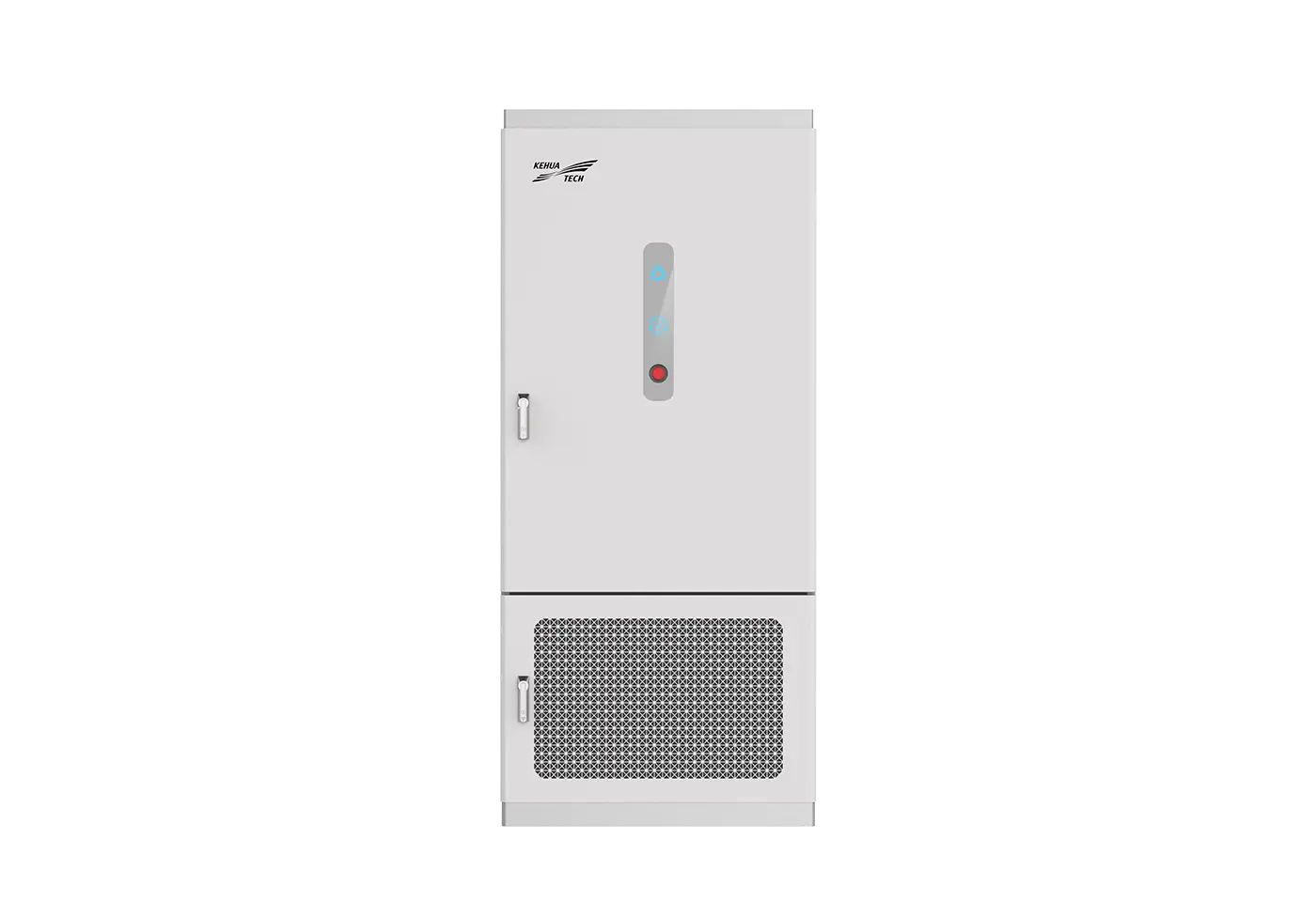


- Electric Bus Charging Upgraded: Fast & Flexible
- Shenzhen Kehua’s 40 kW High-Efficiency SiC Charging Module Achieves CE, CB, and UL Certifications
- Shenzhen Kehua Unveils High-Reliability All-in-One DC Charger for the ASEAN Market
- Shenzhen Kehua’s Scalable Megawatt Power Unit: Pioneering the Next Era of High-Power Charging for Green Mobility
- Growth Opportunities in the EV Charging Industry Amid the Global Transportation Electrification
- The Future of Fleet Charging: Building Efficient and Reliable Charging Infrastructure
Load Shedding Solutions: How to Install DC Fast Chargers on Limited Power Capacity Sites


Content Menu
● Why Limited-Power DC Fast Charging Matters Now
● What "Load Shedding" Means for DC Fast Charging
● Step 1: Assessing Site Power and Constraints
● Step 2: Choosing the Right DC Fast Charging Architecture
>> Recommended architecture options (from practice)
● Step 3: Load Shedding and Load Balancing Strategies That Actually Work
>> 1. Dynamic load balancing across chargers
>> 2. Prioritized load shedding of non-critical building loads
>> 3. Time-of-use and demand-charge aware operation
● Step 4: Integrating Battery Storage, PV, and V2G
>> Battery-buffered DC fast charging
>> PV + storage integrated systems
>> V2G bidirectional charging for additional flexibility
● Step 5: Practical Installation Workflow on a Limited-Capacity Site
>> 1. Site selection and civil planning
>> 2. Permitting, codes, and standards
>> 3. Electrical and communication design
>> 4. Installation, commissioning, and validation
● Where Shenzhen Kehua Hengsheng Adds Unique Value
● Practical Checklist for Installing DC Fast Chargers on Limited Power
● Example Configuration for a Constrained Commercial Site
● Call to Action: Turn Limited Power into a Strategic Advantage
● FAQs: Load Shedding and DC Fast Charging on Limited Power Sites
Why Limited-Power DC Fast Charging Matters Now
Over the last few years, I have helped commercial property owners, fleet operators, and developers install DC fast chargers (DCFC) on sites that everyone initially judged "impossible" because of limited grid capacity and costly utility upgrades. In practice, with the right load shedding solutions, smart energy management, and modular DC technology, these projects can be not only feasible but highly profitable and resilient. [driveelectric]
From a business and engineering standpoint, the goal is simple: deliver reliable fast charging without overloading the electrical service or waiting years for major grid reinforcements. In this guide, I will walk through the step‑by‑step approach and share the strategies that actually work in the field.
What "Load Shedding" Means for DC Fast Charging
Load shedding is the controlled reduction or shutdown of electrical loads when demand approaches or exceeds the maximum power capacity available at a site. In the context of DC fast charger installation on limited power capacity sites, load shedding is a critical tool to: [qmerit]
- Protect the main electrical panel from overload.
- Prevent nuisance breaker trips and unplanned shutdowns.
- Prioritize critical loads (lighting, safety, IT) over flexible loads (EV charging).
- Enable DC fast charging where the grid cannot continuously support full nameplate power. [driveelectric]
Industry practice typically distinguishes between:
- Load shedding – turning certain loads off completely when thresholds are reached. [qmerit]
- Load balancing – dynamically adjusting power among multiple active loads or chargers so total demand stays within a predefined limit. [simpleswitch]
For EV charging, a hybrid approach works best:
- Use dynamic load balancing to smoothly share power across multiple DC chargers.
- Use load shedding to temporarily shut down non-essential building loads or reduce charger power during peaks. [simpleswitch]
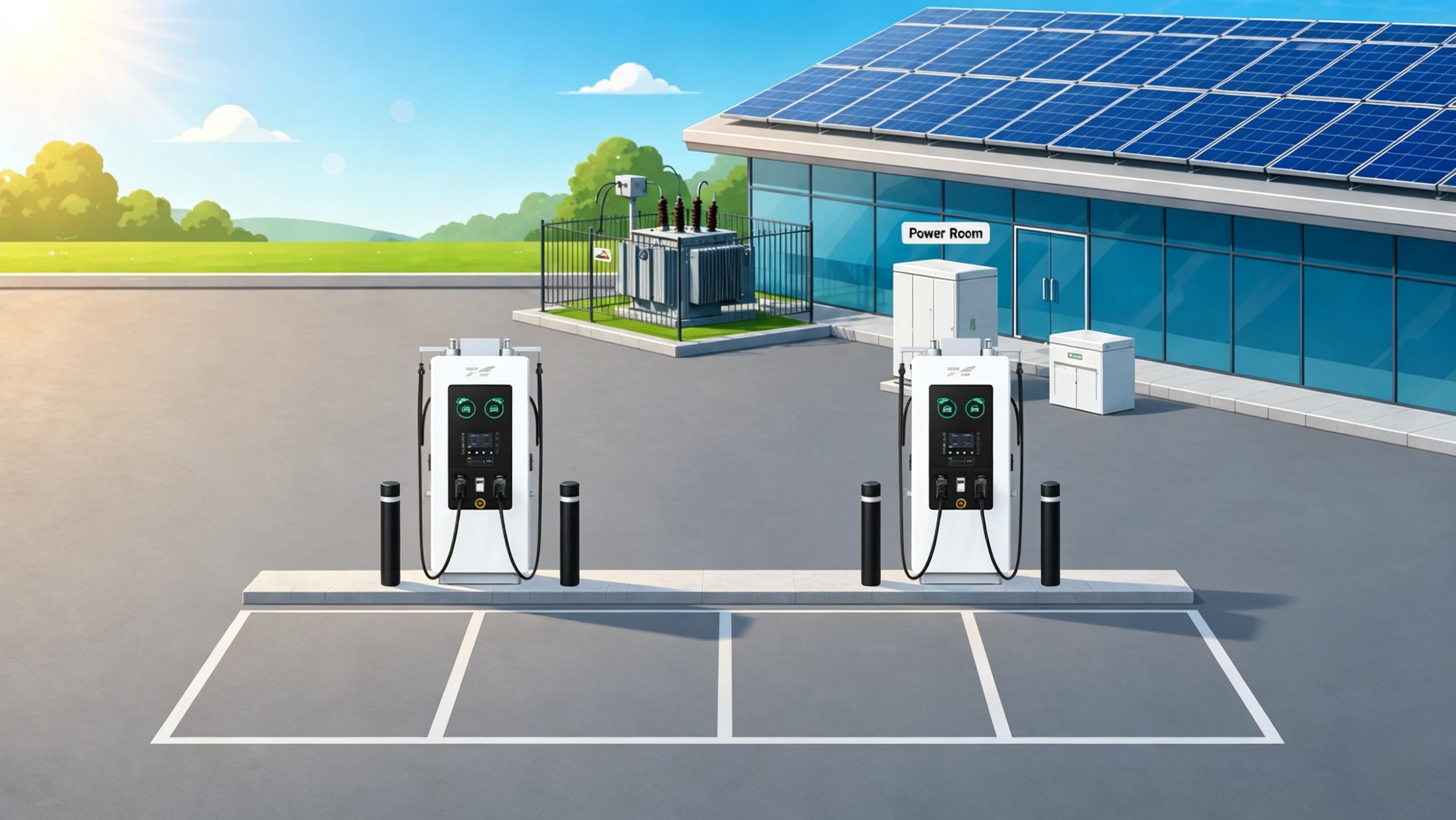
Step 1: Assessing Site Power and Constraints
When I get involved in a load-constrained DCFC project, the first step is always a thorough power capacity assessment. This is where Google's E‑E‑A‑T expectations align with real engineering practice: everything starts from measured, documented reality, not assumptions. [sinoevse]
Key actions I recommend:
1. Audit the main service and panel capacity
- Confirm service rating (for example 400 A, 800 A) and voltage (e.g., 400 V three-phase, 480 V, or 208/240 V). [blinkcharging]
- Collect 12–24 months of utility bills to understand maximum recorded demand and time-of-use tariffs. [driveelectric]
2. Map all major existing loads
- HVAC, elevators, ventilation, kitchen equipment, data room, lighting, process loads.
- Identify loads that are time-flexible or non-critical (for future shedding or shifting). [qmerit]
3. Estimate DC fast charging power envelope
- Decide how many DC fast chargers you truly need in phase 1 (for example, 2 × 120 kW or 4 × 60 kW).
- Determine what simultaneous power draw is realistic under present capacity (for example, 150 kW site limit for charging, not 300 kW). [sinoevse]
4. Simulate worst-case scenarios
- Overlay peak building usage with peak charging usage.
- Check where you exceed the main breaker rating or contracted demand.
At this stage, we normally discover that theoretical charger peak power is not compatible with existing grid capacity, but average and time-shifted power can be managed with intelligent solutions. [simpleswitch]
Step 2: Choosing the Right DC Fast Charging Architecture
Once the power envelope is clear, the next question is: *What architecture makes the most of limited capacity?* Here, modular, high-efficiency DC charging modules and distributed systems become crucial.
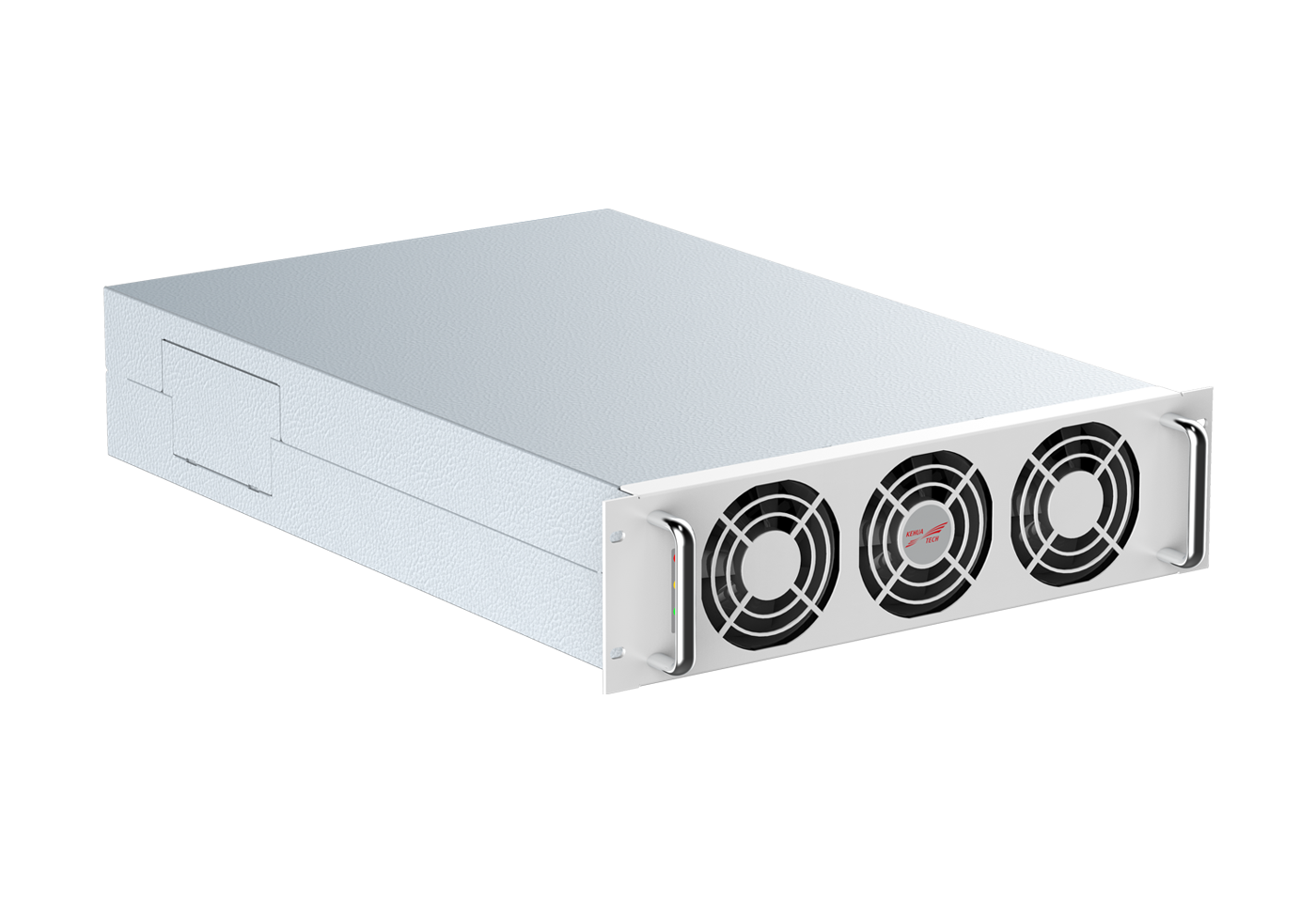
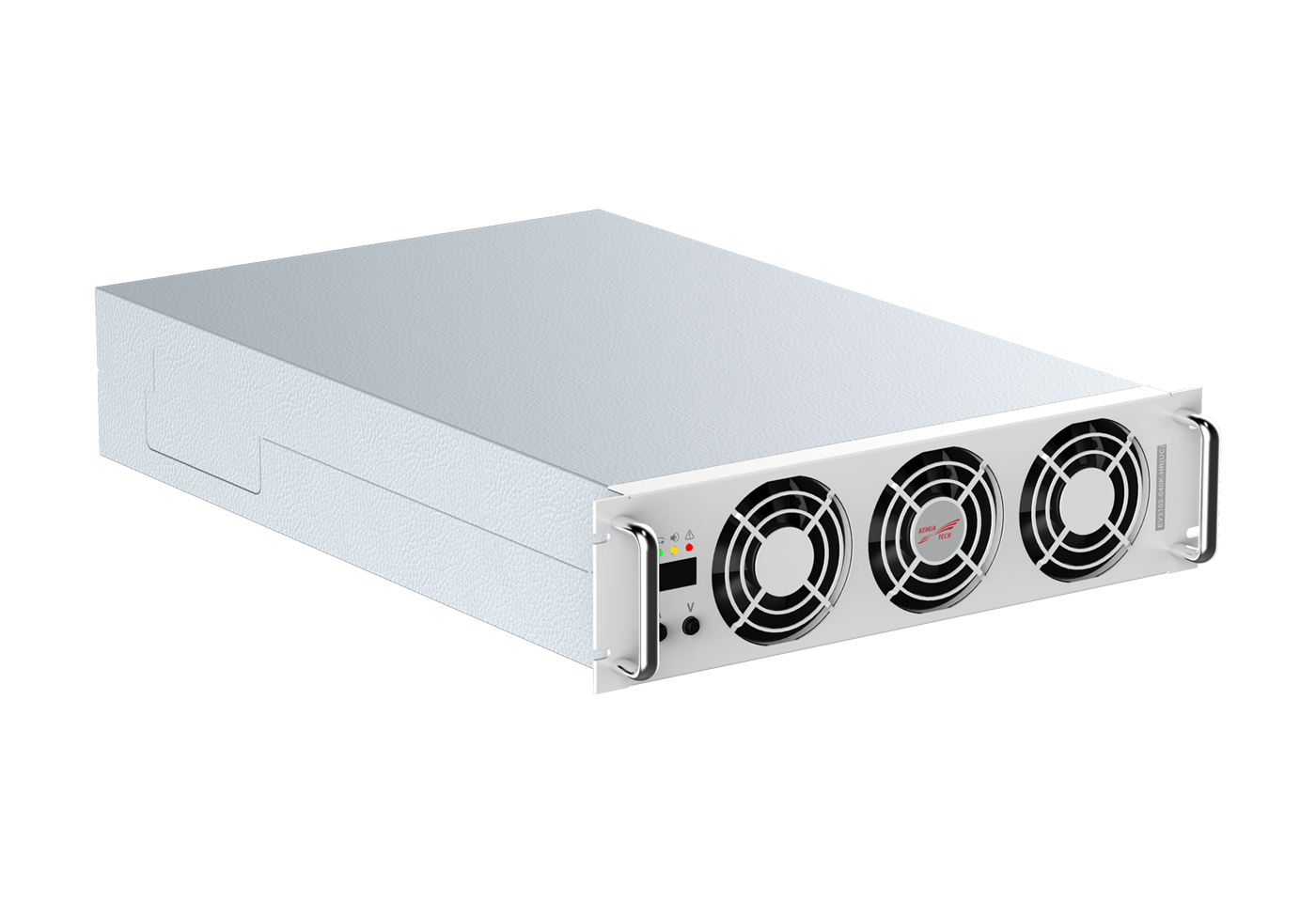
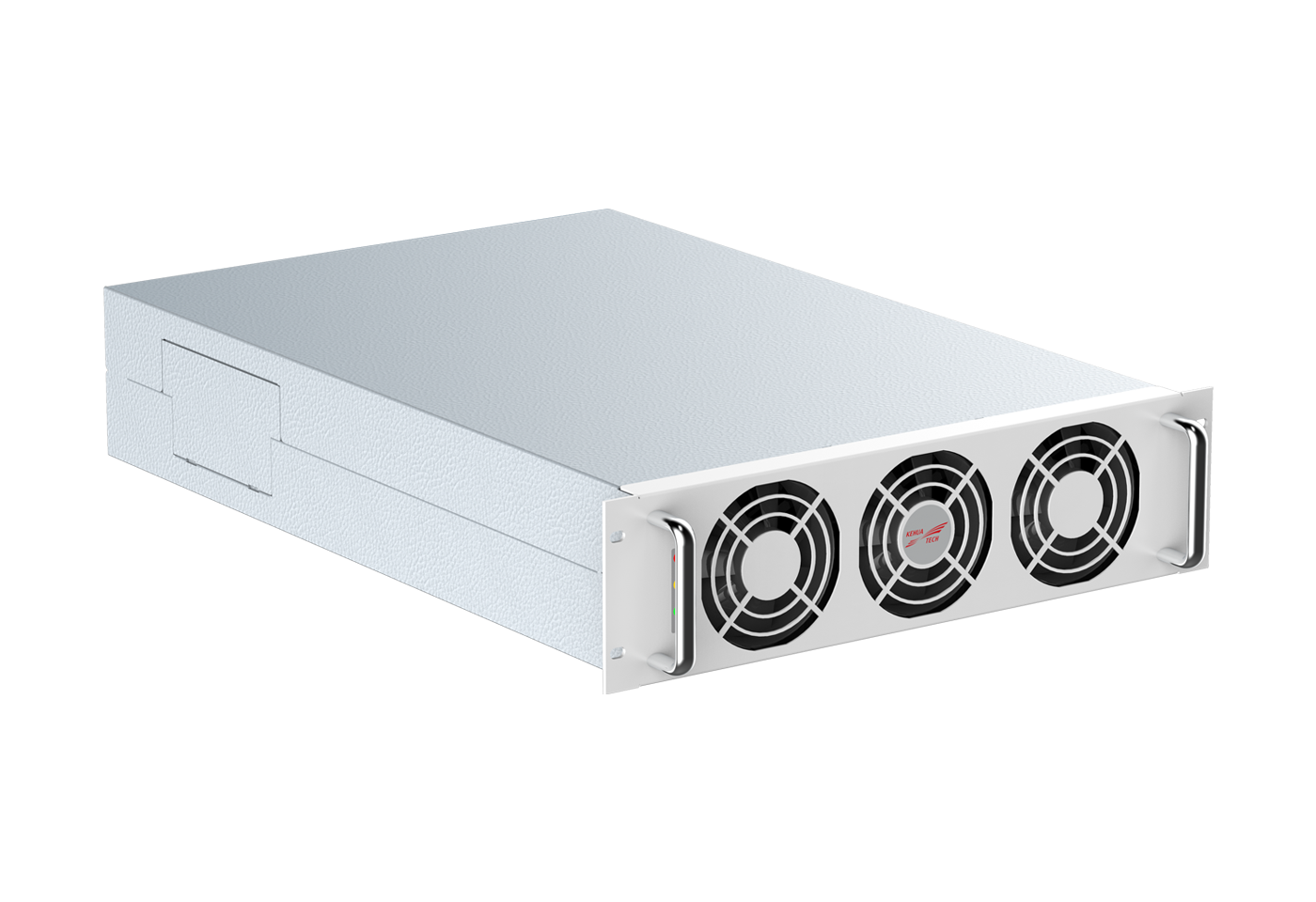
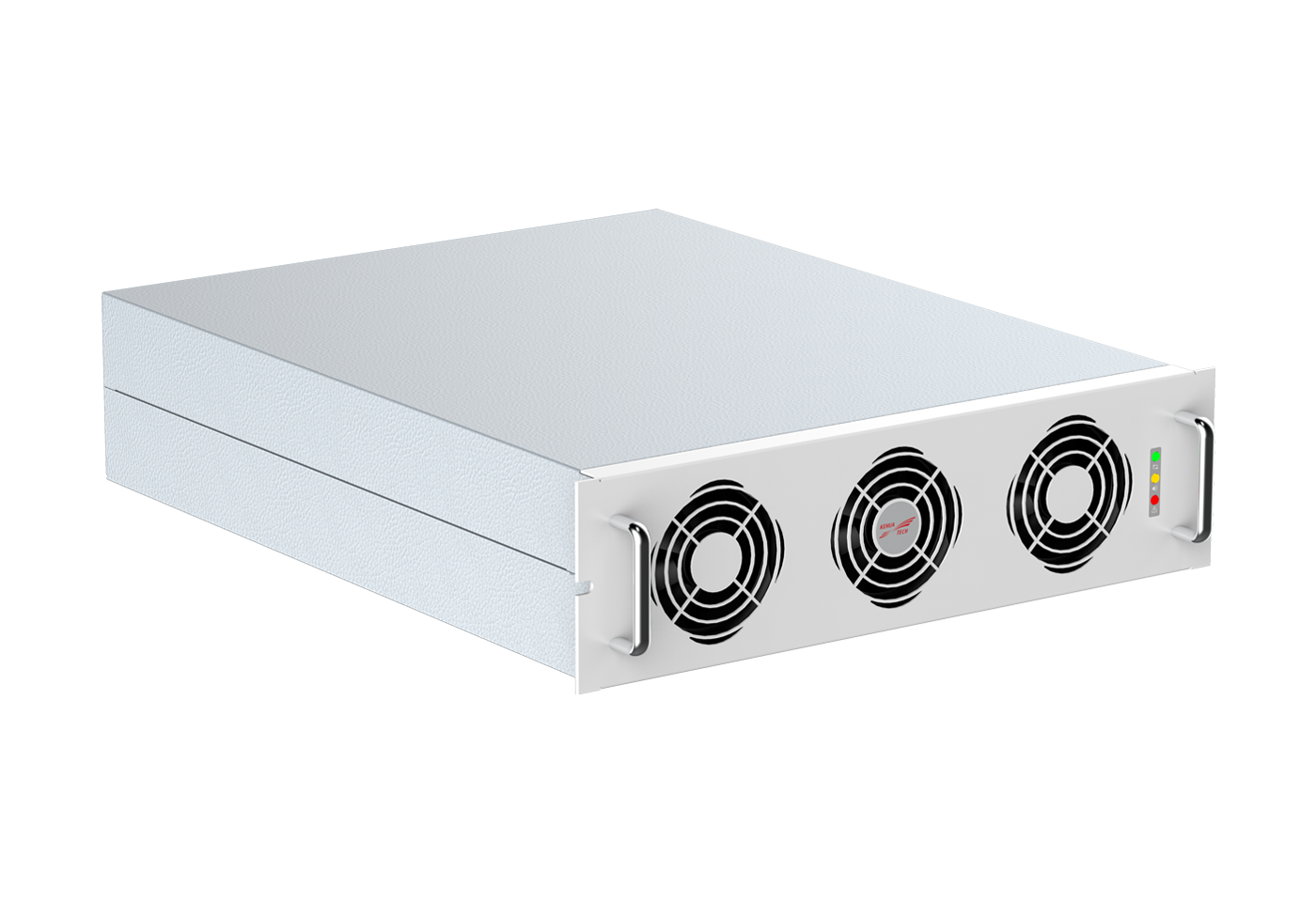
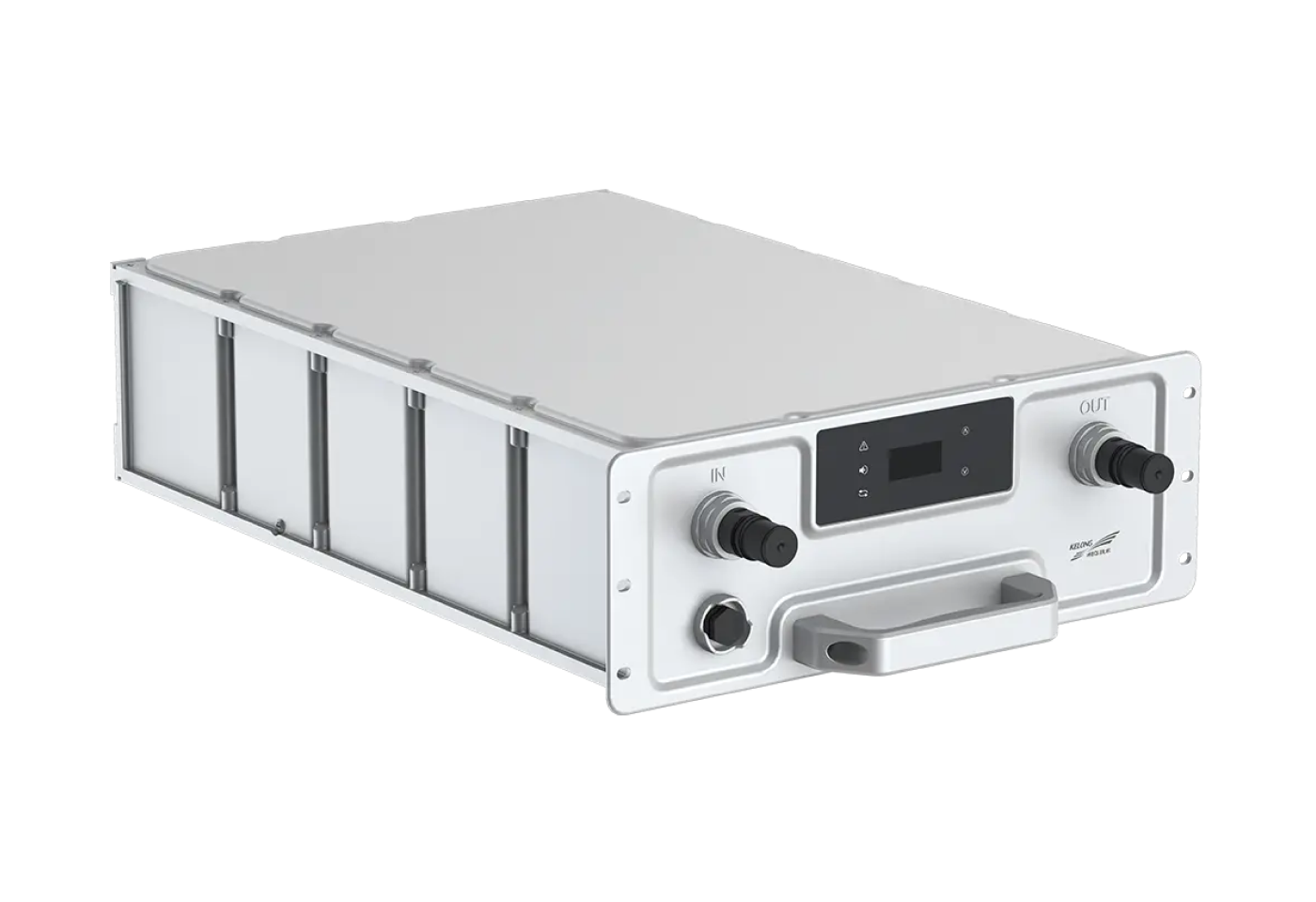
As an example, Shenzhen Kehua Hengsheng Technology Co., Ltd. has developed 40 kW SiC high-efficiency high-power charging modules and scalable DC building blocks that can be flexibly combined to create distributed DC fast charging systems. These architectures are particularly suited to constrained sites because: [en.kehuasz]
- Modularity – You can deploy, for example, 2–4 modules initially and scale up as the grid connection or business demand evolves. [thesmartere-award]
- High conversion efficiency – SiC-based modules reduce losses, effectively delivering more usable power from the same grid capacity. [thesmartere-award]
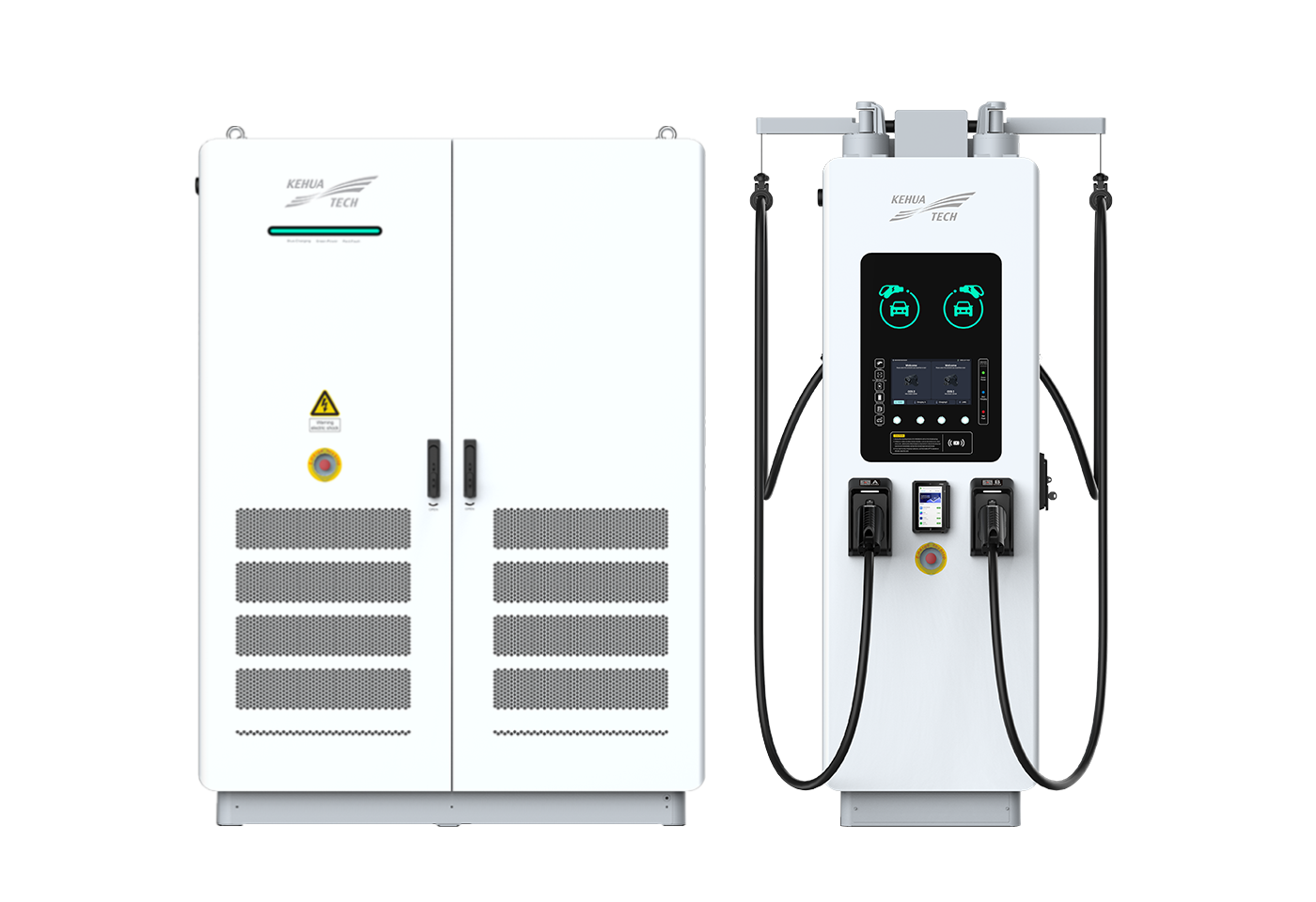
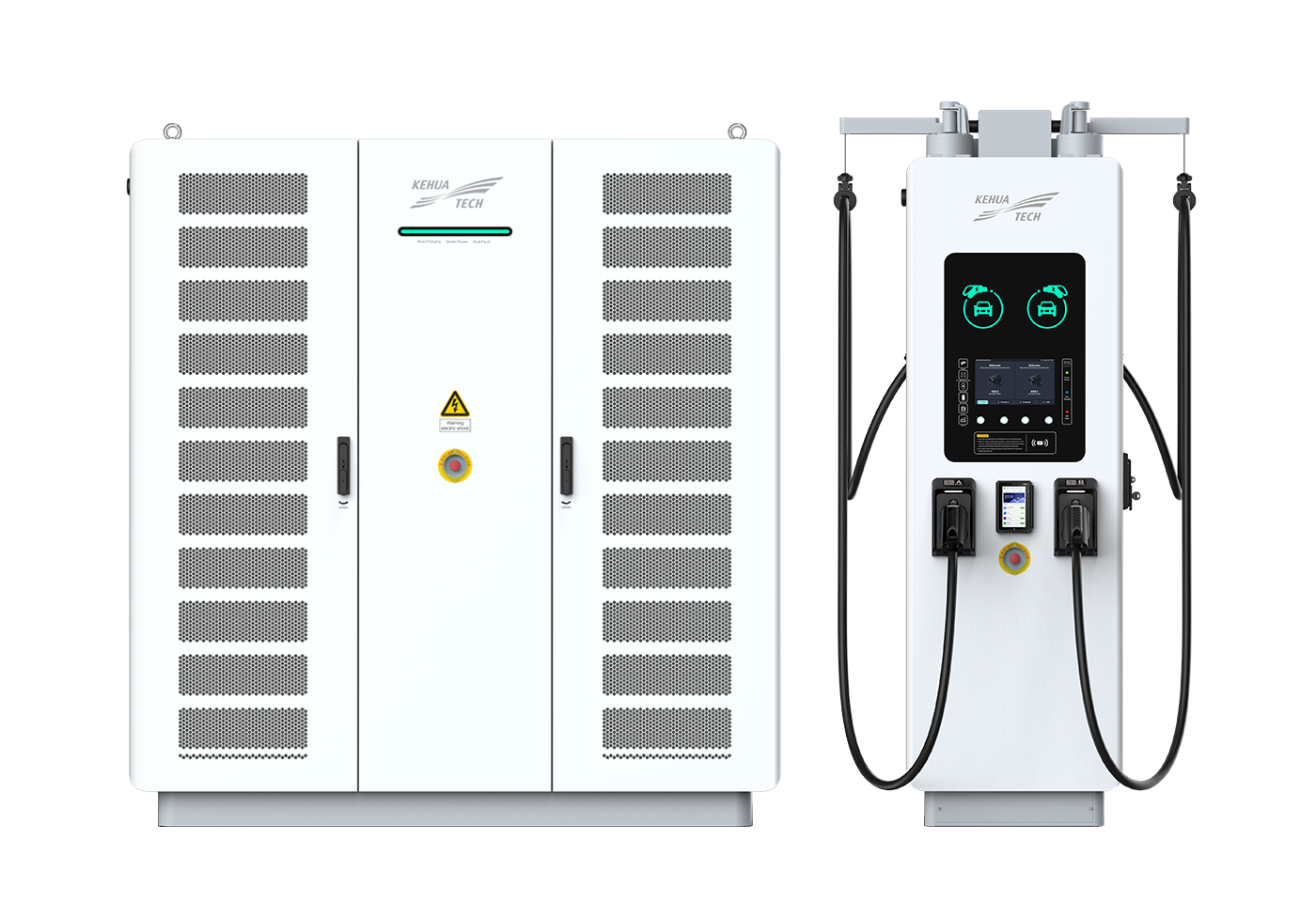
- Smart distribution – Central power cabinets with multiple DC dispensers allow dynamic allocation of power per vehicle, avoiding stranded capacity.
Recommended architecture options (from practice)
- Centralized DC power cabinet + multiple satellites
- Ideal for fleets, depots, and parking structures.
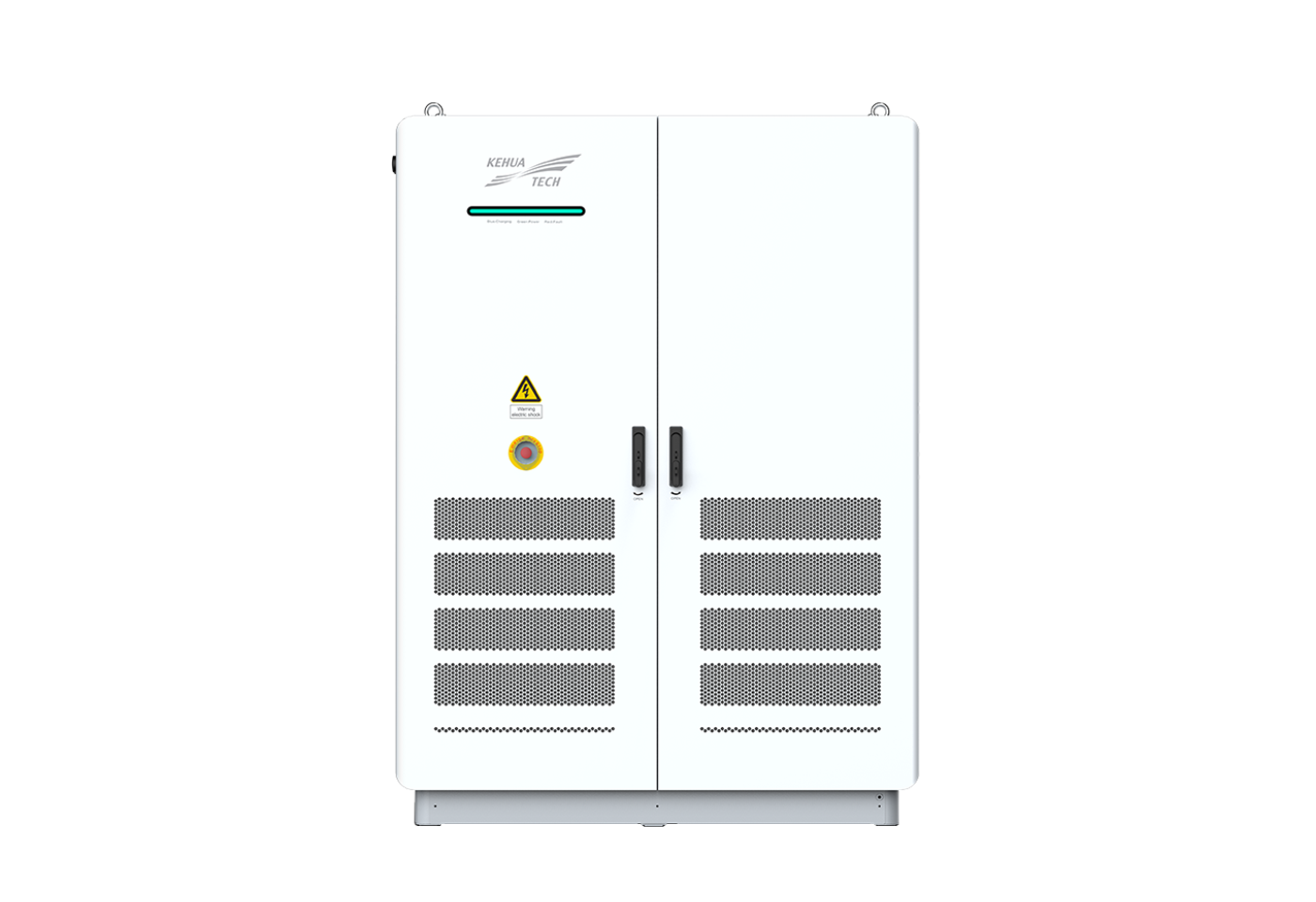
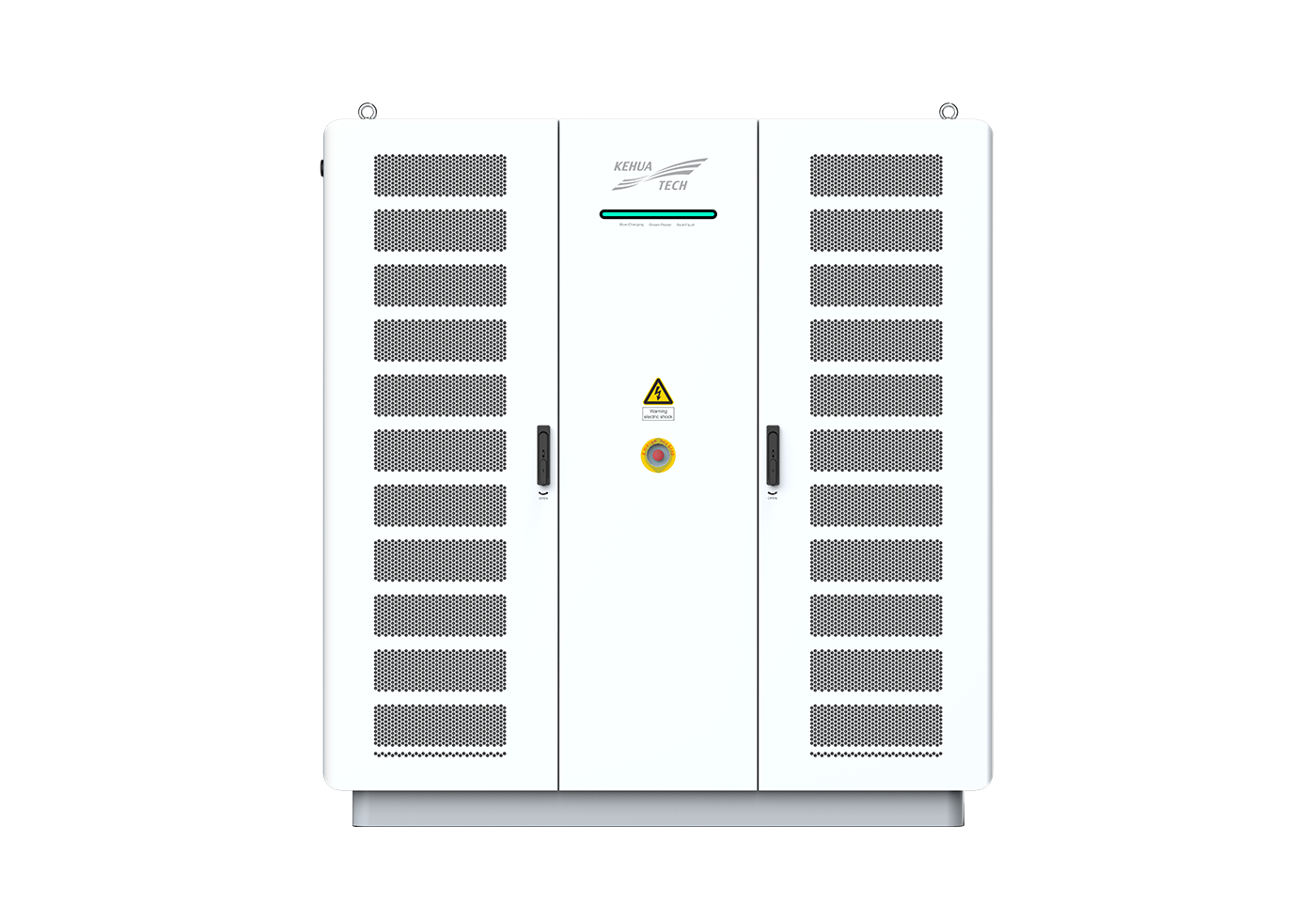
- Combines 40 kW modules into 480 kW, 800 kW, or higher power blocks, time-shared among multiple plugs. [thesmartere-award]
- Megawatt-capable distributed systems (future‑proofing)
- For sites planning future heavy-duty or MCS (Megawatt Charging System) applications, starting with a distributed, megawatt-ready backbone avoids costly redesign later.
In both cases, embedded load management and communication are mandatory for effective load shedding and balancing.
Step 3: Load Shedding and Load Balancing Strategies That Actually Work
The heart of making DC fast charger installation on limited power capacity sites feasible lies in smart control strategies. From field projects, three patterns have proven reliable:
1. Dynamic load balancing across chargers
Dynamic load balancing continuously adjusts how much power each charger uses so the sum never exceeds a site or feeder limit. This is especially effective in: [simpleswitch]
- Mixed-use parking where not all cars arrive empty.
- Sites with multiple DC and AC chargers.
By throttling sessions instead of shutting them off, drivers still receive useful charging rather than abrupt interruptions. [reddit]
2. Prioritized load shedding of non-critical building loads
In many commercial buildings, some loads can be safely curtailed for short periods:
- Decorative / non-essential lighting
- Certain HVAC zones or ventilation fans
- Secondary process loads
Modern load controllers can automatically shed these loads when EV charging pushes total demand toward a threshold, and restore them once demand drops. This approach can free up tens of kilowatts for fast charging without changing the main service. [qmerit]
3. Time-of-use and demand-charge aware operation
The most successful sites combine load shedding with time-based rules:
- Aggressive power limiting during utility peak pricing windows.
- Higher allowed charger output during off-peak hours or when battery storage is full.
- Scheduled fleet charging during low-tariff periods.
This not only prevents overload but also reduces energy costs and demand charges over the long term. [driveelectric]
Step 4: Integrating Battery Storage, PV, and V2G
On truly constrained sites—where grid upgrades are delayed or uneconomic—the most transformative step is to decouple the instantaneous charger demand from the grid capacity using battery energy storage, PV, and V2G (vehicle-to-grid) bidirectional technology. [driveelectric]
Battery-buffered DC fast charging
Studies of grid-constrained DC fast charging sites show that battery-buffered systems can deliver high peak charging power while drawing only a limited average power from the grid. The battery charges slowly from the grid (and/or PV), then discharges rapidly when EVs need fast charging, smoothing the load profile. [driveelectric]
Benefits from real deployments:
- Avoid or defer service upgrades and new transformers. [driveelectric]
- Cap grid import at a safe, contractual maximum.
- Maintain fast charging capability even when local grid is weak or during certain outages.
PV + storage integrated systems
When PV generation is available on site (rooftop or carport), the combination of PV + storage + DC fast chargers creates a powerful "micro-fast charging hub":
- PV energy directly compensates part of the charging load.
- Excess PV charges the battery during the day.
- EV charging can draw from PV, battery, or grid in an optimized mix. [qmerit]
Shenzhen Kehua Hengsheng provides PV+storage integrated systems and complete "one-stop" EV infrastructure solutions, making it easier for owners to deploy such architectures as turnkey projects. [en.kehuasz]
V2G bidirectional charging for additional flexibility
Where regulations and vehicle compatibility allow, V2G (Vehicle-to-Grid) adds yet another layer of flexibility:
- Parked EVs with bidirectional capability can temporarily support site loads or even feed back to the grid.
- During extreme peaks or grid events, aggregated EV capacity can help maintain site operation and charger availability.
While V2G is still emerging, early pilots show strong promise for fleets and campuses with predictable dwell times.
Step 5: Practical Installation Workflow on a Limited-Capacity Site
From an on-the-ground perspective, installing DC fast chargers with load shedding solutions follows a recognizable sequence. [stateelectriccompany]
1. Site selection and civil planning
- Choose high-visibility, easy-access locations near existing electrical rooms or transformers. [videos.eaton]
- Plan parking layout, cable routing, and disabled access compliance.
- Pre‑plan space for future expansion, batteries, and PV inverters.
2. Permitting, codes, and standards
- Align with local electrical codes for conductor sizing, breaker selection, grounding, and signage. [blinkcharging]
- Obtain building and environmental permits as required. [stateelectriccompany]
- Coordinate early with the utility on demand limits, potential control signals, and demand response programs. [driveelectric]
3. Electrical and communication design
- Engineer feeders, switchgear, and panels to accommodate both chargers and load controllers.
- Specify communication networks (Ethernet, 4G/5G) for charger management and load control integration.
- Design load shedding and balancing logic: thresholds, priorities, and fallback modes.
4. Installation, commissioning, and validation
- Install foundations, bollards, conduit, and cable paths. [videos.eaton]
- Mount chargers, power cabinets, and auxiliary equipment.
- Commission chargers with functional tests under different load scenarios to validate that load shedding and balancing behave as expected.
- Perform test sessions with multiple vehicles to verify user experience (no unexpected shutdowns, clear messages on reduced power, etc.).
Where Shenzhen Kehua Hengsheng Adds Unique Value
From an industry perspective, the reason I often recommend Shenzhen Kehua Hengsheng Technology Co., Ltd. for constrained-grid projects is their end-to-end approach and proven technology stack:
- DC charging modules and DC fast chargers optimized for high efficiency and modular deployment, including award-winning 40 kW SiC high-efficiency modules. [thesmartere-award]
- DC fast chargers, and megawatt-class distributed systems designed to scale from small commercial sites to large fleet depots. [en.kehuasz]
- PV + energy storage integrated systems, enabling hybrid energy supply for EV charging and helping owners navigate limited grid capacity. [en.kehuasz]
- Turnkey "one-stop" infrastructure services for government operators, private operators, real estate developers, and vehicle OEMs, reducing project complexity and time-to-market. [en.kehuasz]
For operators facing load shedding and limited power challenges, working with a vendor that covers hardware, software, and system integration significantly lowers project risk.
Practical Checklist for Installing DC Fast Chargers on Limited Power
To make this actionable, here is a concise checklist you can use at the planning or RFP stage:
1. Confirm grid constraints
- Service capacity, allowable maximum demand, and upgrade timelines. [qmerit]
2. Define charging goals
- Number of chargers, target kW per charger, and typical daily energy throughput.
3. Select architecture
- Modular DC cabinets, distributed systems, battery buffering, PV integration, V2G readiness. [thesmartere-award]
4. Design load control
- Dynamic load balancing across chargers.
- Load shedding priorities for building loads.
- Time-of-use and demand-charge aware operation. [simpleswitch]
5. Engineer user experience
- Clear UI messages, accurate time estimates, app integration.
6. Plan phased expansion
- Phase 1: deploy within current capacity using load shedding and storage.
- Phase 2+: expand as utility upgrades, fleet size, and revenue justify.
Example Configuration for a Constrained Commercial Site
As an illustrative example, consider a small commercial site with:
- 400 V three-phase service and limited spare capacity of ~310 kW.
- Target: 3 DC fast chargers capable of up to 120 kW each.
A realistic and robust configuration might be:
- Central DC power cabinet with 12 × 40 kW SiC high-efficiency modules (480 kW total DC capacity). [thesmartere-award]
- Three DC dispensers dynamically sharing this 480 kW system, with per-vehicle limits based on occupancy.
- Battery energy storage system sized at 482 kWh (2*241 kWh EES), capable of 200 kW discharge, charged from grid and PV.
- Load controller enforcing:
- 280 kW maximum import for charging from the grid.
- Shedding of non-critical HVAC and lighting when combined loads approach 90–95% of main breaker rating. [qmerit]
This design delivers genuine DC fast charging performance while respecting a limited grid connection, and it is entirely achievable with current technology and standards.
Call to Action: Turn Limited Power into a Strategic Advantage
If your site is currently deemed "too small" or "too weak" for DC fast chargers, you are exactly the type of customer who can benefit from load shedding solutions and integrated DC fast charging systems.
Partner with Shenzhen Kehua Hengsheng Technology Co., Ltd. to:
- Evaluate your grid constraints objectively.
- Design a modular, scalable DC fast charging architecture that works within today's limits.
- Integrate PV, storage to future-proof your investment.
You can turn limited power capacity into a competitive advantage by building a smart, resilient EV charging hub instead of waiting years for grid upgrades.
FAQs: Load Shedding and DC Fast Charging on Limited Power Sites
1. Can I install DC fast chargers on my site without upgrading the utility service?
In many cases, yes. By combining dynamic load balancing, prioritized load shedding, and possibly battery storage, you can operate DC fast chargers within your existing capacity and avoid or defer major upgrades. [simpleswitch]
2. What is the difference between load shedding and load balancing for EV charging?
Load shedding turns certain loads off completely when thresholds are reached, while load balancing dynamically adjusts how much power each charger uses so the total never exceeds a set limit. Most successful sites use both approaches together. [simpleswitch]
3. How does battery storage help at constrained sites?
Battery storage lets you charge the battery slowly from the grid and discharge quickly to EVs, effectively decoupling peak charger demand from limited grid capacity and smoothing the site's load profile. [qmerit]
4. Do I need PV or V2G to make load shedding work?
No. Load shedding and load balancing can operate purely with grid power. However, PV and V2G add extra flexibility and cost savings by supplying part of the energy and enabling bidirectional flows when the regulatory and vehicle ecosystem supports it. [en.kehuasz]
5. Why choose Shenzhen Kehua Hengsheng for a constrained site project?
Because they offer high-efficiency modular DC charging modules, integrated PV+storage solutions, and turnkey engineering services, which together simplify the design and deployment of DC fast charging on limited power capacity sites. [thesmartere-award]
References
1. U.S. DOE / DriveElectric – *Grid-Constrained Electric Vehicle Fast Charging Sites* (case study on battery-buffered DCFC). https://driveelectric.gov/files/battery-buffered-case-study.pdf
2. Qmerit – *Load Shedding Can Be a Viable Panel Upgrade Alternative for EV Charging*.(https://qmerit.com/blog/load-shedding-can-be-a-viable-panel-upgrade-alternative-for-ev-charging/)
3. SimpleSwitch – *What Is EV Charging Load Balancing And How Does It Help?*.(https://simpleswitch.io/ev-charging-load-balancing/)
4. Sino Energy – *How to Install DC EV Chargers? – A Complete Guide*.(https://sinoevse.com/how-to-install-dc-ev-chargers/)
5. State Electric Company – *Installing Commercial DC Fast Charging Stations*.(https://www.stateelectriccompany.net/installing-commercial-dc-fast-charging-stations-powering-the-electric-vehicle-revolution/)
6. Blink Charging – *Electrical Requirements for Level 2 and DC Fast Charging Stations*.(https://blinkcharging.com/blog/what-are-the-electrical-requirements-for-level-2-and-dc-fast-charging-stations)
7. Shenzhen Kehua Hengsheng – Company and solutions overview (PV, storage, charging, and one-stop EV infrastructure).(https://en.kehuasz.com/xwjj/info_252_itemid_1019.html)
8. The smarter E Award – *40kW SiC High-Efficiency High-Power Charging Module by Shenzhen Kehua Hengsheng Technology*.(https://www.thesmartere-award.com/hall-of-fame/thesmartere-award-winners-2025/shenzhen-kehua-hengsheng)
9. Eaton – *DC Fast Charger Installation* (video overview of the installation process).(https://videos.eaton.com/detail/videos/electrical/video/6357473720112/dc-fast-charger-installation-%7C-eaton-psec)
10. Reddit / EV charging user experiences with load management and DC charging.(https://www.reddit.com/r/electricvehicles/comments/14z1q4e/dc_fast_charge_station_at_residential_house/) (https://www.reddit.com/r/evcharging/comments/11ysyo5/load_shedding_ive_installed_these_for_customers/)
Hot Tags: DC Fast Chargers, Manufacturers, Customized, Custom, Suppliers, Buy, Cheap, Quality, Advanced, Durable, in Stock, Free Sample, Made in China, Price, Quotation

