

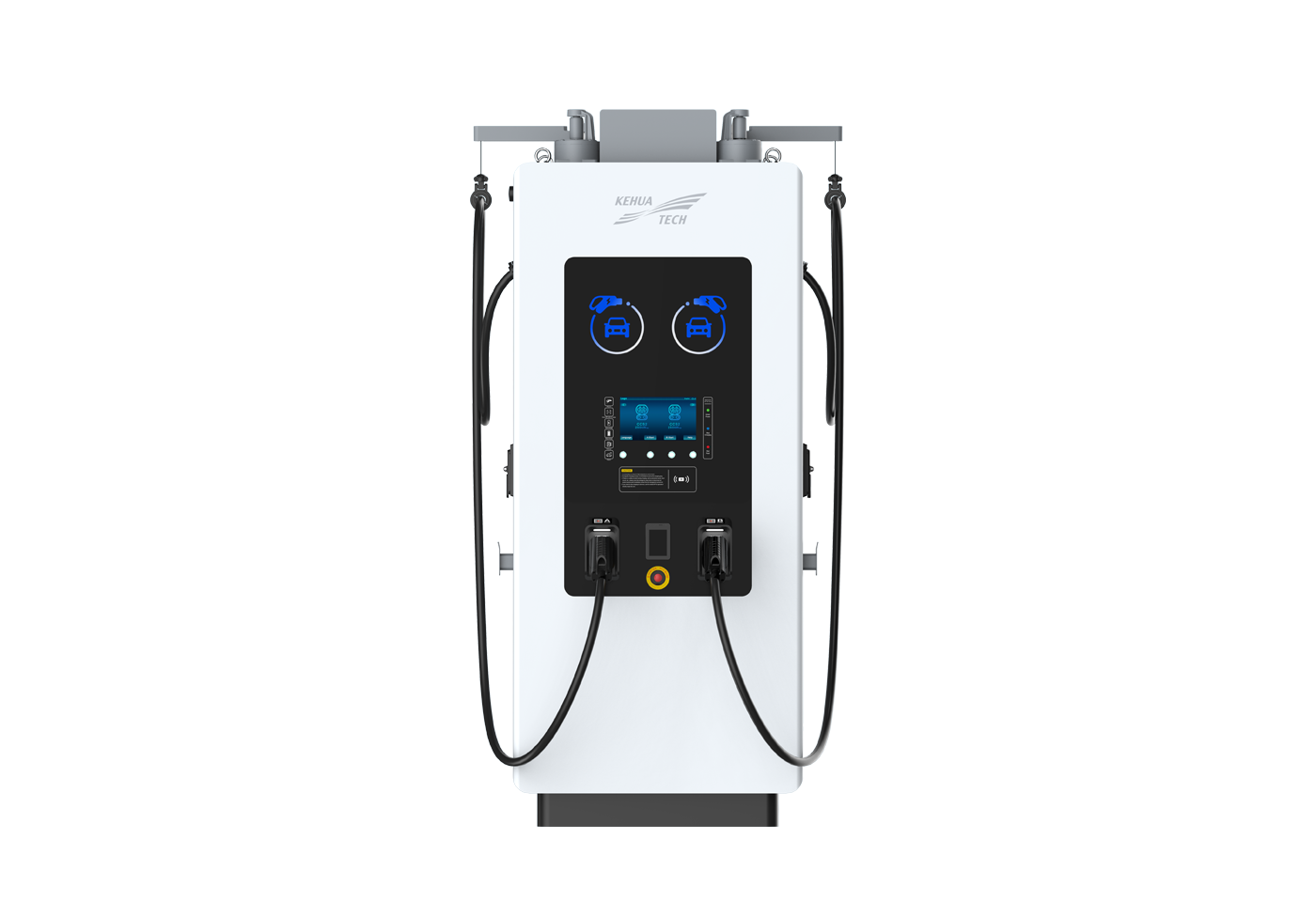
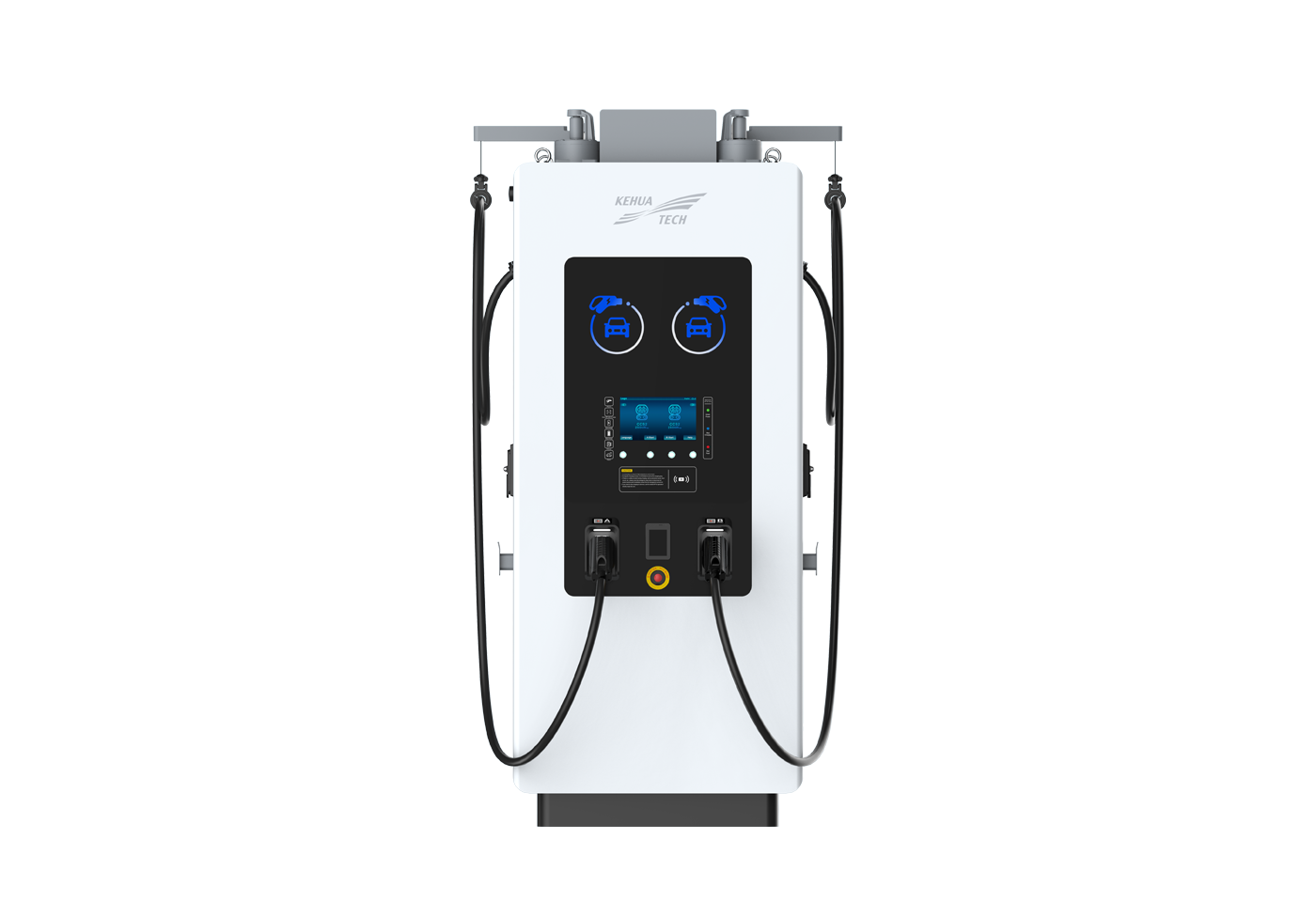
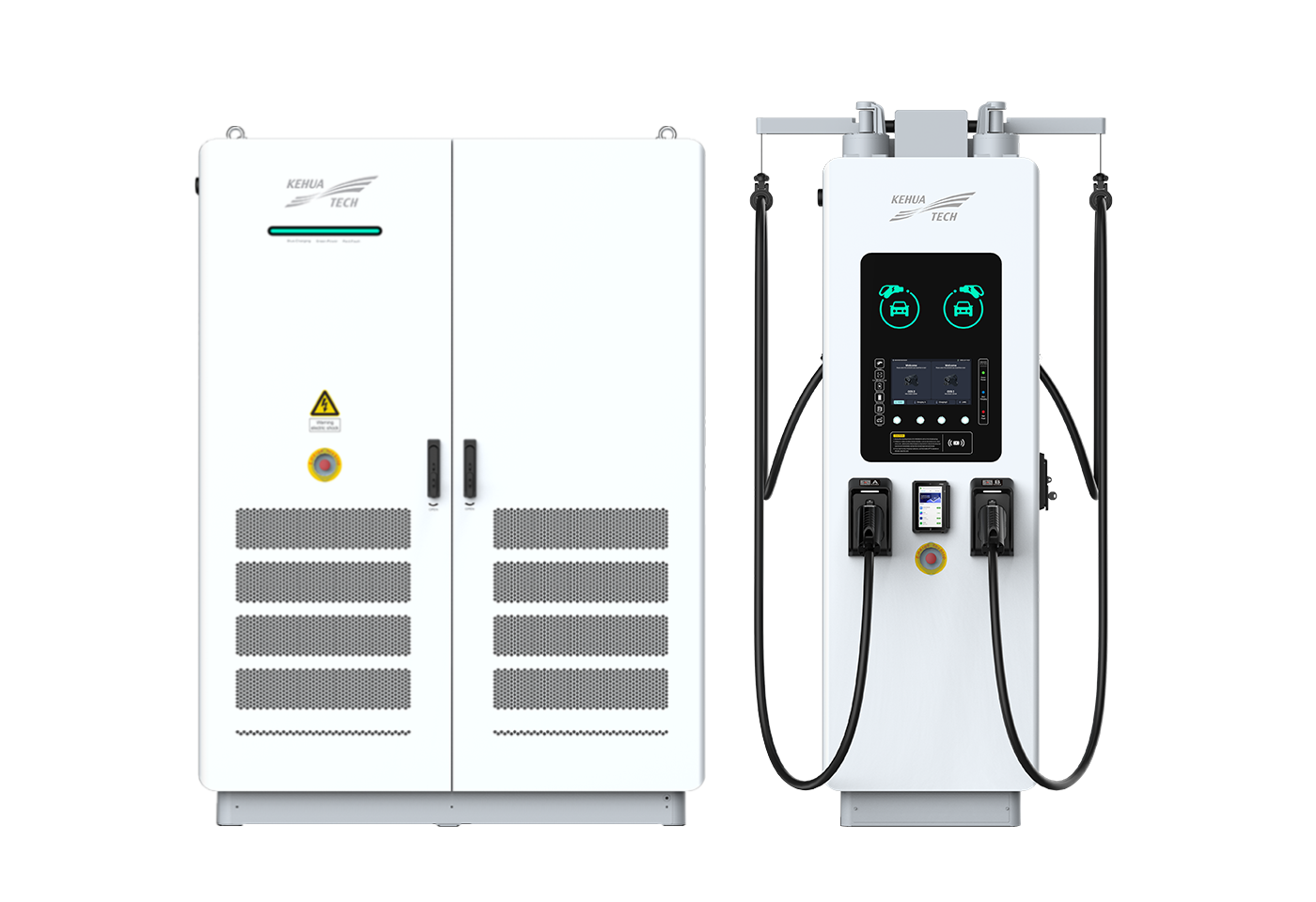
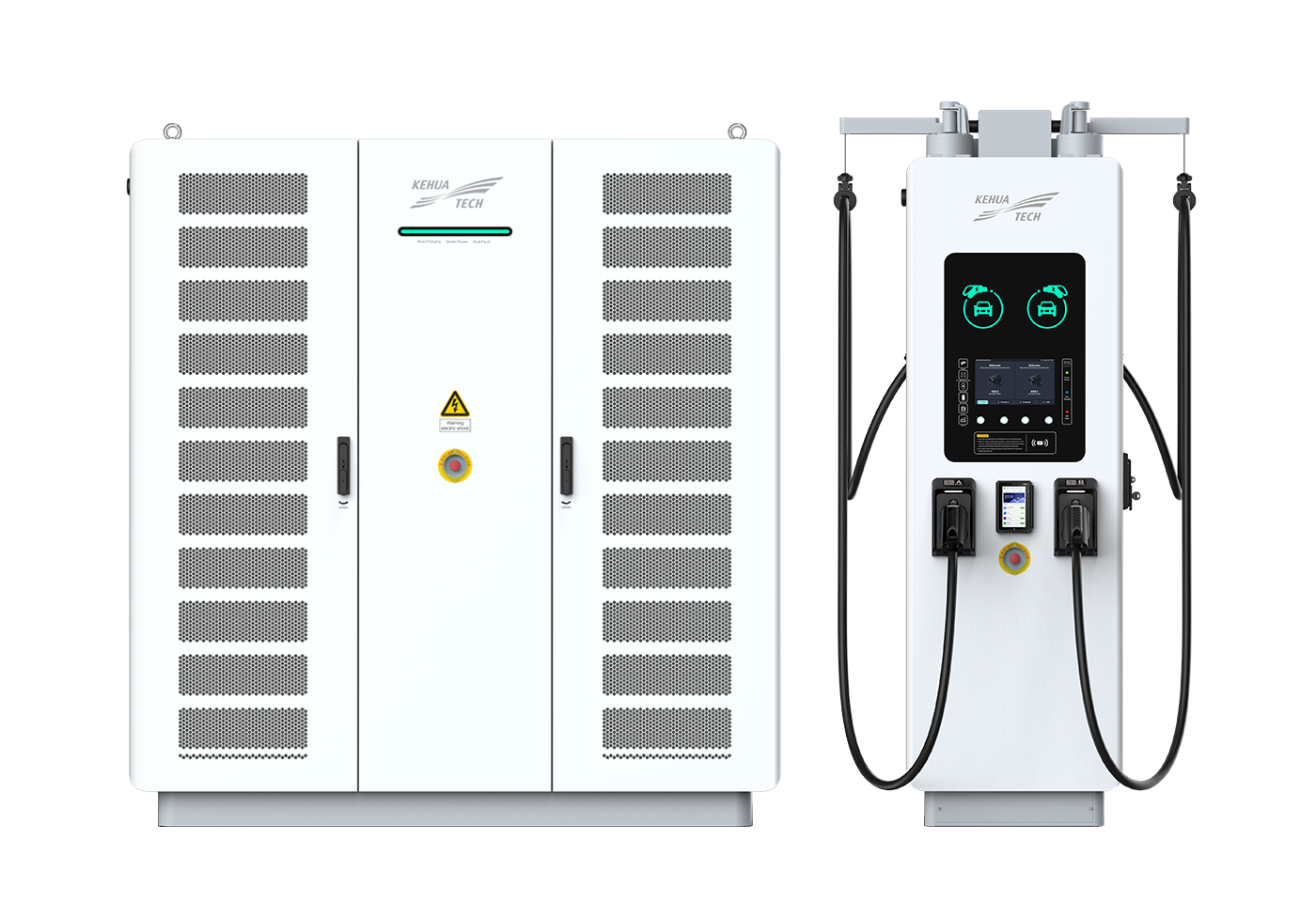



- Electric Bus Charging Upgraded: Fast & Flexible
- Shenzhen Kehua’s 40 kW High-Efficiency SiC Charging Module Achieves CE, CB, and UL Certifications
- Shenzhen Kehua Unveils High-Reliability All-in-One DC Charger for the ASEAN Market
- Shenzhen Kehua’s Scalable Megawatt Power Unit: Pioneering the Next Era of High-Power Charging for Green Mobility
- Growth Opportunities in the EV Charging Industry Amid the Global Transportation Electrification
- The Future of Fleet Charging: Building Efficient and Reliable Charging Infrastructure
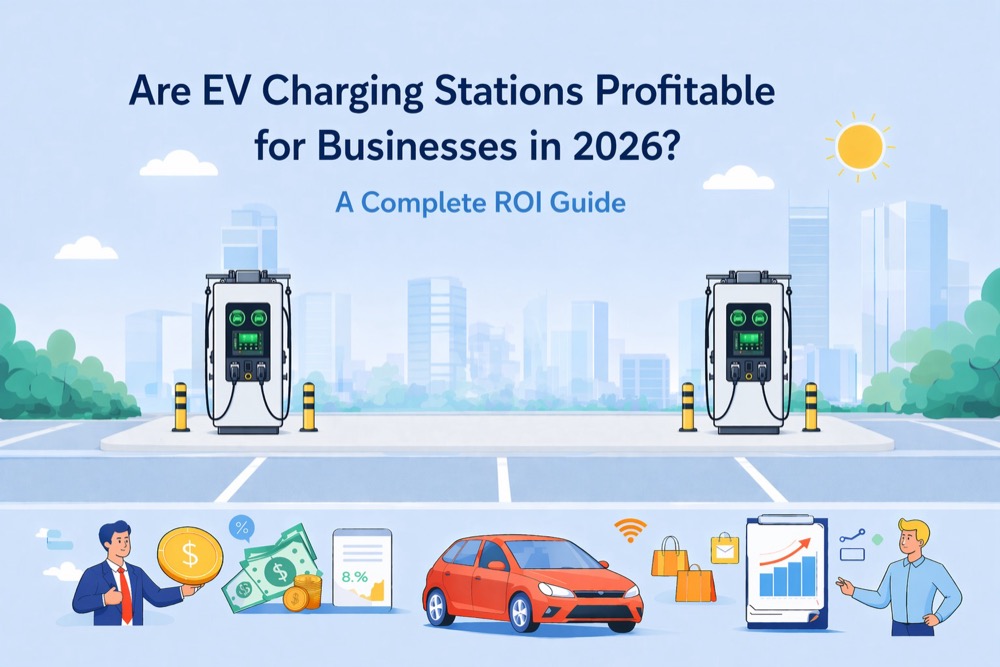
Are EV Charging Stations Profitable for Businesses in 2026? A Complete ROI Guide


Content Menu
● EV Charging Profitability Basics
>> What Makes an EV Charging Station Profitable?
>> Ideal Use Cases for EV Charging ROI
● Market Growth and Policy Tailwinds
>> EV Adoption Is Driving Structural Demand
>> Incentives That Improve Your Business Case
● How EV Charging Stations Generate Revenue
>> Direct Revenue: Pricing Models That Work
>> Indirect Revenue: Dwell Time and Foot Traffic
>> Advertising, Digital Services, and Partnerships
● Cost Structure: Capex, Opex, and Risk Control
>> Capital Costs: Level 2 vs DC Fast vs High-Power Systems
>> Operating Costs: What You Need to Manage
● A Simple EV Charging Profitability Model (Step-by-Step)
>> 1. Estimate Annual Utilization
>> 2. Define Your Tariff Strategy
>> 5. Apply Incentives and Financing
● Real-World Application Scenarios
>> Retail and Destination Sites
>> Fleet and Logistics Operations
● Choosing the Right Technology Mix
>> Match Charger Type to Use Case
>> The Importance of Smart Software and Load Management
● Common Mistakes That Destroy EV Charging ROI
>> Poor Site Selection and Placement
>> Underestimating Permitting and Utility Timelines
>> Not Promoting the Charging Location
● Long-Term Strategic Benefits Beyond Direct Profit
>> Customer Experience and Brand Loyalty
>> Property Value and Tenant Attraction
>> Sustainability, Compliance, and Future Readiness
● FAQs About EV Charging Station Profitability
>> 1. Are EV charging stations actually profitable for small businesses?
>> 2. How long does it take for an EV charging station to pay for itself?
>> 3. Should I choose Level 2 or DC fast chargers?
>> 4. What are the biggest risks to EV charging ROI?
>> 5. How do government programs and utilities improve profitability?
Electric vehicles are moving from niche to mainstream, and businesses that invest in EV charging infrastructure today are positioning themselves for long-term profit and customer growth. With millions of EVs already on the road and projections rising sharply toward 2030, demand for reliable public and semi-public charging is surging faster than current infrastructure. For retailers, hotels, fleet operators, real estate owners, and logistics parks, EV charging stations can become a profitable revenue stream, a powerful traffic magnet, and a key driver of property value and sustainability performance.
EV Charging Profitability Basics
What Makes an EV Charging Station Profitable?
Profitability comes from the balance between capital and operating costs on one side and revenue plus strategic benefits on the other. In practice, the strongest business cases combine:
- Direct charging revenue (per kWh, per session, or per hour).
- Indirect revenue from increased customer dwell time and higher on-site spending.
- Property value uplift and stronger tenant demand for EV-ready locations.
- Support for corporate sustainability and decarbonization goals.
When utilization is optimized and incentives are used correctly, payback periods can be shortened significantly and internal rates of return (IRR) become attractive for commercial investors.
Ideal Use Cases for EV Charging ROI
Some property types consistently see stronger financial performance from EV charging:
- Retail and malls: Longer visits and higher basket size while customers charge.
- Hotels and hospitality: Added value for EV drivers choosing where to stay.
- Office and mixed-use buildings: Meets tenant expectations and supports employee charging.
- Fleets and depots: Lower "fuel" cost, predictable charging, and compliance with electrification mandates.
Market Growth and Policy Tailwinds
EV Adoption Is Driving Structural Demand
The transition to electric mobility is now a structural shift, not a temporary trend. EV registrations have grown from a relatively small base to several million vehicles in just a few years, with forecasts indicating a multi-fold increase by 2030. At the same time, many regions still face charging gaps along highways, in multi-family housing, and at destination locations such as hotels, retail centers, and logistics parks.
This mismatch between EV growth and charging availability creates high-value opportunities for early-moving businesses that can capture local demand and build long-term customer relationships.
Incentives That Improve Your Business Case
Supportive policy and incentive frameworks materially improve project profitability:
- National and regional infrastructure programs that fund public fast charging corridors.
- Tax credits, grants, or subsidies that reduce hardware and installation costs.
- Utility rebates that can offset a large portion of make-ready work or grid connection.
By stacking incentives from different levels of government and utilities, businesses can significantly reduce capital expenditure and shorten payback periods.
How EV Charging Stations Generate Revenue
Direct Revenue: Pricing Models That Work
The core revenue comes from selling energy or access to the charging service. Common pricing models include:
- Per kWh pricing: Transparent for drivers and often preferred where regulations allow.
- Time-based pricing (per minute or per hour): Useful where energy-based billing is restricted; can be combined with idle fees.
- Session fees: A fixed fee per session plus variable energy or time charges.
- Tiered pricing: Higher rates during peak hours or at peak demand periods to protect margins.
Many operators also introduce premium parking fees for EV-only spots in high-demand locations, adding an additional income stream.
Indirect Revenue: Dwell Time and Foot Traffic
Charging stations do more than sell electricity. They also change customer behavior on-site:
- Level 2 chargers often keep a vehicle connected for 4–8 hours, ideal for workplaces, hotels, and long-stay parking.
- DC fast chargers can deliver a large portion of the battery capacity in 20–45 minutes, enabling quick-stop use at highways, logistics nodes, or high-turnover retail.
During these dwell periods, customers are more likely to spend on food, retail, or services and to choose locations that reliably support their charging needs. For many sites, incremental on-site spending becomes a major component of the total business case.
Advertising, Digital Services, and Partnerships
Modern smart chargers and charging hubs can also host additional value streams:
- Digital screens displaying third-party ads or in-house promotions.
- Branded experiences for sustainability-focused partners or tenants.
- Integration with loyalty programs and apps for repeat users and fleets.
These levers diversify the business model and make profitability less dependent on charging tariffs alone.
Cost Structure: Capex, Opex, and Risk Control
Capital Costs: Level 2 vs DC Fast vs High-Power Systems
Upfront costs vary significantly by charger type and power level:
- AC Level 2 chargers
- Lower hardware and installation cost per port.
- Ideal for workplaces, residential complexes, and long-stay parking.
- DC fast chargers (DCFC)
- Higher capex due to power electronics, cooling, and grid connection needs.
- Essential for highway corridors, logistics parks, and high-volume public sites.
- High-power distributed or megawatt-level systems
- Tailored for heavy-duty fleets, buses, and trucks.
- Higher system cost but optimized for intensive fleet utilization and total cost of ownership.
Careful technology selection and smart design can keep up-front investment aligned with actual demand and growth projections.
Operating Costs: What You Need to Manage
Typical ongoing costs include:
- Electricity and demand charges, influenced by tariff structure and load profile.
- Network and software fees for billing, monitoring, diagnostics, and user management.
- Maintenance and service contracts, including preventive maintenance and occasional repairs.
Advanced load balancing and energy management help minimize peak demand, align charging with lower tariff periods, and protect transformer capacity, all of which support a more predictable and profitable cost structure.
A Simple EV Charging Profitability Model (Step-by-Step)
To move from concept to numbers, businesses should build a transparent ROI model before investing. A simple framework can look like this:
1. Estimate Annual Utilization
- Number of chargers and ports to be installed.
- Average number of sessions per port per day.
- Average session energy (kWh) or connection time (minutes/hours).
2. Define Your Tariff Strategy
- Choose baseline price per kWh or per minute based on local benchmarks.
- Add session fees or idle fees to avoid charger blocking and improve turnover.
- Consider differentiated pricing for public users, fleets, staff, and tenants.
3. Add Indirect Revenue
- Estimate additional in-store or on-site spending per charging session.
- Attribute a conservative share of this incremental revenue to the charging investment.
4. Map Out Costs
- Electricity and demand charges based on expected usage profile.
- Network, platform, or roaming fees per charger or per transaction.
- Maintenance and service costs, including spare parts and technician visits.
5. Apply Incentives and Financing
- Subtract available grants, tax credits, and utility rebates from the hardware and installation budget.
- Reflect any financing costs if hardware is leased or funded through third parties.
This type of model provides a clear view of payback period, net present value (NPV), and internal rate of return (IRR), helping decision-makers choose the optimal charger mix, sites, and deployment schedule.
Real-World Application Scenarios
Retail and Destination Sites
For shopping centers, restaurants, entertainment venues, and other destination locations, EV charging works as both a revenue source and a customer magnet:
- Level 2 charging encourages longer visits and larger baskets.
- A small cluster of DC fast chargers can attract travelers and high-value EV drivers who are willing to spend during their stop.
Charging becomes a competitive amenity, similar to high-quality parking or free Wi-Fi, but with the added benefit of measurable charging income.
Fleet and Logistics Operations
For fleets, the focus is on total cost of ownership rather than walk-in sales:
- Depot charging can replace diesel or gasoline with lower-cost and more predictable electricity.
- High-power or megawatt-class chargers support rapid turnaround for buses, trucks, and heavy-duty vehicles.
The combination of fuel savings, maintenance reduction, route optimization, and regulatory compliance creates strong long-term financial outcomes for electrified fleets.
Choosing the Right Technology Mix
Match Charger Type to Use Case
Selecting the correct equipment is critical for utilization and customer experience:
- Urban retail or office: AC Level 2 for long dwell times; a limited number of DC fast chargers for quick-turn visitors.
- Highway and corridor sites: DC fast chargers as the primary solution to support long-distance travel.
- Logistics hubs and depots: DC fast or modular high-power systems that match fleet duty cycles and schedules.
Solutions that offer modularity and scalability allow sites to start with a smaller footprint and add power modules or additional dispensers as demand grows, protecting cash flow and future-proofing the investment.
The Importance of Smart Software and Load Management
Reliable, scalable profitability depends on intelligent control and data:
- Dynamic load management to limit peak demand and spread power intelligently across chargers.
- Remote monitoring and diagnostics to minimize downtime and reduce on-site service visits.
- Flexible tariff configuration that supports different user groups, roaming partners, and pricing strategies.
These capabilities turn a group of chargers into a managed charging ecosystem aligned with business objectives and customer expectations.
Common Mistakes That Destroy EV Charging ROI
Poor Site Selection and Placement
Even the best hardware will underperform in the wrong place. Avoid:
- Hidden or poorly lit locations that discourage drivers.
- Lack of signage and unclear access routes in large parking areas.
Prioritize visible, safe, and easy-to-access locations with clear wayfinding from nearby roads and from site entrances.
Underestimating Permitting and Utility Timelines
Delays can erode project economics and damage stakeholder confidence:
- Permitting, zoning, and inspection processes may take longer than expected.
- Utility coordination for new service, transformer upgrades, or additional capacity can introduce long lead times.
Working with experienced partners who understand local regulations and utility requirements is one of the most effective ways to keep schedules and budgets under control.
Not Promoting the Charging Location
A charger that no one knows about will not be profitable:
- Ensure stations are listed on major maps and charging apps.
- Promote availability through your website, mobile app, loyalty program, and on-site signage.
Clear communication turns your location into a regional attractor for EV drivers, rather than a hidden amenity.
Long-Term Strategic Benefits Beyond Direct Profit
Customer Experience and Brand Loyalty
Offering EV charging signals innovation, convenience, and a commitment to cleaner mobility. Drivers are more likely to choose and repeatedly visit locations that reliably support their charging needs. Over time, this strengthens loyalty, increases repeat visits, and supports premium positioning in competitive markets.
Property Value and Tenant Attraction
For commercial and residential real estate, EV-ready infrastructure is quickly becoming a standard expectation. Landlords and developers use charging as a differentiator to:
- Attract and retain tenants who prioritize modern, sustainable amenities.
- Command higher rents and maintain stronger occupancy levels in competitive locations.
Charging infrastructure effectively becomes part of the core value proposition of the asset.
Sustainability, Compliance, and Future Readiness
Installing EV charging supports environmental, social, and governance (ESG) strategies and prepares assets for future regulation:
- Helps reduce Scope 1 and Scope 3 emissions through cleaner transport options.
- Demonstrates social responsibility by enabling access to clean mobility.
- Prepares for emerging requirements that mandate EV-ready or EV-installed spaces in new developments and major renovations.
Forward-looking businesses treat EV charging as a foundational investment for the next decade of mobility transformation.
Final Call to Action
If you are planning to add EV charging to your property, retail site, industrial park, or fleet depot, now is the time to build a solution that is profitable, scalable, and future-ready. Work with a technology partner that can deliver the full spectrum of EV charging infrastructure—from AC chargers and DC fast chargers to high-power distributed systems and megawatt-level solutions—along with smart software, energy management, and lifecycle support. Contact our expert team today to request a tailored site assessment, detailed ROI model, and step-by-step deployment plan that aligns your EV charging strategy with your business goals.
Contact us to get more information!
FAQs About EV Charging Station Profitability
1. Are EV charging stations actually profitable for small businesses?
Yes. For small businesses such as restaurants, independent hotels, or convenience stores, EV charging can be profitable when stations are visible, used regularly, and integrated with the overall customer journey. Direct charging income combined with increased in-store spending and available incentives can create an attractive return, even at modest charging volumes.
2. How long does it take for an EV charging station to pay for itself?
Payback periods vary widely and depend on charger type, installation cost, utilization, tariff structure, and local incentives. Simple Level 2 installations in high-demand locations may pay back in a few years, while larger DC fast or high-power projects may require a longer horizon. By using grants, rebates, and smart pricing, many businesses can significantly shorten their payback period compared to fully self-funded projects.
3. Should I choose Level 2 or DC fast chargers?
Choose Level 2 chargers where drivers naturally stay for several hours, such as workplaces, hotels, and residential complexes. Choose DC fast chargers where quick turnaround is essential, such as highway corridors, logistics hubs, and busy travel routes. Many successful sites deploy a mix of both, using Level 2 for long-stay users and DC fast chargers for shorter, high-value sessions.
4. What are the biggest risks to EV charging ROI?
Key risks include low utilization due to poor site selection or lack of promotion, unexpected grid upgrade costs, high demand charges from unmanaged load, and unreliable hardware or support leading to downtime. Mitigating these risks requires careful upfront planning, transparent cost modeling, quality equipment, and experienced partners for design, installation, and operations.
5. How do government programs and utilities improve profitability?
Government programs and utility rebates can cover a substantial portion of hardware, installation, or make-ready work, reducing the capital burden and improving cash flow. When combined with optimized tariffs and good utilization, these programs can transform a marginal business case into a strong one, especially for first-time investors and early-stage projects.
Hot tags: Car Charging Station Profitability, EV Charging Station Business Profit, Are EV Charging Stations Profitable, Electric Vehicle Charging Revenue, EV Charging Station ROI, Charging Station Business Model, EV Charging Profit Margins, Commercial EV Charging Stations, EV Infrastructure Investment Returns, Public Charging Station Profit Analysis

