



Kehua Charging Modules: The Core Engine for Efficient Operation


What is a Charging Module? Role of the Charging Module: the “Heart” of the Charging Station and the Core Source of Power Output
If a charging station is regarded as a key production tool for replenishing electric vehicles, the charging module is its indispensable “heart.” The AC power input from the grid is like “blood” flowing through the veins: it carries energy but cannot be directly delivered to each organ (the EV battery). The core function of the charging module is to act like a “heart.”
DC charging modules typically adopt a two-stage topology. The charging module can be divided into the PFC stage and the DC-DC stage. Through the dual-stage process of “PFC power factor correction + DC-DC conversion,” AC power is efficiently and accurately converted into DC power usable by the battery, just like a heart pumping blood.
Depending on the requirements of different vehicle models, the charging module can dynamically and precisely adjust output parameters (voltage, current, and power), ensuring energy is delivered to the vehicle battery in a stable and safe manner, forming the “lifeline” between the grid and electric vehicles.
Core Industry Pain Points of DC Charging Modules
As the “heart” of a DC charging station, the performance of the charging module directly determines the operational efficiency and market competitiveness of the entire station. Currently, the industry faces four major pain points:
1) Low efficiency and poor economics
Inefficient modules not only result in high energy conversion losses, increasing electricity costs, but also their insufficient energy utilization can lead to redundant operational loads, indirectly affecting the stability of sustained high-power output. In the long run, this reduces the effective service hours of a charging port and makes it difficult to meet user demands in high-frequency charging scenarios.
2) Poor reliability and heavy maintenance burden
In complex grids and harsh climates, modules with inadequate protection and poor adaptability are prone to frequent failures, which not only shorten equipment lifespan but also degrade customer charging experience and damage brand reputation.
3) Low adaptability and poor compatibility
Faced with the diversity of vehicle types, from passenger cars to heavy trucks, and different grid standards worldwide, modules with narrow output ranges and poor compatibility severely limit the market applicability and business expansion potential of charging stations.
4) Difficult maintenance and high costs
Module upgrades are challenging, fault diagnosis is time-consuming, and maintenance or replacement procedures are complex, all of which significantly increase operational expenditure and time costs.
Kehua Solution: Full-Dimension Technological Breakthroughs to Address Industry Challenges
Facing these core industry pain points, Kehua leverages deep technical expertise to launch the 30kW / 40kW air-cooled module series, achieving comprehensive breakthroughs in four dimensions: high efficiency, high reliability, universal adaptability, and intelligent operations, to meet the needs of large-scale, high-quality commercial applications in diverse scenarios.
1) Extreme efficiency: maximizing operational returns
To address the high operational costs caused by low efficiency, Kehua modules utilize advanced components and electrical topologies to maximize the value of every kilowatt-hour. The 40kW module adopts SiC devices and a high-efficiency topology, achieving a peak efficiency of 97%, reaching the top level in the industry (industry average: 95–96%). Every 1% improvement in efficiency translates to saving approximately 1.5 kWh per 100 kWh charged. Based on this calculation, an 800kW system can save roughly 35,000 kWh of electricity annually.
2) Industrial-grade reliability: built for extreme conditions
To resolve frequent failures and heavy maintenance burdens, Kehua modules are built to industrial-grade standards with a dual layer of protection:
- Robust protection: “Potting + three-proof” process, significantly enhances durability in harsh environments.
- Wide temperature operation: Supports -40°C to 75°C, maintains full power output at 55°C, easily coping with extreme heat in the Middle East or severe cold in Northern Europe.
- Comprehensive Safety: Integrates over 60 protection features, covering input over/under voltage, three-phase imbalance, output over/under voltage, overtemperature, short-circuit, emergency stop, and other safeguards. Equipped with a 1ms ultra-fast hardware emergency stop, which is ten times faster than traditional software solutions. The unique connector presence detection function intelligently alerts if a module is not properly installed. The module also supports OTA remote upgrades and fault warnings, enabling precise fault localization and rapid maintenance.
- Stable Output: When multiple modules are connected in parallel, low current ripple ensures smooth and stable charging, effectively extending the lifespan of vehicle batteries. In addition, the module features a built-in discharge circuit, eliminating the need for external discharge resistors and contactors for the entire station. By using multiple low-power resistors in series and low-power relays instead of traditional high-power solutions, safety is ensured while further optimizing overall station costs.
3) Universal adaptability: one station, many applications
To meet the diverse charging scenarios and operator requirements, Kehua charging modules are deeply optimized for electrical compatibility, system expansion, and scenario applicability.
- Ultra-wide input/output for multi-vehicle compatibility: Passenger car voltage platforms are generally upgrading to 800V for ultra-fast charging, while heavy trucks and construction machinery are moving from 800V to 1000V and beyond. At the same time, stations must accommodate sub-500V low-voltage vehicles. Kehua modules support 150–1000V output, constant power range 300–1000V, perfectly matching mainstream 400V/800V high-voltage platforms, with a technical reserve for up to 1500V. Input voltage supports 260–530VAC, ensuring stable operation in areas with grid fluctuations.
- Comprehensive certification: CB, CE, UL approvals enable access to key overseas markets.
- Grid-friendly and environmentally integrated: THDI ≤5%, PF ≥0.99, meeting strict standards in Europe and Australia without additional filters. EMC Class B, with built-in shielding and filter, avoids interference with surrounding sensitive equipment. Full-load noise ≤65dB (25°C), silent mode ≤55dB, addressing deployment concerns in residential or commercial areas.
4) Intelligent operations: reducing full lifecycle costs
To address complex maintenance, Kehua integrates intelligent functions throughout installation, upgrade, and maintenance, significantly reducing manpower and time costs:
- Standardized design: 30kW / 40kW modules share the same form factor and interface protocol, supporting up to 60 modules in parallel, allowing flexible construction from conventional power to MW-level charging stacks, simplifying station expansion and reducing upgrade costs.
- Plug-and-play: Modules support automatic address recognition and online hot-swapping, installation and replacement require no power-off or configuration; combined with CAN communication online programming, achieving seamless maintenance.
- Remote management: Supports OTA upgrades and fault warnings; operators can monitor module status in real time, accurately locate faults, and shorten troubleshooting and repair time.
This significantly reduces reliance on after-sales support, making station expansion, daily maintenance, and software upgrades simple and fast, effectively controlling long-term operational costs.
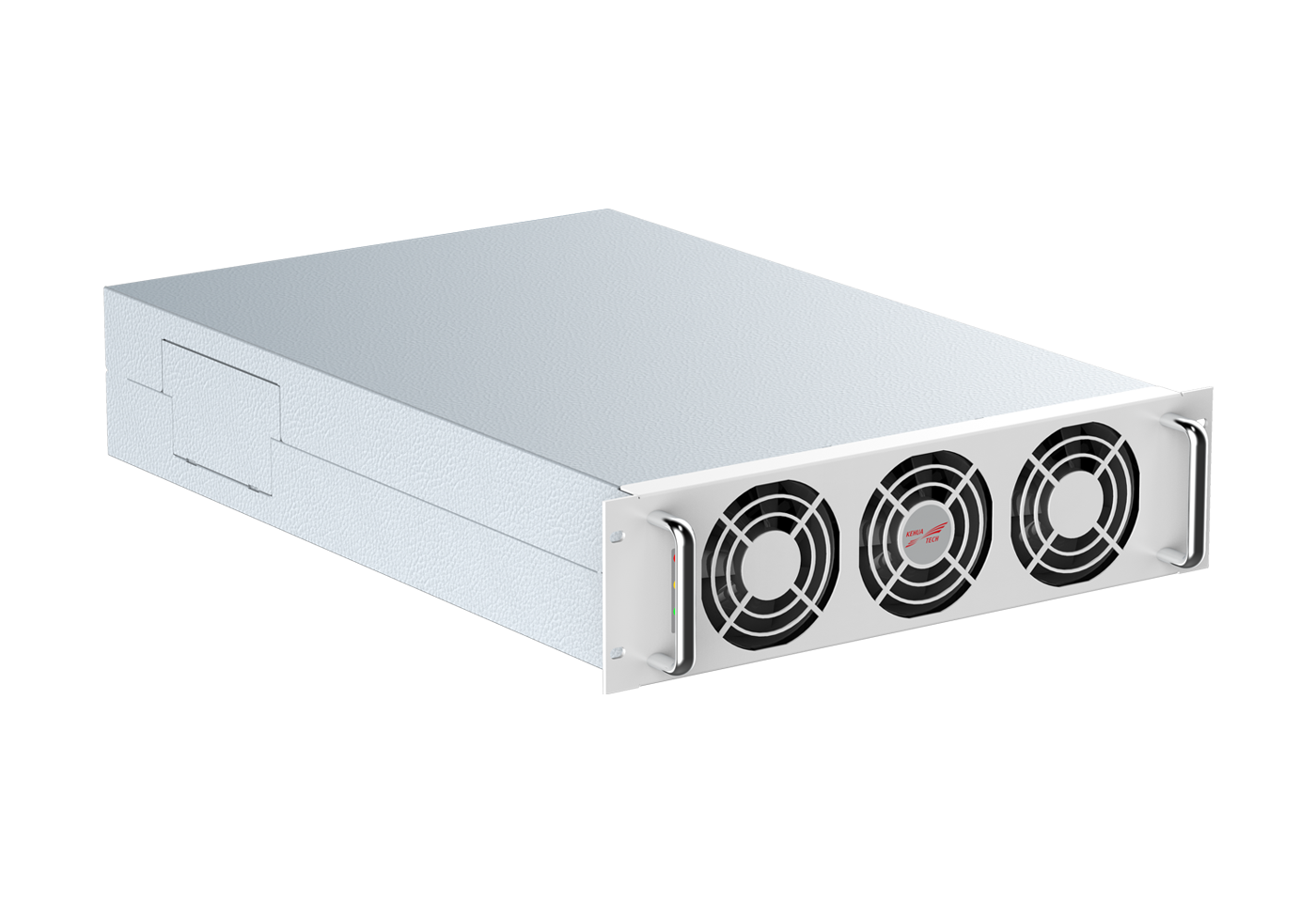
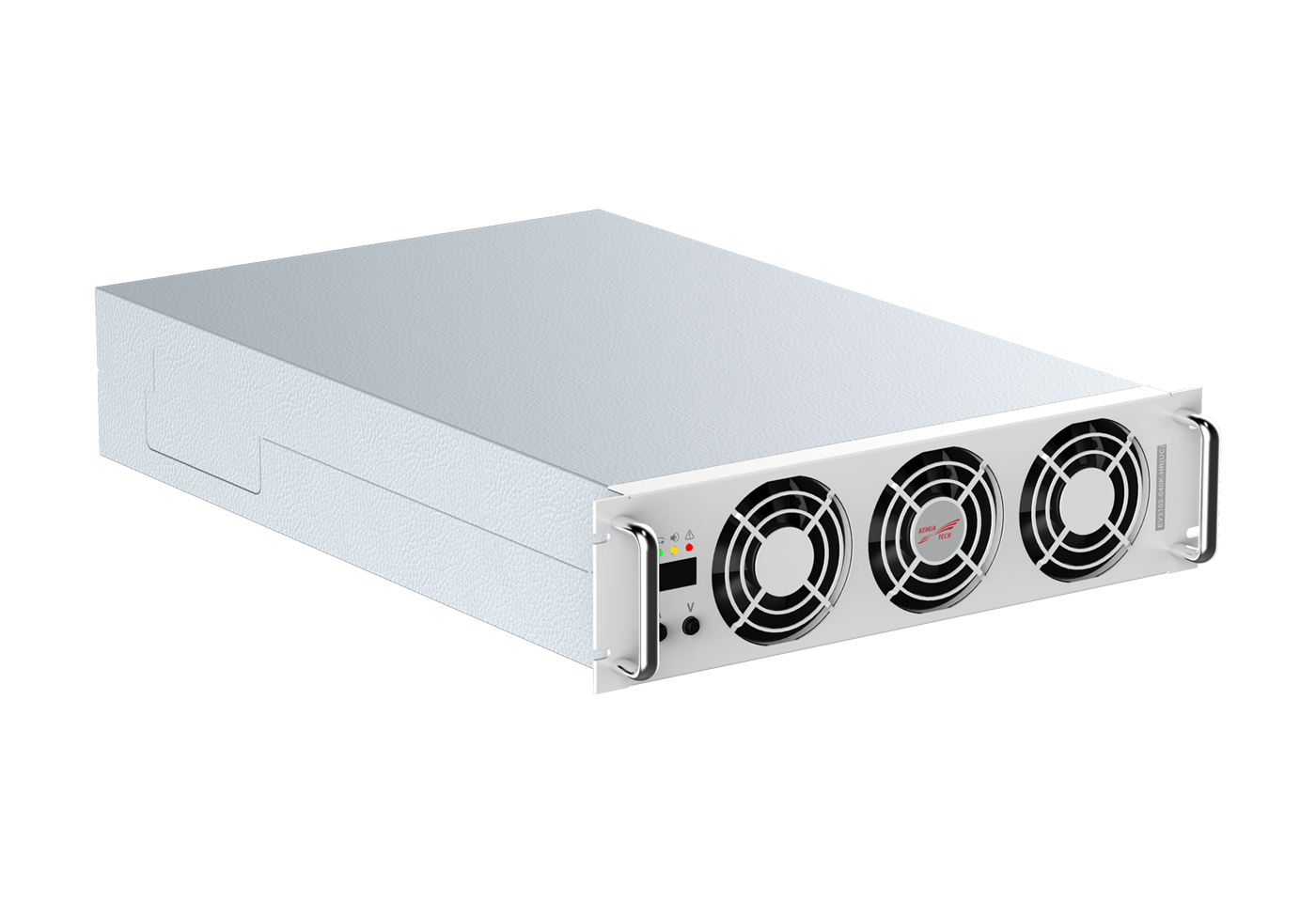
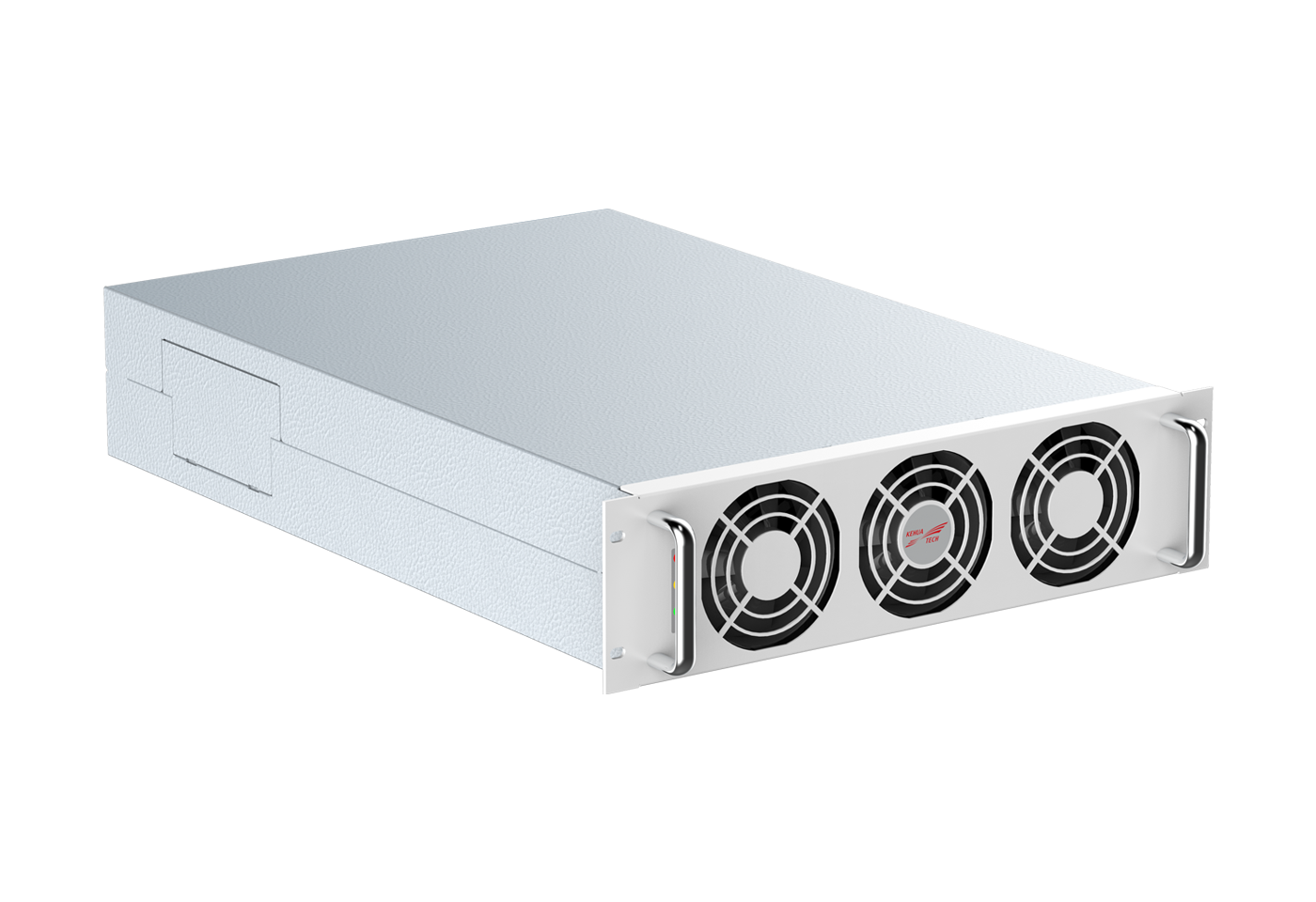
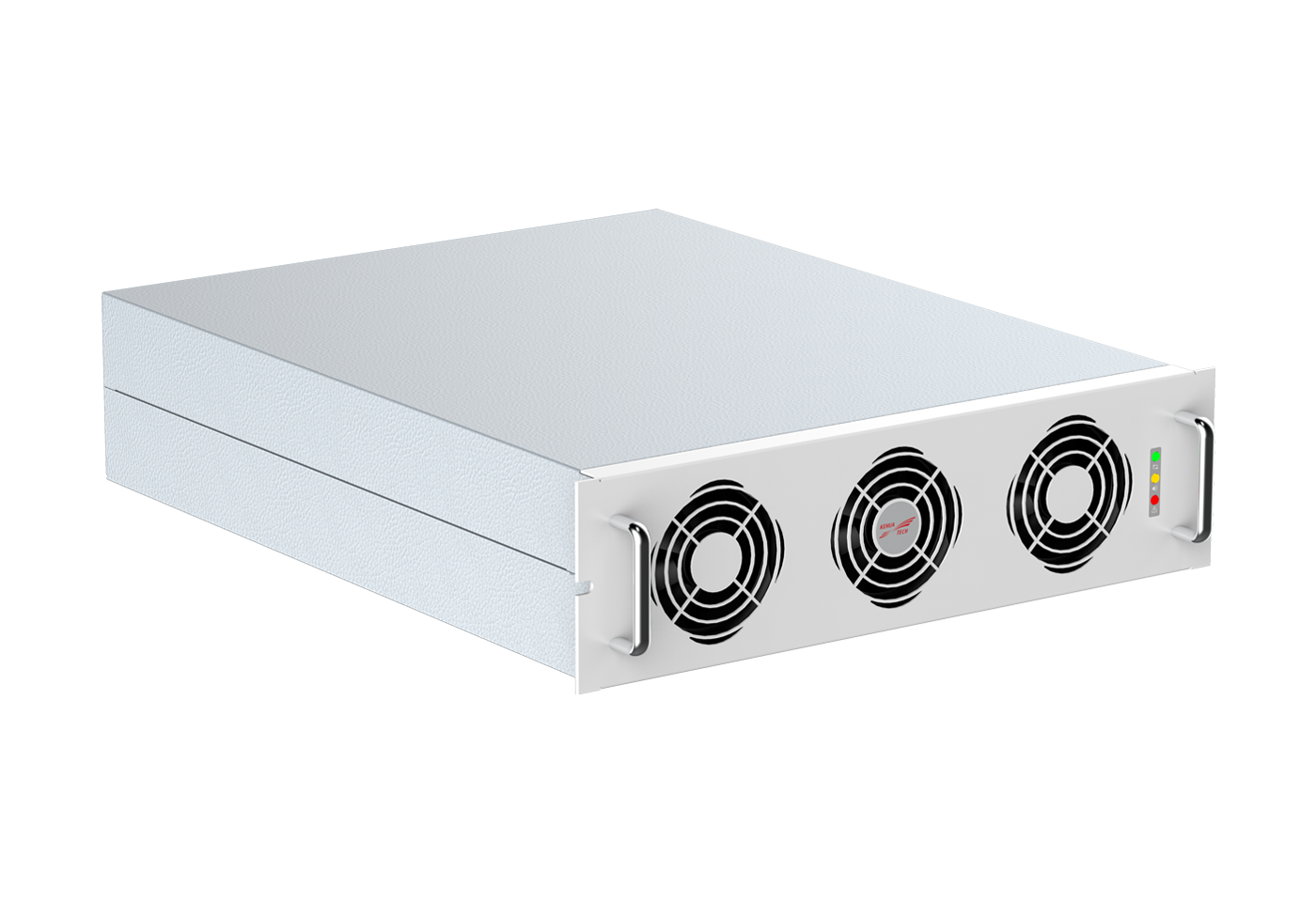
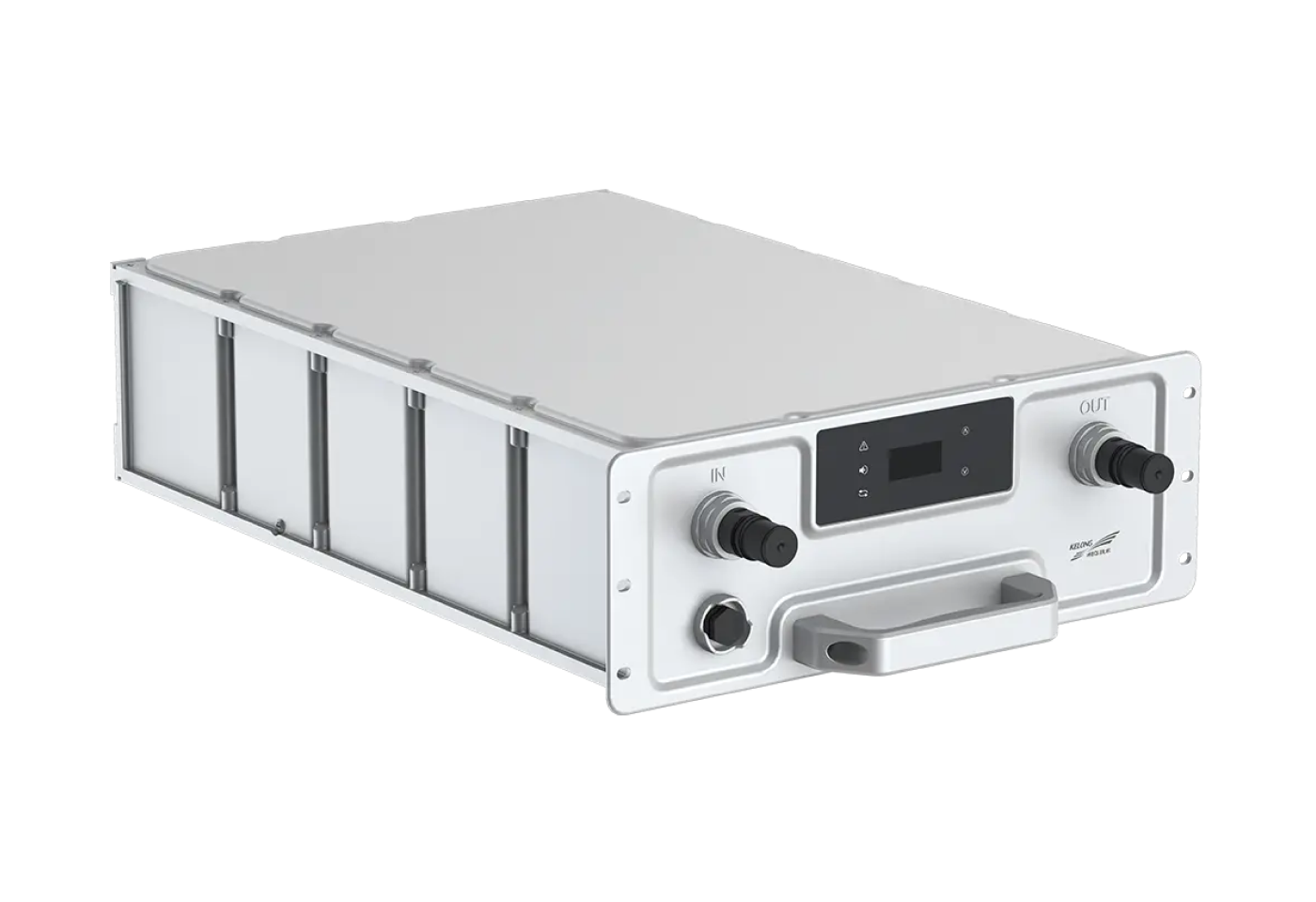
Kehua Product Series: 30kW / 40kW Air-Cooled Charging Modules
The 30kW / 40kW air-cooled modules are the core products of this solution, featuring:
- 150–1000V ultra-wide output voltage
- -40°C to 75°C operating temperature range, maintaining full power at 55°C
- 40kW modules adopt potting process and SiC devices, peak efficiency up to 97%
- Global certifications: CB, CE, UL
- EMC Class B compliant, no external filter required
- Low-noise design: full load ≤65dB, silent mode ≤55dB
- Intelligent operation and maintenance features
These modules combine high efficiency, reliability, wide adaptability, and ease of maintenance, providing customers with an excellent charging experience and significantly improving operational efficiency and user satisfaction for domestic and international markets.

