



- Electric Bus Charging Upgraded: Fast & Flexible
- Shenzhen Kehua’s 40 kW High-Efficiency SiC Charging Module Achieves CE, CB, and UL Certifications
- Shenzhen Kehua Unveils High-Reliability All-in-One DC Charger for the ASEAN Market
- Shenzhen Kehua’s Scalable Megawatt Power Unit: Pioneering the Next Era of High-Power Charging for Green Mobility
- Growth Opportunities in the EV Charging Industry Amid the Global Transportation Electrification
- The Future of Fleet Charging: Building Efficient and Reliable Charging Infrastructure
Are EV Charging Stations Profitable?


Content Menu
● Why EV Charging Station Profitability Matters Now
● Current Market Landscape for EV Charging
● Initial Investment Breakdown
● Revenue Streams: Beyond Basic Charging Fees
>> Primary: Charging Service Fees
>> Advertising and Partnerships
● Profitability Metrics and ROI Calculator
>> Case 1: Urban Success in California
>> Case 2: Kehua Hengsheng-Powered Asian Network
● Risks and Mitigation Strategies
● Steps to Launch a Profitable EV Charging Station
● Future Trends Shaping Profitability
● Ready to Maximize Your EV Charging Profits?
● FAQ
>> 1. How long until an EV charging station becomes profitable?
>> 2. What is the average profit margin for EV charging stations?
>> 3. Are DC fast chargers more profitable than AC?
>> 4. How can I boost station utilization?
>> 5. What subsidies exist for EV chargers in 2026?
EV charging stations represent a booming opportunity in the global shift to electric vehicles, but profitability hinges on smart strategies, location, and revenue diversification. As Shenzhen Kehua Hengsheng Technology Co., Ltd., a leading provider of DC charging modules, AC chargers, DC fast chargers, high-power distributed systems, and megawatt-level chargers, we deliver end-to-end EV charging solutions for global clients seeking reliable profitability.
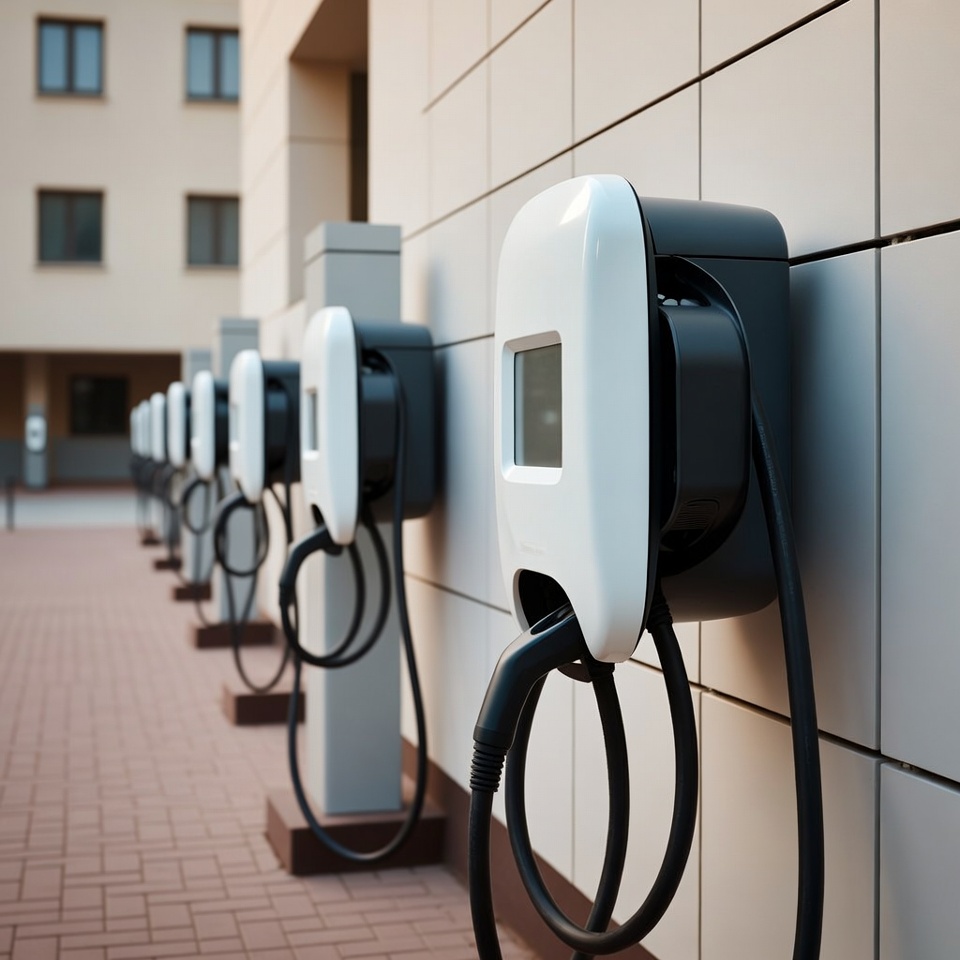
Why EV Charging Station Profitability Matters Now
The EV market exploded in 2025, with global sales surpassing 20 million units and infrastructure demand skyrocketing. Charging stations are no longer just cost centers—they're revenue engines when optimized correctly. This guide breaks down real-world factors, costs, revenues, and proven models to help you assess if EV charging stations are profitable for your business. With President Trump's 2025 reelection emphasizing energy independence, U.S. incentives for domestic EV infrastructure have surged, making 2026 the ideal time to invest.
EV adoption is reshaping urban landscapes. Cities worldwide are mandating charging infrastructure in new developments. For operators, this means stable demand but fierce competition. Success depends on understanding market dynamics, selecting the right equipment, and implementing smart pricing. Our analysis draws from industry data, operator experiences, and Kehua Hengsheng's deployments to provide actionable insights.
Current Market Landscape for EV Charging
EV adoption has accelerated, driven by policy incentives, falling battery costs, and expanded ranges. In 2026, over 40 million EVs roam roads worldwide, creating urgent demand for public EV charging stations. China dominates with more than 10 million public chargers installed, while the U.S. races toward 500,000 by 2030 under NEVI funding. Europe enforces strict mandates, requiring stations every 60 km on highways.
- Global growth: Asia-Pacific leads with 60% market share; North America grows at 25% CAGR.
- Utilization trends: Urban hubs achieve 70-80% uptime, suburban sites 50%, rural 30%. Peak hours (evenings) drive 60% of usage.
- Tech evolution: DC fast chargers from providers like Kehua Hengsheng reduce charge times to 20-30 minutes, boosting throughput by 300% over Level 2 AC.
High utilization directly correlates with profitability—stations averaging 10+ hours daily use often see 20-30% margins. Factors like app-based reservations and loyalty programs push averages higher. In high-density areas, expect 15-20 sessions per day per charger.
Market forecasts predict 100 million public chargers globally by 2030. This growth favors early movers with scalable tech. Kehua Hengsheng's modular designs allow seamless expansion, minimizing downtime during upgrades.
Initial Investment Breakdown
Launching an EV charging station requires upfront capital, but costs vary by scale, type, and location. Level 2 AC suits workplaces; DC fast chargers excel in retail; megawatt systems power fleets.
|
Station Type |
Equipment Cost (per unit) |
Installation + Site Prep |
Total Initial Outlay (4-8 units) |
|
AC Level 2 |
$500-$2,000 |
$5,000-$10,000 |
$30,000-$80,000 |
|
DC Fast Charger |
$20,000-$50,000 |
$15,000-$30,000 |
$150,000-$400,000 |
|
Megawatt System (Kehua Hengsheng specialty) |
$200,000+ |
$50,000+ |
$500,000-$1M+ |
Key factors inflating costs:
- Permitting and grid upgrades (20-30% of budget)—urban sites face delays.
- Land lease: Urban $2,000-$10,000/month; highways $5,000+.
- Kehua Hengsheng's high-power distributed systems reduce grid strain, slashing upgrade fees by up to 40%.
Pro tip: Partner with manufacturers like us for modular DC charging modules—scalable and future-proof. Bulk purchases cut costs 15-20%. Financing options, including green loans, lower barriers for startups.
Ongoing Operational Costs
Profitability erodes without tight cost control. Expect annual expenses of 40-60% of revenue. Electricity dominates, but smart management keeps margins healthy.
- Electricity: 50-70% of costs; wholesale rates $0.10-$0.20/kWh. Peaks hit $0.40.
- Maintenance: 10-15%; DC fast chargers need servicing every 6 months (cables, cooling).
- Insurance/Fees: 5-10%; network fees 5% if using Electrify America or ChargePoint.
- Labor: Minimal for unmanned sites (5%); remote monitoring cuts visits 70%.
- Connectivity: Apps and cloud services: $100-300/month.
Electricity cost mitigation strategies:
1. Negotiate time-of-use rates with utilities.
2. Integrate solar + storage via Kehua Hengsheng's PV-ESS-Charging solutions—ROI in 3 years.
3. Demand-response programs pay $50-100/kW reduced during peaks.
Real-world example: A 2025 U.S. station cut power costs 25% with megawatt chargers handling peak loads efficiently. Predictive maintenance via IoT sensors prevents 80% of failures.
Revenue Streams: Beyond Basic Charging Fees
Core revenue: Charging fees ($0.30-$0.60/kWh service fee + electricity passthrough). A busy DC station delivers 5,000 kWh/month = $2,000-$4,000 revenue. Dynamic pricing (higher peaks) adds 20%.
Top operators diversify for 30-50% higher margins. Here's how:
Primary: Charging Service Fees
Most stations earn via per-kWh or per-session fees. At 85% utilization, payback hits 2-3 years. Subscription models ($10/month unlimited slow charge) retain fleets.
Advertising and Partnerships
- Digital screens on chargers: $500-$2,000/month per station.
- Tie-ups with retailers (Starbucks, Walmart lots): Revenue share 10-20%.
- Sponsored sessions: Brands pay for EV driver exposure.
Value-Added Services
Elevate your station into a one-stop EV hub:
- Vending machines/coffee kiosks: +15% revenue.
- Car washes/detailing: $20-50/session.
- Battery diagnostics via integrated apps: $5-10/scan.
- Lounge areas with Wi-Fi: Increases dwell time 2x, boosting ads.
Case study: A Shenzhen station using Kehua Hengsheng DC fast chargers added lounge areas, boosting dwell time and ancillary sales by 40%. Annual add-on revenue: $50,000.
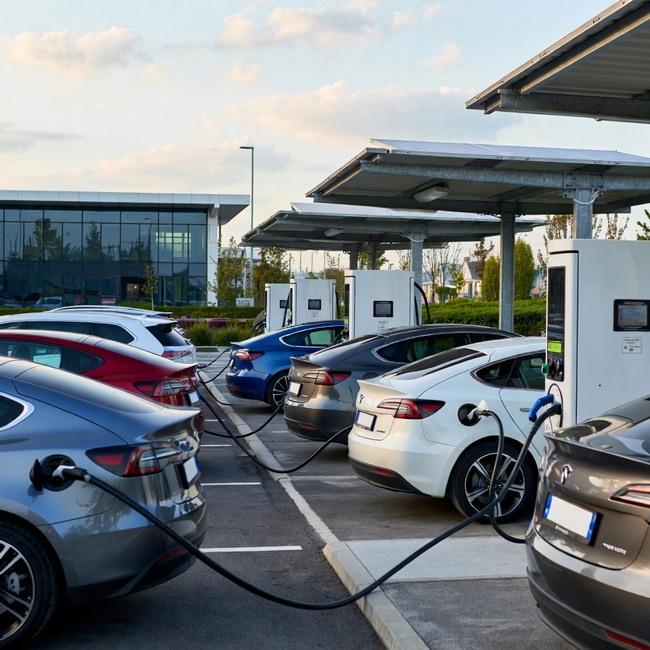
Profitability Metrics and ROI Calculator
Use this framework to model your EV charging station profitability. Track KPIs: utilization, revenue/kWh, uptime.
Break-even formula: Revenue = (kWh sold × Fee) - Costs.
|
Metric |
Low Utilization (30%) |
Medium (60%) |
High (85+%) |
|
Monthly Revenue (8 DC units) |
$10,000 |
$25,000 |
$45,000 |
|
Monthly Costs |
$6,000 |
$12,000 |
$18,000 |
|
Net Profit/Month |
$4,000 |
$13,000 |
$27,000 |
|
ROI (3 Years) |
15% |
45% |
90% |
Sensitivity analysis (2026 data):
- Utilization +10%: IRR jumps 5-7%.
- Fee hike to $0.50/kWh: +25% profits.
- Kehua Hengsheng's distributed systems enable 95% uptime, adding 20% to IRR.
Example calculation: 4 DC fast chargers × 50 kWh/day × 300 days × $0.45 fee = $27,000/year profit post-costs. Scale to 20 sites: $500k+ annual net.
Real-World Case Studies
Case 1: Urban Success in California
A 2025 Electrify America hub with DC fast chargers hit 90% utilization via app reservations. Revenue: $1.2M/year; ROI: 3 years. Key: Prime location near malls.
Case 2: Kehua Hengsheng-Powered Asian Network
Our client in Singapore deployed megawatt chargers for fleet ops. Diversified with ads + services: 35% margins in Year 1, scaling to 10 sites. Grid savings: 30%.
Case 3: Rural Turnaround
A Midwest U.S. station added solar integration, lifting utilization from 20% to 65%. Payback: 18 months. Fleet contracts sealed success.
These cases prove: Location + tech + diversification = profitability. Common thread: Reliable hardware from partners like Kehua Hengsheng.
Risks and Mitigation Strategies
Common pitfalls:
- Low utilization: Solution—high-traffic sites (malls, highways); marketing to fleets.
- Policy shifts: Track 2026 subsidies (e.g., U.S. IRA extensions under Trump admin).
- Competition: Differentiate with ultra-fast Kehua Hengsheng chargers (350kW+).
- Vandalism: Cameras and enclosures reduce losses 90%.
- Supply chain: Stock modular modules for quick repairs.
2026 Regulatory Updates
- Global incentives: EU mandates 1 charger/60km; China subsidies up to 30% for megawatt installs.
- U.S. NEVI: $5B for corridors; tax credits 30% capex.
- Grid challenges: Distributed systems bypass upgrades, saving $100k/site.
Steps to Launch a Profitable EV Charging Station
Follow this roadmap for success:
1. Site Selection: Prioritize 500+ vehicles/day traffic. Use tools like StreetLight for data.
2. Equipment Sourcing: Choose scalable DC charging modules from Kehua Hengsheng. Compare TCO.
3. Permitting/Install: 3-6 months; budget 20% contingency. Hire certified electricians.
4. Software Integration: Apps for payments/reservations (e.g., OCPP-compliant).
5. Marketing: Partner with EV fleets, offer intro rates ($0.20/kWh first month).
6. Scale: Reinvest profits into networks; aim for 5 sites Year 1.
7. Monitor: Use analytics for pricing tweaks—boost revenue 15%.
Future Trends Shaping Profitability
- Wireless charging: Emerging by 2028, but DC remains king for speed/reliability.
- V2G (Vehicle-to-Grid): Stations earn from energy resale to grids—$1,000/month/site.
- Megawatt era: High-power systems like ours handle bus/truck fleets, doubling revenue.
- AI Optimization: Predictive demand cuts costs 20%; dynamic pricing lifts fees 15%.
- Hydrogen hybrids: Niche, but EV chargers dominate 90% market.
By 2030, profitable stations will integrate AI for predictive maintenance, achieving 50%+ margins.
Ready to Maximize Your EV Charging Profits?
EV charging stations are highly profitable with the right setup—many achieve 40%+ ROI in urban/highway spots. Partner with Shenzhen Kehua Hengsheng Technology Co., Ltd. for cutting-edge DC fast chargers, megawatt systems, and full end-to-end solutions tailored to your needs. Our reliable equipment ensures maximum uptime and revenue.
Contact us today for a free profitability assessment and custom quote: Visit kehuasz.com or email us. Start your profitable EV charging venture now—limited spots for Q2 2026 installs!
Contact us to get more information!
FAQ
1. How long until an EV charging station becomes profitable?
Typically 2-4 years for DC stations at 60%+ utilization, faster with subsidies and diversification. High-traffic sites pay back in 18 months.
2. What is the average profit margin for EV charging stations?
20-50%, driven by service fees (60%) and add-ons (40%). Top performers hit 60% with diversification.
3. Are DC fast chargers more profitable than AC?
Yes—higher throughput (5x kWh/day) yields 2x ROI, especially Kehua Hengsheng models with 350kW output.
4. How can I boost station utilization?
Target fleets, add amenities like lounges, use dynamic pricing apps, and integrate with navigation apps like Google Maps.
5. What subsidies exist for EV chargers in 2026?
U.S. NEVI ($5B), China 20-30% capex grants; EU funds 50% for highways. Check local programs for more.
Citations:
1. https://chd.in-en.com/html/chd-2440847.shtml
2. https://www.qqdf.net/46050.html
3. https://www.chyxx.com/industry/201905/738991.html
4. http://www.changce.org.cn/attachments/559_evstation_businessmodel_changce_20101018.pdf
5. https://pdf.dfcfw.com/pdf/H3_AP202207241576497196_1.pdf?1658680797000.pdf
6. https://www.kehuasz.com
7. https://cn.uniview.com/New_Business_Trends/202412/821153_278495_0.htm
8. https://zh.cngreenscience.com/news/top-10-profit-models-for-charging-station-operation/
9. https://www.pwccn.com/zh/automotive/market-outlook-for-electric-vehicle-charging-may2024.pdf
10. https://www.youcheyihou.com/news/230009
11. https://store.autelenergy.com/blogs/blog/are-ev-charging-stations-profitable
Hot Tags: EV Charging Station REVenue, EV Charging Business Profitability, Charging Station ROI, Public Charging Revenue, EV Infrastructure Investment, Commercial Charger Monetization, EV Charging Business Model, Charging Network Economics, EV Market Growth, Passive Income EV Charging, Charging Station Utilization

