



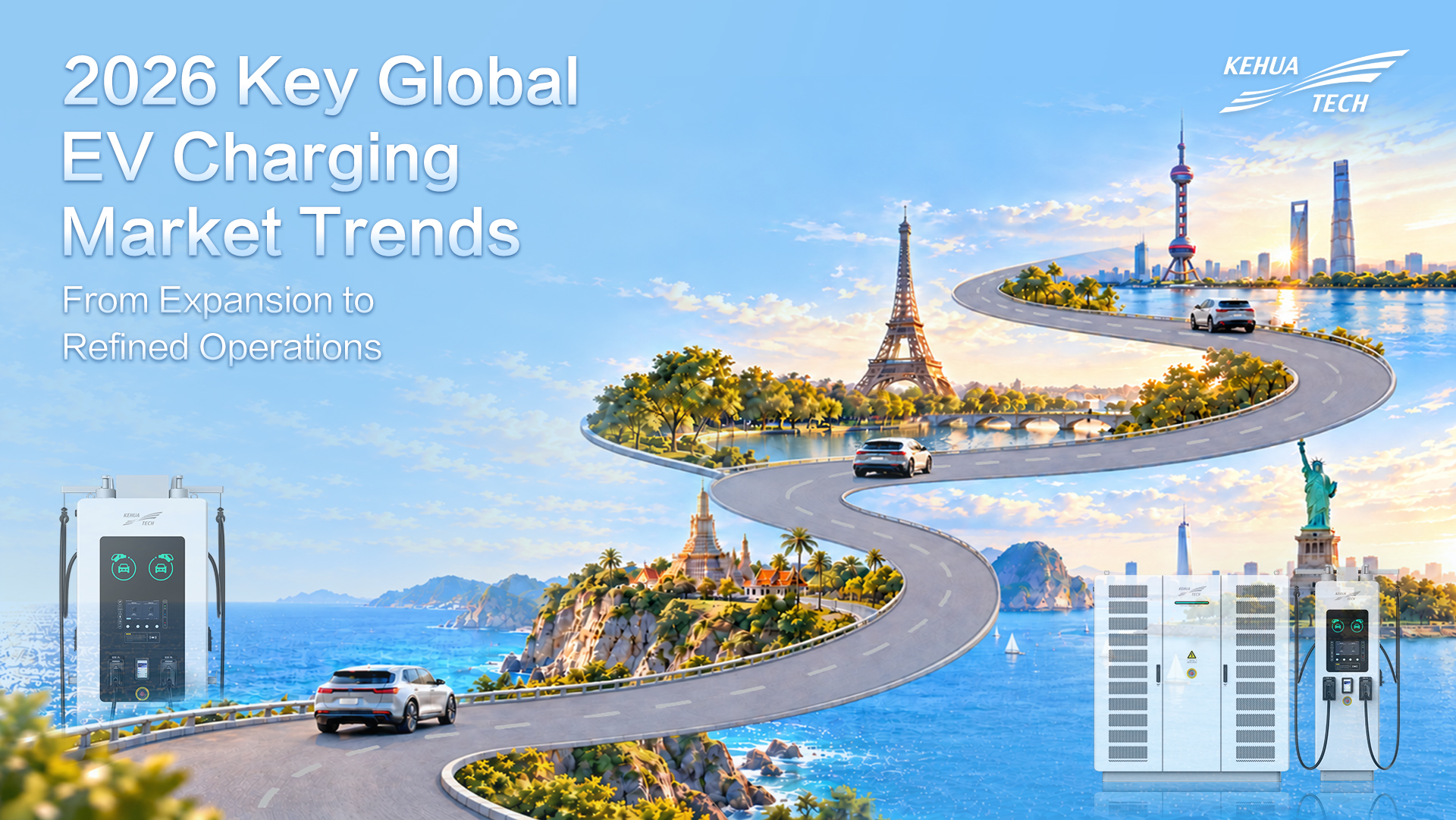
2026 Key Global EV Charging Market Trends: From Expansion to Refined Operations


In 2026, the global EV charging market is entering a new phase. In recent years, the industry's core question was: how quickly can charging networks be built? As charging infrastructure in some markets reaches a certain scale, the focus is shifting to new questions: Are these assets being fully utilized? Can they generate sustainable returns? And can they be better aligned with grid conditions, energy systems, and local mobility needs? Differences in EV adoption, infrastructure maturity, and energy conditions are also driving distinct development paths across markets.
Europe: Structural Gaps and Utilization Challenges Coexist, Shifting Investment Toward Quality
Europe's charging infrastructure continues to expand. According to the International Council on Clean Transportation (ICCT), the EU had approximately 1.16 million public charging points as of June 2026. At the same time, market maturity and infrastructure availability vary significantly across Europe. Some markets are beginning to face infrastructure growth outpacing EV fleet growth and uneven utilization, while parts of Southern and Central and Eastern Europe, as well as the HDV charging segment, still have room for further deployment and expansion. (ICCT; PwC; ACEA)
This suggests that Europe is not uniformly moving from an “infrastructure gap” to a “quality of investment” phase. Instead, the two dynamics are developing in parallel: mature markets are placing greater emphasis on utilization and returns on investment, while some regions and specific vehicle segments still require additional infrastructure.
PwC Strategy&’s 2026 charging market analysis shows that approximately 72% of European CPOs are adopting more selective investment strategies, with greater focus on high-traffic locations, predictable charging demand, faster returns on investment, and higher asset utilization.
As a result, Europe's focus is gradually expanding beyond simply growing the network to questions such as “where is new infrastructure most valuable, and how can existing assets be utilized more effectively?” This is likely to further increase the importance of site selection, power configuration, dynamic power management, smart charging, and charging-storage integration.
North America: Densification at High-Demand Sites and Higher Throughput
The U.S. and Canadian charging markets remain in a network expansion phase, but some high-demand sites are showing clearer trends toward denser deployment and higher throughput. Q1 2026 data indicates that some charging operators are concentrating more charging capacity at key locations to increase service capacity and throughput per site. (Paren) This suggests that the logic behind large charging hubs may be shifting from simply adding more chargers to concentrating greater charging capacity at strategic locations to serve more vehicles per site.
The Canadian government's new round of charging infrastructure investment announced in July 2026 also emphasized adding fast-charging equipment at existing or nearby locations to increase capacity and reduce waiting times.
For North America, the key metric is therefore not just the number of chargers, but the full chain from site scale and throughput per site to utilization and revenue potential: site scale → throughput per site → utilization → revenue potential
This also points to growing importance of high-power equipment, dynamic power allocation, modular capacity expansion, and high availability.
South America: Infrastructure Is Becoming a Key Enabler of the Next Phase of EV Growth
One of the key differences between South America and the European and North American markets is that overall EV penetration remains relatively low.
As of Q1 2026, the Latin America and Caribbean region had approximately 837,000 electrified light-duty vehicles, representing only about 0.7% of the total light-duty vehicle fleet. Meanwhile, Brazil has the region's largest EV fleet and public charging network, while Chile has made notable progress in electric public transportation. (Olade)
This means South America remains in an important window for infrastructure development. As EV penetration gradually increases, charging infrastructure will become a key prerequisite for the next phase of market growth. Rather than replacement demand in mature markets, the areas to watch in South America include:
• Expansion of Brazil's public charging network
• Highway charging corridors
• Charging at commercial locations
• Electric buses
• Logistics vehicles and commercial fleets
• Urban and intercity charging networks
In other words, South America is gradually moving from EV market development toward a critical stage of proactive charging infrastructure deployment.
Southeast Asia: Growing Demand for Charging and Energy Infrastructure Integration
An important change in Southeast Asia is the growing connection between charging infrastructure and the broader energy system.
The number of charging stations in Indonesia, Thailand, Malaysia, and Vietnam increased by approximately ninefold between 2022 and 2024. (CFA Institute)
At the same time, Southeast Asia's imports of Chinese clean-energy products continued to grow rapidly in 2026, with notable increases in energy-storage batteries and photovoltaic products. (Reuters) Together, these trends point to rising demand for integrated solar-storage-charging solutions. In particular, at commercial and industrial parks, hotels, shopping centers, fleet depots, and locations with limited grid capacity, charging infrastructure may need to take on a broader energy-management role rather than simply supply power to vehicles.
One direction to watch in Southeast Asia is how local grid conditions and energy structures are creating stronger demand for integrated solar-storage-charging solutions. Competition may also gradually shift from “who can supply more charging equipment” to “who can provide solutions better suited to local grid and energy conditions.”
China: Rapid Scale Expansion Continues, with Greater Focus on High Power, Deeper Coverage, and Vehicle-Grid Integration
China remains one of the world's largest EV and charging markets. In 2026, infrastructure expansion has continued, while greater emphasis is being placed on charging efficiency, network coverage, and coordination with the power grid.
By the end of June 2026, China's total EV charging infrastructure reached 23.057 million units, up 43.2% year on year. This included 5.009 million public charging facilities and 18.048 million private charging facilities. Meanwhile, more than 180,000 high-power charging points had been installed nationwide, and charging infrastructure coverage across counties reached 98.61%. (National Energy Administration)
China is therefore not moving from “building” to “no longer building.” Instead, infrastructure expansion and service-capability upgrades are progressing in parallel. On the one hand, continued infrastructure deployment is needed across highways, counties and townships, and new-energy heavy-duty trucks. On the other, high-power charging, smart managed charging, vehicle-grid interaction, and distribution-grid upgrades are becoming increasingly important.
At the policy level, the “Three-Year Doubling Action Plan for EV Charging Facility Service Capacity (2025–2027)” sets a target of 28 million charging facilities nationwide by the end of 2027. It also promotes ultra-fast charging at highway service areas, rural charging networks, integrated development and operation of residential charging facilities, and large-scale V2G applications, while encouraging distribution grids to adapt to high charging loads. (National Development and Reform Commission; National Energy Administration)
Key areas to watch in China's market therefore include:
• High-power fast charging
• Deeper charging-network coverage in counties and townships
• Charging infrastructure for new-energy heavy-duty trucks
• Smart managed charging and V2G
• Coordination between charging infrastructure and distribution grids
In other words, China still needs more charging infrastructure, but simply increasing the number of chargers is no longer enough. Going forward, charging infrastructure will need to strike a better balance among power capacity, deployment, energy management, and operational efficiency to support continued electrification more efficiently and reliably.
Although these markets are at different stages of development, they point to the same clear trend: competition in EV charging infrastructure is shifting from “building more” to “building smarter and operating more efficiently.”
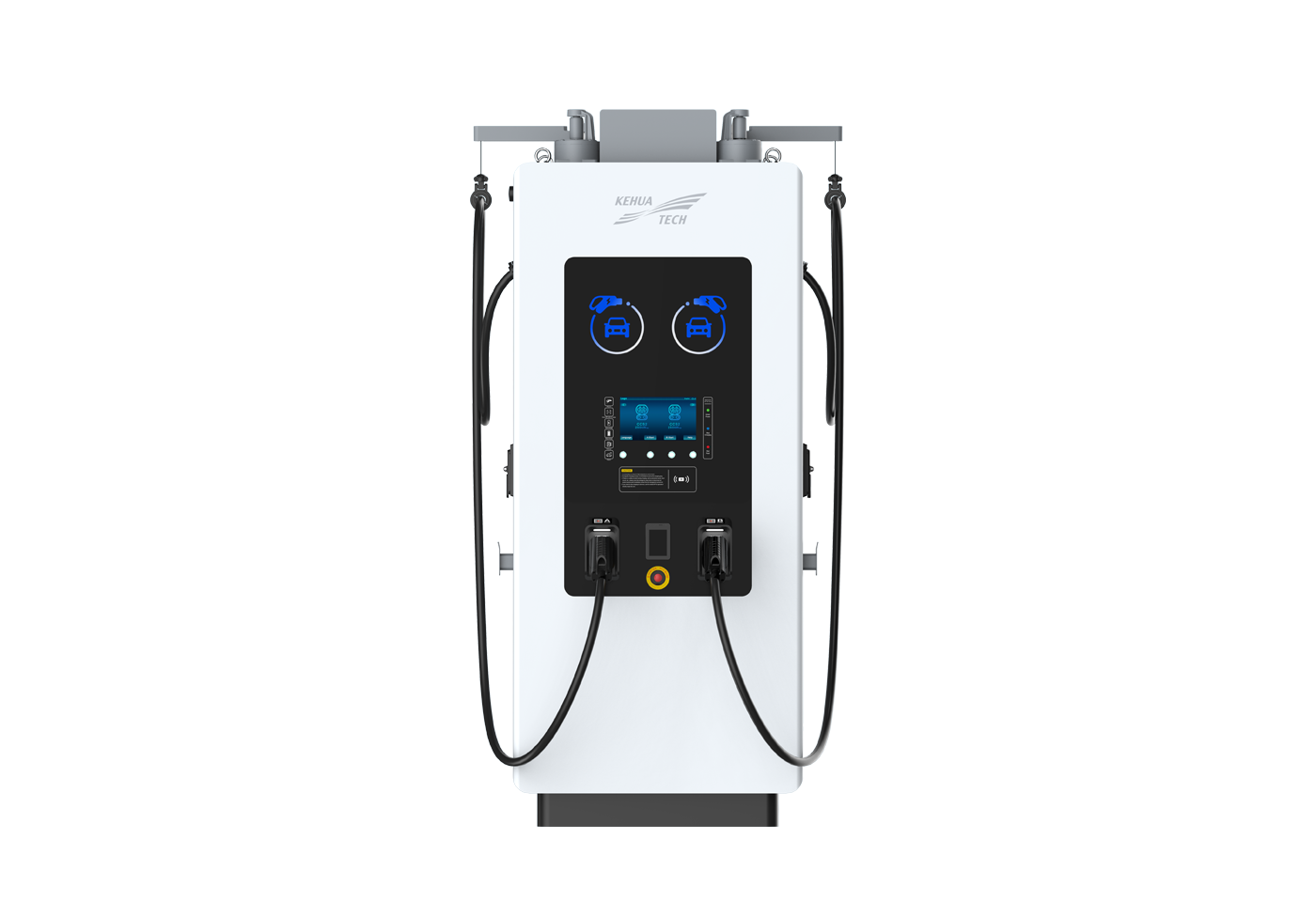
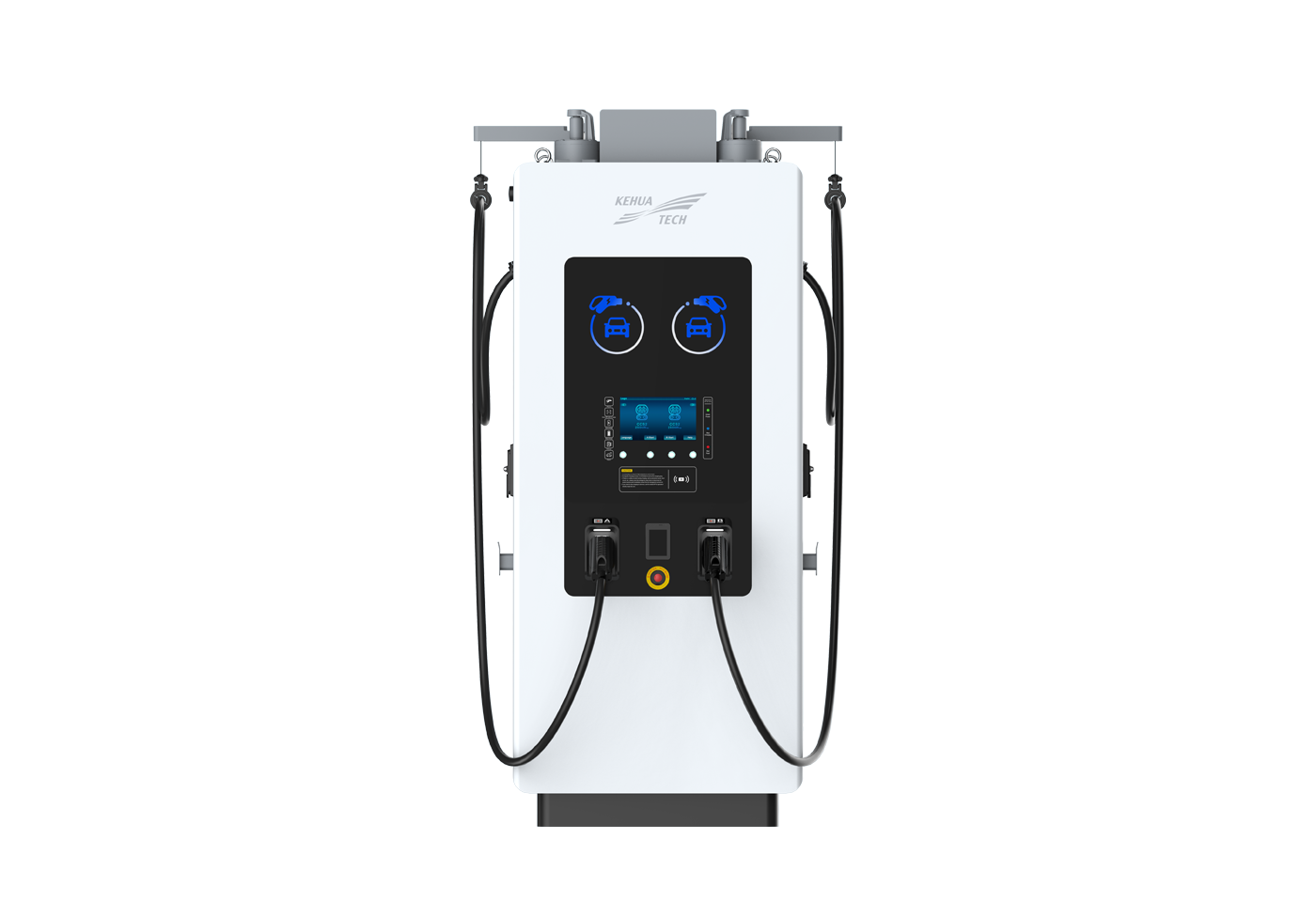
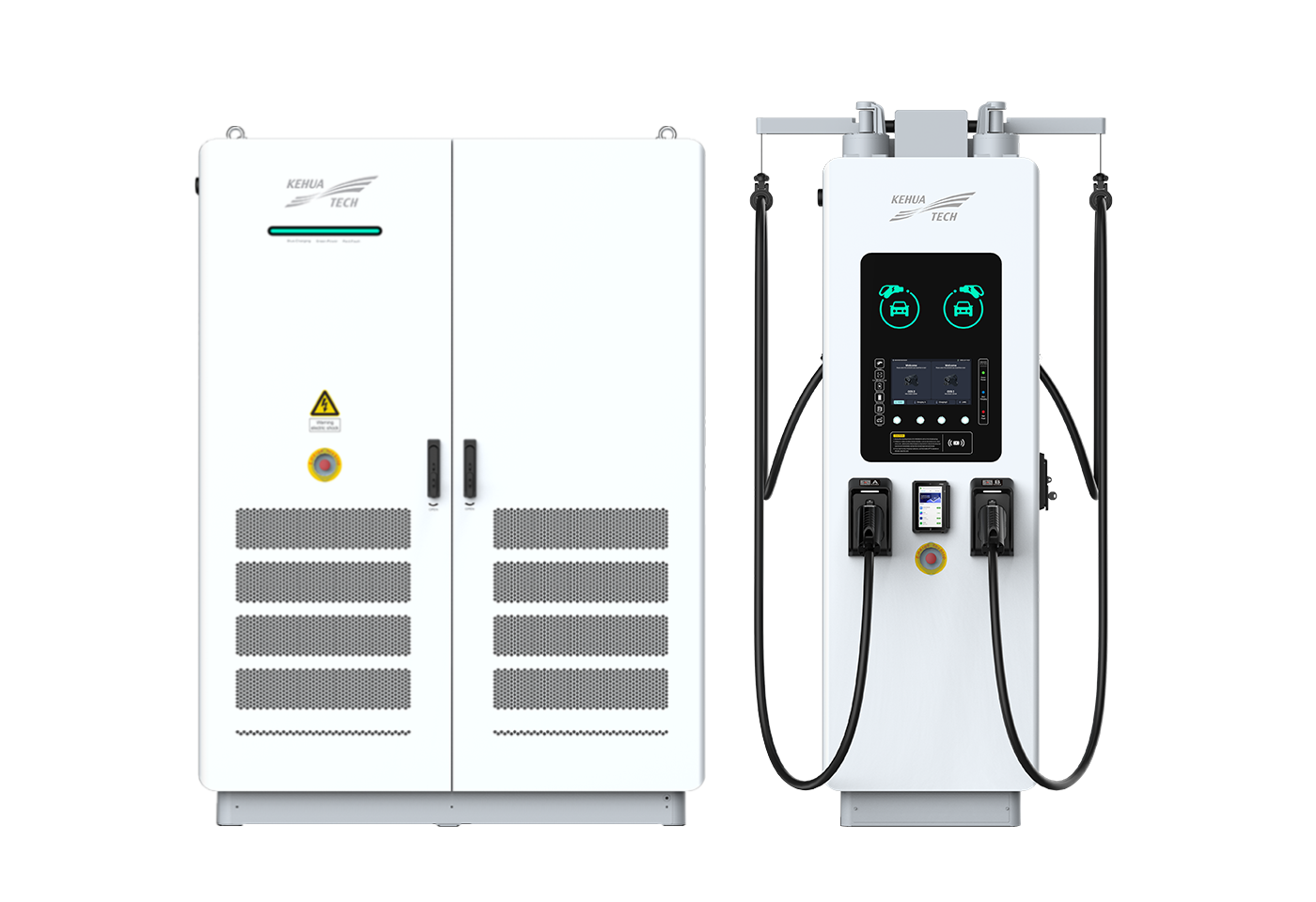
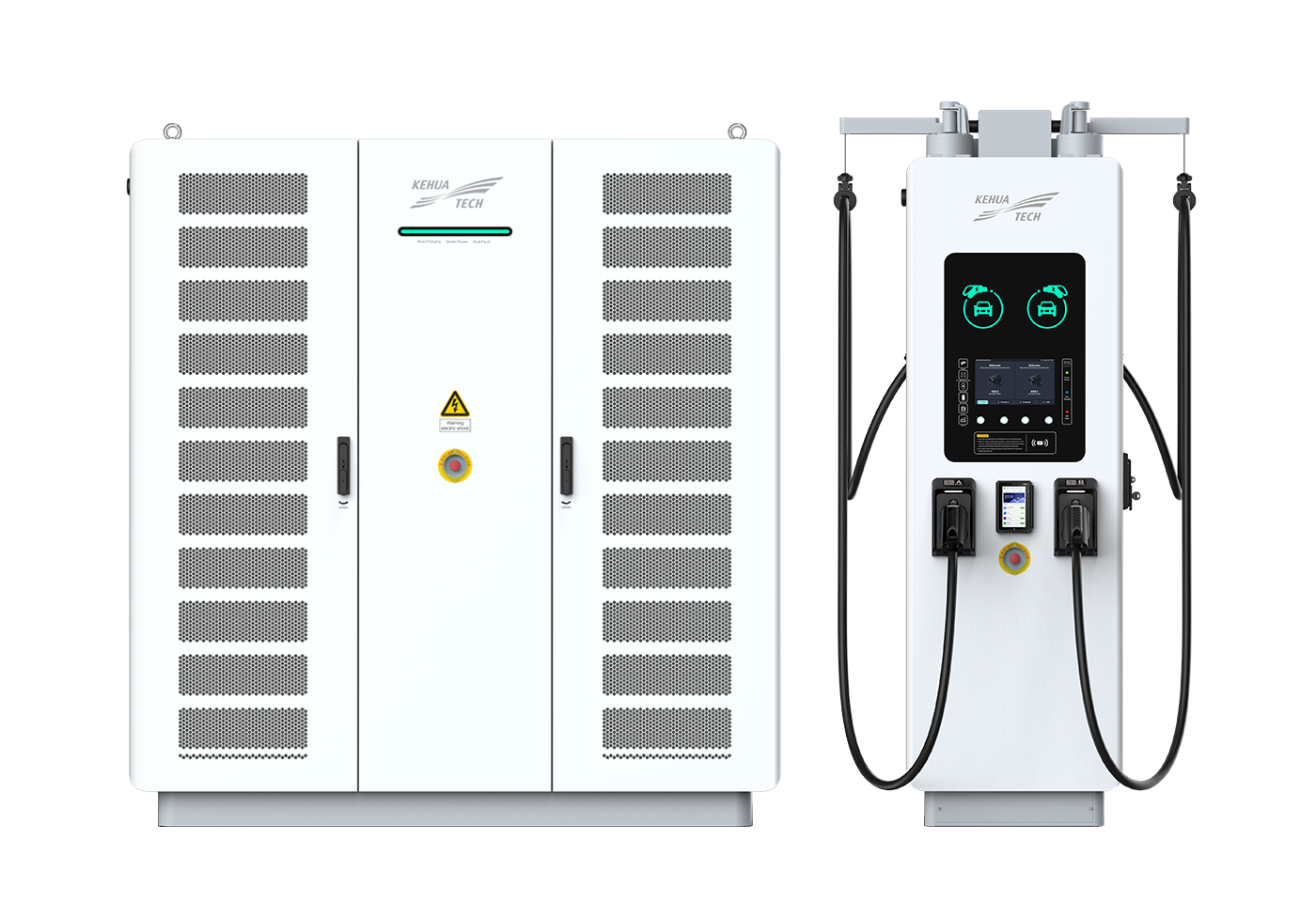
Aligned with this trend, Kehua delivers efficient, reliable, and intelligent charging technologies to provide future-ready charging infrastructure for markets worldwide.
Hot Tags: EV Charging Infrastructure, EV Charging Solutions, Electric Vehicle Charging Station, DC Fast Charging Station, Smart EV Charging System, EV Charging Management System, EV Charging Network, EV Fast Charging Technology, Solar Storage Charging System, Vehicle To Grid (V2G) Technology

