



Heavy-Duty Truck Charging: Reshaping Europe’s New Energy Infrastructure


In recent years, discussions around new energy vehicles have largely focused on passenger cars. From 800V high-voltage platforms to ultra-fast charging technologies and intelligent user experiences, the industry’s attention has consistently centered on“making electric vehicles feel more like conventional fuel vehicles.”
However, in Europe, another market is quietly emerging — electric heavy-duty trucks. Compared with passenger vehicles, electrifying heavy trucks is not just an energy transition; it fundamentally impacts logistics efficiency, energy structure, and the future operation of infrastructure.
If passenger vehicle charging discussions are about “growth,” then heavy-duty truck charging represents a true industrial transformation.
Long-Haul Logistics Time Pressure Drives Megawatt Charging Systems
In the long-haul logistics industry, time is cost. Traditional diesel trucks can refuel in minutes, while electric heavy trucks face challenges if charging takes too long, limiting their adoption in mainstream transport. This is why Europe has accelerated the development of Megawatt Charging Systems in recent years.
Compared to the 150kW–350kW fast-charging standards for passenger cars, MCS systems have entered the “megawatt era.” A 1.2MW charging power is equivalent to:
· Approximately 8 units of 150kW fast chargers operating simultaneously, or
· More than 3 times the capacity of 350kW ultra-fast chargers
This is not merely a numerical improvement; it allows electric heavy trucks to approach the operational rhythm of conventional diesel trucks for the first time. For example, under 1.2MW MCS, the Tesla Semi can recharge over 480 km of range in about 30 minutes — perfectly aligned with Europe’s 45-minute mandatory driver rest regulations. In practice, the truck is fully charged as the driver’s break ends, enabling genuine commercial viability.
Europe Accelerates the Development of “Heavy Truck Charging Highways”
Since 2026, Europe has noticeably accelerated the construction of heavy-duty truck charging infrastructure. The German Federal Ministry of Transport announced a €1 billion investment over the next four years to build a network for electric heavy trucks, covering:
· Grid connection
· Energy storage systems
· Load management
· Energy scheduling systems
This demonstrates that heavy truck charging is no longer a standalone equipment project but an integral part of Europe’s future energy ecosystem.
Meanwhile, Milence, a joint venture by Daimler Trucks, TRATON, and Volvo Group, is rapidly expanding a cross-border heavy truck charging network in Europe. Their network currently spans 8 countries with 34 major charging hubs. The new MILES project plans to deploy 284 MCS charging stalls across 10 countries, with single-stall power reaching up to 1,440kW.
Not only automakers but also traditional energy companies are entering this market on a large scale. German energy giant E.ON, in partnership with Voltix and GreenWay, plans to build approximately 330 MCS heavy truck charging stations by 2028, covering Europe’s key cross-border logistics corridors. Europe is gradually forming a true backbone network for electric heavy trucks.
Growing Battery Capacity Signals a New Stage for Heavy Truck Charging
As long-haul distances increase, the battery capacity of Europe’s mainstream electric heavy trucks has risen steadily, making conventional charging power insufficient for maintaining logistics efficiency. Current mainstream models typically exceed 500kWh, with 600kWh+ becoming the standard for long-haul trucks, while models like the Tesla Semi reach 800kWh or more.

This trend indicates that future heavy truck charging requires not only higher power but also system-level capability upgrades.
Shenzhen Kehua Charging Systems: Full-Scenario, High-Power Solutions
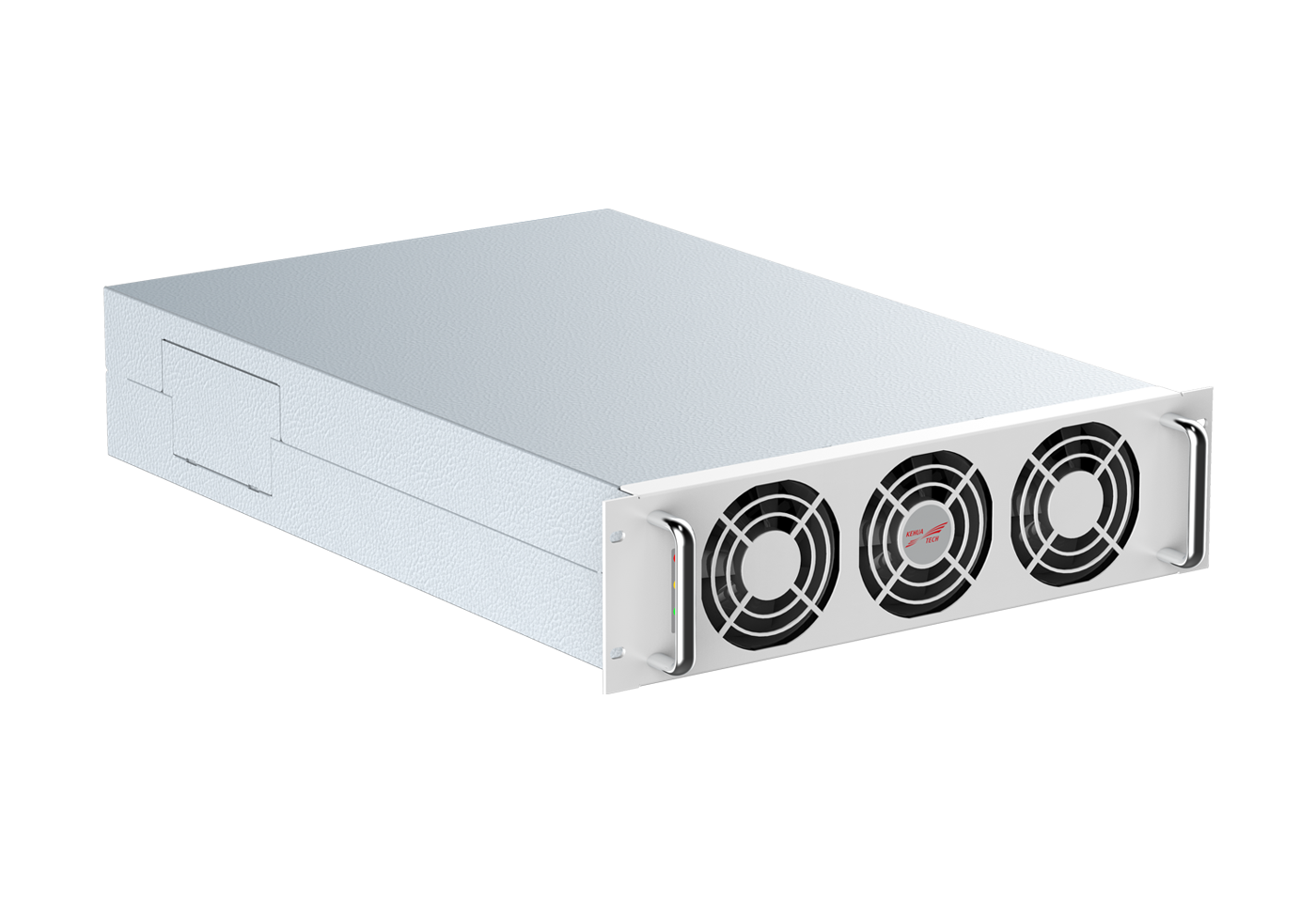
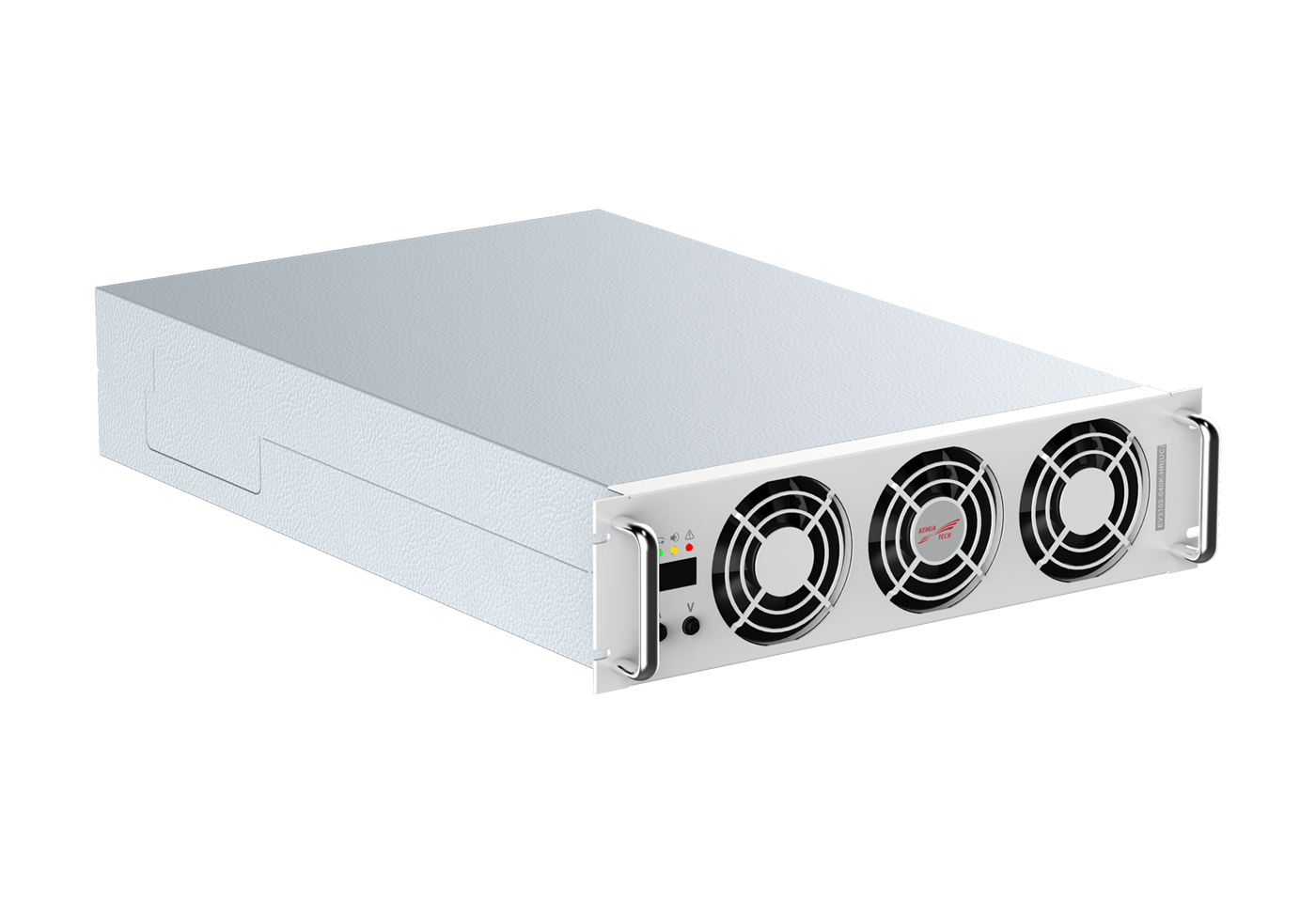
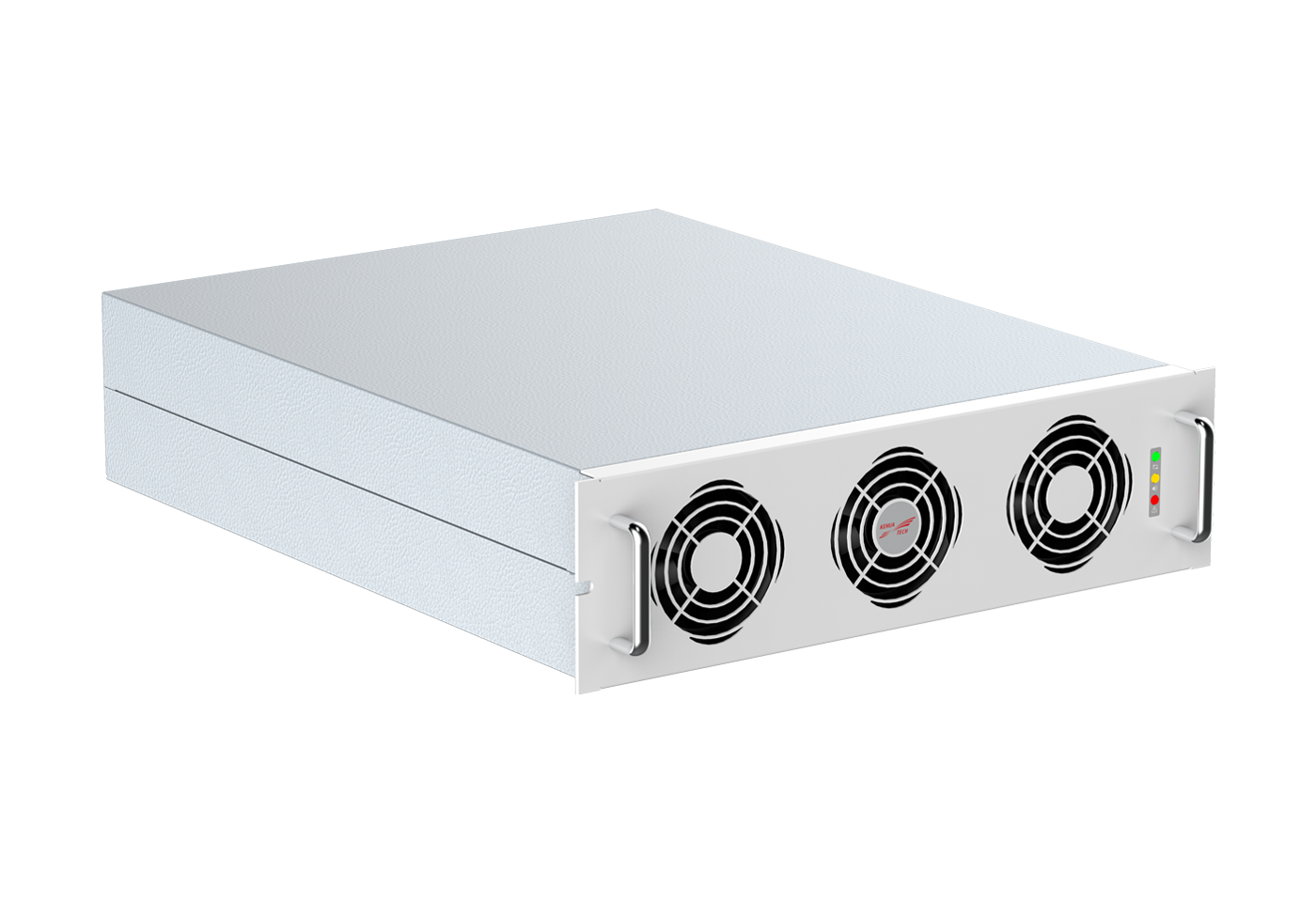
In response to Europe’s demand for high-power charging for heavy trucks, Shenzhen Kehua has developed a full-scenario, high-power product portfolio, including:
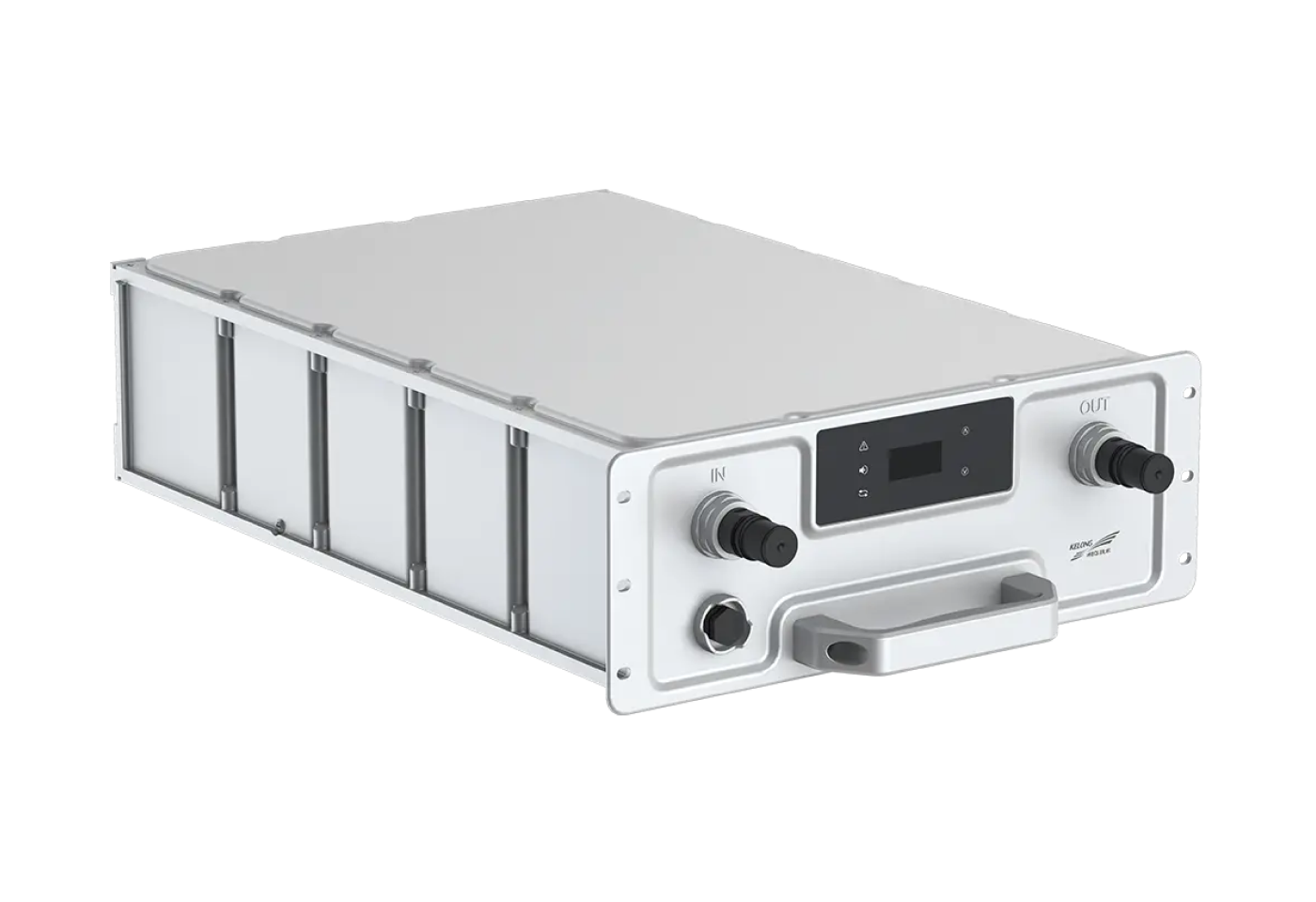
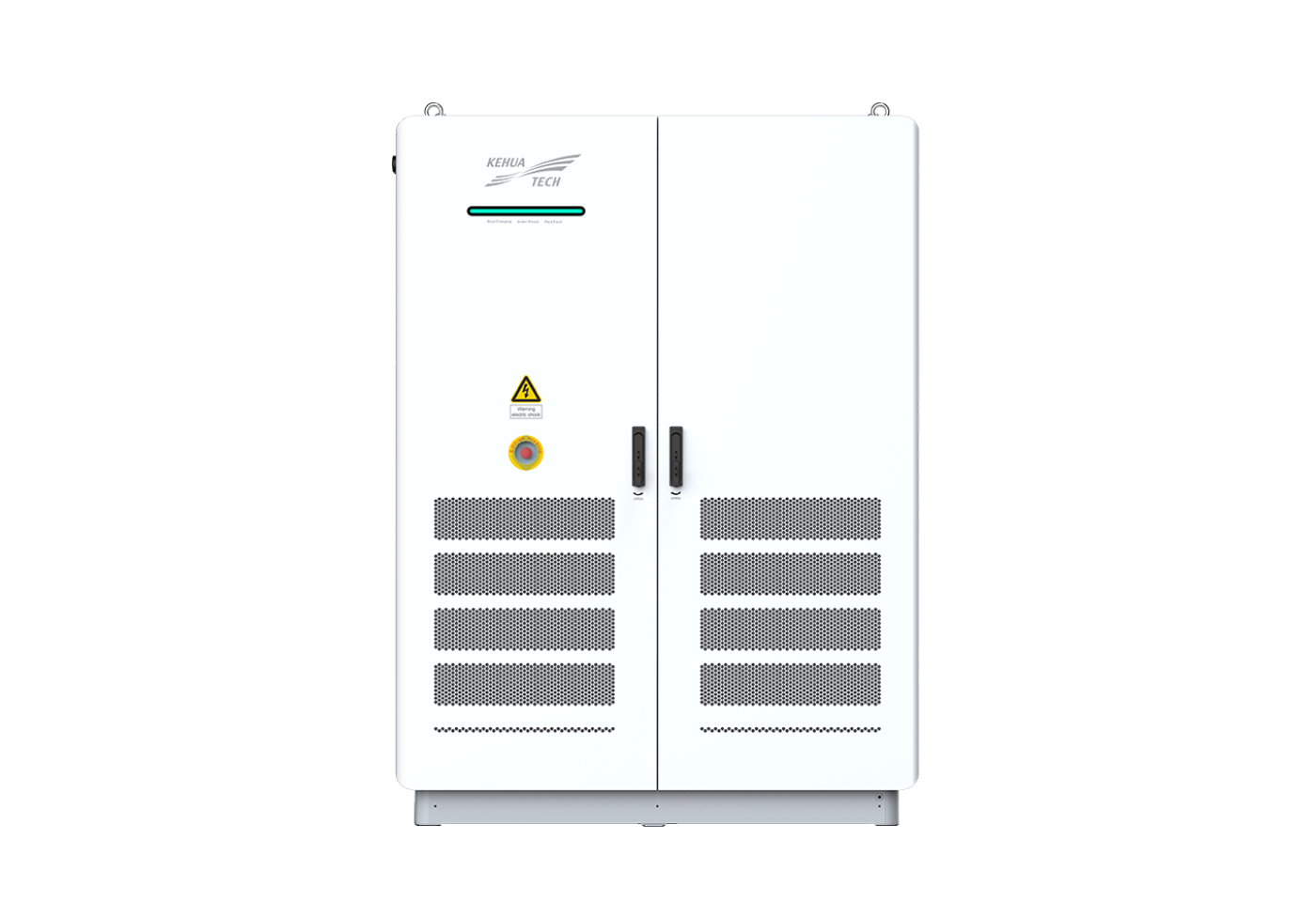
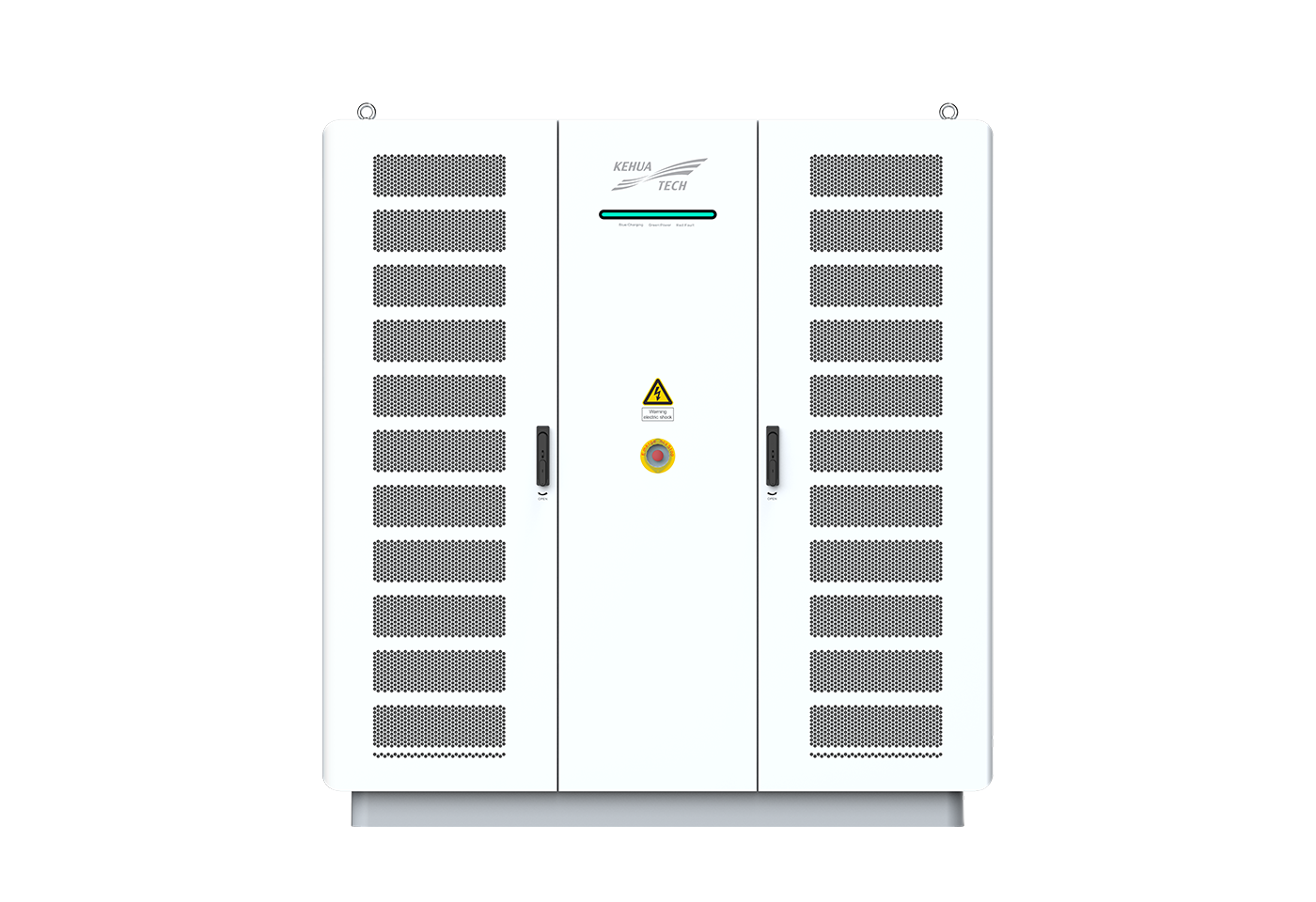
· Integrated DC Chargers: 240kW / 320kW / 400kW
· High-Power Distributed Systems: 480kW / 600kW/ 800kW / 960kW
· Megawatt-Class Charging System: 1.2MW / 1.6MW
The distributed charging systems can flexibly support 500A air-cooled dispensers, 600A liquid-cooled dispensers, and MCS dispensers, meeting the energy needs of highways, ports, and regional distribution logistics scenarios.
Advantages of Shenzhen Kehua Charging Systems:
· High Efficiency: Peak efficiency up to 96.5%, utilizing silicon carbide high-efficiency modules combined with intelligent efficiency optimization algorithms to enhance overall station performance.
· High Reliability: IP55 protection, C4-H corrosion resistance, operating range of -30°C to 55°C, and full-power output even at 50°C. Over 100 safety protection mechanisms and module life-balancing technology ensure long-term stable operation.
· User-Friendly Experience: Self-retracting cable management system, barrier-free design, and multiple authentication methods (RFID, QR code, credit card, Autocharge) enable effortless operation even in megawatt-level charging scenarios.
· Convenient Operation & Maintenance: Remote monitoring, OTA upgrades, intelligent diagnostics, and maintenance management via cloud platform and web-interface reduce costs and improve efficiency.
· Scalability & Flexibility: Supports diverse dispenser configurations and deployment layouts to meet varying logistics needs, providing sustainable upgrade capacity for future transport and energy management.
Shenzhen Kehua’s heavy truck charging solutions aim to provide efficient, reliable, and intelligent energy replenishment for Europe’s and global heavy truck networks, driving the commercial adoption of electric heavy trucks.

